
2027 Most Popular Education Degree Programs Ranking in Logan

Co-Founder and Chief Data Scientist
Choosing the right education degree program can shape your future and open doors to rewarding careers in Logan. This article introduces the 2027 Most Popular Education Degree Programs Ranking in Logan, created by the Research.com team of data scientists. It offers reliable insights to help you make an informed decision about which programs stand out in quality and popularity.
Exploring these rankings can guide you toward programs that match your goals and passions. Pursuing an education degree brings opportunities to impact lives and grow professionally, making it a meaningful investment in yourself.
Key benefits of getting education degree in Logan
- Education degree graduates in Logan can expect competitive salaries, such as $70,740 for elementary school teachers, $76,000 for special education teachers, and up to $77,200 for instructional designers.
- Graduates from Utah State University in Logan often find diverse career paths including teaching, curriculum design, and education technology, opening many rewarding opportunities to impact student learning.
- Obtaining an education degree online from Utah State University offers flexibility and convenience, allowing students to balance work and life while earning credentials that employers respect.
- Key benefits of getting education degree in Logan
- What can I expect from education degree in Logan?
- Where can I work with education degree in Logan?
- How much can I make with education degree in Logan?
- 2027 Most Popular Education Degree Programs Ranking in Logan
- Key Findings
- How long does it take to complete education degree in Logan?
- Certification and Licensure Requirements for Education Graduates in Utah
- What's the difference between online and on-campus education degree?
- What is the average cost of education degree in Logan?
- What financial aid is available to education degree students in Logan?
- Campus Life and Community Engagement in Logan, UT
- What are the prerequisites for enrolling in education degree program in Logan?
- Licensing and Certification Requirements
- What courses are typically in education degree programs in Logan?
- What types of specializations are available in education degree programs in Logan?
- How do you choose the best education degree in Logan?
- What career paths are available for education degree students in Logan?
- What is the job market for education degree in Logan?
- Top Trending Education Rankings
- See What Experts Have To Say About Studying Education
What can I expect from education degree in Logan?
In Logan, diving into an education degree means balancing your passion with practical costs that feel manageable. At Utah State University, one of the top spots for aspiring educators, the average annual tuition for in-state undergraduates hovers around $8,000. This makes the dream of becoming a teacher or school leader quite accessible for many local students.
Out-of-state students, eager to join Logan's vibrant education community, pay closer to $25,000 per year. Graduates often recall that despite the difference in fees, the investment is worth it for the hands-on experience and rich connections made within Cache County's schools and beyond.
Many students find relief and excitement in discovering scholarships and financial aid specifically designed for future educators, turning what might feel like a financial mountain into a series of rewarding steps. This balance between cost and opportunity helps fuel the enthusiasm of those ready to step into classrooms as confident, well-prepared professionals.
Where can I work with education degree in Logan?
Graduates with an education degree in Logan often find themselves stepping into vibrant classrooms across the Cache Valley, working in Logan City or Cache County school districts where they shape young minds daily. Imagine walking into a bustling elementary school, knowing your training from Utah State University has prepared you to inspire curious students or support friendly administrators navigating school challenges.
Many graduates thrill in roles beyond traditional schools, exploring early childhood centers that cherish specialists in childhood development. Picture yourself crafting engaging lessons in a growing preschool, where licensed childcare programs meet rising community demands.
Others embrace the dynamic atmosphere of Utah State University itself, joining as advisors or program coordinators, blending a passion for education with innovative curriculum design. Graduates share excitement about participating in college research projects focused on educational technology, opening new horizons.
Job seekers eager for leadership find rewarding careers as curriculum specialists or school counselors in local districts and state education departments, playing vital roles in statewide educational improvements. Meanwhile, non-profits and community centers offer fulfilling positions in adult education and workforce training, helping diverse learners gain essential skills and confidence.
How much can I make with education degree in Logan?
Graduates with an education degree in Logan often step into roles with inviting salary possibilities that reflect both their passion and training. For example, a fresh graduate from a well-known Logan university entering as an elementary school teacher might see a starting salary around $50,000, with the potential to earn up to $70,740 as experience grows. This fits beautifully with the mean annual wage reported for elementary teachers nationwide.
Imagine a graduate specializing in special education or ESL after studying locally-these areas come with rewarding salaries too, often starting near $65,000 and climbing to about $76,000 annually for special education teachers or about $65,430 for ESL instructors. This reflects the real demand and encouragement for educators in specialized fields within Logan's vibrant school community.
Postsecondary educators teaching education courses at Logan's universities enjoy even higher wages, often exceeding $70,000, while instructional designers, another exciting path for education grads, can earn approximately $77,200 per year. These figures showcase the range of opportunities awaiting you, with steady growth aligned with experience and credentials.
These salary opportunities aren't just numbers; they represent lifetimes of dedication and impact within Logan's educational landscape-perfect for anyone eager to start a fulfilling career right here.
2027 Most Popular Education Degree Programs Ranking in Logan
How do we rank schools?
Investing in your education is a significant decision that can shape your future, and the Research.com team understands the importance of making informed choices. To assist prospective students in Logan, we have meticulously developed the "2027 Most Popular Education Degree Programs Ranking in Logan." Our dedication to quality, credibility, and accuracy is demonstrated through thorough research and analysis. We utilized the following reputable data sources to ensure a comprehensive evaluation of education degree programs:
By exploring this ranking, readers will gain valuable insights into the most popular education degree programs in Logan, enabling them to make confident and well-informed educational decisions. For more information on our ranking process, please visit our
Research.com methodology page
.

Key Findings
- Public universities in Logan charge between $7,000 and $10,000 per year for in-state tuition, while out-of-state students pay $15,000 to $20,000 annually.
- Additional costs like books, supplies, and living expenses can add several thousand dollars to the total education investment each year.
- Entry-level salaries for education graduates start around $40,000 to $45,000 per year, with mid-career earnings between $55,000 and $65,000.
- There is steady demand for teachers in Logan, especially in STEM and special education, with job openings across elementary, secondary, and specialized roles.
- State licensure requires passing standardized tests and completing supervised teaching, ensuring graduates meet Utah's professional standards.
How long does it take to complete education degree in Logan?
Eager to dive into education in Logan? Most undergraduates at Utah State University find themselves wrapped up in about four years of full-time study, blending exciting coursework with hands-on student teaching. Imagine walking through campus, filled with the energy of fellow learners all moving toward the same goal-teacher certification.
Many graduates recall the challenge and thrill of balancing practicum hours and research projects, key experiences that enrich their teaching skills. For those chasing a Master's degree, the adventure extends by roughly two years full-time, with options to stretch that out if life's other commitments call.
Some graduates who already held degrees in other fields eagerly took accelerated certification paths, finishing their journey in just one or two years. Whether full-time or part-time, the pace depends on your unique story and goals.
Logan students delight in an affordable tuition around $8,300 per year, giving them the freedom to focus without overwhelming financial stress. This supportive environment inspires steady progress and fulfillment in their education careers.
Certification and Licensure Requirements for Education Graduates in Utah
Graduates of education degree programs in Logan, UT, must secure state licensure through the Utah State Board of Education to teach in K–12 settings. The process begins with completing an accredited teacher preparation program that includes at least 100 hours of supervised student teaching. Candidates then apply for an Initial Educator License, submitting official transcripts, background check clearance, and a completed application form. Key steps: 1. Praxis Exams: Prospective teachers typically must pass relevant Praxis Subject Assessments (e.g., Elementary Education: Multiple Subjects, Secondary Content Knowledge). Minimum scores vary by endorsement area; consult the Utah Teacher Testing Requirements for exact thresholds. 2. Application Submission: After passing required exams, submit the Educator License Application online via the Utah State Board of Education portal. A nonrefundable processing fee applies, and approval generally takes 4–6 weeks. 3. Professional Growth Plan: New licensees must design a Professional Growth Plan in collaboration with a mentor educator, targeting areas like classroom management, differentiated instruction, and assessment strategies. 4. Renewal and Advancement: Initial licenses are valid for five years. To advance to an Professional Educator License, teachers must complete a master’s degree or 18 graduate-level credits in education, including coursework on Diversity and Culturally Responsive Teaching. For cost-conscious pathways to graduate credits, explore our Low Cost Online Master’s in Education Degree Programs Ranking in the Midwest. 5. Continuing Education: Utah requires 10 continuing education credits every five years to maintain licensure. Approved providers include colleges, universities, and district-sponsored workshops. Understanding these requirements ensures smooth transition from graduation to classroom. By aligning your degree program with Utah’s licensure standards and planning for ongoing professional development, you’ll be fully prepared for a successful teaching career in Logan, UT.
What's the difference between online and on-campus education degree?
Choosing between online and on-campus education degrees in Logan opens the door to very different adventures. Imagine a graduate from Utah State University thriving in lively campus classrooms, engaging directly with passionate professors and fellow students, sharing ideas in spirited group discussions. The energy of campus life, in bustling libraries and tutoring centers, often sparks deeper understanding and excitement.
On the flip side, picture another graduate juggling family and work while studying online, enjoying the freedom to learn anytime, anywhere. This flexibility suits busy adults who appreciate pacing their education around life's demands. Online programs still connect students to valuable practicum experiences essential for licensure, even if that means visiting local schools for clinical hours.
While on-campus life pulses with immediate human connection, online study shines with adaptability. Logan students exploring these paths find that each route has unique perks, from campus camaraderie to the convenience of virtual classrooms and trimmed costs on commuting or housing-an invitation to shape your educational journey your way.
What is the average cost of education degree in Logan?
The average cost of an education degree in Logan is a practical consideration for many adventurous learners eager to make a difference. At institutions like Utah State University, graduates often share how the journey felt manageable, thanks to an in-state total cost averaging about $9,228. This figure includes tuition, fees, and other essentials, allowing students to focus on their passion for educating others rather than worrying excessively about finances.
For those venturing beyond state lines, costs rise, reflecting a total out-of-state expense closer to $34,992. Still, many find the investment worthwhile as it opens doors to diverse opportunities and enriches their experiences in Logan's vibrant academic community.
Students marvel at the blend of affordable education degree tuition and the spirited campus life found locally, which sparks a sense of belonging and excitement. Whether attending a lively lecture or diving into fieldwork around Logan, all these add tangible value to their education journey. Families and future educators consider these figures carefully when weighing the average cost of education degree in Logan, especially when paired with possible financial aid options.
Curious students aiming for a rewarding future often explore local resources deeply, discovering that planning to study here can be a stepping stone toward fulfilling aspirations. Many find inspiration and practical guidance by researching higher education career paths available through local programs, helping them envision the next phase beyond their degree.

What financial aid is available to education degree students in Logan?
Imagine diving into your education degree at Utah State University in Logan, knowing that financial aid is there to lighten the journey. Many graduates recall the relief of receiving the Pell Grant, which can cover up to $7,395 a year for those from low-income families. This federal aid opens doors without the worry of repayment, offering a solid foundation for students dedicated to teaching.
State programs add another layer of support. The Regents' Scholarship, for example, rewards high-achieving Utah residents, making tuition more manageable and motivating students to excel. Some education majors find joy in securing institution-specific scholarships, like the Teacher Education Scholarship at Utah State, which celebrates strong academic performance and a commitment to underserved communities.
Beyond scholarships, many students embrace federal subsidized loans, where interest pauses while you focus on your studies. Others find work-study roles on campus, gaining hands-on experience alongside financial aid. These opportunities make the adventure of earning an education degree in Logan both exciting and attainable.
Campus Life and Community Engagement in Logan, UT
Students enrolling in Education degree programs in Logan, UT, not only benefit from robust academic curricula but also from vibrant campus life and community engagement. Local institutions like Utah State University foster a welcoming environment where students build lasting relationships with peers, mentors, and industry professionals. Campus clubs, tutoring centers, education symposiums, and community outreach programs play a pivotal role in enhancing both personal growth and professional preparedness. These extracurricular initiatives encourage collaborative learning and provide real-world insights, ensuring that graduates are ready to tackle the practical challenges of the education field. For those seeking a program that blends rigorous academics with a supportive community, exploring our popular education degree options could be the key to unlocking a well-rounded educational journey. Furthermore, engaging in student-led activities and campus events not only builds confidence but also strengthens one’s network in the local education landscape, paving the way for successful career opportunities after graduation.
What are the prerequisites for enrolling in education degree program in Logan?
Diving into an education degree in Logan means preparing to meet some thoughtful prerequisites that set you up for success. At Utah State University-Logan's hub for aspiring teachers-graduates often recall starting with a solid high school diploma, boosted by strong grades in English, math, and social studies. This foundation feels like unlocking the first level in the adventure of becoming an educator.
Many peers describe submitting their SAT or ACT scores as a step that gave admissions a clear picture of their readiness, though some programs have grown more flexible recently. Recommendations from trusted teachers and heartfelt personal essays bring the application alive, allowing students to share their genuine passion for teaching.
For those reaching toward a Master of Education at Logan's institutions, holding a relevant bachelor's degree and a GPA near 3.0 feels like earning a key to the next chapter. Practical details, like passing background checks and basic skills tests such as the Praxis Core, become checkpoints ensuring safety and competence before stepping into real classrooms.

Licensing and Certification Requirements
Aspiring educators in Logan, UT, must obtain state licensure through the Utah State Board of Education, ensuring they meet both academic and professional standards before the first day in the classroom. Typically, candidates must:
- Complete a state-approved teacher preparation program, which includes a minimum of 120 credit hours and a supervised student teaching internship of at least 12 weeks.
- Pass the Praxis Core Academic Skills tests (reading, writing, and mathematics) and the Praxis Subject Assessments for your chosen specialization.
- Submit an application to the Utah State Board of Education with official transcripts, test scores, and a criminal background clearance.
- Earn a minimum GPA of 2.75 in education coursework, though some districts may require higher scores for competitive placements. Many candidates find it helpful to research pathways early-especially when deciding on program rigor and certification exams-and compare options like what is the easiest teaching degree to align their strengths with state requirements. Upon approval, educators receive an initial teaching license valid for five years, after which they must complete ongoing professional development and, in some cases, a Master’s degree to upgrade to a professional license. This structured certification process not only upholds teaching quality but also guides Logan’s graduates toward successful, long-term careers in education.
What courses are typically in education degree programs in Logan?
In Logan, education degree programs spark curiosity through courses that blend theory with hands-on practice. Graduates from Utah State University often recall diving into foundational classes like Introduction to Education, where they explored the history and philosophy shaping American classrooms. Imagine discussing how teaching methods evolved over time alongside peers equally eager to make a difference.
Other core courses embrace the challenge of understanding young minds. Educational Psychology classes invite students to uncover how kids think and learn, while Curriculum and Instruction equips future teachers to craft engaging lesson plans that truly resonate in local classrooms.
Practical experience is woven into the journey, with Assessment and Evaluation guiding students through tools to measure real student progress, and Classroom Management offering strategies to create respectful, vibrant learning spaces. Electives, like special education or technology integration, let students tailor their paths, sparking excitement as they envision their future classrooms in Logan's diverse school settings.
This curriculum feels like stepping into the shoes of a dedicated educator ready to inspire-just as many Logan graduates have experienced firsthand.

What types of specializations are available in education degree programs in Logan?
Diving into an education degree in Logan reveals a thrilling variety of pathways tailored to different teaching passions and career goals. Graduates from Utah State University, a well-known local institution, often share how elementary education specialization gave them the confidence to inspire young learners in lively classrooms. For those drawn to shaping adolescents' futures, secondary education offers a targeted route to teach subjects like math or social studies in middle and high schools. Logan education program concentration options also include special education, where students embrace the rewarding challenge of supporting learners with unique needs through personalized strategies.
Beyond teaching basics, many find themselves captivated by educational leadership and administration, preparing for roles as dynamic school leaders or district administrators. Others explore curriculum and instruction, crafting innovative lessons that spark curiosity. Early childhood education brings the joy of nurturing little minds during their first years. Some graduates discover how graduate pathways in counseling or instructional technology open new doors.
Logan students and educators frequently note how these specializations align with Utah's evolving educational needs. Plus, curious learners can explore topics like child development salary potential, enhancing their understanding of career possibilities in this vibrant field.
How do you choose the best education degree in Logan?
Choosing the best education degree programs in Logan sparks a journey filled with exciting decisions. Imagine stepping onto Utah State University's campus, where graduates often share how its regional accreditation gave them confidence their degree would open doors nationwide. Many found the range from bachelor's to doctoral levels allowed them to tailor their path-some aimed for the bachelor's as a solid teaching foundation, while others pursued advanced credentials for specialized roles.
Affordability adds a welcoming touch; locals pursuing affordable education degrees Logan Utah appreciate that in-state tuition hovers around $7,500, significantly easing financial worries. One graduate recalled balancing family commitments by selecting courses with evening options and even exploring online courses for educational leaders, opening doors to flexible learning without sacrificing work or life.
Finally, imagining strong community ties and support vividly illustrates the advantage of Logan's programs. Internships at local schools and career services often transform nervous first-timers into confident educators ready to thrive.
What career paths are available for education degree students in Logan?
Graduates with an education degree in Logan often find themselves stepping into diverse and rewarding roles. Many become licensed K-12 teachers, energized by the chance to inspire young minds in public and private schools. These careers feel real and tangible when recalling students from Utah State University who celebrate their transition from classrooms as education majors to confident teachers shaping futures. The elementary education degree salary here supports those ambitions, encouraging graduates to embrace teaching roles with enthusiasm.
Others explore leadership within education, becoming school principals or curriculum coordinators, roles that draw on advanced degrees and certifications and come with encouraging earnings around $99,970 annually. Imagine walking the halls of a local Logan school as an administrator, steering programs that shape a whole generation's learning experience. Finally, Logan opens doors to careers in educational counseling and technology, where graduates help students navigate academic challenges or innovate classroom tools, fueling their passion for educational support and reform.
What is the job market for education degree in Logan?
Graduates stepping into the education degree job opportunities in Logan often discover a welcoming environment fueled by rising student enrollment and strong community support. Imagine starting your teaching career in local public schools or even at well-known institutions like Utah State University, where many alumni share stories of rewarding classroom experiences amidst a supportive campus atmosphere.
The Logan teaching career outlook 2027 looks promising, especially as demand grows for educators skilled in special education, math, and science at various educational levels. This creates exciting chances not only for teachers but also for roles in educational leadership and counseling.
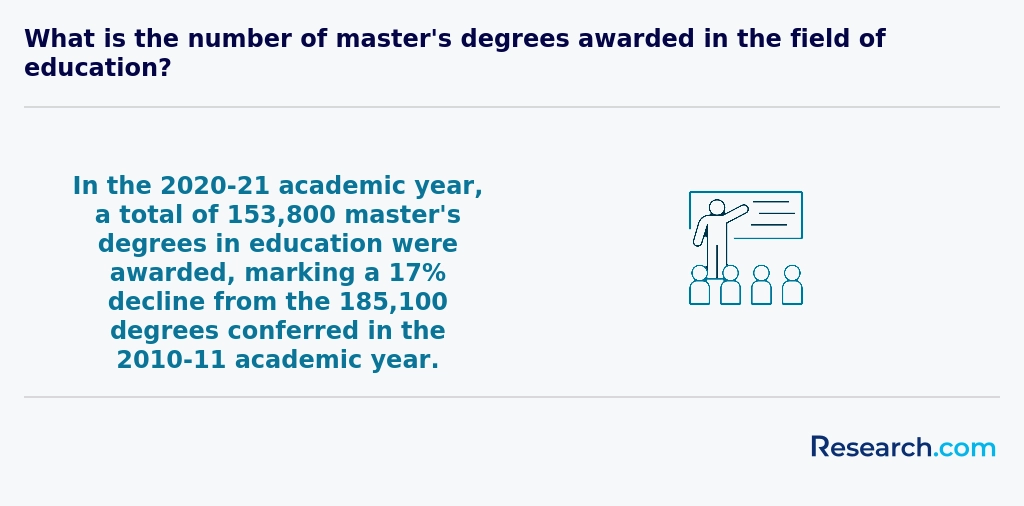
Many graduates find pursuing a master's degree enhances their prospects, opening pathways to roles such as school principals or university faculty with higher salaries. Those seeking to expand their skills can explore options at early childhood education degree universities, combining practical experience with advanced credentials to thrive in Logan's evolving education landscape.
Frequently Asked Questions About education
Education degree students in Logan can maximize their learning experience by engaging actively with both theoretical and practical components of their programs. Local institutions often emphasize hands-on teaching practice, allowing students to develop real-world skills in nearby schools. According to Utah State University's College of Education, students who participate in internships or cooperative education placements improve job readiness by over 30%.
Utilizing campus resources, such as tutoring centers and academic advising, also supports student success. Networking with peers and faculty in Logan's education community fosters collaborative learning and professional growth. Staying informed about current educational research and policy trends benefits students aiming to become effective educators in the region's diverse classrooms.
Emerging niches within the education field in Logan reflect broader national trends, focusing on technology integration and specialized support roles. Programs emphasizing educational technology prepare graduates to develop and implement digital learning tools, responding to the growing demand for remote and hybrid education models. According to the Utah System of Higher Education, enrollment in these programs increased by 15% from 2021 to 2023.
Another growing area is special education, particularly with an emphasis on autism spectrum disorders and inclusive classroom strategies. This niche addresses increasing awareness and legislative support for inclusive schooling.
Additionally, literacy intervention and mental health support are critical emerging focuses within Logan's education degrees, reflecting community needs identified by local school districts and education research.
After completing an education degree in Logan, preparing for the job market involves several strategic steps. First, gaining practical experience through student teaching or internships is crucial, as many employers in Utah prioritize hands-on training. According to the Utah State Board of Education, over 85% of education graduates find employment within six months, highlighting the importance of networking and local connections.
Building a professional portfolio, including lesson plans and classroom management strategies, can showcase your skills during interviews. Additionally, obtaining relevant state certification through the Utah Professional Educator Licensing process is mandatory to teach in public schools.
Joining local education associations, such as the Utah Education Association, provides access to job openings and professional development.
Employers in Logan value education degree graduates who demonstrate strong communication skills, essential for effective classroom interaction. According to the Utah State Board of Education, clear verbal and written communication is a top priority in K-12 hiring. Critical thinking and problem-solving abilities are also highly regarded, as teachers must adapt lesson plans to diverse student needs.
Additionally, classroom management expertise is crucial. Data from the Logan School District highlights that nearly 70% of education employers seek candidates skilled in maintaining a positive learning environment. Technological proficiency is increasingly important, with digital tools becoming standard in teaching.
Finally, collaboration and cultural competency are essential, reflecting Logan's growing student diversity and emphasis on inclusive education practices.
Finding internships in Logan relevant to an education degree involves leveraging local resources and education networks. Utah State University, located in Logan, offers strong partnerships with K-12 schools, which frequently provide internship opportunities for education students. According to the university's Career Services, over 70% of education majors secure internships through these established connections.
Students can also explore opportunities via the Logan City School District, which hosts internship programs aimed at future educators. Local non-profits and community centers occasionally seek education interns to assist with youth programs, providing practical classroom and after-school experience.
Additionally, attending education fairs and networking events in Logan helps students connect with potential supervisors. Online platforms such as Handshake, popular at Utah State, list internship openings specifically targeted at education majors, aiding students in finding relevant placements efficiently.
Obtaining an education degree in Logan significantly enhances career mobility and advancement opportunities for professionals. According to the Utah Education Network, individuals with such degrees are more likely to qualify for specialized teaching roles, leadership positions, and administrative jobs within local school districts. In Logan, public schools often prefer candidates with bachelor's or master's degrees in education, as these credentials align with state certification requirements.
Graduates with education degrees also benefit from higher average salaries. The Utah Department of Workforce Services reports that Logan educators holding advanced degrees earn approximately 15% more than those without them. Furthermore, ongoing demand for qualified teachers in Logan ensures steady job availability, making education degrees a reliable path to career growth.
Studying for an education degree in Logan equips students with skills applicable across multiple disciplines. Programs emphasize collaboration, integrating knowledge from psychology, sociology, and technology to address diverse learning environments. According to the Utah System of Higher Education, Logan's institutions offer coursework that encourages critical thinking and problem-solving beyond traditional classroom teaching.
Students engage in practical experiences, often partnering with local organizations, which fosters adaptability in various professional contexts. This interdisciplinary training is essential as education increasingly intersects with fields like counseling, administration, and digital media.
Graduates in Logan report improved readiness for roles requiring flexible expertise, reflecting national trends highlighted by the National Center for Education Statistics (NCES).
Choosing between a thesis and a non-thesis education degree program in Logan depends on your career goals and learning preferences. Thesis programs typically require original research, ideal for those aiming to pursue doctoral studies or research positions. Non-thesis options focus more on coursework and practical experience, suited for professionals seeking advancement in teaching or administration without engaging in extensive research.
In Logan, institutions like Utah State University offer both options, allowing flexibility. According to the National Center for Education Statistics, 60% of master's students in education nationwide opt for non-thesis tracks, reflecting a trend toward practical application.
Consider your time commitment and interests carefully before deciding.
Students based in Logan interested in studying education abroad have several pathways through partnerships with Utah State University (USU) and other regional institutions. USU encourages participation in exchange programs with universities in countries such as the United Kingdom, Australia, and South Korea, allowing education majors to gain international teaching experience.
The Utah System of Higher Education supports study abroad funding and resources, making overseas study accessible for many students. According to USU's 2023 data, about 12% of Logan-based education students engage in some form of international study during their degree.
Options include semester-long cultural immersion programs, international internships in education, and collaborative research projects abroad, all valuable for careers in global education settings.
Logan offers various part-time job opportunities that effectively complement education degree studies. Many local schools and tutoring centers seek part-time assistants and tutors, allowing students to gain practical classroom experience while earning income.
Additionally, working as a substitute teacher in the Cache County School District provides hands-on exposure to diverse student populations and teaching methods. These roles also develop essential skills such as classroom management and lesson planning.
Education students can find employment in after-school programs or educational nonprofits, where they support literacy and learning initiatives. According to the Utah Department of Workforce Services, around 15% of Logan's part-time positions in education-related fields are targeted toward college students.
Education students in Logan have several networking opportunities to enhance their professional development. Utah State University, the city's primary institution, offers active education student organizations such as the Future Educators Association. These groups facilitate connections with peers and experienced educators through workshops and conferences. Additionally, students can engage with local schools for practicum placements and internships, providing direct contact with teaching professionals in the area.
Community events like the Cache Valley Education Fair also serve as networking hubs. According to Utah State's College of Education, approximately 70% of education students secure jobs through contacts made during internships or university events.
Alumni networks serve as valuable resources for education degree students in Logan by offering mentorship and professional connections. Graduates from local universities often participate in events and provide guidance, helping current students navigate teaching careers. According to the Utah System of Higher Education, schools in Logan report alumni engagement positively impacts job placement rates by up to 20% for education majors.
Networking through alumni groups can lead to internships and classroom experience opportunities in Logan-area schools. Many alumni also share insights about licensure and certification requirements specific to Utah, which can be challenging for new educators.
Participation in these networks helps students develop soft skills and build confidence before entering the workforce. Local education alumni associations often hold workshops and panel discussions tailored to regional education trends, providing timely industry knowledge.
In Logan, customizing an education degree program to fit career goals often involves selecting specific concentrations such as special education, curriculum development, or educational technology. Many local institutions offer flexible course options and electives designed to target diverse education fields. For example, Utah State University in Logan provides pathways for both undergraduate and graduate students to tailor their studies based on interests and career aspirations.
Students can also engage in hands-on experiences like student teaching or internships within local schools, which helps develop practical skills aligned with their career objectives. According to Utah State University's 2023 enrollment report, over 60% of education students choose specialized tracks.
Advisors typically work with students to map out a degree plan emphasizing relevant certifications or endorsements, such as English as a Second Language (ESL) or STEM education. This strategic planning is crucial for meeting licensure requirements and enhancing job market readiness.
Education students in Logan often face several notable challenges throughout their academic journey. One primary difficulty is balancing demanding coursework with field experiences, such as student teaching placements, which can be time-intensive and emotionally taxing. According to the Utah Board of Education, Logan's student teaching requirements typically involve over 12 weeks of practical classroom involvement, adding pressure to students' schedules.
Financial strain is another concern, as many students must manage tuition alongside living expenses. Logan's cost of living is relatively moderate compared to larger cities, yet studies indicate that 40% of education students report financial stress, which can affect academic performance. Access to updated educational technology is limited for some, which poses challenges in mastering new instructional tools increasingly vital in modern classrooms.
With an education degree in Logan, graduates can pursue several professional certifications to enhance their teaching careers. Common certifications include state licensure for K-12 teaching, which is mandatory for public school employment. Utah's State Board of Education requires passing the Praxis exams and completing a background check.
Additional certifications may focus on specialized areas such as special education, English as a Second Language (ESL), or school counseling. These credentials often require supplementary coursework and exams.
For those interested in leadership roles, certifications in educational administration or instructional coaching are available, usually requiring a master's degree.
The Bureau of Labor Statistics notes that certified teachers generally have better job prospects and higher salaries nationwide, including Utah.
To write a winning application for an education program in Logan, start by carefully researching local institutions like Utah State University and Utah Valley University, which offer accredited education degrees. Admissions committees highly value a clear statement of purpose explaining your motivation to teach and how you intend to impact the community. Include relevant volunteer or work experience with children or educational settings, as 68% of Logan education programs consider practical experience crucial (Utah System of Higher Education, 2023). Ensure your application highlights strong communication skills and academic achievements, particularly in writing and social sciences. Finally, request recommendation letters from educators or supervisors familiar with your dedication to teaching.
The global perspective on an education career emphasizes versatility and the need for skilled educators who can support diverse student populations. In the United States, including Logan, education degrees prepare graduates for various roles, from classroom teaching to administration.
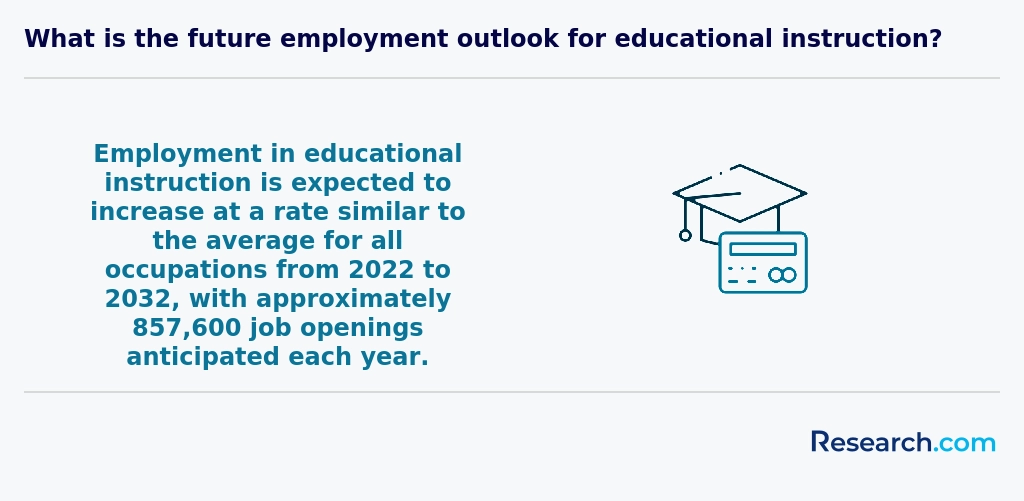
According to the U.S. Bureau of Labor Statistics, employment for elementary and secondary school teachers is projected to grow by 5% from 2022 to 2032, reflecting steady demand nationwide. Logan's local schools also reflect this trend, showing consistent hiring needs in recent years.
Globally, educators increasingly focus on inclusive practices and technology integration to meet the changing demands of modern students. Earning a degree in education in Logan equips graduates with these contemporary skills, aligning them with international teaching standards and broad career opportunities.
Gaining practical experience while studying for an education degree in Logan is a key part of preparing for a teaching career. Many universities in the area offer student teaching placements through local schools, allowing you to work directly with students under the supervision of experienced educators.
Additionally, Logan's proximity to public and charter schools provides ample opportunities for internships and volunteer work. These hands-on experiences help build classroom management and instructional skills.
According to Utah State University's education department, over 90% of their education students complete student teaching hours in Cache County, where Logan is located, highlighting the importance of practical experience in the area.
Other options include participating in community education programs or after-school tutoring, which further enhance learning and professional growth.
Choosing the right concentration within an education degree program in Logan involves evaluating your career goals and local teaching needs. According to the Utah State Board of Education, Logan has a growing demand for special education and STEM-focused teachers. It is important to research concentrations such as Early Childhood, Secondary Education, or Educational Technology, considering how each aligns with regional job opportunities.
Many institutions in Logan offer specialized tracks allowing students to gain targeted skills. Exploring the curriculum, practicum experiences, and certification options helps in making an informed choice. Additionally, discussing plans with academic advisors familiar with Logan's school district requirements enhances decision-making.
Related Education Rankings for Nearby Cities
- 2027 Most Popular Education Degree Programs Ranking in Salt Lake City
- 2027 Most Popular Education Degree Programs Ranking in Denver
- 2027 Most Popular Education Degree Programs Ranking in Colorado Springs
- 2027 Most Popular Education Degree Programs Ranking in Stockton
- 2027 Most Popular Education Degree Programs Ranking in Phoenix
- 2027 Most Popular Education Degree Programs Ranking in Eugene
- 2027 Most Popular Education Degree Programs Ranking in Riverside
- 2027 Most Popular Education Degree Programs Ranking in Portland
- 2027 Most Popular Education Degree Programs Ranking in San Francisco
- 2027 Most Popular Education Degree Programs Ranking in Los Angeles
Top Trending Education Rankings
See What Experts Have To Say About Studying Education
Read our interview with Education experts

Alan J. Singer
Education Expert
Professor of Teaching, Learning and Technology
Hofstra University

Nooshan Ashtari
Education Expert
Professor & Book Author
University of Southern California

References
- Online Learning vs Traditional Learning Comparison https://advantagesschool.com/online-learning-vs-traditional-learning/
- Top 15 Skills Employers Look for in College Graduates https://www.vupune.ac.in/blog/top-15-skills-employers-look-for-in-college-graduates
- Can Higher Education Improve Long-Term Career Success https://studysphereadvisors.com/how-higher-education-influences-long-term-career-growth/
- 10 Reasons Why Education Helps to Advance Your Career - Insight Training https://insight.edu.au/blog/career-advancement-through-education/
- Finding Networking Opportunities as a Student | National Society of High School Scholars https://www.nshss.org/resources/blog/blog-posts/how-to-find-networking-opportunities-as-a-student/
- How to Build Work Experience While Studying - EN Global Education Ltd https://englobaleducation.co.uk/how-to-build-work-experience-while-studying/
- Is a thesis always mandatory in a master's degree program? - EFMU: The Euler-Franeker Memorial University and Institute https://euler.euclid.int/is-a-thesis-always-mandatory-in-masters-degree-program/
- The 10 Highest Paying Jobs With a Teaching Degree [Quiz] https://www.umassglobal.edu/blog-news/highest-paying-jobs-with-a-teaching-degree
- Logan City School District - CTE Pathways https://www.loganschools.org/ctepathways
- Scottish technology ecosystem: review https://www.gov.scot/publications/scottish-technology-ecosystem-review/pages/4/


