
2027 Most Popular Education Degree Programs Ranking in Maryland

Co-Founder and Chief Data Scientist
Choosing the right education degree program in Maryland can shape your future career and personal growth. This article introduces the 2027 Most Popular Education Degree Programs Ranking in Maryland, developed by the Research.com team of data scientists, providing reliable insights to help you select a program that suits your goals.
By exploring this ranking, you'll discover programs valued by students and educators alike. Pursuing an education degree opens doors to rewarding opportunities in teaching and beyond. Dive in to find the best fit for you and take confident steps toward a meaningful career.
Key benefits of getting education degree in Maryland
- Salary for education degree graduates: Graduates in Maryland can expect competitive salaries, such as $76,000 for Special Education Teachers and $77,200 for Instructional Designers, reflecting strong earning potential.
- Career paths: Many graduates from the University of Maryland find rewarding careers as Elementary School Teachers or ESL Teachers, offering diverse opportunities in public and private education sectors.
- Online degree benefits: Earning an education degree online from Towson University allows flexibility and convenience, helping students balance work and study while achieving a respected credential.
- Key benefits of getting education degree in Maryland
- What can I expect from education degree in Maryland?
- Where can I work with education degree in Maryland?
- How much can I make with education degree in Maryland?
- 2027 Most Popular Education Degree Programs Ranking in Maryland
- Key Findings
- How long does it take to complete education degree in Maryland?
- Maryland Teacher Certification and Licensure Requirements
- What's the difference between online and on-campus education degree?
- Exploring Continuing Education Opportunities
- What is the average cost of education degree in Maryland?
- Accreditation and Teacher Licensure Requirements in Maryland
- What financial aid is available to education degree students in Maryland?
- Teacher Certification and Licensing Requirements in Maryland
- What are the prerequisites for enrolling in education degree program in Maryland?
- Affordability and Cost Considerations in Education Degree Programs
- What courses are typically in education degree programs in Maryland?
- What types of specializations are available in education degree programs in Maryland?
- How do you choose the best education degree in Maryland?
- What career paths are available for education degree students in Maryland?
- What is the job market for education degree in Maryland?
- Related Education Rankings for Nearby States
- Top Trending Education Rankings
- See What Experts Have To Say About Studying Education
What can I expect from education degree in Maryland?
Imagine stepping onto the leafy campus of the University of Maryland, ready to dive into your education degree with excitement-but also a practical eye on costs. For many Maryland hopefuls, the average tuition hovers around $10,300 a year if you're an in-state undergraduate, a figure that shapes countless budgeting conversations among students across the state. Graduate learners, eyeing advanced teaching licenses or specialized roles, often navigate higher tuition but find solace in scholarships, assistantships, and financial aid sprinkled throughout institutions like Towson University or Johns Hopkins.
Graduates often share stories of balancing late-night study sessions with part-time jobs, all while cherishing the hands-on experience from student teaching placements. They recount how the investment felt worth it when stepping into classrooms across Baltimore or Annapolis, equipped with both credentials and confidence. The cost isn't just a number-it becomes part of the journey, layered with support systems that Maryland's education programs thoughtfully provide.
Where can I work with education degree in Maryland?
Graduates with an education degree in Maryland step into a world vibrant with opportunity, from the bustling hallways of over 1,100 public schools where their passion becomes impact. Imagine a graduate from Towson University, guiding curious minds in STEM or language arts, earning between $60,000 and $75,000 as they shape the future generation.
Others find themselves as school counselors across Maryland's 24 districts, helping students navigate academic and emotional challenges with empathy, fueled by a growing need for mental health support and college readiness. At the University of Maryland, some graduates thrive as curriculum coordinators, innovating teaching strategies to meet diverse student needs.
Early childhood education is another thriving avenue-graduates may direct vibrant daycare centers or lead preschool classrooms, riding the wave of a 7% job growth fueled by state initiatives nurturing young learners. Meanwhile, those with advanced degrees might engage with community colleges or universities, blending teaching and research in dynamic academic settings statewide.
Creative graduates also shine in educational tech startups or nonprofits, making an impact beyond classrooms, driven by Maryland's expanding education sector and a steady 3% employment growth from 2021 to 2023.
How much can I make with education degree in Maryland?
Graduates from Maryland institutions like Towson University or the University of Maryland often find their education degrees unlocking doors to rewarding salaries. Imagine stepping into your first role as an elementary school teacher earning around $70,740 per year-enough to savor the vibrant culture of Baltimore while comfortably managing life's essentials. Special education teachers, equipped with specialized skills, often see mean salaries near $76,000, a reflection of their vital contribution in shaping inclusive classrooms.
For those passionate about languages, becoming an ESL teacher in Maryland can bring in about $65,430 annually, providing opportunities to impact diverse student communities while maintaining a solid paycheck. Early childhood educators starting with roughly $41,410 per year create foundational learning experiences, a salary that grows with experience and dedication.
Graduates venturing beyond the classroom into roles like instructional designers can earn around $77,200, blending creativity with strategy to shape educational content. So, in Maryland, your education degree is more than a diploma-it's a ticket to impactful work coupled with promising earnings.
2027 Most Popular Education Degree Programs Ranking in Maryland
How do we rank schools?
Investing in your education is a significant decision that can shape your future, and the Research.com team understands the importance of making well-informed choices. To assist prospective students in Maryland, we have carefully developed the "2027 Most Popular Education Degree Programs Ranking in Maryland." Our dedication to quality, credibility, and accuracy is demonstrated through the thorough research and analysis undertaken to create this ranking.
We utilized the following reputable data sources to ensure a comprehensive evaluation of education degree programs:
By exploring this ranking, readers will gain valuable insights into Maryland's most popular education degree programs, enabling them to make informed decisions about their academic and professional futures. For a detailed explanation of our process, please visit our Research.com methodology page.


Key Findings
- Education degrees in Maryland are available at public and private universities, ranging from bachelor's to advanced graduate levels with required student teaching experiences.
- In-state tuition at public universities ranges from $10,000 to $15,000 per year, while private institutions charge between $25,000 and $40,000 annually, excluding additional fees and materials.
- Starting salaries for education graduates average around $50,000 per year, with experienced educators earning between $65,000 and $75,000 annually.
- There is steady demand for educators in Maryland, especially in special education, STEM, and early childhood education, with state certification required for public school teachers.
- Programs like loan forgiveness and diversity grants are available to support graduates working in high-need schools and encourage workforce diversity.
How long does it take to complete education degree in Maryland?
Picture yourself walking the leafy paths of Towson University or the vibrant campus of the University of Maryland, eager to dive into an education degree. For most undergraduates here, expect a four-year adventure-full-time classes, hands-on learning, and that energizing feeling of progressing toward your goal. This timeline mirrors the national rhythm, giving you space to grow and explore your passion for teaching.
Graduate students aiming for a Master's often find themselves immersed in one to two years of deepening knowledge, whether at the University of Baltimore or Coppin State. The blend of part-time evening courses or online options means you can customize your journey, balancing life's demands while advancing your career.
Doctoral hopefuls embarking at institutions like Johns Hopkins can anticipate a longer voyage-three to six years. This stretch challenges you with dissertation work and research that shapes you into a leader in education. Many graduates recall the excitement and pride of completing practicums, those intense semesters of real classroom magic that Maryland requires for licensure. Tuition pressures sometimes nudge students to adjust their pace, making this timeline uniquely yours.
Maryland Teacher Certification and Licensure Requirements
Becoming a licensed teacher in Maryland involves a clear set of steps designed to ensure educators are fully prepared for the classroom. First, candidates must complete an approved teacher preparation program-either through a university’s traditional pathway or an alternative route such as a post-baccalaureate certificate. This program must be recognized by the Maryland State Department of Education (MSDE) and include a supervised student teaching experience. Next, aspiring teachers must pass the Praxis Core Academic Skills for Educators tests in reading, writing, and mathematics, followed by the appropriate Praxis II content assessment for their chosen subject area or grade level. Many graduates also complete the edTPA, a performance-based assessment that evaluates teaching readiness through real-world classroom tasks. Additionally, all applicants must undergo a criminal background check and submit official transcripts and test scores through the MSDE Educator Certification online portal. For educators seeking to advance their credentials or fulfill specific licensure renewal requirements, many opt to earn a master’s degree in education. Those exploring cost-effective options may find value in the Inexpensive Online Master's in Education Degree Programs Ranking in Greeley, CO, which offers flexible pathways that align with Maryland’s continuing education standards. Once all requirements are met, candidates apply for the initial Teaching Certificate, valid for five years, and can later pursue the Professional Certificate by completing three years of mentored teaching and obtaining professional development credits.
What's the difference between online and on-campus education degree?
Imagine juggling a full-time job while earning your education degree from Towson University, but instead of racing across campus, you log in to coursework on your phone during a coffee break. That's the essence of online education in Maryland-flexible, asynchronous, and designed for the self-motivated graduate balancing real life with studies. You control the clock, diving into lectures late at night or early mornings, embracing a digital classroom that fits your rhythm.
Now picture walking the historic halls of Johns Hopkins University, engaging in lively face-to-face debates, exchanging ideas instantly with professors, and feeling the buzz of campus life fueling your passion for teaching. This on-campus experience immerses you fully, offering hands-on practicums in nearby Baltimore schools, fostering connections impossible to replicate on a screen.
Graduates from Loyola University Maryland remark on the richness of face-to-face mentorship, while those from University of Maryland Global Campus celebrate the freedom to learn anywhere. Both paths converge on the same goal, but each crafts a uniquely Maryland story of balancing community, cost, and career.
Exploring Continuing Education Opportunities
In today’s rapidly evolving educational landscape, embracing lifelong learning is essential for career advancement and innovative teaching practices. Many educators are now considering additional qualifications to stay competitive, from specialized certifications to advanced degrees that complement their core expertise. For instance, professionals interested in expanding their instructional skills might explore online interdisciplinary programs that blend traditional education theories with modern research techniques. Such programs not only refine pedagogical strategies but also open pathways to administrative roles, academic research, and curriculum development. Moreover, those with a passion for information management and research may find that pursuing library science master's programs online offers a unique opportunity to integrate digital resources and data analytics into their teaching practices. This approach can lead to a more holistic understanding of knowledge dissemination, better equipping educators to meet the diverse needs of their students while fostering a collaborative learning community. By investing in continuing education, educators can ensure they remain agile in responding to the dynamic demands of modern classrooms and contribute to shaping the future of learning.
What is the average cost of education degree in Maryland?
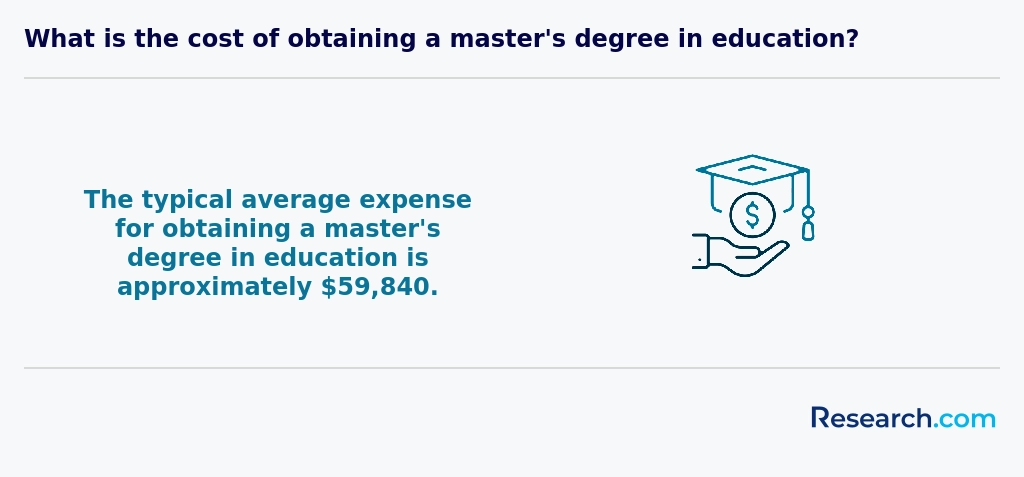
The average cost of an education degree in Maryland centers around $12,532 for in-state students, making it a financially thoughtful investment for locals eager to shape young minds. Graduates from flagship public universities like the University of Maryland, College Park, often reflect on balancing tuition with everyday expenses, finding creative ways to manage this expense while immersing themselves in education theories and practicum experiences. The path might feel steep at moments, but the reward of contributing to Maryland's school systems keeps motivation high.
Private institutions, known for their prestige and resources, present a different financial picture. With median costs hovering near $48,980, students attending universities such as Johns Hopkins or Loyola often navigate scholarships and grants to ease their financial load. These graduates cherish the rich network and specialized pedagogy they gain, which often justifies the larger initial cost on their journey.
One practical strategy many future teachers embrace is starting at a community college or regional public university. This route, common among students exploring the average cost of education degree programs in Maryland, offers substantial savings and a seamless transfer pathway to universities with robust education departments. Such smart budgeting fosters a sense of empowerment and optimism for tackling the degree without undue financial strain.
For those intrigued by options and savings, it's worthwhile to explore aid opportunities early. Prospects can dive into Maryland's scholarship ecosystem or use FAFSA strategically to reduce net costs. If you want to explore choices, check out affordable education schools in Maryland for real-life examples of balancing cost and quality.
Accreditation and Teacher Licensure Requirements in Maryland
When selecting an education degree program in Maryland, prioritizing regional and national accreditation is crucial to ensure your credits transfer seamlessly and your certification meets state standards. Accredited programs-typically endorsed by the Council for the Accreditation of Educator Preparation (CAEP) or approved by the Maryland State Department of Education (MSDE)-guarantee rigorous curricula, qualified faculty, and access to federal financial aid. Before enrolling, verify that your institution holds CAEP recognition and MSDE program approval, which collectively safeguard program quality and licensure eligibility. To earn Maryland teacher certification, candidates must complete an approved educator preparation program, pass the Praxis Core Academic Skills for Educators tests, and satisfy content-specific Praxis II or edTPA requirements. After program completion, submit an application through the MSDE Educator Licensure and Certification portal, including official transcripts, test scores, and a supervised field experience log. Maryland offers both Initial Instructional Certificates (valid for five years) and Professional Certificates (renewable every five years), with continuing professional development and additional endorsements available in areas such as Special Education, Bilingual/ESL, and Educational Leadership. For graduate students exploring cost-effective pathways to advanced licensure, consider the comprehensive rankings in our Inexpensive Online Master’s in Education Degree Programs Ranking in Greeley, CO. These programs not only bolster your pedagogical expertise but often include embedded certification tracks that expedite your journey toward professional certification and specialized endorsements. Maintaining licensure in Maryland requires ongoing professional development: educators must complete at least 120 continuing education hours or obtain advanced degrees to renew certifications. Engage in MSDE-approved workshops, graduate coursework, and leadership seminars to stay current with Maryland’s curriculum standards and instructional best practices. By choosing an accredited program and fulfilling licensure milestones, you’ll be equipped to deliver high-quality instruction and advance your career across Maryland’s vibrant K–12 landscape.
What financial aid is available to education degree students in Maryland?
Picture a passionate future teacher at Towson University, books in one hand and a scholarship letter in the other-Maryland's financial aid world is like that lifeline, weaving hope through the education journey. For many, the federal FAFSA unlocks grants like the Pell Grant, those magical funds that don't have to be paid back, easing the burden on wallets stretched thin. Graduate students often lean on federal loans such as the Direct Unsubsidized or Graduate PLUS, offering breathing room with lower interest compared to private loans.
Meanwhile, the Maryland Educational Opportunity Program wraps arms around students from all walks, filling tuition gaps with Educational Assistance Grants. Another gem, the Educator Preparation Program scholarships, tend to those committed to Maryland's classrooms, lighting a path for teacher hopefuls ready to make a difference.
At the University of Maryland, winning a teaching assistantship can feel like securing a backstage pass-not just tuition relief, but hands-on classroom experience that shapes your teaching superpowers. And for those drawn to service, the TEACH Grant whispers a promise: give back to high-need schools, and watch your financial worries transform into opportunity.
Teacher Certification and Licensing Requirements in Maryland
Becoming a licensed teacher in Maryland involves a clear sequence of academic and professional milestones designed to ensure high standards of classroom readiness and student safety. First, candidates must complete a state-approved educator preparation program at an accredited institution, which includes rigorous coursework and supervised field experiences. Next, aspirants pass the Praxis exams specific to their subject area and grade level, demonstrating proficiency in both content knowledge and pedagogical skills. Once academic and testing criteria are met, applicants submit an application to the Maryland State Department of Education (MSDE), including official transcripts, Praxis scores, and a character reference. A state and national criminal background check (FBI fingerprint clearance) is mandatory to verify suitability for working with minors. Upon provisional approval, candidates receive a Maryland Initial Certificate, valid for two years and allowing full classroom responsibilities under the supervision of a mentor teacher. To advance from an Initial Certificate to the Standard Professional Certificate, educators must: • Complete two years of satisfactory teaching experience in Maryland public or approved private schools • Enroll in and finish a state-approved induction program • Accumulate at least 3 credit hours of professional development annually Maintaining licensure requires ongoing professional learning units and renewal every five years. For many teachers seeking graduate credentials or specialized endorsements, cost-effective online master’s programs can supplement Maryland’s continuing education requirements. Those aiming to advance their credentials can explore options such as the Inexpensive Online Master's in Education Degree Programs Ranking in Greeley, CO, which offers additional pathways to meet professional development criteria while balancing work and personal commitments.
What are the prerequisites for enrolling in education degree program in Maryland?
Imagine stepping onto the vibrant campus of Towson University, excitement buzzing as you clutch your high school diploma-your first ticket to an education degree in Maryland. Here, you're not just expected to have that diploma or GED, but a solid foundation in English, math, science, and social studies, like a graduate from Baltimore's public schools who thrived in these core subjects. A GPA around 2.5 to 3.0 often opens the door, showing you've got the academic spark to light your journey.
At the graduate level, picture yourself walking through the halls of the University of Maryland, holding a bachelor's degree as proof of your academic voyage. Even if your major wasn't education, your coursework or relevant experience must speak the language of teaching readiness-sometimes backed by GRE scores.
Envision the moment you clear PSTEB's hurdles: finger-printed, background-checked, and conquering the Praxis exams, just like past students who stayed late in libraries, energized by their mission to inspire future generations.
Affordability and Cost Considerations in Education Degree Programs
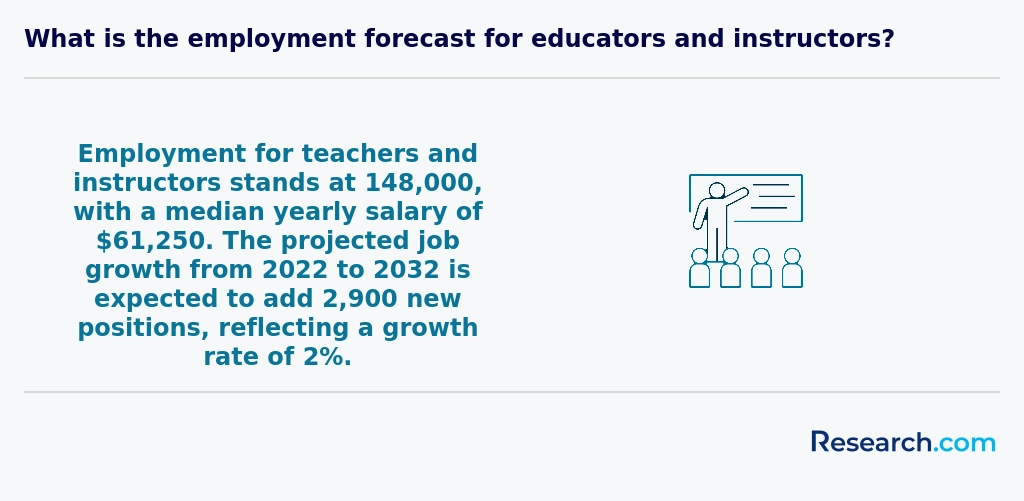
When considering education degree programs in Maryland, one of the critical factors to weigh is the affordability and cost of attending these institutions. Prospective students should research thoroughly to understand the financial implications of their choices. For instance, exploring affordable education schools in Maryland can provide valuable insights into options that balance quality education with manageable costs. This consideration is essential as it directly impacts the student's ability to pursue their degree without undue financial strain, allowing them to focus on their academic and professional goals. By prioritizing affordability, future educators can set themselves up for success, both in their educational pursuits and in their subsequent careers, where financial stability can play a significant role in their overall well-being and job satisfaction.
What courses are typically in education degree programs in Maryland?
Imagine stepping onto the campus of a Maryland university, where education majors dive into courses like Educational Psychology, unraveling the mysteries of how young minds tick and develop. Graduates often recount the thrill of connecting theory to real children's stories during these lessons, sparking empathy and insight that textbooks alone can't convey.
In courses like Curriculum Design and Assessment, students craft lesson plans that might one day inspire curious learners in Baltimore or Annapolis classrooms. It's not just about plans on paper - it's about envisioning a dynamic classroom where every assessment guides a student's growth.
Classroom Management classes prepare future teachers to juggle chaos with calm, transforming spirited Maryland youths into focused scholars with confidence and creativity.
Then there's Instructional Technology, where digital tools become allies. Maryland grads share excitement about integrating devices and apps to make learning vivid and interactive, a skill essential in today's tech-savvy classrooms.
Special Education courses resonate deeply, teaching students to adapt lessons for every unique learner, making inclusion a lived reality in Maryland schools.
What types of specializations are available in education degree programs in Maryland?
Maryland's education degree specializations burst with opportunity, shaping educators ready to transform classrooms and communities. Imagine a graduate from the University of Maryland walking the vibrant halls, equipped with an Elementary Education specialization, confidently nurturing young minds in literacy and math while embracing diverse learners. Across the state, those focusing on Secondary Education at popular colleges perfect their craft, mastering subject expertise and classroom dynamics to inspire teenagers grappling with history or science.
Special education graduates recount empowering moments designing IEPs that open doors for students with unique needs, a reflection of Maryland's commitment to inclusive learning environments. The pulse of Educational Leadership beats strongly at institutions like Towson University, where future principals and administrators learn to navigate complex school systems and lead with vision and heart. Thanks to Maryland education degree program options, some explore paths in counseling or curriculum development, weaving supportive strategies to elevate student wellbeing and academic planning.
For those curious about expanding their expertise beyond traditional teaching, exploring library science master's programs online can complement these education journeys with innovative skills.
How do you choose the best education degree in Maryland?
Choosing the best education degree in Maryland feels like embarking on a mosaic of possibilities where accreditation acts as your guiding star. Graduates from Towson University often reminisce about how that CAEP seal on their diplomas opened doors in local school districts, reaffirming that strong credentials truly matter. Picture yourself balancing real classrooms during student teaching, thanks to partnerships Maryland schools cherish-these experiences shape confidence, not just resumes. When weighing options, affordability cannot be ignored; public in-state tuition between $10,000 and $15,000 offers a practical path without sacrificing quality, a key for anyone scouting affordable education degrees Maryland 2027.
If life's demands weigh heavily, imagine joining the ranks of University of Maryland Global Campus alumni who praise flexible online and hybrid models. These programs masterfully blend study with life's bustle, transforming late nights into triumphs. For those hungry for specialization, whether early childhood or educational leadership, Maryland universities tailor your journey. Curious about pocket-friendly paths? Check out the Inexpensive Online Master's in Education Degree Programs Ranking in Greeley, CO-a creative compass for savvy students navigating costs without compromise.

What career paths are available for education degree students in Maryland?
Maryland's education degree job opportunities paint a vibrant mosaic far beyond the classroom chalkboard. Imagine a graduate from the University of Maryland, bursting with fresh ideas, stepping into a lively elementary school where every lesson is a spark lighting curious minds. Or envision a Salisbury University alum guiding teens through the complexities of high school life, holding both a teaching license and a compassionate heart.
Some graduates slip into specialized roles like special education or school counseling, addressing the unique rhythms of each student's journey, supporting mental health with a gentle, steady hand. Maryland's focus on these areas creates a compassionate demand, rewarding those passionate about deeper connections with youth.
Others channel tech-savvy creativity, becoming instructional coordinators or curriculum innovators at institutions like Towson University, bridging education and technology in ways that accelerate learning. The diversity of career options for education graduates Maryland welcomes both traditional and unconventional paths, nurturing dreams big and bold.
For those weighing costs and options, exploring options such as the Inexpensive Online Master's in Education Degree Programs Ranking in Greeley, CO helps balance passion with practical planning.
What is the job market for education degree in Maryland?
The education degree job market Maryland offers is like a vibrant ecosystem pulsing with opportunity. Graduates from institutions such as the University of Maryland or Towson University often find themselves stepping into classrooms in Montgomery or Baltimore counties where demand for skilled teachers crackles with energy. These schools are not just places of learning but arenas where every lesson leaves an impact. Many graduates describe a sense of fulfillment teaching special education or ESL students, knowing their expertise addresses critical shortages across the state.
Teacher employment opportunities Maryland reveals a landscape where mastery meets reward. Salaries around $70,000 annually give graduates a competitive edge, especially when paired with Maryland's reasonable tuition costs that make earning a degree a savvy investment. Beyond traditional roles, many alumni thrive in post-secondary education or school administration, expanding their career horizons. Some even explore innovative paths through certificate programs that pay well, enhancing their credentials and lifting their earning potential.
With Maryland continually investing in education, graduates feel both the excitement and challenge of shaping future generations. The job market isn't just about a paycheck-it's about becoming part of a dynamic movement that values knowledge, passion, and a commitment to community growth.
Frequently Asked Questions About education
Education degree students in Maryland can maximize their learning experience by engaging actively in both coursework and practical opportunities. Maryland's universities often emphasize hands-on experiences such as student teaching and internships, which are crucial for skill development. According to the Maryland Higher Education Commission, over 60% of education students participate in practicum experiences before graduation. Utilizing state resources like the Maryland Teacher Professional Learning Network can also provide ongoing support and networking.
Additionally, students should take advantage of the diverse school districts in Maryland for fieldwork, gaining insights into urban, suburban, and rural educational environments. Collaborating with mentors and joining professional organizations further enhances understanding and career readiness.
Emerging niches within the education field in Maryland reflect broader national trends fueled by technology and diversity needs. One growing area is educational technology, where specialists focus on integrating digital tools in classrooms. Maryland colleges increasingly offer degrees emphasizing instructional design and e-learning development.
Another niche gaining traction is special education, particularly in supporting students with autism and other learning differences. According to Maryland's Department of Education, specialized roles for educators are expected to grow by 7% through 2030.
Bilingual education and culturally responsive teaching also show rising demand, responding to Maryland's diverse student population. Programs preparing teachers to serve multilingual classrooms are expanding to meet this need.
Preparing for the job market after completing an education degree in Maryland requires strategic planning. Graduates should take advantage of Maryland's high demand for qualified teachers, particularly in special education and STEM fields, where the state reports a teacher shortage according to the Maryland State Department of Education.
Networking through local school districts and participating in teaching internships during your degree can increase employment chances. Maryland offers various certification programs that align with state requirements, which is essential for public school employment.
Additionally, staying informed about Maryland's teaching salaries-averaging around $66,000 annually as of 2023 from the Bureau of Labor Statistics-can help set realistic financial goals. Utilizing Maryland career centers for resume and interview prep also enhances readiness.
Employers in Maryland seek education degree graduates who demonstrate strong communication and classroom management skills. According to the Maryland State Department of Education, effective verbal and written communication is critical for fostering positive relationships with students, parents, and colleagues.
Additionally, adaptability and technological proficiency are increasingly important. Maryland schools emphasize integrating digital tools in teaching, so candidates familiar with educational technology have an advantage.
Critical thinking and problem-solving abilities also rank highly, as they enable educators to address diverse learner needs effectively. Maryland's diverse student population necessitates cultural competence and inclusivity skills as well.
Finally, collaboration and professional ethics remain top priorities, ensuring graduates contribute positively to school communities.
Finding internships in Maryland relevant to an education degree involves several key steps. Start by exploring partnerships between local school districts and Maryland universities, which often offer structured internship programs for education majors. For instance, Baltimore County Public Schools and Montgomery County Public Schools provide internships that allow students to gain classroom experience.
Many Maryland institutions, like the University of Maryland, College Park, have dedicated career centers helping education students connect with local schools and educational organizations.
Additionally, online platforms such as Handshake and EdJoin list education internships specifically in Maryland. Networking with professors and attending local education job fairs also increases your chances of finding quality internship placements.
In Maryland, earning an education degree significantly enhances career mobility and advancement opportunities. According to the Maryland State Department of Education, individuals with a bachelor's or higher degree in education often qualify for a wider range of teaching positions, including specialized roles like special education or curriculum development. This credential is essential for obtaining state certification, which directly impacts eligibility for public school employment.
Data from the U.S. Bureau of Labor Statistics shows that Maryland educators with advanced degrees generally experience higher salaries and quicker promotion timelines. Additionally, continued education supports leadership roles such as school administration or instructional coordination, expanding career options beyond classroom teaching.
Studying for an education degree in Maryland equips students with skills applicable across multiple disciplines. Maryland's universities emphasize interdisciplinary coursework, blending education theory with psychology, sociology, and technology. This approach prepares graduates to address diverse learning needs in varied settings.
For example, the Maryland State Department of Education highlights the importance of collaboration between educators and health professionals, social workers, and community leaders. Many programs require field experiences in inclusive environments, fostering adaptability.
According to the National Center for Education Statistics, Maryland awarded over 4,000 education degrees in 2022, illustrating the state's commitment to training versatile educators. This cross-disciplinary preparation makes graduates valuable in roles beyond traditional classrooms.
Choosing between a thesis and a non-thesis education degree program in Maryland depends on your academic and career goals. Thesis programs typically require students to conduct original research and write a detailed thesis, which can be beneficial if you plan to pursue a doctoral degree or a research-focused career. Non-thesis programs often emphasize practical skills and may include additional coursework or internships, making them suitable for those targeting teaching or administrative roles.
The University System of Maryland reports that over 60% of education master's students opt for non-thesis tracks, reflecting a focus on professional application. Cost and time commitment also differ; thesis programs may take longer to complete due to research demands.
Students in Maryland seeking education degrees have several opportunities to study abroad through partnerships offered by local universities. Institutions like the University of Maryland and Towson University provide exchange programs and study abroad options focused on education, allowing students to gain international teaching experience or explore global education systems. These programs often include placements in countries such as the United Kingdom, Australia, and Spain.
Financial aid and scholarships specific to Maryland students can help offset costs. According to the Maryland Higher Education Commission, over 20% of undergraduates participate in study abroad experiences.
Such opportunities enhance cultural competence and global awareness, critical skills for educators today.
Maryland offers various part-time job opportunities that complement education degree studies, enhancing practical skills while supporting academic growth. Common positions include teacher assistants, which provide hands-on classroom experience, and tutors specializing in subjects aligned with education majors. These roles help build communication and instructional skills vital for future educators.
According to Maryland State Department of Education reports, over 5,000 schools employ paraprofessionals and aides annually, presenting ample part-time openings. Additionally, working in after-school programs or educational nonprofits can expand understanding of curriculum development and diverse student needs.
Such roles often accommodate flexible schedules, making them ideal for students balancing coursework and work commitments.
Education students in Maryland benefit from diverse networking opportunities that connect them with professionals and peers statewide. Universities such as the University of Maryland and Towson University host education-focused events, workshops, and career fairs that foster connections with local school districts and educational organizations. The Maryland State Department of Education also supports partnerships between schools and higher education institutions, offering students valuable contacts in the field.
In addition, students can join organizations like the Maryland Association of Colleges for Teacher Education (MACTE). According to Maryland Higher Education Commission data, over 2,500 students annually participate in such networking activities, enhancing their career prospects in education across Maryland.
Alumni networks offer significant benefits to education degree students in Maryland by providing access to professional connections and mentorship opportunities. These networks help graduates and students tap into a wide range of educators and administrators who understand the state's specific educational landscape. According to the Maryland Higher Education Commission, strong alumni engagement correlates with increased job placement rates in local school districts.
Many Maryland institutions facilitate networking events, career fairs, and online platforms where current students can connect with alumni. These relationships often lead to internships, job leads, and advice about certification processes required within Maryland public schools.
Additionally, alumni networks foster a sense of community and ongoing learning, which is crucial in the evolving field of education.
In Maryland, education degree programs offer various options to tailor your studies to fit specific career goals. Many universities, such as the University of Maryland and Towson University, allow students to choose specializations like early childhood education, special education, or educational leadership. These focus areas build targeted skills suited for particular job markets.
Students can also customize their coursework through electives, internships, and practicum experiences that provide hands-on training in real classroom settings. The Maryland Higher Education Commission reports that around 60% of education students engage in such practical components, enhancing career readiness.
Additionally, Maryland's programs frequently offer online and part-time options, helping working professionals adjust their study pace. This flexibility supports career advancement without pausing professional growth.
Education students in Maryland encounter a range of challenges during their academic journey. A primary difficulty is balancing rigorous coursework with required field experiences in public schools, which often demands significant time and effort alongside personal responsibilities. According to the Maryland Higher Education Commission, many students report stress related to meeting state certification requirements, which include passing the Praxis exams and completing background checks.
Financial strain is another notable challenge. Even with access to state-funded aid programs, education majors often struggle with tuition and living costs, exacerbating dropout risks. Additionally, adapting to diverse classroom environments during student teaching can be demanding, as Maryland's schools serve culturally and socioeconomically varied populations.
With an education degree in Maryland, graduates can pursue several professional certifications to enhance their career prospects in teaching and related fields. The most common certification is the Maryland State Department of Education (MSDE) Teacher Certification, required to teach in public schools. This certification verifies subject matter expertise and teaching skills. Additionally, educators may seek National Board Certification, a highly respected credential that demonstrates advanced teaching proficiency.
Beyond classroom teaching, education degree holders in Maryland can explore certifications in special education, reading specialist, or school counseling. These certifications often require passing specific exams and completing additional coursework.
Maryland's rigorous certification programs align with national standards, ensuring educators meet quality benchmarks. According to MSDE reports, over 30,000 educators hold active certifications in the state, reflecting strong professional standards.
Applying for an education program in Maryland requires careful preparation and attention to detail. Start by researching accredited institutions such as the University of Maryland and Towson University, which are popular choices for education degrees. According to the Maryland Higher Education Commission, approximately 25,000 students enroll annually in teacher preparation programs statewide.
When writing your application, clearly outline your motivation for pursuing an education degree. Highlight any relevant experience, including volunteering or tutoring, to demonstrate your commitment to the field. Maryland programs often emphasize practical experience, so be sure to detail your hands-on activities.
Additionally, tailor your statement of purpose to align with program goals and Maryland's educational priorities. Proofread carefully to avoid errors, as competitive programs accept only a fraction of applicants each year.
The global perspective on an education career emphasizes the increasing importance of cultural awareness and adaptability. Educators today often engage with diverse student populations, reflecting broader global trends. In Maryland, educators benefit from training programs that incorporate these global competencies, preparing teachers to address varied learning needs.
According to the Maryland State Department of Education, over 40% of public school students speak a language other than English at home, highlighting the need for multicultural education skills. Globally, education careers value continuous professional development to stay current with international teaching methods.
Moreover, the demand for education professionals skilled in technology integration and inclusive practices is growing, both in the U.S. and worldwide. Prospective students in Maryland can find programs tailored to meet these evolving challenges, supporting a career with global relevance.
Students pursuing education degrees in Maryland can gain practical experience through required fieldwork and student-teaching placements. Most Maryland teacher preparation programs include clinical practice components, allowing students to work directly in K-12 classrooms under the supervision of experienced educators. The Maryland State Department of Education supports extensive internship opportunities, helping to connect candidates with local school districts.
Additionally, programs often collaborate with Baltimore City and Montgomery County Public Schools, offering diverse educational settings. According to the Maryland Higher Education Commission, over 80% of education majors complete such hands-on experiences during their studies. This real-world training is essential for developing classroom management skills and effective instructional strategies, preparing future teachers to meet state certification requirements.
Choosing the right concentration within an education degree program in Maryland requires understanding your career goals and the needs of local schools. Maryland offers various specializations, including early childhood education, special education, and educational leadership. According to the Maryland Higher Education Commission, programs aligned with state certification requirements tend to enhance job prospects. Consider how concentrations match Maryland's growing demand for teachers skilled in STEM, bilingual education, or special needs. Researching program accreditation and partnerships with local school districts can signal quality and practical experience opportunities. Reflect on your interests and Maryland's public school priorities to select a concentration that supports your professional ambitions.
Related Education Rankings for Nearby States
- 2027 Most Popular Education Degree Programs Ranking in Virginia
- 2027 Most Popular Education Degree Programs Ranking in West Virginia
- 2027 Most Popular Education Degree Programs Ranking in Pennsylvania
- 2027 Most Popular Education Degree Programs Ranking in New Jersey
- 2027 Most Popular Education Degree Programs Ranking in North Carolina
- 2027 Most Popular Education Degree Programs Ranking in Kentucky
- 2027 Most Popular Education Degree Programs Ranking in Rhode Island
- 2027 Most Popular Education Degree Programs Ranking in Tennessee
- 2027 Most Popular Education Degree Programs Ranking in South Carolina
- 2027 Most Popular Education Degree Programs Ranking in Massachusetts
Top Trending Education Rankings
See What Experts Have To Say About Studying Education
Read our interview with Education experts


Nooshan Ashtari
Education Expert
Professor & Book Author
University of Southern California

References
- Top 10 Effective Networking Tips for Students https://www.unfc.ca/blog/networking-tips-for-students
- Tips for Choosing Your Graduate Concentration - Graduate Programs for Educators https://www.graduateprogram.org/blog/tips-for-choosing-your-graduate-concentration/
- What Can I Do With a Teaching Degree (Besides Teach)? https://www.alleducationschools.com/blog/what-can-i-do-with-a-teaching-degree-besides-teach/
- Students: This is How You Should Prepare for the Job Market https://www.agencycentral.co.uk/articles/students-this-is-how-you-should-prepare-for-the-job-market/
- Education Study Abroad | CIEE https://www.ciee.org/go-abroad/college-study-abroad/programs/subjects-disciplines/education-study-abroad
- Community College Promise - Maryland Association of Community Colleges https://mdacc.org/community-college-promise/
- Finding Networking Opportunities as a Student | National Society of High School Scholars https://www.nshss.org/resources/blog/blog-posts/how-to-find-networking-opportunities-as-a-student/
- Navigating Challenges In Education, Learning & Development - those who can https://www.thosewhocan.org/navigating-challenges-in-education-learning-and-development/
- Get the skills employers want | Study UK https://study-uk.britishcouncil.org/why-study/succeed-your-career/get-skills-employers-want
- Networking Tips and Advice for Students https://schoolshouldbe.com/post/networking-tips-and-advice-for-students/


