
2027 Most Popular Education Degree Programs Ranking in Philadelphia

Co-Founder and Chief Data Scientist
Choosing the right education degree program in Philadelphia can feel overwhelming. This article presents the 2027 Most Popular Education Degree Programs Ranking in Philadelphia, created by the Research.com team of data scientists to guide you through the best options available.
By exploring this ranking, you'll gain valuable insights to make an informed decision that fits your goals and passions. Earning an education degree opens doors to meaningful careers where you can make a real difference in your community.
Take this step confidently and discover the opportunities that await you in Philadelphia's education field.
Key benefits of getting education degree in Philadelphia
- Graduates with an education degree in Philadelphia can expect competitive salaries, such as $76,000 for special education teachers and $77,200 for instructional designers, providing financial stability and rewarding career options.
- Career paths include roles as elementary school teachers, ESL instructors, or instructional designers, with many Philadelphia graduates from institutions like Temple University finding diverse opportunities in both public schools and educational organizations.
- Obtaining an education degree online offers flexibility and convenience, as shown by students from Drexel University's online programs who balance work and study while still gaining strong career prospects in teaching and educational development.
- Key benefits of getting education degree in Philadelphia
- What can I expect from education degree in Philadelphia?
- Where can I work with education degree in Philadelphia?
- How much can I make with education degree in Philadelphia?
- 2027 Most Popular Education Degree Programs Ranking in Philadelphia
- Key Findings
- How long does it take to complete education degree in Philadelphia?
- The Importance of Choosing the Right Education Degree Program
- What's the difference between online and on-campus education degree?
- What is the average cost of education degree in Philadelphia?
- Exploring Alternative Online Degree Options
- What financial aid is available to education degree students in Philadelphia?
- Certification and Licensing Requirements
- What are the prerequisites for enrolling in education degree program in Philadelphia?
- Certification and Licensure Requirements
- What courses are typically in education degree programs in Philadelphia?
- What types of specializations are available in education degree programs in Philadelphia?
- How do you choose the best education degree in Philadelphia?
- What career paths are available for education degree students in Philadelphia?
- What is the job market for education degree in Philadelphia?
- Top Trending Education Rankings
- See What Experts Have To Say About Studying Education
What can I expect from education degree in Philadelphia?
The average cost of pursuing an education degree in Philadelphia varies widely, but many students find the experience to be both affordable and valuable. For example, graduates from Temple University often share how in-state tuition rates make earning their degrees more manageable, especially when paired with scholarships or financial aid geared toward aspiring educators. Drexel University students experience a balance between investment and opportunity, knowing their practical internships within Philadelphia's diverse school districts add real-world skills that far outweigh the expense.
Public universities typically offer lower tuition for Pennsylvania residents, making education degrees accessible without compromising quality. Meanwhile, private institutions like the University of Pennsylvania-though generally higher in cost-provide unique research opportunities and connections that boost career prospects.
Many education students describe feeling supported by university partnerships with local schools, where hands-on classroom experience enhances their learning journey and eases the way into meaningful employment, making the tuition investment feel worthwhile amid Philadelphia's growing demand for qualified teachers.
Where can I work with education degree in Philadelphia?
Graduates with an education degree in Philadelphia often find themselves stepping into dynamic roles across the city's vibrant educational scene. Imagine joining the School District of Philadelphia, the eighth-largest in the nation, where you could energize classrooms with innovative teaching or develop cutting-edge curricula that shape young minds.
Many who studied education at Temple University or the University of Pennsylvania share stories of teaching in one of the city's 150 private schools or 80 charter schools. These settings often spark fresh adventures, whether it's helping early learners discover language or guiding students through exciting STEM projects.
Others discover fulfilling paths beyond traditional schools, landing roles as academic advisors or education researchers at Drexel University, or getting involved with community groups like the Philadelphia Education Fund. This work connects you directly with local families, enriching educational access and support.
The thrill of growing demand in Pennsylvania, backed by thousands of upcoming teaching jobs, means your journey with an education degree here can be as broad as you want-whether shaping classroom futures or leading programs that empower entire neighborhoods.
How much can I make with education degree in Philadelphia?
Graduates from education programs at institutions like Temple University or University of Pennsylvania in Philadelphia often find exciting salary opportunities waiting for them. For example, stepping into a role as an elementary school teacher, one can expect to earn about $70,740 annually, giving a thrilling start to a career dedicated to shaping young minds.
Special education teachers, another inspiring path, earn an average of $76,000 a year in the area. This role not only offers financial stability but also the joy of making a real difference in students' lives. Imagine the rewarding feeling as a graduate from Drexel University serves diverse learners with tailored approaches.
If you're drawn to creativity and innovation, becoming an instructional designer can be very satisfying, with a median salary near $77,200. Graduates often mention their excitement when applying technology and pedagogy in fresh ways, turning classrooms into dynamic learning spaces.
For those passionate about early childhood education, salaries average around $41,410, reflecting the profound impact made during the earliest stages of development. Meanwhile, ESL teachers earn about $65,430, with additional hourly wages that showcase the value placed on linguistic and cultural diversity in Philadelphia schools.
2027 Most Popular Education Degree Programs Ranking in Philadelphia
How do we rank schools?
Investing in your education is a significant decision that can profoundly impact your career and personal growth. The Research.com team is dedicated to providing trustworthy and accurate information to support prospective students in Philadelphia as they evaluate education degree programs. Our commitment to quality and credibility is demonstrated through rigorous research and careful analysis in creating the "2027 Most Popular Education Degree Programs Ranking in Philadelphia."
We utilized the following reputable data sources to compile this ranking:
By consulting this ranking, readers will gain valuable insights into well-regarded education degree programs in Philadelphia, helping them make informed and confident decisions about their academic future. For more information on how this ranking was developed, please visit our Research.com methodology page.

# 3 position
Temple University
Bachelor of Science in Education Degree Early and Elementary Education


Key Findings
- Several accredited institutions in Philadelphia offer education programs including early childhood, elementary, secondary education, special education, and educational leadership.
- Public university tuition for in-state students ranges from $12,000 to $18,000 per year, while private institutions charge between $30,000 and $40,000 annually.
- Additional yearly expenses like fees, books, and supplies can add $2,000 to $4,000 to the cost of education degrees.
- Entry-level salaries for education graduates in Philadelphia are typically between $45,000 and $50,000, with mid-career earnings rising to about $65,000 to $75,000.
- Demand is strong for teachers in special education, math, and science, as well as for education specialists, counselors, and administrators in the area.
How long does it take to complete education degree in Philadelphia?
For those diving into graduate studies, the adventure extends. A full-time Master of Education at a Philadelphia institution usually spans about two years, but flexible part-time and evening courses invite working professionals to stretch the timeline to three or four years-turning each evening class into a chance to balance passion with life's other demands.
Some thrill-seekers choose accelerated routes through alternative certification programs, completing their teaching credentials in just one to two years. Imagine the energy of learning while simultaneously gaining classroom experience, fast-tracking into the rewarding world of education within the Philadelphia School District or local universities.
At the peak, doctoral candidates at the University of Pennsylvania embark on a four- to six-year odyssey of research, exams, and dissertations, fueled by curiosity and the thrill of discovery in education.
The Importance of Choosing the Right Education Degree Program
To make an informed decision about which education degree program to pursue, it is essential to consider several factors, including the program's reputation, curriculum, and specializations. Prospective students should research the program thoroughly, reading reviews and speaking with current students and alumni to gain a well-rounded understanding of the program's strengths and weaknesses. Additionally, considering the cost of the program and the potential return on investment is crucial, as well as exploring available financial aid options, such as scholarships and grants. By weighing these factors, students can choose a program that aligns with their career goals and provides the best possible foundation for success. For those interested in learning more about the best education degree programs, visiting the best popular education degree rankings can provide valuable insights and help guide their decision-making process.
What's the difference between online and on-campus education degree?
Imagine stepping onto Temple University's campus, feeling the buzz of in-person classes where engaging directly with professors and classmates sparks immediate collaboration. The structured routine here makes it easier for many to stay disciplined, enjoying access to vibrant campus libraries and support centers. Graduates often recall how these face-to-face moments shaped their learning journey, fostering a strong sense of community.
Now picture studying education at Drexel University from your living room, balancing coursework with a busy schedule. Online programs here and at Saint Joseph's University offer that flexibility, letting students dive into video lectures and join lively virtual discussions whenever convenient. Many online learners appreciate this freedom, especially those managing work or family, finding motivation in the pace they set themselves.
The key difference? On-campus students experience a tactile, immersive environment full of tangible connections, while online students enjoy adaptable schedules and digital engagement. Both paths offer valuable tools to become effective educators in Philadelphia's diverse schools, each suited to unique lifestyles and learning preferences.
What is the average cost of education degree in Philadelphia?
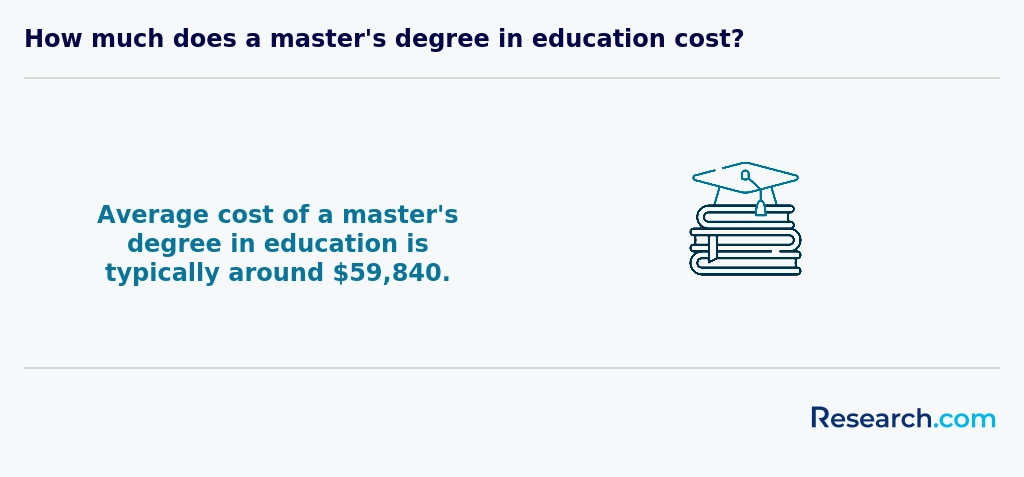
The average education degree cost Philadelphia students encounter is an investment often ranging between $39,870 for in-state residents to nearly $58,000 overall. Imagine walking the halls of Temple University, where graduates recall the balance of rigorous academics and the excitement of community, knowing their financial commitment was aligned around these median costs. It's a journey filled with determination and the joy of building a future in education.
Those pursuing degrees in Philadelphia find the total cost of education degree Philadelphia varies widely depending on the institution. For instance, students at community colleges often celebrate a lighter financial burden, sometimes paying under $5,000 annually, which helps open doors for many to start their education career paths confidently and affordably.
On the other hand, graduates from private universities describe their experience as a full immersion into elite academic environments, with tuition costs reflecting that exclusivity-sometimes exceeding $50,000 per year. Yet, these students often value the comprehensive support and networks built during their studies, which makes the investment feel worthwhile.
Amid these varied price points, exploring the best popular education degree programs in Philadelphia helps prospective students discover paths that suit both their passions and budgets. The adventure of choosing an education degree here blends financial planning with the excitement of finding the right community and program to shape a meaningful career.
Exploring Alternative Online Degree Options
In today’s fast-paced educational landscape, many aspiring educators are also considering complementary online programs to diversify their expertise and career opportunities. This section examines how online education degrees compare with other affordable online options, and why some professionals are exploring adjacent fields such as library science. For instance, while traditional education programs provide robust training in pedagogy and classroom management, prospective students may also look into programs that enhance research and organizational skills-qualities that are highly valued in both education and library science. In fact, if you’re curious about additional affordable paths, you might wonder if are online library science masters degrees affordable, which offer flexible learning schedules and competitive tuition rates. Integrating multiple online degree pathways can not only broaden your professional skill set but also prepare you for diverse roles in education and beyond, reinforcing the importance of adaptable learning strategies in today’s digital era.
What financial aid is available to education degree students in Philadelphia?
Imagine landing a spot in Temple University's education program, then discovering you can tap into a federal Pell Grant of up to $7,395 annually-money that doesn't need to be paid back. Many Philadelphia education students feel a wave of relief knowing this helps lighten their tuition load drastically. Beyond grants, federal Direct Loans offer accessible borrowing options with relatively low-interest rates, giving graduates room to breathe as they start their careers.
State grants add another layer of support. Philadelphia residents often receive aid through Pennsylvania's State Grant program, which adjusts funding based on financial need and enrollment, making schooling more affordable for local aspiring teachers. At places like the University of Pennsylvania's School of Education, institutional scholarships further brighten the path, rewarding merit and dedication to teaching in ways that feel personal and motivating.
Work-study opportunities also draw many students into flexible campus jobs, turning their time into valuable income while building professional skills. And for those ready to commit to high-need schools, programs like the TEACH Grant offer forgiveness on loans, a promise felt like a rare gem among new educators chasing their dreams.
Certification and Licensing Requirements
In Pennsylvania, obtaining a valid teaching certificate is a critical step for Education degree graduates seeking classroom roles. Prospective educators must first meet state-mandated academic credentials, typically a bachelor’s degree from an accredited institution and completion of a supervised student teaching component. Next, candidates register for and pass the Pennsylvania Educator Certification Tests (PECT), which assess subject-specific knowledge and general teaching competencies. Successful completion of PECT allows graduates to apply for an Instructional I certificate through the Pennsylvania Department of Education, unlocking eligibility for K–12 teaching positions statewide. Beyond testing, Pennsylvania requires a clear criminal background check and a child abuse history clearance, ensuring safety and trust in educational settings. Once certified, teachers must complete 180 hours of continuing professional education every five years to maintain their credentials. These Professional Development Hours (PDHs) cover topics such as inclusive classroom strategies, digital literacy, and updated state curriculum standards. For those balancing work, family, or budget constraints, online pathways can streamline certification preparation without sacrificing quality. Many accredited programs offer targeted coursework aligned with PECT domains, practical video-based simulations, and virtual mentorship. Students seeking cost-effective pathways can consider Low Cost Online Bachelor’s in Education Degree Programs, many of which prepare candidates for state certification exams while minimizing tuition expenses. Understanding licensure timelines and requirements empowers aspiring educators to plan strategically: begin exam preparation during your final semester, schedule background checks promptly, and track PDH credits early. By navigating Pennsylvania’s certification process with foresight, graduates ensure a smooth transition from degree completion to impactful teaching careers.
What are the prerequisites for enrolling in education degree program in Philadelphia?
Diving into an education degree in Philadelphia means gearing up with some clear prerequisites that pave the way for a rewarding journey. Imagine a graduate from Temple University recalling how submitting official transcripts verified their high school diploma, a crucial first step for undergrad enrollment. Similarly, at the University of Pennsylvania, those aiming for graduate programs needed to present a bachelor's degree, aligning with expectations across the U.S.
Standardized tests can feel like a barrier, but many Philadelphia schools are adopting test-optional policies, easing the stress for applicants. One graduate from a local college shared how skipping the SAT didn't hold them back, reflecting a trend toward flexibility.
Letters of recommendation and personal statements bring your passion to life-graduates describe these as chances to tell their story and why teaching calls to them. Background checks and sometimes proof of hands-on experience in schools add a sense of responsibility and readiness, helping candidates stand out in vibrant, nurturing education communities.
Certification and Licensure Requirements
In Pennsylvania, obtaining state certification is a critical step for any Education degree graduate aiming to teach in Philadelphia’s K–12 schools. All candidates must complete a Pennsylvania Department of Education (PDE)-approved teacher preparation program, fulfill supervised field experiences, and pass the required Praxis exams. Certification not only validates your pedagogical skills but also ensures compliance with state standards, positioning you for long-term success in diverse educational settings. Key steps to earning your Instructional I certificate include: • Completing at least 120 hours of supervised practicum or student-teaching experiences in PDE-approved settings. • Passing Praxis Core Academic Skills for Educators (Reading, Writing and Mathematics) and Praxis Subject Assessments relevant to your specialization. • Submitting official transcripts, Praxis score reports, and background clearances (Act 34, Act 151, and FBI fingerprinting) through the PDE’s online Teacher Information Management System (TIMS). • Applying for the Instructional I certificate once all academic and exam requirements are met; early application is encouraged to avoid delays in employment. For those seeking alternative or more flexible pathways, many online routes mirror traditional preparation standards. Prospective students can compare Low Cost Online Bachelor's in Education Degree Programs that align with PDE requirements and provide the same robust licensure preparation without the higher price tag. Continuous professional development is also mandated, with Instructional II certification available after three years of teaching and documented continuing education credits, ensuring educators remain current with evolving instructional best practices.
What courses are typically in education degree programs in Philadelphia?
Imagine diving into courses that bring education to life right in the heart of Philadelphia's vibrant classrooms. At popular institutions like Temple University or Drexel University, graduates recall how foundational classes like educational psychology opened their eyes to how kids in urban schools learn and grow every day. They felt empowered designing curricula that embrace Philadelphia's rich cultural diversity, using teaching methods that connect with students from all backgrounds.
Hands-on classroom management and behavior intervention courses prepare future teachers for real challenges, guiding them through techniques that make managing lively city classrooms feel achievable and rewarding. Assessment classes help sharpen skills for tracking student progress, a vital part of shaping successful learners.
Equally exciting are courses in educational technology, where students enthusiastically explore digital tools transforming lessons in Philadelphia schools. Graduates often highlight the thrill of applying these skills during student-teaching internships, supervised by experienced educators who encourage curiosity and growth in dynamic learning environments.
What types of specializations are available in education degree programs in Philadelphia?
Exploring education degree specializations in Philadelphia feels like stepping into a world of possibilities. Imagine focusing on Elementary Education, where graduates from popular Philadelphia colleges feel energized by hands-on teaching experiences that build literacy and math foundations for young learners in city classrooms. Or picture diving into Secondary Education, where aspiring teachers get excited by real practicum opportunities working with diverse middle and high school students, preparing them to inspire in subjects like Science or Social Studies.
Another adventure leads to Special Education, where educators are passionately trained to support children with unique learning needs-a growing demand in Philadelphia schools. Many also explore Educational Leadership, driven by a desire to shape policies and lead schools toward success. For those enchanted by early years, Early Childhood Education offers a chance to impact children's lives from birth through age 8.
Students weighing their paths find helpful insights in affordability discussions, including whether are online library science masters degrees affordable, as they navigate these popular education programs Philadelphia has to offer.
How do you choose the best education degree in Philadelphia?
Choosing the best education degree programs in Philadelphia means diving into what truly fits your aspirations and lifestyle. Imagine a graduate from Temple University who chose a Master of Education focused on Curriculum and Instruction because it aligned perfectly with their dream of shaping city-wide educational policies. The vibrant Philly environment offers programs at public universities and private colleges, each with unique strengths. Graduates often praise hands-on internship opportunities within local schools, which turn theory into real-world teaching moments.
Cost-wise, exploring affordable education degrees Philadelphia cost comparison is crucial. Many find that public institutions or community colleges balance quality and tuition, especially with financial aid. Some students even explore flexible evening or online classes, keeping work and study in harmony. If budget is a concern, you might check out Low Cost Online Bachelor's in Education Degree Programs to stretch your dollar without sacrificing quality.
What career paths are available for education degree students in Philadelphia?
Graduates with an education degree in Philadelphia find themselves stepping into diverse and vibrant career paths that spark both passion and purpose. Many embrace classroom teaching across early childhood to secondary education, often drawing inspiration from their hands-on experiences at universities like Temple and the University of Pennsylvania. Passionate educators feel energized by the city's growing demand for special education teachers, a path where additional certification opens doors to meaningful impact among nearly 15% of students receiving specialized support. Exploring beyond traditional roles, some graduates venture into school counseling or instructional coordination, roles rich with leadership opportunities developed through graduate programs at Philadelphia's top institutions. For those eager to reach wider communities, careers in adult education and nonprofit workforce initiatives provide adventurous avenues to support lifelong learning and career development. For prospective students wondering about affordability while navigating education degree career options Philadelphia offers, you might explore options like Low Cost Online Bachelor's in Education Degree Programs to balance cost and opportunity.
What is the job market for education degree in Philadelphia?
The job market for education degree graduates in Philadelphia is vibrant and promising, especially for those eager to dive into teaching or educational administration within the city's diverse schooling system. Graduates from well-known institutions like Temple University often share stories of landing roles quickly in local public and charter schools, fueled by the city's ongoing demand for skilled teachers, particularly in special education and STEM fields. This demand reflects the broader picture of Philadelphia education degree employment opportunities where the need for passionate educators and curriculum developers keeps growing, sparking excitement among recent alumni.
Students pursuing an education degree here often find more than just classroom jobs. Many secure positions in educational support services or community outreach through nonprofits and government programs, places that value their local knowledge and enthusiasm. Balancing the rewarding salary prospects with tuition costs from reputable universities, graduates feel optimistic about carving out meaningful careers. For those curious about pathways to a degree, exploring what is the easiest online degree to get can spark ideas about alternate approaches to begin this adventure.
Frequently Asked Questions About education
Education degree students in Philadelphia can maximize their learning experience by actively engaging with the city's diverse school systems. Philadelphia hosts over 200 public and private schools, offering ample opportunities for hands-on practicum and student teaching placements. Connecting with local educators through partnerships supported by institutions like the University of Pennsylvania and Temple University enhances practical skills. Additionally, students should take advantage of workshops, seminars, and professional development events often held in the city, which align with Pennsylvania's certification standards.
Data from the Pennsylvania Department of Education shows that candidates with practical experience tend to perform 15% better on state certification exams. Furthermore, networking within Philadelphia's education community improves job placement rates after graduation. Keeping up-to-date with Philadelphia-specific educational policies can also guide students in tailoring their learning to meet regional needs effectively.
Emerging niches within the education field in Philadelphia reflect broader national trends while addressing local needs. One growing area is educational technology, driven by increased demand for digital learning tools and remote education solutions. Institutions like Drexel University offer specialized programs preparing educators to integrate technology effectively.
Another niche is special education, where Philadelphia schools seek experts trained to support students with disabilities. According to the Pennsylvania Department of Education, the number of special education students has steadily increased, creating more jobs in this sector.
Additionally, there is rising interest in diversity, equity, and inclusion (DEI) education, focusing on culturally relevant teaching practices. Philadelphia's diverse population intensifies the need for educators skilled in these approaches.
After completing an education degree in Philadelphia, preparing for the job market involves several strategic steps. First, gaining relevant classroom experience through student teaching placements is essential. Philadelphia's School District often partners with local universities to provide these practicum opportunities, which improve employability.
Networking is also critical; attending job fairs hosted by Philadelphia colleges and connecting with local education organizations can open doors. According to the Philadelphia Workforce Development Corporation, education-related jobs are expected to grow by 6% over the next decade, increasing competition.
Lastly, acquiring Pennsylvania state teaching certification and continuing professional development can enhance job prospects in Philadelphia's public and private schools.
Employers in Philadelphia increasingly value education degree graduates who demonstrate strong classroom management and effective communication skills. According to the Pennsylvania Department of Education, proficiency in culturally responsive teaching is essential, reflecting the city's diverse student population. Graduates who can integrate technology into lesson plans also stand out, as digital literacy is critical in modern classrooms.
Problem-solving and adaptability are highlighted by local school districts, given the dynamic challenges Philadelphia educators face. Data from the Philadelphia School District shows that candidates with collaborative skills tend to advance faster in their careers. Lastly, knowledge of special education laws and practices is crucial, aligning with the city's focus on inclusive education environments.
Finding internships in Philadelphia related to education degrees involves a combination of utilizing local resources and institutional support. Philadelphia, home to over 80 public and private K-12 schools, offers diverse opportunities for hands-on experience. Many universities like the University of Pennsylvania and Temple University have career centers that connect education students with local schools for internships. Additionally, checking listings on the School District of Philadelphia's website can reveal openings for student teaching and assistant roles.
Another effective strategy is networking through professional organizations, such as the Pennsylvania Association of Colleges and Teacher Educators. According to the U.S. Bureau of Labor Statistics, internships increase job placement rates by nearly 20%, emphasizing their importance in education careers.
In Philadelphia, holding an education degree significantly enhances career mobility and advancement opportunities within the local school systems and education-related fields. According to the Pennsylvania Department of Education, teachers with at least a bachelor's degree are eligible for state certification, a requirement for most K-12 public teaching positions.
Moreover, a master's degree or higher often leads to higher salaries and eligibility for administrative roles such as principals or district supervisors. Data from the Philadelphia School District indicates that educators with advanced degrees earn approximately 10-15% more compared to those with only bachelor's degrees. This financial incentive encourages further education for career growth.
Education degrees also prepare graduates for specialized roles, including curriculum developers, instructional coordinators, and education policy analysts, which are increasingly in demand. Philadelphia's commitment to improving public education creates a steady demand for skilled educators, substantiating the value of these degrees for long-term professional development.
Studying for an education degree in Philadelphia equips students with skills necessary for interdisciplinary roles within and beyond traditional teaching. Programs often integrate coursework in psychology, sociology, and technology to foster a well-rounded understanding of diverse learning environments. Philadelphia's higher education institutions collaborate with local schools and community organizations, providing practical experience that highlights the intersection of education with social services and public policy.
According to the Pennsylvania Department of Education, over 70% of Philadelphia education programs emphasize cross-disciplinary approaches. This prepares graduates to work effectively in roles such as curriculum development, educational consulting, and administration, where multiple fields converge.
Choosing between a thesis and a non-thesis education degree program in Philadelphia depends on your career goals and time commitment. Thesis programs typically require original research, which suits students aiming for doctoral studies or research roles. Non-thesis options focus more on coursework and practical application, ideal for those seeking classroom teaching or administrative positions.
Philadelphia offers many accredited education programs, including at Temple University and University of Pennsylvania, which publish graduation statistics annually. For example, Temple reports that approximately 40% of their education master's students choose the thesis track, often planning future academic roles.
Consider also your schedule: thesis programs usually take longer due to research demands. Finally, consult with academic advisors in Philadelphia schools to align your choice with local job market trends.
Students based in Philadelphia who wish to pursue education degrees with an international perspective have several options for studying abroad. Many local universities, such as the University of Pennsylvania and Temple University, offer study abroad programs tailored for education majors. These programs typically include partnerships with institutions across Europe, Asia, and Latin America, enabling students to gain global teaching experience.
Philadelphia's Department of Education highlights that approximately 12% of education students participate in such programs annually, reflecting growing interest.
Additionally, students can explore semester exchanges or summer intensive courses focused on comparative education, curriculum development, and pedagogy in diverse cultural settings.
Financial aid and scholarships specifically for study abroad are often available to Philadelphia residents, through both university and city-based initiatives.
Philadelphia offers several part-time job opportunities that complement education degree studies. Many students work as teacher aides or substitute teachers, gaining practical classroom experience while completing their degrees. According to the Pennsylvania Department of Education, these roles enhance understanding of student needs and instructional methods.
Additionally, tutoring positions at local community centers or through programs like the Philadelphia Education Fund allow students to develop individualized teaching skills. Schools and nonprofits often seek part-time mentors for after-school programs, which helps build classroom management and communication abilities.
Working in libraries or educational nonprofits can further provide exposure to curriculum development and resource management, supporting comprehensive professional growth in education.
Education students in Philadelphia benefit from robust networking opportunities linked to the city's strong academic and professional communities. Local universities such as Temple University and the University of Pennsylvania host career fairs and education symposiums that attract school districts and educational organizations. These events facilitate connections between students, faculty, and potential employers.
The Philadelphia School District, one of the largest in the nation with over 200,000 students, partners frequently with higher education institutions, providing internships and practicum placements. This close collaboration allows students to gain hands-on experience and build relationships within Philadelphia's education field.
Professional organizations like the Pennsylvania Association of Colleges and Teacher Educators (PACTE) also hold conferences and workshops in the region, encouraging networking and professional growth opportunities.
Alumni networks in Philadelphia play an important role for education degree students by providing valuable connections within the local teaching community. Graduates from Philadelphia universities often engage with alumni groups that facilitate job referrals, mentorship, and professional development opportunities. According to a 2023 report by the Philadelphia Education Fund, nearly 60% of education graduates found their first teaching position through an alumni contact.
These networks also offer workshops and events that help new educators stay updated with Pennsylvania's certification requirements and teaching standards.
Moreover, alumni connections create a support system for navigating challenges specific to urban schools in Philadelphia, fostering collaboration and resource sharing among education professionals.
Customizing an education degree program in Philadelphia allows students to align their studies with specific career goals. Many local universities offer flexible curricula with options to specialize in subjects such as special education, curriculum design, or educational leadership. According to data from the Pennsylvania Department of Education, over 60% of education degree programs in the region provide elective courses and practicum experiences tailored to job market demands.
Students can also choose from part-time, online, or hybrid formats to balance work and study. Practical experience through Philadelphia's diverse school districts helps build relevant skills for urban education careers. Academic advisors play a key role in guiding course selections based on individual aspirations and certification requirements.
Education students in Philadelphia face several notable challenges during their studies. One major issue is financial strain; the average tuition for local education programs can exceed $20,000 per year, and many students rely on loans or scholarships to continue their education (NCES, 2023). Additionally, balancing coursework with fieldwork requirements poses difficulties, as Philadelphia's diverse school districts often demand significant time commitments for student teaching and internships.
Moreover, some students encounter limited access to modern educational technology and resources, impacting their ability to develop digital teaching skills. The city's high rate of school violence and socioeconomic disparities also present concerns for those training to work in urban classrooms, requiring them to prepare for complex classroom management and equity challenges (Philadelphia School District Reports, 2023).
With an education degree in Philadelphia, graduates can pursue several professional certifications to enhance their career prospects. One of the most common is the Pennsylvania Instructional I Teaching Certificate, which allows individuals to teach in public schools across the state. This certificate requires completion of a state-approved teacher preparation program and passing the Praxis exams.
Additionally, educators may seek certification in specialized areas such as special education or English as a Second Language (ESL). The Pennsylvania Department of Education offers endorsements for these fields, supporting growing student needs locally.
For those interested in administration, the Educational Leadership certificate is available, qualifying candidates for roles like principal or supervisor after relevant experience and further coursework.
Data from the Philadelphia School District reports a rising demand for certified teachers, especially in STEM and special education, highlighting the value of these certifications in the local job market.
To write a winning application for an education program in Philadelphia, focus on highlighting your passion for teaching and community impact. Most local universities, including Temple University and the University of Pennsylvania, emphasize a strong personal statement that explains your motivation and goals.
Provide clear evidence of relevant experience, such as volunteer work or internships in local schools. Philadelphia's School District reported increasing partnerships with universities, making practical experience highly valuable. Also, maintain competitive GPA scores-generally above 3.0-as many programs use this as a key admission metric.
Prepare letters of recommendation from educators familiar with your skills. Additionally, tailor your application to the specific pedagogical approaches embraced by Philadelphia programs. This research-driven preparation sets applicants apart in a competitive admissions environment.
The global perspective on an education career reflects growing recognition of educators as key drivers in societal development. In the United States, especially in Philadelphia, education degrees emphasize preparing professionals to meet diverse classroom needs in a rapidly changing world.
According to the National Center for Education Statistics, the U.S. is expected to see continued demand for qualified teachers through 2030. Philadelphia, with its diverse student population, offers unique opportunities for future educators to gain practical experience and understand varied cultural backgrounds.
Internationally, teaching careers often require advanced certifications similar to Pennsylvania's rigorous licensing standards, ensuring educators are well-prepared globally. For Philadelphia students, this alignment supports mobility and collaborative opportunities across countries.
Programs in the city frequently incorporate global education trends, including technology integration and inclusive pedagogy, responding to both local needs and worldwide shifts in education.
Gaining practical experience is essential when pursuing an education degree in Philadelphia. Many local universities, such as Temple University and the University of Pennsylvania, incorporate student teaching placements in their programs. These placements allow students to work directly in Philadelphia public schools under the supervision of experienced teachers. According to the Pennsylvania Department of Education, hands-on experience is required for state certification.
Additionally, Philadelphia offers numerous volunteer and internship opportunities through organizations like the School District of Philadelphia and community learning centers. These experiences help students develop classroom management and instructional skills. Participating in workshops and educational research projects, often available through university departments, further enriches practical knowledge.
Choosing the right concentration within an education degree program in Philadelphia involves understanding your career goals and the current market demand. Philadelphia's public school system emphasizes special education, ESL, and early childhood education due to its diverse student population. According to the Philadelphia School District, over 40% of students are English language learners or have special needs, making these concentrations highly relevant.
Explore concentrations that align with local employment trends and licensure requirements in Pennsylvania. Reviewing program offerings from area universities and examining graduation outcomes can provide useful insights. Additionally, speak with advisors and practicing educators in Philadelphia to match your interests with practical opportunities.
Related Education Rankings for Nearby Cities
- 2027 Most Popular Education Degree Programs Ranking in Dover
- 2027 Most Popular Education Degree Programs Ranking in Baltimore
- 2027 Most Popular Education Degree Programs Ranking in Wilkes-Barre
- 2027 Most Popular Education Degree Programs Ranking in Washington
- 2027 Most Popular Education Degree Programs Ranking in Springfield
- 2027 Most Popular Education Degree Programs Ranking in Providence
- 2027 Most Popular Education Degree Programs Ranking in Worcester
- 2027 Most Popular Education Degree Programs Ranking in Pittsburgh
- 2027 Most Popular Education Degree Programs Ranking in Cambridge
- 2027 Most Popular Education Degree Programs Ranking in Erie
Top Trending Education Rankings
See What Experts Have To Say About Studying Education
Read our interview with Education experts

Alan J. Singer
Education Expert
Professor of Teaching, Learning and Technology
Hofstra University

Nooshan Ashtari
Education Expert
Professor & Book Author
University of Southern California

References
- The 10 Highest Paying Jobs With a Teaching Degree [Quiz] https://www.umassglobal.edu/blog-news/highest-paying-jobs-with-a-teaching-degree
- International teaching and education jobs https://www.tes.com/jobs/search/international
- Education & Childcare | Stay for Philly https://stayforphilly.com/the-lifestyle/education-childcare/
- EDUCATION AS A KEY IN CAREER BUILDING https://journals.vilniustech.lt/index.php/JBEM/article/download/15399/10674
- Teaching Degree Requirements in 2023 | Teachers of Tomorrow https://www.teachersoftomorrow.org/blog/insights/teaching-degree-requirements/
- Finding Your Path: How to Align Studies with Career Goals https://www.alfabetaglobal.com/blogs/finding-your-path-how-to-align-your-studies-with-your-career-goals
- Tuition & Fees | Community College of Philadelphia https://www.ccp.edu/admission-aid/paying-college/tuition-fees
- Skills Employers Look for in Business Graduates – EU Business School https://www.euruni.edu/blog/skills-employers-look-for-in-business-graduates/
- Tips for Choosing Your Graduate Concentration - Graduate Programs for Educators https://www.graduateprogram.org/blog/tips-for-choosing-your-graduate-concentration/
- Putting theory into practice: The value of an interdisciplinary approach to teaching https://my.chartered.college/impact_article/putting-theory-into-practice-the-value-of-an-interdisciplinary-approach-to-teaching/


