
2027 Most Popular Education Degree Programs Ranking in Texas

Co-Founder and Chief Data Scientist
Choosing the right education degree program in Texas can shape your future in meaningful ways. This article introduces the 2027 Most Popular Education Degree Programs Ranking in Texas, created by the Research.com team of data scientists to guide you in making a well-informed decision.
By exploring this ranking, you'll gain valuable insights into programs that align with your goals and passions. Pursuing an education degree opens doors to rewarding careers that positively impact communities. Let this guide inspire your next steps toward a fulfilling path in education.
Key benefits of getting education degree in Texas
- Graduates with education degrees in Texas can expect competitive salaries, such as $76,000 annually for special education teachers and $77,200 for instructional designers, offering financial stability and rewarding careers.
- Education degree holders from universities like the University of Texas at Austin have diverse career options including teaching, curriculum design, and educational consulting, allowing you to find a path that fits your passion.
- Completing an education degree online from schools like Texas A&M offers flexibility to balance work and life, with the same valuable credentials and career opportunities as traditional programs.
- Key benefits of getting education degree in Texas
- What can I expect from education degree in Texas?
- Where can I work with education degree in Texas?
- How much can I make with education degree in Texas?
- 2027 Most Popular Education Degree Programs Ranking in Texas
- Key Findings
- How long does it take to complete education degree in Texas?
- What's the difference between online and on-campus education degree?
- Teacher Certification and Licensing Requirements in Texas
- What is the average cost of education degree in Texas?
- Accreditation and Teacher Certification Requirements in Texas
- What financial aid is available to education degree students in Texas?
- Optimizing Your Education Path with Affordable Options
- What are the prerequisites for enrolling in education degree program in Texas?
- Return on Investment (ROI) and Long-Term Career Impact
- What courses are typically in education degree programs in Texas?
- What types of specializations are available in education degree programs in Texas?
- How do you choose the best education degree in Texas?
- What career paths are available for education degree students in Texas?
- What is the job market for education degree in Texas?
- Related Education Rankings for Nearby States
- Top Trending Education Rankings
- See What Experts Have To Say About Studying Education
What can I expect from education degree in Texas?
The average annual tuition cost for education degrees in Texas varies notably between public and private institutions. In-state students attending public universities such as The University of Texas at Austin or Texas A&M University typically face tuition fees ranging from $8,000 to $12,000. Graduates from these programs often recall balancing rigorous coursework with student teaching internships, which are integral to meeting Texas Education Agency certification standards while managing tuition expenses effectively.
Private colleges offering education degrees in Texas usually charge higher tuition, which influences students' financial planning and reliance on scholarships. Many education students report positively on scholarships and financial aid tailored specifically for teaching majors, often tied to commitments to teach in Texas schools after graduation. This real-life incentive eases the financial burden and boosts career optimism.
With public universities producing a significant portion of Texas-certified teachers each year, students frequently highlight the value of affordable tuition combined with strong programs that emphasize practical experience and classroom readiness within their cost framework.
Where can I work with education degree in Texas?
Graduates with education degrees in Texas frequently find employment as public school teachers, where over 330,000 professionals work statewide, including urban districts like Houston and Dallas as well as rural areas. These teachers often feel fulfilled contributing to bilingual education or special education, reflecting the growing demand in these specialized roles. For example, those graduating from the University of Texas or Texas A&M systems share experiences of landing positions in both large urban schools and smaller community districts.
Private and charter schools also provide viable alternatives, especially for graduates interested in curriculum development and classroom management. Enrollment growth in these schools promises sustained opportunities. Alumni from Texas Christian University report rewarding careers here, shaping innovative learning environments.
Postsecondary roles appeal to graduates with advanced degrees, including academic advising or student affairs at community colleges and universities. Many appreciate the chance to mentor students while shaping higher education policies.
Additional career paths include educational administration, consultancy, and corporate training within Texas's bustling metropolitan business sectors, allowing graduates to impact education beyond traditional classrooms.
How much can I make with education degree in Texas?
Graduates with an education degree from Texas universities like the University of Texas at Austin or Texas A&M often enter careers with promising salary prospects. For example, elementary school teachers in Texas earn a mean annual wage of around $70,740, reflecting the steady demand for qualified educators. Special education teachers can expect even higher earnings, with an average salary near $76,000, benefiting from specialized skills that schools highly value.
Those focusing on English as a Second Language (ESL) teaching roles see competitive wages as well, averaging $65,430 annually, which aligns with the diverse needs seen in Texas classrooms. Early childhood educators report mean salaries of approximately $41,410, offering entry points for new graduates passionate about early learner development.
Instructional designers, a growing career path for education majors especially from colleges like Texas State University, enjoy mean salaries around $77,200, combining education theory with technology. Graduates appreciate seeing their skills translate into real-world impact and solid financial stability across various roles within the Texas education system.
2027 Most Popular Education Degree Programs Ranking in Texas
How do we rank schools?
Investing in your education is a significant decision that can shape your future, and the Research.com team understands the importance of making informed choices. To assist prospective students in Texas, we have meticulously crafted the "2027 Most Popular Education Degree Programs Ranking in Texas." Our commitment to quality, credibility, and accuracy is reflected in the extensive research and analysis conducted to compile this ranking.
We utilized the following reputable data sources to ensure a comprehensive evaluation of education degree programs:
By exploring this ranking, readers will gain valuable insights into the most popular education degree programs in Texas, empowering them to make informed decisions about their educational journeys. For more details on our methodology, please visit our Research.com methodology page.


Key Findings
- Texas offers many accredited institutions with education programs including elementary, special, secondary education, and educational leadership.
- Annual tuition for a bachelor's degree at public universities ranges from $10,000 to $15,000 for in-state students, while private schools often charge over $25,000.
- Teacher certification requires completing a preparation program with student teaching and passing exams by the Texas Education Agency.
- Teacher employment in Texas is projected to grow by about 9% over the next decade, slightly above the national average.
- Starting salaries for new teachers range from $50,000 to $55,000, increasing to $60,000-$70,000 or more with experience and specialization.
- Financial aid, including scholarships and the Texas Teacher Loan Repayment Program, is available to support education majors, especially in high-need areas.
How long does it take to complete education degree in Texas?
Completing an education degree in Texas typically takes between two and five years, depending on the level pursued. Graduates earning a bachelor's degree, the most common path for future teachers, generally invest about four years, consistent with programs at universities like the University of Texas at Austin or Texas A&M University. These four years balance coursework with hands-on experiences that many find rewarding and affirming of their career choice.
For those attending community colleges or technical schools, an associate degree in early childhood development or education takes approximately two years. Many graduates appreciate this quicker pathway as a stepping stone into education support roles or as a foundation before transferring to a four-year university.
Advanced degrees require additional time; a master's in education in Texas commonly spans 1.5 to 3 years depending on the study pace, appealing to those targeting specialization or administrative careers. Doctoral candidates, pursuing Ph.D. or Ed.D. programs, typically dedicate 3 to 5 years post-master's to deep research and dissertations, which many find intellectually fulfilling.
Student teaching experiences, mandatory for state certification in Texas, often extend completion times but offer invaluable practical skills. Graduates praise this phase for boosting confidence and readiness to lead classrooms.
What's the difference between online and on-campus education degree?
Online and on-campus education degree programs in Texas differ mainly in delivery and student experience, though both lead to equivalent credentials recognized by the Texas Education Agency. For example, a graduate from the University of Texas at Austin's on-campus program recalls the value of daily interactions with professors and peers, fostering immediate feedback and hands-on teaching experiences in local schools.
Conversely, a Texas State University online graduate values the program's flexibility, balancing coursework with a full-time job and family life. Online students engage through digital platforms, accessing lectures and assignments anytime, which suits those living far from campus or with tight schedules.
Cost differences are notable as well. Public universities in Texas charge in-state tuition around $8,000 to $12,000 annually, but online programs often reduce fees by eliminating campus facility charges, though some technology fees may apply. Both formats prepare students to pass the TExES exam and meet state licensure standards.
Support services vary: on-campus students enjoy easy access to libraries and tutoring centers, while online students increasingly benefit from virtual advising and online resources. This mix of factors allows Texas education students to choose a path that best fits their lifestyle and goals.
Teacher Certification and Licensing Requirements in Texas
Earning an education degree is just the first step; obtaining state certification is essential for classroom placement and career advancement in Texas. To become a certified teacher, graduates must complete the following: 1. Educator Preparation Program (EPP): • Enroll in an SBEC-approved EPP, which integrates content coursework with field-based experiences. • Maintain a minimum GPA (typically 2.5 or higher) and complete all program milestones, including student teaching. 2. Certification Examinations: • Pass the Texas Examinations of Educator Standards (TExES) for your subject area and grade level. • Many candidates report that dedicated prep courses boost their TExES performance, so plan your study schedule well in advance. 3. Background Check & Fingerprinting: • Submit fingerprints to the Texas Department of Public Safety and the FBI. • A clean criminal history is mandatory; any record must be disclosed during application. 4. Apply for Initial Certification: • Complete Form 160 (Application for Standard Certificate) through the TEAL portal. • Pay the nonrefundable application fee and upload official transcripts. 5. Mentor Support & Probationary Certificate (Optional): • New teachers may receive a one-year probationary certificate, paired with a campus mentor. • This support helps bridge the gap between theory and practice, enhancing classroom management and instructional skills. 6. Continuing Education & Renewal: • Renew standard teaching certificates every five years by completing 150 continuing professional education (CPE) hours. • CPE credits can include workshops, graduate courses, or online seminars-many candidates consult rankings like Affordable Online Master’s in Education Degree Programs Ranking in Georgia for accredited graduate options that fit their schedules. By understanding and planning for these certification steps early, prospective educators can streamline their path from degree completion to a full, standard teaching certificate, ensuring compliance with Texas Education Agency requirements and enhancing their long-term career prospects.
What is the average cost of education degree in Texas?
The average cost of education degree in Texas depends significantly on whether a student qualifies for in-state tuition. For residents, the median in-state total cost for completing a bachelor's education degree is approximately $11,688 per year, which aligns with the median out-of-state total cost reaching $39,754 when studying at popular universities. Many graduates recall feeling relieved by the affordability of public universities such as those well-regarded for education programs in Texas, which keeps education accessible without sacrificing quality.
Students pursuing Texas education degree tuition and fees often highlight how public schools provide a balanced combination of cost and comprehensive training. Over four years, this totals considerably less than the considerable expenses private colleges require, which can be intimidating but may offer scholarships and aid. Still, even with tuition covered, graduates emphasize budgeting carefully for textbooks, housing, and transportation, which can add several thousand dollars annually.
Prospective students often explore options for affordable online education schools in Texas to reduce costs further while maintaining a strong academic experience. This flexibility allows many to continue working and avoid excessive debt, which positively shapes their educational journey. Understanding the full financial scope, including certification fees that vary by institution, helps students plan wisely for success in their teaching careers.

Accreditation and Teacher Certification Requirements in Texas
Accreditation is a key factor when choosing an Education program in Texas, as it ensures your degree meets quality standards and qualifies you for licensure. Most reputable programs hold regional accreditation from agencies such as the Southern Association of Colleges and Schools Commission on Colleges (SACSCOC) and specialized approval from the Council for the Accreditation of Educator Preparation (CAEP). Attending an accredited institution not only unlocks federal financial aid but also guarantees that coursework transfers seamlessly should you pursue advanced studies. To become a certified teacher in Texas, graduates must: • Complete a state‐approved educator preparation program at an accredited college or university. • Fulfill required field experiences, including supervised student teaching in a Texas PK–12 classroom. • Pass the Texas Examinations of Educator Standards (TExES) relevant to your subject area and grade level. • Submit fingerprints and pass a criminal background check through the Texas Education Agency (TEA). • Apply for your Standard Teaching Certificate via the TEA online portal and pay the licensure fee. Maintaining your certification also involves ongoing professional development and renewal every five years. Many programs integrate preparation for the TExES exams into their curricula, offering targeted workshops and practice assessments that boost pass rates. When comparing programs, verify their alumni success-with high first‐time TExES pass rates often signaling strong faculty support and exam alignment. For those exploring cost-effective pathways to advanced credentials, our Affordable Online Master's in Education Degree Programs Ranking in Georgia provides valuable insights into accredited, budget-friendly graduate options.
What financial aid is available to education degree students in Texas?
Education students in Texas often rely on multiple financial aid sources to manage the average annual tuition of about $10,000 at public universities such as the University of Texas at Austin or Texas State University. Federal aid is foundational, with Pell Grants offering up to $7,395 yearly without repayment obligations, greatly relieving financial stress for many graduates.
State programs like the Teach for Texas Grant provide targeted support but require recipients to teach in Texas public schools, particularly in underserved regions, fostering a rewarding sense of purpose while easing financial burdens.
Merit-based scholarships, including the Texas Future Teachers Scholarship and TExES Scholarship, incentivize dedication to teaching careers. Many education students share that accessing these scholarships through the Texas Higher Education Coordinating Board's database made a significant difference in their ability to focus on studies rather than finances.
Work-study opportunities allow students to earn income while gaining practical experience, often on campus or within school districts tied to institutions like Texas Tech University. Despite average student loan debt near $30,000, public service loan forgiveness encourages graduates to pursue long-term careers in education, offering hope for debt relief after a decade of teaching service.
Optimizing Your Education Path with Affordable Options
To maximize the benefits of pursuing an Education degree in Texas, it's essential to consider the financial implications and explore affordable options. Students can significantly reduce their educational expenses by opting for affordable online education schools in Texas, which offer flexible and cost-effective pathways to achieving their educational goals. By choosing an affordable program, students can allocate more resources to other aspects of their educational journey, such as gaining practical experience through internships or participating in professional development workshops. Furthermore, many affordable education programs in Texas provide access to a wide range of specializations, allowing students to tailor their studies to their career aspirations and interests. Ultimately, selecting an affordable Education degree program in Texas can be a strategic decision that enables students to achieve their academic and professional objectives without incurring substantial debt.
What are the prerequisites for enrolling in education degree program in Texas?
Enrollment in education degree programs across Texas universities typically requires a high school diploma or equivalent, such as a GED. Graduates from major public universities like the University of Texas often recall that meeting this baseline was the initial step in their admission process. Standardized test scores like the SAT or ACT are generally necessary, with schools recommending around 1020 on the SAT or 20 on the ACT, ensuring students possess the foundational skills for college coursework.
Additionally, passing the Texas Success Initiative (TSI) assessment is mandatory for most teacher preparation programs, verifying readiness in reading, writing, and math. Some institutions provide waivers for students with strong academic records, which many education students appreciate as it smooths their path.
Prospective students from colleges such as Texas State University commonly highlight the importance of submitting letters of recommendation or demonstrating relevant teaching experience. These elements help admissions officers assess genuine commitment and suitability for the profession.
Finally, clear background checks are required before engaging in student teaching, emphasizing the responsibility inherent in educating minors. Collectively, these prerequisites create a structured, achievable roadmap for aspiring educators in Texas.
Return on Investment (ROI) and Long-Term Career Impact
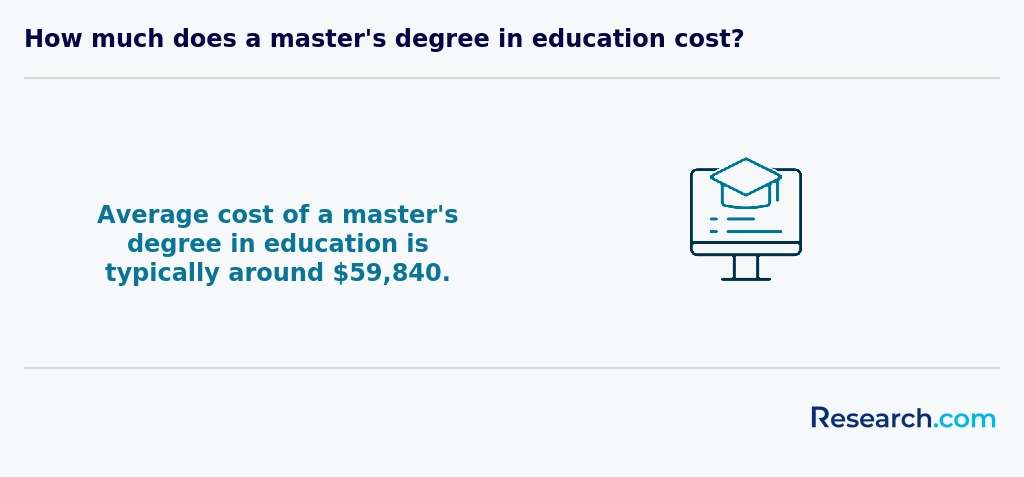
When weighing your education degree options in Texas, it’s crucial to analyze the return on investment to ensure that both the financial and professional benefits align with your long-term career goals. Evaluating factors such as post-graduation salary trends, job stability, and the potential for career advancement can provide valuable insights into the overall value of your degree. Many students find that investing in an education degree not only leads to a fulfilling career in teaching or administration but also offers measurable long-term benefits that help offset initial tuition costs. For instance, while considering advanced degrees, some prospective learners often compare costs and benefits-similar to understanding the masters in library science online cost-to determine which program promises a stronger financial foundation. By reviewing detailed salary projections, scholarship opportunities, and debt-to-income ratios, you can make a more informed decision that supports both your educational ambitions and your future financial stability.
What courses are typically in education degree programs in Texas?
Education degree programs in Texas typically include a range of core courses designed to build both theoretical understanding and practical skills. Graduates from well-known institutions like the University of Texas at Austin or Texas A&M frequently highlight courses such as Foundations of Education, covering the history and purpose of education, as essential for providing context to their future careers. They recall applying these lessons to understand diverse student backgrounds, which helped them connect with classrooms more deeply.
Courses like Educational Psychology are crucial, teaching how students learn and develop, enabling future teachers to adapt instruction effectively. Curriculum and Instruction prepares students to design and implement lesson plans, often practiced during hands-on student-teaching experiences at community schools linked to universities.
Other important subjects include Classroom Management and Assessment and Evaluation, which equip students with strategies to maintain productive environments and measure learning progress. Graduates frequently mention how Special Education courses address Texas's pressing need for qualified teachers in this area, boosting their confidence in meeting diverse learner needs.
What types of specializations are available in education degree programs in Texas?
Education degrees in Texas typically offer a variety of specializations that cater to the state's diverse student population and education system. Popular choices include Elementary Education, which prepares graduates to teach foundational subjects from kindergarten through sixth grade. Secondary Education focuses on middle and high school teaching, often with subject-specific concentrations like English or mathematics, aligning with Texas certification standards. Special education is another critical area, addressing the needs of over 600,000 students receiving specialized services in Texas, including training in behavioral interventions and inclusion strategies.
Other common options reflect teaching degree concentration options Texas students seek, such as Early Childhood Education, Bilingual Education for linguistically diverse classrooms, and Curriculum and Instruction, which emphasizes effective teaching methods. Educational Leadership prepares candidates for administrative roles in schools, while Physical Education focuses on promoting student health and wellness. Graduates from universities well-known for their education programs, such as those in Austin or Houston, often highlight rewarding fieldwork experiences that enrich their training in real classrooms.
Cost considerations vary, with bachelor's degrees ranging typically between $25,000 and $40,000 statewide. Students interested in advancing their credentials can explore graduate pathways, and for those considering broader academic paths, the masters in library science online cost information may be relevant.
How do you choose the best education degree in Texas?
When choosing the best education degree in Texas, start by identifying a specialization that aligns with your career goals, such as early childhood education or educational leadership. Graduates from popular schools like the University of Texas at Austin often highlight how focusing on the right specialization made their transition into Texas classrooms smoother and more fulfilling.
Cost considerations play a significant role too. Public universities in Texas typically charge around $10,000 annually for in-state students, but private institutions may exceed $30,000 per year. Graduates commonly suggest budgeting for additional expenses like books and living costs to avoid surprises. For those seeking affordable education degrees Texas options, examining tuition alongside financial aid opportunities and scholarships is essential for effective planning.
Accreditation is another critical factor. Programs accredited by bodies like CAEP ensure alignment with Texas Education Agency certification standards, facilitating a faster path to licensure. Many graduates appreciate programs that include diverse practicum hours and student teaching placements within Texas districts, helping them gain hands-on experience. Flexible options such as online classes, as found in the Affordable Online Master's in Education Degree Programs Ranking in Georgia, can also benefit working students.

What career paths are available for education degree students in Texas?
Graduates with an education degree in Texas frequently pursue teaching roles, particularly as K-12 educators specializing in subjects such as mathematics, science, or special education. Public schools statewide require certification, generally obtained after completing accredited programs at universities like the University of Texas or Texas A&M. With a projected 8% growth in demand for certified teachers through 2030, new educators can expect steady opportunities and a starting salary averaging around $62,000 annually. This data highlights positive employment prospects for those entering teaching and education jobs in Texas.
Beyond classroom instruction, education degree holders often transition into school administration roles, such as principals or instructional coordinators. These positions typically require advanced certifications and offer median salaries near $95,000, reflecting their increased responsibilities. Many graduates from well-regarded colleges in Texas choose this path to leverage leadership skills developed during their studies.
Other career paths for education graduates include educational technology specialists, curriculum developers, and adult education instructors, fields that are expanding with the rise of digital learning. Professionals also find rewarding work in early childhood education and corporate training environments. Those interested in research or policy may affiliate with universities or government organizations to influence education reform.
Cost considerations for earning an education degree in Texas vary, with public university tuition generally ranging from $20,000 to $30,000 per year for in-state students. Graduate degrees, essential for advanced roles, increase this investment but are often offset by scholarships or financial aid. For Texas students seeking flexible options, programs like the Affordable Online Master's in Education Degree Programs Ranking in Georgia can provide additional pathways toward career advancement.
What is the job market for education degree in Texas?
The job market for education degree holders in Texas is promising, supported by a large student population exceeding 5 million and a growing demand in areas like special education, bilingual programs, and STEM. Graduates from popular institutions such as the University of Texas at Austin or Texas A&M often share how their education careers quickly advance due to opportunities in diverse school districts. This steady demand translates into various roles, including classroom teachers and curriculum specialists, reflecting strong Texas employment prospects for education graduates.
Starting salaries typically hover around $55,000, with average teacher salaries near $65,000 in 2023, demonstrating competitive pay relative to cost-effective tuition rates at Texas public universities. Many graduates appreciate the financial advantages, particularly when institutions offer incentives like loan forgiveness or signing bonuses for high-need fields. For those exploring pathways beyond teaching, the state also highlights high paying certification programs, which can complement an education degree and enhance career prospects.
Frequently Asked Questions About education
Education degree students in Texas can maximize their learning experience by actively engaging with both theoretical coursework and practical opportunities. Texas universities often offer field-based experiences such as student teaching placements, which provide valuable hands-on practice in diverse classroom settings. According to the Texas Education Agency, these experiences are critical for developing effective instructional skills.
Additionally, students benefit from utilizing resources like tutoring centers and academic advising tailored to education majors. Networking with local educators and joining professional organizations such as the Texas Classroom Teachers Association can enhance career readiness. Staying informed about Texas-specific curriculum standards, like the Texas Essential Knowledge and Skills (TEKS), also supports academic success.
Emerging niches within the education field in Texas reflect shifts in societal needs and technology integration. One growing area is educational technology, where professionals design tools to improve remote and hybrid learning experiences. According to the Texas Higher Education Coordinating Board, enrollment in education technology programs grew 12% from 2020 to 2023.
Special education remains a critical niche due to increased awareness and resources for students with disabilities. The Texas Education Agency reports ongoing demand for teachers skilled in adaptive learning methods.
Another rising field is bilingual education, driven by Texas's diverse population. Programs focusing on dual-language instruction have expanded, preparing educators to meet the needs of English Language Learners.
Finally, leadership programs within education administration are strengthening, focusing on managing schools and districts in rapidly changing communities across Texas.
Graduates with an education degree in Texas can enhance their job prospects by focusing on practical experience and certification. The Texas Education Agency requires all public school teachers to hold state certification, which involves passing the Texas Examinations of Educator Standards (TExES).
Gaining student teaching experience during your program is vital. This hands-on training allows you to develop classroom management skills and professional networks, which are highly valued by Texas school districts.
Additionally, engaging with local education job fairs and using resources from the Texas Association of School Personnel Administrators can increase your awareness of available positions. According to the Texas Workforce Commission, demand for teachers in STEM subjects remains particularly strong.
Continuing professional development and enrollment in graduate programs can further improve competitiveness in the Texas education job market.
Employers in Texas seek education degree graduates who demonstrate strong communication and classroom management skills. According to the Texas Education Agency, proficiency in instructional strategies and the ability to adapt lessons for diverse learners are highly valued. Graduates must also show competence in integrating technology into teaching, reflecting the state's increasing focus on digital literacy in schools.
Critical thinking and problem-solving are essential, enabling teachers to handle daily challenges effectively. Additionally, emotional intelligence and cultural awareness are important, given Texas's diverse student population. The Bureau of Labor Statistics projects a steady growth in teaching roles across Texas, emphasizing the demand for well-rounded educators with these key skills.
Finding internships in Texas relevant to an education degree involves several strategic steps. First, students should explore internship programs offered by Texas universities, many of which have partnerships with local school districts and educational organizations. For example, Texas Education Agency (TEA) supports internship placements that provide practical classroom experience.
Additionally, websites like Handshake and the Texas Career Consortium list education-related opportunities across the state. According to the Texas Higher Education Coordinating Board, internships significantly improve job placement rates for graduates.
Networking with faculty and attending career fairs hosted by Texas colleges often uncovers valuable leads. Internships typically align with licensure requirements, making them essential for future educators.
An education degree in Texas significantly enhances career mobility and advancement opportunities. According to the Texas Higher Education Coordinating Board, educators with bachelor's or higher degrees often qualify for better-paying positions and leadership roles such as curriculum specialists or school administrators. The Texas Education Agency emphasizes that advanced certifications, typically requiring a master's degree, can lead to salary increases and promotions.
Texas schools face ongoing teacher shortages, making degree holders highly sought after. This demand encourages districts to offer incentives, including accelerated career paths and professional development opportunities. Graduates from Texas universities benefit from a well-established state credentialing system that supports career growth within the education sector.
Studying for an education degree in Texas offers strong preparation for interdisciplinary roles through diverse coursework and practical experiences. Texas universities often incorporate subjects like psychology, sociology, and technology into their education programs, equipping students with skills applicable beyond traditional classrooms. According to the Texas Higher Education Coordinating Board, about 30% of education graduates take on roles involving special education, counseling, or curriculum development, where interdisciplinary knowledge is crucial.
Fieldwork requirements also expose students to collaborative work with professionals in healthcare and social services, fostering versatile problem-solving abilities. This broad approach increases graduates' adaptability in complex educational settings across Texas.
Choosing between a thesis and a non-thesis education degree program in Texas depends largely on your career goals and learning preferences. Thesis programs typically require original research and a formal thesis document, suitable for students interested in academic or research careers. In Texas, universities like the University of Texas at Austin offer both options, with thesis tracks often emphasizing deeper analytical skills.
Non-thesis programs usually focus on practical coursework and may include comprehensive exams or projects instead of a thesis. These programs appeal to professionals aiming for leadership roles in schools or educational administration.
According to the Texas Higher Education Coordinating Board (THECB), over 60% of education graduates in the state enroll in non-thesis programs due to their career-oriented nature.
Considering your professional aspirations and preferred learning style will help determine the best path for you.
Students based in Texas who wish to study education abroad have several options through US university programs and international partnerships. Many Texas universities, such as the University of Texas at Austin and Texas A&M, offer study abroad opportunities that include education-focused courses or teacher training in countries like Spain, Japan, and the United Kingdom. These programs often allow students to earn credit toward their degrees while gaining global perspectives on teaching methods.
The Texas Higher Education Coordinating Board supports international experiences as part of teacher preparation, encouraging programs aligned with Texas Essential Knowledge and Skills standards. Participation in study abroad helps future educators improve language skills, cultural competency, and familiarity with diverse educational systems.
Additionally, federal programs like Gilman Scholarships provide financial support specifically aimed at helping undergraduates from Texas study abroad. According to the Institute of International Education, Texas ranks among the top states for sending students overseas, reflecting strong institutional support for global education experiences in the field.
Part-time job opportunities in Texas that complement education degree studies often focus on gaining practical experience while maintaining academic progress. Common roles include teacher's aide positions, which allow candidates to assist certified teachers in classrooms and better understand instructional strategies. According to the Texas Workforce Commission, such roles offer flexible hours tailored to student schedules.
Another suitable role is tutoring, either privately or through community programs, helping students with subjects like reading or math. This work builds communication skills essential for educators. Additionally, jobs as substitute teachers provide exposure to classroom management and lesson delivery, often requiring a minimum of some college credits.
School administrative assistant roles also familiarize students with the operational side of education institutions. These jobs are typically available in public and private Texas schools, offering valuable insight into school policies and student support services.
Education students in Texas benefit from a variety of networking opportunities due to the state's large and diverse higher education system. Many universities, such as the University of Texas and Texas A&M, host education-focused events, workshops, and career fairs that connect students with experienced educators and potential employers. According to the Texas Higher Education Coordinating Board, over 200,000 students enroll in education-related programs statewide annually, creating a broad peer network.
Professional organizations like the Texas Classroom Teachers Association and the Texas Association of Colleges for Teacher Education provide platforms for students to engage with mentors and join statewide conferences. These connections enhance internship possibilities and job placements in Texas school districts.
Alumni networks offer significant advantages to education degree students in Texas by providing valuable professional connections. Many Texas universities, including the University of Texas and Texas A&M, have strong alumni associations that facilitate mentorship and job placement.
Access to experienced educators helps students understand local classroom challenges and offers guidance on certification procedures required in Texas, such as the Texas Examinations of Educator Standards (TExES).
According to the Texas Higher Education Coordinating Board, networking through alumni improves employment rates for education graduates by up to 20%, reflecting the importance of community ties in the state's teaching sector.
These networks also provide ongoing professional development opportunities, which helps recent graduates stay informed on educational reforms and legislation impacting Texas schools.
Customizing an education degree program in Texas allows students to align their studies with specific career goals. Many Texas universities offer concentrations such as special education, curriculum and instruction, or educational leadership. Students can select electives focusing on areas like bilingual education or technology integration, which are in demand within Texas school districts.
Additionally, some programs provide opportunities for internships or field experiences in diverse educational settings. The Texas Higher Education Coordinating Board reports that tailoring your program increases employability by addressing regional needs. Choosing certifications or endorsements alongside your degree can further enhance your qualifications, preparing you for roles from classroom teaching to administrative positions.
Education students in Texas often encounter several common challenges throughout their academic journey. One significant hurdle is managing the rigorous state certification requirements, which include passing the Texas Examinations of Educator Standards (TExES). These exams test subject knowledge and teaching skills, adding pressure to students already balancing coursework.
Another challenge is financial strain. According to the Texas Higher Education Coordinating Board, many education majors rely on part-time jobs or loans to cover costs, complicating their focus on studies.
Additionally, gaining sufficient classroom experience through student teaching placements can be difficult due to high demand and limited availability in some districts.
With an education degree in Texas, graduates can pursue several professional certifications that enhance career opportunities in teaching and education leadership. A primary certification is the Texas Teacher Certification, which allows one to teach in public schools from early childhood through high school. The Texas Education Agency reports that over 160,000 teachers hold such certifications statewide.
Beyond classroom teaching, educators can seek additional certifications such as Reading Specialist, Educational Diagnostician, or Principal Certification. Each requires further training and passing specific state exams. These certifications can lead to specialist roles or administrative positions in schools.
Special certifications in bilingual education and special education are also in high demand, reflecting Texas's diverse student population. These credentials support educators working with English language learners or students with disabilities, aligning with current educational priorities in the state.
When applying to education degree programs in Texas, a strong application begins with thorough research. Understanding each institution's requirements, such as GPA thresholds and prerequisite courses, is essential. Texas universities typically expect a minimum GPA around 3.0 for education majors. Including a clear, concise personal statement that highlights your passion for teaching and connection to Texas's diverse student population can set you apart.
Strong letters of recommendation from educators or professionals familiar with your dedication to education are crucial. Many Texas programs emphasize community involvement and practical experience, so detailing volunteer work or internships in schools strengthens your profile.
Test scores may be required; for example, the Texas Examinations of Educator Standards (TExES) often play a role post-admission but demonstrating readiness through standardized tests can be beneficial. Visit the Texas Higher Education Coordinating Board for the latest benchmarks and advice.
Education careers in Texas are shaped by both national standards and global trends emphasizing adaptability and cultural competence. According to the Texas Higher Education Coordinating Board, over 30,000 students enrolled in teacher preparation programs in 2022, reflecting strong local interest. Globally, education professionals are expected to support diverse learners and integrate technology effectively. The U.S. Department of Education highlights that educators must be prepared to collaborate internationally to address evolving educational challenges. Texas educators often engage with initiatives that mirror global goals, such as inclusive education and lifelong learning, aligning with UNESCO's Education 2030 agenda.
In Texas, gaining practical experience while pursuing an education degree is essential. Many universities require students to complete supervised teaching internships or practicum placements in local schools. These experiences allow students to apply classroom knowledge in real teaching environments. According to the Texas Education Agency, effective teaching internships provide exposure to diverse student populations and classroom management strategies.
Additionally, Texas higher education institutions often collaborate with school districts to offer student teaching programs, enabling hands-on learning. Some universities also provide opportunities for volunteering in after-school programs or tutoring, enhancing practical skills. Engaging in such experiences can significantly improve employability upon graduation.
Choosing the right concentration within an education degree program in Texas involves evaluating your career goals and interests. Popular concentrations include elementary education, special education, bilingual education, and educational leadership. According to the Texas Higher Education Coordinating Board, demand for bilingual educators is growing due to the state's diverse student population, making this a strategic choice for many.
Consider certification requirements set by the Texas Education Agency (TEA), as each concentration has specific licensure paths. Research local job markets, since urban and rural areas may have varying needs. Speak with advisors and review coursework to ensure alignment with your professional aspirations.
Related Education Rankings for Nearby States
- 2027 Most Popular Education Degree Programs Ranking in Oklahoma
- 2027 Most Popular Education Degree Programs Ranking in New Mexico
- 2027 Most Popular Education Degree Programs Ranking in Kansas
- 2027 Most Popular Education Degree Programs Ranking in Missouri
- 2027 Most Popular Education Degree Programs Ranking in Mississippi
- 2027 Most Popular Education Degree Programs Ranking in Tennessee
- 2027 Most Popular Education Degree Programs Ranking in Nebraska
- 2027 Most Popular Education Degree Programs Ranking in Kentucky
- 2027 Most Popular Education Degree Programs Ranking in South Carolina
- 2027 Most Popular Education Degree Programs Ranking in North Carolina
Top Trending Education Rankings
See What Experts Have To Say About Studying Education
Read our interview with Education experts


Nooshan Ashtari
Education Expert
Professor & Book Author
University of Southern California

References
- Bachelor's Degree in Education https://www.utpb.edu/academics/programs/education/education-degree
- Student Expectations and Perceptions of Higher Education - ACA https://aca-secretariat.be/newsletter/student-expectations-and-perceptions-of-higher-education/
- Study Abroad For Education Majors: Benefits, Tips & More https://www.semesteratsea.org/education-major-study-abroad/
- Education Study Abroad | CIEE https://www.ciee.org/go-abroad/college-study-abroad/programs/subjects-disciplines/education-study-abroad
- Teaching Degree Requirements in 2023 | Teachers of Tomorrow https://www.teachersoftomorrow.org/blog/insights/teaching-degree-requirements/
- Education Technology Trends to Watch in 2065: 10 Innovations Shaping the Future of Learning https://www.digitallearninginstitute.com/blog/education-technology-trends-to-watch-in-2026
- Navigating Challenges In Education, Learning & Development - those who can https://www.thosewhocan.org/navigating-challenges-in-education-learning-and-development/
- Why Experience is Just as Important as Education https://lateral-connect.com/why-experience-is-just-as-important-as-education/
- Education degree - Tłumaczenie po angielsku - Słownik angielsko-polski Diki https://www.diki.pl/slownik-angielskiego
- Networking For Educators: How To Grow A Professional Circle - Carlow University https://www.carlow.edu/networking-for-educators/


