
2027 Best Engineering Degree Programs Ranking in Erie

Co-Founder and Chief Data Scientist
Choosing the right engineering degree program is an exciting step toward a rewarding future. For students in Erie, finding a program that fits your goals and aspirations is key.
This article presents the 2027 Best Engineering Degree Programs Ranking in Erie, developed by Research.com's skilled data scientists. It offers clear insights to help you make informed decisions about where to study.
Reading this guide will empower you to explore quality options that match your ambitions and build a strong foundation for a successful career in engineering.
Key benefits of getting engineering degree in Erie
- The mean annual wage for engineering jobs in Erie is competitive, with Electrical Engineers earning around $117,680 and Mechanical Engineers about $105,220, providing strong financial stability after graduation.
- Graduates from popular Erie universities often find diverse career paths in civil, industrial, or mechanical engineering, enabling exciting work in construction projects, manufacturing, or environmental solutions.
- Online engineering degrees from Erie colleges offer flexibility that allows students to balance work and study, accelerating career growth while learning cutting-edge skills without relocating.
- Key benefits of getting engineering degree in Erie
- What can I expect from engineering degree in Erie?
- Where can I work with engineering degree in Erie?
- How much can I make with engineering degree in Erie?
- 2027 Best Engineering Degree Programs Ranking in Erie
- Key Findings
- How long does it take to complete engineering degree in Erie?
- What's the difference between online and on-campus engineering degree?
- What is the average cost of engineering degree in Erie?
- What financial aid is available to engineering degree students in Erie?
- What are the prerequisites for enrolling in engineering degree program in Erie?
- What courses are typically in engineering degree programs in Erie?
- What types of specializations are available in engineering degree programs in Erie?
- How do you choose the best engineering degree in Erie?
- What career paths are available for engineering degree students in Erie?
- What is the job market for engineering degree in Erie?
- Top Trending Engineering Rankings
- See What Experts Have To Say About Studying Engineering
What can I expect from engineering degree in Erie?
The average cost of earning an engineering degree in Erie is notably affordable, especially at local public universities like Penn State Behrend. Many students find that in-state tuition rates help ease financial concerns, making a quality education within reach. Graduates often share how scholarships and financial aid played a crucial role, allowing them to focus more on learning and less on debt.
Studying engineering in Erie means investing in a future where your education is not only top-notch but also financially accessible. The manageable tuition costs, combined with ample support options, create an environment where students feel empowered to pursue their passion without overwhelming financial stress. This affordability reflects the city's commitment to nurturing skilled engineers who can confidently step into rewarding careers.
For many, balancing costs with hands-on experiences-like internships through strong industry ties-makes the value of an engineering degree in Erie even clearer. Students graduate equipped both in skill and financial stability, ready to contribute meaningfully to the engineering field.
Where can I work with engineering degree in Erie?
Graduates with an engineering degree in Erie find themselves stepping into a vibrant job market filled with exciting career opportunities. Many begin their journeys at local institutions like Gannon University or Penn State Behrend, where hands-on projects prepare them for roles in advanced manufacturing. Imagine working alongside teams improving cutting-edge machinery or refining plastics production-this real experience makes innovation part of your daily routine.
Others discover their passion in Erie's growing energy sector, contributing to renewable power projects. Electrical and environmental engineers often share stories of designing sustainable systems that impact the community's future, finding fulfillment in creating cleaner, smarter energy solutions.
Healthcare technology also beckons ambitious grads, with local hospitals and medical device firms welcoming biomedical engineers eager to improve patient care through innovative equipment.
Transportation and infrastructure projects across Erie create dynamic roles for civil and transportation engineers who take pride in shaping roads and bridges that support daily life and commerce.
In Erie, engineering grads enjoy careers that combine meaningful work with the chance to grow professionally, all while positively impacting their hometown.
How much can I make with engineering degree in Erie?
Graduates from engineering programs in Erie, such as those at local institutions like Gannon University, can look forward to rewarding career opportunities with strong earning potential. Mechanical engineers typically earn a mean annual wage around $105,220, while electrical engineers often see even higher salaries, averaging about $117,680. Civil engineers in Erie also enjoy competitive pay, with mean annual wages near $101,160, reflecting the solid demand in this region's manufacturing and industrial sectors.
Many graduates share stories of quickly landing positions that offer starting salaries between $60,000 and $70,000, which steadily increase as they gain experience and certifications. The lower cost of living in Erie means that these salaries go further, enabling young professionals to build savings, enjoy a comfortable lifestyle, and invest in continued growth.
With industry connections supported by Erie's thriving aerospace, manufacturing, and industrial fields, engineering graduates feel confident in their futures. Their education at well-regarded regional colleges equips them with the skills employers seek, turning passion and hard work into substantial financial success.
2027 Best Engineering Degree Programs Ranking in Erie
How do we rank schools?
Investing in your education is a significant decision that can profoundly impact your career and future opportunities. The Research.com team recognizes the importance of providing trustworthy and precise information to support prospective students in Erie as they choose an engineering degree program. Our dedication to quality, credibility, and accuracy is demonstrated through thorough research and careful analysis in developing this ranking.
We utilized the following reputable data sources to ensure a comprehensive evaluation of engineering programs:
By reviewing this ranking, readers will gain valuable insights into the best engineering degree programs in Erie, enabling them to make well-informed decisions about their education. For more information on how this ranking was created, please visit our Research.com methodology page.
# 1 position
Pennsylvania State University-Penn State Erie-Behrend College
Bachelor of Science in Electrical Engineering

# 2 position
Pennsylvania State University-Penn State Erie-Behrend College
Master of Engineering in Civil Engineering

Key Findings
- Engineering bachelor's degree tuition in Erie ranges from $12,000 to $18,000 per year for in-state students and up to $25,000 for out-of-state students.
- Entry-level engineers in Erie earn an average salary of $58,000 to $65,000 annually, increasing to around $85,000 or more after five to ten years.
- Job opportunities focus on mechanical, electrical, and industrial engineering, with hands-on experience and internships being important for employability.
- Some Erie engineering programs are ABET accredited, ensuring they meet rigorous academic standards.
- The cost of living in Erie is moderate, which can improve the overall value of an engineering education obtained in this area.
How long does it take to complete engineering degree in Erie?
Completing an engineering degree in Erie is an exciting journey that typically takes about four years of full-time study. Many students at local institutions, such as Gannon University and Penn State Behrend, find this timeline offers a perfect balance between academic challenge and personal growth. Imagine progressing each semester by mastering core engineering courses while engaging in hands-on labs that bring theory to life-this is the vibrant experience Erie engineering students enjoy.
Graduates often share how summer courses and focused study helped them accelerate their path, finishing earlier than expected. Others embraced co-op programs, gaining practical work experience that strengthens resumes even though it might extend their studies by a semester or two. This blend of learning and real-world application highlights Erie's commitment to preparing strong, well-rounded engineers.
For those pursuing advanced degrees, a Master of Science usually takes two years, while doctoral studies vary but open doors to innovative research opportunities. Knowing this, Erie students can confidently plan their educational goals and look forward to a rewarding engineering career.
What's the difference between online and on-campus engineering degree?
Choosing between online and on-campus engineering degrees in Erie means embracing different yet equally rewarding paths to success. On-campus students at institutions like Penn State Behrend often describe the thrill of working directly in cutting-edge labs, collaborating face-to-face with passionate peers and inspiring professors. These hands-on experiences create a vibrant community where friendships and professional networks flourish, opening doors to exciting internships and jobs in Erie's thriving engineering sector.
On the other hand, online engineering programs offer incredible flexibility, ideal for those balancing work or family commitments without relocating. Graduates from online courses appreciate the ability to tailor their studies around their busy lives while still engaging with practical projects through virtual labs or occasional campus visits. This approach nurtures self-discipline and adaptability-qualities employers in Erie's innovative industries highly value.
Both formats uphold ABET accreditation, ensuring your degree carries the respected standard needed for a flourishing engineering career. Whichever path you choose, Erie's supportive educational environment motivates you to turn your passion into real-world achievements.
What is the average cost of engineering degree in Erie?
The average cost of engineering degree Erie students face typically centers around a median total expense of about $50,647. For many, this might feel like a significant investment, yet it reflects the quality education and opportunities found at institutions in the region. Graduates from prominent Erie universities often share how their dedication led them through this financial commitment toward rewarding careers. For instance, students starting at more affordable Erie County Community College and then transferring to four-year schools find a manageable path, turning the total expense into a realistic goal.
Engineering degree total expenses Erie 2027 will also commonly include costs beyond tuition, such as books, lab fees, and living expenses. Despite these additional costs, Erie offers pathways to make obtaining a degree more accessible. Many find local scholarships and financial aid programs designed to support STEM students, transforming financial challenges into motivating milestones. By carefully planning and utilizing available resources, students celebrate their progress and envision their future.
Choosing Erie's combination of public universities and community colleges can significantly lessen financial strain. Those keen on reducing time and cost might explore top paying 6 month online certifications as a complementary step to boost skills alongside their formal degree. This approach not only fosters confidence but also opens doors earlier in an engineering career, proving Erie's education ecosystem is both promising and within reach.

What financial aid is available to engineering degree students in Erie?
Students pursuing an engineering degree in Erie are wonderfully supported by a variety of financial aid options that make education more accessible and inspiring. Many find the Free Application for Federal Student Aid (FAFSA) opens doors to important resources like Pell Grants, which can provide up to $7,395 annually to help with tuition and expenses. Graduates from popular Erie colleges often reflect on how these grants and federal loans with flexible repayment plans eased their financial worries during their studies.
State aid programs like the Pennsylvania State Grant offer additional relief, with need-based awards around $5,000, tailored to each student's unique circumstances. Erie's local universities frequently award scholarships recognizing both academic excellence and diversity in STEM fields, motivating students to excel while feeling valued and supported.
Beyond traditional aid, co-op programs and internships connect students with Erie's thriving manufacturing and energy sectors. Many graduates share how paid work experiences energized their education, bringing real-world skills and a sense of achievement alongside financial benefits. Plus, professional groups such as SWE and ASME provide extra scholarship opportunities, encouraging Erie engineering students to pursue their dreams confidently.
What are the prerequisites for enrolling in engineering degree program in Erie?
To enroll in an engineering degree program in Erie, you'll want to build a strong foundation in math and science, just like many successful graduates from local universities have done. Imagine yourself mastering subjects like algebra, chemistry, and physics in high school, ready to tackle pre-calculus or calculus before your first semester. This groundwork makes transitioning into Erie's engineering courses smooth and exciting.
Many Erie colleges value a solid SAT or ACT score, especially in math and science, which reflects your readiness for challenging coursework. Graduates often share how meeting these requirements boosted their confidence and opened doors to hands-on engineering labs and projects.
Remember, personal statements and recommendation letters help convey your passion and drive-qualities admired by admission committees in Erie's institutions. If you consider transferring, be prepared with college-level introductory engineering and lab courses to seamlessly continue your journey.
What courses are typically in engineering degree programs in Erie?
Engineering degrees in Erie are designed to build a strong foundation with challenging yet exciting courses that ignite your passion for innovation. Students at local universities dive into essential classes like Calculus I, II, and III, mastering the math skills that engineers rely on every day. Foundational physics courses reveal the secrets behind forces and electromagnetism, making abstract concepts tangible through hands-on labs.
As you progress, expect to tackle core courses such as statics and dynamics, perfect for understanding how structures stay strong or machines move smoothly. Electrical circuits and thermodynamics open doors to cutting-edge technologies, with professors encouraging real-world applications through projects and internships. Graduates often share how engaging with Erie's manufacturing and energy industries during cooperative education helped them see the direct impact of their classroom knowledge.
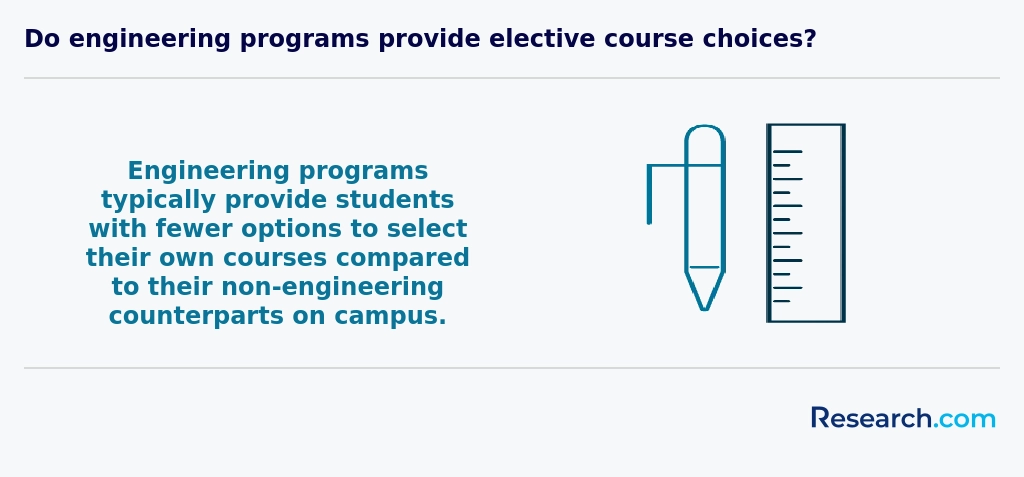
Specialized electives let you explore exciting fields like environmental engineering or renewable energy, reflecting Erie's commitment to a sustainable future. This blend of theory and practical experience creates a rewarding educational journey tailored just for you.
What types of specializations are available in engineering degree programs in Erie?
Engineering degree specializations in Erie open doors to exciting and diverse career paths that reflect both global trends and local opportunities. Many graduates from popular colleges in Erie celebrate the hands-on experience gained in fields like Civil Engineering, where they contribute to designing vital infrastructure such as bridges and water systems that shape the community's landscape. Mechanical Engineering students thrive by engaging with Erie's robust manufacturing sector, applying their skills to innovate mechanical solutions every day.
Electrical Engineering draws those passionate about power systems and electronics, vital to Erie's blend of industry and residential needs. Environmental Engineering resonates deeply with students committed to sustainability, especially given Erie's dedication to protecting Lake Erie and its surroundings. Computer Engineering, increasingly in demand, captivates those eager to bridge electrical systems and computing technology in this evolving field.
Students from these programs often speak positively about the practical, real-world skills they gain alongside supportive faculty at Erie's institutions. For older adults seeking to advance their careers, Erie also offers college degrees for older adults online, creating flexible paths to join these dynamic fields.
How do you choose the best engineering degree in Erie?
Choosing the best engineering degree programs in Erie starts with aligning your passion to a specific branch-mechanical, electrical, civil, or computer engineering. Graduates from Penn State Behrend often share how their enthusiasm for hands-on projects fueled their success and made challenging coursework exciting. Erie's affordable engineering colleges Erie PA, such as local public universities, offer programs accredited by ABET, ensuring a quality education recognized by employers nationwide.
Many students find motivation in Erie's strong industrial network, gaining real-world experience through internships and co-op opportunities that open doors to local manufacturing and technology firms. Access to modern labs and expert faculty also enriches learning, providing exposure to cutting-edge research. Graduates consistently highlight how these resources prepared them excellently for their careers.
When considering financial aspects, remember that engineering is among the best paying majors, so investing in a well-rounded, reputable program in Erie can lead to rewarding employment and salaries. Prioritize programs offering balance in cost, quality, and career support to craft your success story.

What career paths are available for engineering degree students in Erie?
Graduates of engineering programs in Erie discover vibrant career paths perfectly aligned with the city's thriving industries. Many engineering degree career opportunities in Erie come from the city's strong manufacturing and energy sectors, where alumni excel in mechanical, electrical, and industrial engineering roles. These graduates often share inspiring stories of improving automotive production lines or advancing renewable energy technology, gaining valuable experience at respected local universities and colleges.
Jobs for Erie engineering graduates extend into civil engineering, with many contributing to landmark infrastructure projects, such as bridge renovations and modern public works. Students from Erie's engineering institutions feel energized knowing their work visibly shapes the community around them.
Healthcare technology is also flourishing here, with biomedical engineers designing cutting-edge medical devices used in local hospitals. Aspiring engineers exploring these possibilities often choose to learn more through top accredited non-profit online universities, which allow flexible paths toward their professional dreams.
What is the job market for engineering degree in Erie?
The engineering job outlook Erie offers a promising path for graduates ready to launch their careers. Local industries rooted in manufacturing, energy, and technology value hands-on skills and real-world experience, which many Erie-area universities nurture through internships and cooperative education programs. Recent graduates often highlight how working alongside seasoned professionals in advanced manufacturing plants or renewable energy firms gave them confidence and practical know-how that employers seek.
Erie's engineering career opportunities span mechanical, electrical, and civil disciplines, with salaries that reflect the city's vibrant industrial base and cost of living, making it a rewarding environment for early career growth. Many students find that their education expenses remain manageable here, thanks to competitively priced programs and targeted scholarships. Those exploring options beyond traditional degree routes might also benefit from the trade school careers list and salaries, which complements engineering skills well.
Frequently Asked Questions About engineering
Engineering students in Erie can maximize their learning experience by actively engaging in both academic and practical opportunities. Erie is home to institutions like Penn State Behrend, which offers accredited engineering programs with hands-on labs and industry partnerships. Participating in cooperative education (co-op) or internship programs is crucial; Penn State Behrend reports that over 80% of their engineering students complete internships that enhance real-world skills.
Collaborating with local industries such as manufacturing and technology firms provides valuable exposure. Joining student engineering organizations or attending workshops helps develop teamwork and leadership. Additionally, leveraging Erie's regional engineering events and career fairs can expand professional networks significantly.
The engineering field in Erie is rapidly evolving, with several emerging niches capturing the attention of students and employers. One notable area is renewable energy engineering, driven by Pennsylvania's growing investment in wind and solar projects. According to the U.S. Bureau of Labor Statistics, jobs in this sector are expected to grow by over 11% nationally through 2030.
Another promising niche is biomedical engineering, where Erie benefits from proximity to healthcare institutions investing in medical device development. Data from the National Science Foundation highlight steady increases in biomedical research funding, supporting this trend.
Additionally, environmental engineering is expanding due to stricter regulations and sustainability goals set by local industries. Erie's manufacturing base creates demand for engineers focused on pollution control and waste management technologies.
Preparing for the job market after completing an engineering degree in Erie involves developing both technical skills and professional connections. Erie benefits from a growing manufacturing and energy sector, creating diverse opportunities for engineers, especially in mechanical and electrical fields.
Internships and cooperative education programs offered by local colleges and employers are crucial. They provide practical experience and often lead to job offers. According to the Erie Regional Chamber, over 60% of engineering graduates secure employment within six months by leveraging such programs.
Networking through industry events and professional groups like the Erie chapter of the Society of Women Engineers can enhance job prospects. Additionally, strong communication skills and proficiency with software like CAD and MATLAB remain essential for Erie's competitive engineering roles.
Employers in Erie seek engineering graduates who demonstrate strong technical proficiency combined with practical problem-solving skills. Core competencies in areas such as CAD software, programming languages like Python or C++, and understanding of manufacturing processes are highly valued. According to recent regional surveys by the Pennsylvania Department of Labor, nearly 75% of Erie engineering employers prioritize candidates with hands-on experience gained through internships or cooperative education programs.
Communication skills are equally important. Engineers must effectively collaborate with multidisciplinary teams and present technical information clearly to non-engineers. Employers also look for adaptability to evolving technologies and project management abilities, reflecting industry trends in Erie's manufacturing and tech sectors.
Finding internships in Erie relevant to an engineering degree involves several practical steps. Start by exploring local universities like Penn State Behrend, which often have partnerships with regional industries providing engineering internship opportunities. The Erie Regional Chamber & Growth Partnership lists multiple manufacturing and technology firms where interns are regularly sought.
Additionally, leverage online platforms such as Handshake and LinkedIn, which often feature Erie-based engineering internships. Networking events organized by professional bodies like the Erie Society of Engineers can also be valuable for direct employer contact.
According to the Pennsylvania Department of Labor & Industry, Erie's engineering sector has seen steady growth in internships, especially in mechanical and electrical fields. Early application and tailored resumes increase chances of placement.
Obtaining an engineering degree in Erie significantly enhances career mobility and advancement opportunities. Employers in Erie value candidates with formal engineering education, often linking degree attainment to higher starting salaries and faster promotion tracks. According to the U.S. Bureau of Labor Statistics, engineers in Pennsylvania, including Erie, see a median wage about 20% higher than those with only a bachelor's degree in other fields.
Additionally, Erie's growing manufacturing and technology sectors show strong demand for specialized engineering skills. This demand translates to diverse job openings and the potential for geographic mobility within the broader Great Lakes region. Networking with local professional groups, such as the Erie chapter of the American Society of Civil Engineers, can further enhance career prospects and leadership roles.
Erie's engineering programs often include internships and co-op experiences that boost real-world skills, accelerating career advancement post-graduation. This practical training aligns graduates with regional industry needs, opening doors to managerial and technical leadership positions.
Studying for an engineering degree in Erie offers a strong foundation for interdisciplinary roles by integrating practical skills with diverse technical knowledge. Erie's institutions emphasize collaboration across fields like mechanical, electrical, and civil engineering, preparing students to work in teams that address complex, real-world problems. According to the Pennsylvania Department of Education, Erie colleges maintain curricula aligned with ABET accreditation standards, ensuring graduates possess versatile engineering competencies.
Students engage in projects that combine engineering with business, computer science, and environmental studies. Local industry partnerships provide internships and co-op programs, offering firsthand experience in interdisciplinary work environments. This approach builds adaptability and problem-solving skills crucial for evolving engineering careers.
Choosing between a thesis and a non-thesis engineering degree program in Erie depends largely on your career goals and learning preferences. Thesis programs emphasize research, requiring original work and a written document, ideal for students considering doctoral studies or research careers.
Non-thesis programs focus more on coursework and practical experience, often appealing to professionals aiming to enter industry directly. In Erie, institutions like Gannon University offer both options, with thesis tracks typically taking longer to complete.
According to the National Center for Education Statistics, approximately 40% of Erie engineering graduates choose non-thesis routes, reflecting local industry demand for hands-on skills.
Students in Erie interested in studying engineering abroad have several pathways through U.S. institutions with strong international exchange programs. Gannon University and Penn State Behrend, both located in Erie, offer study abroad opportunities that include engineering-focused semesters in countries such as Germany, Japan, and the United Kingdom. These programs allow students to gain global perspectives while earning credits applicable to their degrees.
According to the Institute of International Education, engineering is among the top fields for U.S. students studying abroad, reflecting growing industry demand for globally trained professionals. Erie-based students typically participate in short-term summer programs or semester exchanges that combine technical coursework with cultural immersion.
Financial aid and scholarships are often available for these programs, helping to offset costs. Erie students should consult their university's study abroad office early to plan effectively.
Part-time job opportunities in Erie that complement engineering degree education are varied and valuable for hands-on experience. Many students secure internships or lab assistant roles at local companies such as Erie Press Systems and Wabtec, which are known for manufacturing and engineering work. These positions often provide practical skills aligned with mechanical and electrical engineering fields.
Additionally, Erie's proximity to Corry offers part-time roles in technical support or CAD drafting at small engineering firms. According to the U.S. Bureau of Labor Statistics, engineering technician jobs in the Erie metro area are expected to grow moderately, which can provide students with relevant work alongside their studies.
Universities in Erie also offer on-campus research assistant positions, usually within engineering departments, allowing students to gain direct academic and industry experience. These roles boost both technical knowledge and teamwork skills critical for engineering careers.
Engineering students in Erie have access to multiple networking opportunities that are crucial for career development. Local universities, such as Gannon University and Penn State Behrend, host career fairs and industry nights specifically focused on engineering fields. These events often draw representatives from nearby manufacturing and technology companies.
The Erie Technology Incubator and regional chapters of professional organizations like the Society of Women Engineers and the IEEE provide platforms for students to connect with professionals. According to the Erie Regional Chamber & Growth Partnership, over 200 engineering and tech firms operate in the area, offering internships and mentorships.
Alumni networks play a crucial role for engineering students in Erie by offering valuable professional connections and mentorship opportunities. Graduates from Erie's engineering programs often join local networks that facilitate internships and job placements, which are essential in competitive fields. According to the Erie Regional Chamber, about 60% of engineering students find employment through alumni referrals.
These networks also provide access to industry events, workshops, and ongoing training, helping students stay updated with technological advances. Collaboration with alumni who work in Erie's manufacturing and energy sectors can guide students toward career paths aligned with local industry demands.
Overall, alumni connections give engineering students a strategic advantage by connecting education with real-world experience and local employment trends.
Students pursuing engineering degrees in Erie have multiple options to tailor their programs according to career objectives. Many institutions offer elective courses and specialization tracks, such as mechanical, electrical, or civil engineering, allowing students to focus on fields aligned with job market demands. Internships and cooperative education programs with local industries provide practical experience and networking opportunities. Erie's colleges often support independent projects or research under faculty guidance, fostering skills in areas like renewable energy or manufacturing innovation. Academic advisors play a key role in helping students select courses that align with professional certification requirements and regional employment trends.
Engineering students in Erie often face significant challenges related to the rigorous coursework typical of US engineering programs. Subjects like calculus, physics, and computer programming require strong analytical skills and consistent study habits. According to the National Science Foundation, the national average retention rate for engineering undergraduates is around 55%, reflecting the demanding nature of these degrees.
In Erie, limited internship opportunities relative to larger metro areas can hinder practical experience, which is critical for employment. Local students must often seek placements across Pennsylvania or neighboring states.
Additionally, balancing academic workload with part-time jobs is common, as Erie's median household income is below the national average, influencing financial pressures for many students.
With an engineering degree in Erie, graduates can pursue several professional certifications to enhance their careers. The most recognized is the Professional Engineer (PE) license, which requires passing the Fundamentals of Engineering (FE) exam, gaining work experience, and then passing the PE exam. This credential is crucial for engineers in fields like civil, mechanical, and electrical engineering.
Other valuable certifications include the Certified Manufacturing Engineer (CMfgE) and the Project Management Professional (PMP), both of which may benefit engineers working in Erie's manufacturing and industrial sectors.
According to the National Society of Professional Engineers, PE licensure can increase earning potential by 20% on average in the U.S.
Writing a successful application for an engineering program in Erie begins with understanding the local academic landscape. Erie is home to well-regarded institutions like Penn State Behrend, which offers ABET-accredited engineering degrees. Admissions committees prioritize strong math and science backgrounds, so highlight your GPA and standardized test scores in these subjects.
Clear communication in your personal statement is essential. Explain your motivation for engineering and how studying in Erie aligns with your career goals. Mention any relevant internships, projects, or extracurricular activities related to engineering, as practical experience strengthens your profile.
Letters of recommendation should come from teachers or professionals familiar with your technical skills and work ethic. Finally, meet all application deadlines carefully and ensure your materials are error-free to maximize your chances of admission.
The global perspective on engineering careers emphasizes strong demand and diverse opportunities. In the United States, engineers contribute significantly to technological innovation and infrastructure development. Erie, with its growing manufacturing and energy sectors, reflects these trends locally. According to the National Science Foundation, engineering employment in the U.S. is projected to grow by about 4% from 2021 to 2031, reinforcing steady job prospects.
Internationally, engineers with U.S. degrees often find their qualifications respected, thanks to widely recognized accreditation standards like ABET. Erie's institutions that offer ABET-accredited engineering programs prepare students for competitive entry into both national and global markets.
Further, engineers play crucial roles in addressing global challenges such as sustainability and digital transformation, areas where Erie's regional industries invest heavily. This shows that choosing an engineering degree in Erie aligns with global career trends and emerging priorities.
Students pursuing engineering degrees in Erie can gain practical experience through various local opportunities. Many institutions encourage participation in cooperative education (co-op) programs, which combine classroom study with paid, structured work experiences at regional engineering firms.
Internships are another vital option, often arranged through university career centers that connect students with employers in industries like manufacturing, environmental engineering, and energy. Erie's growing tech and manufacturing sectors offer a range of projects suited for hands-on learning.
Additionally, Erie students often benefit from involvement in engineering clubs, research projects, and community-based challenges that simulate real-world engineering problems, enhancing practical skills alongside academic knowledge.
Choosing the right concentration within an engineering degree program in Erie begins with understanding your personal interests and career goals. Erie offers several engineering disciplines, including mechanical, electrical, and civil engineering, aligning with the city's manufacturing and infrastructure industries.
Research local job market trends to identify in-demand specialties. According to the Pennsylvania Department of Labor & Industry, Erie's demand for engineers in manufacturing and renewable energy sectors has grown by over 5% annually in recent years. This growth influences which concentrations may offer stronger employment prospects.
Consider university resources and faculty expertise in Erie-area institutions. Programs with strong industry partnerships often provide valuable internships and job placement support. Ask about laboratory facilities, research opportunities, and alumni outcomes to assess program quality.
Lastly, evaluate accreditation status, such as ABET recognition, which ensures educational standards are met and can impact future licensure and employment options in Pennsylvania and beyond.
Related Engineering Rankings for Nearby Cities
- 2027 Best Engineering Degree Programs Ranking in Cleveland
- 2027 Best Engineering Degree Programs Ranking in Pittsburgh
- 2027 Best Engineering Degree Programs Ranking in Rochester
- 2027 Best Engineering Degree Programs Ranking in Detroit
- 2027 Best Engineering Degree Programs Ranking in Syracuse
- 2027 Best Engineering Degree Programs Ranking in Baltimore
- 2027 Best Engineering Degree Programs Ranking in Dayton
- 2027 Best Engineering Degree Programs Ranking in Washington
- 2027 Best Engineering Degree Programs Ranking in Philadelphia
- 2027 Best Engineering Degree Programs Ranking in New York
Top Trending Engineering Rankings
See What Experts Have To Say About Studying Engineering
Read our interview with Engineering experts


Bohdan W. Oppenheim
Engineering Expert
Professor Emeritus of Healthcare Systems Engineering
Loyola Marymount University

Jasna Jankovic
Engineering Expert
Associate Professor
University of Connecticut

References
- Drafting & Design Engineering https://www.ects.org/programs/drafting-design/
- The engineering career mobility report: Who gets promoted? https://www.signalfire.com/blog/engineering-career-trends-pt1
- Study Engineering Degree Careers and Salary in Europe in Europe - 2026 - StudyinEurope.eu https://www.studyineurope.eu/engineering/engineering-degree-careers-salary-europe/
- Gannon University :: Financial Aid: Outside Scholarship Search http://ww5.gannon.edu/financialaid/outside/FINAID/scholarships.asp
- Engineering Certifications Explained https://www.manpower.com/en/insights/blogs/engineering-certifications
- LEAD Program - Engineering https://careers.wabtec.com/job/lead-program-engineering-in-erie-pa-united-states-jid-776
- Top Certification Courses for Advancing Engineering Careers - IJOER Engineering Journal Blog https://ijoer.com/blog/top-certification-courses-for-advancing-engineering-careers
- Engineering work experience | This is Engineering https://thisisengineering.org.uk/become-an-engineer/work-experience/
- Engineering and Robotics - Career and Technical Education https://careerandtech.e1b.org/programs/engineering-and-robotics
- engineering degree - Tłumaczenie po polsku - Słownik angielsko-polski Diki https://www.diki.pl/slownik-angielskiego


