
2027 Easiest Online Bachelor's in Engineering Degree Programs Ranking in the USA

Co-Founder and Chief Data Scientist
Choosing the right online engineering degree can feel overwhelming, but it doesn't have to be. This article features the 2027 Easiest Online Bachelor's in Engineering Degree Programs Ranking in the USA, thoughtfully crafted by the Research.com team of data scientists. It's designed to help you find programs that fit your lifestyle and goals.
By exploring these rankings, you'll discover options that offer flexibility and strong educational value, making your path to an engineering degree more accessible. Pursuing an engineering degree opens doors to rewarding careers and personal growth. Read on to find the program that's right for you.
Key benefits of getting online engineering degree in America
- Engineering degree graduates can earn impressive salaries, such as Mechanical Engineers making about $105,220 annually and Electrical Engineers earning around $117,680 per year, offering strong financial growth opportunities.
- Graduates often find diverse career paths including design, development, and project management, exemplified by alumni from popular universities like Purdue University who enter dynamic industries ranging from aerospace to renewable energy.
- Online engineering degrees provide flexibility and convenience, allowing students like those at Arizona State University to balance work and study while gaining the same valuable skills and credentials as traditional programs.
- Key benefits of getting online engineering degree in America
- What can I expect from online engineering degree in America?
- Where can I work with online engineering degree in America?
- How much can I make with online engineering degree in America?
- 2027 Easiest Online Bachelor's in Engineering Degree Programs Ranking in the USA
- Key Findings
- How long does it take to complete online engineering degree in America?
- Resources and Further Reading
- What's the difference between online and on-campus engineering degree?
- What is the average cost of online engineering degree in America?
- Tips for Success in Your Online Engineering Program
- What financial aid is available to online engineering degree students in America?
- Application Process and Deadlines
- What are the prerequisites for enrolling in online engineering degree program in America?
- What courses are typically in online engineering degree programs in America?
- What types of specializations are available in online engineering degree programs in America?
- How do you choose the best online engineering degree in America?
- What career paths are available for online engineering degree students in America?
- What is the job market for online engineering degree in America?
- Top Trending Engineering Rankings
- See What Experts Have To Say About Studying Engineering
What can I expect from online engineering degree in America?
The average cost of an online engineering degree in America typically ranges from $15,000 to $40,000 for the full program, depending on the institution. Graduates from popular universities like Arizona State University or the University of Florida often share that the affordability compared to on-campus options made completing their degrees possible while working full-time. They appreciate cutting costs on commuting and housing, which helped them focus more on mastering the rigorous coursework.
Tuition varies widely, but many programs maintain the same high standards as their traditional counterparts, meaning you get quality education without compromise. For example, a student balancing family life and a job might find that paying around $20,000 for a degree from a well-regarded public university fits perfectly with their budget and lifestyle.
Financial aid, scholarships, and employer tuition reimbursement are increasingly accessible to online learners, easing the financial strain. Many engineering graduates report feeling empowered by this flexible investment in their future, viewing it as a smart step toward emerging tech careers.
Where can I work with online engineering degree in America?
Graduates with online engineering degrees from respected American institutions like Arizona State University or the University of Florida often find themselves stepping confidently into diverse career landscapes. They work across industries such as aerospace, automotive, technology, and construction, with companies like Boeing and Tesla frequently hiring for innovative roles. These graduates describe the excitement of joining teams developing cutting-edge projects that push the boundaries of modern engineering.
Many hold positions as project engineers or systems engineers, applying skills honed in programs designed to meet ABET accreditation standards. This accreditation paves the way for licensure, allowing graduates to pursue Professional Engineer status, further expanding career potential. For example, graduates have shared stories of balancing coursework with current jobs, then transitioning into leadership roles at firms specializing in renewable energy and smart infrastructure.
Emerging trends also show a growing demand for engineers in startups and research institutions exploring AI, robotics, and sustainable technologies. This evolving job market offers online learners a flexible yet robust path to fulfilling and dynamic careers in engineering throughout America.
How much can I make with online engineering degree in America?
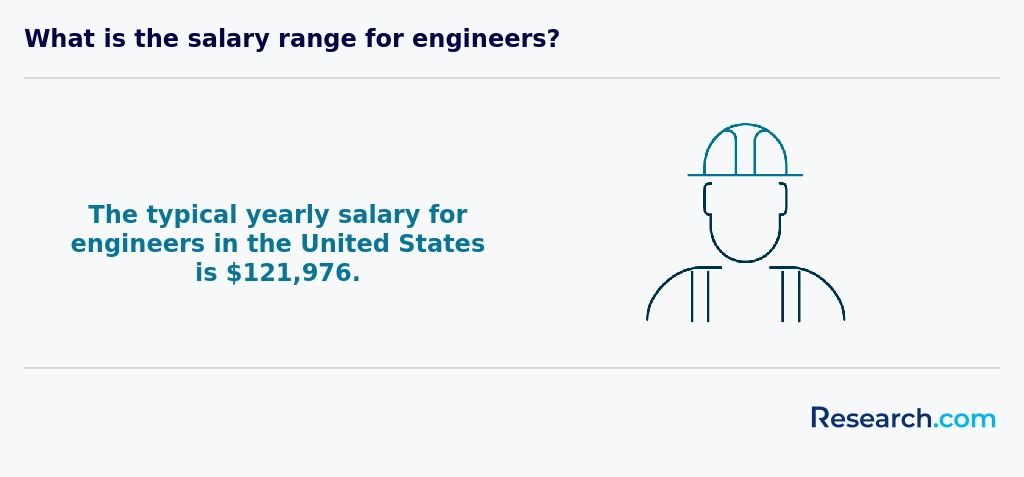
Graduates with an online engineering degree from respected American institutions often enter the workforce with promising salary potential. For example, mechanical engineers can expect mean annual wages around $105,220, while electrical engineers often earn closer to $117,680. Civil engineers also enjoy solid compensation, with average salaries near $101,160. These figures reflect data from the U.S. Bureau of Labor Statistics and align with experiences shared by graduates from major universities known for their engineering programs, who report satisfaction not just with their knowledge but also their financial prospects.
Many graduates appreciate that the shift to online education hasn't hampered earning power. Instead, flexible study options open doors to well-paying roles in diverse fields such as manufacturing hubs in Texas or tech centers in California. Imagining a recent graduate landing a position designing innovative mechanical systems or improving infrastructure projects highlights how these salaries translate into real-life success stories, fueling optimism about an online degree's value and the bright financial future it can create.
2027 Easiest Online Bachelor's in Engineering Degree Programs Ranking in the USA
How do we rank schools?
Investing in your education is a significant decision that can shape your future, and the Research.com team understands the importance of making informed choices. To assist prospective students, we have meticulously crafted the "2027 Easiest Online Bachelor's in Engineering Degree Programs Ranking in the USA." Our commitment to quality, credibility, and accuracy is reflected in the extensive research and analysis conducted to compile this ranking.
We utilized the following reputable data sources to ensure a comprehensive evaluation of engineering programs:
By exploring this ranking, readers will gain valuable insights into the easiest online engineering programs, helping them make well-informed decisions about their educational paths. For more information about our rigorous methodology, please visit our Research.com methodology page.


# 3 position
Full Sail University
Bachelor of Computer Science


# 5 position
Berkeley College-New York
Bachelor of Business Data Science


# 7 position
Western Governors University
Bachelor of Software Engineering


# 17 position
East Carolina University
Bachelor of Industrial Technology, Industrial Engineering Technology

# 18 position
Penn State University Park
Bachelor of Software Engineering


Key Findings
- Tuition for online bachelor's degrees in engineering typically ranges from $15,000 to $40,000, with public universities generally offering lower rates for in-state students.
- Early career salaries for engineering graduates average about $68,000 per year, and experienced engineers can earn over $100,000 annually.
- The engineering job market in the US is projected to grow 7% from 2021 to 2031, faster than the average for all occupations.
- ABET accreditation is common for online engineering programs and is important for program quality and professional engineering licensure.
- Programs often include virtual labs, simulations, or in-person residencies to ensure hands-on learning and industry readiness.
- Online formats offer flexibility, allowing students to balance education with work or personal commitments.
How long does it take to complete online engineering degree in America?
Completing an online engineering degree in America typically takes about four years of full-time study, mirroring on-campus programs at well-known schools like Georgia Tech or the University of Illinois Urbana-Champaign. Graduates often share how the structured pacing helped them balance coursework with real-life obligations, fostering a sense of accomplishment and steady progress.
Some students, especially those juggling careers or family, take five to six years, embracing part-time enrollment options. Many appreciate this flexibility, describing it as a game-changer that made their goals more attainable without sacrificing quality. Others found that transferring credits from community colleges or military training accelerated their degree journey, turning what seemed like a long path into a more manageable one.
Looking ahead, emerging hybrid models that combine online learning with local lab partnerships at institutions such as Purdue University promise to shrink timelines while maintaining hands-on experience. This innovation inspires optimism among future engineers eager to complete their degrees efficiently, yet thoroughly prepared for the field's demands.
Resources and Further Reading
To deepen your understanding and stay current with engineering trends, it’s essential to consult high-quality resources. Start by exploring foundational textbooks and reference works that cover core concepts in mechanics, thermodynamics, materials science, and control systems. For discipline-specific insights, our curated list of industrial engineering books offers in-depth coverage of process optimization, ergonomics, and supply chain management. In addition to print materials, leverage online platforms such as MIT OpenCourseWare, Coursera, and edX for free lectures, problem sets, and interactive simulations. Many universities provide virtual lab environments-like the University of Michigan’s web-based CAD and simulation tools-that mirror on-campus experiences. Professional societies (e.g., ASME, IEEE, and INFORMS) publish journals, host webinars, and maintain digital libraries where you can access peer-reviewed research and technical papers. Finally, integrate software tutorials into your study plan: learn MATLAB for numerical analysis, SolidWorks for 3D modeling, and Python for data processing. Subscribing to engineering blogs and podcasts-such as “Engineering Commons” or “The Amp Hour”-will help you absorb emerging technologies and industry case studies. By combining textbooks, web resources, and professional networks, you’ll build a robust knowledge base that supports academic success and career advancement in online engineering programs.
What's the difference between online and on-campus engineering degree?
Online and on-campus engineering degrees in America offer distinct experiences shaped by their delivery methods. Graduates from universities like Georgia Tech often highlight the freedom of online programs, where flexible schedules let them juggle family and work without missing crucial engineering concepts. In contrast, those attending schools such as MIT cherish the hands-on lab work and face-to-face collaboration that in-person classes provide, fostering a sense of immediate community and motivation.
Many online programs attempt to bridge this gap through virtual labs and occasional on-site sessions, yet some students note these can feel less immersive than physical labs. However, for working professionals, the convenience of logging in from anywhere-whether during a lunch break or at night-makes mastering subjects like thermodynamics or circuit design more attainable.
Cost differences also shape perspectives. Public on-campus programs may charge up to $27,000 annually for out-of-state students, while online counterparts often offer rates between $6,000 and $15,000. This financial flexibility, combined with ABET accreditation, reassures students that their degree holds professional value regardless of format.
What is the average cost of online engineering degree in America?
The average cost of an online engineering degree in America typically falls around $48,240, with in-state students often seeing lower total expenses, approximately $35,160. This financial difference reflects public universities' tendency to offer more affordable tuition compared to private institutions, where out-of-state students might pay closer to $48,840 for their entire program. Graduates from well-known engineering colleges report that managing these costs feels achievable when balancing work and study through online programs, highlighting how the flexibility of remote learning can help mitigate expenses.
Many students pursuing total expenses for engineering bachelor's degree online in the USA find that pricing models based on per-credit fees help create transparency, especially at institutions like state universities offering reduced rates for residents. These models allow learners to strategize the pace of their studies, sometimes extending their degree completion to fit budgeting needs while maintaining motivation and connection with faculty and peers.
It is encouraging to consider that scholarships, grants, and employer tuition reimbursement programs frequently support online engineering students, which helps ease the financial burden. Online learners can also explore options at some of the cheapest engineering colleges, where lower costs combine with solid academic reputations, making quality education more accessible and fostering optimistic outlooks on career growth.
Tips for Success in Your Online Engineering Program
Embarking on an online engineering program requires not just academic dedication but also strategic planning and proactive engagement. To excel in your studies, establish a structured daily schedule that allocates specific time blocks for coursework, virtual labs, and project work. Utilize available online resources and discussion forums to network with peers and instructors, and never hesitate to ask for help when faced with challenging concepts. To further reduce costs while accessing quality education, consider exploring cheapest engineering colleges that offer well-reviewed programs combined with excellent student support services and affordable tuition. Enhancing your technical skills through supplemental online workshops and free tutorials can also provide a competitive edge. Finally, set realistic short-term goals and use digital planners or task management apps to keep track of deadlines, ensuring you stay organized throughout your academic journey.
What financial aid is available to online engineering degree students in America?
Many online engineering students at institutions like the University of Illinois Urbana-Champaign or Georgia Tech benefit greatly from federal aid programs. Graduates often share how the Federal Pell Grant provided crucial financial relief, covering significant portions of tuition without the pressure of repayment. This grant, offering up to $7,395 annually, transforms the educational journey for those demonstrating financial need.
Others reflect on how federal loans such as the Direct Subsidized Loan enabled them to manage expenses with low-interest borrowing, balancing tuition and living costs as they pursued their degrees remotely. Borrowing limits tailored to academic progress make this option flexible for differing needs.
State-specific grants and scholarships, especially in hubs like California and Texas, add another optimistic layer of support. Many students find that targeted funding for STEM fields eases their financial burden, encouraging more diverse participation.
Employer tuition assistance also emerges as a key enabler. Working professionals often recount how company-sponsored programs empowered their advancement without sacrificing income, showcasing a promising blend of work and study in the online engineering space.
Application Process and Deadlines
Navigating the application process for an online bachelor’s in engineering program requires careful planning and attention to each institution’s specific timeline. First, compile official transcripts from high school or any prior colleges and verify that prerequisite coursework in calculus, physics, and chemistry meets program standards. Next, request letters of recommendation-ideally from STEM teachers or engineering professionals who can speak to your analytical skills and teamwork. Prepare a concise personal statement that outlines your engineering interests, career goals, and how online learning fits your lifestyle. Most institutions operate on either a rolling admissions schedule or fixed semester deadlines. Rolling admissions programs allow you to apply year-round, but earlier submissions can increase scholarship and internship opportunities. For fixed deadlines, common application windows include:
- Fall entry: Applications due between January and March
- Spring entry: Applications due between August and October
What are the prerequisites for enrolling in online engineering degree program in America?
Enrolling in an online engineering degree program in America typically requires a solid foundation in STEM subjects from high school, including algebra, geometry, trigonometry, and often calculus, paired with physics and chemistry. Graduates from popular institutions like Georgia Tech or Purdue often mention how mastering these courses sparked their excitement and confidence for tackling complex engineering concepts online.
Standardized test scores such as the SAT or ACT may still play a role, though many programs are shifting toward test-optional policies, reflecting a more flexible and inclusive approach to admissions. This change eases stress for applicants while still allowing programs to assess academic readiness.
Applicants often submit personal statements and letters of recommendation to showcase their motivation and engineering mindset, mirroring the experiences of online learners at institutions like the University of Illinois Urbana-Champaign, who credit these essays with demonstrating their passion.
Transfer students will need official transcripts showing completed college-level math and science courses, ensuring they are prepared for advanced material. Many online engineering students appreciate how clear prerequisites help them feel prepared and optimistic about their academic journey ahead.
What courses are typically in online engineering degree programs in America?
Core courses such as Statics and Dynamics are deeply integrated with practical applications using virtual labs, helping students from universities like Arizona State University visualize forces acting on structures or machines in real time. Materials Science also plays a key role, teaching students how different materials perform under various conditions-a critical skill for civil and mechanical engineering online learners.
Specializations bring courses like Thermodynamics for mechanical enthusiasts or Circuits and Electronics for electrical engineering students, all designed to translate theory into hands-on projects through remote simulations. Many graduates feel empowered navigating these interactive modules that mimic campus labs.
Finally, design and project management courses foster teamwork and leadership by coordinating virtual group projects, enhancing collaboration skills essential for future engineering roles in America's changing workforce.
What types of specializations are available in online engineering degree programs in America?
Online engineering degree specializations in America continue to evolve, reflecting both traditional strengths and emerging industry demands. Students at leading universities readily pursue core fields like civil, mechanical, and electrical engineering, often benefiting from flexible online course structures that fit their busy lives. Graduates frequently share how practical projects in mechanical or electrical design helped them secure rewarding roles in manufacturing or tech firms.
Beyond foundational disciplines, innovative paths such as software and environmental engineering thrive online, attracting those eager to enter growing sectors like artificial intelligence or green technologies. Many programs now encourage tailoring studies by selecting electives or interdisciplinary options, ensuring relevance as industries adopt new standards and sustainable practices.
For example, students interested in systems optimization often explore industrial engineering, supported by accessible resources including industrial engineering books. This blend of management and engineering perfectly suits those aiming to enhance efficiency in complex real-world operations, a skill set highly prized across American industries.
Choosing from this broad spectrum of specializations available in American online engineering degrees allows learners to align their education with future career goals and current market trends, making these programs especially appealing for those motivated to innovate and excel.
How do you choose the best online engineering degree in America?
Choosing the best online engineering degree in America means prioritizing ABET accreditation, which assures graduates from institutions like Arizona State University or Purdue University receive education aligned with industry expectations. Graduates often recall feeling confident entering the workforce, knowing their degrees meet rigorous standards. Many find programs offering specializations in areas like civil or software engineering more engaging, tailoring their learning to future career goals while balancing work and studies.
Flexibility plays a big role, as students from schools such as the University of Florida appreciate asynchronous course formats, allowing them to manage family life alongside demanding projects. Cost remains critical; public universities typically charge $10,000 to $25,000 per year for in-state students, so comparing tuition and fees helps. Some take advantage of resources found through options like the Low Cost Engineering Degree Programs Ranking in District of Columbia for affordable online engineering programs America.
Ultimately, graduates emphasize checking graduation and employment rates, reflecting the optimistic outlook in engineering careers driven by a 7% job growth forecast. Choosing thoughtfully equips future engineers with skills and opportunities that feel both practical and inspiring.
What career paths are available for online engineering degree students in America?
Graduates with an online engineering degree in America find a wide range of career paths that reflect both traditional roles and emerging opportunities. Civil engineers contribute to the ongoing transformation of urban landscapes through projects like advanced transportation systems and smart infrastructure, a trend especially visible among alumni from renowned programs at universities such as Arizona State University. Mechanical and electrical engineers often leap into cutting-edge fields, designing sustainable machines or power systems that support renewable energy goals. Graduates share how these roles constantly evolve, driven by new technologies and environmental challenges.
Software engineering remains a thriving area where graduates from institutions like Purdue University innovate with AI and automation, impacting sectors beyond IT. Environmental engineering also grows rapidly by addressing climate change through sustainable solutions, a popular focus for students balancing work and study while pursuing their degree online.
For those considering accelerated options, it is possible to get a bachelor's degree fast and enter the workforce sooner, expanding their prospects in the dynamic landscape of online engineering degree careers USA.
What is the job market for online engineering degree in America?
The job market for online engineering degree graduates in America is increasingly vibrant, driven by growing demand across industries such as renewable energy, aerospace, and manufacturing. Graduates from well-known institutions often share how their online programs offered hands-on projects and virtual teamwork, equipping them with skills employers seek. Popular universities in states like California and Texas have adapted curricula to emphasize technical competence alongside communication, making online degree holders competitive in the workforce. For many students balancing work and life, affordability and flexibility play key roles, as tuition rates at in-state public universities often range from $10,000 to $30,000 annually.
Employment opportunities in America for those holding online engineering degrees continue to expand as companies value adaptability and problem-solving abilities. Government initiatives and internship programs support this trend, enabling graduates to gain real-world experience. Those curious about starting smaller-scale but practical degrees might explore what is the easiest associate degree to get, which can serve as a stepping stone.
Frequently Asked Questions About engineering
Online engineering degree students in America can maximize their learning by actively engaging with course materials and participating in virtual discussions. Research from the National Center for Education Statistics highlights that students who interact frequently with instructors and peers tend to perform better academically. Utilizing university resources like virtual labs and simulation software is also crucial, as hands-on practice reinforces theoretical concepts.
Setting a regular study schedule helps maintain discipline and manage time effectively, which is vital given the demanding nature of engineering coursework. According to the American Society for Engineering Education, students who plan their studies outperform those who study sporadically. Finally, networking through online forums and professional organizations can enhance career opportunities while providing additional support.
Emerging niches within engineering reflect rapid technological advances and societal needs in the United States. Fields like renewable energy engineering are growing swiftly, driven by national goals to increase clean energy usage. According to the U.S. Bureau of Labor Statistics, jobs in this area are expected to grow 11% from 2022 to 2032.
Another expanding niche is biomedical engineering, which combines healthcare and technology to improve medical devices and treatments. The National Science Foundation reports sustained growth in this sector as innovations in biotechnology increase.
Additionally, data engineering and automation are rising, fueled by industry 4.0 trends. These fields focus on building smart systems and managing big data, critical for manufacturing and infrastructure in America's evolving economy.
After completing an online engineering degree in America, job market preparation is essential for success. Start by obtaining relevant internships or cooperative education experiences during your studies, as 64% of engineering employers in the U.S. prefer candidates with practical experience (National Association of Colleges and Employers, 2023).
Develop strong technical skills along with soft skills such as communication and teamwork. Many employers value candidates who can collaborate effectively within diverse teams.
Consider obtaining professional certification, like the Fundamentals of Engineering (FE) exam, which is a step toward becoming a licensed Professional Engineer (PE). According to the National Society of Professional Engineers, licensed engineers often have higher earning potential and more job opportunities.
Networking through engineering organizations and attending career fairs can also provide valuable connections and job leads.
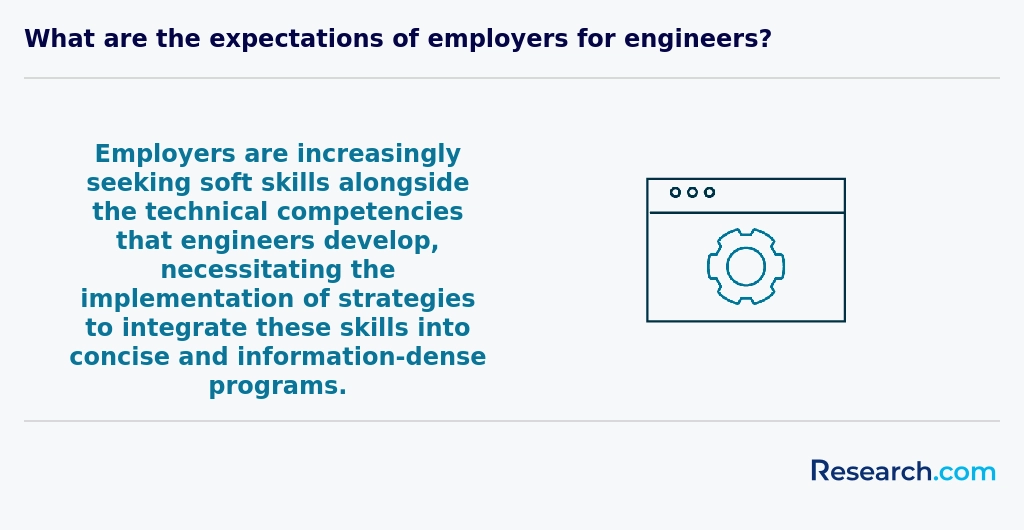
Employers in America highly value a combination of technical and soft skills in engineering degree graduates. According to the National Association of Colleges and Employers (NACE), proficiency in problem-solving and critical thinking ranks among the top skills sought by employers. Strong communication skills are also essential, as engineers must often collaborate across disciplines and explain complex ideas clearly.
Technical expertise in relevant software and tools, such as AutoCAD, MATLAB, and programming languages like Python, is increasingly important. Many employers seek graduates familiar with data analysis and emerging technologies like artificial intelligence.
Additionally, teamwork and adaptability are key. The American Society for Engineering Education (ASEE) reports that adaptability helps engineers thrive in rapidly changing industries. Practical experience through internships or co-ops strengthens these skills and improves job prospects.
Finding internships relevant to an engineering degree in America involves multiple strategies. Start by exploring your university's career services, as many online programs partner with companies offering engineering internships. According to the National Association of Colleges and Employers (NACE), 60% of engineering internships lead to job offers after graduation.
Utilize professional networks such as LinkedIn, engineering societies like IEEE or ASME, and specialized job boards focusing on STEM fields. Applying early and tailoring your resume to highlight coursework and skills is crucial.
Additionally, federal programs such as the Department of Energy's internships support engineering students, especially in research-focused roles.
Online engineering degrees in America have increasingly become a valuable tool for career mobility and advancement. According to the National Science Foundation, engineering professionals with bachelor's degrees see about a 20% higher chance of promotion within five years compared to those with only an associate degree.
These programs offer flexibility, allowing working professionals to gain technical skills while maintaining their jobs, which supports steady career progression.
Employers often recognize accredited online engineering degrees, particularly those from programs accredited by ABET, enhancing credibility and job prospects.
Furthermore, data from the U.S. Bureau of Labor Statistics shows engineering occupations are projected to grow 7% from 2021 to 2031, indicating strong demand that benefits degree holders seeking advancement.
Studying for an engineering degree in America offers strong preparation for interdisciplinary roles by combining technical expertise with broad skills. Many accredited programs, guided by ABET standards, emphasize teamwork, communication, and problem-solving across fields. Students engage in courses that integrate principles from computer science, business, and environmental studies.
According to the National Science Foundation, nearly 40% of engineering graduates work in roles that require collaboration beyond traditional engineering tasks. Online programs often mirror this approach, offering project-based learning and access to diverse faculty expertise.
This interdisciplinary foundation equips graduates to adapt in industries like healthcare, energy, and technology, where engineering intersects with other specializations.
Choosing between a thesis and a non-thesis online engineering degree in America depends on your career goals and learning preferences. Thesis programs usually require original research and a written document, suited for students aiming at advanced study or research roles. According to the National Science Foundation, about 40% of engineering graduate programs offer thesis options emphasizing deep technical expertise.
Non-thesis tracks focus on coursework and practical applications, appealing to professionals targeting industry positions or leadership roles. The U.S. Department of Education highlights that non-thesis degrees often allow faster completion and flexible schedules, important for working engineers.
Review program requirements carefully and consider faculty involvement, available resources, and your long-term plans before deciding.
American students seeking to study engineering abroad through online programs have several options, though these remain limited compared to traditional on-campus degrees. Many U.S.-based universities offer collaborative programs with international schools, allowing students to earn credits overseas without relocating. Additionally, some foreign institutions provide online engineering degrees that accept U.S. students, but ensuring accreditation and recognition by U.S. employers or licensure boards is crucial. According to the Accreditation Board for Engineering and Technology (ABET), only programs meeting their criteria are widely accepted in the U.S. As of 2023, the majority of online engineering degrees completed by Americans come through U.S. institutions with global partnerships.
Part-time jobs can significantly complement engineering degree education in America by providing practical skills and relevant experience. Many engineering students work as laboratory assistants or research aides, roles that offer hands-on exposure to technical equipment and experiments. According to the National Association of Colleges and Employers (NACE), 60% of engineering students gain internships or co-op positions, which can sometimes be part-time during the academic year.
Other common opportunities include tutoring STEM subjects, CAD drafting, or working in IT support. These roles help develop problem-solving and software skills vital for engineers. Employers in sectors like manufacturing, technology, and construction often seek part-time workers familiar with engineering concepts.
Online engineering students in America have growing networking opportunities despite the virtual learning format. Many universities offer access to professional engineering societies such as the American Society of Civil Engineers (ASCE) or the Institute of Electrical and Electronics Engineers (IEEE). These groups provide platforms for virtual conferences, webinars, and regional meetups. According to the National Society of Professional Engineers, membership can increase job prospects by up to 30% due to connections with industry leaders and mentors.
Universities also host online career fairs and alumni networking events that connect students with employers nationwide. Platforms like LinkedIn facilitate community building and professional engagement. Industry partnerships established by schools often give students internship and cooperative learning placements, enhancing real-world exposure even from a distance.
Alumni networks provide significant benefits to students pursuing online engineering degrees in America. These networks connect current students with graduates who have practical industry experience, offering mentorship and career guidance. According to the National Society of Professional Engineers, students with strong professional networks are 20% more likely to find relevant job opportunities after graduation.
Many engineering alumni work in key U.S. industries like aerospace, technology, and manufacturing, providing students access to internships and job openings. Alumni also host webinars and workshops, helping students stay updated on emerging engineering trends and certifications.
Overall, alumni networks enrich the online learning experience by fostering professional connections essential in the competitive American engineering job market.
Customizing an online engineering degree in America involves selecting specializations, electives, and practical experiences that align with your career goals. Many accredited programs offer tracks like civil, mechanical, electrical, or software engineering, allowing students to focus on areas with growing demand. According to the American Society for Engineering Education (ASEE), 65% of online engineering students choose specialties tied to their desired industries.
Electives and capstone projects provide further customization, enabling hands-on application in relevant fields. Additionally, some programs facilitate internships or cooperative education opportunities, which enhance real-world skills. Advisors at universities guide students in tailoring coursework to fit emerging technologies and certifications.
Online engineering students in America often face several distinct challenges. One major difficulty is accessing hands-on laboratory experience, which is crucial in fields like mechanical and electrical engineering. Many programs compensate with virtual labs, but these can fall short compared to in-person learning.
Time management is another common hurdle. According to the National Center for Education Statistics, nearly 40% of online learners balance work and study, making deadlines and complex projects harder to meet.
Technical issues, such as unreliable internet or inadequate hardware, can disrupt coursework. Additionally, networking opportunities and mentorship, essential for engineering careers, tend to be limited online.
Graduates with an online engineering degree in the United States can pursue several important professional certifications to boost their careers. The most recognized is the Professional Engineer (PE) license, which requires passing the Fundamentals of Engineering (FE) exam, gaining work experience, and passing the PE exam. According to the National Society of Professional Engineers (NSPE), obtaining a PE license can increase earning potential by up to 20%.
Other valuable certifications include Certified Manufacturing Engineer (CMfgE) from SME and Project Management Professional (PMP) for those focusing on project leadership. These credentials enhance career opportunities across multiple engineering fields.
Applying to an online engineering program in America requires clear communication of your academic strengths and relevant experience. Start by highlighting your performance in math and science courses, as these subjects are critical foundations for engineering.
Many programs look for applicants with strong problem-solving skills demonstrated through projects or work experience. Including a well-crafted personal statement explaining your motivation for studying engineering online helps admissions officers understand your goals.
According to data from the American Society for Engineering Education (ASEE), nearly 40% of engineering students enroll in institutions offering flexible online options, making competition competitive. Be sure to submit all required documents, including transcripts and letters of recommendation, to meet deadlines.
Engineering is recognized globally as a dynamic and essential profession, driving innovation and economic growth. In the United States, the field is highly valued with over 1.6 million employed engineers as of 2023, according to the U.S. Bureau of Labor Statistics (BLS). This demand reflects the country's leadership in technology, infrastructure, and manufacturing sectors.
Internationally, engineers often work collaboratively across borders, emphasizing the need for skills in emerging technologies such as AI, renewable energy, and cybersecurity. American online engineering degrees increasingly align with global standards, preparing students to compete and innovate worldwide.
Moreover, engineering careers offer strong salaries and job security in the U.S., with a median annual wage of approximately $82,000 (BLS, 2023). This makes the profession attractive not only nationally but also for international partnerships and opportunities.
Gaining practical experience while pursuing an online engineering degree in America is essential for career readiness. Many accredited programs incorporate virtual labs and simulation software that mimic real-world engineering tasks. According to the National Society of Professional Engineers, students often complement coursework by seeking internships or cooperative education (co-op) positions with companies offering remote work opportunities.
Industry partnerships between universities and engineering firms also facilitate hands-on projects. Additionally, joining student chapters of organizations like the American Society of Civil Engineers or IEEE can provide networking and project experience. Some programs require capstone projects involving real engineering problems, enhancing practical skills vital for professional licensure in the U.S.
Choosing the right concentration within an online engineering degree program in America begins with assessing your interests and career goals. Engineering fields vary widely, from mechanical and civil to software and electrical engineering. According to the U.S. Bureau of Labor Statistics, software engineering jobs are projected to grow 25% from 2021 to 2031, indicating strong demand in that area.
Research the curriculum of each concentration to ensure it aligns with industry standards and includes hands-on projects or labs, even in an online format. Accreditation by ABET is essential for recognized quality in engineering education.
Consider your long-term career path and the local job market. Sites like the National Association of Colleges and Employers provide insights into salary trends and hiring in different engineering sectors.
Top Trending Engineering Rankings
See What Experts Have To Say About Studying Engineering
Read our interview with Engineering experts

Jasna Jankovic
Engineering Expert
Associate Professor
University of Connecticut

Bohdan W. Oppenheim
Engineering Expert
Professor Emeritus of Healthcare Systems Engineering
Loyola Marymount University


References
- targetjobs https://targetjobs.co.uk/careers-advice/engineering/what-skills-do-engineering-employers-look
- Know more about thesis vs non- thesis: what is the difference? https://studyfans.com/en/blogs/816
- Guide to Engineering Internships https://www.internwise.co.uk/candidate-journey/industry-internships/guide-to-engineering-internships
- All STEM Placements/Internships | Gradcracker - Careers for STEM Students https://www.gradcracker.com/search/all-disciplines/engineering-work-placements-internships
- Get experience in engineering with an internship https://gradireland.com/careers-advice/engineering/get-experience-engineering-internship
- Top 5 Demanding Engineering Fields in 2025: Future-Proof Your Career - MEC https://mailamengg.ac.in/top-5-demanding-engineering-fields-2025/
- Access to Higher Education Engineering Online: Complete Guide - TheStuds.blog https://thestuds.blog/article/access-to-higher-education-engineering-online/
- Engineering Internships Abroad | Go Overseas https://www.gooverseas.com/internships-abroad/engineering
- WHAT EMPLOYERS ARE LOOKING FOR – Career Connections Center | Milwaukee School of Engineering https://www.msoecareerconnections.com/channels/what-employers-are-looking-for/
- Thinking of studying abroad as an engineering major https://talk.collegeconfidential.com/t/thinking-of-studying-abroad-as-an-engineering-major/1788476


