
2027 Most Affordable Engineering Degree Programs Ranking in Puerto Rico

Co-Founder and Chief Data Scientist
Choosing the right engineering degree program is an important step for students in Puerto Rico. Our 2027 Most Affordable Engineering Degree Programs Ranking in Puerto Rico was created by the Research.com team of data scientists to guide you toward smart, budget-friendly choices.
In this article, you'll find valuable insights that make it easier to compare programs and plan your future. Earning an engineering degree opens doors to exciting careers and personal growth.
Explore the ranking to discover options that fit your goals and budget with confidence.
Key benefits of getting engineering degree in Puerto Rico
- Salary for engineering degree graduates: Mechanical engineers in Puerto Rico earn a mean annual wage of $105,220 while electrical engineers earn $117,680, showcasing strong earning potential locally. Civil and industrial engineers also have competitive salaries around $101,160 and $103,150 respectively, making engineering financially rewarding.
- Career paths: A civil engineering graduate from the University of Puerto Rico can pursue diverse roles in construction, environmental projects, or urban development, offering dynamic opportunities to make a real impact on the community. This versatility allows for personal growth and exciting job options.
- Benefits of an online degree: Graduating online from institutions like the Polytechnic University of Puerto Rico offers flexibility to balance work and studies, gaining the same valuable knowledge without relocating. This convenience empowers students to advance their career while remaining connected to their local environment.
- Key benefits of getting engineering degree in Puerto Rico
- What can I expect from engineering degree in Puerto Rico?
- Where can I work with engineering degree in Puerto Rico?
- How much can I make with engineering degree in Puerto Rico?
- 2027 Most Affordable Engineering Degree Programs Ranking in Puerto Rico
- Key Findings
- How long does it take to complete engineering degree in Puerto Rico?
- What's the difference between online and on-campus engineering degree?
- What is the average cost of engineering degree in Puerto Rico?
- What financial aid is available to engineering degree students in Puerto Rico?
- What are the prerequisites for enrolling in engineering degree program in Puerto Rico?
- What courses are typically in engineering degree programs in Puerto Rico?
- What types of specializations are available in engineering degree programs in Puerto Rico?
- How do you choose the best engineering degree in Puerto Rico?
- What career paths are available for engineering degree students in Puerto Rico?
- What is the job market for engineering degree in Puerto Rico?
- Top Trending Engineering Rankings
- See What Experts Have To Say About Studying Engineering
What can I expect from engineering degree in Puerto Rico?
For students considering an engineering degree in Puerto Rico, the average cost is noticeably lower than many mainland US options. Public universities like the University of Puerto Rico (UPR) system offer in-state tuition fees that are significantly affordable. Graduates often share how this financial advantage allowed them to focus more on mastering technical skills rather than worrying about crippling debt. For example, a student at UPR Mayagüez found that paying roughly a fraction of tuition compared to similar US mainland programs enabled them to participate in valuable internships without heavy financial strain.
Private institutions such as the Polytechnic University of Puerto Rico also provide competitive tuition rates with access to ABET-accredited programs. This means you can obtain a quality education recognized nationwide without breaking your budget. Many graduates highlight the balance of cost and quality as a key reason they felt confident entering the workforce equipped with both knowledge and real-world experience.
Overall, budgeting for an engineering degree here means considering lower tuition costs alongside opportunities for paid co-ops or internships, which help offset expenses while building your resume. This practical cost-benefit balance makes Puerto Rico a standout choice for aspiring engineers.
Where can I work with engineering degree in Puerto Rico?
Graduates from engineering programs at institutions like the University of Puerto Rico or Polytechnic University of Puerto Rico typically find diverse job opportunities across several key industries on the island. Many quickly secure roles in manufacturing, working with large pharmaceutical companies such as Pfizer, where they apply skills in process optimization and quality control. This hands-on experience often leads to a strong sense of achievement and career confidence.
Electrical and mechanical engineers frequently enter the aerospace sector, contributing to design and maintenance tasks for regional manufacturers. Some graduates share how this work sharpens their technical abilities while connecting them to a global supply chain.
Civil engineering students often take on roles with public infrastructure projects, helping rebuild roadways or utilities after storms, guided by agencies like the Puerto Rico Infrastructure Financing Authority. This work offers tangible rewards in community impact.
Others pursue careers in expanding renewable energy fields or technology firms emerging on the island, benefiting from the support and data provided by local organizations. Graduates observe that networking through internships at these companies during their studies greatly improves employment prospects.
How much can I make with engineering degree in Puerto Rico?
Graduates from engineering programs at popular Puerto Rican institutions often find that their salaries reflect the island's unique economy while still offering solid earning potential. Civil engineers typically earn between $60,000 and $70,000 annually on the island, whereas the U.S. Bureau of Labor Statistics reports a national mean of $101,160 for this role. Electrical engineers in Puerto Rico can expect around $65,000 to $75,000, compared to the national mean of $117,680. Mechanical engineering graduates start with salaries near $58,000 to $68,000 locally, while the U.S. mean wage is about $105,220 a year.
A graduate from the University of Puerto Rico's engineering program shared how landing a position in aerospace boosted their salary closer to the higher end of the local range. This reflects how specialized sectors and advanced certifications can enhance income beyond averages.
Planning your career in these fields means weighing local salary scales against opportunities for growth in industries like pharmaceuticals and renewable energy. Take advantage of internships offered by your university to gain experience in these lucrative sectors.
2027 Most Affordable Engineering Degree Programs Ranking in Puerto Rico
How do we rank schools?
Investing in your education is a significant decision that can shape your future, and the Research.com team recognizes the importance of providing reliable information to support that choice. To assist prospective students seeking affordable engineering degrees in Puerto Rico, we have carefully compiled the "2027 Most Affordable Engineering Degree Programs Ranking in Puerto Rico." Our dedication to quality, credibility, and accuracy is demonstrated through thorough research and analysis.
We utilized the following reputable data sources to ensure a comprehensive evaluation of engineering programs:
By exploring this ranking, readers will gain valuable insights to make informed decisions about affordable engineering degree options in Puerto Rico. For more details on our methodology, please visit our Research.com methodology page.
# 1 position
Inter American University of Puerto Rico-Bayamon
Bachelor of Science in Electrical Engineering


# 5 position
Universidad Ana G. Mendez-Gurabo Campus
Bachelor of Science in Engineering
Key Findings
- Engineering degrees in Puerto Rico are offered by accredited universities, including the University of Puerto Rico system, covering fields like civil, electrical, mechanical, and industrial engineering.
- Tuition at public universities ranges from $4,000 to $5,000 per year for in-state students, while private institutions charge between $8,000 and $15,000 annually.
- Starting salaries for entry-level engineers are about $45,000 to $55,000 per year, with senior engineers earning between $70,000 and $90,000 annually.
- Key industries for engineering jobs include manufacturing, construction, energy, and technology, with civil and electrical engineers in particular demand.
- Many engineering programs are ABET-accredited, preparing graduates for professional certification and enhancing job opportunities off the island.
How long does it take to complete engineering degree in Puerto Rico?
Completing an engineering degree in Puerto Rico typically takes about four to five years of full-time study. Most students at well-known institutions like the University of Puerto Rico (UPR) follow an academic plan designed for eight to ten semesters. Graduates often recall balancing around 120 to 130 credit hours, including not only lectures but also labs and hands-on projects.
Many students appreciate how the UPR's ABET-accredited programs provide a clear roadmap, helping them stay on track toward graduation and eventual professional licensure. Some take extra time if they opt for co-op or internship programs that offer valuable real-world experience but add semesters to their schedule.
One graduate shared that managing coursework while participating in co-op helped them feel confident entering the workforce, even if it extended their degree by a semester. Tuition at these public universities, usually between $3,000 and $5,000 per year, makes focusing on timely completion easier without heavy financial strain.
What's the difference between online and on-campus engineering degree?
Choosing between online and on-campus engineering degrees in Puerto Rico primarily hinges on your lifestyle and learning preferences. On-campus programs, like those at University of Puerto Rico (UPR) campuses, immerse you in a traditional setting with direct access to physical labs and face-to-face mentoring. Graduates often recall how hands-on projects and networking with professors boosted their confidence and job readiness.
Conversely, online engineering degrees offer flexibility to balance work and family, using virtual labs to simulate practical tasks. Puerto Rican students opting for online courses appreciate the convenience but note the need for strong self-discipline. Both paths require ABET accreditation for credibility-UPR offers both formats, ensuring quality regardless of delivery style.
In terms of cost, on-campus engineering programs average about $5,000 annually for in-state students, which is notably lower than many mainland options. Online fees can be comparable or sometimes lower, with savings on commuting and housing. Reflect on your daily routine and pick the setup that fits your pace and professional growth best.
What is the average cost of engineering degree in Puerto Rico?
For students aiming to earn an engineering degree in Puerto Rico, the average total cost typically centers around $20,827. This figure reflects a balance between public and private university tuition expenses. Public institutions, such as the University of Puerto Rico system-which is a popular choice among engineering students-offer more affordable rates. Graduates often recall paying significantly less per credit hour, enabling a full degree at a fraction of mainland tuition prices. In contrast, private colleges charge higher tuition, but some students find the smaller class sizes and specialized programs worth the extra investment.
One key to managing the average cost of engineering degree in Puerto Rico is planning for additional fees beyond tuition. Engineering curricula usually require lab fees, specialized equipment, and software licenses, all of which can increase expenses noticeably. However, many students find that scholarships and local financial aid programs ease these burdens, especially at public universities, making it more feasible to complete their degrees without overwhelming debt.
Keep in mind, the total tuition and fees for engineering programs Puerto Rico-wide depend heavily on residency status and choice of institution. For example, in-state students at public universities enjoy the most affordable rates, while out-of-state or private school students can expect costs toward the higher end of the range. Prospective students should assess their options carefully and consider financial aid available.
For those exploring education options that balance cost with career potential, also consider what certificate programs pay well to complement engineering studies and enhance job readiness.

What financial aid is available to engineering degree students in Puerto Rico?
Engineering students in Puerto Rico can start their financial aid journey by completing the FAFSA, which unlocks access to federal resources like Pell Grants that cover up to $7,395 annually without repayment. Graduates from the University of Puerto Rico often highlight how these grants significantly reduce tuition costs, which typically range from $4,000 to $6,000 per year for residents-much lower than mainland rates.
Besides grants, federal student loans offer flexible repayment options and low interest, helping cover any remaining expenses. Many students at institutions like Polytechnic University of Puerto Rico rely on these loans while pursuing their degrees.
Local scholarships play a key role as well. The PR-STEM scholarships focus on students enrolled in engineering and related fields, providing essential funding. Merit-based scholarships from university engineering departments reward academic excellence and research participation, motivating students to excel.
Work-study programs offer paid, part-time positions related to engineering, giving practical experience while easing financial pressures. Graduates often recall how cooperative education partnerships helped them secure paid internships that fit their academic schedules perfectly.
Professional groups like the Society of Hispanic Professional Engineers also supply scholarships and networking, boosting confidence and career opportunities during and after study.
What are the prerequisites for enrolling in engineering degree program in Puerto Rico?
To enroll in an engineering degree program in Puerto Rico, start by securing a high school diploma or GED with strong grades in math and science. Graduates from the University of Puerto Rico's engineering fields often share how crucial Algebra, Trigonometry, and Physics were to their admission success. Expect to submit SAT or ACT scores, with a clear focus on math results, as these exams help universities gauge your quantitative skills.
Beyond academics, prepare a personal statement or essay showing genuine enthusiasm for engineering. Many programs also request letters of recommendation, which can really boost your application when they highlight your problem-solving abilities and work ethic.
Keep your GPA above 2.5 to 3.0 to stay competitive. Some graduates mention that those with a slightly higher GPA found it easier to access scholarships and financial aid, easing the cost burden.
Finally, get ready for possible placement tests in math or science on arrival, especially at schools like the Polytechnic University of Puerto Rico. Fluency in both Spanish and English is a definite advantage, reflecting the bilingual teaching environment you'll encounter.
What courses are typically in engineering degree programs in Puerto Rico?
Engineering degree programs in Puerto Rico commonly begin with strong foundational courses like Calculus I, II, and III, along with Physics for Engineers and General Chemistry. These fundamentals help students at institutions such as the University of Puerto Rico and Polytechnic University grasp essential principles through practical examples like calculating forces on bridge supports or chemical reactions relevant to local industries.
Following this, students take specialized courses including Statics and Dynamics, Thermodynamics, Materials Science, Electrical Circuits and Electronics, and Computer-Aided Design (CAD). Graduates often share how hands-on labs and projects, such as designing energy-efficient machines or electrical systems, make theory tangible and build confidence for real-world challenges.
Courses like Engineering Economics and a Capstone Design Project integrate knowledge by simulating the full engineering process, from budgeting to teamwork. These experiences, common across Puerto Rican campuses, help students prepare for careers in sectors like aerospace or renewable energy, where local demand is growing.
What types of specializations are available in engineering degree programs in Puerto Rico?
Engineering degree specializations in Puerto Rico typically cover core fields aligned with the island's economic needs. Graduates from major universities often highlight Civil Engineering for its role in rebuilding infrastructure post-hurricanes, offering hands-on experience with projects like road repairs and bridge design. Electrical Engineering is another common path, focusing on renewable energy and smart grids, crucial for Puerto Rico's evolving power landscape. Students pursuing Mechanical Engineering frequently engage with manufacturing sectors, such as pharmaceuticals, gaining practical skills in machinery design and maintenance.
Other popular options include Chemical Engineering, where students optimize production processes in established local industries, and Industrial Engineering, which appeals to those interested in improving supply chains and logistics on the island. A few colleges also provide emerging specializations like Environmental and Computer Engineering, reflecting broader trends in sustainability and technology.
When weighing options, consider your career goals alongside Puerto Rico engineering programs options and compare tuition rates, which are often more affordable than on the mainland. For those exploring diverse academic paths, checking out easiest phds to get can offer insights into further education opportunities linked to engineering disciplines.
How do you choose the best engineering degree in Puerto Rico?
Start by focusing on accredited programs in Puerto Rico, particularly at well-known campuses like the University of Puerto Rico at Mayagüez, which boasts strong engineering faculties. Graduates from these programs often share how ABET accreditation gave them confidence in their education's quality and value. Next, consider the specific engineering disciplines available-civil, electrical, mechanical, and industrial engineering are common options that align with Puerto Rico's key industries.
Cost plays a major role in the decision process. Many students appreciate how tuition at UPR is significantly lower than mainland public universities, making affordable engineering degree programs Puerto Rico a practical choice for minimizing debt. Remember to factor in additional expenses such as books and living costs, and explore available scholarships or financial aid early to ease the financial load.
Look for programs that offer evening or hybrid classes if you plan to work while studying. Graduates often highlight the benefit of strong ties with local industries, especially around manufacturing and aerospace, which boost job prospects after graduation. For a deeper exploration of financial options, check out low cost doctoral programs as a useful resource.

What career paths are available for engineering degree students in Puerto Rico?
Graduates with an engineering degree in Puerto Rico have access to a broad range of career paths suited to the island's industrial strengths. Many find roles in civil and structural engineering focused on infrastructure development and disaster resilience, which is critical following hurricane recovery efforts. Others pursue mechanical or electrical engineering positions within advanced manufacturing sectors like pharmaceuticals and electronics, where process optimization and quality control are priorities. Environmental engineering is another growing field, supporting sustainability initiatives aligned with EPA regulations. Biomedical and chemical engineers often engage in the thriving medical device and pharmaceutical industries, while aerospace engineering graduates benefit from emerging defense and technology projects. Many students from popular universities in Puerto Rico report feeling confident entering these fields due to practical training and strong local industry ties. For those seeking flexible options outside traditional classrooms, exploring top accredited online universities can complement their education and enhance job prospects. Exploring these engineering career opportunities in Puerto Rico ensures a practical path to long-term success.
Puerto Rico engineering degree job prospects remain promising across multiple sectors, supported by affordable education and competitive salaries ranging from $50,000 to $70,000. Graduates appreciate that local institutions provide relevant hands-on experience, which employers value highly. This blend of practicality and opportunity motivates many students to stay on the island and contribute directly to its economic growth.
What is the job market for engineering degree in Puerto Rico?
Graduates with an engineering degree in Puerto Rico face a job market shaped by steady but specialized demand, especially in manufacturing, renewable energy, and infrastructure projects. Popular institutions such as the University of Puerto Rico system provide graduates with practical skills aligned to local industry needs, helping them secure roles in pharmaceutical manufacturing plants or renewable energy startups. Job seekers benefit from affordable tuition rates and the island's proximity to the U.S. mainland, offering broader employment opportunities.
However, the engineering job outlook in Puerto Rico involves salary trade-offs. Typical salaries range from $50,000 to $65,000, which is 20-30% lower than the U.S. mainland averages. Graduates often report that while salaries are lower, the overall lower cost of living and community ties create satisfaction and long-term stability in their careers.
To boost prospects, graduates frequently seek internships and collaborate with energy bureaus or manufacturing firms on real projects during their studies. Additionally, exploring in-demand trade jobs can supplement income or offer alternative paths in nearby sectors.
The employment opportunities for engineers Puerto Rico remain diverse, especially for those willing to leverage local education and regional networks to navigate the market effectively.
Frequently Asked Questions About engineering
Engineering students in Puerto Rico can maximize their learning by engaging actively in both academic and practical opportunities. Participating in internships with local industries, such as pharmaceuticals and manufacturing, provides invaluable real-world experience. The University of Puerto Rico system, which houses several accredited engineering programs, emphasizes cooperative education, enabling students to earn academic credit while working.
Joining engineering clubs and professional organizations like the Puerto Rico Society of Engineers can expand networking and mentorship possibilities. Utilizing campus resources such as labs and research centers enhances hands-on skills. Students should also consider taking advantage of federal financial aid programs, since approximately 40% of Puerto Rican college students rely on Pell Grants, easing financial burdens and enabling focus on studies.
The engineering field in Puerto Rico is evolving, with emerging niches gaining traction. Renewable energy engineering is notable due to the island's focus on sustainable power sources, including solar and wind. According to the Puerto Rico Energy Bureau, renewable energy accounted for nearly 15% of electricity generation in 2023, creating new opportunities in this sector.
Additionally, biomedical engineering is expanding, driven by the growth of health tech and medical device manufacturing on the island. The Puerto Rico Science, Technology & Research Trust highlights this niche as key in local economic development.
Finally, environmental engineering is in demand as Puerto Rico addresses climate resilience and infrastructure challenges, with emphasis on water management and storm protection projects.
After completing an engineering degree in Puerto Rico, early career preparation is essential for success in the US job market. Graduates should focus on gaining practical experience through internships or cooperative education programs offered by many Puerto Rican universities. According to the Puerto Rico Science, Technology & Research Trust, internship participation significantly improves employment prospects.
Networking is also crucial. Joining professional organizations like the Puerto Rico Society of Engineers and Surveyors helps graduates connect with industry professionals. Additionally, acquiring relevant certifications, such as the Fundamentals of Engineering (FE) exam, strengthens a resume and is a step toward becoming a licensed professional engineer.
Finally, graduates are advised to develop strong communication and teamwork skills, which are highly valued by employers across all US engineering sectors.
Employers in Puerto Rico's engineering sector prioritize a combination of technical expertise and soft skills when hiring graduates. Proficiency in computer-aided design (CAD) and familiarity with industry-standard software such as MATLAB are frequently required. According to the Puerto Rico Manufacturers Association, 68% of engineering firms value strong problem-solving abilities as a critical skill.
Communication skills are also essential, as engineers often collaborate across departments and with clients. Additionally, an understanding of local regulations and sustainability practices is increasingly important due to Puerto Rico's focus on environmentally responsible development.
Finally, adaptability and continuous learning reflect the evolving nature of engineering fields on the island.
Finding internships in Puerto Rico relevant to an engineering degree involves targeting both local industry and academic resources. Puerto Rico's manufacturing sector, including electronics and pharmaceuticals, offers many opportunities for engineering students. Companies such as Amgen and Medtronic frequently provide internships, particularly in biomedical and electrical engineering fields.
Students should also explore internship programs through the University of Puerto Rico and Polytechnic University of Puerto Rico, which maintain partnerships with local businesses. Additionally, the Puerto Rico Science, Technology & Research Trust supports STEM internships and fosters connections between students and industry.
The U.S. Department of Labor's CareerOneStop website lists internship openings by location and field, offering a reliable source for finding paid and unpaid opportunities in engineering across Puerto Rico.
Holding an engineering degree in Puerto Rico significantly enhances career mobility and advancement opportunities. According to data from the U.S. Bureau of Labor Statistics and Puerto Rico Department of Labor, engineers in the region earn a median wage often exceeding the average local income, providing a strong financial incentive. The demand for engineering professionals, especially in fields like civil, electrical, and industrial engineering, remains steady due to infrastructure development and manufacturing sectors.
Employers in Puerto Rico value accredited engineering degrees, particularly those from ABET-accredited programs, which align with U.S. standards. Graduates typically experience faster promotion tracks and access to specialized roles. Additionally, engineering professionals benefit from flexible career options both on the island and mainland U.S., aiding geographic and sector mobility. This degree often serves as a gateway to leadership and project management positions, further contributing to professional growth.
Studying for an engineering degree in Puerto Rico offers strong preparation for interdisciplinary roles due to the diverse curriculum and regional industry demands. Many accredited programs incorporate coursework in environmental science, business, and technology, reflecting the island's growing sectors like aerospace, manufacturing, and energy.
Puerto Rico's universities emphasize teamwork and cross-disciplinary projects, mirroring professional environments where engineers collaborate with scientists, economists, and managers. According to the Puerto Rico Science, Technology & Research Trust, this approach enhances graduates' adaptability and problem-solving skills.
Furthermore, students benefit from access to U.S. engineering standards combined with local context, enabling them to address unique challenges such as infrastructure resilience and sustainable development in tropical climates.
Choosing between a thesis and a non-thesis engineering degree program in Puerto Rico depends on your career goals and learning preferences. Thesis programs typically require conducting original research, ideal for students aiming for a PhD or research-focused roles. Non-thesis programs are usually coursework-based, suited for those seeking immediate industry employment.
In Puerto Rico, public universities like the University of Puerto Rico offer both options for engineering students. Thesis programs may take longer but provide deeper expertise. Non-thesis options often allow completion in less time, which can reduce tuition costs.
Consider your interest in research and long-term plans when deciding.
Students in Puerto Rico who wish to study engineering abroad have several options within the US higher education system. Many choose institutions on the mainland United States, benefiting from familiar accreditation standards and easier credit transfers. According to the American Society for Engineering Education, over 30% of Puerto Rican engineering students enroll in universities in states like Florida, Texas, and California.
The Puerto Rico State System allows students to apply for federal financial aid, including Pell Grants, which can be used at accredited mainland universities. Prestigious US engineering schools often offer scholarships targeted at underrepresented groups, including Puerto Rican students, which can ease financial burdens.
Additionally, some students join exchange programs or dual-degree partnerships between Puerto Rican institutions and mainland universities, providing more affordable routes abroad while maintaining ties at home.
Part-time job opportunities in Puerto Rico that complement engineering degree education often focus on technical and practical experience. Many students find internships or assistant roles in manufacturing companies, which are significant in the island's economy, especially in pharmaceuticals and electronics.
Engineering students may also work as lab assistants or research aides at universities like the University of Puerto Rico, gaining hands-on skills in fields such as electrical or mechanical engineering. These part-time roles provide valuable insight into real-world applications and problem-solving techniques.
Additionally, roles in CAD drafting, quality control, or technical support with local engineering firms help build resumes while developing essential skills.
Engineering students in Puerto Rico benefit from a rich network of professional organizations and university partnerships that enhance their career opportunities. The Puerto Rico Society of Professional Engineers (SOPPE) offers valuable events and mentoring programs that connect students with seasoned engineers and local industry leaders.
Several universities, including the University of Puerto Rico campuses, maintain strong ties with industries in manufacturing, aerospace, and biotechnology, facilitating internships and cooperative education programs. According to the National Society of Professional Engineers (NSPE), participation in these activities increases employment rates among graduates.
Annual engineering conferences and job fairs held on the island further support student networking by providing platforms for interaction with employers and alumni.
Alumni networks play a crucial role for engineering degree students in Puerto Rico by providing valuable connections within the local industry and academia. These networks often include professionals who graduated from top engineering programs such as the University of Puerto Rico Mayagüez Campus, known for producing highly skilled engineers. Through mentorship, students gain insights into real-world challenges and career pathways.
Many alumni assist with internship placements, improving students' chances of gaining practical experience before graduation. According to the Puerto Rico Society of Engineers, strong alumni ties contribute to a 20% higher employment rate among recent engineering graduates on the island.
Networking events and workshops organized by alumni groups also enhance students' soft skills and professional visibility in Puerto Rico's competitive engineering job market.
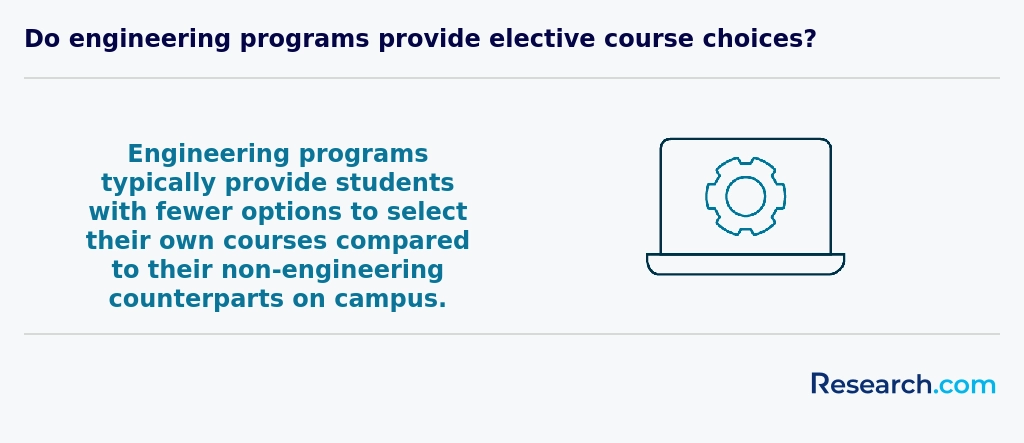
Engineering degree programs in Puerto Rico offer various ways to customize your education to align with your career goals. Many universities, such as the University of Puerto Rico, allow students to select specialized tracks within fields like civil, electrical, or mechanical engineering. This focus helps tailor your skills for industries thriving on the island, including aerospace and manufacturing.
Students can also engage in internship opportunities connected to local businesses and government agencies, which provide practical experience and networking benefits. Additionally, electives in emerging areas like renewable energy or data analysis enable further personalization.
Accredited programs follow ABET standards, ensuring recognized quality that supports licensure and employment prospects across the U.S.
Engineering students in Puerto Rico frequently encounter several challenges that can impact their academic success. One major issue is the limited availability of modern laboratory equipment and resources compared to mainland U.S. institutions, which can restrict hands-on learning experiences. Additionally, funding constraints affect research opportunities, as Puerto Rican universities often receive less financial support for STEM programs.
Language barriers may also arise since courses predominantly use English technical materials, but many students' primary language is Spanish. Time management and balancing work with studies are common struggles due to economic factors on the island. According to the National Science Foundation (NSF), about 30% of STEM students in Puerto Rico take longer to graduate than their mainland counterparts, partly due to these challenges.
With an engineering degree in Puerto Rico, graduates can pursue several professional certifications to advance their careers. One of the most recognized is the Professional Engineer (PE) license, which is regulated by the Puerto Rico State Board of Licensure for Engineers, Architects, Surveyors, and Landscape Architects. Obtaining a PE license requires passing the Fundamentals of Engineering (FE) exam and gaining work experience before taking the PE exam.
Other certifications include those offered by national organizations like the Project Management Professional (PMP) and Certified Manufacturing Engineer (CMfgE). These certifications enhance skills and job prospects in specific engineering fields. According to the Puerto Rico Manufacturers Association, certified engineers are in higher demand due to local industrial growth.
Applying to engineering programs in Puerto Rico requires a clear and well-organized approach. Begin by researching accredited institutions, such as the University of Puerto Rico system, which offers ABET-accredited engineering degrees recognized across the United States. Meeting the minimum GPA and standardized test score requirements is crucial; many programs expect at least a 3.0 GPA and competitive SAT or ACT results.
Highlight relevant experience in your application. Include any STEM-related projects, internships, or extracurricular activities that demonstrate your commitment to engineering. Writing a compelling personal statement that explains your passion for engineering and ties it to your career goals strengthens your candidacy.
Finally, request strong letters of recommendation from teachers or professionals familiar with your academic performance and character. According to the Puerto Rico Science, Technology & Research Trust, engineering fields like electrical and civil engineering are growing, making a well-prepared application essential for competitive admission.
Engineering careers hold strong global significance, offering diverse opportunities in various industries. In the United States, including Puerto Rico, engineers are crucial to technological innovation and infrastructure development. According to the U.S. Bureau of Labor Statistics, engineering occupations are projected to grow 7% from 2021 to 2031, faster than the average for all jobs.
Puerto Rico's engineering graduates benefit from the island's strategic location, enabling work in both local projects and U.S. mainland industries. Fields like electrical, civil, and mechanical engineering are in high demand due to ongoing infrastructure upgrades and renewable energy initiatives.
Globally, engineers tackle challenges such as climate change and digital transformation, highlighting the international relevance of an engineering degree earned in Puerto Rico. Additionally, many Puerto Rican universities align their programs with ABET accreditation standards, ensuring global recognition.
Gaining practical experience while studying engineering in Puerto Rico is essential for career readiness. Many universities, such as the University of Puerto Rico (UPR) system, offer cooperative education (co-op) and internship programs that connect students with local industries. These opportunities allow students to apply classroom knowledge in real-world settings, often earning academic credit.
Internships in sectors like manufacturing, aerospace, and energy are common, supported by Puerto Rico's diverse engineering job market. According to the Puerto Rico Science, Technology & Research Trust, partnerships between academia and industry help increase student placements each year.
Additionally, engineering students can join university clubs and participate in research projects to develop hands-on skills alongside faculty mentors.
Choosing the right concentration within an engineering degree program in Puerto Rico involves understanding both your interests and the local job market. Puerto Rico offers a variety of engineering fields, including civil, electrical, mechanical, and industrial engineering, each with distinct career paths. According to the U.S. Bureau of Labor Statistics, engineering fields like electrical and mechanical engineering are growing steadily in Puerto Rico due to manufacturing and energy projects.
Students should consider concentrations that align with industry demand on the island. For example, civil engineering remains crucial due to ongoing infrastructure development. Researching program accreditation, such as ABET recognition, ensures quality education. Additionally, exploring internship opportunities in Puerto Rico's industries can provide practical insights before deciding.
Top Trending Engineering Rankings
See What Experts Have To Say About Studying Engineering
Read our interview with Engineering experts

Jasna Jankovic
Engineering Expert
Associate Professor
University of Connecticut

Bohdan W. Oppenheim
Engineering Expert
Professor Emeritus of Healthcare Systems Engineering
Loyola Marymount University


References
- Networking for engineers: your questions answered https://targetjobs.co.uk/careers-advice/engineering/networking-engineers-your-questions-answered
- Julie Mowatt https://www.nspe.org/career-growth/pe-magazine/may-2019/survey-provides-global-perspective-engineering
- 6+ Engineering Cover Letter Examples (with In-Depth Guidance) https://www.tealhq.com/cover-letter-examples/engineering
- Get experience in engineering with an internship https://gradireland.com/careers-advice/engineering/get-experience-engineering-internship
- Study Engineering Abroad https://yocket.com/blog/study-engineering-abroad
- Know more about thesis vs non- thesis: what is the difference? https://studyfans.com/en/blogs/816
- Executive Search and Outplacement Services for the Engineering, Architecture, Construction, and Manufacturing Industries https://www.davron.net/stand-out-niche-engineering-job-market/
- All STEM Placements/Internships | Gradcracker - Careers for STEM Students https://www.gradcracker.com/search/all-disciplines/engineering-work-placements-internships
- Breaking Into Engineering: First Job Tips | Intuitive https://careers.intuitive.com/en/employee-stories/career-growth-advice/breaking-into-engineering-tips-for-landing-your-first-job/
- Challenges, difficulties and barriers for engineering higher education https://www.jotse.org/index.php/jotse/article/view/1696/645


