
2027 Most Popular Engineering Degree Programs Ranking in Columbia

Co-Founder and Chief Data Scientist
Choosing the right engineering degree program is a big decision for students in Columbia. To help you navigate this important step, this article introduces the 2027 Most Popular Engineering Degree Programs Ranking in Columbia.
The ranking was carefully created by the Research.com team of data scientists to provide clear, reliable information on the best programs available.
By reading this article, you'll gain valuable insights to confidently select a program that fits your goals and passions. An engineering degree can open many doors, and understanding your options is the first step toward a bright future.
Key benefits of getting engineering degree in Columbia
- Strong salary prospects: Mechanical engineers in Columbia can expect a mean annual wage of $105,220, while electrical engineers earn around $117,680, reflecting great financial rewards for graduates.
- Diverse career paths: Graduates from top universities in Columbia often pursue roles in industries like construction, manufacturing, and technology, showcasing the flexibility and wide opportunities an engineering degree provides.
- Benefits of online degrees: Earning an engineering degree online from a recognized Columbia institution offers convenient scheduling and the ability to balance work and study, making education more accessible and adaptable to your lifestyle.
- Key benefits of getting engineering degree in Columbia
- What can I expect from engineering degree in Columbia?
- Where can I work with engineering degree in Columbia?
- How much can I make with engineering degree in Columbia?
- 2027 Most Popular Engineering Degree Programs Ranking in Columbia
- Key Findings
- How long does it take to complete engineering degree in Columbia?
- What's the difference between online and on-campus engineering degree?
- What is the average cost of engineering degree in Columbia?
- Internships and Industry Partnerships for Engineering Students in Columbia, SC
- What financial aid is available to engineering degree students in Columbia?
- What are the prerequisites for enrolling in engineering degree program in Columbia?
- Campus Life and Student Experience in Columbia, SC
- What courses are typically in engineering degree programs in Columbia?
- What types of specializations are available in engineering degree programs in Columbia?
- How do you choose the best engineering degree in Columbia?
- What career paths are available for engineering degree students in Columbia?
- What is the job market for engineering degree in Columbia?
- Top Trending Engineering Rankings
- See What Experts Have To Say About Studying Engineering
What can I expect from engineering degree in Columbia?
Tuition for engineering degrees in Columbia, particularly at Columbia University's Fu Foundation School of Engineering and Applied Science, typically exceeds $60,000 per year. Graduates often view this investment positively due to the extensive resources, advanced research opportunities, and strong industry connections available throughout their studies. These factors contribute to practical, hands-on experiences, which many report as essential to their career readiness.
While the cost is high, many students benefit from generous financial aid packages and scholarships, helping reduce the financial burden. Graduates recall internships facilitated by the university's NYC partnerships that frequently lead to well-paying jobs, making the initial expense worthwhile.
The return on investment becomes clearer as engineering graduates enter a local job market where annual salaries range broadly from $80,000 to over $120,000, depending on the specialization and experience. This dynamic makes pursuing an engineering degree in Columbia a strategic choice despite the upfront costs.
Where can I work with engineering degree in Columbia?
Graduates from engineering programs at leading universities in Columbia commonly find employment in the manufacturing sector, where mechanical, industrial, and electrical engineers play critical roles in machinery design and production. Many alumni report rewarding careers contributing to well-established companies involved in equipment maintenance and innovation, reflecting a strong demand for these skills.
Construction and infrastructure fields also absorb a significant portion of Columbia-trained engineers. Civil and environmental engineers frequently engage with public works projects such as bridge building and water management, often collaborating with local government agencies or private firms to enhance urban development.
The energy sector offers diverse opportunities, especially within electrical, petroleum, and chemical engineering disciplines. Graduates often participate in emerging renewable energy projects, including solar and wind initiatives prevalent in the region's growing green energy market.
Engineering students from prominent Columbia colleges pursuing software or systems engineering have found fulfilling roles in technology firms focused on automation and artificial intelligence, benefiting from dynamic innovation environments.
Overall, these employment avenues, combined with competitive salaries averaging $70,000 to $100,000 annually, present promising career paths supported by steady job market growth projected at 4% nationally through 2032.
How much can I make with engineering degree in Columbia?
Graduates from engineering programs in Columbia, such as those at the University of South Carolina, can expect starting salaries that reflect both local market conditions and national averages. For example, entry-level civil engineers typically earn around $60,000 to $75,000 annually, aligning well with the mean annual wage of $101,160 for civil engineers reported by the Bureau of Labor Statistics (BLS). Those specializing in electrical engineering often see starting salaries near the higher end of this range, consistent with the BLS mean annual wage of $117,680.
Mechanical engineering graduates report salaries close to the local average starting figures, while the BLS lists the mean annual wage for mechanical engineers at $105,220. Industrial engineers in Columbia also enjoy competitive pay, with a national mean wage of $103,150 validating these earnings.
Graduates share positive experiences about the balance between Columbia's reasonable cost of living and promising salary growth opportunities. Many recount how practical projects at their universities prepared them for roles in local aerospace and manufacturing firms, boosting confidence as they transition into well-compensated engineering careers.
2027 Most Popular Engineering Degree Programs Ranking in Columbia
How do we rank schools?
Investing in your education is a significant decision that can shape your future, and the Research.com team understands the importance of making informed choices. To assist prospective students, we have meticulously crafted the "2027 Most Popular Engineering Degree Programs Ranking in Columbia." Our commitment to quality, credibility, and accuracy is reflected in the extensive research and analysis conducted to compile this ranking.
We utilized the following reputable data sources to ensure a comprehensive evaluation of engineering degree programs:
By exploring this ranking, readers will gain valuable insights into the most sought-after engineering programs in Columbia, enabling well-informed decisions about their educational paths. For more details on our methodology, please visit our Research.com methodology page.


Key Findings
- Engineering degrees in Columbia typically take four years for a bachelor's, with options to specialize at the graduate level.
- In-state tuition at public universities ranges from $10,000 to $25,000 per year, while out-of-state costs can exceed $30,000 annually; private schools may charge over $40,000 per year.
- Starting salaries for engineering graduates are between $65,000 and $75,000, with experienced engineers earning $90,000 to $110,000 depending on specialization.
- Job demand in sectors like manufacturing, aerospace, and technology is strong, with a projected growth rate of about 7% over the next decade.
- Most engineering programs hold ABET accreditation, and many offer internships and co-op opportunities for practical experience.
- Various merit- and need-based scholarships are available to help reduce education costs.
How long does it take to complete engineering degree in Columbia?
Completing an engineering degree in Columbia typically takes about four to five years for full-time students. Most programs at popular institutions, such as Purdue University Global, are designed for a standard four-year timeline, requiring approximately 120 to 130 credit hours. This timeframe balances foundational courses in math and science with specialized engineering topics.
Many graduates share that participating in co-op programs or internships extends their study to five years as they gain valuable hands-on experience while earning credits. Others who transfer from community colleges or change majors may also need extra semesters, highlighting how individual choices affect completion time. Part-time students managing work or personal commitments might find the duration lengthens beyond five years.
Data from the National Center for Education Statistics supports these experiences, showing an average engineering degree completion time of 4.5 years nationwide, consistent with Columbia-area trends. Students appreciate understanding these timelines as they plan, making adjustments like summer courses or accelerated tracks to stay on track and maintain momentum toward graduation.
What's the difference between online and on-campus engineering degree?
On-campus engineering degrees in Columbia, such as those offered by the University of South Carolina, emphasize hands-on experiences with access to well-equipped labs and research facilities. Graduates often highlight how collaborating in physical workshops sharpened their problem-solving skills and prepared them for real-world engineering challenges. These programs typically require 120 to 130 credit hours and take about four years to complete full-time.
In contrast, online engineering programs provide greater flexibility, appealing to working professionals and students living far from campus. Many online courses are asynchronous, allowing learners to study at their own pace. However, online students sometimes struggle to access practical lab experience, which can limit certain collaborative opportunities essential in disciplines like mechanical or civil engineering.
Tuition differences also matter: in Columbia, on-campus public engineering degrees often cost between $10,000 and $15,000 per year for in-state students, while online options may have varied fees due to reduced facility expenses. Both formats should hold ABET accreditation to ensure quality and job market recognition.
What is the average cost of engineering degree in Columbia?
The average cost of an engineering degree in Columbia typically centers around a median total of $51,004, with in-state students paying significantly less at approximately $12,688. Graduates from well-known colleges often reflect on the financial commitment, recognizing that while engineering programs are an investment, the return frequently matches the specialized skills and job opportunities gained. In-state tuition provides a more accessible pathway, especially at public institutions where students benefit from lower fees compared to the higher tuition at private schools.
Engineering degree tuition and fees Columbia residents face are influenced by the institution type and residency status. Public universities offer in-state rates that may range between about $9,000 and $12,000 annually, making a notable difference from out-of-state costs, which escalate to around $24,000 to $30,000 per year. Private schools, favored for their advanced lab facilities and resources, often exceed $35,000, and graduates recall budgeting carefully for additional expenses like materials and technology that enhance their hands-on learning experience.
Students passionate about joining the engineering field also consider ancillary costs such as books, supplies, and living expenses, which combined can add thousands to the total outlay. Scholarships, grants, and employer tuition assistance are vital resources many take advantage of to reduce these expenses. Those exploring options often research the most popular engineering programs in Columbia to match their educational goals with manageable costs and promising career prospects.
Internships and Industry Partnerships for Engineering Students in Columbia, SC
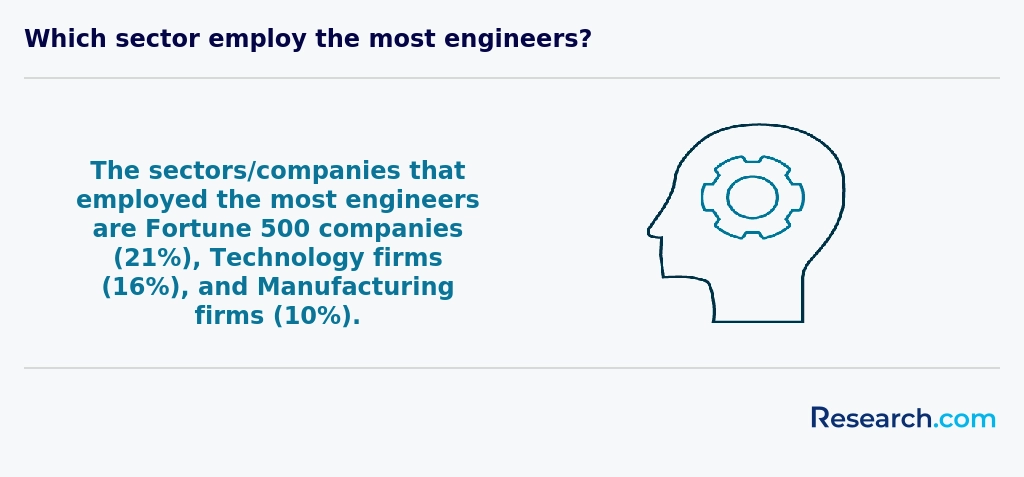
Engineering programs in Columbia, SC, are strengthened by robust internships and industry partnerships that bridge classroom learning with real-world applications. Local institutions like the University of South Carolina and Midlands Technical College collaborate with leading employers - including Shaw Industries, Nephron Pharmaceuticals, and the Savannah River Site - to offer semester-long co-op rotations, summer internships, and capstone projects. These immersive experiences allow students to tackle challenges such as designing energy-efficient systems for manufacturing plants, optimizing supply chains in chemical production, or developing sustainable infrastructure in civil engineering. Many programs also host annual career fairs and networking events, bringing together recruiters from Fortune 500 companies, tech startups, and government agencies. Engineering students often secure paid internships by their junior year, gaining hands-on experience in areas like robotics, renewable energy, and biomedical device testing. Mentorship from seasoned professionals not only sharpens technical skills but also fosters soft skills such as communication, teamwork, and project management - qualities highly valued by employers. For those planning to enhance their credentials post-graduation, exploring affordable graduate options can be a strategic next step. Consider our Cheapest Online Master's in Engineering Degree Programs Ranking in the Northeast to find cost-effective pathways that integrate advanced coursework with ongoing industry collaborations.
What financial aid is available to engineering degree students in Columbia?
Engineering students in Columbia benefit from diverse financial aid opportunities that ease the burden of steep tuition costs, which can range from $10,000 to over $40,000 annually depending on the institution. For instance, at public universities popular among Columbia's engineering graduates, annual in-state tuition averages $23,000, while private colleges may surpass $40,000.
Federal aid is a cornerstone, accessed through FAFSA, unlocking Pell Grants of up to $7,395 for many eligible students in 2023-2024. Graduates from Columbia's prominent engineering schools frequently mention how such grants combined with federal loans-generally featuring lower interest rates-make pursuing technical degrees feel financially attainable.
Scholarships targeting academic achievement and underrepresented groups also play a key role. Many graduates recall applying to scholarships from organizations like the Society of Women Engineers, providing crucial funding that alleviated stress and fostered focus on studies.
State-funded programs specific to Columbia residents offer additional support, especially for those attending in-state universities with STEM priorities. Work-study opportunities, valued by graduates, deliver both income and relevant engineering experience, enhancing resume strength while offsetting costs.
What are the prerequisites for enrolling in engineering degree program in Columbia?
Students aiming to enroll in engineering degree programs in Columbia must satisfy academic and standardized testing prerequisites that reflect the rigor of US higher education standards. Typically, applicants hold a high school diploma with an emphasis on mathematics and sciences such as algebra, calculus, physics, and chemistry. These subjects build a foundation essential for tackling engineering coursework.
Many universities in Columbia, including those with strong engineering reputations, require submission of SAT or ACT scores. Successful applicants often report SAT Math scores surpassing 600, demonstrating quantitative readiness. Though some schools have adopted test-optional policies, submitting strong test results can significantly boost an application's competitiveness.
Academic performance measured by GPA is critical; a minimum of approximately 3.0 on a 4.0 scale is generally expected, with more selective programs asking for higher grades. Graduates frequently reflect on how maintaining a solid GPA facilitated their acceptance at top local institutions and helped them secure scholarships.
Beyond grades and tests, letters of recommendation and personal statements provide insight into motivation and problem-solving skills, which admissions committees in Columbia's engineering schools value highly.
- Completion of prerequisite high school math and science courses
- Submission of SAT or ACT scores, preferably strong in math
- A minimum GPA near 3.0, with higher for competitive programs
- Letters of recommendation supporting academic and personal qualities
- Application essays to demonstrate passion and goals in engineering
Hands-on experience, such as internships or STEM clubs, is frequently mentioned by successful students as a confidence builder that also impresses admissions officers at Columbia's engineering programs.
Campus Life and Student Experience in Columbia, SC
Beyond academic rigor, the everyday campus life and community atmosphere significantly influence a student’s journey toward becoming a successful engineer. In Columbia, SC, engineering programs not only impart technical skills but also foster a vibrant student life that balances study with personal growth. Prospective students often remark on the close-knit campus communities where engaging extracurricular activities, student clubs, and networking events complement coursework. These programs frequently host innovation workshops, hackathons, and industry meetups that simulate real-world engineering challenges while encouraging collaboration outside the classroom. Moreover, many local institutions integrate experiential learning activities-like internships, community projects, and research initiatives-into their engineering curriculum. Such experiences empower students to explore their interests in a hands-on environment while building professional connections early in their careers. For example, exploring the most popular engineering programs can provide insight into how different schools balance academic learning with life-enriching campus experiences that prepare students for both the professional and social challenges of their careers. This holistic approach not only cultivates technical expertise but also develops leadership and teamwork skills, ensuring that graduates are well-equipped to thrive in the competitive engineering landscape.
What courses are typically in engineering degree programs in Columbia?
Engineering degree programs in Columbia typically include foundational courses in mathematics, physics, and chemistry. Graduates from universities such as Universidad de Los Andes and Universidad Nacional de Colombia emphasize how these courses build essential analytical and problem-solving skills, crucial for tackling complex engineering challenges.
As students advance, core courses become specialized according to the chosen engineering field. Mechanical engineering programs feature classes like thermodynamics, materials science, and fluid mechanics, while civil engineering students engage in structural analysis and geotechnical engineering. Graduates recall hands-on laboratory sessions and design projects as highlights that brought theories to life, making abstract concepts tangible and exciting.
Programming is another integral component, with languages such as MATLAB, Python, and C++ commonly taught. This coding knowledge supports simulations and software design tasks increasingly prevalent in engineering roles. Additionally, courses on ethics and technical communication prepare students to navigate professional responsibilities and effectively present ideas in real-world settings.
What types of specializations are available in engineering degree programs in Columbia?
Engineering degree specializations in Columbia include traditional fields such as Civil Engineering, which centers on infrastructure design and environmental sustainability, found prominently at the University of South Carolina and Columbia College. Graduates often express pride in contributing to major urban projects, gaining hands-on experience that enhances their career readiness. Mechanical Engineering remains popular, with students engaged in robotics and materials science, reflecting the evolving manufacturing landscape locally.
Among popular engineering majors Columbia 2027 highlights Electrical Engineering and Computer Engineering, where students work on electronics, power systems, and digital innovation, benefiting from internships that create strong industry connections. Environmental Engineering also attracts students passionate about ecological challenges and pollution control, aligning with regional regulatory trends. Additionally, interdisciplinary options like Biomedical and Industrial Engineering address healthcare technology and operational efficiency, providing diverse career pathways.
To explore cost-effective options for advancing your engineering education, consider the Cheapest Online Master's in Engineering Degree Programs Ranking in the Northeast, which supports informed decision-making for budgeting advanced degrees in the region.
How do you choose the best engineering degree in Columbia?
Choosing the best engineering degree programs Columbia offers involves analyzing program accreditation, cost, and job market trends. Graduates from the University of South Carolina and Columbia College highlight the significance of enrolling in ABET-accredited programs to ensure industry-standard education and smooth licensure paths. Affordability is crucial; public in-state tuition averages around $12,000 annually, but private colleges can exceed $30,000. Students often balance expenses by pursuing scholarships and financial aid through affordable engineering colleges in Columbia, easing the burden of tuition and living costs.
Labor market data shows that computer and electrical engineering degrees tend to offer higher salaries and growth, with annual incomes ranging from $70,000 to $90,000+. Graduates appreciate strong connections to industry via internships and hands-on labs at Columbia institutions, which boost employability. For those prioritizing speed, exploring accelerated programs college is an efficient pathway. Overall, weighing accreditation, cost, and career prospects helps students make a confident choice aligned with Columbia's engineering education landscape.

What career paths are available for engineering degree students in Columbia?
Engineering degree holders in Columbia have access to diverse career paths spanning civil, mechanical, electrical, software, and environmental engineering. Graduates from local universities often secure roles contributing to infrastructure developments such as bridges and urban roads, reflecting the city's ongoing growth. Mechanical and electrical engineers play key roles in product design and automation, supporting Columbia's expanding manufacturing sector. Software engineers benefit from the growing technology industry, applying skills in cutting-edge computing projects that shape the regional economy.
Environmental engineering is increasingly relevant due to Columbia's geographic features like nearby rivers, where graduates work on water quality and conservation initiatives. This variety of openings aligns with strong job prospects for engineering graduates Columbia, as local industries maintain steady demand. Those who studied at prominent institutions in Columbia describe hands-on internships with local firms as pivotal in advancing their careers, offering practical insights and networking advantages. For students considering education costs and career outcomes, exploring what is an easy master's degree to get options may complement initial engineering qualifications, enhancing long-term marketability.
What is the job market for engineering degree in Columbia?
The engineering job market in Columbia remains strong, driven by ongoing infrastructure development and a growing technology sector. Graduates from popular institutions like the University of South Carolina or Columbia College frequently find opportunities in civil, mechanical, and electrical engineering fields. These sectors benefit from local projects in renewable energy and manufacturing, creating a steady demand for skilled engineers. Entry-level salaries for recent graduates typically range from $65,000 to $75,000, with certain specializations such as software engineering offering starting salaries above $80,000, reflecting Columbia's tech-oriented economy.
Columbia engineering degree career outlook suggests that students who actively engage in internships and networking during their studies experience smoother transitions into professional roles. Many graduates share positive experiences about working with consulting firms or government contracts, which broaden their career pathways beyond traditional corporate environments. The cost of obtaining an engineering degree here, comparable to national averages, is often offset by scholarship opportunities and promising starting wages. For those exploring alternative pathways, programs like the cheapest online associate degree can also serve as affordable entry points into the field.
Frequently Asked Questions About engineering
Engineering students in Columbia can maximize their learning experience by actively engaging in both academic and practical opportunities. Participating in internships is crucial, as approximately 70% of engineering students nationwide gain valuable hands-on experience this way, improving job readiness. Additionally, joining engineering clubs and professional organizations like the American Society of Civil Engineers can enhance networking and leadership skills.
Columbia hosts several universities with accredited engineering programs recognized by ABET, ensuring a quality education aligned with industry standards. Utilizing campus resources such as tutoring centers and career services also supports student success.
Finally, staying updated on emerging technologies through workshops and seminars helps students remain competitive in the evolving engineering job market.
The engineering field in Columbia is witnessing rapid growth in several niche areas. One of the fastest-growing sectors is renewable energy engineering, focusing on solar, wind, and bioenergy technologies. According to the U.S. Bureau of Labor Statistics, jobs in this sector are expected to grow by over 10% through 2030.
Another emerging niche is biomedical engineering, which merges healthcare and technology to create advanced medical devices. Columbia universities offer specialized programs aligned with this demand. Additionally, environmental engineering is expanding as industries seek sustainable solutions to pollution and water management challenges.
Robotics and artificial intelligence also stand out, with Columbia's tech industry investing heavily in automation and smart systems development.
To prepare for the job market after completing an engineering degree in Columbia, students should focus on building practical experience alongside their academic studies. Internships and cooperative education programs are highly recommended, as 78% of employers in the US engineering sector value hands-on experience (National Association of Colleges and Employers, 2023).
Networking is also critical. Joining professional organizations such as the American Society of Civil Engineers or the Institute of Electrical and Electronics Engineers can connect graduates with industry professionals and job openings. Additionally, obtaining relevant certifications, like the Fundamentals of Engineering (FE) exam, increases employability.
Developing soft skills, including communication and teamwork, further enhances job readiness in Columbia's competitive engineering market.
Employers in Columbia highly value a blend of technical and soft skills in graduates with engineering degrees. According to the National Association of Colleges and Employers (NACE) 2023 report, problem-solving and critical thinking rank as the top technical abilities sought in new engineers. Proficiency in software tools such as MATLAB and CAD programs is also frequently requested, reflecting industry needs. Communication skills remain essential, with 78% of employers emphasizing teamwork and clear technical writing. Additionally, adaptability and continuous learning capabilities are critical due to rapid technological advances. Mastery of project management basics and ethical decision-making further enhances graduate employability in Columbia's engineering sector.
Finding internships in Columbia related to engineering degrees involves leveraging multiple resources within the US higher education ecosystem. Many universities in Columbia have dedicated career centers that connect students with local and national engineering firms. According to the National Association of Colleges and Employers (NACE), over 60% of engineering internships are secured through university career services or faculty referrals.
Additionally, students should explore online job portals specializing in engineering internships, such as Handshake and Indeed. Networking through engineering student organizations and attending local industry meetups can also improve chances. Columbia's growing tech and manufacturing sectors offer numerous practical internship opportunities supporting hands-on experience.
In Columbia, earning an engineering degree significantly enhances career mobility and advancement opportunities. According to the Bureau of Labor Statistics, engineering fields show a steady growth rate of about 4% through 2031, with strong demand in industries such as manufacturing, energy, and technology.
Graduates with engineering degrees often access higher earning potential and leadership roles more quickly than those without specialized training. The National Society of Professional Engineers notes that certified engineers in Columbia typically experience faster promotions and salary increases.
Additionally, engineering degrees equip professionals with versatile skills valued across sectors, facilitating lateral moves and career shifts within the regional job market.
Studying for an engineering degree in Columbia provides students with skills that are highly valued in interdisciplinary roles. Many engineering programs emphasize collaboration between fields such as computer science, business, and environmental studies. This approach reflects the growing demand for engineers who can navigate complex problems across disciplines.
According to the U.S. Bureau of Labor Statistics, Columbia's engineering graduates have access to a diverse job market where interdisciplinary knowledge is crucial, particularly in sectors like manufacturing, technology, and infrastructure.
Columbia colleges often include project-based learning and internships that expose students to real-world teamwork with professionals from various backgrounds, building communication and problem-solving skills essential for interdisciplinary work.
Choosing between a thesis and a non-thesis engineering degree program in Columbia depends on your career goals and interests. A thesis option typically involves conducting original research, culminating in a detailed report, making it ideal for students interested in academic or research careers. It usually takes longer to complete and demands strong commitment to independent study.
By contrast, the non-thesis option focuses more on coursework and practical experience, which suits students aiming for industry jobs after graduation. According to the Columbia Board of Education, about 60% of engineering students prefer the non-thesis path due to its shorter duration and increased emphasis on hands-on skills.
Consider the program curriculum, your long-term plans, and whether you want to pursue a PhD later. In Columbia, many universities provide detailed guidance to help students decide based on individual preferences and career objectives.
Students based in Columbia seeking to study engineering abroad have several options, especially within the United States higher education system. Many U.S. universities offer partnerships and exchange programs that welcome international students, including those from Columbia. According to the Institute of International Education (IIE), engineering remains one of the most popular fields for international students in the U.S., with over 30% of foreign students enrolled in STEM disciplines in 2023.
Students can pursue bachelor's, master's, or doctoral degrees at institutions known for strong engineering programs. Additionally, numerous scholarships and assistantships are available to help manage tuition costs.
Choosing a university accredited by ABET, the U.S. accreditation board for engineering and technology, ensures recognized quality and global acceptance of the degree.
Columbia offers various part-time job opportunities that can enhance engineering students' education. Positions such as lab assistants or research aides at institutions like Columbia University provide hands-on experience with advanced technology and engineering concepts. According to the U.S. Bureau of Labor Statistics, internships and part-time roles in engineering-related fields improve job prospects by 15%.
Engineering students can also consider tutoring roles in subjects like mathematics and physics, which strengthen fundamental skills. Additionally, roles in local tech startups or environmental engineering firms help students apply classroom knowledge to real-world problems.
Such jobs not only supplement income but also build critical professional skills essential for future careers in engineering.
Engineering students in Columbia benefit from numerous networking opportunities critical to career development. Universities such as Columbia University and Barnard College offer engineering clubs, professional societies, and events that connect students with industry professionals.
The Columbia University Engineering School hosts annual career fairs that attract over 300 companies, providing students direct access to recruiters and internships. Furthermore, the school's alumni network includes thousands of engineers working nationally and globally, often engaging in mentorship programs.
Students also participate in research projects and internships facilitated by university partnerships with leading firms in technology, aerospace, and manufacturing sectors.
According to the National Association of Colleges and Employers (NACE), about 70% of engineering students find jobs through networking before graduation, underscoring its importance.
Alumni networks provide significant benefits for engineering degree students in Columbia by connecting them with experienced professionals and potential employers. According to a 2023 report by the National Society of Professional Engineers, strong alumni networks increase job placement rates by up to 20% for engineering graduates.
These networks offer mentorship opportunities, where seasoned alumni guide students through challenges in coursework and career planning. Additionally, alumni often share exclusive internships and job openings, helping students gain practical experience.
Columbian universities frequently organize alumni events and online platforms to facilitate networking, fostering a sense of community and collaboration among engineering students and graduates.
In Columbia, students pursuing engineering degrees can tailor their programs to align with their career aspirations through several flexible options. Many universities offer a range of specializations such as civil, mechanical, electrical, or environmental engineering, allowing students to focus on fields that match local industry needs.
Additionally, students can select elective courses and participate in internship programs that provide practical experience relevant to their goals. Columbia's proximity to industrial hubs facilitates partnerships that support hands-on learning and professional networking.
Some engineering programs also allow combining engineering studies with minors or certificates in business or technology management, broadening career opportunities. According to the National Academy of Engineering, such interdisciplinary approaches enhance employability and innovation skills in the current job market.
Engineering students in Columbia often face significant challenges during their studies. A common difficulty is managing the heavy workload, as engineering programs typically demand extensive time for classes, labs, and projects. According to the National Center for Education Statistics, nearly 45% of undergraduates in STEM fields report high academic stress.
Additionally, students frequently struggle with access to resources, such as up-to-date laboratory equipment and tutoring, which are crucial for understanding complex concepts. Financial pressure is another issue, with Columbia students sometimes balancing part-time jobs alongside rigorous studies.
Time management and maintaining work-life balance also rank high among the challenges, as engineering curricula are often very demanding compared to other fields.
With an engineering degree in Columbia, graduates can pursue several professional certifications to advance their careers. One of the most recognized is the Professional Engineer (PE) license, which is highly valued across the U.S., including Columbia, and requires passing the Fundamentals of Engineering (FE) exam followed by work experience.
Other valuable certifications include Certified Manufacturing Engineer (CMfgE), offered through the Society of Manufacturing Engineers, and the Project Management Professional (PMP) certification for engineers involved in project coordination.
According to the National Society of Professional Engineers, holding a PE license can increase salary potential by nearly 20%. Columbia-based engineers often benefit from these credentials when seeking roles in civil, mechanical, electrical, and industrial engineering fields.
To write a winning application for an engineering program in Columbia, start with a strong academic record. Most US engineering schools expect a high GPA, especially in math and science courses. According to the National Center for Education Statistics, engineering applicants often have GPAs above 3.5. Include standardized test scores if required, though many programs have test-optional policies since 2021.
Craft a clear personal statement highlighting your passion for engineering, relevant experiences, and career goals. Schools value hands-on projects or internships, so mention these specifically. Letters of recommendation from teachers or mentors who know your technical abilities can boost your application.
Finally, ensure you meet any specific Columbia state residency or program prerequisites. Check each school's website carefully, as requirements can vary widely.
The global demand for engineering professionals continues to rise, with the United States playing a significant role in shaping the field. According to the U.S. Bureau of Labor Statistics (BLS), engineering jobs are projected to grow 4% from 2021 to 2031, reflecting steady opportunities for graduates. Columbia, New Jersey, benefits from proximity to major tech and manufacturing hubs, making engineering careers attractive locally and globally.
US engineering degrees are recognized worldwide for their rigorous standards, often combining theoretical knowledge with practical experience. Many programs in Columbia offer internships with companies that operate internationally, which enhances global career prospects. Additionally, Columbia graduates frequently join global firms, underscoring the relevance of a US-based engineering education on the world stage.
Gaining practical experience while studying for an engineering degree in Columbia is essential for career readiness. Many universities encourage internships, cooperative education (co-op) programs, and research projects with industry partners. For example, schools like Columbia University offer structured internship opportunities that allow students to work in real engineering settings.
Joining student engineering clubs and participating in design competitions also help develop hands-on skills. According to the National Association of Colleges and Employers (NACE), 60% of engineering students who completed internships received job offers from those employers.
Additionally, engaging with faculty-led lab research provides experience with current technologies and methodologies, giving students an edge in the job market.
Choosing the right concentration within an engineering degree in Columbia requires understanding your interests and career goals. Popular options include civil, electrical, mechanical, and computer engineering, each offering different job prospects and salary ranges. For example, electrical engineering graduates in Columbia earn an average starting salary of around $70,000 according to the U.S. Bureau of Labor Statistics.
Consider industry demand in Columbia's growing tech and manufacturing sectors when selecting a concentration. Research universities also report higher employment rates for students in software and environmental engineering.
Additionally, explore program curriculums and available internships, which greatly impact practical experience and job readiness.
Related Engineering Rankings for Nearby Cities
- 2027 Most Popular Engineering Degree Programs Ranking in Atlanta
- 2027 Most Popular Engineering Degree Programs Ranking in Jacksonville
- 2027 Most Popular Engineering Degree Programs Ranking in Tallahassee
- 2027 Most Popular Engineering Degree Programs Ranking in Huntsville
- 2027 Most Popular Engineering Degree Programs Ranking in Daytona Beach
- 2027 Most Popular Engineering Degree Programs Ranking in Norfolk
- 2027 Most Popular Engineering Degree Programs Ranking in Birmingham
- 2027 Most Popular Engineering Degree Programs Ranking in Nashville
- 2027 Most Popular Engineering Degree Programs Ranking in Orlando
- 2027 Most Popular Engineering Degree Programs Ranking in Washington
Top Trending Engineering Rankings
See What Experts Have To Say About Studying Engineering
Read our interview with Engineering experts


Jasna Jankovic
Engineering Expert
Associate Professor
University of Connecticut

Bohdan W. Oppenheim
Engineering Expert
Professor Emeritus of Healthcare Systems Engineering
Loyola Marymount University

References
- Interdisciplinary Engineering Education: Difficult, but not Impossible https://engineeringedu.press/2020/02/16/interdisciplinary-engineering-education-difficult-but-not-impossible/
- Applying to Columbia - Should I choose the engineering path? https://talk.collegeconfidential.com/t/applying-to-columbia-should-i-choose-the-engineering-path/2002775
- Engineering Study Abroad Programs | Go Overseas https://www.gooverseas.com/study-abroad/engineering
- Bachelor of Engineering – kierunki i perspektywy kariery https://educat.study/pl/bachelor-of-engineering/
- The engineering career mobility report: Who gets promoted? https://www.signalfire.com/blog/engineering-career-trends-pt1
- Best institutions to study Engineering-Related Fields in District of Columbia https://clema.ai/district-of-columbia/engineering-related-fields
- New Ranking: The Best Alumni Networks https://poetsandquantsforundergrads.com/rankings/the-best-alumni-networks/
- Policy Pulse: Columbia University Majors: Ranking And Guide https://survey.moorlandassociation.org/moorlandassociation-news/columbia-university-majors-ranking-and-guide-1767647617
- WHAT EMPLOYERS ARE LOOKING FOR – Career Connections Center | Milwaukee School of Engineering https://www.msoecareerconnections.com/channels/what-employers-are-looking-for/
- Columbia Engineering and Amazon launch undergraduate ... https://www.amazon.science/academic-engagements/columbia-engineering-and-amazon-launch-undergraduate-program-to-increase-diversity-and-inclusiveness-in-tech-fields


