
2027 Best Finance Degree Programs Ranking in San Juan

Co-Founder and Chief Data Scientist
Choosing the right finance degree program is an important step toward a successful career in San Juan's dynamic financial sector. This article introduces the 2027 Best Finance Degree Programs Ranking in San Juan, carefully crafted by the Research.com team of data scientists to guide you in making an informed decision.
Reading this will give you valuable insights into top programs that match your goals, helping you invest in your future with confidence. A finance degree can open doors to exciting opportunities and personal growth.
Explore your options and take the first step toward a rewarding journey.
Key benefits of getting finance degree in San Juan
- Salary for finance degree graduates: Graduates in San Juan can expect strong earnings, with jobs like Financial Advisors paying an average annual wage of $150,670 and Financial Analysts earning about $112,950 yearly. These competitive salaries highlight the financial rewards of a degree in finance.
- Career paths: A finance graduate from the University of Puerto Rico in San Juan often pursues careers such as Credit Analyst or Insurance Underwriter, with solid job prospects and opportunities for growth in various sectors including banking and insurance. This diversity allows graduates to match their interests with rewarding roles.
- Online degree benefits: Earning a finance degree online from a local university provides flexibility and affordability, making it easier to balance work and study. This approach opens doors for many in San Juan to gain top skills without sacrificing their current lifestyle.
- Key benefits of getting finance degree in San Juan
- What can I expect from finance degree in San Juan?
- Where can I work with finance degree in San Juan?
- How much can I make with finance degree in San Juan?
- 2027 Best Finance Degree Programs Ranking in San Juan
- Key Findings
- How long does it take to complete finance degree in San Juan?
- What's the difference between online and on-campus finance degree?
- What is the average cost of finance degree in San Juan?
- What financial aid is available to finance degree students in San Juan?
- What are the prerequisites for enrolling in finance degree program in San Juan?
- What courses are typically in finance degree programs in San Juan?
- What types of specializations are available in finance degree programs in San Juan?
- How do you choose the best finance degree in San Juan?
- What career paths are available for finance degree students in San Juan?
- What is the job market for finance degree in San Juan?
- Top Trending Finance Rankings
- See What Experts Have To Say About Studying Finance
What can I expect from finance degree in San Juan?
The average cost of earning a finance degree in San Juan varies but remains accessible, especially at institutions like the University of Puerto Rico, Río Piedras Campus. Graduates often share how manageable tuition and fees, combined with scholarships and financial aid, helped them stay focused on building skills rather than worrying about expenses. Many local universities offer competitive rates compared to mainland U.S. schools, with yearly costs typically ranging from $4,000 to $8,000 for residents.
These figures depend on factors such as residency status and whether students take advantage of available grants or work-study programs. Graduates frequently highlight how investing in their education in San Juan brought them closer to key internship opportunities within the island's finance sector, which would be harder to access elsewhere.
Choosing a program accredited by AACSB International ensures not just quality education but also signals to employers that you're ready to tackle the financial industry's challenges. Balancing cost with practical experience here often translates into strong career prospects and real-world readiness.
Where can I work with finance degree in San Juan?
With a finance degree earned from esteemed institutions like the University of Puerto Rico in San Juan, graduates step into a city teeming with vibrant career possibilities. Many find themselves thriving in commercial banks such as Banco Popular or FirstBank, where opportunities to work as financial analysts or loan officers bring practical challenges that sharpen skills daily.
Others immerse in the insurance sector, joining companies or the Puerto Rico Insurance Commissioner's office, applying their knowledge to real-world risk management and regulatory compliance. The solid foundation built during college makes navigating these roles both rewarding and achievable.
Government agencies like the Department of Treasury attract finance graduates eager to contribute to public financial planning and auditing, offering long-term stability. Meanwhile, growing service sectors provide roles as financial consultants or advisors, where graduates engage with local businesses and individuals, making an immediate impact on economic growth.
International firms in San Juan also welcome skilled finance professionals, especially those adept at mergers and acquisitions or corporate finance, allowing graduates to leverage Puerto Rico's unique tax incentives and expand their global expertise.
How much can I make with finance degree in San Juan?
Graduates from finance programs in San Juan often start their careers earning between $40,000 and $55,000 annually, stepping into roles like financial analysts or junior advisors. Many alumni from institutions like the University of Puerto Rico in Río Piedras have shared how practical internships and strong networking helped them land these entry-level positions.
With experience, those same graduates see their salaries rise significantly. Mid-career finance professionals working in investment banking or corporate finance can earn between $60,000 and $90,000. Nationally, a financial analyst's average annual salary sits near $112,950, while financial advisors can expect around $150,670, reflecting the potential growth San Juan graduates aim for.
Some graduates who pursue certifications such as the CFA or CPA and build a strong reputation within San Juan's financial sector report salaries climbing even higher. Senior finance roles, like CFOs, earn above $100,000, showing that perseverance and continuous learning open rewarding opportunities despite a smaller local job market.
Living and working in San Juan means shaping a career amid a unique economic landscape, where your dedication connects with growing financial services and local companies eager to invest in skilled professionals like you.
2027 Best Finance Degree Programs Ranking in San Juan
How do we rank schools?
Investing in your education is a significant decision that can shape your future, and the Research.com team understands the importance of making informed choices. To assist prospective students in San Juan, we have meticulously crafted the "2027 Best Finance Degree Programs Ranking in San Juan." Our commitment to quality, credibility, and accuracy is reflected in the extensive research and analysis conducted to compile this ranking.
We utilized the following reputable data sources to ensure a comprehensive evaluation of finance degree programs:
By exploring this ranking, readers will gain valuable insights into the best finance degree programs available in San Juan, helping them make informed decisions about their educational paths. For more details on our methodology, please visit our Research.com methodology page.

# 2 position
Universidad Ana G. Mendez-Cupey Campus
Master of Science in Finance

Key Findings
- Annual tuition at public universities in San Juan ranges from $6,000 to $10,000, while private colleges may charge over $15,000.
- Entry-level salaries for finance graduates typically range between $40,000 and $50,000 per year.
- Experienced finance professionals in San Juan can earn around $70,000 or more annually.
- Job opportunities exist in banking, insurance, government, and corporate finance sectors within San Juan's economy.
- Degrees from regionally accredited institutions are preferred by employers and ensure credit transferability.
- Internships and professional networking through local business partnerships improve career prospects.
How long does it take to complete finance degree in San Juan?
Completing a finance degree in San Juan typically takes about four years of full-time study, aligning with the standard across the United States. For many students at the University of Puerto Rico's Río Piedras campus, this timeline feels both ambitious and achievable, offering a clear path to entering the dynamic world of finance. Graduates often share how sticking to the full course load-around 120 to 130 credit hours-provides a steady rhythm that balances challenge and growth.
Some students choose accelerated programs or summer sessions to finish in as little as three years, driven by a strong desire to launch their careers sooner. Others, especially those juggling work or family commitments, may take five or six years, appreciating the flexibility part-time study offers while maintaining momentum toward their goals.
Community colleges in San Juan also offer two-year associate degrees that serve as a practical springboard into four-year programs, making the journey manageable and encouraging for those seeking gradual progress.
Regardless of the path, planning thoughtfully and leaning on university resources can make the process rewarding and inspiring.
What's the difference between online and on-campus finance degree?
Choosing between an online or on-campus finance degree in San Juan means weighing the value of community against flexibility. Graduates from local institutions often share how the on-campus experience at universities like the University of Puerto Rico fosters strong connections through lively classroom debates and networking events within the island's financial sector. This face-to-face interaction builds confidence and a support system that's hard to replicate online.
On the other hand, students balancing work or family commitments appreciate how online programs offered by colleges in San Juan allow them to study at their own pace, accessing coursework late at night or during weekends. One graduate described the convenience of logging in from home and still receiving guidance from professors who understand their unique challenges.
Both paths cover the same essential topics-from corporate finance to risk management-but your learning journey will feel different. On-campus programs immerse you in the rhythm of campus life, while online options cultivate self-discipline and time management skills vital for today's dynamic finance careers.
What is the average cost of finance degree in San Juan?
The average cost of a finance degree in San Juan varies notably depending on your residency status and choice of institution. For in-state students at public universities like the University of Puerto Rico, Río Piedras Campus, the median total cost is approximately $5,780. Many graduates reflect on their time there as affordable yet rich with learning opportunities, making it a practical choice for those focused on balancing expenses and quality education. Out-of-state and international students, however, face higher costs, with the median total reaching around $17,094, reflecting additional tuition fees but still remaining competitive compared to mainland options.
In addition to tuition, remember the total expenses for finance degree programs San Juan include housing, books, and other living costs. Many graduates share how budgeting wisely and exploring campus resources helped manage these costs without sacrificing their college experience. Private colleges in the area charge more, often ranging from $7,000 to $12,000 annually, but offer different campus environments and networking advantages.
It's inspiring to see how students find financial aid, scholarships, and federal grants to lighten the financial load. Taking advantage of these can transform your educational journey into something manageable and rewarding. For those considering alternative paths, exploring a 6 month associate online degree can also supplement skills efficiently while controlling costs.
What financial aid is available to finance degree students in San Juan?
When pursuing a finance degree in San Juan, take advantage of federal aid programs like Pell Grants and Direct Subsidized Loans, which have helped many graduates cover tuition at places like the University of Puerto Rico at Río Piedras. Imagine attending classes there knowing a significant portion of your tuition is already secured through these grants-there's a real sense of relief and focus that comes with that financial safety net.
Local scholarships and institutional aid are equally valuable. Several San Juan colleges offer merit-based awards specifically for finance students, easing the burden of fees. Graduates often recall how applying early to these opportunities opened doors to funds they didn't expect, fueling both their academic success and confidence.
Don't overlook work-study programs, which blend income and experience. Many students find part-time roles in campus finance offices, gaining practical skills while financing their education. This hands-on approach cultivates both competence and excitement about a finance career, making every hour worked feel like a meaningful investment in the future.
What are the prerequisites for enrolling in finance degree program in San Juan?
To embark on your finance degree journey in San Juan, you'll need to have completed a high school diploma or a GED, providing a strong foundation for success. Many graduates from renowned institutions like the University of Puerto Rico at Río Piedras recall how maintaining at least a 2.5 GPA helped them confidently meet admissions standards and tackle challenging coursework.
Standardized testing such as the SAT or ACT still plays a key role at most universities, though some schools offer test-optional paths. Aim for an SAT score above 1100 to boost your chances. One former student shared how achieving competitive scores opened doors to scholarships and specialized finance seminars.
Finance demands solid math skills-think algebra and statistics. In fact, students at popular local colleges often credit their grasp of these subjects for mastering financial analysis and accounting fundamentals early on.
Additional requirements might include personal statements or recommendation letters, giving you a chance to showcase your passion for finance beyond grades. For those from outside Puerto Rico, demonstrating English proficiency with TOEFL or IELTS scores is vital since courses are mainly taught in English.

What courses are typically in finance degree programs in San Juan?
Finance programs in San Juan offer a strong foundation with courses like Financial Accounting, where students learn to track and interpret real business transactions-skills essential when analyzing Puerto Rican companies. Corporate Finance classes challenge you to think critically about how local firms raise capital and invest wisely, mirroring decisions you'd see in the vibrant San Juan financial district.
Graduates from well-regarded institutions often recall how Investment Analysis courses sharpened their ability to evaluate stocks and bonds, preparing them for internships at regional banks or asset management firms. You'll also dive deep into Financial Markets and Institutions, gaining insights into the Caribbean banking systems that power Puerto Rico's economy. Plus, Statistics and Quantitative Methods train you to turn raw data into powerful, actionable financial strategies.
Economics courses ground you in both micro and macro concepts, helping you understand how global trends impact San Juan's unique market. Students frequently mention how specialized topics like risk management and international finance broaden their perspective, equipping them for careers that stretch across the Caribbean and beyond.
What types of specializations are available in finance degree programs in San Juan?
If you're exploring a finance degree in San Juan, you'll find a variety of specializations tailored to meet the dynamic financial landscape here. Many graduates from prominent local universities choose Corporate Finance, immersing themselves in real-world challenges like managing investments and mitigating business risks, preparing them for leadership roles in Puerto Rico's expanding companies.
Others are drawn to Investment Analysis and Portfolio Management, gaining skills to navigate stock markets and build portfolios, critical in San Juan's globally connected economy. This focus grows stronger with the surge in local finance jobs linked to investments, a trend backed by recent growth figures in the area. Many students say this specialization sparks a sense of excitement as they apply classroom theories to market scenarios.
Students often highlight how Financial Planning and Wealth Management aligns with the community's needs, helping families secure their futures-an especially rewarding path given the aging population here. This specialization reflects real life, where personalized guidance makes a tangible impact.
Other promising options include Risk Management and Insurance, which readies graduates for roles in regional insurers based in San Juan, and innovative paths like Financial Technology (Fintech) and International Finance, which capitalize on the city's status as a tech and business hub. For those eager to build targeted skills quickly, consider exploring short courses that pay well, which complement traditional degree paths and boost career readiness.
These diverse finance degree specializations in San Juan ensure you can focus on what truly excites you while preparing for a successful career in a vibrant, growing market.
How do you choose the best finance degree in San Juan?
To choose the best finance degree in San Juan, start by focusing on accreditation. Graduates from respected programs at universities here often highlight how accreditation by recognized bodies ensures solid academic training and credibility in the job market. For example, they appreciate that this recognition helps them transfer credits easily or access federal aid, making the journey smoother and financially viable.
When exploring affordable finance degrees San Juan offers, remember that tuition tends to be much lower compared to the mainland U.S., but it's important to account for living costs. Many successful alumni recommend weighing total expenses alongside available financial aid to avoid surprises and stay confident throughout their studies.
Look closely at curricula that blend core finance topics with local relevance, such as banking regulations in Puerto Rico or U.S. tax law. Recent graduates from popular colleges in San Juan share how understanding these specific areas made their job search easier and more fulfilling.
Finally, consider how programs connect you to the local financial scene. Networking opportunities and internships open doors. If you want to explore whats the fastest associates degree to get options as part of your plan, certain schools offer flexible or accelerated paths that former students found empowering when balancing work and study commitments.

What career paths are available for finance degree students in San Juan?
Graduates with a finance degree in San Juan open doors to thriving careers across the city's vibrant economic landscape. Whether you're aiming to be a financial analyst in the bustling corporate finance departments of local multinational companies or a risk manager steering budgeting strategies for government agencies, there's a promising path for you. Students from popular San Juan universities often share how hands-on projects and internships helped them seamlessly transition into roles like investment banking and financial planning, reinforcing their skills in real-world settings. Exploring San Juan finance degree job prospects reveals exciting opportunities in fintech as well, where innovation meets finance in digital payments and financial software development, inspiring many to pioneer new solutions.
For those eager to elevate their careers, pursuing certifications such as the CFA further unlocks potential, especially within investment management firms headquartered here. If you're curious about the fastest career to make money, it's wise to consider how San Juan's unique environment supports a diverse range of finance degree career opportunities San Juan that blend traditional roles with emerging tech-driven fields.
What is the job market for finance degree in San Juan?
The finance degree job opportunities in San Juan are shaped by the city's dynamic role as Puerto Rico's financial center. Graduates from well-regarded local institutions often find roles in banking, insurance, government agencies, and nonprofit organizations. Many new graduates recall starting as financial advisors or credit analysts at prominent banks headquartered in San Juan, gaining invaluable hands-on experience early in their careers. This solid foundation opens doors to specialized positions, such as risk management or corporate finance, within local firms.
San Juan finance career market outlook remains steady, with growth for financial analysts expected to align with national trends. Salaries for entry-level positions typically range from $40,000 to $55,000, which reflects the balance of cost of living and local market demand. Graduates appreciate that tuition at public universities here offers a cost advantage, often allowing them to complete their studies with less debt, improving their long-term prospects and return on investment.
For those wondering about advanced training, it's worth researching what certifications pay the most. Earning targeted certifications can significantly boost earning potential and career mobility in San Juan's finance sector.
Frequently Asked Questions About finance
Finance degree students in San Juan can maximize their learning experience by combining classroom knowledge with real-world practice. San Juan's growing financial sector offers internships at banks, investment firms, and government agencies, providing practical skills valuable for future careers. According to the Puerto Rico Department of Labor, internships increase job placement rates by up to 30%.
Students should also engage with local finance clubs and attend workshops organized by institutions such as the University of Puerto Rico. Networking in these environments cultivates connections essential in finance careers. Utilizing university resources, like career counseling and tutoring, further supports academic success.
Staying updated on regional market trends and regulatory changes enhances understanding of San Juan's unique financial landscape. Accessing databases and local financial reports through campus libraries can strengthen research skills vital for this field.
The finance field is evolving rapidly, and several emerging niches are gaining traction, especially for students in San Juan. Areas such as sustainable finance, which focuses on environmental, social, and governance (ESG) investing, are expanding as companies prioritize ethical practices. Another growing niche is fintech, where technology solutions like blockchain and digital payments reshape traditional banking and finance services.
Risk management and data analytics also present strong opportunities. In fact, according to the U.S. Bureau of Labor Statistics, financial analyst jobs requiring data skills are expected to grow 7% by 2030. San Juan's financial sector, influenced by its status as a key Caribbean economic hub, increasingly adopts these specializations.
After completing a finance degree in San Juan, preparing for the job market requires a strategic approach to stand out. Graduates should build strong practical skills by pursuing internships or part-time positions in local financial firms or banks, as San Juan is a financial hub for Puerto Rico. According to the Puerto Rico Department of Labor, the demand for finance professionals is growing annually by roughly 3%. Networking through finance-related events and professional associations in San Juan greatly increases chances of employment.
Additionally, obtaining relevant certifications like the CFA or CPA can enhance credibility and job prospects. Staying updated with financial software and economic trends also adds value in this competitive market.
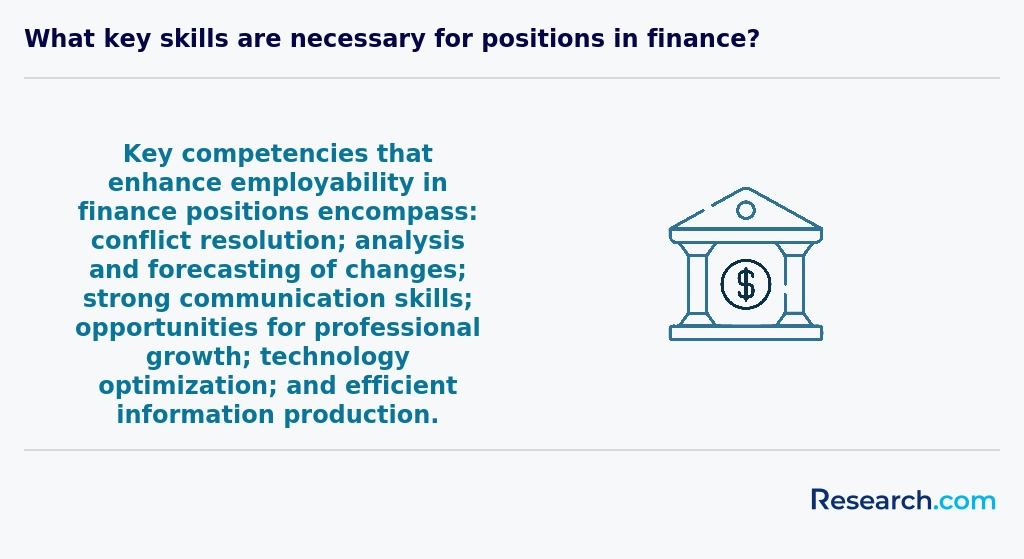
Employers in San Juan highly value finance graduates who demonstrate strong analytical skills. The ability to interpret financial data and market trends is essential for decision-making in local firms. According to the Puerto Rico Department of Labor, proficiency in financial modeling and forecasting increases employability by 20%.
Communication skills also rank prominently. Graduates must clearly present complex financial concepts to stakeholders with diverse backgrounds. Additionally, technological skills, especially in Excel and finance software like Bloomberg Terminal, are critical. The finance sector in San Juan emphasizes adaptability, with many firms seeking candidates familiar with emerging fintech trends.
Finding internships in San Juan relevant to a finance degree involves exploring opportunities within the city's growing financial sector. San Juan is home to numerous banks, investment firms, and insurance companies that often seek interns. According to the Puerto Rico Bankers Association, local banks employ over 10,000 professionals, creating potential openings for finance students.
Students should actively use university career centers, which frequently partner with local companies to offer internship listings. Additionally, platforms like Handshake and LinkedIn list finance roles specific to San Juan.
Networking through events hosted by organizations such as the Puerto Rico Society of CPAs can connect students directly with industry professionals.
A finance degree in San Juan plays a significant role in enhancing career mobility and advancement within the local job market. Holders of finance degrees often qualify for a range of positions in banking, investment firms, and corporate finance departments, areas that are crucial to San Juan's growing financial services sector.
According to the Puerto Rico Department of Labor, finance-related jobs in San Juan are expected to grow by 5% over the next five years, reflecting steady demand for skilled professionals. This growth directly benefits degree holders by increasing available opportunities.
Graduates with finance degrees also tend to see higher starting salaries and faster promotion rates compared to those without formal education in the field. Employers in San Juan value the analytical and quantitative skills acquired through finance programs, which are essential for advanced roles.
Studying for a finance degree in San Juan offers students a strong foundation in financial principles combined with practical skills relevant to multiple industries. Programs often integrate coursework in economics, business law, and data analysis, equipping graduates to handle complex financial environments.
San Juan's position as a financial hub in the Caribbean allows students to engage with real-world challenges in banking, investment, and risk management. According to the Puerto Rico Department of Labor, financial services contribute significantly to the local economy, reinforcing the demand for professionals versed in interdisciplinary perspectives.
Additionally, many institutions emphasize technology-driven finance tools, fostering adaptability to roles that blend finance with IT or marketing functions. This multidisciplinary approach enhances graduates' competitiveness across corporate sectors.
Choosing between a thesis and a non-thesis finance degree program in San Juan depends largely on your career goals and interests. A thesis option involves conducting original research, which is ideal for students considering a future in academia or research-heavy roles. It typically requires a significant commitment to writing and analysis over several months.
The non-thesis option focuses more on coursework and practical skills, appealing to professionals aiming to enter finance sectors such as banking or corporate finance more quickly. According to the Puerto Rico Council of Higher Education, about 60% of finance graduates in San Juan choose non-thesis paths, favoring applied knowledge.
In San Juan, many universities also offer internship opportunities alongside non-thesis programs, providing valuable real-world experience. Ultimately, weigh your long-term plans and learning preferences when deciding.
Students based in San Juan seeking to study finance abroad have multiple options within the U.S. higher education system. Many choose to attend mainland universities that offer specialized finance programs accredited by organizations like AACSB. Popular destinations include New York, Boston, and Chicago, known for strong finance faculties and proximity to financial centers.
Financial aid and scholarships are often available for eligible Puerto Rican students, helping ease the cost of studying abroad. Additionally, some universities have established partnerships with institutions in Puerto Rico, facilitating credit transfer and exchange opportunities. According to the National Center for Education Statistics, about 12% of Puerto Rican students enroll in mainland U.S. colleges annually, with business and finance fields among the most popular.
Students can pursue diverse degrees, including Bachelor's, Master's, and even PhDs in finance, often with options to focus on areas like investment banking, financial analytics, or corporate finance. Many programs also incorporate internships and industry networking, enhancing employment prospects post-graduation.
Students pursuing finance degrees in San Juan can benefit from various part-time job opportunities that enhance their academic learning. Positions such as bank teller or financial clerk provide practical experience in banking operations and customer service. Companies in San Juan's financial sector often seek interns for roles in accounting assistance or financial analysis, allowing students to apply classroom concepts to real-world data.
The local finance industry, influenced by San Juan's robust service sector, offers internships in corporate finance departments and investment firms. According to the Puerto Rico Department of Labor, finance-related part-time jobs in San Juan grew by 5% from 2020 to 2023, reflecting steady demand for finance skills. These roles enable students to build skills in budgeting, forecasting, and risk assessment.
Additionally, freelance bookkeeping or tax preparation gigs can complement finance studies while offering flexible schedules. Access to these opportunities helps students develop important quantitative and analytical expertise necessary for successful careers in finance.
Finance students in San Juan benefit from various networking opportunities within the city's growing financial sector. Institutions like the University of Puerto Rico at Río Piedras offer finance clubs and events connecting students with local professionals. Networking events organized by the Puerto Rico Bankers Association provide valuable contacts in banking and investment firms headquartered in San Juan.
Additionally, students can attend conferences such as the annual Puerto Rico Economic Summit, which gathers economists and financial experts year-round. Internship programs with multinational corporations based in San Juan also serve as a practical way to build industry connections early in a student's career.
Alumni networks provide significant advantages for finance degree students in San Juan by offering access to experienced professionals and industry connections. These networks facilitate mentorship opportunities, which are crucial for navigating the competitive finance sector. According to a 2023 survey by the National Association of Colleges and Employers, students engaged with active alumni groups are 35% more likely to secure internships and job placements.
In San Juan's growing financial market, alumni can guide students on local economic trends and regulatory environments. Networking events and online platforms enable students to build relationships that may lead to internships or employment in prominent banking and investment firms headquartered in the region.
To customize a finance degree program in San Juan according to your career goals, start by selecting electives that align with your interests, such as investment analysis, risk management, or corporate finance. Many universities in Puerto Rico, including those in San Juan, offer flexible curricula allowing students to focus on areas like banking, financial planning, or insurance.
Internships with local firms in San Juan's financial sector provide practical experience and networking opportunities crucial for career advancement. Additionally, consider programs that incorporate bilingual coursework, as English and Spanish skills are highly valued in Puerto Rico's finance industry.
Consult academic advisors early to tailor your study plan and explore certification options like CFA or CFP to boost your credentials.
Finance students in San Juan face several challenges typical to the region's higher education landscape. One significant issue is the cost of tuition, which can be a barrier for many, with average annual fees for finance programs ranging between $8,000 and $12,000 according to the National Center for Education Statistics. Limited local internship opportunities in the finance sector also affect practical experience, as San Juan's financial industry is smaller compared to major U.S. cities.
Additionally, students must navigate the complexities of U.S. federal financial aid, which may be less familiar to residents of Puerto Rico than those in the mainland. Language barriers are not usually significant, but some curricula may present challenges for students less comfortable with English, especially in advanced finance courses. Lastly, keeping up with rapidly changing financial regulations and technologies requires extra effort and resources, which are not always readily accessible locally.
With a finance degree, graduates in San Juan can pursue several respected professional certifications that boost career prospects. The most common is the Chartered Financial Analyst (CFA) credential, valued for roles in investment management and research. The CFA requires passing three levels of exams and relevant work experience.
Another important certification is the Certified Public Accountant (CPA), especially useful for finance professionals interested in accounting and auditing. San Juan candidates must meet specific education and experience requirements as outlined by the Puerto Rico State Board of Accountancy.
The Certified Financial Planner (CFP) designation is popular among those focusing on personal finance and wealth management.
Other options include Financial Risk Manager (FRM) and Certified Management Accountant (CMA). These certifications often lead to higher salaries and leadership roles in Puerto Rico's competitive finance sector.
Writing a winning application for a finance program in San Juan requires clarity, focus, and relevant preparation. Start by highlighting your academic background, especially coursework in mathematics, economics, and business, which are core to finance studies. Admissions committees in San Juan's universities typically expect a minimum GPA around 3.0 for competitive programs. Demonstrating interest in finance through internships or related work experience can set your application apart.
Standardized test scores, like the SAT or ACT, remain important for many institutions. According to the Puerto Rico Higher Education Council, applicants with scores in the top 30% have higher acceptance rates. Additionally, a well-crafted personal statement should connect your career goals to finance trends in San Juan, such as the growing demand for financial analysts driven by local business sectors.
Letters of recommendation should come from instructors or employers familiar with your analytical abilities and motivation. Lastly, make sure to proofread carefully and follow each program's specific instructions to avoid disqualification.
A finance career offers strong global opportunities due to the interconnectedness of international markets. Professionals trained in finance in San Juan benefit from the city's position as a financial center within the Caribbean and U.S. jurisdiction. According to the U.S. Bureau of Labor Statistics, financial analysts and advisors are expected to grow by 8% nationally through 2031, reflecting steady demand.
Many finance roles now require knowledge of global regulations, international trade, and cross-border investments. Graduates often work in multinational firms or financial hubs worldwide. San Juan's universities increasingly integrate global finance topics into their curricula, preparing students for diverse markets.
The rise of fintech and sustainable finance further expands worldwide career options for finance graduates.
Gaining practical experience while pursuing a finance degree in San Juan is crucial for career readiness. Many universities in San Juan offer internship programs collaborating with local banks, investment firms, and government financial agencies. These internships provide hands-on exposure to financial analysis, portfolio management, and risk assessment.
Additionally, students can participate in campus-based finance clubs and student-managed investment funds to apply classroom concepts in real scenarios. According to the Puerto Rico Department of Labor, finance internships in San Juan have a placement rate of approximately 65%, reflecting strong industry connections for students.
Attending finance-related workshops and networking events in the region also helps build valuable professional relationships. Such practical opportunities complement academic work and improve job prospects after graduation.
Choosing the right concentration within a finance degree program in San Juan involves understanding local economic sectors and future job prospects. San Juan's economy emphasizes banking, real estate, and tourism finance, making concentrations like corporate finance, financial analysis, or real estate finance particularly relevant. According to the Puerto Rico Department of Labor, finance-related occupations in San Juan grew by 4.5% from 2020 to 2023, highlighting increased demand for skilled professionals.
Students should consider their career goals and research concentrations that align with San Juan's industries. For example, corporate finance prepares students for roles in banks and firms headquartered in the city's financial district, while financial analysis focuses on investment and portfolio management.
Additionally, consulting academic advisors and reviewing course offerings at local institutions like the University of Puerto Rico are crucial steps. Programs accredited by the AACSB typically offer concentrations recognized by employers in the region.
Top Trending Finance Rankings
See What Experts Have To Say About Studying Finance
Read our interview with Finance experts

Andrew Karolyi
Finance Expert
Dean of the Cornell SC Johnson College of Business
Cornell University

Jason James Sandvik
Finance Expert
Assistant Professor of Finance
University of Arizona

H. Kent Baker
Finance Expert
Professor at Department of Finance and Real Estate
American University

References
- Master of Science (M.S.) Major in Quantitative Finance and Economics (Non-thesis Option) https://mycatalog.txstate.edu/graduate/mccoy-business-administration/finance-economics/quantitative-finance-economics-nonthesis/
- Tuition Fees – University of Puerto Rico https://www.uprrp.edu/english/admissions/tuition-fees/
- Are Cover Letters Important? | Morgan Stanley https://www.morganstanley.com/articles/are-cover-letters-important
- Getting a Finance degree: All you need to know https://www.study.eu/article/getting-a-finance-degree-all-you-need-to-know
- Finance Work Experience Reviews | Higherin https://higherin.com/search-reviews/work-experience/finance
- Top Accounting Skills to Land Finance and Accounting Jobs https://www.kbwfinancial.com/top-skills-for-accounting-and-finance/
- Most Affordable Finance Degrees in the Western U.S. | What is a Financial Planner? | What does a Financial Planner do? https://www.financialplannerworld.com/most-affordable-finance-degrees-in-the-western-u-s/
- Study Finance Abroad https://www.gooverseas.com/study-abroad/finance
- Escape to Unlock Your Financial Future: Free Finance Degrees https://my.sancarlo.co.uk/sancarlo-news/unlock-your-financial-future-free-finance-degrees-1767647962
- Upgrade to Global Finance Major: What It Is & Why It Matters https://pages.riley-eyewear.com/riley-eyewear/global-finance-major-what-it-is-and-why-it-matters-1767646948


