
2027 Best Healthcare Degree Programs Ranking in Jersey City

Co-Founder and Chief Data Scientist
Choosing the right healthcare degree program in Jersey City can shape your future career and open doors to meaningful opportunities. This article presents the 2027 Best Healthcare Degree Programs Ranking in Jersey City, carefully crafted by the Research.com team of data scientists to guide you toward well-regarded programs.
By exploring this ranking, you'll gain insights into programs that offer quality education and strong career prospects. Whether you're just starting out or considering advancing your studies, this resource helps you make informed decisions with confidence.
Key benefits of getting healthcare degree in Jersey City
- Salary: Graduates with healthcare degrees in Jersey City can expect competitive salaries, such as $43,350 annually for Medical Assistants and Clinical Research Coordinators, or up to $103,150 for Quality Improvement Coordinators, reflecting strong financial potential.
- Career Paths: A healthcare degree opens doors to diverse roles from patient care to administration, like Health Information Technicians and Patient Care Technicians, allowing you to find a rewarding career that fits your passion and skills.
- Online Degree Benefits: Earning a healthcare degree online from local institutions offers flexibility to balance work and study while gaining the same valuable knowledge and credentials as traditional programs, perfect for busy Jersey City students.
- Key benefits of getting healthcare degree in Jersey City
- What can I expect from healthcare degree in Jersey City?
- Where can I work with healthcare degree in Jersey City?
- How much can I make with healthcare degree in Jersey City?
- 2027 Best Healthcare Degree Programs Ranking in Jersey City
- Key Findings
- How long does it take to complete healthcare degree in Jersey City?
- Accreditation and Program Quality
- What's the difference between online and on-campus healthcare degree?
- Navigating the Admissions Process and Application Tips
- What is the average cost of healthcare degree in Jersey City?
- How to Apply for Healthcare Degree Programs in Jersey City, NJ: A Step-by-Step Guide
- What financial aid is available to healthcare degree students in Jersey City?
- Campus Life and Student Support in Healthcare Programs
- What are the prerequisites for enrolling in healthcare degree program in Jersey City?
- Campus Life and Student Support
- What courses are typically in healthcare degree programs in Jersey City?
- What types of specializations are available in healthcare degree programs in Jersey City?
- How do you choose the best healthcare degree in Jersey City?
- What career paths are available for healthcare degree students in Jersey City?
- What is the job market for healthcare degree in Jersey City?
- Top Trending Healthcare Rankings
- See What Experts Have To Say About Studying Healthcare
What can I expect from healthcare degree in Jersey City?
The average cost of a healthcare degree in Jersey City is both competitive and accessible, especially when compared to many other urban areas. Public institutions and community colleges offer affordable tuition options that many students find manageable, often under $10,000 per year. These options allow students to pursue their dreams without overwhelming financial stress, making healthcare education within reach for local residents.
Graduates from popular schools like Saint Peter's University and Hudson County Community College often share how flexible class schedules and affordable tuition allowed them to balance work, family, and study. Clinical placements at nearby Jersey City Medical Center gave them invaluable hands-on experience, reinforcing the investment they made in their education.
Students feel inspired knowing their tuition goes toward accredited, high-quality programs recognized by national bodies, setting them up for success in licensure exams and rewarding careers. In Jersey City, the cost is part of an educational journey filled with real-world opportunities and strong job prospects, creating a hopeful path toward a future in healthcare.
Where can I work with healthcare degree in Jersey City?
Graduates with healthcare degrees from institutions like New Jersey City University find themselves stepping into a dynamic and rewarding job market right in Jersey City. Many begin their careers at renowned places such as Jersey City Medical Center, where roles like registered nurses, medical technologists, and healthcare administrators are thriving. These positions offer graduates a chance to impact the health and wellbeing of a diverse community, fueling a deep sense of purpose and achievement.
Others discover opportunities in outpatient care centers and specialty clinics, helping patients regain strength through physical therapy or supporting mental health initiatives. The rapidly growing city population means clinics are always welcoming new healthcare professionals eager to make a difference.
Public health graduates enjoy meaningful work in community programs that promote wellness and disease prevention-vital efforts in a bustling urban environment. Meanwhile, those specializing in geriatric care find fulfilling careers in long-term care and assisted living facilities, meeting the growing needs of Hudson County's aging population.
With easy access to New York City's vast healthcare network, many graduates also explore vibrant career paths in neighboring top hospitals and research centers, enjoying diverse, ever-expanding opportunities right from Jersey City.
How much can I make with healthcare degree in Jersey City?
Graduates from healthcare programs in Jersey City find promising salary opportunities that reflect both their skills and the region's vibrant healthcare sector. For example, medical assistants typically start with an average annual wage around $43,350, a solid entry point that opens doors to growth and specialization.
Patient care technicians enjoy even higher earnings, with median salaries near $60,790, empowering many to quickly achieve financial stability after completing their degrees. Health information technicians, who play a vital role in managing medical data, earn similarly at about $43,380 per year, proving that healthcare careers offer diverse and valuable options.
Some graduates pursue roles as clinical research coordinators, earning around $43,350, which allow them to blend healthcare knowledge with exciting research opportunities. Many alumni from popular Jersey City colleges embrace these paths with enthusiasm, sharing how the city's strong healthcare network and practical training enhanced their confidence and success.
For those reaching managerial positions like quality improvement coordinators, salaries can rise to an impressive $103,150, highlighting the tremendous earning potential as you advance. Studying healthcare in Jersey City truly offers a rewarding journey, both professionally and financially.
2027 Best Healthcare Degree Programs Ranking in Jersey City
How do we rank schools?
Investing in your education is a significant decision that can shape your future, and the Research.com team recognizes the importance of making informed choices. To support prospective students in Jersey City, we have carefully developed the "2027 Best Healthcare Degree Programs Ranking in Jersey City." Our dedication to quality, credibility, and accuracy is demonstrated through thorough research and analysis behind this ranking.
We utilized the following reputable data sources to ensure a comprehensive evaluation of healthcare degree programs:
By exploring this ranking, readers will gain valuable insights into the top healthcare degree programs available in Jersey City, empowering them to make well-informed educational decisions. For more details on our methodology, please visit our Research.com methodology page.


# 5 position
Eastern International College-Jersey City
Bachelor of Science in Health Sciences

Key Findings
- Healthcare degrees in Jersey City typically cost between $10,000 and $25,000 per year for in-state students; private schools may charge up to $35,000 annually.
- Jersey City's location in the New York metro area offers strong access to healthcare facilities for practical training and internships.
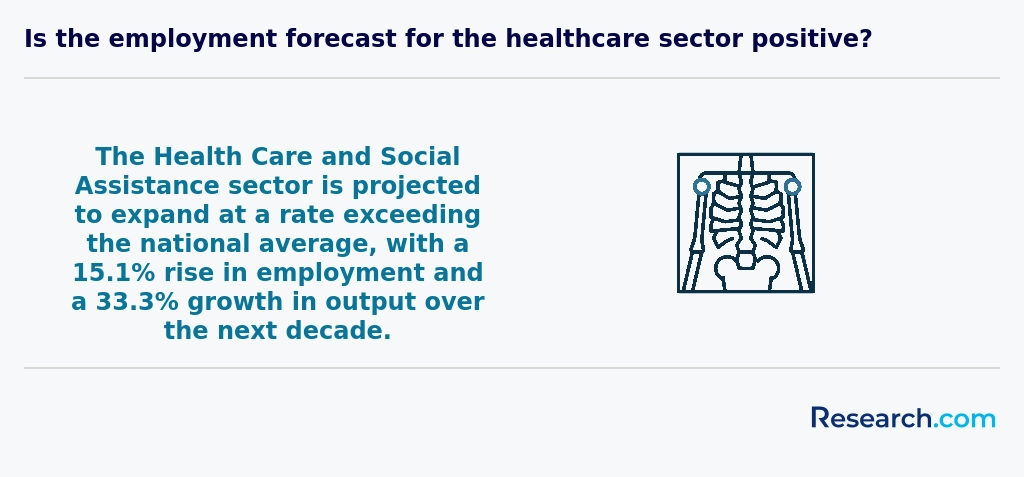
- Healthcare jobs in Jersey City and Hudson County are expected to grow by about 15% in the next ten years.
- Starting salaries vary by role, with registered nurses earning around $65,000 yearly and allied health professionals starting near $50,000.
- Experienced healthcare workers can earn over $100,000 annually in advanced practice or management positions.
How long does it take to complete healthcare degree in Jersey City?
Completing a healthcare degree in Jersey City is an empowering journey that typically spans from 2 to 6 years, depending on your chosen path. Many graduates have found that earning an Associate Degree in Healthcare, like the Associate of Science in Nursing from Hudson County Community College, takes about 2 years full-time-fast-tracking them into meaningful entry-level roles where they begin making a difference immediately.
For those aiming higher, pursuing a Bachelor of Science in Nursing or Health Sciences at New Jersey City University usually requires around 4 years of dedicated study. Graduates often share how this time cultivates both deep knowledge and confidence, preparing them to take on rewarding clinical responsibilities.
Pushing further into leadership or specialized practice, students embracing master's and doctoral degrees experience 2 to 6 more years of inspiring growth, balancing study with valuable clinical experiences unique to Jersey City's healthcare community. These timelines are not just numbers-they reflect a transformative investment that countless students celebrate as the foundation for their lifelong, impactful careers.
Accreditation and Program Quality
Accreditation serves as the cornerstone of a reputable healthcare education, ensuring that programs in Jersey City, NJ meet rigorous academic and professional standards. Prospective students should verify both regional accreditation (e.g., Middle States Commission on Higher Education) and programmatic accreditation-such as the Commission on Accreditation of Healthcare Management Education (CAHME) for healthcare administration or the Accreditation Commission for Education in Nursing (ACEN) for nursing degrees. These endorsements guarantee that curricula are up-to-date with industry best practices, prepare graduates for licensure exams, and enhance employability among top healthcare providers. When evaluating program quality, look for institutions with transparent reporting of graduation rates, board pass rates, and graduate employment outcomes. Many accredited schools also participate in continuous improvement processes, leveraging feedback from advisory boards composed of local hospital administrators and public health leaders. For students seeking flexible pathways, consider exploring our Affordable Online Healthcare Degree Programs Ranking in Orange Beach, AL, which highlights fully accredited online options recognized for excellence in curriculum design and student support services. By prioritizing accreditation and demonstrable program quality, you’ll secure a solid foundation for a successful healthcare career.
What's the difference between online and on-campus healthcare degree?
Choosing between online and on-campus healthcare degrees in Jersey City means embracing your unique journey toward a rewarding career. Online programs, like those offered through Saint Peter's University, give students the freedom to learn from home-perfect for working adults balancing family and job commitments. Imagine completing coursework during your own schedule while still progressing confidently toward your goals.
On the other hand, graduates of Jersey City Medical Center School of Nursing often praise the vibrant campus life and hands-on clinical experiences that build essential skills. Picture yourself in a dynamic lab, directly interacting with instructors and peers, gaining real-world practice that boosts your confidence in nursing or allied health professions.
Both paths are backed by accredited programs focused on your success. With New Jersey's healthcare job market growing by 13% through 2030, your choice-whether flexible online learning or immersive on-campus engagement-opens doors to a bright future in this vital field.
Navigating the Admissions Process and Application Tips
Embarking on your healthcare education journey in Jersey City, NJ, begins well before the first day of class. It’s essential to understand the application process and admissions tips that can pave the way to your success. Applicants should ensure their transcripts, letters of recommendation, personal statements, and standardized test scores clearly reflect their passion and readiness for a healthcare career. Many institutions offer workshops and webinars geared towards demystifying complex application timelines and requirements, so taking advantage of these resources can greatly boost your confidence during the admission process. Additionally, prospective students are encouraged to research financial planning strategies early on. For example, exploring options such as the cheapest healthcare schools in new jersey can help balance quality education with manageable tuition costs. Understanding deadlines, garnering professional or volunteer experiences, and preparing for interviews by practicing common questions can further enhance your application. By integrating these key steps, you not only streamline the admissions process but also set a strong foundation for a fulfilling academic and professional journey in healthcare.
What is the average cost of healthcare degree in Jersey City?
The average healthcare degree cost in Jersey City offers a promising investment in your future. For many local students attending institutions like Hudson County Community College or Saint Peter's University, the median in-state total cost is around $18,383. This figure represents the combined tuition and fees typically required to complete programs that prepare students for rewarding careers in nursing, health administration, or allied health fields.
Graduates often share how investing in their education felt challenging yet worthwhile, especially knowing their skills will help improve community health. For example, those who studied nursing at a community college appreciated the more affordable tuition paired with hands-on clinical practice, which built their confidence and readiness for real-world healthcare settings. Others who pursued bachelor's degrees at Jersey City universities recognized the higher tuition as a stepping stone to higher salaries and fulfilling roles in the healthcare system.
While the median total cost can reach $34,460 for out-of-state students, in-state residents benefit from significantly lower expenses, making healthcare education accessible to many. Additional costs like books, supplies, and exam fees are part of the journey but are far outweighed by the rewarding career opportunities that follow. Aspiring students looking for a solid starting point can explore the cheapest healthcare schools in new jersey to find programs that fit their budget while delivering quality education.
Understanding Jersey City healthcare degree expenses in this light reveals not just costs but an exciting pathway toward impactful and stable employment in a growing industry. This balance of affordability and opportunity helps make healthcare degrees a smart and inspiring choice for local students.

How to Apply for Healthcare Degree Programs in Jersey City, NJ: A Step-by-Step Guide
Navigating the application process for a healthcare degree in Jersey City can feel overwhelming, but following a clear roadmap ensures you meet all requirements and deadlines. 1. Research and Program Selection - Compare accredited institutions like New Jersey City University and Hudson County Community College. - Review specialization options-from Health Care Informatics to Patient Advocacy-and consider allied fields such as physical therapy assistant associate degree programs for hands-on clinical training. 2. Confirm Prerequisites and Deadlines - Verify required coursework (biology, chemistry, algebra) and standardized test scores (SAT/ACT if applicable). - Note application windows: fall-semester deadlines often fall between January and March, while spring admissions may close in October. 3. Gather Application Materials - Prepare transcripts, proof of high school diploma or GED, and test score reports. - Draft a compelling personal statement that highlights your passion for healthcare and any volunteer or work-study experiences. - Request two to three letters of recommendation from instructors or healthcare supervisors who can attest to your commitment and skills. 4. Complete and Submit the Application - Use each institution’s online portal to upload documents, pay application fees, and track submission status. - Double-check that all fields are accurate-typos or missing attachments can delay review. 5. Apply for Financial Aid and Scholarships - Complete the FAFSA as soon as possible for priority consideration of federal grants and loans. - Research institutional scholarships, state grants, and work-study opportunities to offset tuition. 6. Prepare for Interviews or Placement Tests - Some programs may require campus interviews or placement assessments in English and math. - Practice common interview questions about your motivation for a healthcare career and scenarios demonstrating empathy under pressure. 7. Follow Up and Prepare for Enrollment - Confirm acceptance and review any enrollment deposits or orientation schedules. - Arrange housing if studying on-campus, or verify technology requirements for online courses. By adhering to this structured approach, you’ll strengthen your application and set the stage for a successful start to your healthcare education in Jersey City, NJ.
What financial aid is available to healthcare degree students in Jersey City?
Many healthcare students in Jersey City find hope through federal financial aid by completing the FAFSA, unlocking access to grants, loans, and work-study opportunities. Imagine a nursing student at New Jersey City University relieved by a Pell Grant covering much of their tuition, allowing them to focus fully on their clinical work without financial stress.
State programs like New Jersey's Tuition Aid Grant and Garden State Scholarship also brighten the path for local students. For example, a graduate from Hudson County Community College once shared how TAG helped them afford classes while balancing a part-time job and family life.
Scholarships tailored to healthcare fields offered by these institutions further ease the journey, rewarding dedication and hard work. Many graduates remember receiving awards that celebrated their commitment, fueling their passion to make a difference in patient care.
Employer tuition assistance is another valuable resource, especially for those already working in healthcare. A hospital employee pursuing a degree found enormous encouragement from tuition reimbursement, turning dreams into achievable goals.
National scholarships from organizations like the AACN can also empower Jersey City students to pursue their ambitions with confidence and pride.
Campus Life and Student Support in Healthcare Programs
The healthcare education journey extends far beyond the classroom, with colorful campus life and comprehensive student support services playing a vital role. Aspiring healthcare professionals in Jersey City benefit from vibrant campus cultures that combine academic excellence with real-world exposure through health fairs, community service events, and student-led initiatives. These experiences foster practical skills, build professional networks, and ease the transition from academia to the workforce. Many institutions even offer specialized career counseling, mentorship programs, and stress-relief activities that promote well-rounded development. In some of the cheapest healthcare schools in new jersey, students enjoy modern simulation labs, collaborative learning spaces, and regular networking events with industry leaders, ensuring that both technical expertise and soft skills are honed concurrently. This robust support system ultimately cultivates resilience and prepares graduates to thrive in the ever-evolving world of healthcare.
What are the prerequisites for enrolling in healthcare degree program in Jersey City?
To enroll in a healthcare degree program in Jersey City, students typically need a high school diploma or GED, with strong foundations in biology, chemistry, and math. Many graduates recall how these prerequisites prepared them for the hands-on, rewarding experiences they had at local institutions like Hudson County Community College or New Jersey City University.
Standardized tests such as the SAT or ACT might be required by some schools, though many have adopted flexible, test-optional policies. This helps make the path to healthcare education more accessible for diverse learners eager to make a difference.
Healthcare programs often ask for prerequisite courses in anatomy, physiology, and general chemistry. Graduates often emphasize how mastering these subjects built their confidence during clinical placements in Jersey City's thriving healthcare network.
- Proof of immunizations and clean health records ensure safety for all during real-world training.
- Background checks and drug screenings help maintain patient trust and program integrity.
- A minimum GPA around 2.5 to 3.0 reflects dedication and readiness.
- Personal statements and recommendation letters allow students to share their passion and aspirations.
These requirements unite to create a positive, well-prepared community of learners ready to serve Jersey City's vibrant healthcare sector.
Campus Life and Student Support
Prospective healthcare students in Jersey City not only need an excellent academic program but also a vibrant campus environment and robust support services that foster personal growth and professional readiness. Campus life plays a pivotal role in shaping a well-rounded educational experience, from state-of-the-art facilities to comprehensive career counseling and extracurricular engagement. Many institutions in Jersey City have designed programs that extend beyond classroom learning, offering peer mentorship, specialized workshops, and networking events that connect students with local healthcare professionals. These initiatives help bridge the gap between theoretical knowledge and real-world application, allowing students to gain hands-on experience and build lifelong connections. Students also benefit from access to tailored resources that ease the transition into the healthcare field. For instance, partnering with innovative online platforms-like medical assistant online classes-provides an alternative pathway for those who prefer flexible learning schedules. Enhanced student support services, including tutoring centers, mental health counseling, and dedicated faculty advisors, ensure that every student’s well-being is prioritized throughout their academic journey. This comprehensive approach makes campus life in Jersey City not only about academic achievement but also about developing the critical soft skills necessary to thrive in the dynamic healthcare industry.
What courses are typically in healthcare degree programs in Jersey City?
Healthcare degree programs in Jersey City fill your schedule with empowering courses designed to spark your passion and prepare you for a fulfilling career. From the start, you'll dive into anatomy and physiology, gaining a deep understanding of the human body that energizes your commitment to caring for others. Many graduates from well-known local colleges recall how microbiology classes vividly brought the invisible world of pathogens to life, making every lesson feel vital.
Courses in healthcare ethics and law gently guide you to appreciate the importance of patient rights and legal responsibilities, which are especially relevant in Jersey City's diverse healthcare environment. As you progress, pharmacology and medical terminology equip you with practical tools-imagine confidently communicating in a clinical setting or understanding medication effects with clarity and empathy.
Popular programs also integrate public health and healthcare administration, reflecting Jersey City's unique urban community. Graduates often share how hands-on labs and clinical practice helped them transform textbook knowledge into real-life skills, boosting their confidence to serve patients effectively. These courses, paired with lessons in healthcare technology, prepare you to thrive in today's fast-evolving medical landscape.
What types of specializations are available in healthcare degree programs in Jersey City?
Healthcare degree specializations Jersey City students pursue reflect the city's vibrant healthcare landscape and commitment to community well-being. Many graduates from local colleges find themselves thriving in popular programs such as nursing, where they start as Registered Nurses (RN) and often advance to Nurse Practitioner roles. Their stories often highlight the deep satisfaction of meeting urgent healthcare needs in bustling urban settings.
Public health programs also inspire students who are passionate about addressing health disparities in Jersey City's diverse neighborhoods. These programs teach skills to support local government and nonprofit initiatives, empowering graduates to make meaningful impacts. Healthcare administration is another dynamic specialization, preparing students to manage hospitals and medical centers efficiently, a career path known for rewarding leadership opportunities and solid earning potential.
Additional popular options include physical therapy, medical laboratory science, and health informatics, all accessible through top Jersey City healthcare degree programs. Some students even accelerate their careers by enrolling in medical assistant online classes, fitting studies into busy schedules while building critical skills.
How do you choose the best healthcare degree in Jersey City?
Choosing the best healthcare degree in Jersey City means focusing on programs that connect you directly with the city's vibrant medical community. Graduates from popular colleges often share how hands-on clinical experiences at local hospitals transformed their learning, making each day feel like a step closer to a fulfilling career. Accreditation plays a key role-programs recognized by top agencies guarantee a quality education that employers trust. Whether you're aiming for a bachelor's or exploring the physical therapy assistant associate degree programs, Jersey City offers diverse options tailored to your ambitions.
Many students appreciate how affordable healthcare degrees Jersey City provide opportunities through flexible schedules and financial aid, helping to balance work, family, and studies. Reflecting on graduates' journeys, the strong local partnerships ensure real-world readiness and confidence. Choosing a program here means more than classes-it's joining a supportive community where your passions for healthcare are truly nurtured.

What career paths are available for healthcare degree students in Jersey City?
Graduates with a healthcare degree in Jersey City find exciting and diverse career paths that match their passion and skills. Many registered nurses and nurse practitioners from local universities thrive in hospitals and outpatient clinics, providing compassionate care that changes lives daily. Allied health roles like medical technologists and respiratory therapists offer graduates opportunities to make a technical impact behind the scenes, supporting patient recovery in dynamic environments. Students pursuing healthcare career opportunities in Jersey City often highlight how well-rounded programs at local colleges equip them for these versatile roles.
Healthcare administration is another rewarding path, perfect for those eager to lead and innovate within the region's growing healthcare network. Community health roles also inspire graduates to promote equity and wellness, working closely with populations to create meaningful change. Physical and occupational therapists enjoy fulfilling careers helping patients regain independence, a journey many Jersey City graduates are proud to contribute to.
- Healthcare informatics specialists are also in demand, combining clinical knowledge with technology to improve patient care systems.
For students weighing options, exploring the Affordable Online Healthcare Degree Programs Ranking in Orange Beach, AL can provide insight into smart educational investments that open doors to these vibrant career fields. With so many routes available, healthcare degree job prospects in Jersey City are bright and full of promise.
What is the job market for healthcare degree in Jersey City?
The healthcare job market in Jersey City is vibrant and promising for degree holders seeking rewarding careers. Graduates from local institutions often find themselves stepping confidently into roles at renowned facilities like Jersey City Medical Center, where demand for nursing and healthcare administration professionals continues to rise. This strong growth, particularly in Registered Nursing with projections of 12% growth through 2030, means new graduates enjoy a steady flow of job opportunities and competitive salaries.
Jersey City healthcare degree employment outlook is especially bright for those skilled in health information technology and medical service management-fields expanding rapidly due to technological advances and regulatory needs. Many graduates appreciate how practical training at local colleges prepares them for these roles, making their transition into the workforce smooth and encouraging.
For those eager to accelerate their path, exploring fast track degree programs online offers a fantastic way to enter this thriving sector sooner and contribute to the community's health with confidence and purpose.
Frequently Asked Questions About healthcare
Healthcare degree students in Jersey City can maximize their learning experience by actively engaging with local healthcare facilities, such as Jersey City Medical Center, which offers valuable clinical internship opportunities. Gaining practical experience in these settings complements classroom knowledge and enhances job readiness.
Additionally, students should take advantage of partnerships between educational institutions and nearby hospitals to access workshops and seminars led by industry professionals. According to the New Jersey Department of Labor, healthcare jobs in Hudson County are projected to grow by 15% through 2030, highlighting the importance of building strong networks early.
Joining student organizations focused on healthcare can further develop teamwork and leadership skills essential for careers in this industry.
Emerging niches within the healthcare field in Jersey City reflect nationwide trends driven by technological advancements and demographic changes. One fast-growing area is telehealth, which expanded rapidly during the COVID-19 pandemic. According to the New Jersey Department of Health, telehealth usage increased by over 50% between 2019 and 2022, creating demand for professionals skilled in remote patient care and digital health technologies.
Another expanding niche is geriatric care, driven by New Jersey's aging population. The U.S. Census Bureau reports that the proportion of residents over 65 in Jersey City is expected to grow by 20% by 2030, increasing the need for specialized care providers.
Additionally, genetic counseling and health informatics are gaining traction as hospitals and clinics invest in precision medicine and data management systems. These fields combine clinical knowledge with technology, offering new career paths for healthcare graduates.
After completing a healthcare degree in Jersey City, preparing for the job market involves several key steps to increase employment chances. First, gaining hands-on experience through internships or clinical placements, often facilitated by local institutions like Jersey City Medical Center, can be crucial. Networking within Jersey City's healthcare community helps as the metropolitan area has a growing demand for healthcare professionals-employment in healthcare occupations is projected to grow by 15% over the next decade according to the U.S. Bureau of Labor Statistics.
Additionally, obtaining relevant certifications and licenses required in New Jersey enhances job prospects. Online platforms and local workshops offer continuing education to keep skills up-to-date.
Finally, leveraging career services at your educational institution and attending local healthcare job fairs in Jersey City provides access to employers actively hiring in hospitals, outpatient centers, and public health organizations.
Employers in Jersey City highly value healthcare degree graduates with strong clinical skills and effective communication. In a diverse city, cultural competence is essential to provide quality care to varied patient populations. According to the New Jersey Department of Labor, healthcare occupations are projected to grow by 15% through 2030, intensifying demand for graduates with adaptability and teamwork abilities.
Technical proficiency, including electronic health record (EHR) management, is increasingly sought after. The state's emphasis on patient safety also highlights critical thinking and problem-solving skills as top priorities. Employers prefer candidates who demonstrate professionalism and ethical understanding, reflecting national healthcare standards.
Finding internships in Jersey City relevant to a healthcare degree involves several strategic steps. Start by exploring local healthcare institutions such as Jersey City Medical Center, which is part of the RWJBarnabas Health system, employing thousands and offering internship opportunities. Connecting with university career centers like those at New Jersey City University can provide tailored guidance and partnerships with local hospitals and clinics. Additionally, utilizing platforms like the New Jersey State Department of Health's resources can help identify authorized programs. According to NJ Health Stats (2023), healthcare internship openings in Hudson County increased by 12% over the last year, reflecting growing opportunities for students in this field.
Obtaining a healthcare degree in Jersey City significantly enhances career mobility and advancement opportunities. The city's growing healthcare sector, supported by institutions like Jersey City Medical Center, demands skilled professionals across nursing, healthcare administration, and allied health fields. According to the U.S. Bureau of Labor Statistics, healthcare occupations in the New York-New Jersey area are projected to grow by 15% from 2020 to 2030, outpacing many other sectors.
Graduates with accredited degrees often qualify for higher-level positions and specialized roles, making them more competitive in the local job market. Many employers in Jersey City prefer candidates with formal healthcare education due to stringent licensing requirements.
Moreover, earning a healthcare degree lays a foundation for further certifications or advanced degrees, which can lead to leadership roles or specialized clinical careers.
Studying for a healthcare degree in Jersey City offers significant preparation for interdisciplinary roles due to the city's diverse patient population and proximity to major medical centers. Programs often emphasize collaboration among nursing, public health, and allied health disciplines, reflecting real-world care teams. According to the New Jersey Department of Health, Jersey City's healthcare workforce frequently engages in interdisciplinary practices to address complex urban health challenges, such as chronic diseases and social determinants of health.
Local institutions integrate clinical experiences at hospitals like Jersey City Medical Center, where students learn teamwork with physicians, social workers, and therapists. This exposure helps graduates develop communication and problem-solving skills essential for interdisciplinary roles. Furthermore, accreditation standards from bodies like the Commission on Accreditation of Allied Health Education Programs (CAAHEP) ensure curricula meet evolving healthcare demands, fostering well-rounded professionals ready for collaborative environments.
When choosing between a thesis and a non-thesis healthcare degree program in Jersey City, consider your career goals carefully. A thesis program emphasizes research, requiring students to complete an original study, which can be beneficial if you aim for a career in academia or research institutions.
Non-thesis programs focus more on practical skills and coursework, often preferred by those seeking direct employment in clinical or administrative healthcare roles. Jersey City's healthcare sector, with its growing hospitals and clinics, values hands-on experience, making non-thesis options attractive for many.
Additionally, thesis programs may take longer to complete, while non-thesis paths often offer more flexible timelines.
Students based in Jersey City interested in studying healthcare abroad have several options to consider within the U.S. higher education system. Many universities offer exchange programs or partnerships with institutions overseas, allowing students to complete part of their healthcare education internationally. For example, nursing and public health programs often include clinical rotations or internships in foreign countries, providing valuable global experience.
Additionally, some U.S. institutions provide accelerated healthcare degrees with international components, which can enhance cultural competence vital for Jersey City's diverse population. According to the National Center for Education Statistics, such programs have increased in popularity over the past five years.
Financial aid and scholarships specifically for study abroad in healthcare fields are also available, supporting Jersey City students in gaining global perspectives without excessive cost.
Part-time job opportunities in Jersey City can greatly enhance practical learning for students pursuing healthcare degrees. Positions such as medical assistants, home health aides, and pharmacy technicians are widely available in local hospitals and clinics. According to the New Jersey Department of Labor, healthcare support roles are expected to grow by over 15% through 2028 in Hudson County, which includes Jersey City.
Working in these roles allows students to develop hands-on skills, understand patient care protocols, and build professional networks. Additionally, administrative positions in healthcare facilities can improve knowledge of medical billing and health information management, complementing academic studies effectively.
Healthcare students in Jersey City benefit from vibrant networking opportunities supported by the city's strong healthcare industry. Organizations like the Hudson County Chamber of Commerce regularly host events that connect students with local healthcare professionals. Jersey City also has affiliations with major medical centers such as Jersey City Medical Center, offering internships and clinical placements that foster professional relationships.
Additionally, nearby universities and colleges frequently organize healthcare-focused seminars and career fairs, drawing regional experts and recruiters. According to the New Jersey Department of Labor, healthcare is among the top growing employment sectors in Hudson County, highlighting the importance of networking for job placement. Students are encouraged to join groups like the Students' Healthcare Association to enhance connections early in their education.
Alumni networks offer significant benefits to healthcare degree students in Jersey City by providing valuable connections within the local medical community. These networks often facilitate mentorship opportunities, which can help students navigate clinical internships and job placements effectively. According to the National Association of Colleges and Employers, 85% of jobs are filled through networking, emphasizing alumni connections' importance in healthcare hiring.
Jersey City hosts several hospitals and healthcare centers, making strong alumni ties crucial for internships and employment. Alumni can also share insights about licensing exams and continuing education, enhancing student success rates. Access to experienced graduates helps students understand industry trends and local healthcare demands in New Jersey.
Customizing a healthcare degree program in Jersey City involves selecting courses and experiences aligned with your career goals. Many local institutions offer flexible curricula allowing students to focus on areas such as nursing, public health, or healthcare administration. For example, internships with Jersey City Medical Center and other nearby facilities provide practical experience directly relevant to your field.
Students can also choose elective courses in healthcare technology or community health, both growing sectors regionally. According to the New Jersey Department of Labor, healthcare jobs in Hudson County are projected to grow by 12% through 2030, emphasizing demand for specialized skills.
Additionally, programs frequently support part-time or evening classes, accommodating working professionals aiming to advance their careers without pausing employment.
Healthcare students in Jersey City commonly face a range of challenges throughout their education. One major hurdle is balancing rigorous coursework with clinical practice hours mandated by accredited programs. This can lead to high levels of stress and time management difficulties. Additionally, the cost of living in Jersey City is notably high, which adds financial pressure on students who often rely on loans or part-time jobs.
Access to sufficient local clinical placements can also be competitive, given the city's dense healthcare industry and growing population. According to the New Jersey Department of Labor, healthcare occupations in Jersey City are expected to grow by 12% through 2030, intensifying demand for training sites.
Finally, students may experience challenges related to adapting to evolving healthcare technologies and meeting licensure exam requirements, which require sustained effort and support.
With a healthcare degree in Jersey City, graduates can pursue various professional certifications that enhance job opportunities and expertise. Common certifications include Certified Nursing Assistant (CNA), Registered Nurse (RN), and Certified Medical Assistant (CMA), which are widely recognized in local hospitals like Jersey City Medical Center.
For specialized roles, certifications such as Certified Professional in Healthcare Quality (CPHQ) or Emergency Medical Technician (EMT) are valuable. According to the New Jersey Department of Health, demand for certified healthcare professionals in Jersey City is expected to grow by over 15% through 2030.
These certifications typically require passing an exam and fulfilling clinical experience hours.
Writing a winning application for a healthcare program in Jersey City requires careful preparation and attention to detail. Start by researching the specific program requirements at local institutions, such as New Jersey City University or Hudson County Community College, to tailor your application accordingly. Emphasize relevant experience, including volunteering or work in healthcare settings, as practical exposure is highly valued. According to the New Jersey Department of Labor, healthcare jobs in the region are growing faster than the national average, highlighting strong program demand.
Strong letters of recommendation and a clear personal statement outlining your motivations and career goals also enhance your chances. Ensure your academic records meet the prerequisites and consider highlighting any certifications or special skills that align with healthcare professions popular in Jersey City, such as nursing or medical assisting.
The global perspective on healthcare careers emphasizes the increasing demand for skilled professionals due to aging populations and rising chronic diseases worldwide. In the United States, healthcare occupations are projected to grow 13% from 2021 to 2031, much faster than average for all occupations, according to the U.S. Bureau of Labor Statistics.
Jersey City, with its diverse population and proximity to major medical hubs, offers unique opportunities for healthcare students. According to the New Jersey Department of Health, the city's healthcare sector has expanded significantly, reflecting broader nationwide trends.
Internationally, healthcare careers are valued for their contribution to public health and economic stability. Advanced degrees can enhance mobility and opportunities, with common fields including nursing, public health, and health administration. Understanding these dynamics helps students make informed decisions about their education and career paths.
Gaining practical experience while studying for a healthcare degree in Jersey City is essential to prepare for a successful career. Many local colleges collaborate with nearby hospitals, such as Jersey City Medical Center, to offer clinical internships and residency programs. These opportunities allow students to apply theoretical knowledge in real-world settings under professional supervision.
The city's healthcare industry is growing, with over 12,000 employees in medical and social assistance sectors, increasing demand for trained professionals who have hands-on experience.
Additionally, students can participate in community health initiatives or join volunteer programs at local clinics, enhancing their skills and professional networks.
Choosing the right concentration within a healthcare degree program in Jersey City involves evaluating personal interests, job market trends, and local industry needs. Healthcare specialties such as nursing, public health, and health administration are popular in the area, reflecting demand from nearby hospitals and clinics. According to the New Jersey Department of Labor, healthcare occupations in Hudson County are projected to grow by 15% over the next decade, especially in nursing and allied health fields.
Consider your strengths and career goals by researching job placement rates and salary data for specific concentrations. Networking with local healthcare professionals or advisors can also provide insights into which specialties offer strong career prospects in Jersey City.
Related Healthcare Rankings for Nearby Cities
- 2027 Best Healthcare Degree Programs Ranking in New York
- 2027 Best Healthcare Degree Programs Ranking in Brooklyn
- 2027 Best Healthcare Degree Programs Ranking in Bronx
- 2027 Best Healthcare Degree Programs Ranking in Queens
- 2027 Best Healthcare Degree Programs Ranking in New Haven
- 2027 Best Healthcare Degree Programs Ranking in Philadelphia
- 2027 Best Healthcare Degree Programs Ranking in Scranton
- 2027 Best Healthcare Degree Programs Ranking in Wilkes-Barre
- 2027 Best Healthcare Degree Programs Ranking in Albany
- 2027 Best Healthcare Degree Programs Ranking in Providence
Top Trending Healthcare Rankings
See What Experts Have To Say About Studying Healthcare
Read our interview with Healthcare experts

References
- College Financial Assistance & Scholarships - Hudson Catholic Regional High School - Jersey City, NJ https://hudsoncatholic.org/financial-assistance-scholarships
- Medical Assistant Certification Jersey City New Jersey - NPS https://npscerts.com/medical-assistant-certification-jersey-city-new-jersey/
- 3 Health Care Assistant cover letter examples [Get noticed] https://standout-cv.com/cover-letter-examples/health-care-assistant
- The Value of Healthcare Organization Alumni Associations https://consultqd.clevelandclinic.org/the-value-of-healthcare-organization-alumni-associations
- Charges https://www.rwjbh.org/jersey-city-medical-center/billing/charges/
- Welcome to the Upstate Nursing Alumni Association! https://www.upstatefoundation.org/NursingAlumni
- How to Set and Achieve Career Goals in Health and Social Care | Royal Open College https://royalopencollege.org/blog/health-and-social-care/how-to-set-and-achieve-career-goals/
- Home Page - Eastern International College https://eicollege.edu/
- Know more about thesis vs non- thesis: what is the difference? https://studyfans.com/en/blogs/816
- How to Create a Healthcare Career Roadmap https://www.ihire.com/resourcecenter/jobseeker/pages/how-to-create-a-healthcare-career-roadmap


