
2027 Best Healthcare Degree Programs Ranking in Madison

Co-Founder and Chief Data Scientist
Choosing the right healthcare degree program can shape your future and open doors to rewarding careers. In this article, you'll find the 2027 Best Healthcare Degree Programs Ranking in Madison, carefully compiled by the Research.com team of data scientists. This ranking helps you make an informed decision about which programs stand out in quality and value.
Exploring these options can bring confidence and excitement as you plan your educational journey. Whether you're just starting or looking to advance, understanding these programs is a meaningful step toward a fulfilling career in healthcare.
Key benefits of getting healthcare degree in Madison
- Healthcare degree graduates in Madison can expect strong earning potential, with roles like Patient Care Technicians earning a mean annual wage of $60,790 and Quality Improvement Coordinators earning as much as $103,150.
- Graduates often find diverse career paths such as Medical Assistants, Health Information Technicians, or Clinical Research Coordinators, reflecting the variety of in-demand healthcare jobs available locally.
- Online healthcare degrees offer flexibility and accessibility, allowing students in Madison to balance work and study while gaining valuable skills, just like successful graduates from popular local universities.
- Key benefits of getting healthcare degree in Madison
- What can I expect from healthcare degree in Madison?
- Where can I work with healthcare degree in Madison?
- How much can I make with healthcare degree in Madison?
- 2027 Best Healthcare Degree Programs Ranking in Madison
- Key Findings
- How long does it take to complete healthcare degree in Madison?
- Expert Insights & Future Trends in Healthcare Education
- What's the difference between online and on-campus healthcare degree?
- Licensure and Certification Success Rates
- What is the average cost of healthcare degree in Madison?
- Clinical Training and Industry Partnerships
- What financial aid is available to healthcare degree students in Madison?
- Accelerated Healthcare Programs: Fast-Track Your Career
- What are the prerequisites for enrolling in healthcare degree program in Madison?
- Accreditation and Licensing
- What courses are typically in healthcare degree programs in Madison?
- What types of specializations are available in healthcare degree programs in Madison?
- How do you choose the best healthcare degree in Madison?
- What career paths are available for healthcare degree students in Madison?
- What is the job market for healthcare degree in Madison?
- Top Trending Healthcare Rankings
- See What Experts Have To Say About Studying Healthcare
What can I expect from healthcare degree in Madison?
The average cost of pursuing a healthcare degree in Madison typically ranges between $10,000 and $40,000 per year, depending on the institution and program level. Graduates from the University of Wisconsin-Madison often reflect on managing tuition fees alongside living expenses while appreciating the value of hands-on clinical experiences offered through local hospitals like UW Health University Hospital.
Many students share how scholarship opportunities and part-time internships at healthcare facilities help ease financial burdens, making education feel more accessible despite initial worries about cost. Community colleges offering associate degrees also provide affordable pathways into nursing and allied health fields, appealing to those looking to enter the workforce sooner.
As healthcare evolves, graduates foresee rising investments in technology-driven studies and interdisciplinary programs, which may influence future tuition but also prepare them for high-demand careers. The blend of rigorous academics with practical placements in Madison's vibrant medical community continues to create a fulfilling learning experience worth the financial commitment.
Where can I work with healthcare degree in Madison?
Graduates with a healthcare degree in Madison often find themselves thriving within the city's diverse medical landscape, ranging from the bustling University of Wisconsin Hospital and Clinics to smaller outpatient centers. Many graduates share stories of starting in nursing or clinical support roles at these institutions, quickly gaining hands-on experience that fuels their passion for patient care and medical innovation.
Others discover rewarding careers in rehabilitation centers or senior care services, sectors growing rapidly thanks to demographic shifts highlighted by Madison Area Technical College. These roles allow graduates to build meaningful connections while addressing real community needs, inspiring personal and professional growth.
Research-driven graduates are drawn to institutions like the Wisconsin Institutes for Medical Research, where collaboration with local hospitals sparks exciting breakthroughs. The city's public health departments further provide opportunities focused on prevention and community wellness, where graduates engage in impactful projects that improve population health.
With Madison's continual healthcare expansion, students feel optimistic about advancing their careers locally, embracing roles that blend clinical expertise, research, and public health advocacy in environments that value innovation and compassion.
How much can I make with healthcare degree in Madison?
Graduates from healthcare programs in Madison often find rewarding salary prospects that reflect the city's strong healthcare landscape. For example, a medical assisting graduate working in a local clinic typically earns around $43,350 annually, a steady entry point that supports early-career growth. Similarly, Health Information Technicians start near $43,380, often managing essential patient data for health systems like UW Health, which helps them build valuable skills.
Those pursuing clinical roles eagerly anticipate salaries near $60,790 as Patient Care Technicians, gaining hands-on experience in hospitals and community centers. Madison students often share excitement about the balance between meaningful patient care and a competitive wage.
Looking ahead, graduates moving into coordinator roles see a robust leap. Quality Improvement Coordinators, for instance, can expect to earn about $103,150 as they lead initiatives to enhance healthcare delivery. Many graduates from Madison's colleges feel motivated by these prospects, inspired by opportunities to innovate and advance local healthcare quality while securing strong financial futures.
2027 Best Healthcare Degree Programs Ranking in Madison
How do we rank schools?
Investing in your education is a significant decision that can shape your future, and the Research.com team understands the importance of making informed choices. To assist prospective students in Madison, we have meticulously developed the "2027 Best Healthcare Degree Programs Ranking in Madison." Our dedication to quality, credibility, and accuracy is demonstrated through thorough research and analysis conducted to create this ranking.
We utilized the following reputable data sources to ensure a comprehensive evaluation of healthcare degree programs:
By exploring this ranking, readers will gain valuable insights into the top healthcare degree programs in Madison, empowering them to make well-informed decisions about their educational futures. For a detailed explanation of our process, please visit our Research.com methodology page.


Key Findings
- Tuition for healthcare bachelor's degrees in Madison ranges from $10,000 to $20,000 per year at public universities, while private schools may charge over $30,000 annually.
- Additional expenses like books and living costs add several thousand dollars yearly to the total education cost.
- Entry-level salaries for nursing and allied health graduates typically start between $55,000 and $65,000 per year.
- Experienced professionals in physical therapy, medical technology, and healthcare administration can earn median salaries of $80,000 or more.
- The healthcare job market in Madison is growing faster than the national average due to an aging population and advances in medical care.
- Many programs offer clinical partnerships that provide practical experience and improve job placement after graduation.
How long does it take to complete healthcare degree in Madison?
Completing a healthcare degree in Madison typically matches the national average but feels uniquely achievable given the city's supportive learning environments. Graduates from the University of Wisconsin-Madison and Madison Area Technical College often describe the 2-year associate programs as intense yet rewarding, blending classroom knowledge with hands-on clinical experiences that quickly prepare them for entry-level roles.
Many bachelor's degree students share how the 4-year Nursing (BSN) or Health Sciences tracks balance rigorous coursework with meaningful practical training, making the commitment feel purposeful rather than daunting. They appreciate how staying local encourages strong community ties and access to renowned clinical partners.
For those pursuing advanced practice degrees, the additional 2 years required for master's programs can feel like an investment in a fulfilling future. Graduates often recall moments of growth during Physician Assistant or Nurse Anesthesia studies, energized by small cohort learning and real-world exposure in Madison's healthcare settings.
Finally, doctoral students embrace the flexibility of 3 to 6 years, often fitting research and leadership projects around personal and professional responsibilities. This timeline reflects not just academic rigor but a tailored path for each learner's ambitions within Madison's dynamic healthcare landscape.
Expert Insights & Future Trends in Healthcare Education
As the healthcare landscape rapidly evolves, staying ahead means not only mastering traditional clinical skills but also embracing innovative trends that are reshaping education and patient care. Experts in the field predict a surge in the integration of simulation-based learning, telemedicine, and artificial intelligence in healthcare curricula, offering students immersive, hands-on experiences that closely mimic real-world scenarios. These advances not only enhance learning outcomes but also ensure that graduates are well-prepared for modern challenges in their careers. This section dives into how local institutions in Madison, WI, are adapting to these changes and what future healthcare students can expect. Workshops on digital health tools, collaborations with tech companies, and updated course modules focusing on virtual patient care are just a few examples of how programs are staying current. Additionally, some schools are increasingly recognized for their efforts to balance cost and quality education. For instance, reviews of the most affordable healthcare programs in wisconsin highlight innovative strategies that make advanced learning accessible without compromising on excellence. By understanding these trends, prospective students can make informed decisions, ensuring their education aligns with future job market demands and technological advancements that continue to redefine the scope of healthcare.
What's the difference between online and on-campus healthcare degree?
Online healthcare degrees in Madison offer unparalleled flexibility, letting students learn from their homes or workplaces while balancing busy schedules. Graduates from programs at local institutions like the University of Wisconsin-Madison often recall how being able to pause lectures and revisit materials eased their understanding of complex medical concepts. Yet, even with this convenience, in-person clinical hours at Madison's hospitals remain essential, blending digital learning with hands-on experience.
On-campus programs, meanwhile, create a vibrant learning atmosphere that many students cherish. At popular colleges in Madison, students enjoy immediate access to professors and peers, fostering collaboration and lively discussions. The tangible feel of campus simulation labs sharpens practical skills, helping graduates feel confident stepping into real healthcare roles.
Future trends hint at hybrid models merging these strengths-digital accessibility with immersive, in-person training. This evolution could redefine healthcare education in Madison, making it more adaptable and community-connected than ever before.
Licensure and Certification Success Rates
Achieving high licensure and certification pass rates is a critical indicator of a program’s quality and its alignment with industry standards. At the University of Wisconsin–Madison and other leading institutions in Madison, WI, nursing graduates consistently report NCLEX-RN first-time pass rates above the national average of 85%. Similarly, Health Information Technology students often achieve Certification of Registered Health Information Technician (RHIT) pass rates exceeding 90%, reflecting rigorous curriculum and dedicated exam preparation workshops. Programs bolster student success through structured review sessions, question-bank access, and partnerships with local healthcare facilities for clinical simulations. For example, UW–Madison’s nursing department offers biweekly live-streamed tutorials and peer study groups that mirror exam conditions, while Madison College provides online modules focused on medical coding and compliance, ensuring graduates are fully prepared for industry certifications. Prospective students should consider not only program rankings but also post-graduation outcomes such as job placement and recertification support. Many graduates credit their success to mentorship initiatives and alumni networks that facilitate interview preparation and continuing education. For those interested in advancing to a master’s degree without breaking the bank, explore the Inexpensive Online Master's in Healthcare Degree Programs Ranking in Louisiana, which highlights programs offering strong certification support and flexible, affordable learning pathways. By prioritizing licensure exam performance and sustained professional development, Madison’s top healthcare degree programs demonstrate their commitment to producing competent, certified professionals ready to meet the evolving demands of the healthcare sector.
What is the average cost of healthcare degree in Madison?
For students pursuing a healthcare degree in Madison, understanding the typical financial commitment is key. The average total cost for completing such a program at institutions like the University of Wisconsin-Madison hovers around $13,450 for in-state students, while out-of-state learners often face a significantly higher figure, close to $55,617. This difference shapes the educational decisions of many considering local healthcare avenues.
Graduates often reflect positively on the value of their investment, noting how scholarships and financial aid helped manage the Madison healthcare degree tuition fees. One can imagine a student balancing rigorous coursework in nursing or health administration with budgeting efforts, all supported by merit-based awards or federal loans. The mix of classroom learning and clinical experiences enriches their journey, making the financial outlay feel worthwhile in the long term.
Looking ahead, emerging trends suggest that program costs might evolve as universities adapt to new healthcare demands and technologies. Students may find creative ways to lower expenses, such as online course components or partnerships between Madison colleges and healthcare providers. For those seeking affordable options, exploring the most affordable healthcare programs in wisconsin can open doors to quality education without overwhelming costs.
The average healthcare degree cost Madison reflects a balance between comprehensive education and the realities of tuition. As more prospective students engage with local institutions, the encouragement from alumni stories underscores the rewarding nature of these programs, despite the financial considerations involved.
Clinical Training and Industry Partnerships
Clinical experience is a cornerstone of any healthcare degree in Madison, WI, ensuring graduates are practice-ready and highly sought after by employers. Local institutions maintain formal partnerships with top healthcare providers-such as UW Health, SSM Health St. Mary’s, UnityPoint Health–Meriter, and the William S. Middleton Memorial Veterans Hospital-to deliver structured clinical rotations across diverse settings, from acute care to community clinics. Key features of clinical training:
- Hands-On Rotations: Students complete 600–800 supervised hours in inpatient, outpatient, and specialty care units, working alongside expert preceptors who guide assessments, treatment planning, and patient education.
- Simulation Labs: State-of-the-art simulation centers at the University of Wisconsin-Madison and Madison College replicate real-world scenarios, allowing learners to hone critical skills-such as IV insertion, wound care, and code response-before entering live clinical sites.
- Interprofessional Collaboration: Rotations often include interdisciplinary rounds, where nursing, physical therapy, pharmacy, and social work students collaborate on patient care, reflecting the teamwork valued in Madison’s healthcare community. Specialized Pathways For students interested in allied health roles-like physical therapy assistants-customized clinical tracks are available. These tracks integrate core coursework with dedicated practicum experiences and may be completed through flexible formats, including online pta associate degree programs, which combine remote instruction with local clinical placements. Outcomes and Support Graduates report that clinical partnerships directly lead to job offers: over 85% of UW-Madison nursing alumni receive full-time positions at partner hospitals within three months of graduation. Dedicated clinical coordinators assist with placement, ensure compliance with licensure requirements, and facilitate professional networking events-giving students a clear pathway from classroom to career.
What financial aid is available to healthcare degree students in Madison?
Healthcare students in Madison often find hope through a blend of financial aid options tailored to their unique needs. Graduates from the University of Wisconsin-Madison frequently recall how applying for FAFSA opened doors to federal grants like the Pell Grant, which, in 2024, offers up to $7,395 annually to ease tuition costs.
Loans remain a practical option, with many students appreciating the lower interest rates on Direct Subsidized Loans. Some even share relief stories about qualifying for loan forgiveness after committing to underserved healthcare roles in Wisconsin, easing long-term debt burdens.
State grants, especially the Wisconsin Higher Educational Aids Board's Wisconsin Grants, are often highlighted by graduates as a vital resource that kept them studying close to home. Local scholarships and partnerships with hospitals also create opportunities to earn while learning, reinforcing financial stability and real-world experience simultaneously.
Looking ahead, many envision expanded employer tuition assistance in Madison's vibrant healthcare sector, fueling career advancement and community growth with promising optimism.
Accelerated Healthcare Programs: Fast-Track Your Career
For students eager to enter the healthcare field without the long wait, accelerated programs offer an excellent alternative to traditional degree paths. These programs are designed to help motivated individuals complete essential training and certifications in a fraction of the usual time-often while maintaining flexibility through online options. By choosing an accelerated pathway, students can benefit from condensed curricula that focus on the most in-demand skills in healthcare, practical hands-on experiences, and direct entry into the workforce. Moreover, many institutions provide immersive learning environments where students gain real-world insights and valuable networking opportunities with local healthcare professionals. For example, exploring the fastest medical assistant programs can set you on a swift path to employment in various clinical settings. This comprehensive approach not only accelerates career entry but also equips graduates with the competencies that employers value in today’s competitive healthcare job market.
What are the prerequisites for enrolling in healthcare degree program in Madison?
Enrolling in a healthcare degree program in Madison often starts with having a high school diploma or equivalent, alongside strong foundations in biology and chemistry. Graduates from programs at renowned institutions like the University of Wisconsin-Madison recall how solid preparation in these subjects made the transition smoother and boosted their confidence when tackling advanced coursework.
Many students aiming for specialized fields, such as Physician Assistant or advanced Nursing degrees, share that completing an undergraduate degree with a competitive GPA was a crucial milestone. This academic rigor reflects the evolving focus on producing well-rounded professionals ready for complex healthcare environments.
Standardized test scores remain common but are increasingly optional. Several Madison colleges now prioritize a holistic review, including letters of recommendation and personal statements that showcase applicants' motivation and real-life experiences volunteering in clinics or hospitals. Graduates often emphasize how this personal commitment helped them stand out and contributed to their sense of purpose.
Further prerequisites like immunization records, background checks, and completion of specific science courses are routinely required, reinforcing Madison's commitment to both student and patient safety as well as practical readiness.
Accreditation and Licensing
Graduating from an accredited program ensures you’ll meet industry standards and qualify for state licensure exams in Wisconsin. Before enrolling, verify both regional accreditation and programmatic approval:
- Commission on Collegiate Nursing Education (CCNE) or Accreditation Commission for Education in Nursing (ACEN) for nursing degrees
- Council on Education for Public Health (CEPH) for public health programs
- Commission on Accreditation for Health Informatics and Information Management Education (CAHIIM) for health informatics
- Commission on Accreditation of Allied Health Education Programs (CAAHEP) for clinical laboratory and allied health specialties
Once your program is complete, prepare for required exams-such as the NCLEX-RN for nurses or the CPH exam for public health professionals-and apply for licensure through the Wisconsin Department of Safety and Professional Services. For those seeking cost-effective certification paths, consider a low cost medical coding and billing online program.
What courses are typically in healthcare degree programs in Madison?
Healthcare degree programs in Madison typically include courses like anatomy, physiology, microbiology, and pharmacology that build a strong foundation in understanding the human body. Graduates from local institutions often share how mastering these subjects gave them confidence during clinical rotations at places such as the University of Wisconsin Hospital and Clinics, preparing them for real patient interactions.
Students also dive into healthcare ethics, law, and communication, essential for navigating patient rights and teamwork in fast-paced medical environments. One graduate recalled that learning healthcare informatics and clinical simulation was a game changer, making them comfortable with cutting-edge technology and real-life scenarios before entering the workforce.
Emerging topics like telehealth and data analytics are increasingly integrated into Madison's programs, reflecting the city's innovation in healthcare. Courses in healthcare management and quality improvement are also common, helping students prepare for leadership roles in both hospitals and community health settings, making the learning experience relevant and inspiring for future healthcare professionals.
What types of specializations are available in healthcare degree programs in Madison?
Healthcare degree specializations in Madison extend across a dynamic range of fields, empowering students to match their passions with emerging industry needs. Graduates from the University of Wisconsin-Madison often reflect on how focusing on Nursing or Public Health opened personal doors into community-oriented careers, where empathy meets impactful service. Others pursuing Health Informatics have found excitement integrating cutting-edge technology with patient data, anticipating how digital transformation will redefine healthcare delivery in the coming years.
Madison healthcare program specialization options also include Physical Therapy and Pharmacy, where graduates highlight a sense of fulfillment from hands-on patient recovery and pharmaceutical innovation. Moreover, Healthcare Administration remains a popular path for those drawn to shaping healthcare management and policy, inspired by the evolving economic and legal landscapes of the sector. For students eager to enter the workforce quickly, some turn to the fastest medical assistant programs, balancing their ambition with practical timelines to begin meaningful careers.
How do you choose the best healthcare degree in Madison?
Choosing the best healthcare degree programs Madison offers starts with envisioning your future in a rapidly evolving field. Graduates from UW-Madison often reflect on how their hands-on clinical experiences at UW Health shaped their confidence and practical skills, making the transition to professional roles smoother. Madison's strong community partnerships with hospitals provide invaluable real-world training, helping students feel prepared and optimistic about their career paths.
Affordable healthcare degrees in Madison can be a strategic choice, especially when considering the average in-state tuition and the quality of accredited programs. Many students appreciate that the tuition costs remain manageable without compromising access to national certification preparation or internships, fueling a sense of security about their investment.
For those exploring different entry points into healthcare, options like online pta associate degree programs can offer flexible paths that accommodate work and study. These programs reflect an emerging trend toward hybrid learning models that allow students to tailor education to their lifestyles while ensuring strong clinical competency.
What career paths are available for healthcare degree students in Madison?
Graduates from healthcare programs at well-regarded Madison institutions often discover a wide spectrum of healthcare career opportunities in Madison emerging as the city's medical landscape evolves. Registered nursing remains a dominant path, with alumni expressing enthusiasm about hands-on roles in local hospitals where technology and patient-centered care are advancing rapidly. Meanwhile, allied health fields like radiologic technology and respiratory therapy open doors to dynamic jobs that blend clinical expertise with cutting-edge equipment. For many, pursuing public health or healthcare administration sparks excitement, especially given Madison's collaborative environment between community agencies and top universities. Graduates in these areas frequently find themselves shaping innovative wellness programs that impact Dane County's diverse population.
In addition, the growth in specialized fields such as physical therapy and pharmacy creates avenues for those eager to leverage advanced degrees. Students often highlight how real-world internships facilitated by Madison colleges prepare them well for roles that combine science and compassion. For any aspiring professional weighing tuition versus potential income, exploring options like the Inexpensive Online Master's in Healthcare Degree Programs Ranking in Louisiana provides practical guidance. This insider knowledge reassures students as they navigate promising Madison healthcare degree job prospects.
What is the job market for healthcare degree in Madison?
The healthcare job opportunities in Madison are expanding steadily, driven by the city's role as a medical hub. Graduates from the University of Wisconsin-Madison and other local institutions often find themselves stepping into diverse roles in hospitals, outpatient clinics, and research centers. Many speak positively about the availability of internships and residencies facilitated by close ties with major healthcare providers like UW Health, which enhance their practical experience and employability right after graduation.
Madison healthcare degree career outlook remains bright, with demand supported by an aging population and the expansion of healthcare services in the region. Graduates share stories of seamless transitions into emerging fields such as healthcare administration and allied health professions, encouraged by local government initiatives fostering workforce growth. Students considering flexible options can also explore an accelerated bachelors degree online to quickly enter this thriving job market.
Frequently Asked Questions About healthcare
Healthcare degree students in Madison can maximize their learning experience by actively engaging in both academic and practical opportunities. Madison hosts several top institutions, such as the University of Wisconsin-Madison, which ranks highly for health sciences programs according to U.S. News 2024.
Students should seek out internships and clinical placements in local healthcare facilities, including UW Hospital and Clinics, where hands-on experience is invaluable. Participating in research projects related to public health or biomedical sciences enhances practical knowledge and boosts resumes.
Additionally, Madison's strong healthcare sector offers numerous networking events, workshops, and professional organizations that can connect students with experienced practitioners. Balancing coursework with real-world exposure prepares graduates effectively for the competitive healthcare job market.
The healthcare industry in Madison is rapidly evolving, with several emerging niches gaining significant attention. One prominent area is telehealth, which expanded by over 150% nationwide during the pandemic and continues to grow in Wisconsin, offering remote patient care and monitoring services.
Another promising niche involves health informatics, where professionals analyze data to improve patient outcomes and healthcare efficiency. The University of Wisconsin-Madison reports growing enrollment in health information programs reflecting local demand.
Additionally, personalized medicine, including genomics and biotechnology, is becoming more important as precision treatments develop. Mental health services also see heightened focus, driven by rising community needs across Dane County.
Preparing for the job market after completing a healthcare degree in Madison requires strategic planning and local insights. Graduates should begin by gaining hands-on experience through internships or clinical placements, which are often integrated into healthcare programs in Wisconsin. Networking with local healthcare providers, including hospitals like UW Health and UnityPoint Health, can open doors to employment opportunities.
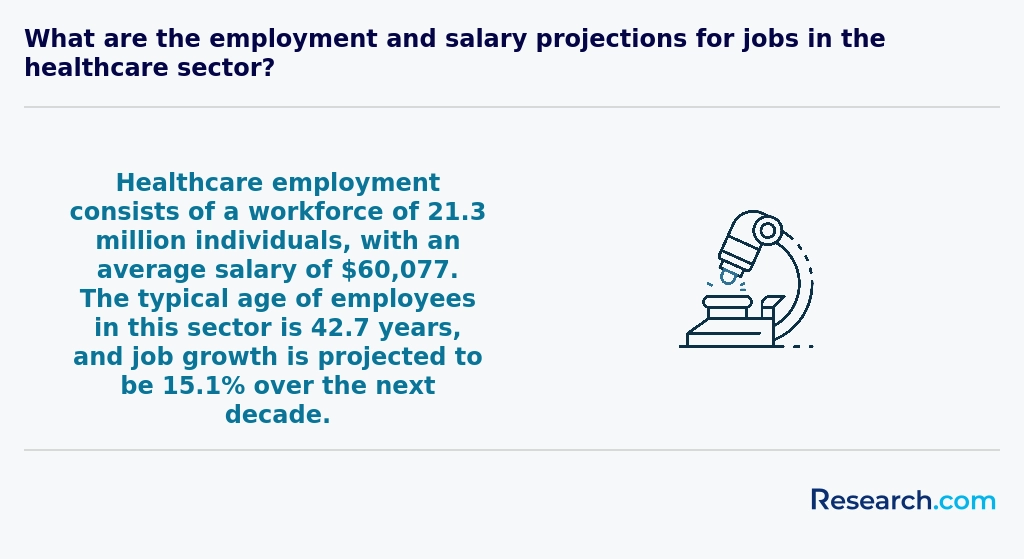
Additionally, Madison's healthcare sector is growing rapidly, with the Wisconsin Department of Workforce Development projecting a 15% increase in healthcare jobs through 2030. Familiarity with state licensing requirements and certifications, such as CPR and state-specific healthcare credentials, is crucial for employment.
Leveraging university career services and attending Madison-based healthcare job fairs can also significantly improve job prospects. Keeping abreast of local healthcare trends and technological advancements strengthens a graduate's competitiveness in the Madison job market.
Employers in Madison highly value healthcare degree graduates who demonstrate strong clinical skills alongside effective communication. According to the Wisconsin Department of Health Services, teamwork and interpersonal abilities are essential given Madison's collaborative healthcare environment.
Analytical thinking and problem-solving skills are also crucial. Graduates need to interpret patient data accurately, a skill emphasized by the University of Wisconsin's health programs. Additionally, proficiency in healthcare technology, such as electronic health records, is increasingly important within Madison's modern medical facilities.
Finally, cultural competence plays a significant role as Madison serves diverse populations. Employers expect graduates to provide inclusive, patient-centered care, ensuring respect for varied backgrounds and needs.
Finding healthcare internships in Madison involves leveraging local resources and connections. Madison is home to major healthcare employers like UnityPoint Health and UW Health, which offer structured internship programs for students. Searching their careers pages regularly can provide up-to-date opportunities.
University career centers, such as those at the University of Wisconsin-Madison, often maintain exclusive listings for healthcare internships and can assist in resume building and interview preparation. Additionally, the Wisconsin Healthcare Careers Initiative offers guidance and networking events targeting healthcare students in the region.
Madison's healthcare sector contributes significantly to the local economy, employing over 40,000 people as of recent reports, which creates a variety of internship possibilities. Contacting hospitals, clinics, and public health organizations directly or through online job platforms can also help secure internships relevant to healthcare degrees.
In Madison, earning a healthcare degree significantly improves career mobility and advancement opportunities. The city's expanding healthcare sector includes leading hospitals and research centers, creating demand for qualified professionals. According to the Wisconsin Department of Workforce Development, healthcare occupations in the Madison area are projected to grow by 15% through 2030.
A degree provides essential clinical and administrative skills, making graduates eligible for a wide range of roles from nursing to healthcare management. Many local employers, such as UW Health, prioritize candidates with formal education for promotion and leadership tracks.
Further, Madison's strong network of educational institutions offers connections for internships and continuing education that enhance career progression. Industry certifications combined with degrees often lead to higher salaries and job security.
Studying for a healthcare degree in Madison offers strong preparation for interdisciplinary roles through its emphasis on collaborative learning and practical experiences. Programs often integrate courses in nursing, public health, social work, and health administration, fostering communication skills across disciplines. The University of Wisconsin-Madison, a key institution, emphasizes interprofessional education, preparing students to work effectively within healthcare teams.
Local healthcare facilities like the UW Health system provide clinical placements that expose students to diverse roles, enhancing teamwork abilities. According to the National Center for Interprofessional Practice and Education, such interdisciplinary training improves patient outcomes significantly, an approach well supported in Madison's healthcare education environment.
When choosing between a thesis and a non-thesis healthcare degree program in Madison, consider your career goals. Thesis programs focus on research, requiring original work and a written document, ideal for students aiming at clinical research or doctoral studies. Non-thesis options emphasize practical skills and coursework, suiting those targeting immediate employment in healthcare settings.
University of Wisconsin-Madison, a prominent local institution, offers both paths, reflecting national trends. According to the National Center for Education Statistics, about 40% of healthcare master's students opt for thesis tracks, often for academic careers. Meanwhile, non-thesis programs typically take less time, beneficial for professionals seeking quick entry to the workforce.
Students in Madison seeking to study healthcare abroad have multiple pathways available through US universities' exchange programs and international partnerships. The University of Wisconsin-Madison, a leading institution in healthcare education, offers study abroad opportunities in countries like the UK, Australia, and Spain, focusing on public health and biomedical sciences.
According to the university's Office of International Academic Programs, nearly 400 students participate annually in healthcare-related study abroad experiences, gaining exposure to global health systems.
Additionally, specialized programs such as medical mission trips or summer internships abroad enhance practical skills and cultural competence, important for careers in healthcare.
Madison students can also explore competitive scholarships dedicated to healthcare studies overseas, expanding access.
Madison offers several part-time job opportunities that complement healthcare degree studies. Positions such as certified nursing assistant (CNA) or medical scribe provide valuable hands-on experience. The Wisconsin Department of Health Services reports growth in CNA employment by 7% from 2020 to 2030, reflecting steady demand.
Working in local hospitals like UW Health or outpatient clinics allows students to observe clinical environments while earning. Jobs in medical offices as a receptionist or patient care coordinator help develop administrative skills essential for healthcare management careers.
Additionally, roles in elderly care facilities or community health programs improve understanding of patient communication and care delivery. These opportunities enhance resumes and practical knowledge for those pursuing healthcare degrees in Madison.
Healthcare students in Madison benefit from a variety of networking opportunities that connect them to professionals and peers. The city is home to the University of Wisconsin-Madison, which hosts several healthcare-focused student organizations and professional clubs. These groups often organize events where students meet clinical practitioners, researchers, and alumni working in health industries.
The presence of prominent medical facilities like UW Health and the William S. Middleton Memorial Veterans Hospital offers internships, job fairs, and mentorship programs. These institutions collaborate frequently with academic programs, providing real-world exposure and professional connections.
Madison also hosts the Wisconsin Healthcare Network events, where students can attend conferences, workshops, and seminars specific to healthcare advancements and careers. These gatherings are excellent for building relationships that can lead to employment and research opportunities.
Alumni networks offer valuable support to healthcare degree students in Madison by providing access to professional connections and mentorship opportunities. These networks often include graduates working in local hospitals and clinics, which helps current students gain insights into Madison's healthcare job market. According to the Wisconsin Alumni Research Foundation, healthcare alumni in Madison frequently participate in events that foster career growth.
Students benefit from job referrals and internship opportunities shared through these networks. Engaging with experienced alumni can improve understanding of certifications and licensing requirements specific to Wisconsin. This connection also helps students navigate career pathways more effectively, increasing their chances of employment after graduation.
Customizing a healthcare degree program in Madison allows students to align their education with specific career goals. Many universities offer flexible curricula where students can choose electives in areas such as nursing, public health, or health informatics. Madison's healthcare industry is growing, with over 50,000 jobs in the sector, according to the Wisconsin Department of Workforce Development (2023), making specialized knowledge valuable.
Students can also pursue internships at local hospitals or clinics, such as UW Health or Meriter, gaining practical experience. Additionally, some programs allow part-time study or online courses, facilitating work-study balance. Academic advisors in Madison schools typically help tailor course plans to suit individual professional aims.
Healthcare students in Madison commonly face challenges related to rigorous coursework and clinical requirements. Programs such as nursing, public health, and medical technology demand strong time management skills to balance academic studies with hands-on clinical hours. According to the Wisconsin Center for Nursing, high stress and burnout are reported among nearly 40% of nursing students statewide, including Madison.
Moreover, Madison's competitive healthcare job market means students must also focus on networking and gaining relevant experience during their studies. Limited clinical placement availability can further strain students, as local healthcare facilities have been reported to face staffing shortages, complicating scheduling for student rotations.
Financial burdens also persist, with many students relying on loans or scholarships to cover rising tuition and living expenses in Madison. This creates additional pressure alongside demanding study schedules.
A healthcare degree in Madison opens the door to various professional certifications that enhance career opportunities. Common certifications include Registered Nurse (RN), Certified Medical Assistant (CMA), and Certified Healthcare Administrator (CHAM). These credentials are nationally recognized and boost employability in hospitals, clinics, and public health organizations. Madison's healthcare sector, supported by institutions like UW Health, values these certifications highly.
In addition, specialized certifications such as Certified Clinical Research Professional (CCRP) can be pursued, especially given Madison's strong biomedical research environment.
Certifications often require passing exams and fulfilling clinical experience hours. They demonstrate expertise and commitment to quality care.
To write a winning application for a healthcare program in Madison, start by thoroughly researching the specific requirements of each institution. Many Madison-area schools, such as the University of Wisconsin-Madison, emphasize strong academic performance, particularly in science courses like biology and chemistry.
Applicants should highlight any clinical or volunteer experience in healthcare settings, as Madison has numerous hospitals and clinics that provide excellent opportunities for hands-on exposure. According to the Wisconsin Department of Health Services, healthcare occupations in Madison are projected to grow by 16% through 2028, increasing competition for spots.
Personal statements must clearly express your motivation and commitment to healthcare, supported by concrete examples. Finally, ensure all recommendations come from credible sources who can attest to your professionalism and dedication.
The global perspective on a healthcare career increasingly values cross-cultural competence and adaptability. Healthcare workers face diverse populations and diseases influenced by globalization and migration. In the U.S., including Madison, Wisconsin, demand for healthcare professionals is projected to grow by 16% through 2030, according to the U.S. Bureau of Labor Statistics.
Studying healthcare locally offers exposure to advanced technologies and research, as Madison hosts reputable institutions like the University of Wisconsin. Graduates gain skills applicable worldwide, such as patient care and health management.
International collaboration is common in public health and medical research, making global awareness essential. For students in Madison, building global perspectives can enhance career opportunities in various healthcare settings.
Gaining practical experience while studying for a healthcare degree in Madison is crucial for building skills and increasing job readiness. Many local colleges and universities, including the University of Wisconsin-Madison, offer clinical rotations and internships as part of their healthcare programs. These opportunities allow students to work directly with patients under supervision in hospitals and clinics.
Additionally, Madison hosts several prominent healthcare providers like UW Health, where students can seek externships or volunteer positions. According to the Wisconsin Department of Health Services, hands-on experience significantly improves graduate employment outcomes.
Networking events and job fairs in Madison also connect students with local healthcare employers, enhancing practical involvement during studies.
Choosing the right concentration within a healthcare degree program in Madison requires understanding your career goals and local job market trends. Madison offers diverse options, including nursing, public health, and health informatics. According to the Wisconsin Department of Workforce Development, healthcare occupations in the Madison area are expected to grow by 14% between 2020 and 2030, with strong demand for nursing and healthcare administration professionals.
Consider your interests, strengths, and the specific skills each concentration develops. For example, nursing programs emphasize clinical care, while health informatics focuses on data management. Research curriculum details and available internships or partnerships with Madison hospitals, such as UW Health, to gain practical experience.
Financial aid and program accreditation are also critical factors. Accredited programs ensure quality education and better job prospects. Visiting campus advisors or attending local education fairs can provide personalized guidance based on current labor market data.
Related Healthcare Rankings for Nearby Cities
- 2027 Best Healthcare Degree Programs Ranking in Minneapolis
- 2027 Best Healthcare Degree Programs Ranking in Saint Louis
- 2027 Best Healthcare Degree Programs Ranking in Toledo
- 2027 Best Healthcare Degree Programs Ranking in Columbia
- 2027 Best Healthcare Degree Programs Ranking in Omaha
- 2027 Best Healthcare Degree Programs Ranking in Cincinnati
- 2027 Best Healthcare Degree Programs Ranking in Columbus
- 2027 Best Healthcare Degree Programs Ranking in Cleveland
- 2027 Best Healthcare Degree Programs Ranking in Springfield
- 2027 Best Healthcare Degree Programs Ranking in Erie
Top Trending Healthcare Rankings
See What Experts Have To Say About Studying Healthcare
Read our interview with Healthcare experts

References
- HEALTH MANAGEMENT (THESIS / NON-THESIS) - Lisansüstü Eğitim Enstitüsü https://lee.nisantasi.edu.tr/en/health-management-thesis-non-thesis/
- Top 3 Reasons to Consider a Career in Healthcare - Roseman University https://www.roseman.edu/student-experience/news/top-3-reasons-to-consider-a-career-in-healthcare/
- How to Succeed in a Difficult Job Market After Graduation https://www.hospitalrecruiting.com/blog/6542/how-to-succeed-in-a-difficult-job-market-after-graduation/
- Best Practices for Career Development and Advancement in the Healthcare Sector | Generation https://www.generation.org/news/best-practices-for-career-development-and-advancement-in-the-healthcare-sector/
- What Are the Differences in Salary Level for Different Degrees in Healthcare Management? | MHA Salary https://www.healthcare-management-degree.net/faq/what-are-the-differences-in-salary-level-for-different-degrees-in-healthcare-management/
- Top 5 Part-Time Healthcare Jobs For Students https://www.sumnercollege.edu/blog/top-5-part-time-healthcare-jobs-for-students/
- Education requirements for the fastest-growing healthcare jobs https://www.corridorcareers.com/job-tips/blog-news-education-requirements-fastest-growing-healthcare-jobs
- Crafting the Perfect Cover Letter for Healthcare Roles https://healthcareaustralia.com.au/news/crafting-the-perfect-cover-letter-for-healthcare-roles/
- Admitva – AI-Powered Pre-Health Admissions Platform https://admitva.com/blog/how-to-get-into-university-of-wisconsin-madison-school-of-medicine-and-public-health
- Networking and Mentorship During Clinical Rotations https://rotatingroom.com/blog/medical-students-the-importance-of-networking-mentorship-during-your-clinical-rotations


