
2027 Best Healthcare Degree Programs Ranking in San Juan

Co-Founder and Chief Data Scientist
Choosing the right healthcare degree program is a big step toward a rewarding career. If you're in San Juan and eager to pursue this path, this article offers valuable insights tailored just for you.
Our 2027 Best Healthcare Degree Programs Ranking in San Juan was carefully crafted by the Research.com team of data scientists. It helps you explore programs that truly stand out, making it easier to find options that suit your goals and interests.
Reading this guide can boost your confidence and guide you to opportunities that pave the way for a meaningful future in healthcare.
Key benefits of getting healthcare degree in San Juan
- The mean annual wage for healthcare degree graduates in San Juan varies by role, with Patient Care Technicians earning around $60,790 and Quality Improvement Coordinators making up to $103,150, reflecting strong earning potential.
- Graduates from popular local colleges often pursue diverse paths such as Medical Assistant, Health Information Technician, or Clinical Research Coordinator, offering rewarding and stable career options.
- Completing a healthcare degree online in San Juan provides flexibility and convenience, allowing students to balance work and study while gaining the same valuable skills as traditional programs.
- Key benefits of getting healthcare degree in San Juan
- What can I expect from healthcare degree in San Juan?
- Where can I work with healthcare degree in San Juan?
- How much can I make with healthcare degree in San Juan?
- 2027 Best Healthcare Degree Programs Ranking in San Juan
- Key Findings
- How long does it take to complete healthcare degree in San Juan?
- What's the difference between online and on-campus healthcare degree?
- Accreditation and Licensing Requirements
- What is the average cost of healthcare degree in San Juan?
- What financial aid is available to healthcare degree students in San Juan?
- Accreditation and Licensure
- What are the prerequisites for enrolling in healthcare degree program in San Juan?
- What courses are typically in healthcare degree programs in San Juan?
- What types of specializations are available in healthcare degree programs in San Juan?
- How do you choose the best healthcare degree in San Juan?
- What career paths are available for healthcare degree students in San Juan?
- What is the job market for healthcare degree in San Juan?
- Top Trending Healthcare Rankings
- See What Experts Have To Say About Studying Healthcare
What can I expect from healthcare degree in San Juan?
The average cost of pursuing a healthcare degree in San Juan varies but typically falls between $4,000 and $10,000 per year at community colleges and public universities, like the University of Puerto Rico. Graduates often share how affordable tuition allowed them to focus fully on gaining hands-on experience without the heavy burden of student debt. For example, many highlight the value of clinical rotations at local hospitals such as Centro Médico de Río Piedras, which complement classroom learning with real-world practice, all while attending cost-effective programs.
Private institutions may have higher tuition fees, sometimes reaching $12,000 annually, yet they also offer scholarships and financial aid targeted at healthcare students. This financial flexibility encourages students to pursue degrees in nursing, medical technology, or healthcare administration with enthusiasm and confidence, knowing they are investing in a growing field with strong job prospects. Embracing an accredited program not only ensures a quality education but also strengthens eligibility for licensure and advanced roles, making every dollar spent worthwhile.
Where can I work with healthcare degree in San Juan?
Graduates with healthcare degrees in San Juan find themselves stepping into a vibrant job market enriched by the city's robust network of hospitals, clinics, and community organizations. Many alumni from the University of Puerto Rico School of Medicine and other local institutions share how they began their careers at well-known hospitals like Auxilio Mutuo or the San Juan Veterans Administration Medical Center, gaining hands-on experience that sparked both confidence and passion.
Others have embraced roles in ambulatory care centers or private clinics, where day-to-day patient interactions build valuable skills in medical technology and health information systems. Imagine applying your knowledge directly to improve patient care in these fast-paced environments-it's a rewarding challenge that graduates often describe as eye-opening and fulfilling.
If you're drawn to public health, San Juan offers opportunities within its health agencies and community programs focused on tackling chronic diseases and preventive care, key for those wanting to make a broad impact. There are also exciting paths in research and academia through institutions right in the city, allowing graduates to contribute to groundbreaking studies and education.
With healthcare in San Juan growing steadily, your degree opens doors to dynamic careers where you can truly make a difference.
How much can I make with healthcare degree in San Juan?
Graduates with healthcare degrees from well-known institutions in San Juan often find rewarding career paths with salaries reflecting their education and dedication. For example, a medical assistant fresh out of college can anticipate earning around $43,350 annually, which is a solid start for those who enjoyed hands-on learning at local colleges. This salary supports a comfortable lifestyle given San Juan's lower living costs compared to mainland cities.
More specialized roles grow even more promising. Patient Care Technicians typically make about $60,790 a year, offering graduates who seek additional certifications or clinical experience a meaningful boost in income. Health Information Technicians earn similar wages, near $43,380 annually, combining healthcare knowledge with valuable tech skills learned in college programs.
For those aiming higher, such as Quality Improvement Coordinators, the salary soars to an impressive $103,150 yearly. Graduates stepping into these roles often credit their rigorous training at San Juan's top healthcare schools for preparing them to lead improvements in patient care while enjoying financial success.
2027 Best Healthcare Degree Programs Ranking in San Juan
How do we rank schools?
Investing in your education is a significant decision that can profoundly impact your future, and the Research.com team is fully aware of the importance of making well-informed choices. To support prospective students in San Juan, we have carefully developed the "2027 Best Healthcare Degree Programs Ranking in San Juan." Our dedication to quality, credibility, and accuracy is demonstrated through rigorous research and thorough analysis underlying this ranking.
We utilized the following reputable data sources to ensure a comprehensive evaluation of healthcare programs:
By exploring this ranking, readers will gain valuable insights into the best healthcare degree programs available in San Juan, enabling them to make confident and informed decisions about their educational journeys. For more details on our methodology, please visit our Research.com methodology page.


# 6 position
Universidad Ana G. Mendez-Cupey Campus
B.S. in Health Management
# 7 position
Universidad Ana G. Mendez-Cupey Campus
Master of Health Administration with specialization
# 8 position
CEM College-San Juan
Bachelor of Science in Nursing
# 9 position
EDP University of Puerto Rico Inc-San Juan
Bachelor of Science in Nursing
# 10 position
EDP University of Puerto Rico Inc-San Juan
Master of Science in Health Sciences
Key Findings
- Healthcare degrees in San Juan are available at associate, bachelor's, and graduate levels in fields like nursing, health administration, and public health.
- Bachelor's degree costs typically range from $15,000 to $35,000, while associate degrees cost about $7,000 to $12,000 at community colleges.
- Entry-level salaries for healthcare graduates usually start between $40,000 and $50,000 annually, varying by profession and education level.
- Median salaries increase to approximately $70,000 to $85,000 after five to ten years of experience, with Registered Nurses earning around $75,000.
- Certification and state licensure are often required after graduation, and programs include clinical experience to prepare students for these requirements.
How long does it take to complete healthcare degree in San Juan?
Completing a healthcare degree in San Juan typically takes time that aligns well with your personal pace and goals. For instance, graduates from local community colleges often finish their associate degrees, like nursing or medical assisting, in about two years, balancing foundational learning with hands-on clinical practice. Those pursuing a bachelor's degree at well-known institutions such as the University of Puerto Rico usually invest four years, gaining a rich mix of theory and practical experience that prepares them for diverse healthcare roles.
Many students appreciate how schools in San Juan offer flexible schedules. Some graduates from part-time or accelerated programs share how they managed work and studies simultaneously, cutting down the overall time or easing the journey without sacrificing quality.
For advanced careers-like becoming a physical therapist or pharmacist-master's and doctoral programs typically extend from two up to seven years beyond the bachelor's degree. Clinics and internships here create meaningful, real-world experience, which, although time-consuming, become the most rewarding parts of the education journey.
What's the difference between online and on-campus healthcare degree?
Students pursuing healthcare degrees in San Juan often find on-campus programs at institutions like the University of Puerto Rico provide invaluable hands-on experiences. Graduates recall how working directly in well-equipped labs and participating in clinical practicums at nearby hospitals helped build their confidence and practical skills, fostering deep connections with faculty and peers. This immersive environment often sparks a strong sense of community and belonging.
In contrast, online programs offer remarkable flexibility, ideal for those balancing work or family commitments. Many students appreciate how virtual simulations and structured online coursework from schools such as Ana G. Méndez University empower them to learn at their own pace without sacrificing clinical requirements. These graduates often highlight their improved time-management and self-discipline as key benefits that prepare them for real-world challenges.
Both routes demand dedication, passing the same licensure exams and clinical hours, but your choice depends on whether you thrive in hands-on, social settings or a more flexible, self-driven learning style in San Juan's vibrant healthcare education landscape.
Accreditation and Licensing Requirements
Choosing a program with proper accreditation and understanding Puerto Rico’s licensing process ensures you’re ready to practice.
- Regional and programmatic accreditation: SACSCOC regional approval plus bodies like LCME (medicine), ACEN or CCNE (nursing), CAAHEP (allied health) and ACPE (pharmacy)
- Graduation from an accredited program is required for licensure applications with the Puerto Rico Board of Medical Examiners or Board of Nursing
- Key exams: NCLEX-RN for nurses, USMLE Steps for MD graduates, NAPLEX and MPJE for pharmacists
- Licensing steps include submitting official transcripts, exam scores and completing background checks through the appropriate board
For pharmacy students planning their timeline, see how long does it take to become a pharmacist
What is the average cost of healthcare degree in San Juan?
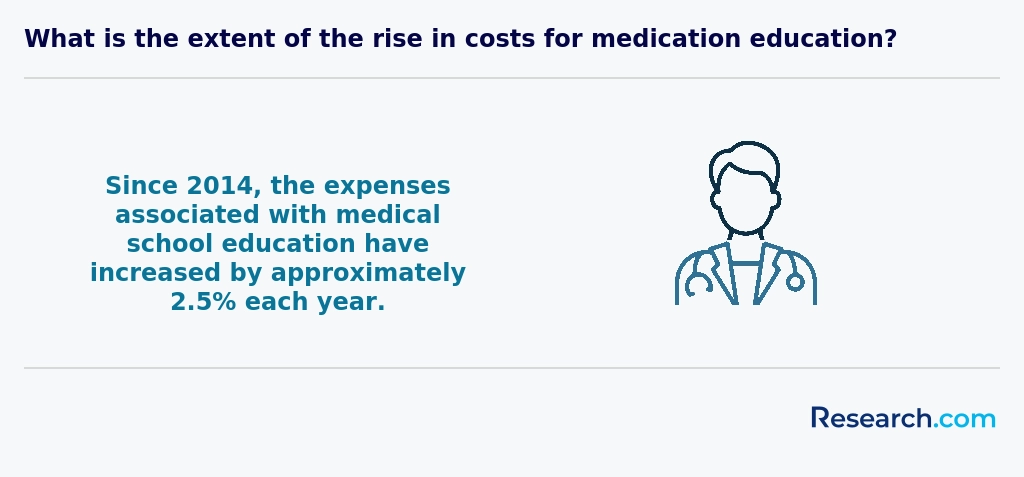
The average cost of a healthcare degree in San Juan varies depending on whether you attend a public or private institution, but typically ranges from about $7,000 to over $19,000 in total. Many students find that public universities, such as the University of Puerto Rico, offer a more affordable path with in-state tuition closer to $7,000, making it a practical choice for residents. Graduates from these programs often share how the financial accessibility allowed them to focus more on their studies and clinical practice without the heavy stress of debt.
Private colleges and specialized healthcare schools in San Juan can cost significantly more, sometimes reaching nearly $20,000 or above in total tuition. These programs are valued for their smaller class sizes, personalized faculty attention, and enhanced clinical training opportunities. Students who choose these paths often feel a strong connection to their mentors and a sense of pride in the advanced skills they develop, despite the higher price.
Considering the average cost of healthcare degree San Juan students face, it's important to factor in additional expenses like clinical placement fees, textbooks, and certifications. Many healthcare students in San Juan highlight the importance of financial aid options such as scholarships and grants, which help ease the burden. Exploring options like the best accelerated online programs for working adults can also be a smart strategy to reduce costs while advancing your education.
What financial aid is available to healthcare degree students in San Juan?
Many healthcare students in San Juan unlock their educational dreams through a variety of financial aid opportunities designed just for them. Graduates from institutions like the University of Puerto Rico Medical Sciences Campus often recall how completing the FAFSA opened doors to federal aid, including Pell Grants offering up to $7,395 annually, significantly easing tuition costs. Federal Direct Loans also provide flexible repayment options, helping students manage expenses during and after their studies.
Local students benefit particularly from region-specific scholarships, such as those sponsored by the Puerto Rico Department of Health. These grants not only cover tuition but also encourage graduates to serve in vital healthcare roles across the island, creating a fulfilling career path tied to community service.
Merit-based awards from colleges like Universidad Central del Caribe reward dedication and leadership, allowing many to reduce their financial burden while pursuing nursing or medical degrees. Private foundations for nursing students further supply targeted funds that transform ambition into achievement.
Remember, starting your applications early and understanding each program's requirements is key. Many healthcare students in San Juan find that combining these aids turns educational aspirations into reality with a sense of hope and purpose.
Accreditation and Licensure
Accreditation and licensure ensure your degree meets industry standards and qualifies you for professional practice in Puerto Rico and beyond.
- Commission on Collegiate Nursing Education (CCNE) accredits BSN and DNP programs, with NCLEX pass rates often exceeding 90%.
- Accreditation Council for Pharmacy Education (ACPE) oversees PharmD programs, ensuring compliance with national pharmacy standards.
- Commission on Accreditation of Allied Health Education Programs (CAAHEP) validates clinical lab, radiologic technology, and allied health curricula.
- Puerto Rico Board of Medical Licensure approves MD, PA, and other clinical degrees for state licensure and practice.
Many schools publish annual licensure exam pass rates and maintain partnerships with local hospitals for clinical rotations. Prospective students aiming for leadership roles may also explore most affordable mha programs that meet rigorous accreditation benchmarks.
What are the prerequisites for enrolling in healthcare degree program in San Juan?
To embark on a healthcare degree in San Juan, you first need a high school diploma or its equivalent, like a GED. This is the foundation that many graduates from local universities tell me was crucial to handle the demanding coursework ahead. They often mention how a solid base in science and math-biology, chemistry, anatomy, physiology, and algebra-was essential for success in their studies and clinical training.
Many programs in San Juan also look for standardized test scores, although some colleges have embraced test-optional policies, putting more weight on high school GPA and relevant coursework. You'll want to provide strong letters of recommendation from teachers or healthcare professionals who truly know your dedication and character.
Don't underestimate the power of a thoughtful application essay. Graduates often say that sharing their passion and experiences, like volunteer work or CPR certification, helped admissions committees see their genuine commitment to healthcare. These practical experiences tell your story and make your application stand out in competitive programs at San Juan's public and private institutions.

What courses are typically in healthcare degree programs in San Juan?
Healthcare degree programs in San Juan include a rich blend of courses that build a strong foundation for your future career. Students at institutions like the University of Puerto Rico dive deep into human anatomy and physiology, gaining clear understanding of the body's every system. This knowledge becomes real when you see it in practice during clinical rotations at local hospitals, where graduates tell of the excitement in recognizing what they learned in class on actual patients.
Alongside these core sciences, expect to study microbiology and biochemistry-critical for understanding diseases at the cellular level. Courses in medical terminology and healthcare ethics prepare you to communicate clearly and navigate complex decisions with compassion and professionalism in fast-paced clinical settings. Public health classes, too, connect you with the community's unique needs, enriching your perspective beyond individual patient care.
Many graduates share how classes in healthcare management and health informatics opened doors to leadership roles, showing you that the program equips you not just for bedside care but for shaping the future of healthcare in San Juan and beyond.
What types of specializations are available in healthcare degree programs in San Juan?
When exploring healthcare degree specializations in San Juan, students often find enriching options like nursing, public health, allied health, and health informatics. Graduates from local universities frequently share how nursing programs-especially with advanced tracks such as family care or pediatrics-equip them to make a real difference in hospitals across the city. Public health is another powerful specialization, where students learn to address San Juan's unique community health challenges, from managing chronic diseases to combating infectious outbreaks.
Allied health specializations-such as physical therapy, occupational therapy, and medical laboratory technology-offer hands-on skills that many San Juan healthcare program specializations emphasize. Graduates in these fields proudly recount their experiences working in vibrant clinical settings, responding directly to patient needs. Meanwhile, health informatics stands out as a forward-thinking option for those eager to blend technology with healthcare, reflecting the modernizing hospitals and clinics of San Juan.
For those weighing their options, it's worth considering programs with strong support systems and tuition accessibility. If you're curious about flexible study paths, many students also explore the easiest master degree online, which can complement your healthcare career ambitions beautifully.
How do you choose the best healthcare degree in San Juan?
When choosing the best healthcare degree programs San Juan offers, start by focusing on accreditation. Graduates from respected institutions like the University of Puerto Rico often praise the strong clinical partnerships with local hospitals, which give their education real-world value. Accreditation by bodies such as ACEN or CEPH ensures your degree is respected both locally and beyond, making your hard work truly pay off.
Consider also the curriculum and specializations. Many students find success by selecting programs that balance theory with hands-on clinical experience. Imagine gaining skills directly in San Juan's vibrant healthcare settings, preparing you for a competitive job market with growing opportunities as reported by the Puerto Rico Department of Labor.
Cost plays a big role too. Affordable healthcare degrees San Juan offers at public colleges make it easier to focus on your studies without overwhelming debt. Plus, explore scholarships and federal aid designed specifically for healthcare students to ease your financial journey. For those interested in advanced paths, you might also look into doctoral programs online no dissertation, which add flexibility alongside quality education.

What career paths are available for healthcare degree students in San Juan?
Graduates with a healthcare degree in San Juan find a range of rewarding career paths waiting for them. Many pursue registered nursing roles in well-known institutions like the Puerto Rico Medical Center, where they apply their skills directly to patient care. These roles offer a fulfilling way to impact lives daily, reflecting the growing healthcare career opportunities in San Juan. Others choose to specialize as medical technologists or physical therapists, careers that combine science with helping people recover and regain independence. Graduates from local universities often share stories of how their hands-on clinical experiences prepared them for these dynamic roles.
Healthcare administration is another vibrant path, especially for those passionate about shaping healthcare systems behind the scenes. Graduates working in hospital administration or health agencies are vital to delivering quality care efficiently. Their education equips them to handle real-world challenges in San Juan's healthcare landscape with confidence. For those interested in community impact, public health careers offer engaging roles in disease prevention and health education. Students seeking affordable education might explore options like cheap college online, which complements the in-person experience.
What is the job market for healthcare degree in San Juan?
The healthcare job market in San Juan offers a promising path for graduates determined to make a difference locally. Popular institutions like the University of Puerto Rico and other respected colleges provide hands-on training that prepares students not just for clinical roles but also for administrative and research positions. Graduates often find opportunities in hospitals and specialized care centers throughout the city, where the demand for skilled professionals continues to grow due to San Juan's aging population.
Many who studied healthcare degrees in San Juan share inspiring stories of quickly securing roles as registered nurses, medical technologists, or health administrators. This is partly driven by government initiatives and public health projects which boost hiring in these sectors, reflecting the encouraging San Juan healthcare degree employment outlook. While salaries may be more modest compared to mainland U.S. averages, the cost-effective education here balances this, making it an attractive location to start your career.
For those weighing their options, exploring a range of career ideas for introverts within healthcare fields can unveil unexpected paths and fulfilling roles tailored to your strengths and interests.
Frequently Asked Questions About healthcare
Healthcare degree students in San Juan can maximize their learning experience by engaging deeply with both classroom and clinical opportunities. San Juan is home to several accredited institutions that provide hands-on training through partnerships with local hospitals and clinics, which is crucial for practical skills development. According to the 2023 report by the Puerto Rico Department of Health, clinical hours completed during education strongly correlate with improved job placement rates in the healthcare sector.
Students should also take advantage of professional networking events and healthcare workshops available through local universities and medical centers. These opportunities enhance real-world understanding and can open doors to internships or mentorships with healthcare professionals in San Juan.
Finally, keeping up-to-date with evolving healthcare technologies and regulations in Puerto Rico, as stated by the Health Resources and Services Administration (HRSA), is essential in preparing for a competitive job market. Online resources and continuing education options specifically tailored for San Juan's healthcare environment can further support academic and career success.
The healthcare field in San Juan is rapidly evolving, revealing emerging niches that reflect national and local trends. One growing area is telehealth, driven by Puerto Rico's investment in expanding remote healthcare access, especially after increased demand during the COVID-19 pandemic. According to the Puerto Rico Department of Health, telemedicine usage in San Juan has grown by over 30% annually since 2020.
Another niche is geriatric care, responding to the island's aging population. The U.S. Census Bureau projects that by 2030, nearly 20% of Puerto Rico's residents will be over 65, increasing demand for specialized elderly care professionals.
Health informatics is also expanding as San Juan's hospitals integrate electronic health records and data analytics to improve patient outcomes. These niches represent strong opportunities for students seeking healthcare degrees in San Juan.
After completing a healthcare degree in San Juan, it is important to build a strong professional profile to successfully enter the job market. Graduates should pursue relevant internships and clinical experiences throughout their studies, as practical experience is highly valued by local employers. According to the Puerto Rico Department of Labor, healthcare occupations in San Juan are expected to grow by 12% by 2028, signaling increased demand.
Networking within local healthcare organizations and attending career fairs can help graduates connect with potential employers. Obtaining certifications like the Certified Nursing Assistant (CNA) or Medical Assistant (MA) can also enhance job prospects. Finally, creating a well-crafted resume that highlights both education and hands-on skills is essential for standing out in San Juan's competitive healthcare job market.
Employers in San Juan seek healthcare degree graduates with a strong combination of technical and interpersonal skills. Clinical competence, including proficiency in patient care and medical technology, is essential to meet the region's healthcare demands. According to the Puerto Rico Department of Health, graduates with solid knowledge in electronic health records and infection control stand out.
Additionally, communication skills are critical for effective collaboration with patients and multidisciplinary teams. Employers also value adaptability, as San Juan's healthcare system often faces challenges such as high patient volume and evolving regulations. Problem-solving abilities and cultural sensitivity are increasingly important given the diverse population served in local hospitals and clinics.
Finding internships in San Juan related to healthcare degrees involves several strategic steps. Students should start by exploring partnerships between local universities and healthcare facilities, such as the University of Puerto Rico's Medical Sciences Campus, which often facilitates clinical placements.
San Juan has numerous hospitals and clinics, including the Auxilio Mutuo Hospital and Ashford Presbyterian Community Hospital, offering valuable internship opportunities. Networking with faculty and attending career fairs can also open doors to internships.
Additionally, websites like Handshake and local healthcare job boards list internships targeting healthcare majors. According to the Puerto Rico Department of Health, healthcare remains a significant employment sector, with steady growth expected through 2027, making internships crucial for hands-on experience.
In San Juan, obtaining a healthcare degree significantly enhances career mobility and advancement opportunities. According to the Bureau of Labor Statistics, healthcare occupations in Puerto Rico are projected to grow by 12% through 2030, outpacing many other sectors. This growth creates demand for qualified professionals with specialized education.
A healthcare degree equips graduates with essential skills recognized by local hospitals, clinics, and government agencies. It also opens doors to higher-paying positions and leadership roles that often require formal credentials.
Many employers in San Juan prefer candidates with relevant degrees due to increasing regulatory standards and emphasis on quality patient care. Additionally, degrees in nursing, medical technology, or health administration facilitate transferability across different healthcare settings, expanding career options.
Studying for a healthcare degree in San Juan equips students with a strong foundation in both clinical skills and collaborative practices, essential for interdisciplinary roles. Programs emphasize teamwork among nurses, physicians, social workers, and other healthcare professionals to improve patient outcomes. According to the Puerto Rico Department of Health, hospitals in San Juan increasingly adopt integrated care models, which require graduates to navigate complex communication and coordination challenges.
Curricula often include case studies and simulations involving multiple disciplines, fostering critical thinking and adaptive problem-solving. Furthermore, many institutions collaborate with local healthcare facilities for real-world training, exposing students to diverse roles within hospitals and community health settings. This practical experience enhances readiness for collaborative environments prevalent in today's healthcare system.
Choosing between a thesis and a non-thesis healthcare degree in San Juan depends largely on your career goals. Thesis programs emphasize research, requiring original work and a formal dissertation. This path suits students aiming for academic or research careers.
Non-thesis options focus more on practical skills and coursework, appealing to those seeking direct entry into healthcare professions or administrative roles. In San Juan, many universities offer flexible non-thesis programs reflecting the growing demand for healthcare practitioners in clinical settings.
According to the Puerto Rico Department of Health, healthcare employment is expected to grow by 12% over the next decade, favoring applied skills from non-thesis degrees.
Additionally, thesis programs typically take longer to complete and may require close faculty mentorship. Consider your preferred learning style and time commitment before deciding.
Students based in San Juan have various options for studying healthcare degrees abroad within the U.S. higher education system. Many Puerto Rican students choose mainland universities offering programs in nursing, public health, and medical technology, which are often recognized by Puerto Rico's Board of Medical Examiners. According to the Puerto Rico Department of Education, over 70% of healthcare students from San Juan enroll in institutions in states like Florida, New York, and Texas due to proximity and cultural connections. Several universities offer online and hybrid learning formats to accommodate bilingual students seeking flexible options. These pathways ensure graduates meet licensure requirements locally and nationally.
Students pursuing healthcare degrees in San Juan have several part-time job opportunities that provide valuable practical experience while complementing their studies. Common roles include medical assistants, pharmacy technicians, and patient care aides, which offer hands-on exposure to healthcare settings.
According to the U.S. Bureau of Labor Statistics, healthcare support jobs in Puerto Rico, including San Juan, are expected to grow by approximately 12% from 2022 to 2032, reflecting increasing demand. Local hospitals, clinics, and pharmacies often hire part-time workers, helping students develop skills relevant to their degrees.
Positions such as medical lab assistants or administrative staff in healthcare facilities also facilitate networking and understanding of healthcare operations, enhancing both resumes and practical knowledge. These opportunities align well with academic schedules and foster career readiness.
Healthcare students in San Juan have several valuable networking opportunities that can enhance their education and career prospects. The city hosts events through organizations like the Puerto Rico Public Health Association, which connects students with professionals in medicine, nursing, and public health. Local hospitals such as the Centro Médico de Puerto Rico often offer internship programs and career fairs, providing direct contact with industry leaders.
Universities in San Juan, including the University of Puerto Rico's Medical Sciences Campus, also facilitate networking by organizing seminars and workshops featuring guest speakers from healthcare sectors. According to the Puerto Rico Department of Health, such engagement improves job placement rates for graduates by up to 20%.
Alumni networks offer valuable support for healthcare degree students in San Juan by providing professional connections crucial for career growth. Graduates often share job openings and internship opportunities within these networks, enhancing employment prospects. According to the Puerto Rico Department of Health, about 32% of healthcare students find their first job through alumni referrals.
These networks also organize workshops and mentoring programs, helping current students develop practical skills and navigate the local healthcare system's unique challenges. Additionally, alumni associations foster a sense of community, which can improve students' motivation and academic success. Access to experienced professionals contributes to smoother transitions from education to clinical practice.
Customizing your healthcare degree program in San Juan allows you to align your education with specific career goals. Many universities offer flexible curricula, including electives, minors, and certificates, enabling students to specialize in areas such as public health, nursing, or health administration.
San Juan's institutions often provide internship opportunities within local hospitals and clinics, giving practical experience tailored to your interests. According to the Puerto Rico Department of Health, healthcare jobs in San Juan are projected to grow by over 10% through 2030, emphasizing the value of targeted skills.
Advisors at these schools can help design a study plan focusing on required competencies and emerging healthcare trends. This personalized approach enhances employability in San Juan's competitive healthcare market.
Healthcare students in San Juan face several challenges common to the US higher education system, combined with local factors. One key difficulty is limited access to clinical placements, as the city's healthcare facilities are often stretched thin, impacting hands-on training opportunities. According to the Puerto Rico Department of Health, the ratio of healthcare providers to population is lower than the US average, creating competition for internships.
Many students also encounter financial stress. Tuition and living costs in San Juan can be burdensome, especially given the economic fluctuations affecting Puerto Rico. Additionally, balancing coursework with part-time work is a frequent challenge.
Finally, students must navigate linguistic diversity; while instruction is mainly in English, many patients speak Spanish, making bilingual communication skills essential yet difficult for some to master quickly.
With a healthcare degree in San Juan, graduates can pursue several professional certifications to advance their careers. Common certifications include Certified Nursing Assistant (CNA), Registered Nurse (RN), and Licensed Practical Nurse (LPN). These are essential for direct patient care roles and are recognized throughout the US.
For those interested in specialized areas, certifications like Medical Coding Specialist or Pharmacy Technician are also popular. Additionally, San Juan has institutions offering preparation for the Certified Healthcare Administrative Professional (cHAP) credential, valuable for healthcare management positions.
According to the Puerto Rico Department of Labor, healthcare jobs certified by these credentials have grown by 12% in the last five years, indicating strong demand locally.
Writing a winning application for a healthcare program in San Juan requires clear preparation and attention to detail. Begin by carefully researching the specific program requirements, as schools often look for a strong academic record in science courses such as biology and chemistry. Highlight any relevant healthcare experience, including volunteer work or internships, which can strengthen your application.
San Juan's healthcare programs often emphasize community engagement due to the local demand; therefore, demonstrating commitment to local health issues can be advantageous. According to the Puerto Rico Department of Health, San Juan faces unique public health challenges, which applicants can address through thoughtful personal statements.
Strong letters of recommendation from professionals familiar with your academic or healthcare skills are essential. Also, ensure all documentation is complete and submitted by deadlines, as timely applications correlate with higher acceptance rates in the region.
Healthcare careers in the United States, including San Juan, are increasingly viewed through a global lens due to rising demand for skilled professionals worldwide. The U.S. Bureau of Labor Statistics projects a 16% growth in healthcare jobs from 2021 to 2031, reflecting a strong need for trained workers. San Juan benefits from this trend as local institutions align their programs with global standards to prepare graduates for diverse healthcare environments.
International collaboration and knowledge exchange are common in healthcare education, with many programs emphasizing cultural competence and technology use. This ensures graduates can work effectively in various settings, addressing global health challenges.
According to the Puerto Rico Department of Health, San Juan's healthcare sector is expanding, emphasizing nursing and allied health degrees, which remain key career pathways. This growth mirrors global priorities such as aging populations and chronic disease management, making healthcare degrees practical and future-proof investments.
Gaining practical experience while studying for a healthcare degree in San Juan is crucial for building skills and improving job prospects. Many institutions require clinical rotations or internships as part of their curriculum. These opportunities allow students to work directly in hospitals, clinics, or community health centers.
San Juan offers access to several prominent medical facilities, such as the Puerto Rico Medical Center, where students can engage in supervised hands-on practice. According to the Puerto Rico Department of Health, student internships in local hospitals have increased by 15% over the past three years, showing growing opportunities in the region.
Additionally, some schools partner with local health organizations to provide externships or volunteer options. Students benefit from networking and gaining insights into the healthcare system specific to San Juan and Puerto Rico at large.
Choosing the right concentration within a healthcare degree program in San Juan requires careful consideration of your career goals and the local job market. Healthcare fields such as nursing, public health, and medical technology are prominent in Puerto Rico due to regional demand. For example, nursing remains the largest occupation in the island's healthcare sector, employing over 40,000 professionals according to the Puerto Rico Department of Labor. Research potential programs' curriculum and accreditation, as these factors influence licensure and employment options. Additionally, seek concentrations that offer clinical experience, since hands-on training is essential for success in healthcare professions.
Top Trending Healthcare Rankings
See What Experts Have To Say About Studying Healthcare
Read our interview with Healthcare experts

References
- 10 Skills Employers Are Looking for in Healthcare Management Jobs https://www.aiuniv.edu/blog/10-top-skills-for-healthcare-management-jobs
- Admission https://www.sanjuanbautista.edu/admissions/md-program-admissions
- Global Health Perspectives https://globalhealthperspectives.com/
- Know more about thesis vs non- thesis: what is the difference? https://studyfans.com/en/blogs/816
- How to Create a Healthcare Career Roadmap https://www.ihire.com/resourcecenter/jobseeker/pages/how-to-create-a-healthcare-career-roadmap
- Advancing Your Career in Healthcare: Tips and Strategies https://www.sunshinecarenetwork.com/blog/advancing-your-career-in-healthcare-tips-and-strategies
- San Juan Bautista School of Medicine https://www.fastweb.com/directory/college/san-juan-bautista-school-of-medicine-scholarships
- PHSU Financial Aid | Ponce Health Sciences University https://phsu.edu/admissions-and-aid/tuition-fees-scholarships/financial-aid.php
- What can I do with a healthcare studies degree, and how can I start? https://mrcollege.ac.uk/what-can-i-do-with-a-healthcare-studies-degree-and-how-can-i-start/
- How to Write Your Cover Letter | NQRTH https://www.nqrth.edu.au/career-planning/how-to-write-your-cover-letter/


