
2027 Best Online Bachelor's in Healthcare Degree Programs Ranking in Mississippi

Co-Founder and Chief Data Scientist
Choosing the right online healthcare degree program can feel overwhelming, especially with so many options available in Mississippi. This article introduces the 2027 Best Online Bachelor's in Healthcare Degree Programs Ranking in Mississippi, created by the Research.com team of data scientists to help students like you make informed decisions.
By exploring this ranking, you'll discover programs that offer quality education and flexible learning, perfect for your busy lifestyle. Earning a healthcare degree opens doors to rewarding careers where you can make a real difference in your community.
Key benefits of getting online healthcare degree in Mississippi
- Healthcare degree graduates in Mississippi can earn competitive salaries, such as Medical Assistants making around $43,350 annually and Patient Care Technicians earning about $60,790 per year, offering financial stability.
- Graduates from local universities like the University of Mississippi can explore diverse healthcare roles including Clinical Research Coordinator or Health Information Technician, ensuring many career opportunities.
- Online healthcare degrees provide flexibility and accessibility, allowing students like those from Mississippi State University's online program to balance work and studies while advancing their careers efficiently.
- Key benefits of getting online healthcare degree in Mississippi
- What can I expect from online healthcare degree in Mississippi?
- Where can I work with online healthcare degree in Mississippi?
- How much can I make with online healthcare degree in Mississippi?
- 2027 Best Online Bachelor's in Healthcare Degree Programs Ranking in Mississippi
- Key Findings
- How long does it take to complete online healthcare degree in Mississippi?
- Emerging Healthcare Career Paths and Opportunities
- What's the difference between online and on-campus healthcare degree?
- Accreditation and Licensure: Ensuring Your Degree Meets Professional Standards
- What is the average cost of online healthcare degree in Mississippi?
- Curriculum Breakdown and Typical Courses Offered
- What financial aid is available to online healthcare degree students in Mississippi?
- What are the prerequisites for enrolling in online healthcare degree program in Mississippi?
- Typical Curriculum and Course Breakdown
- What courses are typically in online healthcare degree programs in Mississippi?
- What types of specializations are available in online healthcare degree programs in Mississippi?
- How do you choose the best online healthcare degree in Mississippi?
- What career paths are available for online healthcare degree students in Mississippi?
- What is the job market for online healthcare degree in Mississippi?
- Related Healthcare Rankings for Nearby States
- Top Trending Healthcare Rankings
- See What Experts Have To Say About Studying Healthcare
What can I expect from online healthcare degree in Mississippi?
When considering the cost of an online healthcare degree in Mississippi, you'll find that affordability is a key advantage. Many students who studied at well-known institutions like the University of Southern Mississippi or Mississippi College appreciated the balance of quality and cost. Typically, public universities offer in-state tuition rates that make earning your degree manageable without sacrificing quality.
Graduates often share how the tuition ranges from around $6,000 to $12,000 per year for online healthcare programs, depending on the specific degree and credits required. This balance lets you continue working or caring for family while investing in your future without overwhelming debt. Financial aid options and scholarships tailored for healthcare students are also common, providing much-needed support.
Imagine completing coursework through interactive virtual lessons and local clinical experiences at a healthcare facility nearby, just as past students have. This practical setup helps you grow your skills while keeping expenses reasonable and your lifestyle steady.
Where can I work with online healthcare degree in Mississippi?
Graduates with an online healthcare degree in Mississippi step into a rich landscape of career possibilities. Many find rewarding roles at institutions like the University of Mississippi Medical Center, where their education empowers them to thrive in healthcare administration or patient care coordination. Imagine yourself managing complex hospital operations or designing better patient workflows, all while making a real difference in your community.
Others discover fulfilling careers in outpatient care centers and specialized clinics around Jackson or Gulfport. These settings need skilled professionals to optimize patient services and ensure smooth regulatory compliance-roles that align perfectly with the strong practical training offered by Mississippi's online programs.
Nursing homes and long-term care facilities also provide meaningful opportunities, especially as the state's aging population grows. Graduates often take pride in supporting quality care while handling administration that keeps these essential services running smoothly.
Public health agencies and insurance companies seek knowledgeable graduates to advance community health or healthcare consulting. Many alumni from popular Mississippi colleges find their passion in these roles, applying their skills to solve real problems and improve health outcomes statewide.
How much can I make with online healthcare degree in Mississippi?
Graduates with an online healthcare degree in Mississippi can step confidently into careers that offer meaningful salaries. For instance, Medical Assistants typically earn about $43,350 annually, while Patient Care Technicians can expect approximately $60,790. These roles provide a strong foundation and valuable hands-on experience, especially for those who studied through programs at institutions like the University of Mississippi or Mississippi College.
For graduates aiming for specialized positions, becoming a Health Information Technician offers similar starting salaries around $43,380, combining healthcare with technology skills. Many recent graduates mention how their education helped bridge classroom knowledge with real-world application in local hospitals and clinics.
Ambitious students pursuing roles such as Clinical Research Coordinators begin with earnings near $43,350, but those focusing on quality and improvement management see significantly higher rewards. Quality Improvement Coordinators in Mississippi earn a robust mean wage of $103,150 annually. This highlights the value of gaining advanced certifications or management training, which can transform career trajectories and incomes.
Overall, choosing an online healthcare program in Mississippi can open doors to rewarding careers with steady growth and competitive pay, making the effort well worth it.
2027 Best Online Bachelor's in Healthcare Degree Programs Ranking in Mississippi
How do we rank schools?
Investing in your education is a significant decision that can shape your future, and the Research.com team recognizes the importance of making well-informed choices. To support prospective students in Mississippi, we have carefully developed the "2027 Best Online Bachelor's in Healthcare Degree Programs Ranking." Our dedication to quality, credibility, and accuracy is demonstrated by the thorough research and analysis behind this ranking.
We utilized the following reputable data sources to ensure a comprehensive evaluation of healthcare degree programs:
By reviewing this ranking, readers will gain valuable insights into top online healthcare degree programs in Mississippi, enabling them to make educated choices about their academic and professional futures. For more details on our methodology, please visit our Research.com methodology page.


Key Findings
- Online healthcare programs in Mississippi include nursing, health administration, and public health, offering flexible formats for working adults.
- In-state tuition for public universities ranges from $7,000 to $12,000 per year, while private institutions charge between $15,000 and $25,000 annually, plus possible additional fees.
- Healthcare jobs in Mississippi are expected to grow over 15% through 2028, outpacing the average growth rate for all occupations.
- Entry-level healthcare salaries start around $40,000 to $50,000, with registered nurses earning about $48,000 initially, and experienced professionals making over $70,000.
- Most programs require supervised clinical practice or internships completed in-state or nearby, which are necessary for licensure and certification.
- Graduates often find job opportunities in underserved rural areas, including community health centers and rural hospitals.
How long does it take to complete online healthcare degree in Mississippi?
Completing an online healthcare degree in Mississippi usually takes between two to four years, depending on your chosen path. For instance, graduates from local universities often share how their associate degree programs wrapped up in about two years, while those pursuing a bachelor's degree in health services or public health needed close to four years of full-time study. This timeline aligns well with what many institutions like the University of Mississippi or Jackson State University offer online.
Of course, life happens-balancing work, family, and studies often means some students take longer, stretching their timeline beyond four years. Many graduates have found that flexible pacing options and accelerated tracks available at several Mississippi colleges empower them to tailor their journey to their unique circumstances.
Drawing on these real experiences, it's clear that your completion time hinges on your program choice, prior credits, and how much time you can dedicate each semester. Keeping these factors in mind will help you set realistic goals and stay motivated throughout your online healthcare education.
Emerging Healthcare Career Paths and Opportunities
Graduates with an online Healthcare degree in Mississippi can explore a wide range of career paths that not only address the immediate needs of the healthcare system but also pave the way for future interdisciplinary roles. As the healthcare industry evolves, professionals are increasingly integrating clinical expertise with digital innovation, administrative leadership, and even biotechnology research and development. For instance, healthcare administrators are utilizing data analytics to enhance patient care logistics, while clinical practitioners are leveraging technology for improved diagnosis and remote care. Meanwhile, graduates interested in merging clinical skills with cutting‐edge scientific innovation can explore positions where biotechnology plays a critical role; for example, learn more about what jobs are in biotechnology research and development to see how healthcare and biotech are intersecting to create groundbreaking work environments. The versatility of these career paths is underscored by job roles such as patient care coordinators, health informatics experts, telehealth specialists, and clinical research associates-all of which require a blend of technical know-how and compassionate patient care. With continuous advancements in digital health technologies, graduates are well-positioned to contribute to initiatives that improve community health outcomes, drive innovation, and support sustainable healthcare systems across Mississippi and beyond.
What's the difference between online and on-campus healthcare degree?
Choosing between online and on-campus healthcare degrees in Mississippi comes down to your lifestyle and learning preferences. Graduates from institutions like the University of Mississippi Medical Center often share how on-campus programs immersed them in hands-on labs and face-to-face mentorship, vital for confidence in clinical skills. If you thrive in a structured environment with direct campus access, this route can be very rewarding.
Meanwhile, many working adults choose online degrees from schools such as Jackson State University, balancing family, jobs, and study with incredible flexibility. Online learners can access lectures anytime, fitting coursework around their busy lives without relocating. Yet, they still complete essential clinical hours locally, blending convenience with practical experience.
Cost-wise, public universities in Mississippi typically offer more affordable tuition whether online or on-campus, easing financial pressure. Embracing an online degree doesn't mean sacrificing quality-it means adapting your education to your unique Mississippi story, forging your path in healthcare with determination and smart planning.
Accreditation and Licensure: Ensuring Your Degree Meets Professional Standards
Accreditation is the cornerstone of any reputable online healthcare program in Mississippi, signaling that an institution meets rigorous academic and clinical quality benchmarks. Prospective students should verify both regional accreditation-typically granted by bodies such as the Southern Association of Colleges and Schools Commission on Colleges (SACSCOC)-and programmatic accreditation from specialized agencies (for example, CAHME for healthcare management or CAAHEP for allied health). These endorsements not only validate curriculum strength but also ensure eligibility for federal financial aid and seamless transfer of credits. Licensure requirements in Mississippi hinge on completing an accredited curriculum that aligns with state board regulations. For roles like Patient Care Technician, Health Information Technician, or Nursing, graduates must pass certification exams recognized by the Mississippi Board of Nursing or the Mississippi State Department of Health. Programs often include preparatory coursework and mock exams to help you meet these benchmarks and avoid licensure delays post-graduation. To confirm a program’s approval status, consult the Mississippi Board of Trustees of State Institutions of Higher Learning and review institutional disclosures on clinical practicum sites. For additional state-by-state comparisons of accredited offerings, explore our Affordable Online Healthcare Degree Programs Ranking in St. Paul, MN for insights into how licensure pathways vary across regions.
What is the average cost of online healthcare degree in Mississippi?
The average cost of an online healthcare degree in Mississippi centers around a median total of approximately $13,365, making it an attainable goal for many aspiring healthcare professionals. Graduates from reputable institutions like the University of Mississippi and Mississippi State University often share how this investment felt manageable and worthwhile, especially when balancing studies with personal and work commitments. For those exploring Mississippi online bachelor's healthcare program expenses, this mid-range cost reflects a combination of affordable tuition and additional fees that remain reasonable compared to national averages.
Public universities in Mississippi typically offer in-state online healthcare degrees at lower tuition rates, enabling students to pursue their education without excessive financial strain. Many graduates recall the positive impact of having such accessible programs that provided them both flexibility and quality education. Moreover, the availability of scholarships and financial aid further supports students in reducing costs, making these dreams more achievable.
Students looking for specialized pathways often find value in exploring lpn to rn online programs benefits offered by Mississippi institutions, which can present additional cost-effective routes. Considering the average cost of online healthcare degree Mississippi options, aligning your tuition expectations with these realities helps create a manageable plan to achieve your career goals in healthcare.
Curriculum Breakdown and Typical Courses Offered
Online healthcare degree programs in Mississippi offer a well-rounded curriculum that combines foundational sciences with real-world applications to prepare students for diverse roles in the healthcare industry. Students can expect introductory coursework in areas such as Medical Terminology, Anatomy & Physiology, and Healthcare Ethics, which form the backbone of understanding complex clinical concepts. As the program advances, learners engage in specialized classes like Healthcare Informatics, Clinical Simulation and Patient Care, Public Health, and Healthcare Administration. These courses are designed to build both theoretical knowledge and practical skills, often incorporating virtual labs, interactive case studies, and data analytics projects that reflect current industry trends. By integrating rigorous academic instruction with flexible online delivery, these programs ensure that graduates are equipped to meet the evolving challenges of modern healthcare and drive innovation in patient care and management.
What financial aid is available to online healthcare degree students in Mississippi?
When pursuing an online healthcare degree in Mississippi, tapping into a mix of financial aid opportunities can make your journey smoother. Graduates from the University of Mississippi Medical Center often highlight how federal aid, like Pell Grants offering up to $7,395, relieves pressure without the worry of repayment. Completing the FAFSA is your first step to unlocking these benefits, including low-interest federal loans that many find manageable after entering the workforce.
State programs such as the Mississippi Tuition Assistance Grant (MTAG) have been game-changers for many, especially those studying at in-state institutions. These grants, combined with support from the Mississippi Eminent Scholars Grant, create a tangible path to reducing tuition costs.
Beyond traditional aid, numerous institutional scholarships at public universities reward academic merit and dedication to healthcare fields, while specialized scholarships from organizations like the Mississippi Nurses Foundation inspire students committed to serving rural communities.
For working professionals, employer tuition assistance programs offer a practical boost-helping to fund your education tax-free up to $5,250 annually, opening doors to career growth without overwhelming debt.
What are the prerequisites for enrolling in online healthcare degree program in Mississippi?
To enroll in an online healthcare degree program in Mississippi, you'll first need a high school diploma or its equivalent, like a GED. This foundation opens the door to programs at schools such as the University of Mississippi Medical Center and Jackson State University, where many graduates began their journeys with this simple step. Admissions also typically require transcripts showing your academic record, with a minimum GPA around 2.5 to 3.0-though some programs ask for higher.
Imagine preparing for biology and chemistry courses that lay the groundwork for your healthcare career; many programs expect you to have completed these prerequisites. Graduates often share how mastering these subjects early helped them thrive as they advanced.
Practical healthcare experience can boost your application at Mississippi-based programs, reflecting the state's focus on serving rural communities and aging populations. Beyond academics, being ready with reliable internet, a computer, and comfort with online learning platforms is essential to succeed in virtual classes.
Lastly, personal statements or recommendation letters give you a chance to share your passion and commitment. Many successful students found these components powerful opportunities to explain their dedication and career goals, making their applications stand out.
Typical Curriculum and Course Breakdown
A comprehensive online Healthcare bachelor’s program in Mississippi typically spans 120 credit hours, structured to build foundational knowledge before advancing to specialized topics and real-world applications. Early coursework focuses on core sciences and professional skills, while upper-division classes emphasize leadership, data analytics, and clinical simulations. For students exploring further pathways in healthcare, you may also review what medical degrees can I get online to identify complementary programs or accelerated tracks. Core Foundational Courses (Freshman – Sophomore Years): • Human Anatomy & Physiology I & II – Introduction to body systems and laboratory dissections. • General Chemistry for Healthcare – Chemical principles, lab techniques, and safety protocols. • Introduction to Healthcare Systems – Overview of U.S. healthcare delivery, policy, and ethics. • Medical Terminology & Communication – Precision in clinical language and patient-centered communication. • Statistics & Research Methods – Data analysis using real healthcare datasets and evidence-based practice frameworks. Upper-Division Specialized Courses (Junior – Senior Years): • Health Informatics & Electronic Health Records – Managing patient data, interoperability standards, and cybersecurity. • Clinical Ethics & Law – Navigating patient rights, informed consent, and regulatory compliance. • Population Health & Epidemiology – Community health assessment, prevention strategies, and program evaluation. • Quality Improvement & Patient Safety – Lean methodologies, risk management, and outcome measurement. • Virtual Clinical Simulation – Interactive case studies, telehealth scenarios, and remote skills validation. Electives & Practicum Opportunities: • Public Health Policy Analysis – Crafting policy briefs and advocacy projects tailored to Mississippi communities. • Healthcare Leadership & Change Management – Strategic planning, team dynamics, and organizational development. • Global Health Perspectives – Comparative studies of international health systems and emerging global challenges. • Practicum/Capstone Project – A culminating experience partnering with local health centers or telehealth providers to demonstrate applied competencies. This curriculum model ensures online learners gain not only theoretical insights but also the practical skills and digital literacy required for modern healthcare roles. By blending asynchronous lectures with live labs and virtual internships, Mississippi’s online programs prepare graduates to confidently step into diverse career paths-from patient care coordination to healthcare administration and informatics.
What courses are typically in online healthcare degree programs in Mississippi?
When you enroll in an online healthcare degree program in Mississippi, expect a curriculum that deeply prepares you for real-world challenges. Courses like Introduction to Healthcare Systems give you a clear picture of how Mississippi's healthcare landscape fits into the broader U.S. system, an essential foundation for anyone aiming to make an impact locally.
Graduates from well-known institutions such as the University of Mississippi Medical Center often describe how Anatomy and Physiology brought the human body to life, turning textbook learning into a practical understanding that's crucial for any healthcare role.
Courses in Healthcare Ethics and Law empower students to navigate the important responsibilities of patient care and legal compliance, while Health Informatics teaches the high-demand skills of managing healthcare data-vital as technology transforms how care is delivered.
At schools like Mississippi College, students find Healthcare Management and Leadership classes invaluable, preparing them to lead clinics or departments effectively in Mississippi's public health environment. These courses always emphasize practical skills and community-focused approaches, reflecting real challenges such as managing chronic disease care across local populations.
What types of specializations are available in online healthcare degree programs in Mississippi?
When exploring online healthcare degree specializations Mississippi offers, you'll find a variety of paths tailored to meet the state's healthcare demands. Graduates from popular universities often highlight specializations like Healthcare Administration, which equips students to lead hospitals and clinics efficiently, managing everything from budgets to staff coordination. Many find this path rewarding, knowing they impact community health behind the scenes.
Another impactful route is Public Health, focusing on tackling Mississippi's chronic disease challenges. Students dive into epidemiology and health promotion, preparing to serve communities in meaningful ways. Nursing remains a favorite, especially with tracks in nursing leadership and informatics helping registered nurses advance while studying online.
Health Informatics is gaining momentum, blending healthcare and technology to improve patient data management-a field reflecting the modern demands of Mississippi's evolving hospitals. Meanwhile, those passionate about wellness find Nutrition and Dietetics compelling, especially given the state's needs. Graduates often share how learning about individual nutritional well-being transformed their approach to care, enriching their professional lives.
The diversity of Mississippi healthcare degree focus areas online means you can find a specialization that matches your passion and career goals, all while balancing life's demands through flexible online study.
How do you choose the best online healthcare degree in Mississippi?
Choosing the best online healthcare degree in Mississippi means focusing on what truly matters for your future. Graduates from popular colleges in Mississippi often highlight the importance of accreditation-look for programs recognized by bodies like CAHME or CCNE to ensure your education meets high standards. Imagine yourself balancing work and study; many find that flexible, fully asynchronous courses fit their busy lives better. When exploring affordable healthcare degree programs Mississippi offers, consider both tuition costs and available scholarships, since this can make a big difference in managing expenses.
Think about what you want to achieve-whether it's managing healthcare facilities or advancing nursing skills. Programs at well-known Mississippi universities often connect students with local hospitals and clinics, giving real-world experience that graduates say proved invaluable. Career support services can open doors to internships and jobs in the state's growing healthcare sector.
For a practical step, if you're interested in nursing, check out lpn classes Missouri as a nearby option to broaden your perspective.
What career paths are available for online healthcare degree students in Mississippi?
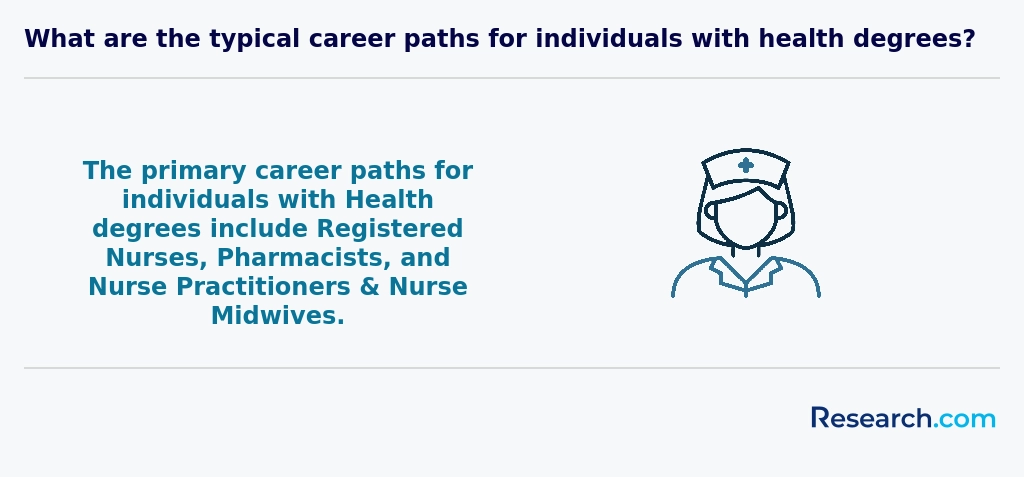
Graduates with an online healthcare degree in Mississippi find themselves well-positioned for a variety of rewarding career paths across the state's expanding medical landscape. From working as a Registered Nurse providing hands-on patient care in Jackson's busy hospitals to stepping into leadership roles as Health Services Managers in hospitals or clinics, the opportunities reflect the real-life impact these professionals have on their communities. Many graduates from popular institutions like the University of Mississippi Medical Center experience firsthand the satisfaction of making a difference.
Career options also include Public Health Educators actively shaping wellness programs across Mississippi, especially in rural areas where health education is crucial. Medical and Health Services Technologists are vital in supporting digitized healthcare systems, a growing field in Mississippi's modernization efforts. For those aiming to lead organizations, healthcare administration offers a chance to guide facility operations with both heart and efficiency.
Students curious about advancing their careers can explore accelerated nurse practitioner programs california that many Mississippi graduates take advantage of for faster routes to advanced practice. Choosing a program with strong accreditation helps ensure a smooth transition into these fulfilling roles. These paths truly reflect the best of online healthcare degree career options Mississippi has to offer.
What is the job market for online healthcare degree in Mississippi?
The job market for online healthcare degree graduates in Mississippi is increasingly promising, with steady growth driven by expanding healthcare services. Many graduates from universities like the University of Mississippi and Mississippi College find rewarding roles in hospitals, clinics, and public health agencies statewide. These professionals often appreciate the flexibility of online programs, which allow them to balance studies with work or family commitments while preparing for careers in healthcare administration, nursing, or health information management. Leveraging a degree from a Mississippi institution opens doors to employers such as Baptist Memorial Health Care and the Mississippi State Department of Health, where graduates contribute meaningfully to patient care and community wellness.
Those who enter the online healthcare job market Mississippi experience often discover opportunities that blend clinical knowledge with technical skills, especially in health IT and telehealth sectors. Practical exposure to electronic health records and administrative systems helps graduates stand out. If you're curious about related fields, exploring what jobs are in biotechnology research and development can also inspire career pathways beyond traditional roles.
Frequently Asked Questions About healthcare
Online healthcare degree students in Mississippi can maximize their learning by actively engaging with course materials and participating in virtual discussions. The Mississippi Institutions of Higher Learning suggest balancing study time with practical experiences to enhance understanding. Connecting with local healthcare providers for internships or shadowing opportunities supplements online education effectively.
Utilizing campus resources such as online tutoring and career services can help students stay on track. Mississippi faces healthcare workforce shortages, making networking vital for future job placement, as reported by the Mississippi Department of Health.
Staying organized and leveraging technology, such as digital flashcards and time management apps, also improves retention and performance in online healthcare programs.
The healthcare field in Mississippi is evolving with several emerging niches that offer promising career opportunities. One key area is telehealth, which has expanded greatly due to improved internet access and increased demand for remote care, especially in rural communities.
Another growing niche is healthcare informatics. Professionals skilled in managing health data and electronic records are vital as Mississippi hospitals and clinics adopt more digital systems.
Additionally, gerontology is becoming important, reflecting Mississippi's aging population. Specialists in elderly care and chronic disease management are in higher demand.
Behavioral health services, including substance abuse counseling, also represent an expanding sector, supported by state efforts to address mental health challenges.
After earning an online healthcare degree in Mississippi, preparing for the job market involves strategic steps to enhance employability. First, obtaining relevant certifications such as CPR, phlebotomy, or healthcare administration credentials can boost your resume. According to the Mississippi Department of Employment Security, healthcare jobs are expected to grow by about 15% through 2030, underlining strong demand.
Networking is essential; joining local healthcare associations like the Mississippi Nurses Association or attending virtual career fairs can connect you with employers. Additionally, gaining hands-on experience through internships or volunteer work in Mississippi healthcare facilities is valuable. Staying informed about state licensure requirements is important for clinical roles.
Employers in Mississippi prioritize several key skills when hiring graduates of online healthcare degree programs. Communication skills are essential, as healthcare providers must effectively interact with patients and team members. Critical thinking and problem-solving abilities are also highly valued to manage complex clinical situations.
Additionally, proficiency in healthcare technology is crucial due to Mississippi's increasing adoption of electronic health records and telehealth services, as reported by the Mississippi Hospital Association. Understanding healthcare regulations and ethical practices is another requirement, ensuring patient safety and compliance.
Data from the Mississippi Department of Employment Security highlights that teamwork and adaptability are vital for career growth in this sector.
Finding internships in Mississippi related to healthcare degrees involves leveraging local healthcare facilities and state resources. Mississippi's healthcare sector employs over 200,000 people, making it a significant source of internship opportunities.
Start by exploring partnerships your online program might offer with hospitals such as the University of Mississippi Medical Center or rural health clinics. These organizations frequently provide clinical and administrative internships.
Additionally, use the Mississippi Department of Health's website to find listings and programs designed to support healthcare training. Professional associations like the Mississippi Nurses Association also offer internship directories.
Networking at local healthcare events and job fairs can open doors to hands-on experience crucial for future employment.
Online healthcare degrees offer significant advantages for career mobility and advancement in Mississippi, a state facing a growing demand for qualified healthcare professionals. According to the Mississippi Department of Health, healthcare occupations are projected to grow by 15% by 2030, a faster rate than many other industries.
Completing an online degree allows students to gain essential credentials while maintaining current employment or managing personal responsibilities. This flexibility supports timely career progression without geographic constraints.
Graduates with online healthcare degrees often become eligible for advanced roles such as health services managers or specialized clinical positions, which typically require a bachelor's degree or higher.
Furthermore, online programs accredited by recognized bodies ensure that credentials meet Mississippi employers' standards, enhancing job prospects and salary potential.
Studying for a healthcare degree online in Mississippi equips students for interdisciplinary roles by emphasizing collaboration across various medical and health-related fields. Many programs incorporate coursework that blends nursing, public health, healthcare management, and social services, reflecting the integrated nature of patient care.
In Mississippi, where rural areas face healthcare access challenges, graduates learn to coordinate with diverse teams to improve health outcomes. The Mississippi Department of Health highlights the state's need for professionals adept in multiple disciplines, especially for chronic disease management and community health initiatives.
Additionally, accredited online programs often include practical simulations and case studies that build communication and problem-solving skills, which are vital in interdisciplinary settings. This approach prepares students to navigate the complex healthcare landscape effectively.
Choosing between a thesis and a non-thesis healthcare degree program in Mississippi depends largely on your career goals and learning preferences. Thesis programs require original research and are suited for students interested in advanced clinical roles or graduate study. Non-thesis options focus more on practical knowledge and may offer faster completion, appealing to working professionals seeking direct entry into healthcare jobs.
In Mississippi, where healthcare employment is projected to grow 9% from 2020 to 2030 (Bureau of Labor Statistics), practical skills often take priority. Consider your plans carefully, as thesis tracks demand strong research skills and time commitment, while non-thesis tracks emphasize professional coursework.
Students based in Mississippi seeking to study healthcare abroad via online programs have limited direct options due to the US higher education system's regulations. Most international universities require on-campus attendance for clinical training, essential in healthcare degrees. However, some accredited foreign institutions offer hybrid models combining online coursework with short in-person residencies, which could be feasible for Mississippi students willing to travel.
Mississippi ranks low in healthcare access and professional density, increasing interest in flexible education paths to fill workforce gaps, according to the Mississippi State Department of Health. Students often opt for US-based online degrees with international partnerships or global health specialization options, rather than fully foreign degrees.
Careful verification of accreditation and licensure compatibility is crucial before enrolling, as healthcare qualifications must meet Mississippi state standards for professional practice. Resources like the National Center for Education Statistics provide updated lists of approved programs and international recognition guidelines.
Students pursuing online healthcare degrees in Mississippi can benefit from various part-time jobs that enhance their education and provide practical experience. Roles such as medical assistants, pharmacy technicians, and home health aides are common opportunities. According to the Mississippi Department of Employment Security, these positions offer flexible hours suitable for students while developing relevant skills.
Hospitals and clinics across Mississippi often hire part-time workers for administrative support and patient care assistance. These jobs help students understand healthcare operations firsthand and build professional networks.
Additionally, certified nursing assistant (CNA) positions in nursing homes are in demand, providing valuable experience that complements academic knowledge. The U.S. Bureau of Labor Statistics projects steady growth in healthcare support roles in Mississippi through 2030.
Online healthcare students in Mississippi have access to several networking opportunities designed to enhance their education and career prospects. Many universities offer virtual events and webinars connecting students with healthcare professionals and alumni. Organizations like the Mississippi Nurses Association and the Mississippi Health Care Association often provide online forums and local chapters for students to engage with industry leaders.
Additionally, students can participate in internships and practicums coordinated through their programs, which are vital for building local professional networks. According to the Mississippi Department of Employment Security, the healthcare sector employs over 100,000 people in the state, highlighting strong networking potential within the regional market.
Alumni networks provide essential support for online healthcare degree students in Mississippi by connecting them to experienced professionals in the field. These networks offer mentoring opportunities, which can improve job placement rates after graduation. According to the Mississippi Institutions of Higher Learning, active alumni connections have increased employment success among healthcare graduates by up to 25% in recent years.
Students benefit from shared job leads and professional development resources, which are vital in Mississippi's growing healthcare sector. The state faces a high demand for healthcare workers, driven by its aging population. Alumni networks also facilitate access to continuing education and industry events, which strengthen students' career growth.
Networking within these groups helps students access insights about specific healthcare employers in Mississippi, including hospitals and clinics. This insider knowledge can give students an edge in competitive job markets. Overall, alumni networks serve as a critical bridge between academic training and real-world healthcare careers in Mississippi.
Customizing an online healthcare degree in Mississippi allows students to align their education with specific career goals. Many programs offer elective courses or concentrations in areas like health administration, nursing, or public health, enabling learners to specialize according to local workforce demands. For example, Mississippi has a growing need for primary care professionals and health administrators, as reported by the Mississippi Department of Health.
Students can also tailor practical experiences such as internships or clinical placements to gain hands-on skills in regional healthcare settings. Additionally, choosing programs accredited by recognized bodies ensures a curriculum that meets industry standards and enhances employability across Mississippi's healthcare sector.
Online healthcare students in Mississippi commonly face several challenges related to access and practical training. Mississippi ranks low in broadband internet availability, with about 75% of residents having reliable high-speed internet according to the FCC, which can limit the ability to participate fully in online classes. Additionally, healthcare programs often require clinical hours, and in rural areas of Mississippi, finding local placements can be difficult, delaying program completion. Students also report balancing work, family, and study commitments as a consistent challenge. Limited in-person interaction with instructors and peers may affect learning and networking opportunities.
With an online healthcare degree in Mississippi, graduates can pursue several professional certifications to enhance their career prospects. Common certifications include Certified Professional in Healthcare Quality (CPHQ), Certified Medical Manager (CMM), and Registered Health Information Technician (RHIT). These credentials validate expertise and improve job opportunities across various healthcare settings.
Mississippi's healthcare job market, growing at a rate of 10% through 2030 according to the U.S. Bureau of Labor Statistics, favors candidates with certifications that meet state and national standards. Certifications like the Certified Healthcare Access Associate (CHAA) can also be valuable for administrative roles.
Many certification programs require specific coursework or clinical hours, which online healthcare degrees often integrate. These credentials typically require passing an exam and periodic renewal, ensuring ongoing professional development.
To write a winning application for an online healthcare program in Mississippi, start by clearly demonstrating your passion for healthcare and commitment to improving local community health. Mississippi faces unique healthcare challenges, including a higher rate of chronic diseases compared to the national average (CDC, 2023), so emphasizing your understanding of these issues can distinguish your application.
Highlight relevant experience, whether through work, volunteering, or prior education. Include specific examples of leadership, teamwork, or problem-solving in healthcare settings.
Strong letters of recommendation from professionals familiar with your skills and character are essential. Also, carefully tailor your personal statement to reflect your goals and how the program aligns with them.
The healthcare field is recognized globally as a critical and growing industry. In the United States, including Mississippi, healthcare careers offer strong job security and diverse opportunities. According to the U.S. Bureau of Labor Statistics, healthcare occupations are projected to grow 13% from 2021 to 2031, faster than average for all occupations.
Mississippi faces unique healthcare challenges, such as higher rates of chronic diseases and rural health disparities. This creates an ongoing need for qualified healthcare professionals trained in modern practices, which online degree programs can address by increasing access to education.
Globally, healthcare professionals must understand cultural competence and evolving technologies. U.S. education, including online degrees in Mississippi, often incorporates these global standards, preparing students to work in increasingly diverse and interconnected settings.
Gaining practical experience while pursuing an online healthcare degree in Mississippi is essential for career readiness. Many programs require students to complete clinical internships or externships at approved healthcare facilities. These placements provide hands-on training in real-world settings, such as hospitals, clinics, and long-term care centers.
Students can also benefit from partnerships between universities and local healthcare providers, offering supervised opportunities close to home. According to the Mississippi Department of Health, the state has over 200 hospitals and numerous outpatient facilities that support clinical education.
Additionally, volunteering or working part-time in healthcare roles can supplement formal experience and enhance professional skills during online study.
Choosing the right concentration within an online healthcare degree in Mississippi depends on your career goals and regional healthcare needs. Mississippi faces a growing demand for professionals in nursing, public health, and healthcare administration due to its higher rates of chronic diseases compared to the national average, according to the Mississippi State Department of Health.
Evaluate program options that align with these priorities and offer relevant clinical or administrative skills. For instance, a concentration in nursing or health informatics may open doors in hospitals and clinics, while public health focuses on community wellness initiatives crucial for Mississippi's rural areas.
Additionally, consider accreditation and job placement rates when deciding your specialization.
Related Healthcare Rankings for Nearby States
- 2027 Best Online Bachelor's in Healthcare Degree Programs Ranking in Alabama
- 2027 Best Online Bachelor's in Healthcare Degree Programs Ranking in Arkansas
- 2027 Best Online Bachelor's in Healthcare Degree Programs Ranking in Florida
- 2027 Best Online Bachelor's in Healthcare Degree Programs Ranking in Missouri
- 2027 Best Online Bachelor's in Healthcare Degree Programs Ranking in Georgia
- 2027 Best Online Bachelor's in Healthcare Degree Programs Ranking in Kentucky
- 2027 Best Online Bachelor's in Healthcare Degree Programs Ranking in Texas
- 2027 Best Online Bachelor's in Healthcare Degree Programs Ranking in Illinois
- 2027 Best Online Bachelor's in Healthcare Degree Programs Ranking in South Carolina
- 2027 Best Online Bachelor's in Healthcare Degree Programs Ranking in North Carolina
Top Trending Healthcare Rankings
See What Experts Have To Say About Studying Healthcare
Read our interview with Healthcare experts

References
- Course Benefits https://www.premedprojects.co.uk/hospital-work-experience-benefits
- Pursuing Your Career Goals: Strategies and Examples https://www.ultimatemedical.edu/blog/career-goals-importance-strategies-and-examples/
- What are the top 10 skills that'll get you a job when you graduate? https://targetjobs.co.uk/careers-advice/skills-for-getting-a-job/what-are-top-10-skills-thatll-get-you-job-when-you-graduate
- Explore Healthcare Admin Degree Concentrations https://www.baypath.edu/news/bay-path-university-blogs/post/explore-healthcare-admin-degree-concentrations/
- The Role of Interdisciplinary Studies in Medical Career Training https://georgia-med.com/the-role-of-interdisciplinary-studies-in-medical-career-training.html
- Best Practices for Career Development and Advancement in the Healthcare Sector | Generation https://www.generation.org/news/best-practices-for-career-development-and-advancement-in-the-healthcare-sector/
- How to Choose a Health Administration Program https://www.healthadministrationdegrees.com/articles/choosing-a-program/
- How to Gain Real-World Experience While Studying Online | American National University https://an.edu/how-to-gain-real-world-experience-while-studying-online/
- Thesis vs. Non-Thesis Master's Programs: Which is Right for You? https://potomac.edu/thesis-vs-non-thesis-masters/
- Crafting the Perfect Cover Letter for Healthcare Roles https://healthcareaustralia.com.au/news/crafting-the-perfect-cover-letter-for-healthcare-roles/


