
2027 Best Online Doctorate in Healthcare Degree Programs Ranking in Missouri

Co-Founder and Chief Data Scientist
Choosing the right online doctorate in healthcare degree program is an important step for Missouri students aiming to advance their careers. This article presents the 2027 Best Online Doctorate in Healthcare Degree Programs Ranking in Missouri, developed by the Research.com team of data scientists.
Designed to help you make informed decisions, the ranking highlights quality programs worth your consideration. Pursuing a healthcare degree can open doors to exciting opportunities and personal growth. Reading this article will guide you toward programs that fit your goals and lifestyle.
Key benefits of getting online healthcare degree in Missouri
- Healthcare degree graduates in Missouri can expect rewarding salaries, such as Program Directors earning around $129,330 annually and Healthcare Services Researchers making about $112,380 yearly, providing strong financial motivation.
- Missouri graduates from schools like the University of Missouri enjoy diverse career options, including roles like Chief Development Officer or Principal Scientist, offering exciting paths to impact healthcare innovation and management.
- Completing a healthcare degree online, for example through Missouri State University, offers flexibility and convenience, allowing students to balance work and study while gaining the same respected credentials as traditional programs.
- Key benefits of getting online healthcare degree in Missouri
- What can I expect from online healthcare degree in Missouri?
- Where can I work with online healthcare degree in Missouri?
- How much can I make with online healthcare degree in Missouri?
- 2027 Best Online Doctorate in Healthcare Degree Programs Ranking in Missouri
- Key Findings
- How long does it take to complete online healthcare degree in Missouri?
- Accreditation and Licensing
- What's the difference between online and on-campus healthcare degree?
- Continuing Professional Development and Career Growth in Healthcare
- What is the average cost of online healthcare degree in Missouri?
- Online Learning Success Strategies for Healthcare Doctorate Students
- What financial aid is available to online healthcare degree students in Missouri?
- Return on Investment: Balancing Tuition, Career Earnings, and Affordability
- What are the prerequisites for enrolling in online healthcare degree program in Missouri?
- Tips for Success in Your Online Healthcare Program
- What courses are typically in online healthcare degree programs in Missouri?
- What types of specializations are available in online healthcare degree programs in Missouri?
- How do you choose the best online healthcare degree in Missouri?
- What career paths are available for online healthcare degree students in Missouri?
- What is the job market for online healthcare degree in Missouri?
- Related Healthcare Rankings for Nearby States
- Top Trending Healthcare Rankings
- See What Experts Have To Say About Studying Healthcare
What can I expect from online healthcare degree in Missouri?
The average cost of an online healthcare degree in Missouri generally falls within a range that professionals find manageable alongside their work commitments. Graduates from institutions like the University of Missouri or Saint Louis University often mention that tuition tends to be competitive compared to traditional programs, typically ranging from $10,000 to $30,000 for the entire degree. Many highlight how financial aid and employer tuition reimbursement programs helped ease this financial burden, making the investment feel worthwhile.
One graduate shared how balancing asynchronous coursework with a full-time job was not only feasible but enjoyable, thanks to the flexible schedules and access to digital resources. Another recalled the value of scholarships targeted at healthcare students in Missouri, which made the cost even more reasonable. The affordability, coupled with Missouri's emphasis on accredited programs, creates a promising pathway for career growth without the stress of overwhelming debt.
As healthcare evolves, these financial models may shift to include more innovative funding options, reflecting the growing demand for skilled professionals in Missouri's healthcare landscape.
Where can I work with online healthcare degree in Missouri?
Graduates with online healthcare degrees from institutions like the University of Missouri or Missouri State University often find themselves thriving in dynamic hospital environments such as BJC HealthCare in St. Louis or Mercy Health in Springfield. These roles range from healthcare administration to clinical leadership, allowing graduates to directly impact patient care and organizational success. Many report feeling fulfilled as they lead quality improvement projects or manage health information systems, using advanced skills gained through their programs.
Others step confidently into long-term care or assisted living facilities, addressing the needs of Missouri's growing senior population. Working in facility administration or healthcare policy, graduates often experience rewarding moments advocating for elder care quality and compliance. Their education equips them to navigate complex regulatory landscapes while supporting vulnerable communities.
Public health agencies also offer vibrant career paths. Graduates engage in disease prevention and community health promotion, especially in rural areas where Missouri is focused on reducing health disparities. Their passion for equitable healthcare drives meaningful outreach that improves lives statewide.
Emerging fields like health informatics and telehealth are blossoming too. Graduates enjoy roles implementing electronic health records or expanding telemedicine, fueling excitement by transforming how care is delivered in Missouri's evolving healthcare landscape.
How much can I make with online healthcare degree in Missouri?
Graduates from online healthcare programs in Missouri often find promising salary prospects that reflect their specialized training and state demand. For example, alumni from institutions known for strong healthcare curricula, such as the University of Missouri or Saint Louis University, leverage their degrees into roles like Program Director in healthcare, earning around $129,330 annually. This position blends leadership with clinical knowledge, providing both rewarding work and financial stability.
Others have successfully pursued careers as Healthcare Services Researchers or Research Directors, roles that command mean annual wages near $112,380. These graduates contribute to advancing healthcare outcomes, finding their work both impactful and well-compensated in Missouri's evolving healthcare landscape.
Entry into executive roles like Chief Development Officer is also common among graduates, with salaries around $95,600, reflecting the importance of administration and innovation in healthcare settings. Graduates describe the excitement of applying their online learning flexibly while securing competitive salaries that make the challenges worthwhile.
2027 Best Online Doctorate in Healthcare Degree Programs Ranking in Missouri
How do we rank schools?
Investing in your education is a significant decision that can shape your future, and the Research.com team understands the importance of making informed choices. To assist prospective students in Missouri, we have meticulously crafted the "2027 Best Online Doctorate in Healthcare Degree Programs Ranking." Our commitment to quality, credibility, and accuracy is reflected in the extensive research and analysis conducted to compile this ranking.
We utilized the following reputable data sources to ensure a comprehensive evaluation of healthcare doctorate programs:
By exploring this ranking, readers will gain valuable insights into the best online healthcare doctorate programs available in Missouri, enabling them to make well-informed decisions about their educational paths. For more details on our methodology, please visit our Research.com methodology page.

# 2 position
Maryville University of Saint Louis
Doctor of Adult-Gerontology Primary Care Nurse Practitioner

# 3 position
Chamberlain University - St. Louis
Doctor of Nursing Practice



Key Findings
- Tuition for online healthcare degrees in Missouri ranges from $7,000 to $15,000 per year at public universities and $20,000 to $40,000 at private schools.
- Missouri's healthcare sector employs over 500,000 people, making it one of the state's largest job markets.
- Entry-level salaries for healthcare graduates range from $45,000 to $60,000, with registered nurses starting near $55,000 annually.
- Experienced professionals like healthcare administrators and advanced practice nurses earn between $80,000 and $120,000 per year.
- Many programs include local clinical experiences or partnerships to meet licensure requirements in nursing and allied health fields.
- Programs are nationally accredited, ensuring quality education and eligibility for federal financial aid and certification exams.
How long does it take to complete online healthcare degree in Missouri?
Completing an online healthcare degree in Missouri often takes anywhere from 2 years for associate degrees to up to 6 years for doctorate programs, depending on enrollment status and prior credits. Graduates from institutions like the University of Missouri and Missouri State University commonly share how accelerated bachelor's programs helped them finish in 3 years instead of the usual 4, enabling faster entry into the workforce.
Many students balancing jobs and family appreciate part-time options, even though this can extend program duration. For example, online master's students mention how flexible pacing allowed them to maintain career momentum while advancing their education within 1.5 to 3 years. Doctoral candidates, often juggling research and clinical hours, frequently experience 3 to 6 years of study but feel motivated by the tailored support they receive.
The emergence of accelerated tracks and credit transfer policies is reshaping completion times, making healthcare degrees in Missouri more accessible and adaptable to individual needs. This flexible approach sparks enthusiasm among learners striving to improve their community healthcare impact without disrupting life's rhythm.
Accreditation and Licensing
Ensuring a healthcare doctorate holds proper accreditation is critical for program quality, federal aid eligibility, and Missouri state licensure. Look for:
- Regional accreditation from agencies recognized by the U.S. Department of Education
- Council on Education for Public Health (CEPH) for public health doctorates
- Commission on Accreditation of Healthcare Management Education (CAHME) for management programs
- Commission on Collegiate Nursing Education (CCNE) for nursing doctorates
Missouri licensing boards require accredited degrees before graduates can sit for certification exams or assume leadership roles in clinical settings. Always confirm accreditation status on the U.S. Department of Education’s database and verify state-specific licensing criteria. For additional skills in healthcare operations, explore medical billing and coding online schools.
What's the difference between online and on-campus healthcare degree?
Online and on-campus healthcare degrees in Missouri differ mainly in flexibility and interaction. Graduates from University of Missouri's online programs often praise the ability to balance coursework with their busy work schedules in healthcare settings, appreciating the asynchronous format that lets them study anytime without sacrificing family or job commitments. This flexibility fosters a sense of empowerment and self-motivation, crucial for those already working in health fields.
Conversely, students attending Saint Louis University cherish the hands-on experiences gained through in-person labs and clinical rotations embedded in the on-campus curriculum, which build confidence through face-to-face mentorship and immediate feedback. These immersive interactions create strong peer connections and networking opportunities, essential for careers requiring clinical skills.
Looking ahead, hybrid models combining Missouri's traditional and online approaches could transform learning by enabling students to access digital lectures while participating in local clinical placements. This blend promises a highly adaptable education, meeting evolving workforce demands with both convenience and practical experience.
Continuing Professional Development and Career Growth in Healthcare
In today’s rapidly evolving healthcare landscape, lifelong learning and professional development are key to staying competitive and advancing your career. Online healthcare programs not only provide a solid foundation in essential clinical and administrative skills but also empower graduates to continually enhance their expertise through advanced certifications, specialized training, and industry-led workshops. Many professionals find that enrolling in additional courses-such as an affordable online doctorate in pharmacy program-can further bolster their credentials and open doors to leadership roles in diverse healthcare settings. Furthermore, staying updated on emerging trends like telehealth innovations, digital patient engagement, and regulatory changes is crucial for driving strategic decisions and delivering quality care. Networking with industry experts, participating in conferences, and engaging with professional online communities also serve as valuable tools for expanding your horizon and ensuring ongoing growth in the field.
What is the average cost of online healthcare degree in Missouri?
The average cost of an online healthcare degree in Missouri typically centers around $52,182, reflecting a balance between accessibility and quality education. Graduates from popular institutions in Missouri often recall managing tuition fees near this median while appreciating the flexibility offered by online formats. For many, this investment feels worthwhile as they gain credentials respected by local healthcare employers. Prospective students exploring the average cost of online healthcare degree in Missouri frequently consider public universities that charge between $300 and $500 per credit hour for in-state learners, making these programs more budget-friendly than private options.
Students attending universities like the University of Missouri often find that the overall tuition for a bachelor's degree, requiring about 120 credits, can range from $36,000 to $60,000. Experienced graduates mention how additional fees such as technology and administrative costs, which can add $1,000 to $2,000 annually, must be budgeted carefully. Many speak positively about scholarship opportunities and financial aid, which help ease the financial pressure.
Looking ahead, those interested in online doctoral healthcare tuition fees Missouri might anticipate increasing competitiveness among schools to offer value alongside online convenience. Future programs may feature even more flexible payment plans and enhanced financial support, aligning well with the needs of working professionals aiming to advance their careers. For detailed information on affordable and reputable options, prospective students can explore the top online healthcare programs in missouri.

Online Learning Success Strategies for Healthcare Doctorate Students
Succeeding in an online healthcare doctorate program requires more than just choosing the right institution-it demands a proactive approach to managing your education. To thrive in a virtual classroom setting, consider adopting time-management techniques such as setting a dedicated study schedule and creating a distraction-free workspace. Break your coursework into manageable segments, and don’t hesitate to use digital tools like calendars and task managers to stay on track. Networking is another vital component; even in an online environment, building a community of peers and mentors can offer support and professional opportunities. Engage actively in discussion forums and virtual study groups to reinforce your knowledge and expand your network. For inspiration and insights into successful strategies, explore our detailed overview of top online healthcare programs in missouri. Finally, remember that maintaining regular communication with faculty and advisors can vastly improve your academic experience. These experts not only offer academic guidance but can also share best practices that have helped previous students excel. By integrating these strategies into your daily routine, you can navigate the challenges of online learning and make the most of your doctorate program.
What financial aid is available to online healthcare degree students in Missouri?
Students pursuing online healthcare degrees in Missouri often find federal aid to be a crucial starting point. Graduates from institutions like the University of Missouri or Missouri State University have shared how completing the FAFSA unlocked access to Federal Pell Grants and low-interest federal loans, easing upfront tuition worries and allowing them to focus on studies rather than finances.
State programs like the Missouri A+ Scholarship have become game-changers for many attending community colleges such as St. Louis Community College, offering residents financial support that often covers a large portion of tuition costs, especially for healthcare-related tracks.
Institutional scholarships at popular universities frequently reward merit and dedication, with students reporting feelings of encouragement and motivation when receiving these awards. Targeted support for veterans or minority healthcare students adds a personalized touch to financial aid.
Looking ahead, employer tuition reimbursement is gaining momentum, giving working healthcare professionals at Missouri hospitals opportunities to advance their education without financial strain, fostering a sense of professional growth and security.
Return on Investment: Balancing Tuition, Career Earnings, and Affordability
Understanding the true value of an online doctorate in healthcare goes beyond sticker price-it hinges on long-term salary gains, debt repayment timelines, and overall career advancement. While Missouri’s top programs average around $49,464 in tuition, graduates often report salary increases of 20–35% within two years of degree completion. By analyzing salary data for roles like Program Director, Chief Development Officer, and Research Director-where starting salaries frequently exceed $90,000-you can estimate a breakeven point of 3–5 years, assuming moderate living expenses and standard loan repayment plans. To optimize your return on investment, consider scholarships, employer tuition reimbursement, and service-commitment loan forgiveness programs that can shave thousands off your total cost. Federal programs such as the National Health Service Corps or state-specific grants may cover up to 100% of your tuition in exchange for service in underserved areas. Additionally, proactive financial planning-like choosing a fixed-rate federal loan and enrolling in income-driven repayment-can prevent interest from ballooning over time. For prospective students weighing cost against quality, exploring affordable yet accredited programs outside Missouri may offer significant savings without compromising academic rigor. For example, our Low Cost Online Healthcare Degree Programs Ranking in New Mexico highlights institutions with competitive tuition rates, robust faculty support, and strong career services-providing a benchmark for cost-effective education that still delivers high ROI.
What are the prerequisites for enrolling in online healthcare degree program in Missouri?
Enrolling in an online healthcare degree in Missouri often starts with clear academic foundations. Graduates from programs at institutions like the University of Missouri or Saint Louis University recall how a high school diploma or GED was the first step, especially for undergraduate paths like a BSN. Many found that having a solid background in biology, chemistry, and math made coursework more manageable and rewarding.
For those targeting advanced degrees, such as a Master's or a DNP, a relevant bachelor's degree is essential. Graduates frequently share how holding a Bachelor of Science in Nursing paired with an active Missouri RN license opened doors for doctoral studies at schools like Missouri State University. They emphasize how standardized tests like the GRE were sometimes required but could be waived, easing the application process.
Students appreciate sharing stories about gathering recommendation letters and crafting personal statements that reflect their passion for healthcare. Practical experience also plays a vital role; having 1-2 years in clinical settings made many feel confident and prepared for the challenges ahead in their studies and careers.

Tips for Success in Your Online Healthcare Program
Achieving success in an online healthcare degree requires a blend of disciplined study habits, proactive networking, and effective time management strategies. Students are encouraged to create a structured daily routine that accommodates both coursework and personal responsibilities. Here are some practical tips to help you excel: • Prioritize organization by setting specific study hours and creating a dedicated workspace that minimizes distractions. • Engage actively with your online community-participate in discussion forums, attend virtual networking events, and collaborate on group projects to build lasting professional relationships. • Develop strong digital literacy skills to seamlessly navigate the online learning environment and utilize available technological tools for research, collaboration, and communication. • Stay informed about the latest trends in healthcare by following reputable sources and industry blogs, which can help you connect classroom learning with real-world applications. • Leverage campus career services early on; these resources often provide personalized guidance, resume-building workshops, and job placement support, making it easier to transition from student to professional. For those keen on exploring institutions that are renowned for their innovative learning models, consider checking out top online healthcare programs in missouri to find a match that meets your academic and career goals. By incorporating these strategies, you can maximize your online education experience, ensuring that you not only acquire the necessary skills but also build a network that will support your professional journey in the rapidly evolving field of healthcare.
What courses are typically in online healthcare degree programs in Missouri?
Online healthcare degree programs in Missouri routinely include courses that blend essential theory with skills directly applicable to today's healthcare settings. Graduates from popular institutions like the University of Missouri often recall how courses such as Health Care Systems and Policy helped them understand the unique regulatory environment affecting Missouri's healthcare landscape, making classroom lessons immediately relevant to their work back home.
Classes in Healthcare Ethics frequently spark meaningful discussions, encouraging students to navigate complex moral decisions they'll face in real hospitals or clinics. Many students appreciate how Biostatistics and Epidemiology courses enable them to analyze data trends, preparing them to respond effectively to health crises impacting their local communities.
Other staples include Healthcare Finance and Budgeting and Leadership and Organizational Behavior, which empower students at institutions like Missouri State University to lead teams and manage resources efficiently. Healthcare Information Systems courses also excite many learners for their hands-on approach, simulating the use of technology to improve patient care and data security in actual healthcare environments.
What types of specializations are available in online healthcare degree programs in Missouri?
Students pursuing an online healthcare degree in Missouri find a range of specializations designed to meet both current demands and future healthcare trends. Popular options include Health Administration and Management, where graduates feel empowered to improve operations in large health systems throughout the state. Many nursing professionals choose the DNP track, gaining advanced clinical skills without interrupting their careers, reflecting positive feedback from alumni at top Missouri colleges. Public Health specializations prepare students to tackle regional health challenges, using data-driven strategies to improve community wellness.
Emerging fields like Health Informatics and Healthcare Quality and Safety also attract forward-thinking students eager to harness technology and best practices to enhance patient outcomes. Missouri's universities integrating these programs often highlight success stories of graduates who have made impactful changes at local hospitals. For students seeking a more niche focus, pathways such as an affordable online doctorate in pharmacy program complement traditional options, broadening future career possibilities in Missouri's healthcare ecosystem.
These varied Missouri healthcare PhD specializations online offer flexible, relevant training that resonates with the state's expanding healthcare infrastructure.
How do you choose the best online healthcare degree in Missouri?
Choosing the best online healthcare degree in Missouri means looking beyond cost and convenience to consider how programs prepare you for a dynamic future in healthcare. Graduates from well-known Missouri institutions often praise programs that blend rigorous academics with real-world clinical experiences through partnerships with local hospitals, helping them confidently transition into their careers.
For many, programs that offer asynchronous learning empower balancing work and study, a common scenario for Missouri's working professionals. Such flexibility is often highlighted among those pursuing the best online healthcare doctorate programs Missouri has to offer, enabling them to advance while managing personal commitments.
Accreditation remains a cornerstone-graduates stress how it shaped their eligibility for licensure and competitive job markets. The growing healthcare sector in Missouri makes it even more crucial to select programs with strong faculty expertise and comprehensive support services, fostering both skill and confidence.
Cost-conscious students can find guidance by exploring Low Cost Online Healthcare Degree Programs Ranking in New Mexico for comparison as they assess affordable online healthcare degrees Missouri offers, ensuring value without compromising quality.
What career paths are available for online healthcare degree students in Missouri?
Graduates of online healthcare degree programs in Missouri find diverse and dynamic career paths shaped by the state's evolving healthcare landscape. Many pursue clinical roles like registered nurses or nurse practitioners, where they enjoy meaningful work at hospitals affiliated with the University of Missouri or Missouri State University. These graduates often share how their online education balanced flexibility with rigorous training, enabling them to transition smoothly into workforce demands.
Others delve into healthcare administration, managing facility operations and policies in urban and rural settings across Missouri. These positions are vital for improving cost efficiency and patient care quality, especially at community hospitals where skilled administrators are increasingly sought. Students from Saint Louis University highlight how their programs emphasize real-world scenarios, preparing them for leadership roles.
Health informatics represents another fast-growing career, driven by the surge in electronic health records and data management technologies. Graduates skilled in this area help enhance patient outcomes by analyzing trends and optimizing information flow within clinics statewide. Those interested in public health can find rewarding jobs focused on disease prevention and education, aligning with Missouri's commitment to community wellness through local health departments.
Missouri's expanding healthcare sector, combined with tailored programs and support such as financial aid, creates promising opportunities for those seeking online healthcare degree careers Missouri-wide. Prospective students can explore accelerated bachelors options that expedite entry into these impactful fields.
What is the job market for online healthcare degree in Missouri?
The job market for online healthcare degree graduates in Missouri remains promising as the state experiences steady growth in healthcare employment. Graduates from institutions like the University of Missouri and Saint Louis University often find themselves well-prepared to meet the increasing demand, especially as nurse practitioners and healthcare administrators. Many graduates share how their online programs offered practical skills that translated directly to fulfilling roles in hospitals and community clinics, reflecting the robust online healthcare job opportunities in Missouri.
With rising healthcare needs in both urban and rural areas, the career outlook is bright for those pursuing advanced degrees through accessible online platforms. Competitive salaries combined with steady job growth encourage graduates from colleges statewide to envision long-term careers within Missouri's healthcare sector. Students often highlight the affordability of local programs compared to private institutions, making investment in higher education worthwhile. Those seeking more specialized paths sometimes explore easiest phd degree programs online to boost their credentials and salary potential.
Frequently Asked Questions About healthcare
Online healthcare degree students in Missouri can maximize their learning by actively engaging with course materials and participating in virtual discussions. Utilizing Missouri's statewide resources, such as the Missouri Department of Health and Senior Services, can provide current, local insights into healthcare trends.
Building relationships with faculty and peers through scheduled video conferences enhances understanding and networking opportunities. Missouri ranks higher than the national average in demand for healthcare professionals, so seeking internships or practicum placements within the state helps apply theoretical knowledge to real-world situations.
Additionally, time management and creating a dedicated study environment are crucial for success in online programs.
The healthcare field is rapidly evolving, with several emerging niches gaining prominence in Missouri and nationwide. One notable area is telehealth, which expanded significantly during the COVID-19 pandemic and continues to transform patient access to care. According to Missouri's Department of Health and Senior Services, telehealth usage rose by over 50% between 2019 and 2022.
Another growing niche is healthcare informatics, combining data analysis with patient care to improve outcomes. Missouri employers show increased demand for professionals trained in electronic health records and health information technology. Additionally, population health management is critical, focusing on preventive care and addressing healthcare disparities among Missouri's rural communities.
After earning an online healthcare degree in Missouri, preparing for the job market requires strategic steps. Start by obtaining necessary professional licenses or certifications. For example, Missouri's State Board of Nursing and the Missouri Department of Health and Senior Services provide credentialing relevant to various healthcare roles.
Networking is crucial. Join local healthcare associations like the Missouri Hospital Association, which offers resources and job listings. Consider internships or volunteer positions to gain practical experience, even post-graduation.
Missouri's healthcare sector is growing-employment in health occupations is projected to increase by 16% through 2030, according to the U.S. Bureau of Labor Statistics. This growth means strong demand but also competition.
Finally, consider additional training in specialized skills such as telehealth, which is expanding rapidly in Missouri's rural areas.
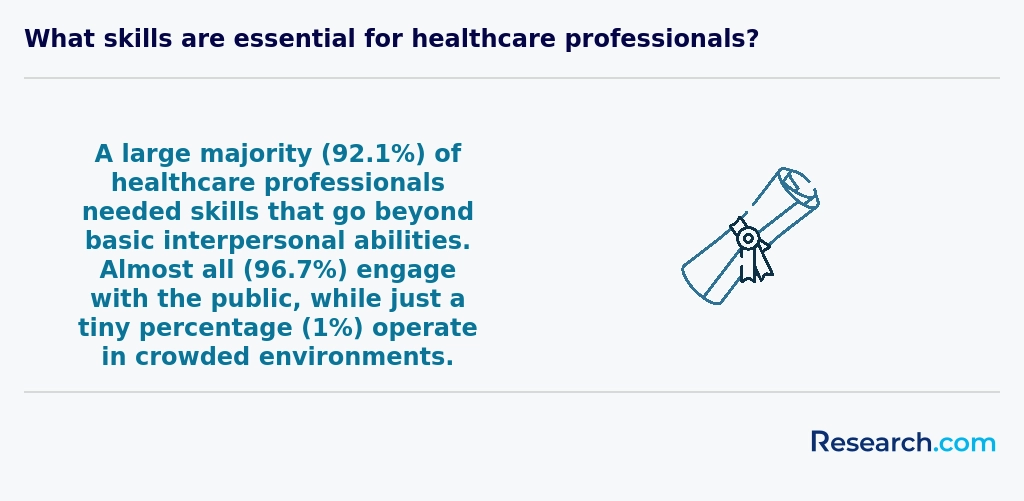
Employers in Missouri prioritize several key skills when hiring graduates with healthcare degrees. Strong communication skills are essential, as healthcare professionals must effectively interact with patients and colleagues. Critical thinking and problem-solving are also highly valued, enabling graduates to make informed decisions in complex situations. In Missouri, where healthcare facilities serve diverse populations, cultural competence is increasingly important to ensure inclusive patient care.
Technical proficiency in healthcare technology and electronic health records is another top skill. According to the Missouri Department of Higher Education & Workforce Development, healthcare jobs requiring such skills are growing by over 15% annually. Additionally, leadership and teamwork abilities often distinguish candidates in competitive job markets.
Finding healthcare internships in Missouri involves leveraging both academic resources and local healthcare networks. Students enrolled in online healthcare degree programs should first consult their university's career services, which often maintain partnerships with Missouri hospitals and clinics. Facilities such as Barnes-Jewish Hospital in St. Louis and University Hospital in Columbia frequently offer internships and clinical rotations.
Additionally, Missouri's Department of Health and Senior Services (DHSS) promotes internship opportunities that help students gain practical experience while serving state healthcare needs. Using platforms like Missouri Job Center or Handshake can also connect students with relevant local positions. According to the Missouri Hospital Association, the state employs over 200,000 healthcare workers, making internships accessible across urban and rural regions.
Professional networking through organizations such as the Missouri Academy of Science or local chapters of the American Public Health Association can further aid internship searches. Staying proactive and starting early are key in securing meaningful placements.
Obtaining an online healthcare degree in Missouri can significantly enhance career mobility and advancement opportunities. Missouri's healthcare sector is growing rapidly, with a projected job increase of 14% for healthcare practitioners and technical occupations by 2030, according to the Missouri Economic Research and Information Center (MERIC). This growth creates demand for skilled professionals with advanced training.
Online degrees offer flexible access to education, enabling working professionals to upskill without leaving their jobs. Graduates often qualify for leadership roles, such as healthcare management, which require advanced credentials.
Moreover, Missouri employers increasingly recognize accredited online programs, allowing graduates to compete effectively for promotions and specialized positions. Accredited online healthcare degrees also support eligibility for certifications and licensure that boost career prospects.
Studying for a healthcare degree in Missouri offers strong preparation for interdisciplinary roles by emphasizing collaboration across various health professions. Many Missouri institutions design their online healthcare programs to include courses in leadership, communication, and healthcare policy, essential for working effectively within teams.
The state's healthcare system, shaped by entities like the Missouri Hospital Association, stresses integrated care-a model increasingly prioritized in educational curricula. According to the Missouri Department of Health and Senior Services, over 60% of healthcare jobs in Missouri involve teamwork among various specialties, highlighting the need for interdisciplinary skills.
Students also benefit from exposure to real-world case studies and evidence-based practices reflecting Missouri's diverse population needs. This practical experience equips graduates to coordinate care, improve patient outcomes, and adapt to evolving healthcare environments successfully.
When choosing between a thesis and a non-thesis healthcare degree program in Missouri, consider your career goals and learning preferences. Thesis programs focus on research, requiring students to conduct original studies, which can be valuable for those aiming for academic or research-focused roles.
Non-thesis options typically emphasize practical skills and coursework, appealing to professionals seeking clinical or administrative positions without the research component.
Missouri's healthcare sector is growing, with an expected 15% employment increase by 2030, especially in advanced practice roles, according to the Missouri Economic Research and Information Center.
This growth affects program popularity and their alignment with workforce needs.
Students based in Missouri seeking online healthcare degrees with an international focus have several pathways to consider. While fully online programs are primarily offered by U.S. institutions, some Missouri students explore partnerships between local universities and foreign institutions to access global healthcare curricula.
Additionally, students can enroll in online programs accredited by U.S. agencies that include international healthcare components or electives. This approach ensures Missouri students meet local licensure requirements while gaining global perspectives. According to the Missouri Department of Higher Education & Workforce Development, healthcare jobs are projected to grow by 15% in the state by 2030, encouraging diverse educational pathways.
Although physically studying abroad is less common, some students participate in virtual international internships or exchange programs. These options allow Missouri residents to benefit from global healthcare insights without leaving home.
Part-time job opportunities in Missouri that complement healthcare degree education allow students to gain practical experience while balancing their studies. Common roles include medical assistants, certified nursing assistants (CNAs), and pharmacy technicians, which provide hands-on patient care exposure. According to the Missouri Economic Research and Information Center, healthcare support occupations are projected to grow by 15% by 2030, reflecting strong demand in the state.
Working in clinics, hospitals, or long-term care facilities can help students apply classroom knowledge in real-world settings. Additionally, administrative roles such as medical billing or health information technicians offer valuable insight into healthcare operations and data management. These jobs support skill development and enhance resumes.
Online healthcare students in Missouri benefit from various networking opportunities designed to support their education and career growth. Many Missouri universities offering online healthcare degrees encourage students to join professional organizations such as the Missouri State Medical Association and the Missouri Nurses Association. These groups host events, webinars, and local meetups, enabling students to connect with industry professionals.
Additionally, schools often provide virtual career fairs and alumni networking events, helping students build relationships within Missouri's healthcare community. Missouri's strong healthcare sector, employing over 340,000 professionals as reported by the Missouri Economic Research and Information Center, offers ample connections for online learners.
Alumni networks play a vital role for students pursuing online healthcare degrees in Missouri by providing valuable professional connections. These networks link graduates to peers and industry professionals who can offer mentorship and career guidance. According to the Missouri Economic Research and Information Center, healthcare jobs in the state are growing, increasing the importance of strong professional ties.
Alumni associations often organize job fairs and local events, giving students opportunities to access Missouri-based healthcare employers. Networking through alumni can lead to internships, job placements, or research collaborations, which are crucial benefits for online students studying remotely.
Customizing an online healthcare degree program in Missouri allows students to align their studies with specific career goals. Many Missouri institutions offer flexible curriculum options, including electives and specialization tracks in areas like healthcare administration, nursing leadership, or public health.
Students can select courses that emphasize skills needed in Missouri's growing healthcare sector, which employs over 400,000 people as reported by the Missouri Economic Research and Information Center (MERIC). Practical internships or capstone projects often can be tailored toward local healthcare organizations, providing relevant experience and networking opportunities.
Additionally, some programs offer dual degrees or certificates, further enhancing professional credentials. This customization improves job readiness in a state with expanding healthcare services and a rising demand for qualified healthcare leaders.
Online healthcare students in Missouri often face challenges related to balancing coursework with professional and personal responsibilities. Many are working healthcare professionals who find it difficult to manage time effectively. According to the Missouri Department of Higher Education, access to reliable internet in rural areas can also limit participation in online programs.
Another key challenge is the requirement for clinical placements. Students must complete in-person practical experiences, which can be difficult to arrange in certain regions. Missouri's healthcare system, which is experiencing workforce shortages, can make finding quality clinical sites competitive.
Finally, navigating accreditation standards and program recognition is important as it affects licensure and employment options within the state.
With an online healthcare degree in Missouri, graduates can pursue various professional certifications that enhance career opportunities. Common options include the Certified Healthcare Administrator (CHA) and Certified Professional in Healthcare Quality (CPHQ), both recognized nationally.
Missouri also supports certification as a Registered Health Information Technician (RHIT) and Certified Case Manager (CCM). These credentials are valuable in hospital management, insurance, and patient care coordination roles.
According to the Missouri Economic Research and Information Center (MERIC), healthcare occupations are projected to grow by 15% through 2030, highlighting the demand for certified professionals.
Many online programs prepare students to meet eligibility for these certifications, which typically require a combination of education and clinical experience.
Writing a winning application for an online healthcare program in Missouri starts with understanding the admission requirements. Most programs ask for a bachelor's degree, usually in healthcare or a related field, and require a minimum GPA of around 3.0. Strong letters of recommendation from healthcare professionals or academic mentors can significantly boost your profile.
Missouri's healthcare industry is growing, highlighting the need for qualified professionals. Tailor your personal statement to reflect your commitment to serving Missouri communities, citing relevant healthcare challenges reported by the Missouri Department of Health & Senior Services.
Highlight any clinical experience and emphasize skills like leadership and research, as demonstrated by Missouri's emphasis on innovation in healthcare education. Finally, proofread carefully and submit your application before deadlines, which vary by institution.
The global perspective on healthcare careers emphasizes the growing demand for skilled professionals worldwide. In the United States, including Missouri, healthcare is one of the fastest-growing sectors, driven by an aging population and advances in medical technology. According to the Missouri Economic Research and Information Center, healthcare occupations are projected to grow by 15% through 2030, faster than many other fields.
Internationally, healthcare workers with advanced degrees, such as doctorates, are valued for their leadership and innovation skills. Online healthcare degree programs in Missouri prepare students to meet these global standards by offering flexible education aligned with current industry needs. This approach supports careers in diverse settings, from clinical practice to policy development.
Gaining practical experience is essential for students pursuing online healthcare degrees in Missouri. Many programs require or encourage clinical placements, internships, or practicums at approved healthcare facilities across the state. These hands-on experiences enable students to apply theoretical knowledge in real-world settings, enhancing skills and employability.
Missouri healthcare institutions often collaborate with universities to provide local opportunities. According to the Missouri Department of Health and Senior Services, healthcare remains a top employment sector with over 300,000 jobs statewide, highlighting numerous potential sites for practical training.
Students should consult their program advisors early to find suitable placements that meet accreditation and licensing requirements.
Choosing the right concentration within an online healthcare degree program in Missouri requires careful consideration of your career goals and local healthcare demands. Missouri experiences a growing need for professionals in fields like public health, nursing leadership, and healthcare administration, reflecting national trends reported by the Missouri Economic Research and Information Center (MERIC).
Consider concentrations that align with Missouri's expanding healthcare sectors, such as rural health or aging population care. Research programs that offer relevant clinical or practicum opportunities tailored to Missouri's healthcare system. Reviewing employment projections from the U.S. Bureau of Labor Statistics can also help clarify which specialties are in demand locally.
Additionally, evaluate programs' accreditation status and faculty expertise to ensure quality education that meets Missouri licensure requirements. The right concentration will balance your interests with regional job prospects for successful career advancement.
Related Healthcare Rankings for Nearby States
- 2027 Best Online Doctorate in Healthcare Degree Programs Ranking in Kansas
- 2027 Best Online Doctorate in Healthcare Degree Programs Ranking in Illinois
- 2027 Best Online Doctorate in Healthcare Degree Programs Ranking in Kentucky
- 2027 Best Online Doctorate in Healthcare Degree Programs Ranking in Tennessee
- 2027 Best Online Doctorate in Healthcare Degree Programs Ranking in Indiana
- 2027 Best Online Doctorate in Healthcare Degree Programs Ranking in Wisconsin
- 2027 Best Online Doctorate in Healthcare Degree Programs Ranking in Colorado
- 2027 Best Online Doctorate in Healthcare Degree Programs Ranking in Louisiana
- 2027 Best Online Doctorate in Healthcare Degree Programs Ranking in Ohio
- 2027 Best Online Doctorate in Healthcare Degree Programs Ranking in Michigan
Top Trending Healthcare Rankings
See What Experts Have To Say About Studying Healthcare
Read our interview with Healthcare experts

References
- Healthcare Administration Degree https://slchc.edu/healthcare-administrator/healthcare-administration-degree/
- Global Health Perspectives https://globalhealthperspectives.com/
- How to Find Healthcare Internships: A Step-by-Step Guide for Students and New Graduates https://hipaatraining.net/how-to-find-healthcare-internships-a-step-by-step-guide-for-students-and-new-graduates
- Bachelor of Science in Health Sciences https://www.mssu.edu/academics/education/allied-health/degree-health-sciences.php
- What are the top 10 skills that'll get you a job when you graduate? https://targetjobs.co.uk/careers-advice/skills-for-getting-a-job/what-are-top-10-skills-thatll-get-you-job-when-you-graduate
- 6 Tips On Networking For Medical Professionals https://aaams.net/blog/how-to-network-in-the-medical-field-nurses/
- Alumni Reconnect - Poznan University of Medical Sciences https://pums.edu.pl/alumni-friends/alumni-reconnect/
- The Value of Healthcare Organization Alumni Associations https://consultqd.clevelandclinic.org/the-value-of-healthcare-organization-alumni-associations
- How to choose a bachelor's in healthcare administration | edX https://www.edx.org/resources/how-to-choose-a-bachelors-in-healthcare-administration
- The Importance of Career Growth in Healthcare https://www.frontlinerecruitmentgroup.com/resources-hub/the-importance-of-career-growth-in-healthcare/


