
2027 Best Online Doctorate in Healthcare Degree Programs Ranking in St. Louis, MO

Co-Founder and Chief Data Scientist
Choosing the right doctorate program in healthcare can feel overwhelming, especially with so many options available. This article presents the 2027 Best Online Doctorate in Healthcare Degree Programs Ranking in St. Louis, MO, developed by the Research.com team of data scientists. It's designed to help you make a clear and informed decision.
Discover programs that offer flexibility for busy schedules, strong academic support, and real-world healthcare skills. Pursuing an advanced degree opens doors to new career opportunities and personal growth, making it a rewarding investment in your future.
Explore the ranking to find the best fit for your goals and aspirations.
Key benefits of getting online healthcare degree in St. Louis
- Healthcare degree graduates in St. Louis can earn competitive salaries, such as Program Directors making around $129,330 annually and Healthcare Services Researchers earning about $112,380 per year, highlighting the strong financial rewards.
- Graduates from universities like Washington University in St. Louis often pursue diverse careers including research, management, and development roles, offering exciting pathways to impact healthcare locally and beyond.
- Online healthcare degrees provide flexibility to balance work and study, as demonstrated by graduates from Saint Louis University's online programs who value gaining skills without relocating or pausing their careers.
- Key benefits of getting online healthcare degree in St. Louis
- What can I expect from online healthcare degree in St. Louis?
- Where can I work with online healthcare degree in St. Louis?
- How much can I make with online healthcare degree in St. Louis?
- 2027 Best Online Doctorate in Healthcare Degree Programs Ranking in St. Louis, MO
- Key Findings
- How long does it take to complete online healthcare degree in St. Louis?
- What's the difference between online and on-campus healthcare degree?
- What is the average cost of online healthcare degree in St. Louis?
- What financial aid is available to online healthcare degree students in St. Louis?
- Program Accreditation
- What are the prerequisites for enrolling in online healthcare degree program in St. Louis?
- What courses are typically in online healthcare degree programs in St. Louis?
- What types of specializations are available in online healthcare degree programs in St. Louis?
- How do you choose the best online healthcare degree in St. Louis?
- What career paths are available for online healthcare degree students in St. Louis?
- What is the job market for online healthcare degree in St. Louis?
- Top Trending Healthcare Rankings
- See What Experts Have To Say About Studying Healthcare
What can I expect from online healthcare degree in St. Louis?
When exploring online healthcare degrees in St. Louis, understanding the cost is essential. Graduates from well-regarded institutions like Washington University and Saint Louis University often mention that tuition averages between $15,000 and $35,000 per year, depending on the program level and specific healthcare discipline. Many appreciate how this investment balances with the program's rigorous curriculum and local clinical opportunities offered through prominent hospitals such as Barnes-Jewish.
Students often reflect on how the flexibility of online learning, combined with affordable tuition relative to other cities, allowed them to continue working while advancing their careers. The partnership between universities and local healthcare providers also brings invaluable practicum experiences without relocating, adding real-world value that many find motivating and reassuring as they invest in their education.
This balance of quality education, experiential learning, and reasonable cost makes St. Louis a compelling choice for those seeking a healthcare degree online, with graduates expressing both pride and optimism about their future prospects in the city's growing healthcare sector.
Where can I work with online healthcare degree in St. Louis?
With an online healthcare degree earned through institutions like Saint Louis University or Webster University, graduates find a variety of rewarding career paths throughout St. Louis. Many start in hospital administration, where they manage daily operations and contribute directly to improving patient care in major health systems such as BJC HealthCare or Mercy Hospital. It's common for alumni to share how their roles have grown from coordinating small teams to leading initiatives that enhance the entire patient experience, which brings a strong sense of purpose and accomplishment.
Others pursue positions in public health agencies, applying their knowledge to community programs tackling real issues like chronic disease or substance abuse. This work feels deeply impactful, as graduates often see the direct results of their efforts improving local wellbeing. St. Louis's vibrant network of health organizations offers multiple avenues to engage in meaningful, hands-on public service.
For those drawn to technology, health informatics and IT roles are increasingly accessible. Graduates with focused skills in data analysis land jobs within hospitals or insurance companies, where their digital expertise helps streamline care through electronic health records. This blend of healthcare and technology provides both challenge and satisfaction.
Healthcare consulting represents another dynamic option, especially in a medical hub like St. Louis. Graduates who enjoy problem-solving find consulting fulfilling, as they advise providers on optimizing systems and navigating regulations, creating tangible improvements across large organizations.
How much can I make with online healthcare degree in St. Louis?
Graduates with online healthcare degrees in St. Louis often find themselves stepping into roles that are both fulfilling and well-compensated. For instance, many who pursued programs at institutions like Saint Louis University or Webster University have reported starting salaries around $112,000 as Healthcare Services Researchers, Research Directors, or Principal Scientists, reflecting the strong demand for these specialized skills in the region.
Others aiming at leadership positions, such as Program Directors in healthcare, enjoy even higher earnings, with mean annual wages near $129,330, according to recent Bureau of Labor Statistics data. This aligns with stories from graduates who effectively translated their advanced degrees into pivotal roles shaping healthcare strategies across local hospitals and clinics.
Similarly, those focusing on development and growth within healthcare organizations-as Chief Development Officers-see salaries averaging $95,600, which supports a comfortable lifestyle in St. Louis given its relatively low cost of living. Graduates appreciate how their education opens doors to rewarding careers that combine financial security with meaningful impact on community health.
In essence, the financial outlook for healthcare degree holders in St. Louis is encouraging, especially when paired with the region's supportive educational environment and expanding healthcare sector.
2027 Best Online Doctorate in Healthcare Degree Programs Ranking in St. Louis, MO
How do we rank schools?
Investing in your education is a significant decision that can profoundly impact your career and personal growth. The Research.com team recognizes the importance of making well-informed choices and has dedicated considerable effort to ensure the quality, credibility, and accuracy of the "2027 Best Online Doctorate in Healthcare Degree Programs Ranking in St. Louis, MO."
We utilized the following reputable data sources to create a thorough and trustworthy evaluation of healthcare doctorate programs:
Readers will gain valuable insights into top-quality programs, enabling them to confidently select a program that aligns with their goals. For more information on how this ranking was developed, please visit our Research.com methodology page.
# 1 position
Maryville University of Saint Louis
Doctor of Adult-Gerontology Primary Care Nurse Practitioner

# 2 position
Chamberlain University - St. Louis
Doctor of Nursing Practice

Key Findings
- St. Louis has a strong healthcare job market with growing demand over the next decade, offering good career opportunities.
- Online bachelor's healthcare programs typically cost between $10,000 and $15,000 per year for in-state students, while graduate programs range from $15,000 to $30,000 annually.
- Starting salaries for bachelor's degree graduates in healthcare are around $45,000 to $55,000, with advanced degree holders earning over $80,000 within a few years.
- Many programs use asynchronous coursework, allowing students to study while working or managing family responsibilities.
- Online healthcare programs in St. Louis align with Missouri's licensure requirements to support certification and professional readiness.
How long does it take to complete online healthcare degree in St. Louis?
Completing an online healthcare degree in St. Louis varies widely, reflecting both the type of program and personal commitments. Graduates from institutions like Saint Louis University or Webster University often share that associate degrees typically wrap up in about 18 to 24 months, an ideal pace for those eager to enter the workforce or advance gradually. Bachelor's degree students appreciate the flexibility of online study, often finishing in four years, but many take five or six years when balancing family or work obligations.
Those pursuing graduate healthcare degrees find programs at local universities offering accelerated tracks, with some finishing in as little as 12 to 18 months by dedicating themselves fully. Doctoral candidates, meanwhile, experience timelines stretching from three up to seven years, depending on full or part-time enrollment and the demands of asynchronous coursework.
Many local students recall how transfer credits and part-time options helped them tailor their journey, turning challenges into manageable steps. The experience of studying online in St. Louis is often marked by gratitude for flexible scheduling that respects life's unpredictability while steadily advancing professional goals.
What's the difference between online and on-campus healthcare degree?
Graduates from St. Louis universities often reflect on the distinct benefits of online versus on-campus healthcare degrees. Those pursuing online programs appreciate the flexibility, allowing them to juggle work and family while studying at their own pace. For example, a busy nurse advancing her education through an online healthcare program at a well-known St. Louis college found this approach invaluable for managing shift work and family life simultaneously.
On the other hand, students attending classes on-campus at institutions like Saint Louis University value the face-to-face interactions and immediate access to clinical facilities. One recent graduate shared how being physically present in labs and hospitals helped build confidence through hands-on experiences and in-the-moment feedback from faculty.
Both paths require clinical practice, yet online students often arrange local placements within St. Louis's network of hospitals, which supports flexibility without compromising accreditation. Tuition tends to be similar, but online students often save on commuting and housing costs, making education more affordable overall. Balancing these factors can help you decide the best fit for your lifestyle and learning preferences.
What is the average cost of online healthcare degree in St. Louis?
In St. Louis, the average cost of an online healthcare degree typically centers around $54,900. This figure reflects a balance between the offerings of renowned institutions like Washington University and Saint Louis University, where graduates often speak highly of the quality education that justifies the investment. Many students pursuing healthcare degrees online appreciate the flexibility provided, which can align with full-time work or family commitments, enhancing their overall satisfaction despite the financial commitment.
Graduates from these programs frequently mention that understanding the total tuition and fees for online healthcare doctorate programs in St. Louis helps them plan their budgets more effectively. Public universities offer benefits such as in-state tuition discounts to Missouri residents, which can soften this cost. Additionally, some programs may include extra fees for clinical placements or technology that applicants should consider to avoid surprises.
For individuals looking to accelerate their studies without sacrificing quality, exploring options like a fast track bachelor's degree online has been a popular choice. This approach often helps reduce overall expenses by shortening the duration of the program while maintaining rigorous coursework. Prospective students should weigh program length, fees, and institutional reputation carefully to find a path that fits both their career goals and financial situation.
What financial aid is available to online healthcare degree students in St. Louis?
When pursuing an online healthcare degree in St. Louis, many graduates find that federal financial aid is a vital starting point. Programs like Pell Grants and Direct Subsidized Loans, accessed through the FAFSA, offer reassurance by reducing reliance on high-interest debt. Graduates from institutions such as Saint Louis University often recall how these funds helped ease their early financial stress.
State aid programs unique to Missouri also play a crucial role. The Access Missouri Financial Assistance Program and the Missouri State Scholarship offer tangible relief through need- and merit-based awards. For example, students at colleges like Webster University have reported how these grants allowed them to focus more on their studies than on tuition bills.
Institutional scholarships tailored to healthcare disciplines bring further support. Nursing and public health students frequently discover scholarships that acknowledge their dedication, easing their financial burdens significantly. Practical experience, say at Washington University's healthcare programs, often enhances eligibility for such awards.
Employers in St. Louis' thriving healthcare sector sometimes provide tuition reimbursement, reflecting local commitment to professional growth. Additionally, private scholarships from local foundations add another hopeful dimension, turning financial aid into a real possibility for many aspiring healthcare professionals.
Program Accreditation
Accreditation confirms a program meets rigorous academic and industry standards. Prioritize programs with both regional and discipline-specific approvals to safeguard your investment and career goals.
- Regional accreditation (e.g., Higher Learning Commission) validates overall institutional quality.
- Discipline-specific bodies-such as the Commission on Collegiate Nursing Education (CCNE) or the Council on Education for Public Health (CEPH)-ensure curricula match professional benchmarks.
- State board recognition guarantees your doctorate meets licensure or certification requirements.
- Accredited programs support federal financial aid eligibility, credit transfers, and employer acceptance (including pharmacy pathways-see pharmacist education requirements).
What are the prerequisites for enrolling in online healthcare degree program in St. Louis?
Enrolling in an online healthcare degree program in St. Louis often begins with having a solid educational foundation, typically a high school diploma or GED for undergraduate paths. Many graduates from local institutions like Saint Louis University shared that demonstrating competence in biology, chemistry, and math through transcripts made the admission process feel more approachable. For those pursuing advanced degrees, such as a Master's or Doctorate from schools like the University of Missouri-St. Louis, holding a relevant bachelor's degree with a GPA around 3.0 is commonly expected. This academic readiness is reassuring, affirming that students are prepared for the rigors ahead.
Work experience also emerges as a prized asset. Graduates from nursing programs at WashU often recall how clinical hours or administrative roles boosted their confidence during applications and later in their studies. Given Missouri's strict healthcare regulations, candidates frequently need valid licensure, such as RN certification, which not only ensures compliance but also deepens a sense of professional identity.
Though some programs still request standardized test scores like the GRE, the shift toward test-optional policies across St. Louis universities creates more flexibility, reducing stress for many applicants. Understanding these layered requirements helps prospective students approach their journey with hope and clear preparation, turning uncertainty into opportunity.

What courses are typically in online healthcare degree programs in St. Louis?
Online healthcare degree programs in St. Louis often encompass a rich array of courses that mirror the region's dynamic medical landscape. Graduates from universities like the University of Missouri-St. Louis and Saint Louis University frequently highlight courses such as Human Anatomy and Physiology, which provided them vital knowledge of the human body's intricate systems-foundational for any healthcare role.
Healthcare Ethics and Law stood out to many as they navigated real-world dilemmas during internships, reinforcing the importance of legal awareness and moral judgment in patient care. Courses on Healthcare Policy and Administration equipped students to understand how large hospital systems in St. Louis, like BJC HealthCare, operate and adapt within an evolving framework.
Health Informatics was particularly praised for its relevance, reflecting the city's growing emphasis on technology in medicine. Graduates recall managing data systems that streamlined patient information and improved clinical decisions, connecting classroom theory with hands-on experience. These courses together blend theory and practice, preparing students not just to work in healthcare, but to lead with confidence in the St. Louis medical community.
What types of specializations are available in online healthcare degree programs in St. Louis?
Online healthcare degree specializations in St. Louis reflect the diverse and evolving needs of the healthcare industry. Graduates from well-regarded institutions like Saint Louis University and Washington University often highlight how Healthcare Administration taught them to navigate complex hospital systems, preparing them for leadership with confidence. Nursing Practice programs, widely respected in the area, blend advanced clinical skills with compassionate patient care, resonating deeply with those seeking meaningful impact in the community.
Many students find Public Health specializations particularly rewarding, as these programs emphasize improving community well-being and preventive strategies-a vital focus in St. Louis's proactive healthcare environment. Health Informatics equips learners with technical expertise to manage critical data systems, a skillset increasingly in demand, while Clinical Research prepares candidates to contribute directly to groundbreaking medical advancements.
For those exploring flexible education, local options stand alongside national offerings, making it possible to pursue a St. Louis healthcare doctorate program options or other credentials without disrupting life's commitments. Additionally, curious learners may explore online degree programs for seniors, which often include tailored healthcare tracks suitable for lifelong growth and development.
How do you choose the best online healthcare degree in St. Louis?
Choosing the best online healthcare degree in St. Louis means prioritizing accreditation and program quality. Graduates from institutions like Saint Louis University often emphasize how accreditation boosts employer confidence and opens career doors. Many find that aligning the degree focus, whether nursing or healthcare administration, with personal career goals clarifies the decision process. For example, those pursuing healthcare administration appreciate how leadership skills gained translate directly to local hospital management roles.
Affordability also plays a key role. Public universities in St. Louis sometimes offer tuition discounts up to 30%, making them attractive for residents seeking affordable online healthcare degrees in St. Louis Missouri. Exploring financial aid or employer tuition support further eases the cost burden. Many students recommend researching options such as the most affordable master's degree online to find fitting programs.
Flexible scheduling is invaluable, especially for working professionals. Graduates note that asynchronous courses paired with strong tech support and advising encourage persistence. Programs connected to local healthcare employers enhance networking and practicums, crucial for launching careers in a market growing by nearly 10%. Reflecting on these factors can help you confidently choose a program that fits your lifestyle and ambitions.
What career paths are available for online healthcare degree students in St. Louis?
Graduates of an online healthcare degree in St. Louis find a variety of promising career paths closely tied to the city's expansive healthcare industry. Many who studied at local institutions take pride in stepping into roles such as healthcare managers, coordinating hospital operations while improving patient care with a hands-on approach. Others pursue advanced nursing degrees like the Doctor of Nursing Practice, finding rewarding positions in critical care units across renowned St. Louis hospitals, where demand for skilled nurses remains high. These professionals often share how their education equips them to respond confidently to real challenges, blending compassion with expertise.
For those interested in broader community health impact, public health careers open doors at nonprofit agencies and government organizations within St. Louis, addressing urgent needs like disease prevention. Many graduates reflect on the satisfaction of making tangible differences daily. Meanwhile, career opportunities for healthcare graduates in St. Louis MO also include health informatics-a growing field where graduates from local universities handle life-saving data through electronic health records, fueling innovation in healthcare delivery.
Financial considerations often influence decisions, and prospective students appreciate that St. Louis universities frequently offer in-state tuition benefits for online learners. This affordability, combined with the city's vibrant job market, encourages enrollment at accredited online colleges that do not charge an application fee, broadening access to healthcare education and careers in the region.
What is the job market for online healthcare degree in St. Louis?
The job market for those with an online healthcare degree in St. Louis is notably encouraging, reflecting a community driven by healthcare innovation and expansion. Graduates from local universities often share how they found rewarding roles quickly within major health systems like BJC HealthCare or Mercy Health, where demand is steady for roles ranging from clinical nursing to healthcare administration. This positive momentum aligns well with the broader regional economic trends emphasizing healthcare growth.
Many alumni recall balancing their studies with real-world work experiences, appreciating how their programs prepared them for various advanced roles sought after by St. Louis employers. For students considering cost-effective options, exploring some of the cheapest online bachelor degree programs has proven to be a wise investment, opening doors in a competitive field without excessive debt.
Looking closely at St. Louis healthcare doctorate job outlook, graduates often find themselves in interdisciplinary roles involving health informatics or policy development. This reflects the region's commitment to innovation, making it a promising landscape for those pursuing advanced degrees and specialized career paths in healthcare.
Frequently Asked Questions About healthcare
Online healthcare degree students in St. Louis can maximize their learning experience by actively engaging with virtual resources and local healthcare systems. Leveraging interactive course materials and participating in live discussions enhance comprehension and practical skills. According to the Missouri Department of Higher Education, utilizing local clinical sites for internships or practicums complements online education with valuable hands-on experience.
Networking with healthcare professionals in St. Louis, a city home to major medical centers like Barnes-Jewish Hospital, provides insights into regional healthcare challenges and innovations. Additionally, students should take advantage of academic advising and career services offered by their institutions to tailor their education toward local healthcare needs and job markets.
The healthcare field is rapidly evolving, and several emerging niches are shaping its future. In St. Louis, areas like telehealth and health informatics are growing due to increased demand for remote patient care and efficient data management. According to the Missouri Department of Health and Senior Services, telemedicine use has surged by over 30% in recent years.
Another expanding niche is precision medicine, which tailors treatments to individual genetic profiles. This field benefits from St. Louis's strong biotech sector, including institutions like the Genome Technology Access Center. Additionally, healthcare cybersecurity is critical as digital records become widespread, protecting sensitive patient information.
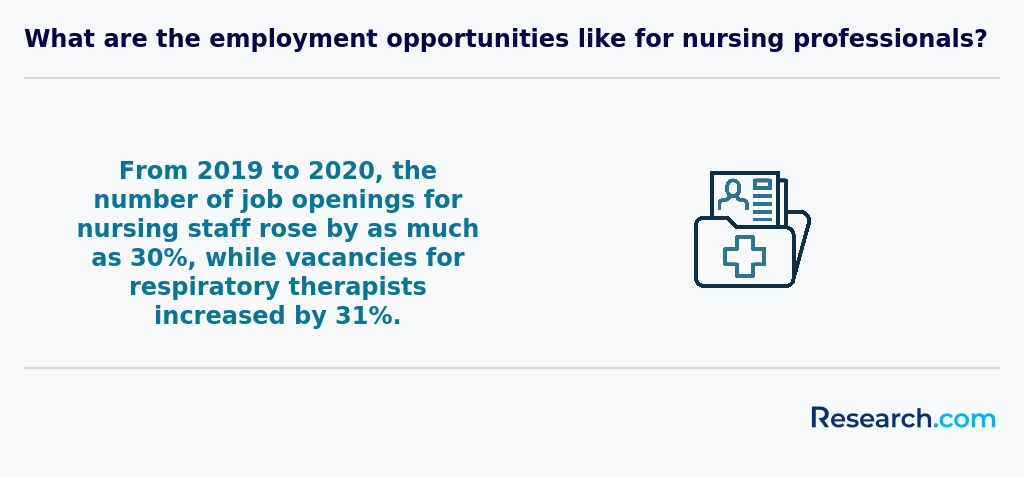
These niches provide promising pathways for online healthcare degree students in St. Louis, aligning with national growth trends highlighted by the U.S. Bureau of Labor Statistics, which expects a 16% employment increase in healthcare occupations through 2030.
After completing an online healthcare degree in St. Louis, preparing for the job market involves several key steps. Start by obtaining relevant certifications required for your specific healthcare field, such as RN licensure or health information management credentials. Networking within St. Louis' healthcare community is crucial; organizations like the Missouri Hospital Association offer local events and job fairs. Practical experience, including internships or volunteering at nearby hospitals like Barnes-Jewish or SSM Health, strengthens your resume. Additionally, use job platforms specializing in healthcare positions and tailor your resume to highlight both your online education and any hands-on experience. According to the U.S. Bureau of Labor Statistics, healthcare jobs in Missouri are expected to grow by 15% through 2030, making preparation vital.
Employers in St. Louis consistently prioritize strong communication skills for healthcare degree graduates. Effective interaction with patients and colleagues is essential in the region's diverse medical settings. Critical thinking and problem-solving abilities are also highly valued, enabling graduates to make quick, informed decisions in fast-paced healthcare environments. According to the Missouri Economic Research and Information Center (MERIC), healthcare jobs in St. Louis often demand adaptability and teamwork due to frequent collaboration among various health professionals. Additionally, proficiency in health informatics and familiarity with electronic health records (EHR) technology are increasingly important, reflecting national trends in digital healthcare management.
Finding internships in St. Louis for healthcare degree students involves targeting local hospitals, clinics, and research centers known for healthcare innovation. Institutions like Barnes-Jewish Hospital and St. Louis University Hospital provide structured internship programs suitable for online healthcare students.
The Missouri Hospital Association reports St. Louis as a leading healthcare hub with numerous internship opportunities, especially in clinical and administrative roles. Students should also explore partnerships their online programs may have with local organizations to secure placements.
Using platforms like Handshake and local career services helps identify openings in healthcare settings across St. Louis. Networking through professional groups like the Missouri State Medical Association can also enhance chances.
Obtaining an online healthcare degree in St. Louis can significantly enhance career mobility and advancement opportunities. The city's expanding healthcare industry, which includes major employers like BJC HealthCare and Mercy Hospital, demands skilled professionals to fill leadership and specialized roles. According to the Missouri Economic Research and Information Center, healthcare jobs in the St. Louis area are projected to grow faster than the state average through 2030.
Online degrees offer flexibility, allowing working professionals to advance their education without interrupting employment. This mode of study also facilitates access to accredited programs from local institutions, ensuring credentials are recognized by regional employers.
Graduates often qualify for higher-paying roles such as healthcare administrators, clinical managers, or policy advisors, reflecting data from the U.S. Bureau of Labor Statistics showing median wages for advanced healthcare roles exceeding $75,000 annually in Missouri. Therefore, investing in an online healthcare degree can be a strategic step toward leadership and career growth in St. Louis's competitive healthcare market.
Studying for a healthcare degree online in St. Louis equips students with essential skills for interdisciplinary roles by emphasizing collaboration across medical, administrative, and technological fields. Programs often include coursework in healthcare policy, informatics, and leadership to prepare graduates for diverse team environments. St. Louis has a strong healthcare sector, including major hospital systems like BJC HealthCare, which fosters opportunities for practical experience and networking. According to the Missouri Department of Health and Senior Services, these interdisciplinary experiences align with local employer expectations, enhancing job readiness in integrated care settings. This holistic approach supports graduates in managing complex healthcare challenges effectively.
Choosing between a thesis and a non-thesis healthcare degree in St. Louis depends on your career goals and learning preferences. A thesis option requires original research and is suited for students aiming for doctoral study or research roles.
Non-thesis programs focus on practical skills and coursework, ideal for professionals seeking advancement in clinical or administrative healthcare positions without a research emphasis.
St. Louis hosts top healthcare employers, so aligning your degree with market needs is key. Data from the St. Louis Regional Health Care Workforce Initiative shows demand for healthcare managers and practitioners with applied knowledge.
Consider your timeline, research interest, and job market before deciding.
Students based in St. Louis seeking to study healthcare abroad through online degrees have several pathways available. Many U.S. institutions with global partnerships offer accredited online healthcare programs that allow students to earn their degrees remotely while benefiting from international curricula. These programs often emphasize global health issues and cross-cultural competencies, critical for healthcare professionals today.
St. Louis ranks highly in healthcare innovation, hosting major medical centers like Barnes-Jewish Hospital, supporting a strong local demand for qualified healthcare leaders. According to the Missouri Department of Higher Education, online healthcare degrees have grown by over 20% in the past five years, reflecting broader acceptance of remote study options.
Though direct international university enrollment is less common, students can access study abroad components tied to online degrees, gaining exposure without relocating. These flexible options help St. Louis learners balance local jobs while obtaining global healthcare perspectives.
St. Louis offers various part-time job opportunities that complement healthcare degree education, especially for students pursuing online programs. Positions such as medical assistants, home health aides, and pharmacy technicians allow hands-on experience while maintaining flexible schedules.
According to the U.S. Bureau of Labor Statistics, St. Louis has a growing demand for healthcare support roles, with medical assistant jobs expected to grow by 14% over the next decade. Local hospitals like Barnes-Jewish and St. Louis Children's Hospital often hire part-time workers in clinical and administrative roles, providing valuable exposure to patient care and health systems.
Additionally, telehealth positions are expanding in St. Louis, offering remote roles such as patient navigators and health coaches that align well with online healthcare studies. These jobs help build skills in communication, patient management, and healthcare technology.
Online healthcare students in St. Louis benefit from diverse networking opportunities despite studying remotely. Many local universities, such as Saint Louis University and the University of Missouri-St. Louis, host virtual events, workshops, and healthcare seminars open to online learners.
Professional organizations like the Missouri Hospital Association offer membership and virtual networking events, connecting students with healthcare leaders throughout the state. According to the St. Louis Regional Chamber, the healthcare sector employs over 130,000 residents, increasing chances for internships, mentorships, and collaborations.
Students can engage in virtual career fairs and join local LinkedIn groups focused on St. Louis healthcare professionals, expanding professional connections effectively.
Alumni networks provide substantial benefits to online healthcare degree students in St. Louis by fostering professional connections and career opportunities. These networks often include graduates working in prominent local healthcare institutions, such as Barnes-Jewish Hospital and St. Louis Children's Hospital, which regularly rank among the top employers in the region. Engaging with alumni allows students to access mentorship and guidance specific to St. Louis' healthcare landscape.
Furthermore, alumni connections can facilitate internships and job placements in a city that, according to the Missouri Hospital Association, has seen a 5% increase in healthcare job openings over recent years. This network also supports continuing education and collaboration, essential in a rapidly evolving field like healthcare.
Many online healthcare degree programs in St. Louis offer flexible curricula that allow students to tailor their studies to specific career goals. For example, students can often choose electives or specialize in areas like healthcare administration, nursing leadership, or informatics. This flexibility helps align education with local industry demands, as St. Louis hosts several major healthcare employers such as BJC HealthCare, which employs over 30,000 staff members.
Additionally, accredited online programs frequently provide opportunities for practical experiences through partnerships with local hospitals and clinics. This hands-on exposure is valuable for networking and gaining relevant skills. Prospective students should consult program advisors to design a course plan that supports their intended healthcare career path effectively.
Online healthcare students in St. Louis commonly face challenges related to balancing coursework with professional and personal responsibilities. Many students juggle full-time jobs or family care while engaging in rigorous study. According to the National Center for Education Statistics, time management is a leading hurdle for adult learners in online programs.
Clinical placements are another significant challenge. While online courses provide theoretical knowledge, securing local clinical experiences can be difficult due to limited nearby partnerships and competition for spots, especially in the St. Louis healthcare system-which employs over 70,000 professionals per the Missouri Hospital Association (2023).
Connectivity and technology access also impact students unevenly across the region, with some facing unreliable internet at home. Technical support services vary by institution, affecting students' ability to engage fully. Academic isolation is frequently cited, as online learners miss the in-person networking often crucial for healthcare careers.
With an online healthcare degree, professionals in St. Louis can pursue various certifications to enhance their careers. Popular certifications include Certified Healthcare Administrator (CHA), Certified Professional in Healthcare Quality (CPHQ), and Registered Health Information Administrator (RHIA). These credentials are recognized nationwide and valued by St. Louis hospitals like BJC HealthCare and Mercy Health.
Certification requirements often include coursework, clinical experience, and passing a standardized exam. According to the Bureau of Labor Statistics, healthcare occupations in Missouri are expected to grow by 14% through 2031, increasing demand for credentialed professionals.
Local universities also support preparation for certifications through dedicated online courses, making advancement accessible for St. Louis residents.
Writing a winning application for an online healthcare program in St. Louis requires clear focus and preparation. Start by researching the specific program's prerequisites and tailor your statement of purpose to highlight relevant experience. Admission committees value applicants who demonstrate understanding of local healthcare challenges-Missouri ranks 38th in healthcare quality nationwide, so emphasize your commitment to addressing such issues.
Include strong letters of recommendation from professionals familiar with your healthcare background. Highlight any experience with telehealth or digital systems, as these are increasingly important in St. Louis' healthcare market. Finally, proofread carefully to ensure clarity and professionalism throughout your application.
Healthcare careers are increasingly valued worldwide due to rising global health challenges and aging populations. In the United States, the Bureau of Labor Statistics projects healthcare occupations will grow 13% from 2021 to 2031, adding nearly 2 million new jobs. St. Louis reflects this trend, with Missouri showing a 14% projected growth in healthcare jobs over the same period, according to the Missouri Economic Research and Information Center.
The global perspective emphasizes cultural competence, technology adoption, and interdisciplinary skills for healthcare professionals. Online healthcare degrees offered in St. Louis incorporate these elements to prepare students for diverse, evolving healthcare environments. International collaborations also influence curricula, ensuring graduates meet both domestic and global standards.
Gaining practical experience while studying for an online healthcare degree in St. Louis is essential to complement theoretical knowledge. Many programs incorporate internships or clinical practicums within local healthcare facilities. Students can partner with hospitals such as BJC HealthCare or St. Louis Children's Hospital, which offer opportunities for hands-on training.
Additionally, some universities collaborate with local clinics and public health organizations to provide remote simulation labs and virtual case studies. These allow students to develop critical skills in a controlled environment.
According to the Missouri Department of Health, clinical experience is a required component in most healthcare coaching and doctoral programs to meet licensure and certification standards.
When choosing a concentration within an online healthcare degree program in St. Louis, start by assessing your career goals and interests. Healthcare fields vary widely, including administration, informatics, public health, and nursing leadership. Consider the local job market: the St. Louis region employs over 94,000 healthcare workers, with a strong demand in healthcare management and health informatics, according to the Missouri Economic Research and Information Center.
Next, evaluate program flexibility and alignment with licensure or certification requirements if applicable. Check if faculty have relevant expertise and if opportunities exist for local practicum or networking, which can enhance employment prospects in the region.
Related Healthcare Rankings for Nearby Cities
- 2027 Best Online Healthcare Degree Programs Ranking in Saint Charles, MO
- 2027 Best Online Healthcare Degree Programs Ranking in Lebanon, IL
- 2027 Best Online Healthcare Degree Programs Ranking in Carbondale, IL
- 2027 Best Online Bachelor's in Healthcare Degree Programs Ranking in Columbia, MO
- 2027 Best Online Healthcare Degree Programs Ranking in Peoria, IL
- 2027 Best Online Healthcare Degree Programs Ranking in Murray, KY
- 2027 Best Online Bachelor's in Healthcare Degree Programs Ranking in Springfield, MO
- 2027 Best Online Healthcare Degree Programs Ranking in Joliet, IL
- 2027 Best Online Healthcare Degree Programs Ranking in Romeoville, IL
- 2027 Best Online Healthcare Degree Programs Ranking in Memphis, TN
Top Trending Healthcare Rankings
See What Experts Have To Say About Studying Healthcare
Read our interview with Healthcare experts

References
- Online Health Science Degrees with Financial Aid https://www.edumed.org/online-schools/health-science-degrees/financial-aid/
- From Simulation to Holographics: How St. Louis Can ... https://entrepreneurquarterly.com/simulation-holographics-st-louis-can-educate-next-generation-healthcare-professionals/
- The 2026 guide to St. Louis health care training and ... https://stl.works/2026/04/29/the-2026-guide-to-st-louis-health-care-training-and-education-services/
- Saint Louis University Online Nurse Practitioner Programs https://www.npschools.com/profiles/saint-louis-university
- Midwest Institute: Accredited Career College St. Louis https://www.midwestinstitute.edu/
- Healthcare Administration Degree https://slchc.edu/healthcare-administrator/healthcare-administration-degree/
- 2026 Most Affordable Online Healthcare Administration ... https://www.onlineu.com/most-affordable-colleges/healthcare-administration-degrees
- Experiential Learning to Enhance ... https://annalsofglobalhealth.org/articles/10.5334/aogh.4537
- Online Medical Career Programs in St-Louis https://ccitraining.edu/locations/st-louis/
- St. Louis College of Health Careers https://missourihealthcareers.com/schools/st-louis-college-of-health-careers/


