
2027 Best Online Healthcare Degree Programs Ranking in St. Paul, MN

Co-Founder and Chief Data Scientist
Choosing the right healthcare degree can feel overwhelming, especially with so many options available. This article introduces the 2027 Best Online Healthcare Degree Programs Ranking in St. Paul, MN, created by the Research.com team of data scientists to guide you through this important decision.
By exploring this ranking, you'll gain valuable insights into quality programs tailored for students in St. Paul. Pursuing a healthcare degree opens doors to rewarding careers that make a real difference in people's lives. Let this guide support your journey toward a fulfilling future in healthcare.
Key benefits of getting online healthcare degree in St. Paul
- Healthcare degree graduates in St. Paul can expect competitive salaries, with Medical Assistants earning around $43,350 annually and Quality Improvement Coordinators making up to $103,150 per year, reflecting strong earning potential.
- Graduates from colleges like the University of St. Thomas often pursue diverse careers such as Patient Care Technicians or Health Information Technicians, offering multiple rewarding paths in healthcare.
- Online healthcare degrees provide flexibility and convenience, enabling students to balance work and study effectively, as shown by many successful graduates from local online programs.
- Key benefits of getting online healthcare degree in St. Paul
- What can I expect from online healthcare degree in St. Paul?
- Where can I work with online healthcare degree in St. Paul?
- How much can I make with online healthcare degree in St. Paul?
- 2027 Best Online Healthcare Degree Programs Ranking in St. Paul, MN
- Key Findings
- How long does it take to complete online healthcare degree in St. Paul?
- What's the difference between online and on-campus healthcare degree?
- Accreditation and Licensure Preparation
- What is the average cost of online healthcare degree in St. Paul?
- What financial aid is available to online healthcare degree students in St. Paul?
- What are the prerequisites for enrolling in online healthcare degree program in St. Paul?
- What courses are typically in online healthcare degree programs in St. Paul?
- What types of specializations are available in online healthcare degree programs in St. Paul?
- How do you choose the best online healthcare degree in St. Paul?
- What career paths are available for online healthcare degree students in St. Paul?
- What is the job market for online healthcare degree in St. Paul?
- Top Trending Healthcare Rankings
- See What Experts Have To Say About Studying Healthcare
What can I expect from online healthcare degree in St. Paul?
The average cost of an online healthcare degree in St. Paul typically ranges between $15,000 and $35,000, depending on the institution and program length. Graduates from well-known schools like the University of St. Thomas or Metropolitan State University often share how they managed tuition through a combination of financial aid and employer tuition assistance, easing the burden while gaining valuable skills.
Many students appreciate the ability to study flexibly, balancing coursework on healthcare informatics or policy with part-time jobs or family commitments. This structure makes the cost feel more manageable and the investment worthwhile. For example, a recent graduate recalls how accelerated courses allowed finishing the degree faster without sacrificing quality, making every dollar spent feel impactful.
With St. Paul's strong healthcare network, some programs even provide access to local clinical internships, enhancing practical experience without added travel expenses. These opportunities not only add value to the education but also help graduates feel confident stepping into the workforce, knowing their tuition paid for both theory and hands-on practice.
Where can I work with online healthcare degree in St. Paul?
Graduates from online healthcare programs at local institutions like the University of St. Thomas or Metropolitan State University often find themselves stepping confidently into roles at prominent employers such as HealthPartners and Regions Hospital. These organizations actively welcome online degree holders, particularly in nursing, healthcare administration, and health informatics. Many alumni share how their flexible online studies prepared them for hands-on challenges in these dynamic settings.
Emerging trends show a rise in outpatient clinics and specialty care centers around St. Paul, which increasingly seek professionals skilled in healthcare management and data analysis. Graduates have reported rewarding experiences applying their education in these environments, balancing patient care with behind-the-scenes administrative work.
Moreover, with Minnesota's public health sector expanding, online degree holders are stepping into impactful roles in policy development, epidemiology, and community health education. Future opportunities will likely extend further into health technology firms and insurance companies, where analytical and compliance skills are in high demand-offering varied and exciting career paths right in St. Paul.
How much can I make with online healthcare degree in St. Paul?
Graduates with online healthcare degrees from colleges in St. Paul often find promising salary prospects reflecting their chosen roles and education levels. For example, a recent graduate working as a medical assistant typically earns around $43,350 annually, a figure confirmed by mean wage data. Those advancing into roles like quality improvement coordinators can expect significantly higher compensation, averaging about $103,150 per year, showcasing the value of continued education and specialization.
Many graduates from local institutions describe their transition into the job market as rewarding, blending practical skills gained online with real-world healthcare demands. Health information technicians, also common among online program completers, usually earn near $43,380 annually, fitting well for those drawn to data and operational roles in regional hospitals.
Looking ahead, as St. Paul's healthcare industry expands, these salary ranges are likely to grow, motivated by increasing demand for skilled professionals. Graduates pursuing certifications beyond their bachelor's degree are tapping into roles with better pay and more responsibility, aligning well with Minnesota's reputation for robust healthcare opportunities.
2027 Best Online Healthcare Degree Programs Ranking in St. Paul, MN
How do we rank schools?
Investing in your education is a significant decision that can shape your future, and the Research.com team understands the importance of making informed choices. To assist prospective students in St. Paul, MN, we have meticulously crafted the "2027 Best Online Healthcare Degree Programs Ranking in St. Paul, MN." Our commitment to quality, credibility, and accuracy is reflected in the extensive research and analysis conducted to compile this ranking.
We utilized the following reputable data sources to ensure a comprehensive evaluation of healthcare degree programs:
By exploring this ranking, readers will gain valuable insights into the best online healthcare degree programs available in St. Paul, MN, helping them make informed decisions about their educational paths. For more details on our methodology, please visit our Research.com methodology page.
# 1 position
Bethel University, Minnesota
Nursing RN to BS
# 2 position
Bethel University, Minnesota
Master of Nurse-Midwifery

Key Findings
- Tuition for online healthcare bachelor's programs in St. Paul ranges from $15,000 to $35,000, with financial aid and scholarships often available.
- Healthcare jobs in the St. Paul area are projected to grow by about 12% over the next decade, faster than the national average.
- Entry-level salaries for healthcare graduates typically range from $50,000 to $60,000, with Registered Nurses starting near $58,000 annually.
- Mid-career healthcare professionals in St. Paul can expect salaries between $75,000 and $90,000 or more as they gain experience and certifications.
- Accreditation from bodies like CCNE or ACEN is important for nursing degrees, and other healthcare fields should seek relevant accrediting organizations.
- Major hospitals and clinics in St. Paul offer internships and practicum opportunities, which support online degree accreditation and practical experience.
How long does it take to complete online healthcare degree in St. Paul?
Completing an online healthcare degree in St. Paul generally takes anywhere from about 2 years for associate programs to 4 years for traditional bachelor's degrees. Graduates from local institutions like the University of Minnesota remark on the flexibility of pacing their studies alongside work and family commitments. For instance, those pursuing an Associate of Science in Health Information Technology often balance part-time study, extending their timeline but maintaining steady progress.
Bachelor of Science in Nursing (BSN) graduates frequently share that accelerated options helped them finish between 18 to 30 months, thanks to prior credits and hands-on clinical work completed locally. This blend of online coursework and real-world experience creates a manageable yet immersive learning journey, building excitement and confidence.
Looking ahead, many students anticipate even more adaptable formats, leveraging technology to shorten or customize program lengths. Working professionals enrolled in online master's degrees at St. Paul universities appreciate programs that span 1.5 to 3 years, letting them advance careers without sacrificing income or family life.
What's the difference between online and on-campus healthcare degree?
Graduates from healthcare programs at well-known St. Paul institutions often describe the clear contrast between online and on-campus experiences. Online learners appreciate the freedom to study after work or during family time, fitting lectures and assignments smoothly into their days. One graduate recalled how attending courses virtually from home saved hours of commuting through St. Paul traffic, making education feel more accessible and less stressful.
On the other hand, on-campus students frequently highlight the energizing environment of face-to-face interaction with faculty and peers. In places like St. Paul's respected colleges, these students enjoy hands-on labs and simulation centers that bring clinical skills to life. They share stories of peer study groups forming naturally, fostering friendships and deeper learning through direct collaboration.
Looking forward, hybrids that blend flexible online learning with essential in-person clinical practice could redefine how St. Paul students balance education, work, and life. As technology advances, the gap between these formats may narrow, creating new opportunities for immersive, adaptable healthcare training tailored to diverse lifestyles.
Accreditation and Licensure Preparation
Online healthcare degree programs in St. Paul meet rigorous standards to ensure graduates qualify for certification and state licensure:
- Regional accreditation by the Higher Learning Commission (HLC) guarantees overall institutional quality.
- Program-specific approval (CCNE for nursing, CAHME for healthcare administration) validates specialized curricula.
- Curriculum mapped to Minnesota Board requirements for nursing, public health or pharmacy licensure.
- Typical NCLEX & certification exam pass rates range from 85%–95% within six months of graduation.
- Dedicated exam prep, clinical placement coordination and career services support, including guidance on pharmacist education requirements.
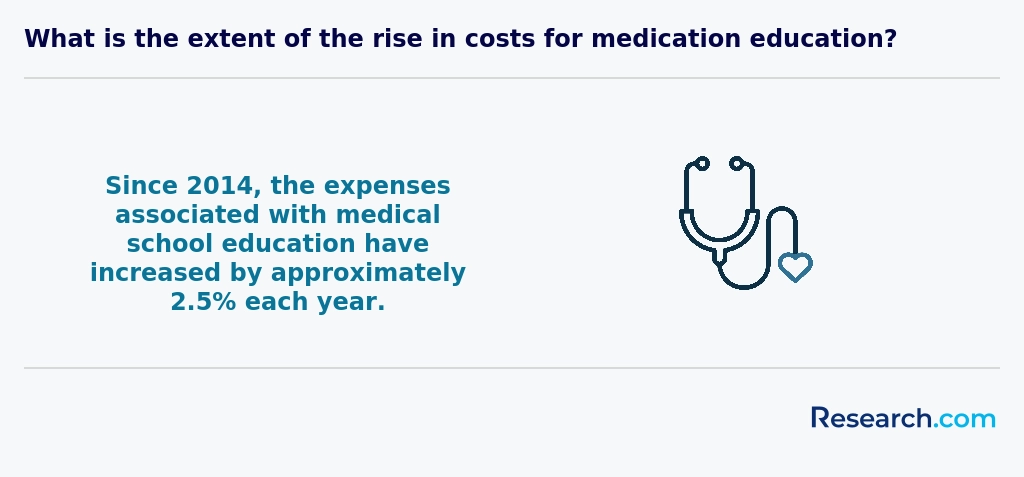
What is the average cost of online healthcare degree in St. Paul?
The average cost of an online healthcare degree in St. Paul currently centers around a median total of $37,920, reflecting a balance between affordability and quality education. Graduates from local institutions such as Metropolitan State University often share relief and satisfaction stemming from manageable tuition paired with flexible online options. Many students find the cost reasonable compared to private universities, which tend to charge substantially higher fees for specialized nursing or healthcare administration programs.
Looking ahead, affordable online healthcare degree programs St. Paul 2027 could see further innovations in pricing structures, with more schools potentially adopting sliding scale tuition or expanded scholarship opportunities in response to growing demand. For example, students pursuing degrees at the University of Minnesota appreciate transparent cost breakdowns, helping them plan finances wisely while balancing work and study.
Real-life experiences from healthcare students emphasize how additional costs-like textbooks, technology fees, and certification exams-are important to consider beyond tuition itself. However, many learners benefit from available financial aid and creative payment plans as they advance toward careers in healthcare. Prospective students should also explore pathways such as the best accelerated associates degree to shorten time in school and reduce overall expenses.
Understanding the average cost of online healthcare degrees in St. Paul MN is vital for those aiming to join the growing health sector through flexible, affordable online study options offered by well-regarded local institutions.
What financial aid is available to online healthcare degree students in St. Paul?
Students pursuing online healthcare degrees in St. Paul often tap into federal financial aid by completing the FAFSA, unlocking access to Federal Pell Grants that significantly ease tuition costs without the worry of repayment. Recent graduates from popular institutions like the University of St. Thomas have shared how these grants allowed them to focus fully on their studies rather than financial stress.
State-specific aid, such as the Minnesota State Grant, often supplements this support, tailoring assistance based on individual need and enrollment status. Graduates from Hamline University commonly describe the relief of receiving this aid, helping them afford quality education without excessive debt.
Looking ahead, rising employer tuition reimbursement programs offer working professionals in healthcare in St. Paul a promising avenue to advance their education while maintaining income. Imagine nurses at local hospitals benefiting from these programs to gain online degrees without dipping into savings.
Universities are also expanding merit-based scholarships aimed at healthcare students demonstrating leadership and commitment, ensuring motivated individuals have a brighter financial pathway. Incorporating external scholarships from healthcare nonprofits further enriches these opportunities, making the pursuit of an online healthcare degree more accessible than ever.
What are the prerequisites for enrolling in online healthcare degree program in St. Paul?
Enrolling in online healthcare degree programs in St. Paul commonly involves meeting foundational prerequisites such as holding a high school diploma or its equivalent, alongside submitting official transcripts. Graduates from well-known St. Paul colleges often share that completing prerequisite courses in biology, chemistry, or anatomy significantly helped them adapt to advanced healthcare topics.
Many students appreciate the growing trend toward test-optional policies, easing access especially since local institutions have adapted post-pandemic admissions. For example, some online nursing programs now recommend Basic Life Support (BLS) certification upfront, preparing students with essential emergency skills before starting coursework.
Graduate programs typically ask for letters of recommendation and personal statements that allow applicants to express their passion and relevant healthcare experiences. This has been a crucial step for many successful applicants from St. Paul colleges, who value how these elements showcase their dedication beyond academics.
With healthcare employment rising in St. Paul, these evolving prerequisites create a more accessible yet rigorous pathway for motivated students ready to impact their communities meaningfully.
What courses are typically in online healthcare degree programs in St. Paul?
Online healthcare degree programs in St. Paul commonly feature courses like Introduction to Healthcare, Medical Terminology, and Anatomy and Physiology, providing foundational knowledge essential for any healthcare career. Graduates from well-known local colleges often share how these early courses helped them quickly grasp complex concepts, boosting their confidence as they progressed.
Healthcare ethics and law classes are especially relevant in St. Paul, addressing state-specific legal frameworks and patient rights, which graduates frequently find empowering when entering Minnesota's healthcare workforce. Many students describe these courses as eye-opening, giving them a strong sense of responsibility and professional purpose.
With the rise of digital health, courses in healthcare informatics and Electronic Health Records (EHR) management are increasingly emphasized. Graduates recall how hands-on training with cutting-edge software mirrored real clinic experiences, making remote learning feel surprisingly tangible.
Students also encounter healthcare administration and finance topics, reflecting the leadership needs in the Twin Cities' hospital systems. Those pursuing clinical tracks often appreciate the integration of pharmacology and patient care techniques combined with virtual practicum sessions, which graduates highlight as vital in developing practical skills despite studying online.
What types of specializations are available in online healthcare degree programs in St. Paul?
Online healthcare degree specializations in St. Paul MN are evolving to meet the dynamic needs of the local medical community. Graduates from popular colleges often highlight nursing tracks such as BSN and RN-to-BSN for their hands-on focus, reflecting Minnesota's critical demand for skilled registered nurses. Other students pursuing healthcare administration enjoy learning leadership and policy skills tailored to St. Paul's diverse health systems, preparing them for impactful roles in hospital management.
Expanding beyond traditional paths, public health and health informatics are gaining momentum, with learners appreciating how these fields leverage data and prevention strategies to improve community wellness. Graduates describe feeling empowered by degrees that combine technology with compassionate care, especially in a city prioritizing population health. Occupational and physical therapy assistance programs also attract those inspired by rehabilitation work, a growing sector in St. Paul's expanding healthcare network.
For those investigating healthcare degree concentration options St. Paul Minnesota, many appreciate the flexibility offered by online colleges open enrollment that allow balancing work, family, and study while tailoring education to career goals.
How do you choose the best online healthcare degree in St. Paul?
Choosing the best online healthcare degree in St. Paul means focusing on programs that blend strong accreditation with flexibility. Graduates from local universities often share how accredited courses from institutions known in the region helped them confidently transfer skills directly into St. Paul's dynamic healthcare industry. Many found online studies with asynchronous formats essential for balancing work and family, while programs offering hybrid options enabled meaningful hands-on experience at nearby clinics.
Considering affordable healthcare degrees online St. Paul options, students frequently mention how scholarships and employer tuition reimbursement made rigorous programs more accessible without sacrificing quality. Practical specializations in areas like health informatics and patient care coordination increasingly match the growing demands of St. Paul's healthcare employers, making career transitions smoother and more rewarding for graduates.
For those just starting, exploring the fastest way to get associate's degree online can be a strategic step. This route helps launch careers sooner while maintaining opportunities for continuing education within St. Paul's expanding healthcare landscape.
What career paths are available for online healthcare degree students in St. Paul?
Graduates with an online healthcare degree in St. Paul often find fulfilling career paths in nursing, health administration, and emerging health technology roles. Many alumni from well-known local colleges describe feeling empowered as they transition into roles like registered nurses or healthcare managers, contributing directly to the Twin Cities' robust healthcare ecosystem. These professionals frequently work in hospitals, clinics, or community health organizations, experiencing a strong local demand fueled by St. Paul's growing healthcare sector.
Other career trajectories include technicians specializing in medical technology or healthcare informatics specialists who navigate the evolving landscape of electronic health records. Students from St. Paul's universities share stories of rapidly advancing in these fields, supported by online programs that blend theory with practical skills.
For those interested in expanding their options, public health roles and physical therapy assisting are thriving areas, offering meaningful ways to impact community well-being. Additionally, students often explore certs that pay well, supplementing their degrees and enhancing their career prospects in this competitive market focused on healthcare job opportunities in St. Paul Minnesota.
What is the job market for online healthcare degree in St. Paul?
The job market for graduates with an online healthcare degree in St. Paul is increasingly dynamic and full of opportunity. Many graduates from prominent local institutions, such as the University of St. Thomas and Hamline University, find themselves stepping into rewarding roles within hospitals, clinics, and public health agencies. These graduates report that programs offering flexible schedules and hands-on virtual simulations greatly supported their career transitions. The demand for healthcare degree employment opportunities St. Paul remains strong, especially in nursing, health informatics, and healthcare management.
Online healthcare jobs in St. Paul MN benefit from the region's expanding healthcare infrastructure, with employers valuing the combination of technology skills and healthcare knowledge. Students focusing on health informatics or telehealth often secure positions quickly as St. Paul's digital health services grow. Those pursuing administrative roles appreciate how practical knowledge gained online aligns with local workforce needs. Many also explore specialized paths, including pharmacist education requirements, which complement their degrees.
Graduates express optimism about competitive salaries and ongoing professional development, encouraged by Minnesota's supportive healthcare community and its network of hospitals like Regions Hospital. Staying current with certifications appears key to thriving in this competitive job market.
Frequently Asked Questions About healthcare
Online healthcare degree students in St. Paul can maximize their learning by taking advantage of local healthcare resources for practical experience. St. Paul is home to several major medical centers, such as Regions Hospital and HealthPartners, which often offer internships and volunteer opportunities. Engaging with these institutions can complement virtual coursework with real-world skills.
Students should also seek accredited programs recognized by bodies like the Commission on Collegiate Nursing Education or the Accreditation Council for Business Schools and Programs. Accreditation ensures quality education aligned with industry standards.
Utilizing online study groups and actively participating in virtual simulations can enhance understanding of clinical concepts and decision-making.
The healthcare field is evolving rapidly, with several emerging niches attracting significant attention. In St. Paul and across the U.S., telehealth services have expanded dramatically, partly fueled by the COVID-19 pandemic. This growth creates new roles for healthcare IT specialists and virtual care coordinators.
Another expanding area is gerontology, driven by the aging U.S. population. Careers in elder care management and geriatric nursing are increasingly important. According to the Minnesota Department of Employment and Economic Development, healthcare occupations in the state are expected to grow by 14% by 2030, with a focus on specialized patient care.
Additionally, healthcare informatics and data analysis are vital as providers seek to optimize patient outcomes through data. These areas offer promising pathways for online healthcare degree students seeking innovative and future-ready careers.
Graduates with an online healthcare degree in St. Paul should begin job market preparation by gaining relevant certifications, such as Certified Nursing Assistant (CNA) or Medical Coding credentials, depending on their specialization. Healthcare employers in Minnesota prioritize candidates with up-to-date licenses recognized by state regulatory boards. Networking is essential; joining local professional organizations like the Minnesota Healthcare Consortium can provide valuable connections and job leads.
According to the Minnesota Department of Employment and Economic Development, healthcare occupations in St. Paul are expected to grow 12% from 2020 to 2030, exceeding the national average. Internships or volunteer work in local hospitals or clinics enhance practical experience, making candidates more competitive. Finally, tailoring resumes to highlight both clinical skills and technological proficiency is crucial in today's healthcare landscape.
Employers in St. Paul prioritize healthcare graduates who possess strong clinical knowledge combined with effective communication skills. According to data from the Minnesota Department of Employment and Economic Development, teamwork and adaptability are crucial due to the rapidly changing healthcare environment. Healthcare workers must also demonstrate proficiency in using electronic health records (EHR), essential for patient data management.
Critical thinking and problem-solving abilities are highly valued, as professionals often face complex medical situations. Additionally, cultural competence is important in St. Paul's diverse population, enabling practitioners to deliver personalized care. These skills increase employability and success in local healthcare settings.
Finding internships in St. Paul relevant to a healthcare degree involves leveraging local healthcare systems and educational resources. Major employers like HealthPartners and Regions Hospital offer internship programs, often advertised on their websites or through university career centers. The Minnesota Department of Employment and Economic Development (DEED) provides listings of healthcare internships within the Twin Cities, including St. Paul.
Students should also explore partnerships between online programs and local clinics or public health organizations, enhancing practical experience. Networking through professional groups, such as the Minnesota Healthcare Business Association, can open additional internship opportunities. According to DEED, healthcare occupations in St. Paul grew by 3.5% annually, increasing demand for internship programs.
Obtaining an online healthcare degree can significantly improve career mobility and advancement opportunities in St. Paul. Healthcare employers in the region increasingly value formal education, with roles such as registered nurses, healthcare administrators, and health informatics specialists often requiring or preferring candidates with accredited degrees.
Online programs offer flexibility for working professionals to gain credentials without pausing their careers, which is crucial given St. Paul's competitive job market in healthcare. According to the Minnesota Department of Employment and Economic Development, healthcare occupations are projected to grow by 14% in the Twin Cities area through 2030, signaling strong demand for qualified professionals.
With an online degree, graduates can pursue leadership or specialized roles more easily, as many employers recognize these degrees from regionally accredited institutions. This is especially true in St. Paul's extensive hospital and clinic networks, where advanced qualifications often correlate with higher salaries and promotional opportunities.
Studying for a healthcare degree online in St. Paul equips students with skills essential for interdisciplinary roles by emphasizing collaboration across various healthcare fields. Programs typically integrate coursework in nursing, public health, healthcare administration, and informatics, reflecting the interconnected nature of modern healthcare systems.
St. Paul's healthcare industry, including major employers like Regions Hospital and HealthPartners, demonstrates a growing need for professionals who can navigate complex care teams. According to the Minnesota Department of Employment and Economic Development, healthcare employment in the Twin Cities is expected to grow 11% through 2030, underscoring demand for versatile practitioners.
Furthermore, online degrees utilize case studies and simulation tools that mimic real-world scenarios where multiple disciplines intersect, preparing students to communicate effectively with physicians, therapists, and administrative staff. This approach helps graduates excel in integrated care settings common in St. Paul's health networks.
Choosing between a thesis and a non-thesis healthcare degree program in St. Paul depends on your career goals and learning preferences. Thesis programs require conducting original research and writing a formal paper, which suits students aiming for research, academia, or advanced clinical roles. Non-thesis options focus more on practical skills and coursework, ideal for those wanting to enter the workforce quickly or enhance professional practice.
In St. Paul, healthcare professionals are in high demand due to the region's growing medical sector. The choice often hinges on whether you prefer hands-on experience or research development. For detailed program specifics, institutions like the University of Minnesota provide guidance on their websites.
Students based in St. Paul seeking to study healthcare abroad face specific challenges due to accreditation and licensing standards tied to the US healthcare system. Many opt for online healthcare degrees offered by accredited US institutions, which sometimes include international clinical experience opportunities. Currently, Minnesota does not have state-specific agreements facilitating international healthcare degree recognition, so students should carefully consider program accreditation.
The University of Minnesota, located near St. Paul, offers resources and guidance for students interested in global health studies, enhancing cultural competence. According to the Minnesota Higher Education Services Office, over 60% of local healthcare students prefer online options combining domestic education with international exposure.
While fully online degrees with an international focus exist, students must verify if such programs meet Minnesota's licensing requirements before pursuing employment here.
Students pursuing online healthcare degrees in St. Paul can enhance their education by working part-time in local healthcare settings. Positions such as medical assistants, nursing aides, or pharmacy technicians offer practical experience while accommodating flexible study schedules. According to the Minnesota Department of Employment and Economic Development, healthcare support roles in St. Paul are projected to grow by over 12% through 2028, indicating ample job opportunities.
Many hospitals and clinics in St. Paul provide part-time roles that help students apply classroom knowledge to real-world tasks. These jobs deepen understanding of patient care, medical terminology, and healthcare operations, which are essential for successful careers.
Such work also builds soft skills like communication and teamwork, valued in healthcare professions. Part-time employment proves an effective way to complement an online healthcare degree in St. Paul.
Online healthcare students in St. Paul can access robust networking opportunities despite the virtual format. Local universities often host virtual events, webinars, and workshops that connect students with healthcare professionals in the region.
The Twin Cities area, including St. Paul, has a strong healthcare industry with major employers like HealthPartners and Allina Health, offering internships and mentorship programs that online students can pursue. According to the Minnesota Department of Employment and Economic Development, healthcare jobs in the area are expected to grow by 12% through 2030, expanding networking potential.
Student organizations affiliated with online programs also facilitate peer networking and professional development.
Alumni networks play a crucial role for online healthcare degree students in St. Paul by offering professional connections in a competitive job market. These networks provide access to local healthcare organizations, a vital advantage given that the Twin Cities area employs over 120,000 healthcare workers, according to the Minnesota Department of Employment and Economic Development. Through alumni events and online forums, students can find mentors who support career growth and share insights specific to healthcare in St. Paul.
Additionally, alumni often share job leads that might not be publicly advertised, which benefits students seeking roles within local hospitals and clinics. This support enhances employment rates for graduates entering St. Paul's healthcare sector.
Customizing an online healthcare degree program in St. Paul allows students to align their education with specific career goals. Many universities in Minnesota offer flexible curricula, enabling learners to choose electives or specializations such as health informatics, nursing, or healthcare administration.
Students can also select part-time or accelerated schedules to better fit work and personal commitments. Clinical practice options, often coordinated locally in St. Paul-area hospitals or clinics, provide practical experience tailored to individual interests.
According to the Minnesota Department of Employment and Economic Development, healthcare occupations in the Twin Cities are projected to grow by over 15% through 2030, highlighting the importance of targeted skill development.
Accredited programs frequently provide academic advising to help shape coursework around career pathways and certifications relevant to St. Paul's healthcare market.
Online healthcare students in St. Paul often encounter several common challenges. One significant issue is balancing rigorous coursework with personal and professional responsibilities, as healthcare programs demand both theoretical knowledge and practical skills. Access to clinical placements can also be limited, since local healthcare facilities may prioritize in-person students. Additionally, technical difficulties including unstable internet connections or unfamiliarity with online learning platforms can disrupt study routines.
According to the Minnesota Department of Health, healthcare jobs in St. Paul are growing by about 12% annually, increasing competition for internships and hands-on experience. Moreover, some students find it difficult to develop professional networks remotely, which are crucial in healthcare careers.
With an online healthcare degree, students in St. Paul can pursue a variety of professional certifications to boost their careers. Common certifications include Certified Nursing Assistant (CNA), Registered Health Information Technician (RHIT), and Certified Medical Assistant (CMA). These certifications are recognized nationally and valued in Minnesota's healthcare industry.
For example, St. Paul experiences growing demand for health information specialists, with a 15% projected growth by 2030 according to the Minnesota Department of Employment and Economic Development. This makes certifications like RHIT especially beneficial.
Other options include Project Management Professional (PMP) for healthcare administrators, or Clinical Research Coordinator (CRC) certifications for those interested in research roles. Many online healthcare programs prepare students to meet eligibility requirements for these certifications, helping graduates meet workforce needs in the St. Paul area.
Applying to an online healthcare program in St. Paul requires clear communication of your academic background and professional goals. Start with a compelling personal statement that explains your motivation and how the program aligns with career aspirations in Minnesota's growing healthcare sector. According to the Minnesota Department of Employment and Economic Development, healthcare occupations in the St. Paul area are expected to grow by 12% through 2030, highlighting the strong local demand.
Include relevant certifications and clinical experience, emphasizing any work in St. Paul healthcare facilities or community health initiatives. Make sure to request strong recommendation letters from supervisors familiar with your skills. Lastly, proofread carefully and meet all deadlines to maximize your chances of acceptance.
Healthcare careers are increasingly valued worldwide due to growing populations and aging societies. In the United States, including St. Paul, the demand for healthcare professionals is rising rapidly, with the Bureau of Labor Statistics projecting a 16% growth in healthcare occupations from 2021 to 2031. This trend reflects a global priority for improving health services and accessibility. Online healthcare degrees offer flexibility for St. Paul residents to enter this expanding field without relocating.
From a global viewpoint, healthcare careers combine science, technology, and compassionate service, addressing critical needs in both developed and developing countries. The World Health Organization emphasizes the importance of a skilled healthcare workforce to meet global health targets.
For St. Paul students, pursuing an online healthcare degree aligns with broader international efforts focused on health equity and innovation.
Gaining practical experience while studying for an online healthcare degree in St. Paul is essential for career readiness. Many accredited programs partner with local hospitals, clinics, and healthcare organizations to offer internships and clinical rotations. For example, institutions often collaborate with HealthPartners and Regions Hospital, two major healthcare providers in the Twin Cities area.
Students can also seek volunteer opportunities at community health centers or participate in simulation labs arranged by their schools. According to the Minnesota Department of Health, approximately 10% of healthcare jobs in St. Paul require hands-on clinical training during education. This structured experience helps bridge the gap between theory and practice.
Choosing the right concentration within an online healthcare degree program in St. Paul begins with assessing your career goals and local healthcare needs. For example, Minneapolis-Saint Paul reports a growing demand for registered nurses and healthcare managers, supported by data from the Minnesota Department of Employment and Economic Development. Considering such trends helps align your studies with employer expectations.
Next, evaluate concentrations that match your strengths and interests, such as public health, healthcare administration, or informatics. Online programs in St. Paul often offer flexibility to explore various fields, supporting career changes or advancement.
Finally, verify program accreditation by agencies like the Commission on Accreditation of Healthcare Management Education (CAHME) to ensure quality education and better job prospects in Minnesota's competitive healthcare market.
Related Healthcare Rankings for Nearby Cities
- 2027 Best Online Healthcare Degree Programs Ranking in Brookings, SD
- 2027 Best Online Healthcare Degree Programs Ranking in Fargo, ND
- 2027 Best Online Healthcare Degree Programs Ranking in Madison, WI
- 2027 Best Online Healthcare Degree Programs Ranking in Green Bay, WI
- 2027 Best Online Healthcare Degree Programs Ranking in Grand Forks, ND
- 2027 Best Online Healthcare Degree Programs Ranking in Mequon, WI
- 2027 Best Online Healthcare Degree Programs Ranking in Milwaukee, WI
- 2027 Best Online Healthcare Degree Programs Ranking in Omaha, NE
- 2027 Best Online Healthcare Degree Programs Ranking in Romeoville, IL
- 2027 Best Online Healthcare Degree Programs Ranking in Peoria, IL
Top Trending Healthcare Rankings
See What Experts Have To Say About Studying Healthcare
Read our interview with Healthcare experts

References
- What are the top 10 skills that'll get you a job when you graduate? https://targetjobs.co.uk/careers-advice/skills-for-getting-a-job/what-are-top-10-skills-thatll-get-you-job-when-you-graduate
- Networking and Mentorship During Clinical Rotations https://rotatingroom.com/blog/medical-students-the-importance-of-networking-mentorship-during-your-clinical-rotations
- Know more about thesis vs non- thesis: what is the difference? https://studyfans.com/en/blogs/816
- HEALTH MANAGEMENT (THESIS / NON-THESIS) - Lisansüstü Eğitim Enstitüsü https://lee.nisantasi.edu.tr/en/health-management-thesis-non-thesis/
- Global Perspectives – Healthcare Beyond Borders https://www.cedars-sinai.org/international-stories/healthcare-beyond-borders.html
- How to Set and Achieve Career Goals in Health and Social Care | Royal Open College https://royalopencollege.org/blog/health-and-social-care/how-to-set-and-achieve-career-goals/
- Health Sciences Study Abroad Programs - Healthcare Abroad https://www.ceastudyabroad.com/academic-discipline/health-sciences
- Experiential Learning to Enhance Global Health Collaboration and Student Opportunity https://annalsofglobalhealth.org/articles/10.5334/aogh.4537
- Overcoming Common Challenges in Nursing School: Tips for Success - American Healthcare Institute https://amhealthinstitute.com/blog/overcoming-common-challenges-in-nursing-school-tips-for-success/
- Online Healthcare & Medical Certification Training Programs https://medcerts.com/programs/healthcare/


