
2027 Easiest Online Bachelor's in Healthcare Degree Programs Ranking in Iowa

Co-Founder and Chief Data Scientist
Choosing the right online healthcare degree program can feel overwhelming, especially with so many options available in Iowa. This article introduces the 2027 Easiest Online Bachelor's in Healthcare Degree Programs Ranking in Iowa, created by the Research.com team of data scientists to guide you toward smart choices.
By exploring this ranking, you'll gain clarity on which programs balance quality and accessibility. Earning a healthcare degree opens doors to meaningful careers that make a real difference. This article is here to support your journey with useful insights and encouragement.
Key benefits of getting online healthcare degree in Iowa
- Salary benefits: Graduates with healthcare degrees in Iowa can earn competitive salaries, such as Medical Assistants making around $43,350 annually and Patient Care Technicians earning about $60,790 per year, offering financial stability and growth.
- Career paths: A healthcare graduate from the University of Iowa can pursue diverse roles like Health Information Technician or Clinical Research Coordinator, each offering meaningful work and steady job demand.
- Online degree advantages: Earning a healthcare degree online, like from the University of Iowa's program, provides flexibility to balance work and studies, enabling quicker entry into rewarding healthcare careers without relocating.
- Key benefits of getting online healthcare degree in Iowa
- What can I expect from online healthcare degree in Iowa?
- Where can I work with online healthcare degree in Iowa?
- How much can I make with online healthcare degree in Iowa?
- 2027 Easiest Online Bachelor's in Healthcare Degree Programs Ranking in Iowa
- Key Findings
- How long does it take to complete online healthcare degree in Iowa?
- Essential Tips for Online Healthcare Success
- What's the difference between online and on-campus healthcare degree?
- Licensure and Certification Guidance for Online Healthcare Graduates in Iowa
- What is the average cost of online healthcare degree in Iowa?
- What financial aid is available to online healthcare degree students in Iowa?
- Accreditation and Licensure Requirements
- What are the prerequisites for enrolling in online healthcare degree program in Iowa?
- Exploring Specialized Career Pathways in Online Healthcare Programs
- What courses are typically in online healthcare degree programs in Iowa?
- What types of specializations are available in online healthcare degree programs in Iowa?
- How do you choose the best online healthcare degree in Iowa?
- What career paths are available for online healthcare degree students in Iowa?
- What is the job market for online healthcare degree in Iowa?
- Related Healthcare Rankings for Nearby States
- Top Trending Healthcare Rankings
- See What Experts Have To Say About Studying Healthcare
What can I expect from online healthcare degree in Iowa?
The average cost of an online healthcare degree in Iowa typically ranges from $15,000 to $40,000, depending on the institution and program length. Graduates from popular universities such as the University of Iowa or Des Moines University often recall balancing affordable tuition with flexible payment plans, which made pursuing their degrees feasible without overwhelming debt. Many found that the investment paid off quickly, as Iowa's strong healthcare job market offered rewarding positions soon after graduation.
Students frequently highlight how financial aid and scholarships tailored for healthcare learners in Iowa eased their journey, especially those juggling work and family. One graduate shared how asynchronous coursework allowed study late at night after shifts, while the required clinical sessions at local hospitals offered hands-on experience that boosted confidence.
With state initiatives encouraging healthcare workforce growth, future students might expect even more affordable options emerging, alongside virtual reality labs and AI-driven learning tools, reshaping how Iowa healthcare degrees are delivered.
Where can I work with online healthcare degree in Iowa?
Graduates with an online healthcare degree in Iowa often find rewarding careers within the state's expanding healthcare sector. Many alumni from universities like the University of Iowa and Des Moines University report securing roles in large hospital systems such as UnityPoint Health and MercyOne, where they apply skills in health services management and patient care coordination. These positions tap into both administrative and clinical expertise, providing dynamic work environments.
Others thrive in long-term care facilities and rehabilitation centers, managing nursing homes or quality assurance programs. Students share that the practical knowledge gained during their programs translates directly into leadership roles here, offering a sense of purpose while meeting Iowa's growing demand for skilled staff.
Public health opportunities also excite graduates eager to impact rural communities through education and outreach with the Iowa Department of Public Health. Meanwhile, some pursue careers in health insurance or consulting firms, where they leverage their understanding of healthcare regulations and data analysis to streamline services.
Innovative graduates embrace healthcare technology roles, supporting electronic health records and informatics, often feeling energized by contributing to Iowa's advancing health IT landscape.
How much can I make with online healthcare degree in Iowa?
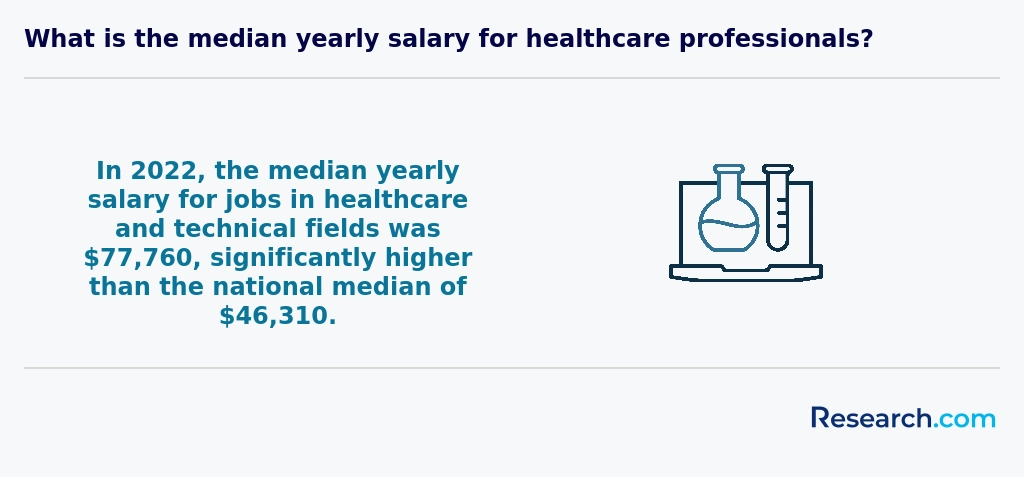
Graduates from online healthcare programs at Iowa's prominent institutions frequently report earning starting salaries around $43,000 to $61,000, aligning with data for Medical Assistants and Patient Care Technicians in the state. For example, recent graduates working as Health Information Technicians earn approximately $43,380 annually, reflecting a solid entry-level wage that supports building a career in healthcare IT.
Many graduates find themselves excited by the prospect of growth, especially those pursuing specialized roles. Quality Improvement Coordinators in Iowa, a position often accessible with additional certification post-degree, command salaries above $100,000, illustrating the financial upside of continual education.
The blend of Iowa's affordable living costs and the increasing demand for healthcare professionals creates an encouraging environment. Graduates from universities offering online healthcare degrees describe feeling optimistic about advancing into leadership roles, fueled by competitive wages and steady job growth projections through 2030.
Those who start as Clinical Research Coordinators or in similar entry-level roles can envision a path that leads toward higher-paying managerial positions, underlining the vast possibilities any online healthcare degree holder in Iowa can pursue.
2027 Easiest Online Bachelor's in Healthcare Degree Programs Ranking in Iowa
How do we rank schools?
Investing in your education is a significant decision that can shape your future, and the Research.com team understands the importance of making informed choices. To assist prospective students in Iowa, we have meticulously crafted the "2027 Easiest Online Bachelor's in Healthcare Degree Programs Ranking in Iowa." Our commitment to quality, credibility, and accuracy is reflected in the extensive research and analysis conducted to compile this ranking.
We utilized the following reputable data sources to ensure a comprehensive evaluation of healthcare degree programs:
By exploring this ranking, readers will gain valuable insights into the easiest online healthcare programs in Iowa, enabling them to make informed decisions tailored to their educational needs and career goals. For more details on our methodology, please visit our Research.com methodology page.


Key Findings
- Online healthcare degrees in Iowa cover topics like healthcare ethics, patient care, and medical technology with local practicum options for licensing.
- Tuition costs for in-state students range from $8,500 to $12,000 per year, with financial aid and scholarships often available.
- Healthcare jobs in Iowa are expected to grow by about 15% through 2030, outpacing other industries in the state.
- Entry-level salaries for healthcare bachelor's graduates start around $45,000 annually, with potential to exceed $75,000 in specialized roles.
- Graduates commonly work in hospitals, clinics, long-term care, and public health organizations, meeting strong local demand.
How long does it take to complete online healthcare degree in Iowa?
Completing an online healthcare degree in Iowa typically spans about four years for full-time students, especially those pursuing a Bachelor of Science at institutions like the University of Iowa or Des Moines University. Graduates often share how balancing coursework with life felt manageable thanks to flexible pacing, allowing them to maintain work and family commitments without stress.
Some students find accelerated programs offered by Iowa State University appealing, completing their degrees in as little as three years by taking year-round courses. These pathways create a sense of accomplishment and excitement, fueling their passion to enter the healthcare workforce faster.
Part-time learners often take five to six years, a timeline many describe as rewarding for its adaptability to life's unpredictability. Community colleges in Iowa provide two-year associate degrees that act as stepping stones, enabling learners to quickly gain workforce entry or transfer credits toward a bachelor's.
Looking ahead, graduates are optimistic about evolving competency-based education models focusing on skill mastery, which could further shorten completion time while ensuring deep expertise in healthcare fields across Iowa.
Essential Tips for Online Healthcare Success
Navigating online healthcare degree programs requires a blend of self-discipline, effective planning, and proactive engagement with the digital learning environment. Start by setting clear academic and career goals while establishing a dedicated study space at home to minimize distractions. Time management is critical: create a structured schedule that aligns with your personal and professional responsibilities, and use digital tools like calendars or task managers to stay on track. Embrace effective communication with instructors and peers-many programs offer virtual tutoring sessions, discussion boards, and collaborative projects that mimic real-world healthcare teamwork. For students eager to broaden their skill set alongside their degree studies, consider supplementing your online curriculum with quick certifications that pay well, which can enhance employability and provide specialized knowledge in niche areas of healthcare. Additionally, remain engaged with online communities and professional networking groups specific to Iowa’s healthcare sector; these platforms offer invaluable insights, mentorship opportunities, and real-time feedback from alumni who have successfully navigated the online learning journey. Finally, continuously evaluate and adjust your learning strategies-attending webinars, seeking additional resources, and reflecting on feedback can significantly enhance your overall academic performance and readiness to excel in a fast-evolving healthcare environment.
What's the difference between online and on-campus healthcare degree?
Graduates from the University of Iowa often share how online healthcare degrees gave them the freedom to balance work and family, studying at their own pace without the stress of commuting. This flexibility is especially valuable for those living in rural Iowa, where traveling to campus can take hours. On the other hand, on-campus students at schools like Drake University describe the energy of face-to-face labs and immediate access to state-of-the-art facilities, which deepen their hands-on skills and confidence.
Both options require in-person clinical placements, typically arranged nearby to build real-world experience. Many online students creatively connect through virtual study groups or local professional networks inspired by their coursework. While tuition in Iowa remains fairly consistent between the two, on-campus learners often feel the extra costs of housing and transport but appreciate the spontaneous campus interactions.
Looking ahead, Iowa's healthcare programs may blend these strengths further-combining online adaptability with enhanced virtual simulations and local partnerships-offering students enriched, flexible paths tailored to diverse lifestyles.
Licensure and Certification Guidance for Online Healthcare Graduates in Iowa
Earning an online Healthcare degree is a vital first step, but understanding the additional licensure and certification requirements is key to launching a safe and successful career. In Iowa, many healthcare roles require professional certification or state licensure-steps that not only validate your expertise but also enhance your marketability in a competitive field. Prospective graduates should research the specific requirements for their chosen career paths, such as passing national standardized exams for Registered Nurses, obtaining certification for Health Information Technicians, or meeting additional clinical prerequisites demanded by specialty organizations. Familiarizing yourself with Iowa’s state licensing board guidelines and joining preparatory workshops, study groups, or online forums can help streamline the transition from graduation to professional practice. Comprehensive accreditation of your program and transparent communication with advisors ensures that you are well-informed about exam schedules, necessary clinical hours, and continuing education credits required to maintain your license. By proactively engaging in licensure preparation and certification processes while still enrolled, you maximize your chances of a seamless entry into the workforce and long-term career growth in Iowa’s evolving healthcare landscape.
What is the average cost of online healthcare degree in Iowa?
The average cost of an online healthcare degree in Iowa is approximately $57,000 in total expenses for healthcare bachelor's Iowa students. Graduates from popular programs at institutions like the University of Iowa often share that while tuition can be a significant investment, the flexibility of online coursework combined with in-state rates makes it a manageable and rewarding journey. Many students find that the value of their degree is enhanced by careful planning around these costs, especially when they take advantage of available financial aid and scholarships.
For Iowa residents, public universities provide a more affordable pathway compared to private institutions, whose fees can rise dramatically. Some graduates report that additional expenses linked to clinical placements and specialized healthcare courses add to the final price but often view these as essential investments in hands-on experience. This practical training not only enriches education but also opens doors to various healthcare roles.
Looking ahead, emerging trends suggest that tuition costs may stabilize or even decrease as institutions adopt more efficient online learning technologies. Financial assistance programs continue to grow, helping students pursue degrees without incurring unmanageable debt. Students interested in exploring quick certifications that pay well alongside their degree journey have found this approach supports balancing cost and career advancement effectively.
What financial aid is available to online healthcare degree students in Iowa?
Online healthcare students in Iowa often find financial aid pathways that transform their educational journey into a manageable and hopeful experience. Graduates from the University of Iowa and Iowa State University frequently share how federal aid, starting with FAFSA, opens doors to Pell Grants and subsidized loans, significantly easing tuition worries. Such support often feels like a direct investment in their futures, reducing stress as they balance studies and life.
State programs through the Iowa College Student Aid Commission add another layer of opportunity. Many students report benefitting from scholarships tied to workforce development, making nursing or allied health degrees more affordable. Loan forgiveness through initiatives like the Health Care Professional Recruitment Program often sparks excitement by offering a clear path to debt relief in exchange for service in underserved Iowa communities.
Institutional scholarships and partnerships with local healthcare employers at colleges such as Des Moines University create a sense of community support. Students often describe how these alliances provide not only financial relief but also motivation, knowing their employers value their professional growth.
Private grants and employer tuition assistance further brighten prospects, making the pursuit of healthcare degrees through Iowa's online programs feel like a realistic and rewarding step toward a fulfilling career.
Accreditation and Licensure Requirements
Ensuring your online healthcare degree program in Iowa is properly accredited is crucial for both educational quality and eligibility for state licensure exams. Accredited programs meet rigorous standards set by national accrediting bodies, such as the Commission on Accreditation for Health Informatics and Information Management Education (CAHIIM) or the Commission on Collegiate Nursing Education (CCNE), which verify curriculum relevance, faculty qualifications, and student support services. Graduates from accredited institutions are more readily accepted into professional licensing boards and graduate schools, and employers often seek candidates with degrees from reputable programs. Key accreditation considerations include: • Regional vs. National Accreditation: Regional accreditation, awarded by agencies like the Higher Learning Commission (HLC), is typically preferred by healthcare employers and graduate programs. • Programmatic Accreditation: Specialized accrediting bodies focus on specific fields-CAHIIM for health information management and CCNE for nursing-ensuring that coursework aligns with industry standards. • State Authorization: Iowa requires online programs serving in-state students to hold approval from the Iowa College Student Aid Commission (ICSAC). This guarantees compliance with state regulations and consumer protections. Completing an accredited program also simplifies the licensure path: • Eligibility for Certification Exams: Graduates can sit for national certifications such as the Registered Health Information Administrator (RHIA) or the NCLEX-RN for nurses. • State Licensure Reciprocity: Accreditation facilitates transfer of credentials if you relocate to another state, preserving career mobility. • Employer Recognition: Accredited degrees signal to hiring managers that candidates have received a comprehensive, standards-driven education. When reviewing program costs and financial aid, don’t overlook affordability combined with accreditation. For programs that balance cost-effectiveness with accreditation credentials, explore our Inexpensive Online Healthcare Degree Programs Ranking in Mequon, WI to compare accredited options that meet both quality and budget needs.
What are the prerequisites for enrolling in online healthcare degree program in Iowa?
To enroll in an online healthcare degree in Iowa, students typically need a high school diploma or GED, a requirement consistently seen across institutions such as the University of Iowa and Des Moines Area Community College. Many graduates recall how completing prerequisite courses in biology, chemistry, and math laid a strong foundation, making advanced topics in nursing or medical technology more approachable and rewarding.
Future applicants should also anticipate submitting immunization records and background checks, especially for programs involving clinical placements-a hands-on experience students find both challenging and empowering despite the degree's online format. While some schools have adopted test-optional policies, presenting SAT or ACT scores can still enhance applications for competitive tracks.
Many students appreciate Iowa's comparatively affordable tuition, which helps ease financial concerns and supports their commitment toward a healthcare career. The required GPA, often around 2.5 to 3.0, proves attainable for motivated individuals ready to engage with coursework and clinical demands typical in popular Iowa healthcare programs.
Exploring Specialized Career Pathways in Online Healthcare Programs
Online healthcare degrees in Iowa often go beyond core clinical training to offer targeted tracks that meet evolving industry needs. One rapidly expanding area is medical billing and coding, where accuracy in patient data and billing processes directly impacts healthcare revenue cycles. For aspiring professionals, accredited online medical billing and coding programs provide flexible, self-paced courses on ICD-10, CPT® coding standards, claims management, and reimbursement regulations-laying a solid foundation for roles in hospitals, clinics, and insurance firms. Beyond billing and coding, consider these high-demand specializations: • Health Informatics and Data Analytics: Learn to leverage electronic health records and analytics tools to improve patient outcomes, streamline workflows, and support data-driven decisions. • Revenue Cycle Management: Develop expertise in patient scheduling, insurance verification, claims submission, and financial reporting, ensuring healthcare organizations maintain financial health. • Telehealth Coordination: Master virtual care protocols, remote patient monitoring technologies, and telemedicine compliance to expand access and quality of care in rural or underserved areas. • Healthcare Administration and Leadership: Gain skills in organizational management, policy implementation, and strategic planning to oversee departments, manage teams, and drive operational excellence. Selecting a specialized track aligns your online degree with specific career goals and market trends, enhances your resume, and accelerates entry into niche roles where demand and salary potential are strong. By focusing on these distinct pathways, graduates maximize their return on investment and position themselves as versatile, competitive candidates in Iowa’s dynamic healthcare landscape.
What courses are typically in online healthcare degree programs in Iowa?
Students pursuing online healthcare degrees in Iowa often find themselves engaged in courses that blend clinical knowledge with essential administrative skills, preparing them for the evolving landscape of healthcare. Graduates from institutions like the University of Iowa and Drake University frequently recall how foundational courses such as human anatomy and medical terminology became crucial during their internships in local clinics, allowing them to confidently navigate patient interactions.
The emphasis on healthcare law and ethics resonates strongly with many, as it equips learners to handle sensitive situations seen in Iowa's rural healthcare settings. For example, students have shared how understanding patient confidentiality helped them build trust with diverse community members.
Emerging courses in health informatics and technology are becoming increasingly popular in Iowa's programs, reflecting trends toward digitized health records and telemedicine. Graduates describe feeling empowered by skills in managing electronic health data, which are in high demand across Iowa's expanding healthcare systems.
Alongside public health and healthcare management classes, these programs position students to influence community health outcomes positively, aligning well with Iowa's urgent workforce growth needs projected for the next decade.
What types of specializations are available in online healthcare degree programs in Iowa?
Online healthcare degree specializations Iowa students pursue often align with evolving industry demands and state-specific healthcare challenges. Graduates from prominent Iowa colleges frequently share how choosing concentrations like Health Administration or Public Health has empowered them to tackle real-world problems, from hospital management to community wellness initiatives. Many students appreciate Nursing (RN to BSN programs) for its direct impact on patient care and leadership growth within clinical settings, reflecting Iowa's ongoing nursing shortages.
Healthcare Informatics is gaining momentum as an innovative path, blending technology with health services to improve data management in Iowa's hospitals. Graduates mention feeling confident about future job prospects as electronic health records become standard. Those in Radiologic Technology and Diagnostic Imaging find fulfillment in mastering diagnostic tools integral to modern medicine.
Choosing the right healthcare degree concentration options Iowa offers allows students to envision careers that are both rewarding and adaptive to emerging healthcare trends. For those looking for more focused technical expertise, accredited online medical billing and coding programs provide accessible pathways aligned with the state's healthcare infrastructure.
How do you choose the best online healthcare degree in Iowa?
Choosing the best online healthcare degree in Iowa involves weighing factors like accreditation, curriculum relevance, and flexibility. Graduates from well-regarded universities in Iowa often share how programs aligned with Iowa's licensure standards, such as preparation for the Board of Nursing exam, gave them confidence and a competitive edge in the local healthcare market. These programs also tend to offer rich clinical opportunities within Iowa's health systems, making learning tangible and directly applicable.
Students benefit from online healthcare programs that balance rigorous academics with accessible support services. For instance, the ability to engage with asynchronous courses lets busy adults juggle work and family while pursuing their degree. Many describe a strong sense of accomplishment and motivation thanks to peer interactions and personalized advising available virtually.
Flexibility combined with affordability is key, and exploring affordable online healthcare programs Iowa offers can ease financial stress. Some have found unexpected savings by consulting resources like the Inexpensive Online Healthcare Degree Programs Ranking in Mequon, WI, which highlight cost-effective options that don't sacrifice quality.

What career paths are available for online healthcare degree students in Iowa?
Graduates with an online healthcare degree in Iowa find a variety of rewarding career paths tailored to the state's evolving healthcare needs. Many pursue roles as Registered Nurses, working in busy hospitals or intimate rural clinics where their skills are vital to supporting Iowa's aging population. Others step into healthcare administration, overseeing operations at facilities like those affiliated with the University of Iowa or Des Moines Area Community College, gaining hands-on experience in managing community health services.
Health Information Managers are increasingly in demand as Iowa healthcare providers expand digital records. Graduates from these programs often report satisfaction in helping improve patient data security and streamline care delivery. With chronic illness on the rise, therapy assistant roles offer meaningful patient interaction-graduates often find joy in supporting physical and occupational therapists in rehabilitation settings.
Exploring the numerous online healthcare career opportunities in Iowa, students appreciate how flexible programs connect them to this growing job market. Many commend their schools for offering pathways through the fastest degree programs, enabling quick entry into these promising fields.
What is the job market for online healthcare degree in Iowa?
Graduates holding online healthcare degrees in Iowa are stepping into a job market that's steadily expanding, fueled by a rising demand for skilled professionals in diverse roles. Many students from well-known institutions like the University of Iowa and Des Moines University share stories of securing positions quickly as Registered Nurses or Health Information Technicians, reflecting the strong growth in healthcare degree employment Iowa. The state's aging population further intensifies this demand, especially in rural communities where frontline healthcare workers remain scarce, opening unique opportunities for recent graduates who value flexibility and impact.
Online healthcare jobs in Iowa offer a promising future with competitive salaries around $66,000 annually, encouraging many learners to pursue affordable online degrees tailored to state needs. Those exploring various paths often find themselves inspired by successful alumni who balanced coursework with family life and now thrive in administrative or technical healthcare settings. For older students or career changers, exploring the best degrees for 60 year olds can be a helpful guide to entering this rewarding field.
Frequently Asked Questions About healthcare
Online healthcare degree students in Iowa can maximize their learning by actively engaging with digital course materials and participating in virtual discussions. Utilizing resources from accredited institutions ensures quality education aligned with state healthcare standards.
Connecting with local healthcare providers for internships or clinical placements enhances practical skills, as Iowa has a growing demand for healthcare professionals, with the Iowa Department of Public Health projecting a 14% employment growth in healthcare roles through 2030.
Additionally, students should take advantage of Iowa's regional support services, such as online tutoring and academic advising, to stay on track.
Time management and setting a consistent study schedule are vital for success in online formats.
The healthcare field in Iowa is rapidly evolving, with several emerging niches gaining attention. Telehealth is expanding due to Iowa's rural population, improving access to medical care via technology. According to the Iowa Department of Public Health, telemedicine use has grown by over 30% since 2020.
Another growing area is healthcare informatics, where professionals manage health data to improve patient outcomes. Iowa State University reports increasing demand for informatics specialists statewide. Additionally, gerontology is becoming vital as Iowa's aging population requires specialized care solutions.
Overall, these niches present strong opportunities for students pursuing online healthcare degrees in Iowa.
After completing an online healthcare degree in Iowa, preparing for the job market involves strategic steps. First, consider obtaining relevant certifications, such as CPR or Certified Medical Assistant licenses, which improve employability in the state's growing healthcare sector.
Iowa's healthcare industry is expanding with over 150,000 jobs projected by 2030, according to the Iowa Workforce Development. Graduates should leverage internships or practicum experiences that many online programs offer to gain practical skills and network with local employers.
Additionally, joining professional organizations like the Iowa Healthcare Collaborative can provide valuable connections and job leads.
Finally, tailor your resume to highlight your online education and clinical experience to meet state and employer expectations.
Employers in Iowa highly value healthcare degree graduates who possess strong communication skills. Clear, compassionate communication is essential when working with patients and interdisciplinary teams. According to the Iowa Workforce Development, demand for healthcare professionals with effective interpersonal abilities is growing as patient-centered care models expand.
Technical proficiency is another key skill. Graduates must be comfortable with electronic health records (EHR) and telehealth technologies, which have become more common in Iowa's healthcare settings, especially after increased adoption during the COVID-19 pandemic.
Critical thinking and problem-solving skills are crucial for adapting to evolving healthcare challenges. Iowa employers also seek graduates with a solid foundation in clinical knowledge and health policy awareness, supporting better patient outcomes and compliance.
Finding healthcare internships in Iowa begins by exploring local hospitals, clinics, and public health organizations. Many healthcare employers, such as the University of Iowa Hospitals & Clinics, offer structured internship programs designed for students pursuing healthcare degrees.
Students should also utilize their online program's career services, which often connect learners with Iowa-based internship opportunities tailored to healthcare fields. Platforms like IowaWORKS provide listings that include healthcare internships statewide.
Networking with faculty and attending Iowa healthcare career fairs can increase chances of placement in competitive internships. According to the Iowa Department of Public Health, the healthcare sector employs over 140,000 professionals, creating diverse opportunities for practical experience.
Starting early and applying widely improves success in securing relevant internships.
An online healthcare degree in Iowa can significantly enhance career mobility and advancement opportunities. Iowa's healthcare sector is growing rapidly, with the Iowa Department of Workforce Development projecting a 15% increase in healthcare employment by 2030. Online programs offer flexibility, allowing students to balance work while upgrading their qualifications.
Completing a degree online from an accredited Iowa institution enables professionals to meet state licensing requirements and qualify for higher-level positions such as healthcare administrators or clinical managers. Employers increasingly value the technological proficiency gained from online learning, which aligns with Iowa's expanding telehealth services.
Moreover, data from the Iowa Hospital Association shows that degree holders in healthcare fields earn approximately 20-30% more than non-degree holders in entry- to mid-level roles, reflecting better career prospects tied to higher education.
Studying for an online healthcare degree in Iowa equips students with skills essential for interdisciplinary roles by emphasizing collaboration across healthcare fields. Iowa's programs often integrate coursework in communication, ethics, and management, preparing graduates to work efficiently with diverse teams including nurses, doctors, and health administrators.
The state's growing healthcare sector-employing over 180,000 professionals according to the Iowa Workforce Development-demands professionals who understand system-wide patient care. Online degrees often include case studies and projects that mimic real-world teamwork.
Furthermore, Iowa institutions align curricula with national healthcare standards, ensuring graduates meet competencies needed for evolving healthcare settings.
When choosing between a thesis and a non-thesis healthcare degree program in Iowa, it is important to consider your career goals. A thesis program often suits students interested in research or pursuing advanced degrees, as it involves conducting original research and writing a detailed paper. Non-thesis programs typically focus more on practical skills and may require a comprehensive exam or project instead.
In Iowa, many healthcare employers value hands-on experience, making non-thesis programs attractive for immediate work. According to the Iowa Department of Public Health, healthcare jobs are expected to grow 14% by 2030, emphasizing applied skills.
Consider your learning style and future plans carefully when choosing online programs offered by Iowa colleges.
Students based in Iowa who seek to study healthcare abroad through online programs have limited but growing options. Many U.S. institutions with international partnerships offer study abroad opportunities combined with online coursework, allowing Iowa residents to gain global healthcare perspectives without relocating permanently. For example, some universities collaborate with schools in Canada, the UK, or Australia to provide clinical experiences while maintaining a primarily online curriculum.
Iowa's strong focus on healthcare education is reflected in its ranking among midwestern states for healthcare workforce growth, according to the Iowa Department of Public Health. However, international online healthcare degrees must meet U.S. accreditation standards to ensure graduates qualify for licensure exams in Iowa.
Students should carefully verify program accreditation and clinical placement options when considering foreign healthcare degrees. The consistency of coursework with Iowa's healthcare regulations and the ability to complete state-required clinical hours within or near Iowa remain critical factors.
Iowa offers numerous part-time job opportunities that can enhance healthcare degree education. Many students work as Certified Nursing Assistants (CNAs) or medical assistants, gaining hands-on experience while studying. According to the Iowa Workforce Development, healthcare support roles in the state are expected to grow by 15% through 2028, reflecting strong job prospects.
Pharmacies and clinics often hire part-time pharmacy technicians or administrative assistants. These roles help students develop essential skills related to patient care and office management. Additionally, volunteering at local hospitals or public health organizations provides valuable real-world exposure to healthcare systems.
Online healthcare students in Iowa have access to a variety of networking opportunities designed to connect them with professionals and peers. Many universities offering online programs partner with local healthcare organizations, giving students chances for internships and practical experiences within Iowa's growing healthcare sector.
Students can join statewide professional groups like the Iowa Healthcare Collaborative, which promotes learning and collaboration among healthcare workers. Additionally, virtual job fairs and webinars hosted by Iowa-based institutions help students engage directly with employers and alumni.
According to the Iowa Workforce Development, healthcare jobs in the state are projected to grow by over 10% through 2030, emphasizing the value of building networks within this expanding field.
Alumni networks offer valuable support to online healthcare degree students in Iowa by providing professional connections that can enhance job opportunities. These networks connect students with experienced graduates working in various healthcare settings across the state. In a healthcare market where Iowa's demand for healthcare professionals is projected to grow by 10% from 2020 to 2030, such connections are crucial. They often lead to mentorship, internships, and job referrals, helping graduates enter a competitive workforce more easily. Schools with strong alumni networks also share industry insights and local healthcare trends, benefiting students' career development and readiness.
Customizing an online healthcare degree program in Iowa allows students to align their education with specific career goals. Many Iowa institutions provide flexible course options, including specializations in health administration, nursing, or public health. This adaptability helps learners focus on areas with strong local demand, such as the growing need for healthcare managers in Iowa's expanding medical facilities.
Students can often choose electives related to Iowa's healthcare priorities, like rural health services or aging populations, supported by data from the Iowa Department of Public Health. Additionally, some programs offer practicum opportunities or partnerships with local healthcare providers, giving practical experience relevant to Iowa's job market.
Advising services guide students in selecting courses that enhance their skills for certifications and licenses required in Iowa's healthcare professions. This tailored approach makes online degrees more applicable and valuable for career advancement within the state.
Online healthcare students in Iowa often face technical challenges such as limited internet access in rural areas. According to the Iowa Communications Network, approximately 20% of rural Iowans have inadequate broadband, which can disrupt live lectures and timely submission of assignments.
Another common difficulty is securing local clinical placements required for practical experience. Iowa's healthcare facilities can be competitive, especially in less populated regions, making hands-on training a challenge for online students.
Time management also poses a barrier. Many students balance work, family, and study. The asynchronous nature of online programs helps, but self-discipline is crucial to meet deadlines and absorb complex healthcare material effectively.
Lastly, limited direct interaction with instructors and peers can affect networking and support, which are vital in healthcare education and career advancement.
With an online healthcare degree, Iowa students can pursue several professional certifications to enhance their careers. Common certifications include Certified Medical Assistant (CMA), Registered Health Information Technician (RHIT), and Certified Professional in Healthcare Quality (CPHQ). These credentials are valuable in the growing Iowa healthcare sector, which employs over 200,000 people according to the Iowa Department of Public Health.
Many programs prepare graduates for licensure exams such as the Registered Nurse (RN) or Licensed Practical Nurse (LPN) credentials. Additionally, certification in health informatics or healthcare management is increasingly in demand, reflecting Iowa's expanding healthcare technology field.
Writing a winning application for an online healthcare program in Iowa begins with thorough research. Iowa is home to reputable schools offering accredited healthcare degrees aligned with industry standards. Programs often require a strong academic background, so highlight your GPA and relevant coursework prominently.
Demonstrate your commitment to healthcare by including any volunteer work, internships, or professional experience within Iowa's healthcare system. The Iowa Department of Public Health reports ongoing growth in healthcare jobs, making relevant experience especially valuable.
Personal statements should be clear, concise, and focused on your career goals in healthcare. Mention why you chose an online program and how it fits your professional and personal needs.
Be sure to submit all required documentation early, including transcripts and letters of recommendation, to avoid delays.
Healthcare careers hold significant value worldwide due to the increasing demand for medical services as populations age and chronic diseases rise. In Iowa, the demand for healthcare professionals is strong, with the Iowa Workforce Development projecting a 16.2% growth in healthcare occupations from 2020 to 2030. This growth reflects a broader global trend toward valuing health workers' roles in maintaining public well-being and responding to health crises.
Globally, healthcare professionals often benefit from diverse career opportunities and the ability to impact communities positively. In the US system, including Iowa, obtaining an online healthcare degree allows flexibility while meeting rigorous educational standards. This accessibility enhances the workforce, especially in rural and underserved areas, a critical concern for Iowa's healthcare infrastructure, as noted by the Iowa Department of Public Health.
Gaining practical experience is essential when pursuing an online healthcare degree in Iowa. Many programs integrate clinical placements or internships with local healthcare facilities. Students often collaborate with hospitals, clinics, or aging services within Iowa to fulfill hands-on requirements. The Iowa Department of Public Health and the Iowa Hospital Association provide resources to help students find suitable clinical sites.
Additionally, some programs offer simulation labs or virtual practicums to develop skills safely at home. Students pursuing nursing or allied health fields should expect to complete a minimum of 500 clinical hours, per Iowa Board of Nursing guidelines. Volunteering and part-time roles in Iowa's growing healthcare sector, which employs over 200,000 people, are other viable options for real-world experience.
Choosing the right concentration within an online healthcare degree program in Iowa depends on your career goals and local job market demands. According to the Iowa Workforce Development, healthcare occupations are projected to grow by 11% through 2030, especially in nursing, healthcare administration, and medical technology.
Consider concentrations like nursing, health informatics, or public health, which align well with Iowa's growing healthcare sectors. Research employment data from sources such as the Bureau of Labor Statistics and local Iowa health systems. Also, evaluate if the program offers clinical opportunities or internships relevant to your concentration.
Finally, think about licensure requirements in Iowa if you plan to become a licensed professional, as these can influence your concentration choice.
Related Healthcare Rankings for Nearby States
- 2027 Easiest Online Bachelor's in Healthcare Degree Programs Ranking in Minnesota
- 2027 Easiest Online Bachelor's in Healthcare Degree Programs Ranking in Wisconsin
- 2027 Easiest Online Bachelor's in Healthcare Degree Programs Ranking in South Dakota
- 2027 Easiest Online Bachelor's in Healthcare Degree Programs Ranking in Kansas
- 2027 Easiest Online Bachelor's in Healthcare Degree Programs Ranking in Indiana
- 2027 Easiest Online Bachelor's in Healthcare Degree Programs Ranking in Michigan
- 2027 Easiest Online Bachelor's in Healthcare Degree Programs Ranking in Ohio
- 2027 Easiest Online Bachelor's in Healthcare Degree Programs Ranking in Kentucky
- 2027 Easiest Online Bachelor's in Healthcare Degree Programs Ranking in Oklahoma
- 2027 Easiest Online Bachelor's in Healthcare Degree Programs Ranking in Arkansas
Top Trending Healthcare Rankings
See What Experts Have To Say About Studying Healthcare
Read our interview with Healthcare experts

References
- Health Information Technology - Northwest Iowa ... https://nwicc.edu/academics/programs-of-study/health-information-technology-online/
- Health Sciences - Iowa Department of Education https://educate.iowa.gov/higher-ed/cte/iowa-quality/programs-study/content-areas/health-sciences
- Iowa Project Promotes Healthcare Careers Early https://nosorh.org/promising-practice-iowa-project-promotes-healthcare-careers-early/
- Iowa Health Administration Degree Programs https://www.healthadministrationdegrees.com/states/iowa/
- Stepping Into the Student Role: Teacher Gains New ... https://iowalakes.edu/stepping-into-the-student-role-teacher-gains-new-perspective-through-iowa-lakes-nursing-externship/
- Health Sciences | EICC https://eicc.edu/classes-programs/pathway/health/default.aspx
- Celebrate Iowa's Health Sciences Career Day and ... https://workforce.iowa.gov/celebrate-iowas-health-sciences-career-day-and-careers-healthcare
- Bachelor of Healthcare Administration https://www.mchs.edu/academics/bachelors-degrees/healthcare-administration/
- Degree Programs – Iowa Public Health Association | IPHA https://iowapha.org/degree-programs/
- Working Iowa: University of Iowa Health Care highlights job ... https://www.kcrg.com/2026/02/23/working-iowa-university-iowa-health-care-highlights-job-opportunities-without-advanced-degrees/


