
2027 Easiest Online Master's in Healthcare Degree Programs Ranking in Boston, MA

Co-Founder and Chief Data Scientist
If you're considering advancing your career in healthcare, finding the right online master's program is key. Our article introduces the 2027 Easiest Online Master's in Healthcare Degree Programs Ranking in Boston, MA, crafted by the Research.com team of data scientists. This ranking helps you easily compare programs based on accessibility and quality, making your decision smoother.
Choosing a healthcare degree can open doors to rewarding opportunities. Reading this guide offers valuable insights to help you pick a program that fits your lifestyle and goals.
Key benefits of getting online healthcare degree in Boston
- Healthcare degree graduates in Boston can expect strong earning potential, with Healthcare Consultants earning a mean annual wage of $115,530 and Healthcare Compliance Managers earning around $80,190.
- Graduates from Boston's popular universities often pursue diverse careers such as consulting, compliance management, and project leadership, reflecting the city's vibrant healthcare industry.
- Completing a healthcare degree online offers flexibility for busy students, as seen with local online program graduates who balance work and study while gaining the same valuable skills as traditional students.
- Key benefits of getting online healthcare degree in Boston
- What can I expect from online healthcare degree in Boston?
- Where can I work with online healthcare degree in Boston?
- How much can I make with online healthcare degree in Boston?
- 2027 Easiest Online Master's in Healthcare Degree Programs Ranking in Boston, MA
- Key Findings
- How long does it take to complete online healthcare degree in Boston?
- What's the difference between online and on-campus healthcare degree?
- What is the average cost of online healthcare degree in Boston?
- What financial aid is available to online healthcare degree students in Boston?
- What are the prerequisites for enrolling in online healthcare degree program in Boston?
- What courses are typically in online healthcare degree programs in Boston?
- What types of specializations are available in online healthcare degree programs in Boston?
- How do you choose the best online healthcare degree in Boston?
- What career paths are available for online healthcare degree students in Boston?
- What is the job market for online healthcare degree in Boston?
- Top Trending Healthcare Rankings
- See What Experts Have To Say About Studying Healthcare
What can I expect from online healthcare degree in Boston?
The average cost of an online healthcare degree in Boston ranges from $500 to $900 per credit hour, reflecting the region's commitment to high-quality education. Graduates from renowned institutions like Northeastern University and Boston University often describe their programs as valuable investments, highlighting the balance between cost and the comprehensive learning experience. These programs frequently offer financial aid options and accept transfer credits, enabling students to manage expenses more flexibly.
Many students appreciate the ability to continue working while studying part-time, benefiting from asynchronous classes tailored to busy schedules. For example, some graduates have successfully balanced jobs in local healthcare settings while completing coursework, which makes the tuition cost more manageable by maintaining their income.
Moreover, the strong connections between Boston's healthcare programs and local hospitals provide practical internship opportunities, adding tangible value beyond the tuition fees. This integration helps students feel more confident about their future careers, reinforcing the positive impact of their financial investment.
Where can I work with online healthcare degree in Boston?
Graduates with online healthcare degrees from Boston's leading institutions like Northeastern University and Boston University often find career opportunities in top-tier hospitals such as Massachusetts General Hospital and Brigham and Women's Hospital. Many secure roles in healthcare administration, managing hospital operations, compliance, and patient services, where median salaries exceed $100,000 annually.
Others engage with public health agencies like the Boston Public Health Commission, contributing to community health initiatives focused on population well-being. Those specializing in health informatics or data analysis frequently join Boston's biotech and healthcare technology companies, developing digital health tools that transform patient care.
Clinically-oriented graduates pursue advanced practice roles, including nurse practitioners and physician assistants, benefiting from Boston's dense network of medical centers for clinical placements. Alumni report feeling empowered by the city's rich blend of healthcare ecosystems, including insurance firms, nonprofits, and academic medical centers, offering diverse paths from entry-level to senior management positions.
How much can I make with online healthcare degree in Boston?
Graduates with an online healthcare degree in Boston often see promising salary prospects, especially in roles backed by concrete data. For example, healthcare consultants in Boston earn a mean annual wage of approximately $115,530, reflecting the city's demand for expertise in healthcare strategy and operations. These figures align well with experiences shared by graduates from prominent institutions like Boston University and Northeastern University, who report securing consultant positions that value analytical and management skills.
Another relevant role is healthcare compliance manager, where the mean annual wage is about $80,190 in the Boston area. Graduates focusing on regulatory affairs and healthcare law find these positions rewarding both professionally and financially, benefiting from Boston's robust healthcare system and numerous large hospital networks.
While some healthcare administration roles lack precise data, typical salaries for online healthcare degree holders in Boston often range between $85,000 and $120,000, as supported by local department reports. These numbers reflect the practical career pathways available to those who combine education with hands-on experience in Boston's competitive healthcare sector.
2027 Easiest Online Master's in Healthcare Degree Programs Ranking in Boston, MA
How do we rank schools?
Investing in your education is a significant decision that can greatly impact your career and personal growth. The Research.com team understands the challenges prospective students face when selecting the right program, which is why we have carefully developed the "2027 Easiest Online Master's in Healthcare Degree Programs Ranking in Boston, MA." Our dedication to quality, credibility, and accuracy is demonstrated by the rigorous research and analysis behind this ranking.
We utilized the following reputable data sources to ensure a comprehensive evaluation of healthcare degree programs:
By consulting this ranking, readers will receive valuable guidance on the easiest online healthcare master's programs available in Boston, MA, empowering them to make well-informed educational choices. For more information about our ranking process, please visit our Research.com methodology page.


# 5 position
UMassOnline
Master of Public Health Practice
Key Findings
- Tuition for online healthcare master's programs in Boston ranges from $20,000 to $50,000, with public schools generally offering lower rates for in-state students.
- Entry-level healthcare jobs in Boston start around $60,000 annually, while experienced professionals can earn median salaries above $90,000 per year.
- Boston's healthcare sector grew by about 7% from 2019 to 2023, creating strong job opportunities for graduates.
- Popular online healthcare degrees include nursing, public health, healthcare administration, and health informatics, often featuring flexible schedules.
- Accreditation from agencies like CCNE or CEPH is essential for program quality and exam eligibility.
- Local partnerships provide online students with internship and practical experience opportunities despite distance learning formats.
How long does it take to complete online healthcare degree in Boston?
Completing an online healthcare degree in Boston typically ranges from 2 to 6 years depending on the level and program format. For example, students pursuing a bachelor's degree in fields like health administration at local institutions often spend about four years full-time, though accelerated programs at schools such as Northeastern University allow completion in as little as two and a half years by taking extra courses or year-round classes.
Master's degrees in healthcare management or nursing offered by Boston University and similar schools generally take 1.5 to 3 years full-time. Many graduates appreciate the flexible pacing options enabling part-time study that fits alongside work or family commitments.
Doctoral candidates, especially those enrolled in programs like the Doctor of Nursing Practice at institutions including Simmons University, typically spend 3 to 6 years completing their degrees. Balancing research, dissertations, and practical experience, these students often feel a strong sense of accomplishment managing career and study demands simultaneously.
This time variation reflects factors such as transfer credits, enrollment status, and availability of accelerated tracks, helping Boston students tailor their educational journey efficiently.
What's the difference between online and on-campus healthcare degree?
Online healthcare degree programs in Boston offer working professionals and busy individuals the flexibility to complete coursework at their own pace, often through user-friendly digital platforms. Graduates from institutions like Boston University appreciate being able to balance family life with their studies, avoiding daily commutes across the city's traffic. In contrast, on-campus students at schools such as Northeastern University benefit from face-to-face interactions and immediate access to campus resources, which support deeper networking and collaborative learning.
The cost difference is notable. Online students often pay between $300 and $800 per credit hour, totaling $20,000 to $50,000 depending on the program, but save on housing and transportation-significant expenses in Boston's urban environment. On-campus learners typically face those additional costs.
Clinical training remains crucial for both formats. Online students coordinate placements at local Boston healthcare facilities, ensuring practical experience without relocation, while on-campus students access clinical sites arranged by their institutions. Both routes maintain accreditation standards necessary for licensure, reassuring graduates of their degree credibility.
- Online degrees offer scheduling flexibility suitable for Boston commuters.
- On-campus programs foster immediate community engagement and hands-on learning.
- Cost savings for online learners come from reduced living and transport expenses.
- Both require local clinical training aligned with professional standards.
- Accreditation is consistent across both formats, ensuring recognized qualifications.
What is the average cost of online healthcare degree in Boston?
The average cost of an online healthcare degree in Boston reflects a blend of tuition rates at prestigious local institutions and program requirements. Data shows a median total tuition fee around $43,101, with out-of-state and in-state totals both able to reach approximately $67,500. Many students pursuing healthcare master's degrees in Boston-such as those offered in healthcare administration, nursing, or public health-find tuition costs typically lie in this range. These costs cover credit hours that generally number between 30 and 45, with per credit hour expenses often falling between $600 and $1,200.
Graduates from Boston's well-known colleges share positive experiences regarding the value they gained despite the significant tuition investment. Flexible online formats allow working professionals to balance studies with careers while benefiting from financial aid, including scholarships and tuition reimbursement programs. The total tuition fees for healthcare master's Boston graduates often include additional expenses for technology fees, books, and certification courses, but many emphasize that these costs are manageable within their career advancement plans.
Students frequently explore a fast degree option to reduce time and cost. Overall, the average cost of online healthcare degree Boston MA aligns with national trends but is influenced by the city's highly ranked universities and the flexibility of online programs, making it an achievable goal for many aiming to advance their healthcare careers.

What financial aid is available to online healthcare degree students in Boston?
Students pursuing online healthcare degrees in Boston frequently rely on federal financial aid programs, such as Direct Unsubsidized Loans and Graduate PLUS Loans, to manage tuition expenses that typically range from $15,000 to $40,000 annually. Despite being ineligible for Pell Grants, graduate students often experience relief through these loans, which offer competitive rates and flexible repayment plans. Graduates from institutions like Northeastern University share how completing FAFSA unlocked access to these funds, making rigorous programs more affordable.
In addition, Massachusetts offers state-specific scholarships and grants, including the John and Abigail Adams Scholarship for eligible residents. Many Boston-based healthcare students at schools such as Boston University report that combining federal aid with these state awards significantly reduced their out-of-pocket costs.
Institutional aid is another vital resource; schools often provide merit-based scholarships, assistantships, and tuition discounts tailored for healthcare students. Graduates from universities like Simmons University highlight how assistantships not only helped finance their studies but also enhanced their professional networks.
Employer tuition reimbursement programs are common among Boston's large healthcare employers, alleviating financial stress for many working students. National private scholarships from organizations like the AACN further supplement these options, offering critical support to students balancing work and study.
What are the prerequisites for enrolling in online healthcare degree program in Boston?
To enroll in an online healthcare degree program in Boston, applicants generally need a bachelor's degree from an accredited institution, often in fields like biology, nursing, or public health. Graduates from universities such as Northeastern or Boston University frequently highlight how prior coursework in anatomy and physiology helped them meet this prerequisite and excel in their studies.
Many programs also request standardized test scores like the GRE, although several Boston schools have recently waived this to expand access. Practical healthcare experience is crucial; students with volunteer or work backgrounds in hospitals or clinics report feeling more confident navigating advanced coursework.
Technical readiness matters too. Reliable internet access and computer literacy are essential, as seen in the smooth transitions reported by students attending online classes at institutions like Simmons University.
International applicants often face additional hurdles, needing proof of English proficiency through TOEFL or IELTS tests. Early preparation for these requirements not only reduces stress but also boosts the chances of acceptance into Boston's competitive healthcare programs.
What courses are typically in online healthcare degree programs in Boston?
Online healthcare degree programs in Boston commonly include core courses such as healthcare systems, medical terminology, and health policy, essential for understanding service delivery in top institutions like Massachusetts General Hospital. Graduates from Boston University's online program often praise the practical focus on healthcare administration and management, which prepares them for real-world challenges in busy clinical settings.
Students encounter specialized coursework including Healthcare Ethics and Law, Public Health Principles, and Health Informatics, which collectively build a robust foundation in both patient rights and technological applications. For example, graduates from Northeastern University highlight how Health Informatics classes helped them utilize data-driven tools to improve care coordination effectively.
- Healthcare Finance and Budgeting, critical for resource management in organizations
- Clinical Research Methods, offering skills to design and assess healthcare studies
- Specialized electives like epidemiology and healthcare quality improvement
These courses align closely with Boston's healthcare innovation environment, ensuring students engage with current industry standards through CAHME-accredited curricula and research-focused training opportunities.
What types of specializations are available in online healthcare degree programs in Boston?
Online healthcare degree specializations in Boston typically include Healthcare Administration, Nursing, Public Health, Health Informatics, and Healthcare Quality and Safety. These concentrations reflect the city's focus on producing skilled professionals capable of leadership and innovation within its robust medical infrastructure. For instance, Healthcare Administration prepares graduates for management roles in major Boston hospitals, while Nursing tracks like Family Nurse Practitioner combine theory and clinical practice, allowing working nurses to advance without pausing their careers.
Students at well-regarded Boston colleges often highlight how these specializations fit flexible lifestyles, balancing rigorous coursework with family or jobs. Public Health programs emphasize epidemiology and community health, aligning with Boston's active public health initiatives. Health Informatics meets the growing demand for experts managing electronic health records, providing a technical edge for graduates. Healthcare Quality and Safety degrees prepare students to enhance patient care standards, echoing national and Boston-specific healthcare priorities. This practical focus is why many experienced professionals in Boston choose these programs.
Graduates frequently note that such healthcare master's program concentrations Boston offers are tailored to local industry needs, enhancing employability. Prospective students seeking guidance can also explore options like easiest bachelor degrees to start their healthcare education journey.
How do you choose the best online healthcare degree in Boston?
Choosing the best online healthcare degree in Boston involves prioritizing program accreditation and institutional reputation to ensure quality education recognized by employers and licensing boards. Graduates from popular Boston colleges appreciate programs accredited by the Commission on Accreditation of Healthcare Management Education (CAHME) or those regionally accredited by the New England Commission of Higher Education (NECHE), which helped them secure valued credentials in the competitive Boston healthcare job market.
Cost analysis is essential as well, with graduate healthcare programs in Massachusetts averaging $25,000 to $35,000 annually. Boston students often seek affordable healthcare degrees Boston MA, factoring in additional expenses like technology fees and textbooks. Many have successfully leveraged financial aid and employer tuition assistance to manage these costs.
Curriculum relevance and flexible delivery methods attract Boston-area professionals balancing work and study. Specializations such as healthcare administration or public health align well with local industry needs. Some graduates have praised asynchronous classes for fitting their schedules. For those wanting to accelerate their studies, exploring accelerated online master's degree programs is recommended.
What career paths are available for online healthcare degree students in Boston?
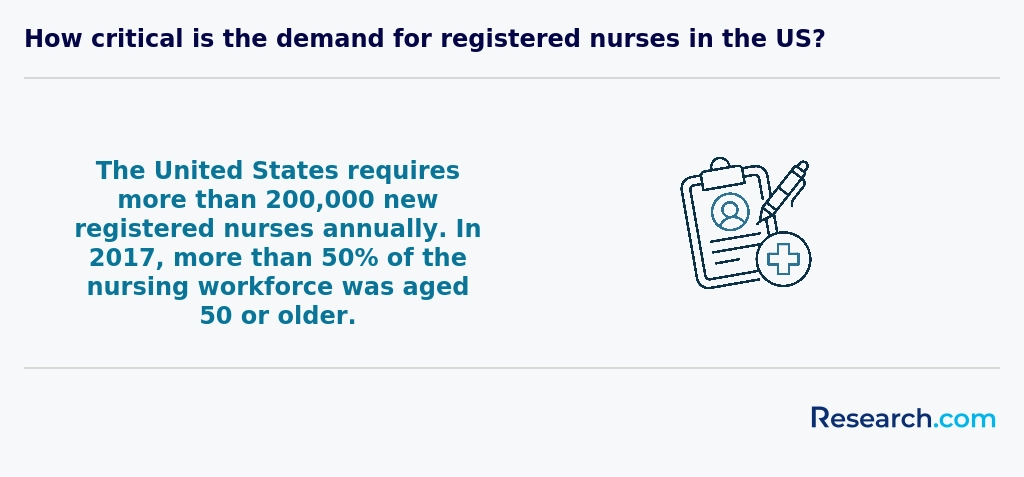
Graduates with an online healthcare degree in Boston have access to a variety of career paths that reflect the region's robust healthcare industry. Roles in healthcare administration are vital, involving management of hospital and clinic operations in a city renowned for its world-class medical institutions. Many graduates from popular Boston-area colleges find themselves leading teams or optimizing patient care processes, demonstrating the practical impact of their education. Nursing careers, including nurse practitioners and clinical nurse specialists, are in high demand, supported by Massachusetts' emphasis on advanced practice.
Other career opportunities include medical and health services management, where graduates improve healthcare delivery and implement policies across Boston's extensive hospital networks. Public health positions enable professionals to tackle community-wide health challenges, such as those coordinated with the Boston Public Health Commission. Health informatics also attracts graduates who work with patient data systems as Boston's healthcare sector increasingly digitizes. These online healthcare degree careers in Boston benefit from strong local demand and the ability to study flexibly. Students looking to identify the best schools to go to for college often report that their programs prepare them well for these diverse fields.
What is the job market for online healthcare degree in Boston?
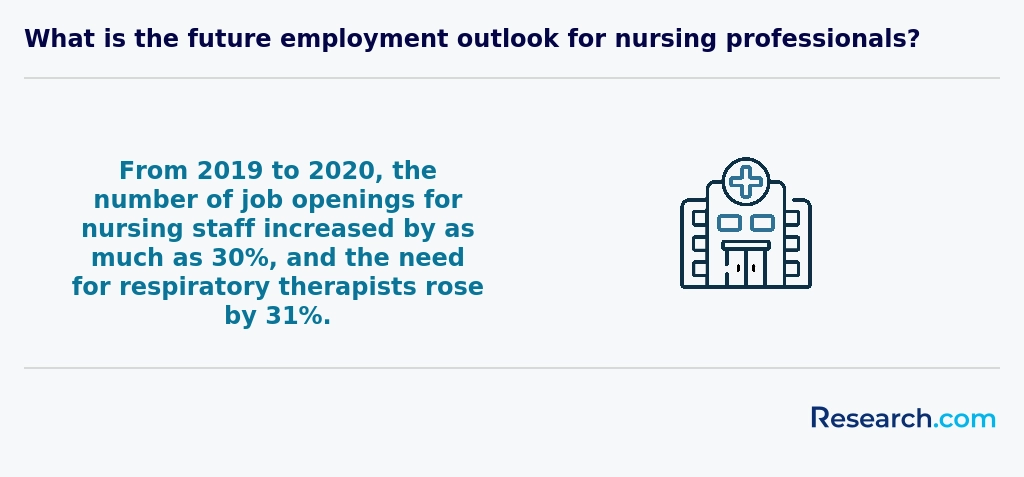
The job market for graduates with online healthcare degrees in Boston is notably strong, reflecting the city's extensive healthcare infrastructure and demand for skilled professionals. Boston healthcare degree employment outlook remains positive, with projected growth near 14% through 2030 according to state labor data. Graduates from institutions like Northeastern University and Boston University frequently find opportunities in prominent hospitals such as Massachusetts General and Brigham and Women's Hospital, where there is consistent need for roles in healthcare administration, nursing, and informatics.
Many graduates share experiences of securing hybrid or fully remote positions thanks to the rise in telehealth services, enhancing work-life balance and career flexibility. Salaries are competitive, with median wages around $85,000 annually in Massachusetts, rising sharply with advanced certifications.
Prospective students are advised to explore options at affordable online universities for working students to manage education costs effectively while maximizing career outcomes in this dynamic job market for online healthcare jobs in Boston.
Frequently Asked Questions About healthcare
Online healthcare degree students in Boston can maximize their learning by actively engaging with their coursework and faculty. Participating in virtual discussions and using available academic resources, such as online libraries and simulation labs, can enhance understanding. It is beneficial to connect with local healthcare organizations in Boston for internships or practical experiences, which are often required for licensure.
Time management is critical; students should create a consistent study schedule to stay on track. Boston's healthcare industry is robust, with over 34,000 jobs projected by 2028, according to the Massachusetts Executive Office of Labor and Workforce Development, making networking crucial.
Utilizing campus resources from affiliated institutions can also support career development and certification preparation.
Emerging niches within the healthcare field reflect growing demands for specialized knowledge and skills. In Boston, a leading hub for healthcare innovation, fields like telehealth and health informatics are rapidly expanding. Telehealth services have seen increased investment, especially after a 154% rise in virtual visits during the pandemic, according to the Massachusetts Health Policy Commission.
Another key area is precision medicine, leveraging genetic data to tailor treatments. Boston's numerous research institutions contribute significantly to advances here. Additionally, behavioral health and addiction treatment remain critical, with the state directing more resources to address the opioid crisis and mental health challenges.
These niches offer promising career paths for students pursuing online healthcare degrees in Boston who want to engage in forward-looking, impactful roles.
After completing an online healthcare degree in Boston, preparing for the local job market involves a strategic approach. First, consider gaining relevant certifications, such as CPR or healthcare management credentials, which are often required by Massachusetts employers.
Networking is crucial; Boston has a strong healthcare ecosystem with world-renowned hospitals and research centers. Engage in virtual career fairs and connect through platforms like the Massachusetts Biotechnology Council.
Internships and volunteering, even remotely, can provide valuable experience. According to the Massachusetts Executive Office of Labor and Workforce Development, healthcare jobs in Boston are projected to grow 10% through 2030, increasing demand for qualified professionals.
Lastly, tailor your resume to highlight skills gained from your online program and demonstrate familiarity with Boston's healthcare landscape.
Employers hiring healthcare degree graduates in Boston prioritize a combination of technical and interpersonal skills. According to the Massachusetts Department of Public Health, proficiency in electronic health records (EHR) management is essential due to widespread digital transformation in local hospitals.
Communication skills are also highly valued. Graduates must effectively collaborate with multidisciplinary teams and patients from diverse backgrounds, reflecting Boston's culturally varied population.
Critical thinking and problem-solving abilities are crucial for navigating complex healthcare environments and improving patient outcomes.
Additionally, knowledge of healthcare regulations, such as HIPAA compliance, is important to ensure legal and ethical standards.
These competencies align with industry expectations for healthcare roles across the Boston metropolitan area.
Finding internships in Boston related to healthcare degrees involves targeting local hospitals, clinics, and research institutions. Boston is home to renowned healthcare providers like Massachusetts General Hospital and Boston Children's Hospital, which frequently offer internships for students. Many institutions partner with universities to provide structured internship opportunities.
Students should also utilize their online program's career services, which often have established connections with Boston-area healthcare employers. Networking events, job fairs, and platforms like Handshake or LinkedIn are valuable for discovering internship openings.
According to the Massachusetts Department of Public Health, internships in healthcare grow annually by approximately 5% in the Boston area, reflecting demand for trained professionals.
Researching organizations on Massachusetts Health & Hospital Association's website can provide targeted leads for quality internships.
Online healthcare degrees in Boston significantly enhance career mobility by providing flexible access to advanced education without disrupting current employment. Many local healthcare employers value such degrees from accredited institutions, recognizing their relevance to evolving healthcare demands.
According to the Massachusetts Department of Public Health, the healthcare sector in Boston is projected to grow faster than the national average, increasing demand for skilled professionals with master's-level training. An online degree allows quicker upskilling, enabling professionals to move into specialized roles like healthcare management or informatics.
Moreover, data from the Boston Planning & Development Agency highlight that professionals with graduate healthcare degrees often see salary increases between 10% and 20%, reflecting the degree's role in career advancement within the region's competitive healthcare market.
Studying for an online healthcare degree in Boston offers unique preparation for interdisciplinary roles due to the city's rich healthcare ecosystem. Boston hosts numerous top-ranked hospitals and research institutions, encouraging collaboration across medicine, public health, and technology. Programs emphasize teamwork, communication, and integrative problem-solving skills essential for modern healthcare environments.
Students engage with diverse case studies and often apply knowledge from nursing, health informatics, and administration. According to the Massachusetts Department of Public Health, Boston's healthcare workforce frequently participates in interdisciplinary projects, reflecting real-world professional demands. This approach helps graduates adapt quickly to multifaceted roles in clinical and administrative settings.
When choosing between a thesis and a non-thesis healthcare degree program in Boston, consider your career goals and time commitment. Thesis programs involve conducting original research, which can be valuable if you plan to pursue a doctoral degree or a career in academia.
Non-thesis programs often focus on practical skills and coursework, making them ideal for professionals seeking advancement in clinical or administrative roles. According to the National Center for Education Statistics, many Boston universities offer both options to accommodate diverse student needs.
Also, Boston's healthcare sector is large and competitive, with over 150 hospitals and research centers, so aligning your choice with your intended career path is crucial.
Students based in Boston seeking to study healthcare abroad through online programs have several viable options. Many accredited U.S. universities offer fully online healthcare degrees that provide global perspectives and can be completed remotely, allowing Boston students to benefit without relocating.
Boston's strong healthcare sector, including institutions like Massachusetts General Hospital and Boston Children's Hospital, often partners with global education providers, enhancing access to international curricula. According to the Boston Planning & Development Agency, over 30% of Boston's workforce is in healthcare, demonstrating local demand for advanced training.
International programs recognized by U.S. accrediting bodies ensure credits transfer smoothly for Boston students pursuing advanced degrees. Additionally, some schools in Boston maintain exchange agreements with renowned institutions abroad, facilitating hybrid study experiences that combine online coursework with optional residency.
Boston offers various part-time job opportunities that align well with healthcare degree education, enhancing both practical skills and academic knowledge. Positions such as medical assistants, patient care technicians, and pharmacy aides are commonly available in local hospitals and clinics. According to the Massachusetts Executive Office of Labor and Workforce Development, healthcare support roles in Boston are expected to grow by 15% through 2030.
Many healthcare employers in Boston value candidates balancing work and study, as it demonstrates time management and commitment. Additionally, volunteering or internships at renowned institutions like Massachusetts General Hospital can provide invaluable exposure.
These roles often offer flexible hours, suitable for students enrolled in online programs.
Online healthcare students in Boston have access to diverse networking opportunities despite the remote nature of their studies. Many universities offer virtual events, webinars, and online forums that connect students with healthcare professionals and alumni in the region. Boston's status as a healthcare hub-with over 100 hospitals and research institutions-provides students with ample chances to join local professional organizations like the Massachusetts Public Health Association or Boston Healthcare Investors Network.
Additionally, students can attend hybrid conferences and workshops hosted by prominent hospitals such as Massachusetts General Hospital and Brigham and Women's Hospital. These events foster connections that can lead to internships and job placements.
Community platforms like LinkedIn groups specific to Boston healthcare also help online learners build their professional networks efficiently.
Alumni networks provide significant benefits to online healthcare degree students in Boston by fostering valuable professional connections. These networks connect current students with graduates who have experience in Boston's robust healthcare sector, including leading hospitals and research institutions.
Through alumni networks, students gain access to mentorship opportunities, job leads, and industry insights tailored to the local healthcare landscape. For example, Boston's healthcare employment is projected to grow by over 9% through 2030, according to the Massachusetts Executive Office of Labor and Workforce Development.
This growth makes alumni advice on navigating local job markets especially helpful for online learners, who might lack in-person networking opportunities. Additionally, alumni often share updates about regional healthcare trends and continuing education resources essential for career advancement.
Customizing an online healthcare degree program in Boston allows students to align their studies with specific career goals. Many programs offer a range of electives and specialization tracks such as healthcare management, informatics, or public health. Choosing these options helps focus learning on desired fields.
Boston's healthcare sector is robust, employing over 200,000 workers, so selecting concentrations that match local industry needs can improve job prospects. Some programs also provide opportunities for practical experiences or capstone projects tailored to individual interests and career paths.
Accreditation and flexible scheduling further support customization, enabling students to balance work while gaining relevant skills for Boston's diverse healthcare landscape.
Online healthcare students in Boston often face challenges balancing rigorous coursework with professional and personal responsibilities. Many learners are working adults managing full-time jobs alongside their studies. According to the Massachusetts Department of Higher Education, time management is a critical barrier, especially for those enrolled in accelerated programs.
Technical difficulties can also pose problems, as reliable internet access and proficiency with digital platforms are essential for success. While Boston generally has strong internet infrastructure, some students experience connectivity issues during clinical simulations or live lectures.
Additionally, finding local clinical placement opportunities can be competitive. The Boston healthcare sector is large but saturated, making internships or practicums harder to secure, as noted by the Massachusetts Health Policy Commission.
With an online healthcare degree, individuals in Boston can pursue various professional certifications to advance their careers. Common certifications include Certified Medical Manager (CMM), Certified Professional in Healthcare Quality (CPHQ), and Registered Health Information Technician (RHIT). These credentials enhance expertise in healthcare administration, quality management, and health information management respectively.
Boston's healthcare industry is robust, with over 90 hospitals and numerous research institutions, creating strong demand for certified professionals. According to the Massachusetts Department of Public Health, certified healthcare managers often see higher salaries and better job placement rates.
Many certification programs require a degree from an accredited institution, making online degrees from recognized schools a practical option. Additionally, certifications like the Certified Healthcare Quality Professional require continuing education, which can often be fulfilled online, fitting well with a remote learning format.
To write a winning application for an online healthcare program in Boston, start by thoroughly researching the specific program requirements. Many programs prioritize applicants with clear professional goals and relevant experience. Highlight your background in healthcare or related fields, emphasizing any hands-on experience or certifications.
Boston is a hub for healthcare education and innovation, with institutions like Boston University and Northeastern University offering competitive online programs. Their admissions committees often look for strong statements of purpose that clearly explain why you want to pursue healthcare studies online and how it fits your career plans.
Be sure to include up-to-date transcripts and strong letters of recommendation from supervisors or professors familiar with your work ethic. According to the Massachusetts Department of Public Health, demand for healthcare professionals in Boston is rising, which can strengthen your application if you align your goals with local healthcare needs.
Finally, proofread your application carefully. Attention to detail is crucial in healthcare careers and should be reflected in your submission.
Global perspectives on a healthcare career highlight its growing importance due to increasing healthcare needs worldwide. In the US, healthcare is the fastest-growing sector, with the Bureau of Labor Statistics projecting a 13% growth from 2021 to 2031. Boston, a hub for medical research and healthcare innovation, reflects this trend, offering diverse career opportunities. The city hosts leading hospitals and biotech companies, which attract international collaboration.
Internationally, healthcare careers emphasize cultural competence and adapting to global health challenges like aging populations and pandemics. This global outlook benefits students in Boston pursuing online degrees, preparing them for diverse work environments both domestically and abroad. According to the Massachusetts Department of Public Health, demand for healthcare professionals in the state is increasing steadily, supporting future job security.
Gaining practical experience while pursuing an online healthcare degree in Boston is essential for career readiness. Many accredited programs partner with local hospitals, clinics, and healthcare organizations to offer supervised internships or clinical placements. For example, Boston's robust medical community, including Massachusetts General Hospital and Boston Medical Center, provides diverse settings for hands-on learning.
Students can also engage in virtual labs and simulation exercises, which have grown in use due to advancements in educational technology. According to the Massachusetts Department of Higher Education, nearly 60% of healthcare programs in the state incorporate experiential components to meet licensure requirements.
Networking events and professional organizations in Boston further support students in gaining real-world exposure.
Choosing the right concentration in an online healthcare degree program in Boston begins with assessing your career goals. Healthcare in Boston is diverse, with strengths in biotechnology, public health, and hospital administration. According to the Massachusetts Department of Public Health, Boston has a growing need for professionals skilled in health informatics and healthcare management due to its many large hospitals and research centers.
Research concentrations that align with these local industry demands. For example, focusing on health informatics could prepare you for roles in data management at institutions like Massachusetts General Hospital. Alternatively, a public health concentration might suit those interested in community health initiatives, which are prominent in Boston's urban areas.
Check if the program offers faculty expertise and partnerships with Boston healthcare providers, as these can enhance practical learning. Also, review accreditation status to ensure recognized credentials in the US healthcare job market.
Related Healthcare Rankings for Nearby Cities
- 2027 Easiest Online Healthcare Degree Programs Ranking in North Dartmouth, MA
- 2027 Easiest Online Healthcare Degree Programs Ranking in Saratoga Springs, NY
- 2027 Easiest Online Healthcare Degree Programs Ranking in Dobbs Ferry, NY
- 2027 Easiest Online Master's in Healthcare Degree Programs Ranking in New York, NY
- 2027 Easiest Online Healthcare Degree Programs Ranking in South Orange, NJ
- 2027 Easiest Online Bachelor's in Healthcare Degree Programs Ranking in Utica, NY
- 2027 Easiest Online Healthcare Degree Programs Ranking in Oswego, NY
- 2027 Easiest Online Healthcare Degree Programs Ranking in Philadelphia, PA
- 2027 Easiest Online Healthcare Degree Programs Ranking in Rochester, NY
- 2027 Easiest Online Healthcare Degree Programs Ranking in Baltimore, MD
Top Trending Healthcare Rankings
See What Experts Have To Say About Studying Healthcare
Read our interview with Healthcare experts

References
- Advance Your Education and Career While Working in Healthcare https://www.hospitalrecruiting.com/blog/4236/advance-your-education-and-career-while-working-in-healthcare/
- Online Healthcare Degree Programs | University of Phoenix https://www.phoenix.edu/online-healthcare-degrees.html
- Global Perspectives – Healthcare Beyond Borders https://www.cedars-sinai.org/international-stories/healthcare-beyond-borders.html
- Top 5 Part-Time Healthcare Jobs For Students https://www.sumnercollege.edu/blog/top-5-part-time-healthcare-jobs-for-students/
- How to Set and Achieve Career Goals in Health and Social Care | Royal Open College https://royalopencollege.org/blog/health-and-social-care/how-to-set-and-achieve-career-goals/
- Pursuing Your Career Goals: Strategies and Examples https://www.ultimatemedical.edu/blog/career-goals-importance-strategies-and-examples/
- Niche Markets in Healthcare: How to Find & Target https://nechayadvisors.com/blog/niche-markets-in-healthcare
- Students and Alumni associations - Europubhealth https://www.europubhealth.org/students-alumni-associations/
- Alumni Reconnect - Poznan University of Medical Sciences https://pums.edu.pl/alumni-friends/alumni-reconnect/
- Nursing Assistant and Home Health Aide Training Tuition & Fees | Medical and Healthcare Training School in Massachusetts https://www.pathwayvoc.com/healthcare-training-nursing-assistant-and-home-health-aide-training-tuition-and-fees


