
2027 Easiest Online Master's in Healthcare Degree Programs Ranking in Virginia

Co-Founder and Chief Data Scientist
If you're considering advancing your career in healthcare, finding the right online master's degree program is essential. This article presents the 2027 Easiest Online Master's in Healthcare Degree Programs Ranking in Virginia, created by the Research.com team of data scientists to guide students like you in making informed decisions.
Choosing the right program can open doors to exciting opportunities, flexible learning, and impactful work in the healthcare field. Explore this ranking to discover programs that balance quality with accessibility, helping you take confident steps toward your goals.
Key benefits of getting online healthcare degree in Virginia
- Healthcare degree graduates in Virginia can earn competitive salaries, such as Healthcare Consultants who make a mean annual wage of $115,530 and Healthcare Compliance Managers earning about $80,190, reflecting strong financial rewards.
- Graduates from Virginia universities often pursue diverse careers in healthcare administration, consulting, and compliance, providing a variety of fulfilling paths to match different interests and skills.
- Online healthcare degrees from Virginia colleges offer flexibility and convenience, allowing students to balance work and study effectively while gaining the same valuable credentials as traditional programs.
- Key benefits of getting online healthcare degree in Virginia
- What can I expect from online healthcare degree in Virginia?
- Where can I work with online healthcare degree in Virginia?
- How much can I make with online healthcare degree in Virginia?
- 2027 Easiest Online Master's in Healthcare Degree Programs Ranking in Virginia
- Key Findings
- How long does it take to complete online healthcare degree in Virginia?
- Program Accreditation and Recognition
- What's the difference between online and on-campus healthcare degree?
- Accreditation and Licensure Requirements
- What is the average cost of online healthcare degree in Virginia?
- Tips for Succeeding in Your Online Healthcare Degree in Virginia
- What financial aid is available to online healthcare degree students in Virginia?
- Tips for Success in Your Online Healthcare Degree Journey
- What are the prerequisites for enrolling in online healthcare degree program in Virginia?
- Emerging Trends in Healthcare and Online Education
- What courses are typically in online healthcare degree programs in Virginia?
- What types of specializations are available in online healthcare degree programs in Virginia?
- How do you choose the best online healthcare degree in Virginia?
- What career paths are available for online healthcare degree students in Virginia?
- What is the job market for online healthcare degree in Virginia?
- Related Healthcare Rankings for Nearby States
- Top Trending Healthcare Rankings
- See What Experts Have To Say About Studying Healthcare
What can I expect from online healthcare degree in Virginia?
The average cost of pursuing an online healthcare degree in Virginia can vary significantly depending on the institution and residency status. Graduates from well-known public universities like Virginia Commonwealth University often share that in-state tuition rates make these programs quite affordable, sometimes ranging between $8,000 and $15,000 per year. This affordability allows many working professionals to balance costs alongside other life responsibilities without undue financial stress.
Conversely, students enrolled at private colleges in Virginia may experience higher tuition fees, sometimes exceeding $25,000 annually. However, these institutions frequently offer robust support services, scholarships, and financial aid tailored specifically to healthcare students, which can ease the cost burden and create a more personalized learning experience.
One graduate reflecting on their time at a major Virginia university recalls how tapping into state and institutional scholarships was a game changer, allowing them to focus more on their coursework in nursing and public health rather than worrying about finances.
Such flexibility in cost combined with targeted assistance emphasizes how prospective students should carefully explore financial aid options to make their healthcare education journey both feasible and fulfilling.
Where can I work with online healthcare degree in Virginia?
With an online healthcare degree in Virginia, graduates often find themselves stepping into dynamic roles within hospitals such as those affiliated with well-known systems like Inova Health or Sentara Healthcare. Many recall the rewarding challenge of transitioning into nursing leadership or healthcare administration, appreciating how their studies from universities like Virginia Commonwealth University prepared them for these demanding environments.
Others pursue careers beyond hospital walls, thriving in outpatient clinics or urgent care centers bustling in Northern Virginia or Richmond. The practical knowledge gained from online programs at George Mason University or Old Dominion University equips them to meet the growing needs of these communities with confidence and empathy.
Graduates also share their fulfillment working in public health organizations, where they influence policy and lead community health initiatives. Online degrees open doors to meaningful work with the Virginia Department of Health or local agencies, turning academic insights into impactful action.
Additionally, many find opportunities in health insurance firms or healthcare technology companies, leveraging expertise in informatics to improve care delivery. For some, teaching or research roles at Virginia's universities provide a way to shape the future of healthcare while continuing to grow professionally.
How much can I make with online healthcare degree in Virginia?
Graduates from online healthcare programs in Virginia often find rewarding financial opportunities that reflect both their dedication and the state's vibrant healthcare sector. For example, those stepping into roles as healthcare consultants can anticipate a mean annual wage around $115,530, a figure drawn directly from U.S. Bureau of Labor Statistics data. This aligns well with experiences shared by graduates from the University of Virginia's online healthcare administration program, who report feeling confident about their earning potential.
Meanwhile, healthcare compliance managers typically earn about $80,190 annually. An alum from Virginia Commonwealth University recounted that securing this role not only elevated their career but also brought stability and satisfaction, reinforcing the value of Virginia's healthcare education.
These salaried realities underscore a promising future for students engaging in online healthcare studies at institutions like George Mason University or Old Dominion University. It is reassuring to see that, with commitment, Virginia's healthcare graduates can achieve rewarding and competitive compensation while serving their communities.
2027 Easiest Online Master's in Healthcare Degree Programs Ranking in Virginia
How do we rank schools?
Investing in your education is a significant decision that can shape your future, and the Research.com team understands the importance of making informed choices. To assist prospective students in Virginia, we have meticulously crafted the "2027 Easiest Online Master's in Healthcare Degree Programs Ranking in Virginia." Our commitment to quality, credibility, and accuracy is reflected in the extensive research and analysis conducted to compile this ranking.
We utilized the following reputable data sources to ensure a comprehensive evaluation of healthcare programs:
By exploring this ranking, readers will gain valuable insights into accessible, high-quality online healthcare master's programs in Virginia, empowering them to make confident, well-informed decisions about their educational journeys. For more details on our methodology, please visit our Research.com methodology page.


Key Findings
- Online healthcare degree programs in Virginia include nursing, health administration, and public health, offering flexibility for working students.
- Tuition for a master's degree typically ranges from $10,000 to $25,000, with public universities offering lower rates and in-state discounts.
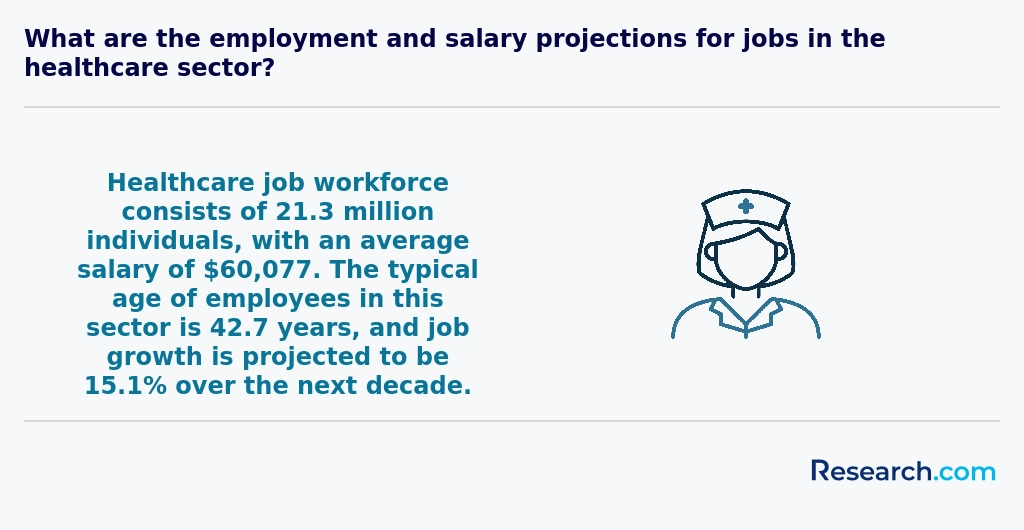
- Early-career salaries for healthcare graduates average around $60,000 annually, rising to over $90,000 mid-career depending on specialty.
- Healthcare jobs in Virginia are projected to grow by nearly 20% in the next decade, driven by demand for nurses, healthcare managers, and allied health professionals.
- Employment opportunities span hospitals, outpatient centers, government agencies, and private practices across the state.
- Many healthcare careers require state-specific licenses or certifications, so online programs should meet Virginia's accreditation and licensure requirements.
How long does it take to complete online healthcare degree in Virginia?
Completing an online healthcare degree in Virginia generally takes around four years for a bachelor's degree when studied full-time, though many students balance work and family by attending part-time, extending the timeline to six years or more. Graduates from universities like Liberty University and George Mason University often reflect on how pacing their studies flexibly allowed them to maintain their jobs while steadily progressing toward their goals.
Master's degrees, such as those in Healthcare Administration or Public Health, typically require about two years of full-time study. Many students at institutions like Virginia Commonwealth University appreciate the availability of accelerated tracks, finishing in as little as 12 to 18 months. This flexible pacing provides hope and motivation, especially for working professionals eager to advance their careers without pausing life.
Transfer credits and program structure also shape this timeline. Students often find satisfaction knowing prior coursework can shorten their path, enabling a more personalized and manageable experience aligned with their unique commitments in Virginia's growing healthcare sector.
Program Accreditation and Recognition
Ensuring your online Master’s in Healthcare degree program in Virginia holds the right accreditation is crucial for transferability, financial aid eligibility, and employer recognition. The two primary forms of accreditation to verify are: regional accreditation from agencies recognized by the U.S. Department of Education (such as SACSCOC for Southern institutions) and specialized accreditation from bodies like the Commission on Accreditation of Healthcare Management Education (CAHME). Regional accreditation guarantees that the institution meets broad quality standards, impacting eligibility for federal loans and ease of credit transfer. Specialized accreditation, on the other hand, assesses the rigor and relevance of healthcare curricula. For example, CAHME evaluates program outcomes, faculty qualifications, and student support services specific to healthcare management education. Graduates from CAHME-accredited programs often find enhanced job prospects and smoother pathways to professional certifications. Before applying, confirm accreditation status by consulting the Department of Education’s Database of Accredited Postsecondary Institutions and Programs (DAPIP) or the Council for Higher Education Accreditation (CHEA) directory. Additionally, compare how program-specific accreditation aligns with your career goals-some licensure or leadership roles may require graduation from a specialized-accredited program. For students considering a broader range of credentials, exploring related offerings such as a bachelor’s pathway in healthcare administration online can ensure continuity in quality and accreditation from undergraduate through graduate study.
What's the difference between online and on-campus healthcare degree?
Choosing between online and on-campus healthcare degrees in Virginia often comes down to lifestyle and learning preferences. Graduates from programs at institutions like Virginia Commonwealth University often speak of the flexibility online courses provide, allowing them to juggle demanding work schedules in Richmond's growing healthcare sector. With online platforms, students access lectures and assignments anytime, empowering them to learn at their own pace without commuting.
On the other hand, those who attended on-campus programs at universities such as George Mason University recall the invaluable hands-on labs and face-to-face interactions that deepened their practical skills. The structured environment and direct networking opportunities helped them feel fully immersed in their education, which some found essential for building confidence in clinical settings.
Cost also plays a role. Online learners appreciate reduced expenses related to commuting and campus fees, though clinical placements still require local arrangements. Ultimately, the difference lies in balancing the freedom of self-directed study with the enriched social and experiential benefits of campus life-both valid paths within Virginia's reputable healthcare education landscape.
Accreditation and Licensure Requirements
When evaluating an online Healthcare master’s program in Virginia, ensuring proper accreditation and licensure alignment is paramount. Accredited programs meet rigorous academic and industry standards set by recognized bodies such as the Commission on Accreditation of Healthcare Management Education (CAHME) and regional accreditors like the Southern Association of Colleges and Schools Commission on Colleges (SACSCOC). Graduates from CAHME-accredited Master’s in Healthcare programs often enjoy streamlined eligibility for professional certifications and greater employer recognition. Most state licensing boards require completion of an accredited curriculum to qualify for roles in healthcare management, health information administration, and clinical leadership. Before applying, verify that your target program: • Holds regional accreditation (e.g., SACSCOC) to guarantee transferability of credits and federal financial aid eligibility. • Is recognized by CAHME or the Commission on Collegiate Nursing Education (CCNE) if you’re pursuing a nursing administration or informatics specialization. • Aligns coursework with state licensure requirements – for example, courses in healthcare law, ethics, and compliance may satisfy Virginia Board of Health Professions criteria. For budget-minded students seeking accredited yet affordable online options, explore our ranking of the Cheapest Online Master’s in Healthcare Degree Programs, which highlights cost-effective pathways without compromising academic quality. By choosing a properly accredited program, you’ll secure both professional credibility and the foundation needed to sit for key certifications, positioning yourself for leadership and advancement in Virginia’s expanding healthcare sector.
What is the average cost of online healthcare degree in Virginia?
The average cost of an online healthcare degree in Virginia generally falls near $25,560, with in-state students often benefiting from lower tuition around $23,398. Graduates from well-known Virginia universities reflect on how investing in their education, despite the costs, opened doors to fulfilling careers in healthcare management, nursing, and public health. Their stories reveal a sense of accomplishment that comes with balancing affordable tuition and quality education.
Many students pursuing online healthcare degrees appreciate that public institutions typically offer more accessible tuition rates compared to private universities, aligning with the average cost of online healthcare degree Virginia students expect. For instance, attending a public institution in Virginia often means tuition closer to $10,000 to $15,000 annually for residents, helping students manage expenses while advancing their careers.
Those enrolling in private schools noted higher tuition fees, sometimes reaching $20,000 to $30,000 per year, but also shared positive experiences with financial aid and scholarships that eased their financial burden. Exploring options like employer tuition assistance and grants is wise, especially in healthcare fields where demand supports such funding. To navigate these costs effectively, prospective learners are encouraged to check out affordable healthcare programs in virginia and connect directly with programs for tailored cost information.
Understanding the Virginia online master's healthcare tuition fees and related expenses, such as technology fees or clinical practicum costs, can help students plan a budget that promotes success without excessive financial strain.
Tips for Succeeding in Your Online Healthcare Degree in Virginia
Embarking on an online healthcare degree is an exciting journey that demands strong self-discipline, strategic planning, and a proactive mindset. To help you excel in your program, consider establishing a dedicated study space, creating a reliable schedule, and engaging actively in virtual discussions and group projects. Balancing coursework with professional and personal responsibilities is common in online programs; therefore, using digital tools for time management, setting short-term goals, and seeking regular feedback from instructors and peers can make a significant difference in your academic progress. Additionally, taking advantage of career services and networking opportunities provided by your institution can enhance both your learning experience and professional growth. Many successful students also explore additional resources, such as our guide on affordable healthcare programs in virginia, which not only helps manage education costs but also offers insight into program quality and outcomes. By combining these strategies with a focus on continuous learning and self-improvement, you can navigate the challenges of an online healthcare program and build a strong foundation for a successful career in the rapidly evolving healthcare industry.
What financial aid is available to online healthcare degree students in Virginia?
Students pursuing online healthcare degrees in Virginia often discover that accessing financial aid is a crucial step toward making education affordable and manageable. Many graduates recall beginning with the FAFSA to unlock federal loans like Direct Unsubsidized and Grad PLUS, which provide practical repayment options aligned with their evolving careers.
In Virginia, state-specific grants such as the Virginia Commonwealth Award or the Virginia Student Educational Assistance Program (VSEAP) can substantially ease costs for residents attending respected schools like the University of Virginia or Virginia Commonwealth University. These awards are often lifelines, removing stress and enabling focus on studies.
Many working students benefit from employer tuition reimbursement programs offered by healthcare systems and hospitals throughout Virginia. Hearing from peers, balancing work while advancing education becomes much less daunting when employers invest back into their growth.
Additionally, private scholarships tied to merit or service commitments, particularly from organizations like the American Association of Colleges of Nursing, have empowered numerous online learners. Institutional scholarships offered by Virginia's universities frequently make the path clearer, transforming dreams into achievable goals.
Tips for Success in Your Online Healthcare Degree Journey
Embarking on an online healthcare degree in Virginia can be a transformative experience when you are well-prepared and proactive. Successful students often set clear goals, establish a dedicated study routine, and take full advantage of available support services. It is essential to cultivate strong time-management skills, organize your coursework, and maintain communication with professors and peers through virtual platforms. Additionally, leveraging university resources, from academic advising to online libraries, can provide both academic and emotional support throughout your journey. A key strategy for academic success is engaging in active learning by participating in discussion boards, forming virtual study groups, and seeking mentorship from industry professionals. These practices not only enhance understanding but also help build a network that can lead to future career opportunities. It is also worth comparing different educational offerings to optimize your investment in education-explore options such as affordable healthcare programs in virginia for insight into cost-effective alternatives while maintaining program quality. Lastly, setting realistic expectations and regularly assessing your progress can keep you motivated and aligned with your long-term career goals, ensuring that you maximize your learning experience and successfully transition into the healthcare workforce.
What are the prerequisites for enrolling in online healthcare degree program in Virginia?
Enrolling in an online healthcare degree program in Virginia typically requires candidates to hold a relevant educational background, reflecting the rigor these programs demand. For graduate-level studies at institutions such as Old Dominion University or George Mason University, a bachelor's degree from an accredited school is essential, often alongside a solid GPA around 3.0. Many graduates recall how maintaining this academic standard was crucial in building confidence for the demanding coursework ahead.
Beyond academics, practical experience plays a vital role. For example, applicants aiming for advanced practice degrees often need prior healthcare exposure, whether through clinical work, volunteering at local hospitals, or administrative roles. This real-world experience resonates deeply with students when they later apply theory to practice in their online courses.
- Letters of recommendation from former professors or supervisors frequently strengthen applications, reflecting an applicant's dedication.
- Personal statements allow prospective students to share their passion for healthcare and career aspirations, making their applications more compelling.
- Some programs may ask for background checks and immunization verification, particularly where clinical rotations are involved.
This combination of academic preparedness and practical readiness fosters a supportive learning environment that many Virginia healthcare graduates describe as rewarding and encouraging throughout their studies.
Emerging Trends in Healthcare and Online Education
In today’s rapidly evolving healthcare landscape, staying abreast of emerging trends is essential for both academic success and career advancement. Online healthcare degree programs in Virginia are increasingly integrating innovative technologies such as telemedicine, artificial intelligence, and digital health analytics to prepare graduates for the future of patient care. These programs emphasize real-world applications by incorporating virtual simulation labs, interactive case studies, and data-driven decision-making into their curricula. Moreover, as healthcare becomes more personalized, many institutions are expanding their course offerings to cover specialized fields that intersect with evolving tech trends. For instance, programs now include modules on precision medicine and advanced diagnostics, which complement traditional healthcare practices. Students interested in exploring interdisciplinary opportunities can also consider areas like master in genetics and molecular biology to further diversify their skill set and enhance their career prospects. By understanding and adapting to these trends, prospective students can make more informed decisions about their education. This not only ensures that they are investing in a degree that meets current industry demands but also positions them to lead in a field that continuously embraces new technologies and methodologies.
What courses are typically in online healthcare degree programs in Virginia?
Online healthcare degree programs in Virginia commonly include courses that build a broad yet essential foundation. Graduates from institutions like the University of Virginia and Virginia Commonwealth University often reflect on how courses such as Healthcare Policy and Ethics deepened their understanding of the complex decisions facing healthcare professionals. They describe these studies as eye-opening, revealing the delicate balance between patient care and regulatory frameworks.
Similarly, Healthcare Informatics courses are praised for transforming students' confidence in using technology to enhance patient outcomes-skills particularly valued in today's digital healthcare environment. Many find Public Health Principles meaningful, as these classes connect classroom learning to efforts they can envision participating in, such as disease prevention campaigns impacting Virginia's diverse communities.
Healthcare Management and Administration coursework often becomes a turning point, equipping students with leadership skills directly applicable to managing clinics or departments. Graduates resonate with the practical approach of Research Methods and Biostatistics, which teaches how to critically evaluate data essential for evidence-based decisions.
Additionally, specialized electives allow students to tailor their studies to their aspirations, fostering motivation and a sense of purpose throughout their online journey in Virginia's evolving healthcare field.
What types of specializations are available in online healthcare degree programs in Virginia?
Online healthcare degree specializations in Virginia are thoughtfully designed to meet the state's dynamic healthcare landscape. Many students find themselves drawn to Healthcare Administration, where they learn to navigate the complexities of managing hospitals or clinics, mastering topics from healthcare finance to policy development. Graduates from well-known institutions like George Mason University describe a sense of accomplishment as their coursework directly prepares them for leadership roles in Virginia's robust healthcare system.
Others pursue Public Health, focusing on initiatives like rural health outreach and community wellness, topics particularly relevant given Virginia's diverse populations. At universities popular for healthcare master's programs specialties Virginia, students often share inspiring stories about applying virtual simulation learnings to real-world health campaigns, igniting hope for impactful careers.
Specializations such as Nursing Leadership and Management appeal to experienced nurses eager to expand their role, while Health Informatics offers a gateway into managing data crucial for improving patient care. The blend of technology and healthcare feels especially empowering to those who strive to innovate. Some graduates emphasize how programs here balance technical skills with practical application.
For students interested in broader scientific healthcare fields, combining their degree with a master in genetics and molecular biology can open transformative career paths.
Finally, Healthcare Quality and Patient Safety prepares students to champion care excellence, a specialization that resonates strongly within Virginia's advancing medical institutions.
How do you choose the best online healthcare degree in Virginia?
Choosing the best online healthcare degree in Virginia means focusing on programs that fit your lifestyle and career goals while meeting the state's growing industry demands. Graduates from well-regarded universities often highlight the value of accredited programs that offer flexible schedules, allowing them to balance work and study effectively. This flexibility is especially important in Virginia, where many students juggle professional commitments alongside coursework.
Affordability plays a major role as well. Many students find that looking into affordable healthcare master's degrees Virginia offers at public universities greatly eases financial stress, especially with in-state tuition discounts. Programs that provide local clinical placements open doors to valuable hands-on experience, which graduates say was a key factor in their successful career starts.
It also helps to explore curriculum options carefully. For example, those interested in healthcare administration can benefit from healthcare administration online programs known for practical focus and career support. Hearing from graduates, strong alumni networks and job placement services in Virginia create a supportive environment that nurtures professional growth in fields like informatics and healthcare management.

What career paths are available for online healthcare degree students in Virginia?
Graduates of online healthcare degrees in Virginia often find diverse career paths that tap into the state's robust healthcare economy. Many have embraced roles in healthcare administration and management, where they oversee operations at hospitals and clinics, drawing deeply on skills honed through programs at well-known institutions like George Mason University or Virginia Commonwealth University. These alumni share the satisfaction of steering essential services that impact patient care quality across the state.
Others pursuing online healthcare degree jobs Virginia appreciate the adaptability afforded by nursing pathways, especially those advancing through Master of Science in Nursing programs. Graduates become nurse practitioners or clinical nurse specialists, thriving in dynamic healthcare settings while meeting growing demand fueled by Virginia's aging population. It is common to hear stories of their confidence and fulfillment as they deliver hands-on care and community health education.
Public health careers are equally compelling, particularly for those drawn to epidemiology and health education who aim to influence population health within Virginia's public systems. Alumni from these programs often remark on the rewarding challenge of addressing real-world public health issues, supported by expanding job opportunities.
Finally, with healthcare technology rapidly evolving, many find their calling in health informatics or medical laboratory science, thriving at the intersection of data and patient care. Prospective students weighing educational investments might consider exploring the Cheapest Online Master's in Healthcare Degree Programs to find options suited to their aspirations and budget.
What is the job market for online healthcare degree in Virginia?
The job market for graduates holding online healthcare degrees in Virginia is vibrant and encouraging, reflecting a strong regional demand for skilled professionals. Many graduates from well-known Virginia universities have shared how their flexible online programs allowed them to balance work and studies, enhancing their readiness for healthcare roles. Hospitals and outpatient centers across Richmond and Fairfax consistently seek qualified candidates, ensuring practical opportunities for those entering the field. This upward trend in online healthcare jobs Virginia is fueled by an aging population and expanding healthcare infrastructure.
Graduates with online healthcare degrees are finding rewarding roles that offer competitive salaries and career growth. For example, nurses with advanced degrees report median wages between $80,000 and $95,000, while healthcare administrators in urban Virginia areas approach $100,000 annually. These figures resonate with students who appreciate the value of investing in education without interrupting their careers.1 year masters degree online programs also contribute notably, appealing to professionals eager to accelerate their advancement. This dynamic healthcare degree career opportunities Virginia landscape reassures many that pursuing healthcare education online is a strategic and fulfilling choice.
Frequently Asked Questions About healthcare
Online healthcare degree students in Virginia can maximize their learning by actively engaging with both virtual and local resources. Participating in online discussions and group projects enhances understanding and builds valuable professional networks. Virginia's healthcare sector is growing rapidly, with the Virginia Department of Health projecting a 17% increase in healthcare jobs by 2030, making practical experience vital.
Students should also consider local clinical placements or internships to complement their online studies. Many programs encourage experiential learning by partnering with Virginia hospitals and clinics, ensuring students gain hands-on skills. Utilizing state and university career services can connect students to these opportunities and support licensure preparation.
Strong time management and self-discipline are essential for balancing coursework with real-world practice. Students should leverage Virginia's digital library collections and healthcare databases to access up-to-date research and industry standards, improving academic and professional outcomes.
The healthcare field in Virginia is rapidly evolving, with several emerging niches gaining prominence. One key area is telehealth, which expanded significantly during the COVID-19 pandemic and continues to grow due to improved technology and patient demand. According to the Virginia Health Information 2023 report, telemedicine appointments increased by over 150% in the past three years.
Another rising niche is healthcare data analytics. Professionals skilled in managing and interpreting health data are increasingly needed to improve patient outcomes and operational efficiency. Virginia's hospitals and health systems are investing heavily in this field.
Additionally, behavioral health services are expanding, driven by heightened awareness of mental health. The Virginia Department of Health cites a growing need for specialists in substance abuse and psychiatric care. These niches offer promising career opportunities for students pursuing online healthcare degrees in the state.
After completing an online healthcare degree in Virginia, preparing for the job market requires strategic steps. Begin by obtaining necessary licenses or certifications, such as the Registered Nurse (RN) license or certifications relevant to healthcare administration. Virginia's Department of Health Professions provides specific licensing details crucial for practicing in the state.
Networking is vital; joining local professional organizations like the Virginia Nurses Association or Virginia Healthcare Executives Forum can open doors. Additionally, gaining experience through internships or volunteering in Virginia hospitals increases employability. According to the Virginia Employment Commission, healthcare jobs are projected to grow 14% through 2030, emphasizing a strong job market for graduates.
Updating your resume with online coursework and digital competencies also helps recruiters identify your readiness for remote roles.
Employers in Virginia's healthcare sector highly value graduates who demonstrate strong clinical skills alongside effective communication. According to the Virginia Department of Health, teamwork and patient-centered care rank among the top competencies sought by local hospitals and clinics.
Analytical skills are also critical, given the increasing reliance on health informatics and data management in patient care. The Bureau of Labor Statistics notes that healthcare roles in Virginia grow faster than the national average, boosting demand for adaptable professionals.
Additionally, ethical judgment and cultural competence are essential, reflecting the diverse population Virginia healthcare providers serve. These skills contribute to improved patient outcomes and workplace collaboration.
Finding internships in Virginia relevant to a healthcare degree requires a strategic approach. Start by exploring partnerships your online program may have with local hospitals and clinics, as many institutions collaborate with healthcare providers for practical training. Additionally, the Virginia Department of Health offers resources and listings for healthcare internships across the state.
Networking is essential. Joining professional organizations like the Virginia Nurses Association or the Healthcare Information and Management Systems Society (HIMSS) Virginia chapter can connect you with internship opportunities. According to the Virginia Economic Development Partnership, healthcare is among the fastest-growing sectors in the state, signaling ample internship availability.
Lastly, utilize platforms such as Handshake and Indeed, filtering for internships in Virginia's hospitals, outpatient facilities, and public health departments. Seek roles that align with your specialization to gain relevant experience and enhance employability after graduation.
Obtaining an online healthcare degree in Virginia significantly enhances career mobility and advancement. The state's healthcare sector is growing rapidly, with a projected 15% job growth in healthcare occupations between 2020 and 2030, according to the Virginia Department of Labor. An online degree allows professionals to gain critical skills and credentials without geographic constraints, fitting their schedules and helping them meet licensure or certification requirements.
Employers in Virginia increasingly value advanced degrees for leadership and specialized roles. Graduates often experience higher earning potential and greater access to management positions. Online programs accredited by agencies recognized by the U.S. Department of Education ensure quality education respected across Virginia's healthcare industry.
Studying for a healthcare degree online in Virginia equips students with interdisciplinary skills essential for today's healthcare environment. Virginia's programs often emphasize collaboration between nursing, public health, health administration, and clinical disciplines. This fosters a broad understanding of patient care and system management.
Students learn to communicate and work effectively across different healthcare sectors, preparing for roles that demand integration of medical, administrative, and social knowledge. Virginia's growing healthcare industry, employing over 200,000 professionals (Virginia Employment Commission, 2023), underscores the need for versatile leaders trained in interdisciplinary approaches.
Online curricula include case studies and simulations reflecting real-world challenges, enhancing practical interdisciplinary competencies grounded in Virginia's healthcare landscape.
Choosing between a thesis and a non-thesis healthcare degree program in Virginia depends on your career goals and learning preferences. Thesis programs emphasize original research and prepare students for doctoral studies or research-focused roles. Non-thesis options typically focus on practical skills with projects or comprehensive exams instead of a formal thesis.
Virginia's healthcare industry, including its many hospitals and public health agencies, values both research expertise and applied knowledge. According to the Virginia Department of Health, nearly 20% of healthcare jobs require advanced research skills, favoring thesis tracks. However, non-thesis programs suit those targeting administrative or clinical management positions.
Costs and time commitment also differ: thesis programs often require more time and faculty mentoring. Carefully consider your career plans and consult with program advisors to select the best fit for your aspirations in Virginia's evolving healthcare landscape.
Students based in Virginia who want to study healthcare abroad often explore online degree programs offered by international universities. Many accredited foreign institutions provide fully online master's degrees in healthcare fields, allowing students to remain in Virginia while accessing global education. However, U.S. students should verify that these programs meet Virginia's licensing requirements, especially for regulated professions like nursing or public health.
Virginia ranks high in healthcare employment, with over 300,000 jobs, encouraging students to seek competitive, internationally recognized credentials. According to the Virginia Employment Commission, healthcare continues to grow, making online international degrees an attractive option for expanding expertise.
Before selecting a program, students should consider accreditation recognized by U.S. bodies and whether credits transfer smoothly to Virginia licensure pathways. Consulting resources such as the Council for Higher Education Accreditation or the Commission on Collegiate Nursing Education ensures program quality.
Part-time job opportunities in Virginia can significantly enhance the learning experience for students pursuing online healthcare degrees. The state's growing healthcare industry offers roles such as medical assistants, patient care technicians, and healthcare administrative aides. These positions provide practical experience alongside academic training, strengthening skills important for career advancement.
According to the Virginia Employment Commission, healthcare support roles are projected to grow by over 15% through 2030, reflecting increased demand for healthcare services.
Working in such positions allows students to gain firsthand knowledge of clinical procedures, patient interaction, and medical documentation, complementing their coursework effectively.
This hands-on exposure can also help build professional networks within Virginia's healthcare system, opening doors for future opportunities.
Online healthcare students in Virginia have access to various networking opportunities that help build professional connections despite remote learning. Many online programs partner with local hospitals and healthcare organizations across Virginia, including those in Richmond and Fairfax, to facilitate internships, clinical placements, and virtual job fairs. These experiences connect students with practicing healthcare professionals in the region.
Additionally, students can join student chapters of professional associations such as the Virginia Nurses Association or the American Health Information Management Association. These groups often offer webinars, mentorship programs, and regional events tailored to the healthcare industry.
Virginia's growing healthcare sector, which employs over 330,000 workers as reported by the Virginia Employment Commission in 2023, amplifies opportunities for networking and career advancement.
Alumni networks play a crucial role in supporting online healthcare degree students in Virginia by providing access to professional connections and career opportunities. These networks often include healthcare professionals working in Virginia's growing medical sectors, such as biotechnology, nursing, and public health. According to the Virginia Department of Health, healthcare employment is projected to grow by 16% through 2030, increasing the value of strong alumni connections.
Through alumni events, mentoring programs, and online forums, students gain insights into industry trends and job openings. Networking within these groups can open doors to internships and job placements in local hospitals and healthcare organizations. The collaborative environment fosters ongoing professional development outside the classroom.
Moreover, alumni often share advice tailored to Virginia's specific healthcare regulations and workforce demands, helping students navigate state licensure and certification requirements efficiently. This real-world guidance complements academic training and enhances career readiness.
Many online healthcare degree programs in Virginia offer flexible curriculum options, allowing students to tailor their studies according to specific career goals. For example, students can often choose electives focused on healthcare management, policy, informatics, or clinical specializations.
Virginia's universities frequently provide opportunities for internships or practicum experiences with local healthcare providers, helping students gain practical skills relevant to the state's healthcare system. According to the Virginia Department of Health, healthcare jobs are projected to grow by 16% through 2030, emphasizing demand in various specialties.
Additionally, some programs support dual degrees or certificates, enabling students to integrate leadership or data analytics skills with clinical knowledge to enhance career prospects.
Online healthcare students in Virginia often face several challenges related to the nature of remote learning and the healthcare field's demands. One key issue is balancing practical clinical experience with online coursework. Virginia requires hands-on clinical hours for many healthcare degrees, which can be difficult to arrange remotely. Students may also struggle with limited access to in-person networking and mentorship opportunities, which are crucial for building professional connections in healthcare.
Additionally, internet connectivity problems remain a barrier, especially in rural parts of Virginia where broadband access is inconsistent. According to the Virginia Department of Health, about 11% of the state's population lives in medically underserved areas, complicating access to local clinical placements. Time management and self-motivation also represent common hurdles, as online students must independently navigate coursework without direct supervision.
With an online healthcare degree in Virginia, you can pursue several respected professional certifications that enhance career opportunities. Popular options include Certified Healthcare Administrator (CHA), Certified Professional in Healthcare Quality (CPHQ), and the Registered Health Information Technician (RHIT) credentials.
Many graduates also consider the Project Management Professional (PMP) certification, valuable for managing healthcare projects. In Virginia, healthcare employment is expected to grow 18% by 2030, according to the Virginia Employment Commission, increasing demand for certified professionals.
Some programs offer specialized pathways aligned with certifications in healthcare management, informatics, and quality assurance. Pursuing certification often requires passing an exam and meeting continuing education standards, ensuring your skills stay current.
Writing a successful application for an online healthcare program in Virginia requires careful preparation. Start by researching accredited schools recognized by the Virginia Department of Education or the Council on Education for Public Health (CEPH). Accreditation ensures program quality and eligibility for financial aid.
Highlight your experience, particularly if you have worked in Virginia's healthcare sector, which has grown by 10% over the last five years according to the Virginia Employment Commission. Emphasize skills such as patient care, administration, or public health knowledge relevant to the program.
Include strong letters of recommendation from professionals familiar with your work ethic and healthcare background. Lastly, craft a clear personal statement outlining your career goals and motivation to pursue a healthcare degree online, reflecting on healthcare challenges specific to Virginia's communities.
The global perspective on a healthcare career emphasizes the growing demand for skilled professionals due to aging populations and increased chronic diseases. In the United States, including Virginia, healthcare jobs are expected to grow 16% from 2020 to 2030, faster than the average for all occupations, according to the U.S. Bureau of Labor Statistics. This trend aligns with global needs for improved healthcare access and quality. Online healthcare degrees in Virginia enable students to join this expanding field with flexible education options, preparing them to meet local and international challenges effectively and enhance patient care outcomes.
Students pursuing online healthcare degrees in Virginia can gain practical experience primarily through clinical placements and internships arranged by their programs. These hands-on opportunities are often mandatory for licensure and professional certification. Virginia's healthcare facilities, including hospitals and community clinics, collaborate with universities to support student training.
Many programs also encourage participation in virtual simulations and telehealth practicums, which are growing in importance as healthcare increasingly integrates digital services. The Virginia Department of Health and professional organizations provide resources to help students find placements.
According to the Virginia Employment Commission, healthcare jobs in the state are projected to grow by 15% by 2030, emphasizing the value of practical experience for career readiness.
Choosing the right concentration within an online healthcare degree program in Virginia involves evaluating your career goals and the state's healthcare needs. Virginia's healthcare industry is growing, with a 15% projected increase in health-related jobs by 2030, according to the Virginia Employment Commission.
Popular concentrations include healthcare administration, nursing leadership, and health informatics. Each offers different career paths, from managing hospitals to data analysis in healthcare systems. Consider your professional experience and interests to select a focus that matches your skills and ambitions.
It is also crucial to review program accreditation and curriculum relevance to Virginia's healthcare regulations and job market trends. This ensures your degree supports licensure and employment locally and nationwide.
Related Healthcare Rankings for Nearby States
- 2027 Easiest Online Master's in Healthcare Degree Programs Ranking in West Virginia
- 2027 Easiest Online Master's in Healthcare Degree Programs Ranking in Maryland
- 2027 Easiest Online Master's in Healthcare Degree Programs Ranking in North Carolina
- 2027 Easiest Online Master's in Healthcare Degree Programs Ranking in Kentucky
- 2027 Easiest Online Master's in Healthcare Degree Programs Ranking in Pennsylvania
- 2027 Easiest Online Master's in Healthcare Degree Programs Ranking in South Carolina
- 2027 Easiest Online Master's in Healthcare Degree Programs Ranking in Georgia
- 2027 Easiest Online Master's in Healthcare Degree Programs Ranking in Indiana
- 2027 Easiest Online Master's in Healthcare Degree Programs Ranking in New York
- 2027 Easiest Online Master's in Healthcare Degree Programs Ranking in Florida
Top Trending Healthcare Rankings
See What Experts Have To Say About Studying Healthcare
Read our interview with Healthcare experts

References
- Earn to Learn https://southside.edu/earn-learn
- Healthcare Administration Certifications https://www.publichealthdegrees.org/careers/healthcare-administrator/certification/
- Online Medical Programs at CHCP - Start Now! https://www.chcp.edu/degrees-certificates/online/
- Online Healthcare Degree Programs | University of Phoenix https://www.phoenix.edu/online-healthcare-degrees.html
- Thesis vs. Non-Thesis Master's Programs: Which is Right for You? https://potomac.edu/thesis-vs-non-thesis-masters/
- Online Programs https://www.vsu.edu/online/online-programs.php
- Healthcare – Programs & Training at Virginia Western – Virginia Western Community College https://www.virginiawestern.edu/academics/health-professions/
- Distance Education https://www.sentara.edu/academics/distance-education
- Online Healthcare & Medical Certification Training Programs https://medcerts.com/programs/healthcare/
- Interdisciplinary Education and Practice https://www.aacnnursing.org/news-data/position-statements-white-papers/interdisciplinary-education-and-practice


