
2027 Easiest Online Master's in Healthcare Degree Programs Ranking in Wisconsin

Co-Founder and Chief Data Scientist
Are you considering advancing your career in healthcare without leaving Wisconsin? This article introduces the 2027 Easiest Online Master's in Healthcare Degree Programs Ranking in Wisconsin, created by the Research.com team of data scientists. It's designed to help you discover which programs offer accessible paths to earning your degree.
Exploring these options can save you time and effort while opening doors to rewarding opportunities. Whether you're beginning or continuing your journey, understanding the easiest programs allows you to focus on what matters-building a meaningful healthcare career.
Key benefits of getting online healthcare degree in Wisconsin
- Healthcare degree graduates in Wisconsin can expect rewarding salaries, with healthcare consultants earning a mean annual wage of $115,530 and healthcare compliance managers making around $80,190, reflecting strong earning potential.
- Graduates from popular Wisconsin universities, like the University of Wisconsin-Madison, find diverse career paths available, including roles in consulting, compliance, and project management within the healthcare industry.
- Online healthcare degrees offer flexibility and convenience, allowing students to balance work and study effectively, as many have successfully earned degrees through programs at institutions like the University of Wisconsin System without sacrificing quality.
- Key benefits of getting online healthcare degree in Wisconsin
- What can I expect from online healthcare degree in Wisconsin?
- Where can I work with online healthcare degree in Wisconsin?
- How much can I make with online healthcare degree in Wisconsin?
- 2027 Easiest Online Master's in Healthcare Degree Programs Ranking in Wisconsin
- Key Findings
- How long does it take to complete online healthcare degree in Wisconsin?
- Accreditation and Licensure Requirements
- What's the difference between online and on-campus healthcare degree?
- Alumni Networking and Career Support
- What is the average cost of online healthcare degree in Wisconsin?
- Student Support and Resources for Online Healthcare Programs
- What financial aid is available to online healthcare degree students in Wisconsin?
- Clinical Practicum and Hands-On Training Requirements
- What are the prerequisites for enrolling in online healthcare degree program in Wisconsin?
- Application Process and Student Support Resources
- What courses are typically in online healthcare degree programs in Wisconsin?
- What types of specializations are available in online healthcare degree programs in Wisconsin?
- How do you choose the best online healthcare degree in Wisconsin?
- What career paths are available for online healthcare degree students in Wisconsin?
- What is the job market for online healthcare degree in Wisconsin?
- Related Healthcare Rankings for Nearby States
- Top Trending Healthcare Rankings
- See What Experts Have To Say About Studying Healthcare
What can I expect from online healthcare degree in Wisconsin?
The average cost of an online healthcare degree in Wisconsin is generally below the national average, making it a financially viable option for many students. Public institutions such as the University of Wisconsin system offer graduate tuition rates competitive enough to attract working professionals and recent graduates. Graduates often report positive experiences with tuition affordability, enabling them to balance education and personal finances effectively.
For example, students pursuing healthcare degrees at prominent Wisconsin colleges benefit from in-state tuition advantages along with various financial aid and scholarship opportunities. These cost-saving aspects have allowed many to complete their degrees without incurring excessive debt.
Such affordability enhances accessibility, especially for adult learners who juggle employment and family responsibilities. Alumni frequently highlight how the reasonable tuition combined with flexible online schedules helped them gain advanced skills in healthcare administration, nursing, or public health while continuing their careers.
This balance between cost and quality is a key factor in Wisconsin's reputation for providing valuable online healthcare education aligned with workforce needs.
Where can I work with online healthcare degree in Wisconsin?
Graduates with an online healthcare degree in Wisconsin find numerous career opportunities across the state's robust healthcare landscape. With nearly 350,000 healthcare jobs statewide as of 2023, graduates from institutions like the University of Wisconsin and Marquette University often secure positions in major hospital systems such as UW Health or Aurora Health Care. These roles include nursing, healthcare administration, and health informatics, offering a rewarding blend of patient interaction and operational leadership.
Many graduates also leverage their degrees in outpatient care centers, where urgent care and rehabilitation clinics are expanding to meet growing community needs. For example, graduates working in Milwaukee's outpatient clinics describe the dynamic environment as both challenging and fulfilling.
Public health agencies, including the Wisconsin Department of Health Services, employ healthcare graduates to design community health programs and preventive initiatives. Graduates with advanced degrees from online programs enjoy contributing to impactful state-wide health policies and programs.
With Wisconsin's aging population, long-term care facilities also continuously seek qualified healthcare managers and coordinators, roles filled by graduates who appreciate working closely with elderly residents to improve quality of life.
Additionally, graduates enter health insurance firms, medical tech companies, and pharmaceutical organizations, utilizing their expertise in healthcare management and data analysis to influence industry innovation across Wisconsin's healthcare ecosystem.
How much can I make with online healthcare degree in Wisconsin?
Graduates with online healthcare degrees in Wisconsin can expect competitive salaries, particularly in specialized roles backed by solid data. For instance, healthcare consultants in the state earn a mean annual wage of about $115,530, reflecting a lucrative career pathway after completing relevant programs from well-known institutions like the University of Wisconsin or Marquette University.
Additionally, compliance managers in healthcare - a role often held by degree holders who focus on regulatory and safety standards - earn an average annual salary near $80,190. This figure highlights an attainable salary level for graduates emphasizing compliance and management in their studies.
Students often share that the combination of theoretical knowledge and practical skills gained through online healthcare degrees equips them well for the Wisconsin job market, with many securing positions offering salaries above $70,000 within the first few years. The solid earning potential provides motivation and confidence to pursue advanced certifications or leadership roles, typical in urban hubs like Milwaukee and Madison where wages tend to be higher.
2027 Easiest Online Master's in Healthcare Degree Programs Ranking in Wisconsin
How do we rank schools?
Investing in your education is a significant decision that the Research.com team takes seriously, especially when it comes to choosing the right healthcare master's program. To support prospective students in Wisconsin, we have carefully developed the "2027 Easiest Online Master's in Healthcare Degree Programs Ranking." Our dedication to quality, credibility, and accuracy is demonstrated through thorough research and careful analysis. We utilized the following reputable data sources to ensure a well-rounded evaluation of programs:
By reviewing this ranking, readers will gain valuable insights into the most accessible online healthcare master's degree programs in Wisconsin, helping them make informed educational choices. For further information on our approach, please visit our Research.com methodology page.


Key Findings
- Wisconsin offers fully online or hybrid healthcare programs from multiple accredited institutions, covering fields like nursing, health administration, and public health.
- Undergraduate online healthcare degrees typically cost between $10,000 and $15,000 per year for in-state students, while graduate programs range from $12,000 to $25,000 annually.
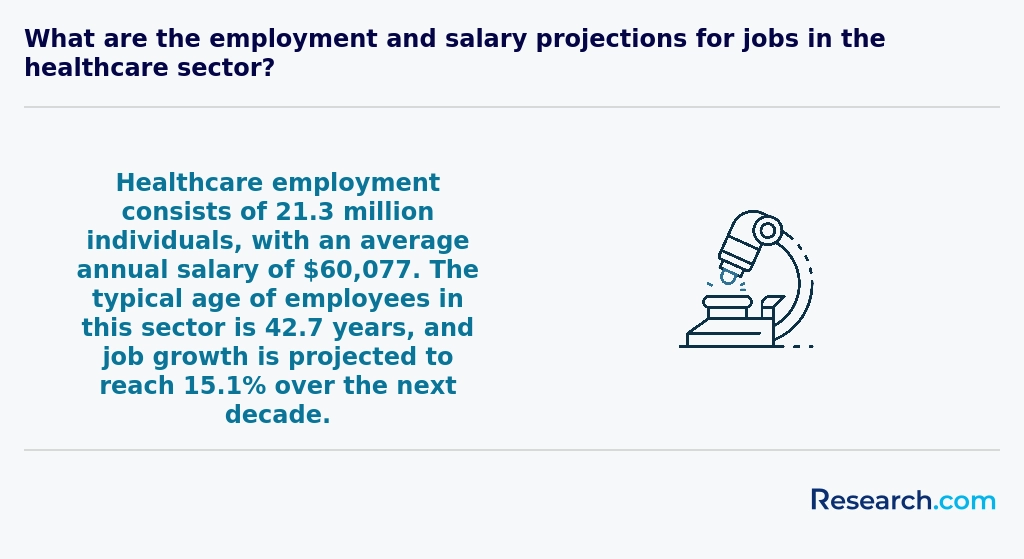
- Healthcare jobs in Wisconsin are expected to grow by about 15% over the next decade, driven by increasing demand from an aging population.
- The average starting salary for healthcare graduates is around $55,000, with registered nurses starting near $58,000 and healthcare administrators about $60,000.
- Many online programs include clinical placements or internships in Wisconsin, supporting local professional networking and job opportunities.
How long does it take to complete online healthcare degree in Wisconsin?
The duration to complete an online healthcare degree in Wisconsin varies based on degree level and study format. For example, graduates from the University of Wisconsin pursuing a Bachelor of Science in Nursing often complete the program in about four years when enrolled full-time. However, accelerated tracks can reduce this to approximately three years, allowing students to balance coursework with personal commitments.
Master's degree students in fields like Healthcare Administration or Public Health experience timelines from 18 months to three years. Many working professionals appreciate part-time options at institutions such as Marquette University, enabling them to take one or two courses per semester and manage work-life responsibilities effectively.
Graduates frequently highlight the flexibility of online programs, especially when transfer credits or professional certifications shorten study time. For instance, some programs permit up to 50% of requirements to be met through prior learning. These adaptable pacing options reflect Wisconsin's expanding demand for healthcare professionals and the universities' commitment to meet diverse student needs.
Accreditation and Licensure Requirements
Ensuring that your online Healthcare master’s program in Wisconsin holds proper accreditation is essential for both academic credibility and professional licensure. Most reputable institutions are regionally accredited by agencies recognized by the U.S. Department of Education, such as the Higher Learning Commission, which guarantees that credits transfer smoothly and employers honor your degree. Additionally, specialized accreditation-such as CAHME (Commission on Accreditation of Healthcare Management Education) for healthcare management programs or CCNE (Commission on Collegiate Nursing Education) for nursing tracks-confirms that curricula meet rigorous industry standards. State licensure requirements vary by profession. For example, nurse practitioners and physician assistants must graduate from a program accredited by their respective professional bodies and pass national certification exams before applying for Wisconsin state licensure. If your goal is to work as a Health Information Manager, seek programs aligned with AHIMA’s (American Health Information Management Association) accreditation guidelines to ensure eligibility for the RHIA credential, which employers increasingly require. Beyond accreditation, look for programs offering built-in exam preparation, clinical placement support, and dedicated faculty mentorship to navigate the licensure process efficiently. These student support services can significantly enhance your readiness for board exams and interviews. For those prioritizing both quality and cost, consider exploring our Affordable Online Healthcare Degree Programs Ranking in Flint, MI, which highlights regionally accredited options designed to meet licensure prerequisites without overwhelming your budget.
What's the difference between online and on-campus healthcare degree?
In Wisconsin, the distinction between online and on-campus healthcare degrees often centers on flexibility and access. Graduates from University of Wisconsin programs note that online degrees allow students-especially working adults-to juggle job and family demands by accessing courses anytime, anywhere. This flexibility reduces commuting stress and helps maintain steady progress without relocating.
Conversely, on-campus students at institutions like Marquette University report that structured schedules and face-to-face interaction enrich their learning. They benefit from direct access to labs and simulation centers, which enhances hands-on skills essential for healthcare careers.
Clinical training also varies. Online students arrange local placements to meet Wisconsin's licensing requirements, though many on-campus peers enjoy easier access to university-affiliated hospitals, bolstering supervision and networking opportunities during rotations.
Cost concerns arise as well. While online programs may offer reduced tuition due to lower overhead, students attending University of Wisconsin campuses often face additional expenses like housing and transport, yet gain immediate academic support and campus resources.
Alumni Networking and Career Support
One of the greatest advantages of pursuing an online Healthcare degree in Wisconsin is the extensive career support and robust alumni network that many programs provide. These networks offer lifelong access to career resources, mentorship opportunities, and industry connections that empower graduates to navigate job markets and secure high-quality positions. Colleges and universities increasingly integrate virtual career fairs, professional workshops, and online platforms dedicated to alumni engagement, helping students build relationships long before they graduate. For instance, several institutions actively share success stories of graduates who have leveraged their networks to land roles in renowned healthcare facilities. Moreover, prospective students are encouraged to explore programs that not only deliver a comprehensive curriculum but also provide strong post-graduation support, such as internships, career counseling, and regular networking events. By choosing an institution recognized for its active alumni community and dedicated career services-like the affordable healthcare school in wisconsin-students can gain a competitive edge in today’s dynamic healthcare environment, ensuring that both their academic and professional futures are well-supported.
What is the average cost of online healthcare degree in Wisconsin?
The average cost of an online healthcare degree in Wisconsin typically centers around $26,950, reflecting a median total cost for many students pursuing healthcare education through virtual platforms. Graduates from public universities, such as those in the University of Wisconsin system, often report a positive experience balancing affordability with quality, especially when compared to more expensive private alternatives. Many students appreciate how the in-state tuition rates contribute to manageable expenses, allowing them to focus more on their studies and clinical practicums without overwhelming financial strain.
For those looking into affordable online healthcare master's programs Wisconsin offers options that keep costs competitive while providing strong academic support. In addition to tuition, students should consider ancillary fees like technology charges and clinical supplies, which can impact the overall financial commitment but are commonly factored into personal budgets.
Students frequently share how flexible payment plans and scholarships ease the financial burden, making an online degree accessible and rewarding. Those enrolled in specialized healthcare fields experience a range of fees, yet still often find the investment worthwhile given the career advancement opportunities after graduation.
Prospective learners can explore detailed cost breakdowns and compare programs to find the best fit. For instance, consulting resources such as the Wisconsin Technical College System and the Integrated Postsecondary Education Data System helps clarify expenses. Additionally, visiting the affordable healthcare school in wisconsin database provides targeted information to guide financial planning for online healthcare degrees.
Student Support and Resources for Online Healthcare Programs
Understanding that online learning can present unique challenges, successful programs in Wisconsin not only offer a robust curriculum but also an extensive network of student support services. Many institutions provide dedicated academic advising, technical support, career services, mentorship programs, and access to digital libraries to enhance your online learning experience. These resources ensure that students are never alone on their journey and can access guidance whenever they need it, whether it's for resolving course-related queries or planning their career path. Additionally, tailored internship placement and networking opportunities with industry professionals can significantly boost your preparedness for the job market after graduation. By taking advantage of these support mechanisms, you can maximize your potential and navigate the demands of online education with greater confidence-especially when considering options like an affordable healthcare school in wisconsin, where comprehensive support is embedded into every aspect of student life.
What financial aid is available to online healthcare degree students in Wisconsin?
Students pursuing online healthcare degrees at institutions like the University of Wisconsin and Marquette University often rely on a combination of financial aid to manage tuition costs, which typically range between $20,000 and $40,000 annually nationwide. Many graduates attest to the value of federal aid programs accessed through FAFSA, including Pell Grants that require no repayment and federal loans with lower interest rates and flexible terms. These options have eased the financial stress of completing demanding healthcare curricula.
The Wisconsin Higher Educational Aids Board (HEAB) offers the Wisconsin Grant, which numerous online healthcare students use to reduce tuition expenses, especially those balancing work and study. For example, nursing students at popular online programs often share how this support enabled them to focus more on clinical training rather than finances. Scholarships provided by professional organizations such as the Wisconsin Nurses Association also play a vital role, rewarding commitment to healthcare advancement.
Employers within Wisconsin's healthcare industry frequently offer tuition reimbursement, an advantage that many online students appreciate when pursuing advanced degrees while working. Additionally, the federal Public Service Loan Forgiveness (PSLF) program motivates graduates employed in public healthcare roles by offering loan forgiveness after 120 qualifying payments, providing long-term financial relief.
Clinical Practicum and Hands-On Training Requirements
Online healthcare master’s programs in Wisconsin balance flexible coursework with rigorous clinical training to meet state licensure standards and employer expectations. Most programs require 300–600 practicum hours, tailored to your specialization, and offer a mix of:
- Simulation labs: Virtual patient scenarios developed by institutions like the Medical College of Wisconsin help you practice critical assessment and decision-making skills.
- Local site placements: Accredited schools arrange supervised rotations in Milwaukee’s major hospitals or rural clinics, ensuring you gain hands-on experience in diverse care settings.
- Telehealth practicums: With telemedicine on the rise, many curricula now include virtual patient consultations, preparing you to deliver care remotely. Before enrolling, confirm that your program’s practicum structure aligns with Wisconsin’s Department of Safety and Professional Services licensing requirements. If you’re exploring public health career paths within your healthcare degree, check out our most affordable online public health degrees for detailed comparisons of practicum options, costs, and partnerships. Completing these hands-on components not only satisfies educational benchmarks but also builds the real-world expertise that employers prioritize.
What are the prerequisites for enrolling in online healthcare degree program in Wisconsin?
Enrolling in an online healthcare degree in Wisconsin typically requires a solid academic foundation and relevant experience. For bachelor's programs, applicants usually need a high school diploma or GED, with many universities like those in the University of Wisconsin system recommending coursework in biology, chemistry, and math. Some students recall how completing these courses gave them confidence to tackle healthcare studies online.
Master's level programs often expect a bachelor's degree, not necessarily in healthcare, but a background in health sciences is preferred. Graduates from Wisconsin institutions share how prior healthcare employment or internships-often one to two years-provided practical insights that enhanced their online learning experience.
Additional prerequisites include letters of recommendation and personal statements, which allow applicants to express their career motivations. Clinical program candidates may face background checks or drug screenings despite online delivery. Fees vary, with average bachelor's tuition around $9,500 at public schools and $25,000 at private colleges, influencing financial planning for many.
Application Process and Student Support Resources
Navigating the application process for an online master's in healthcare program can be both exciting and challenging. Prospective students are encouraged to start by researching each program's specific admission requirements, deadlines, and required documents. It’s important to prepare a compelling personal statement and secure strong letters of recommendation from professionals who can attest to your potential in the healthcare field. In addition, many institutions offer dedicated student support services, such as application workshops, one-on-one advising sessions, and career development resources that can significantly enhance your chances of success. Leveraging these resources not only helps streamline your application process but also provides insights into program culture and networking opportunities. For students who are exploring allied health and related fields, understanding similar pathways can be beneficial. For instance, learning about programs like the online bachelor's in kinesiology can offer comparative insights, broaden your perspective, and help you make a more informed decision about your educational pursuits. Finally, consider reaching out to current students or alumni to hear firsthand about their experiences with admissions and transition into their roles post-graduation. Their insights can be invaluable in tailoring your application to highlight your strengths and readiness for a dynamic career in healthcare.
What courses are typically in online healthcare degree programs in Wisconsin?
Online healthcare degree programs in Wisconsin typically include foundational courses such as Healthcare Ethics and Law, Introduction to Public Health, Medical Terminology, Health Informatics, and Statistics for Healthcare Professionals. These core subjects establish a strong base in understanding healthcare systems and key principles. Graduates from well-known Wisconsin institutions often report feeling well-prepared to navigate complex healthcare environments thanks to this curriculum.
Progressing through the programs, students encounter courses emphasizing leadership and management, including Healthcare Administration and Management, Health Policy and Planning, Quality Improvement in Healthcare, and Financial Management in Healthcare. This emphasis reflects Wisconsin's growing healthcare sector, which employs over 300,000 workers statewide, aligning student learning directly with market demands.
Many online learners value the inclusion of evidence-based practice and research methods courses like Research Methods in Healthcare, Biostatistics, Healthcare Data Analytics, and Program Evaluation. These classes empower students to meaningfully engage with data-driven decision-making, enhancing their career prospects within the state's dynamic healthcare industry.
Specialized electives such as Clinical Decision Making, Health Information Systems, Community Health, and Chronic Disease Epidemiology allow students to tailor their education toward specific roles, further increasing satisfaction and readiness for real-world challenges.
What types of specializations are available in online healthcare degree programs in Wisconsin?
Online healthcare degree specializations in Wisconsin typically include Healthcare Administration, Nursing with focuses such as Nurse Leadership and Nurse Education, Public Health, Health Informatics, Clinical Research, and Health Policy and Ethics. These areas reflect the state's diverse and evolving healthcare landscape, aiming to prepare graduates for varied roles within Wisconsin's extensive hospital systems, including UW Health and Aurora Health Care.
Graduates from popular universities report positive experiences balancing work and study, appreciating the flexibility of online formats that accommodate their careers. For instance, those specializing in Healthcare Administration often find themselves well-equipped for managerial roles influencing local healthcare policies. Nursing graduates highlight how online courses with leadership concentrations have enabled smooth transitions into advanced practice and education roles, aligning with the state's workforce demands.
Those interested in data-driven healthcare solutions tend to choose Health Informatics, benefiting from programs that emphasize emerging technologies relevant to Wisconsin's hospitals. Additionally, students exploring community health or research often complement their degrees with practical insights by referring to resources like online bachelor's in kinesiology, further enhancing career prospects. Overall, the best healthcare master's programs Wisconsin offers cater to these varied specializations with competitive tuition rates and strong market alignment.
How do you choose the best online healthcare degree in Wisconsin?
Choosing the best online healthcare degree programs Wisconsin requires focusing on accreditation and program relevance to your career goals. Graduates from well-known institutions such as University of Wisconsin often highlight the value of programs accredited by bodies like the Commission on Accreditation of Healthcare Management Education (CAHME), which ensures educational quality and broad recognition.
Cost is a critical factor; many find that Wisconsin's public universities offer more affordable healthcare master's degrees Wisconsin, with in-state tuition sometimes under $15,000 annually. These savings, combined with scholarships or employer tuition assistance, can significantly ease financial burden. One graduate shared how accessing federal aid and choosing a local university helped balance work and study without overwhelming debt.
Flexibility is essential for students juggling jobs or families, so programs offering asynchronous classes or part-time enrollment, often provided at popular Wisconsin colleges, are highly valued. When considering programs, also evaluate practical components like local practicum availability.
Research outcomes such as graduation and job placement rates, which can influence your future opportunities. Resources like the U.S. Department of Education's College Scorecard support this analysis. For those seeking cost-effective options, reviewing the most affordable online public health degrees is recommended.

What career paths are available for online healthcare degree students in Wisconsin?
Graduates with an online healthcare degree in Wisconsin can access a variety of career paths reflecting the state's strong demand for healthcare professionals. Many students from popular institutions such as the University of Wisconsin and Marquette University pursue roles as Registered Nurses (RNs), prepared through online nursing programs that emphasize licensure exam readiness. With over 60,000 RNs employed statewide earning an average salary near $75,000, this path offers both stability and rewarding patient-facing work.
Other graduates find opportunities as healthcare administrators managing hospitals or clinics, especially those with master's degrees who can expect median salaries around $100,000. Health information management is also growing rapidly, driven by digitization efforts, a sector where graduates help maintain critical patient data and regulatory compliance.
Those interested in community work may become public health specialists, developing programs in education or epidemiology. Additionally, the emerging role of healthcare informatics specialist combines IT and clinical knowledge to improve care systems. For insights into cost-effective programs, prospective students should consult the Affordable Online Healthcare Degree Programs Ranking in Flint, MI to evaluate options aligned with their goals in online healthcare degree jobs Wisconsin.
What is the job market for online healthcare degree in Wisconsin?
The job market for graduates with online healthcare degrees in Wisconsin is robust, reflecting strong demand for skilled professionals across multiple healthcare roles. Registered nurses, healthcare administrators, and specialists in health informatics find abundant employment opportunities as the state anticipates over 10,000 new nursing jobs by 2028. Wisconsin's healthcare sector employs nearly 12% of the workforce, demonstrating its vital role in the local economy. Those pursuing online healthcare jobs in Wisconsin often benefit from competitive salaries, typically about 10% higher than the national median for healthcare practitioners. Graduates from institutions like the University of Wisconsin and Marquette University express satisfaction with their program's alignment to job market needs, which eases entry into thriving healthcare environments.
Many find that the flexibility of online learning supports balancing work and study while accessing career advancement possibilities. Cost-effective tuition rates at Wisconsin colleges make specialized degrees accessible. Students exploring healthcare education often consider quick bachelor degrees to expedite their entry into the workforce. Such pathways prove valuable amid Wisconsin healthcare degree employment opportunities that continue expanding with evolving technology and population needs.
Frequently Asked Questions About healthcare
Online healthcare degree students in Wisconsin can enhance their learning by actively engaging with course materials and virtual discussions. Many Wisconsin institutions offer robust online platforms that support interactive learning, which can improve retention and understanding. Students should take advantage of local healthcare facilities for practical experience, given Wisconsin's growing healthcare sector, which employs over 300,000 professionals according to the Wisconsin Department of Workforce Development.
Time management is crucial; setting a consistent study schedule helps balance coursework with personal responsibilities. Networking with peers and professionals through online forums and Wisconsin-based healthcare events can provide valuable career insights.
Finally, students should utilize university resources such as academic advisors, tutoring, and library services designed for remote learners to maximize their academic success.
Emerging niches within the healthcare field reflect rapid technological and demographic changes nationwide, including Wisconsin. Areas such as telehealth and digital health services are growing fast, supported by advances in communication technology and increased demand during the COVID-19 pandemic. According to the Wisconsin Department of Health Services, telehealth usage increased by over 60% between 2019 and 2022.
Another expanding area is healthcare data analytics. Professionals who can interpret large datasets to improve patient outcomes are in high demand. The Wisconsin Health Information Organization reports rising job openings in this sector by nearly 15% annually.
Additionally, behavioral health specialization, focusing on mental health and substance abuse treatment, has seen significant growth due to increasing awareness and state funding. The Wisconsin Department of Safety and Professional Services highlights a need for skilled practitioners in this field to address regional shortages.
Preparing for the job market after completing an online healthcare degree in Wisconsin involves several key steps. First, obtaining any required state licenses or certifications is essential, as Wisconsin mandates credentials for many healthcare roles. Next, gaining practical experience through internships or volunteer work can improve employability. Networking with Wisconsin healthcare professionals via local associations like the Wisconsin Hospital Association also helps build connections.
According to the Wisconsin Department of Workforce Development, healthcare occupations are expected to grow by 14% through 2030, indicating strong job prospects. Graduates should also tailor resumes to highlight relevant online coursework and practical skills.
Employers in Wisconsin seek a mix of technical and interpersonal skills from graduates of online healthcare degree programs. Key skills include clinical expertise, critical thinking, and proficiency with electronic health records (EHR) systems, essential for efficient patient care and data management. According to the Wisconsin Department of Workforce Development, healthcare employers also value strong communication skills, as teamwork and clear patient interactions are vital in healthcare settings.
Analytical skills and adaptability are increasingly important due to evolving healthcare technologies and policies. Additionally, knowledge of healthcare laws and ethics is crucial, especially in Wisconsin's regulated medical environment. These skills help graduates stand out in Wisconsin's competitive healthcare job market.
Finding internships in Wisconsin for healthcare degree students involves targeted research and utilizing local resources. Many healthcare facilities, including hospitals, clinics, and public health organizations, offer internship programs aligned with healthcare education. The Wisconsin Department of Health Services and organizations such as the Wisconsin Hospital Association provide listings and guidance on internship opportunities.
Students should also consult their online program's career services, which often have partnerships with regional healthcare providers. Networking through professional associations like the Wisconsin Healthcare Association can open doors to internships as well.
According to the Wisconsin Department of Workforce Development, healthcare jobs are projected to grow by 16% through 2030, highlighting expanding internship availability.
Obtaining an online healthcare degree in Wisconsin can significantly enhance career mobility and advancement. The state's growing healthcare sector, which employs over 300,000 workers according to the Wisconsin Department of Workforce Development, offers diverse opportunities for graduates.
Online degrees provide flexibility, allowing students to balance education with work, which is crucial for professionals seeking promotion or career shifts. Many Wisconsin healthcare employers recognize online degrees from accredited institutions, supporting career progression in nursing, health administration, and public health.
Moreover, online programs often include up-to-date curricula aligned with Wisconsin's healthcare regulations and standards, preparing graduates to meet local industry demands effectively. This alignment improves job prospects and eligibility for leadership roles within the state.
Studying for a healthcare degree in Wisconsin offers strong preparation for interdisciplinary roles by emphasizing collaborative skills and diverse healthcare knowledge. Wisconsin's universities often integrate courses that cover public health, informatics, administration, and clinical practice.
According to the Wisconsin Department of Health Services, the state prioritizes team-based care to address its growing aging population and rural health challenges. This focus encourages students to learn how to work across professions such as nursing, medicine, social work, and health technology.
Online programs in Wisconsin also use practical case studies and virtual simulations to promote critical thinking and communication skills, essential for coordinating patient care in complex healthcare systems.
When choosing between a thesis and a non-thesis healthcare degree program in Wisconsin, consider your career goals. Thesis programs focus on original research and are ideal if you aim to pursue doctoral studies or roles in academia.
Non-thesis options emphasize practical skills and coursework, appealing to professionals seeking advancement in clinical, administrative, or policy positions. Wisconsin's healthcare industry, employing over 300,000 workers, values both research and applied expertise (Bureau of Labor Statistics, 2023).
Review program requirements at Wisconsin universities to understand time commitments. Thesis tracks often require more credits and extensive research, while non-thesis paths may be quicker to complete.
Also, consider faculty support and available resources in online formats, as mentorship is crucial for thesis success.
Students based in Wisconsin interested in studying healthcare abroad through online programs have several options. Many accredited U.S. institutions offer global online healthcare degrees, allowing Wisconsin residents to access international curricula without leaving the state. While direct enrollment in foreign universities is limited for fully online healthcare degrees, partnerships between Wisconsin colleges and international institutions occasionally provide exchange or dual-degree opportunities.
Wisconsin's healthcare sector is growing, with organizations like the Wisconsin Hospital Association promoting advanced education. According to the Bureau of Labor Statistics, healthcare employment in Wisconsin is projected to grow by about 14% through 2030, underscoring the importance of flexible education options for residents.
Students should verify accreditation and program recognition to ensure degree validity both in Wisconsin and abroad.
Part-time job opportunities in Wisconsin that complement healthcare degree education include roles such as medical assistants, pharmacy technicians, and certified nursing assistants (CNAs). These positions provide valuable hands-on experience while allowing flexible schedules for students pursuing online degrees.
Wisconsin's healthcare sector employs over 400,000 people, making it a robust job market for students to gain relevant work exposure.
According to the Wisconsin Department of Workforce Development, CNAs earn a median hourly wage of around $14.50, which supports students financially while enhancing clinical skills.
Other options include lab technician assistants or administrative roles in healthcare facilities, which deepen understanding of healthcare operations.
Online healthcare students in Wisconsin have access to a variety of networking opportunities that can enhance their academic and professional growth. Many universities offering online healthcare degrees in the state provide virtual events, discussion forums, and alumni networks to foster connections among students and faculty.
Additionally, Wisconsin's healthcare sector employs over 350,000 people, creating local job fairs and professional associations that welcome student participation. Organizations like the Wisconsin Hospital Association and the Wisconsin Public Health Association often host conferences and workshops where students can meet healthcare professionals and potential employers.
These networking options are vital for building relationships and gaining insights into the healthcare industry in Wisconsin, especially in a growing market focused on telehealth and community health initiatives, as reported by the Wisconsin Department of Health Services.
Alumni networks play a key role in supporting online healthcare degree students in Wisconsin. They offer valuable connections with professionals who understand the local healthcare landscape, which is crucial given Wisconsin's growing healthcare demand. According to the Wisconsin Department of Health Services, the state expects a 15% increase in healthcare jobs by 2028, highlighting the importance of strong professional ties.
Through alumni groups, students can access mentorship, job leads, and advice on navigating Wisconsin's healthcare industry. These networks often provide exclusive job postings and career workshops tailored to the state's healthcare system.
Additionally, alumni connections can aid networking at regional conferences or events, fostering relationships that help graduates enter or advance in Wisconsin's healthcare workforce. Such support increases job placement rates and enhances career growth opportunities.
Customizing an online healthcare degree in Wisconsin allows students to align their education with specific career goals. Many programs offer flexible course selections, enabling learners to focus on areas like healthcare administration, informatics, or policy. Wisconsin's institutions often provide specialized electives that reflect regional healthcare needs, such as rural health management, which is vital given the state's significant rural population.
Additionally, students can choose capstone projects or internships targeting Wisconsin healthcare organizations, gaining relevant practical experience. According to the Wisconsin Department of Health Services, tailoring education to local healthcare demands improves job placement rates. Exploring schools' curricula and advising services is key to creating a personalized study path suited to evolving career objectives.
Online healthcare students in Wisconsin often face significant challenges related to balancing coursework with professional and personal responsibilities. Many pursue degrees while working full-time in demanding healthcare roles, which can cause time management difficulties. According to the Wisconsin Department of Workforce Development, healthcare remains one of the state's fastest-growing sectors, increasing pressure on students to remain employed while studying.
Another challenge is access to quality clinical placements. Since hands-on experience is required, students must find suitable local healthcare facilities for internships, which can be limited depending on the geographic area. Technological issues also persist, including inconsistent internet access in rural parts of Wisconsin. These barriers affect students' ability to participate fully in virtual simulations and lectures.
The complexity of licensure requirements adds stress, as Wisconsin mandates specific clinical hours and coursework for different healthcare fields, which online programs must accommodate carefully.
With an online healthcare degree in Wisconsin, you can pursue several professional certifications that enhance your career opportunities. Common certifications include Certified Professional in Healthcare Quality (CPHQ), which validates expertise in healthcare quality management.
Another key certification is the Registered Health Information Administrator (RHIA), essential for professionals managing patient data and health records. The Wisconsin Department of Health Services notes a growing demand for such roles in the state, anticipating a 12% increase by 2030.
Nursing professionals often pursue certifications like the Certified Nurse Manager and Leader (CNML) after earning their online master's in healthcare administration.
These certifications require passing exams and may involve specific work experience, helping graduates stand out in Wisconsin's competitive healthcare job market.
Writing a winning application for an online healthcare program in Wisconsin begins with thorough research. Understand the specific admission requirements of your chosen institution, as these can vary significantly.
Highlight your background in healthcare or related fields, emphasizing relevant work experience or volunteer service. Wisconsin's healthcare sector employs over 300,000 professionals, indicating strong competition and a need for standout applications (Wisconsin Department of Workforce Development, 2023).
Craft a clear and concise statement of purpose, explaining your career goals and how the program aligns with them. Include any certifications or continuing education courses you have completed to boost credibility.
Ensure all transcripts and documents are complete and submitted on time. Wisconsin schools often value applicants who demonstrate strong communication skills and a commitment to serving the state's diverse population.
The healthcare field is increasingly viewed through a global lens, reflecting diverse cultures, practices, and challenges. For students in Wisconsin pursuing online healthcare degrees, understanding worldwide healthcare trends is valuable. The United States is among the leaders in healthcare innovation, emphasizing evidence-based practice and advanced technology. Wisconsin ranks high in healthcare quality and access according to the Commonwealth Fund, which impacts local workforce needs.
Globally, healthcare careers demand cultural competence and adaptability due to variations in healthcare delivery and policies. According to the U.S. Bureau of Labor Statistics, healthcare occupations are projected to grow 16% from 2021 to 2031, faster than average, fueled partly by aging populations worldwide. This growth highlights the importance of internationally informed skills for future professionals.
Online education in Wisconsin offers flexible pathways for learners to gain essential knowledge aligning with both local and global healthcare standards. This prepares graduates to work effectively in diverse settings, contributing to improved patient outcomes domestically and abroad.
Gaining practical experience while studying for an online healthcare degree in Wisconsin is essential for career readiness. Many Wisconsin institutions support clinical placements or internships coordinated with local healthcare providers. These opportunities allow students to apply theoretical knowledge in real-world settings, such as hospitals, clinics, or public health organizations.
Some programs partner with the extensive Wisconsin health system, including the Marshfield Clinic Health System, providing access to diverse practicum sites. According to the Wisconsin Department of Workforce Development, healthcare employment grew by 12% between 2018 and 2028, emphasizing the increasing demand for skilled workers.
Students should communicate with their program advisors to identify local experience options that meet state licensure and program requirements, ensuring hands-on skills complement their online coursework.
Choosing the right concentration within an online healthcare degree program in Wisconsin begins with understanding your career goals and interests. Wisconsin's healthcare industry is diverse, with strong growth expected in nursing, healthcare administration, and public health. The Wisconsin Department of Workforce Development reports a 16% increase in healthcare jobs by 2030, emphasizing fields like nursing and health informatics. Exploring concentrations aligned with these trends can improve job prospects.
Next, consider program accreditation and curriculum quality. Accredited programs ensure rigorous training and better acceptance by employers.
Finally, evaluate how each concentration fits your lifestyle and financial goals, focusing on roles in demand locally. Consulting state labor data and professional organizations can guide your choice.
Related Healthcare Rankings for Nearby States
- 2027 Easiest Online Master's in Healthcare Degree Programs Ranking in Minnesota
- 2027 Easiest Online Master's in Healthcare Degree Programs Ranking in Iowa
- 2027 Easiest Online Master's in Healthcare Degree Programs Ranking in Illinois
- 2027 Easiest Online Master's in Healthcare Degree Programs Ranking in Indiana
- 2027 Easiest Online Master's in Healthcare Degree Programs Ranking in Missouri
- 2027 Easiest Online Master's in Healthcare Degree Programs Ranking in Kentucky
- 2027 Easiest Online Master's in Healthcare Degree Programs Ranking in North Dakota
- 2027 Easiest Online Master's in Healthcare Degree Programs Ranking in Kansas
- 2027 Easiest Online Master's in Healthcare Degree Programs Ranking in West Virginia
- 2027 Easiest Online Master's in Healthcare Degree Programs Ranking in Pennsylvania
Top Trending Healthcare Rankings
See What Experts Have To Say About Studying Healthcare
Read our interview with Healthcare experts

References
- 2023 Most Popular Online Health Professions Doctor's Degree Schools in Wisconsin - Course Advisor https://courseadvisor.com/majors/health-professions/rankings/most-popular-online/doctorate-degrees/great-lakes/wisconsin/
- 10 Skills Employers Are Looking for in Healthcare Management Jobs https://www.aiuniv.edu/blog/10-top-skills-for-healthcare-management-jobs
- Online Health Science Degrees with Financial Aid https://www.edumed.org/online-schools/health-science-degrees/financial-aid/
- Students and Alumni associations - Europubhealth https://www.europubhealth.org/students-alumni-associations/
- Best Healthcare Degrees & Programs | Accredited Schools Online https://www.accreditedschoolsonline.org/healthcare/degrees/
- Benefits of Online Healthcare Courses for Professionals | ILC https://inspirelondoncollege.com/blog/healthcare-courses-for-professionals/
- Different Careers in the Medical & Healthcare Industry https://www.onlinedegree.com/career/medical-healthcare/
- Pre-Med Study Abroad Programs | Go Overseas https://www.gooverseas.com/study-abroad/pre-med
- Is an Online Degree the Same as a Traditional Degree | Online Degree https://www.cambridgehealth.edu/online-degrees/get-an-online-degree/is-an-online-degree-the-same-as-a-traditional-degree/
- Thesis vs. Non-Thesis Master's Programs: Which is Right for You? https://potomac.edu/thesis-vs-non-thesis-masters/


