
2027 Easiest Online Healthcare Degree Programs Ranking in Tennessee

Co-Founder and Chief Data Scientist
If you're considering a career in healthcare and live in Tennessee, finding the right online degree program can feel overwhelming. This article introduces the 2027 Easiest Online Healthcare Degree Programs Ranking in Tennessee, developed by the Research.com team of data scientists to simplify your decision-making.
By exploring this ranking, you'll discover accessible programs that match your goals and lifestyle. Pursuing a healthcare degree opens doors to meaningful work and lasting career growth. This guide offers clear insights to help you choose confidently and take the next step toward your future.
Key benefits of getting online healthcare degree in Tennessee
- Salary for healthcare degree graduates: Graduates in Tennessee can expect salaries like $43,350 annually for Medical Assistants and Clinical Research Coordinators, or up to $103,150 for Quality Improvement Coordinators, reflecting strong earning potential in healthcare.
- Potential career paths: Many healthcare graduates from Tennessee schools enter rewarding roles such as Patient Care Technicians earning around $60,790 or Health Information Technicians with an average salary near $43,380, offering diverse opportunities.
- Benefits of online degrees: Earning a healthcare degree online from Tennessee universities allows flexible scheduling and faster completion, making it easier for working adults to advance their careers while balancing life commitments.
- Key benefits of getting online healthcare degree in Tennessee
- What can I expect from online healthcare degree in Tennessee?
- Where can I work with online healthcare degree in Tennessee?
- How much can I make with online healthcare degree in Tennessee?
- 2027 Easiest Online Healthcare Degree Programs Ranking in Tennessee
- Key Findings
- How long does it take to complete online healthcare degree in Tennessee?
- Accreditation and Licensure in Tennessee’s Online Healthcare Programs
- What's the difference between online and on-campus healthcare degree?
- Accreditation and Licensure Requirements
- What is the average cost of online healthcare degree in Tennessee?
- Essential Student Success and Support Resources
- What financial aid is available to online healthcare degree students in Tennessee?
- Student Success Strategies for Online Healthcare Degrees
- What are the prerequisites for enrolling in online healthcare degree program in Tennessee?
- Expanding Horizons: Allied Health and Kinesiology in Online Healthcare Education
- What courses are typically in online healthcare degree programs in Tennessee?
- What types of specializations are available in online healthcare degree programs in Tennessee?
- How do you choose the best online healthcare degree in Tennessee?
- What career paths are available for online healthcare degree students in Tennessee?
- What is the job market for online healthcare degree in Tennessee?
- Related Healthcare Rankings for Nearby States
- Top Trending Healthcare Rankings
- See What Experts Have To Say About Studying Healthcare
What can I expect from online healthcare degree in Tennessee?
The average cost of an online healthcare degree in Tennessee varies by institution and program level, but students generally find tuition to be affordable compared to national averages. For example, graduates from well-known schools like the University of Tennessee or Tennessee State University often report paying between $8,000 and $15,000 per year for bachelor's programs, with associate degrees typically costing less. Many students appreciate that these schools offer in-state tuition rates online, which significantly lowers overall expenses.
Graduates frequently mention that applying for state financial aid, such as Tennessee Reconnect, can reduce costs further, especially for adult learners returning to school. One common experience is budgeting for clinical placement fees, which might not be included in tuition but are necessary for hands-on training arranged locally. Choosing programs that provide career services and clinical placement support adds value, making the investment manageable while opening doors to Tennessee's growing healthcare job market.
Students balancing work and study find the flexibility of online formats invaluable, allowing them to maintain income streams while progressing academically without extensive commuting or relocation costs.
Where can I work with online healthcare degree in Tennessee?
Graduates with an online healthcare degree from Tennessee institutions like the University of Tennessee or Belmont University find diverse employment options across the state's thriving healthcare sector. Many start their careers in hospitals such as Vanderbilt University Medical Center, where roles like registered nurses or healthcare administrators are in high demand. One graduate shared how their degree helped land a position coordinating patient care, blending clinical knowledge with management skills.
Others pursue opportunities in outpatient care centers and community clinics, especially in rural areas where access to healthcare is essential. Here, healthcare administration graduates often manage operations and improve patient services, creating meaningful community impact.
Long-term care facilities also welcome professionals trained in geriatric care, a growing field due to Tennessee's aging population. Graduates frequently report a rewarding experience helping improve quality of life in nursing homes.
Beyond clinical roles, public health organizations and insurance companies offer careers in policy planning and health system coordination. Practical experience from Tennessee's programs helps graduates confidently step into diverse workplaces statewide.
How much can I make with online healthcare degree in Tennessee?
Graduates with online healthcare degrees in Tennessee often find rewarding salaries reflective of their specialized skills. For example, a graduate from the University of Tennessee's online nursing program who becomes a Medical Assistant can expect to earn around $43,350 annually, which aligns well with entry-level positions in the state.
Those pursuing more technical roles, such as Patient Care Technicians or Health Information Technicians, earn average salaries of approximately $60,790 and $43,380 respectively. These roles are common among graduates from community colleges like Volunteer State Community College, where practical online training prepares students for immediate employment.
Healthcare administration graduates aiming for positions like Clinical Research Coordinators may start near $43,350 per year but can advance quickly. In contrast, Quality Improvement Coordinators, often requiring more experience and certification, enjoy a much higher mean wage of about $103,150 annually, a solid target for those continuing education in institutions like Tennessee State University.
Overall, these salaries are complemented by benefits in Tennessee's growing healthcare market, making online degrees a practical, financially viable choice for locals ready to enter the workforce with confidence.
2027 Easiest Online Healthcare Degree Programs Ranking in Tennessee
How do we rank schools?
Investing in your education is a significant decision that can shape your future, and the Research.com team understands the importance of making informed choices. To assist prospective students in Tennessee, we have meticulously crafted the "2027 Easiest Online Healthcare Degree Programs Ranking in Tennessee." Our commitment to quality, credibility, and accuracy is reflected in the extensive research and analysis conducted to compile this ranking.
We utilized the following reputable data sources to ensure a comprehensive evaluation of online healthcare degree programs:
By exploring this ranking, readers will gain valuable insights into the easiest online healthcare degree programs in Tennessee, helping them make informed decisions about their educational paths. For more details on our methodology, please visit our Research.com methodology page.




Key Findings
- Tennessee's healthcare industry is growing, creating strong job prospects for graduates.
- Average yearly tuition for online healthcare degrees ranges from $8,000 to $15,000 at public schools and can exceed $20,000 at private institutions.
- Entry-level salaries for healthcare graduates typically range from $40,000 to $55,000 annually.
- Experienced healthcare workers can earn median salaries between $60,000 and $90,000, especially in nursing and health administration.
- Accredited programs ensure eligibility for licensure and offer clinical placement support for practical experience.
How long does it take to complete online healthcare degree in Tennessee?
Completing an online healthcare degree in Tennessee depends largely on the program level and your enrollment pace. For example, graduates from popular community colleges like Nashville State typically finish associate degrees in about two years when studying full-time. These programs are perfect for those eager to enter healthcare quickly with around 60 credit hours required.
Bachelor's degrees offered by institutions such as Tennessee Tech University often take four years, but many online tracks are accelerated. Graduates who already hold a degree or healthcare experience have shared success finishing nursing BSN programs in just 12 to 18 months, providing an exciting fast-track option.
For master's degrees, like MSN or MHA programs at East Tennessee State University, students commonly spend two to three years part-time, balancing work and study. Many graduates appreciate this flexibility, which helps maintain a positive work-life balance while advancing careers.
Consider your pace, any prior credits, and whether you prefer full- or part-time enrollment-these factors will shape your personal timeline for finishing your healthcare degree in Tennessee.
Accreditation and Licensure in Tennessee’s Online Healthcare Programs
Accreditation and licensure should be checked before you apply to any online healthcare program in Tennessee. A program may be flexible and affordable, but if it does not meet the requirements for your intended credential, license, certification, or employer, it may limit your career options.
Accreditation bodies to verify
- Southern Association of Colleges and Schools Commission on Colleges (SACSCOC): Regional accreditation required for most public and private institutions in Tennessee.
- Commission on Accreditation of Healthcare Management Education (CAHME): Specialized accreditation for healthcare administration and management programs.
- Accreditation Commission for Education in Nursing (ACEN) or Commission on Collegiate Nursing Education (CCNE): Essential for nursing tracks to ensure eligibility for NCLEX licensure.
Tennessee licensure overview
- Identify your target role, such as Registered Nurse (RN), Health Information Technician, or Public Health Educator, and review the Tennessee Department of Health requirements that apply to that role.
- Confirm that the program’s curriculum, clinical hours, practicum requirements, and exam preparation align with Tennessee’s scope of practice and continuing education mandates.
- Ask whether the program prepares students for any additional state-specific exams or background checks, such as the Tennessee Jurisprudence Assessment for nurses.
Students considering public health roles should also compare program accreditation and career pathways in related fields. For a cost-focused comparison, review most affordable online public health degrees.
Do not rely only on a school’s general marketing language. Ask the admissions office to state in writing whether the online program meets Tennessee requirements for your intended license, certification, or exam eligibility.
What's the difference between online and on-campus healthcare degree?
Choosing between online and on-campus healthcare degrees in Tennessee comes down to your lifestyle and learning preferences. For instance, graduates from the University of Tennessee Health Science Center often praise online programs for their flexibility, making it easier to balance family and work while studying. Online students complete coursework remotely but still arrange local clinical placements, often through partnerships with nearby hospitals or clinics in cities like Nashville or Memphis.
On-campus learners at schools such as Belmont University enjoy face-to-face interactions, access to campus labs, and immediate support from tutors and peers, which can feel more engaging. Many find the hands-on practice in university facilities invaluable for building confidence.
Tuition costs are similar across both formats; however, online learners save on commuting and housing expenses. A graduate shared that avoiding daily travel made a significant difference in managing stress and finances.
Networking happens differently too-while on-campus students join student organizations easily, online programs increasingly offer virtual events, helping broaden connections despite physical distance.
Accreditation and Licensure Requirements
An accredited online healthcare degree in Tennessee can affect credit transfer, graduate school admission, federal financial aid eligibility, employer tuition reimbursement, certification exam eligibility, and state licensure. This is why accreditation is one of the first items to verify, not a detail to check after enrollment.
Many Tennessee institutions hold regional accreditation through organizations such as the Southern Association of Colleges and Schools Commission on Colleges (SACSCOC). Depending on the program, you may also need specialized accreditation from organizations such as the Commission on Accreditation of Healthcare Management Education (CAHME) or the Commission on Accreditation of Allied Health Education Programs (CAAHEP).
Questions to ask before applying
- Is the institution regionally accredited?
- Does the specific healthcare program have programmatic accreditation if the field expects it?
- Will graduates qualify for the certification or licensure exam required for the intended career?
- Are online students eligible for the same clinical placements, advising, and exam preparation as campus students?
- Can credits transfer if you later pursue a bachelor’s, master’s, or professional degree?
If you are comparing costs across regions, the Inexpensive Online Healthcare Degree Programs Ranking in St. Louis, MO can provide additional budgeting context. For Tennessee-specific compliance, verify the institution with Tennessee’s Board of Nursing or the Tennessee Higher Education Commission when applicable.
What is the average cost of online healthcare degree in Tennessee?
In Tennessee, the average cost of an online healthcare degree typically ranges around $48,898 for in-state students, with out-of-state students paying significantly more, often exceeding $99,000. Graduates from popular universities and colleges in Tennessee often describe this investment as worthwhile, noting that the flexibility of online programs allowed them to balance work and family while advancing their careers. These students commonly chose institutions known for strong healthcare programs, where tuition fees align closely with these median total costs.
Many programs charge by credit hour, ranging from $300 to $600 per credit, which means careful planning can reduce overall expenses. For example, a student attending a public university offering an affordable in-state tuition rate can complete their degree without incurring excessive debt. On the other hand, private institutions may cost more upfront, sometimes reaching $40,000 or more annually, but they often provide scholarships or financial aid to ease the burden. Prospective students should verify if additional fees like technology or lab charges apply to their program.
To find the most accurate online healthcare degree tuition fees Tennessee offers, consider researching specific schools and their financial aid options. Many graduates recommend exploring resources for funding, including employer tuition reimbursement and federal loans, to minimize out-of-pocket costs. For those searching for cost-effective options, the cheapest healthcare schools in tennessee list can provide practical guidance tailored to your budget.
Essential Student Success and Support Resources
The easiest online healthcare degree is not necessarily the one with the lightest workload. It is often the program that gives students clear expectations, responsive support, and practical pathways to graduation. Before choosing a school, review the support system as carefully as you review tuition and curriculum.
Support resources to look for
| Resource | Why it matters for online healthcare students |
| Academic advising | Helps you choose the right sequence of courses, avoid delays, and understand graduation requirements. |
| Clinical or practicum coordination | Important because many healthcare programs cannot be completed fully online without in-person training. |
| Online tutoring | Useful for challenging subjects such as anatomy, physiology, statistics, medical terminology, and health informatics. |
| Technical support | Protects you from missed deadlines caused by learning platform, proctoring, or software issues. |
| Career services | Can help with resumes, interview preparation, internship searches, certification planning, and employer connections. |
| Mental health and wellness services | Supports students balancing school with work, family responsibilities, and healthcare-related stress. |
Ask each school whether online students receive the same advising and career support as on-campus students. Also check whether services are available during evenings or weekends, since many online healthcare students work full time.
If affordability is part of your support strategy, compare tuition and aid options alongside academic resources. Researching the cheapest healthcare schools in tennessee can help you identify programs that may reduce financial pressure while still offering the guidance needed to finish.
What financial aid is available to online healthcare degree students in Tennessee?
To ease the cost of an online healthcare degree in Tennessee, start by filling out the FAFSA to access federal aid like Pell Grants, which offer up to $7,395 yearly for qualifying students. Many graduates from schools like the University of Tennessee Health Science Center found this grant crucial to managing tuition without accumulating overwhelming debt.
Next, explore Tennessee-specific scholarships such as the HOPE Scholarship and HOPE Access Grant. These helped past online nursing students at Tennessee State University cover significant tuition portions, making their education more affordable. Similarly, the Tennessee Student Assistance Award supports those with financial need attending local colleges, which can be a game-changer for many balancing work and study.
Also, consider healthcare-focused scholarships from organizations like the Tennessee Board of Regents, especially if you're pursuing nursing or allied health. Previous graduates often mention how these targeted awards helped them focus on studies instead of finances. Finally, inquire at your chosen institution's financial aid office about institutional scholarships and flexible payment plans tailored to online learners, as these practical options have benefited many distance students across Tennessee.
Student Success Strategies for Online Healthcare Degrees
Succeeding in an online healthcare degree requires more than logging in for lectures. Healthcare programs often combine science-heavy coursework, technical vocabulary, writing assignments, group projects, exams, and sometimes in-person clinical or practicum requirements. The students who do best usually treat the online format as structured training, not as a casual self-paced course.
Build a weekly schedule before classes start
Set fixed blocks for reading, lectures, assignments, exam review, and discussion posts. If your program includes anatomy, physiology, statistics, health informatics, or clinical documentation, plan for extra study time. Online flexibility helps, but healthcare coursework can fall behind quickly without a routine.
Use support services early
Strong online programs typically provide academic advising, tutoring, library access, writing support, technical help, and career services. Contact these offices before you are struggling. Ask how often you can meet with an advisor, whether tutoring is available for science courses, and how the school supports online students during clinical placement or practicum planning.
Connect coursework to your target role
A healthcare degree can lead to very different paths, including administration, health information, public health, patient care, and quality improvement. Choose assignments, electives, and projects that align with your career goal. If cost is a major factor, compare program prices alongside academic fit by reviewing options such as the cheapest healthcare schools in tennessee.
- For working students: ask whether courses are asynchronous or require live attendance.
- For licensure-focused students: confirm clinical, exam, and state board requirements before enrolling.
- For career changers: look for programs with strong advising, internship guidance, and employer connections.
- For current healthcare workers: ask whether prior credits, certifications, or experience can shorten your timeline.
What are the prerequisites for enrolling in online healthcare degree program in Tennessee?
To enroll in an online healthcare degree program in Tennessee, you first need a high school diploma or GED, a non-negotiable starting point. Graduates from popular institutions like the University of Tennessee health programs often share how this foundational step helped them confidently tackle challenging subjects.
Next, make sure you've completed key prerequisite courses such as Biology, Chemistry, Mathematics (like Algebra or higher), and Anatomy and Physiology. Many online programs at colleges like Tennessee State University require these to ensure you grasp essential medical concepts upfront.
If you're aiming for a bachelor's or advanced degree, prepare your college transcripts showing previous coursework and be ready for a GPA of around 2.5 to 3.0. This academic proof opens doors and gives you peace of mind entering competitive healthcare fields.
Additionally, you'll likely need current CPR certification plus background checks and immunization records before starting hands-on training. These steps, common at schools like Belmont University, protect you and future patients while meeting Tennessee's healthcare standards.
Expanding Horizons: Allied Health and Kinesiology in Online Healthcare Education
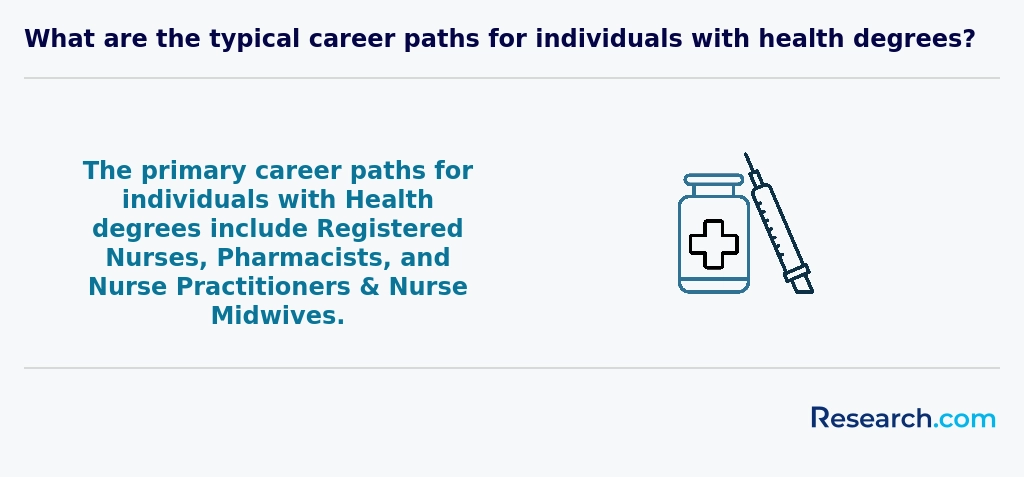
Healthcare education is broader than nursing or hospital administration. Many Tennessee students use online healthcare programs to move into allied health, rehabilitation support, wellness, exercise science, public health, health education, or community-based care. These areas can be a strong fit if you want to work with prevention, mobility, patient wellness, or population health rather than only acute care.
Allied health and kinesiology coursework can strengthen your understanding of body movement, physical activity, injury prevention, chronic disease management, and health behavior. For students interested in these topics, a kinesiology online degree may be worth comparing with broader healthcare programs.
When allied health or kinesiology may be a good fit
- You are interested in rehabilitation, wellness coaching, community health, or preventive care.
- You want a healthcare-related role that may not require the same licensure path as nursing.
- You plan to work in fitness, occupational wellness, physical activity programming, or health education.
- You want a foundation for graduate study in a related health or movement science field.
The main trade-off is that allied health and kinesiology programs can lead to different career outcomes than clinical healthcare degrees. Before enrolling, compare job titles, certification expectations, licensure rules, and whether the program includes hands-on requirements.
What courses are typically in online healthcare degree programs in Tennessee?
Online healthcare degrees in Tennessee always include core science courses like human anatomy and physiology, critical for understanding how the body works. Graduates from programs at schools such as the University of Tennessee or Belmont University often highlight how mastering these basics helped them confidently engage in clinical settings. You'll also study pathophysiology to grasp how diseases affect the body, which is essential when working with patients.
Medical terminology courses are designed to ensure clear communication with other healthcare professionals, a skill that students appreciate when transitioning into internships or practicum placements. Tennessee's emphasis on healthcare technology means you'll also take health informatics and healthcare systems management courses, preparing you for the state's advanced use of electronic health records.
- Healthcare ethics and law, covering patients' rights and legal duties
- Pharmacology, focusing on medication uses and effects
- Public health principles, reflecting Tennessee's population health priorities
- Hands-on clinical practicums or virtual labs, giving you practical experience
Many students at these Tennessee institutions find that these courses balance theory and practice, making their transition to working full-time smoother and more rewarding.
What types of specializations are available in online healthcare degree programs in Tennessee?
Online healthcare degree specializations Tennessee students commonly pursue include Nursing, Healthcare Administration, and Public Health, each addressing different career goals. Graduates from universities like the University of Tennessee and Belmont College often choose Nursing programs, such as the RN to BSN track, because they provide a direct path to advancing clinical roles while balancing work and study. Their positive experiences highlight how these programs prepare them for Tennessee's growing demand for registered nurses, offering both job security and career growth.
Healthcare Administration is popular for those targeting leadership roles in hospitals or clinics across Tennessee, learning practical skills in health law and operational management. Public Health specializations focus on improving community wellness, particularly in rural areas, important for students who want meaningful impact on statewide health outcomes. Other options include Health Informatics and Clinical Laboratory Science, which appeal to students interested in tech or diagnostics.
Many also explore entry-level paths like Medical Assisting or certificates, creating flexible steps into healthcare careers. For students wanting broader options, programs include related fields-sometimes found bundled or alongside a kinesiology online degree-enabling tailored education to local job markets.
How do you choose the best online healthcare degree in Tennessee?
Start by verifying the accreditation of the online healthcare degree program in Tennessee, as this impacts licensure and employment options. Graduates from well-known Tennessee universities often highlight how proper accreditation gave them confidence in the quality of education and ease in transferring credits or gaining certifications.
Next, align your choice with the healthcare fields offered locally, such as nursing, health informatics, or healthcare administration. Many students appreciated programs that matched Tennessee's workforce needs, which helped them secure roles quickly after graduation. Working professionals find part-time or accelerated options useful for balancing study with their daily lives.
Consider cost carefully; Tennessee public universities can offer affordable options, especially for residents. Looking into financial aid or scholarships designed for healthcare students eases the load. Those searching among the best online healthcare degree programs Tennessee recommend checking resources like most affordable online public health degrees to find good value.
Finally, factor in clinical placement support within Tennessee. Many students recall how local practicum opportunities helped build real connections in hospitals or clinics, boosting both skills and confidence as they transitioned into healthcare careers.
What career paths are available for online healthcare degree students in Tennessee?
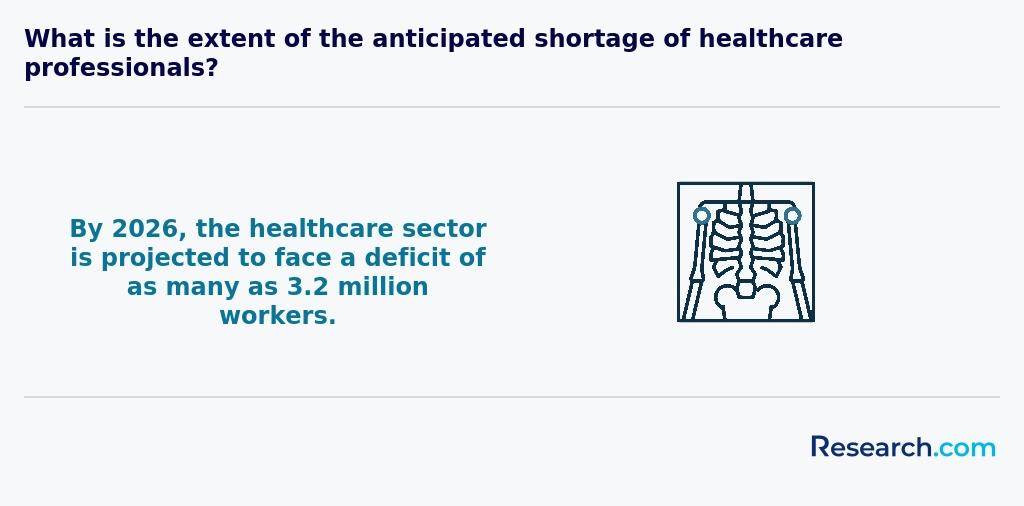
Graduates with an online healthcare degree in Tennessee often find themselves stepping into rewarding roles such as registered nurses (RNs), especially through BSN programs offered by popular institutions like the University of Tennessee or Belmont University. These graduates share how flexible online courses helped them balance work and study, preparing them to meet the growing demand for skilled nurses in local hospitals. Another frequent career path includes healthcare administration, where alumni from Tennessee State University have successfully managed clinics and health centers, ensuring smooth operations and compliance with evolving healthcare regulations.
Beyond these, opportunities increase significantly for those aiming toward specialized roles in healthcare management and informatics-fields combining healthcare knowledge with IT skills. Many online healthcare degree jobs in Tennessee graduates mention positions in public health, physical therapy assistance, and health education as practical choices, especially within community health programs near Nashville or Memphis.
For cost-conscious students, Tennessee offers accredited options that fit budgets around the average state tuition. To explore affordable routes, consider the Inexpensive Online Healthcare Degree Programs Ranking in St. Louis, MO, which can inform your local decisions about career opportunities for healthcare graduates Tennessee.
What is the job market for online healthcare degree in Tennessee?
The job market for online healthcare degree jobs Tennessee graduates is strong, reflecting high demand across hospitals, public health agencies, and long-term care facilities. Many graduates from well-known schools such as the University of Tennessee and Tennessee State University find that their credentials open doors without needing to relocate. These institutions prepare students with practical skills that local healthcare providers seek, easing the transition into roles like registered nurses and healthcare administrators.
Graduates often highlight how flexible schedules and affordable tuition made earning their degree online feasible while balancing work or family responsibilities. This flexibility is especially valuable in rural parts of Tennessee, where access to on-campus programs is limited but healthcare career opportunities in Tennessee remain abundant. Median wages hover around $60,000, with advanced positions reaching $80,000 or more.
For those unsure where to start, exploring the easiest online degrees to get can provide helpful guidance on accessible healthcare programs with strong job prospects and manageable costs.
Frequently Asked Questions About healthcare
Online healthcare degree students in Tennessee can maximize their learning experience by actively engaging with course materials and faculty. Participating in virtual discussions and study groups helps reinforce knowledge and build professional networks.
Taking advantage of Tennessee's clinical placement opportunities is vital. The state has partnerships with numerous healthcare facilities, such as the Vanderbilt University Medical Center, offering practical experience crucial for healthcare roles.
Balancing coursework with consistent time management and setting clear goals improves retention and success rates, especially since Tennessee reports growing demand for healthcare professionals, projected to increase by 15% through 2030 (Tennessee Department of Labor).
Using available online resources, including simulation tools and library databases, further strengthens understanding of complex subjects.
The healthcare field in Tennessee is rapidly evolving, with several emerging niches gaining significant attention. One key area is telehealth, which expanded by over 20% statewide during recent years, driven by increased demand for remote patient care services (Tennessee Department of Health, 2023).
Another growing niche is healthcare informatics. This combines technology and health data management to improve patient outcomes, and Tennessee's healthcare sector is investing heavily in data-driven decision-making.
Furthermore, mental health services are expanding, especially for underserved populations. Online degrees in psychiatric nursing and counseling are becoming popular among Tennessee students seeking to enter this vital field.
Finally, geriatric care is increasingly important due to Tennessee's aging population. Specialized online programs prepare students for careers supporting elderly patients, a sector expected to grow 15% by 2030 according to the U.S. Bureau of Labor Statistics.
After completing an online healthcare degree in Tennessee, preparing for the job market requires strategic steps. First, graduates should secure relevant certifications and state licensure, as Tennessee mandates specific credentials for many healthcare roles. For example, Registered Nurses must pass the NCLEX-RN exam and apply for state licensure through the Tennessee Board of Nursing.
Networking is crucial. Joining professional organizations such as the Tennessee Organization of Nurse Executives or the Tennessee Hospital Association can provide valuable contacts and job leads. Additionally, consider internships or practicum experiences to gain hands-on skills, which employers highly value.
According to the Tennessee Department of Labor, healthcare jobs are projected to grow 16% by 2030, surpassing national averages. Tailoring resumes with keywords from job postings in Tennessee healthcare facilities enhances employability.
Employers in Tennessee prioritize a combination of technical and interpersonal skills when hiring healthcare degree graduates. Strong clinical knowledge and proficiency with electronic health records (EHR) are essential due to the state's growing investment in digital healthcare systems, as reported by the Tennessee Department of Health. Critical thinking and problem-solving skills help graduates adapt to complex patient situations, a key requirement in Tennessee's diverse healthcare settings.
Communication skills rank highly, enabling professionals to work effectively with patients and interdisciplinary teams. According to the Tennessee Hospital Association, teamwork and empathy are also vital for improving patient outcomes. Lastly, graduates who demonstrate adaptability to evolving healthcare regulations and continuing education are favored in Tennessee's competitive job market.
Finding internships in Tennessee relevant to a healthcare degree begins with exploring partnerships between online programs and local healthcare providers. Many universities collaborate with hospitals, clinics, and public health organizations to offer students practical experience. The Tennessee Department of Health and the Tennessee Hospital Association often list internship opportunities for healthcare students on their websites.
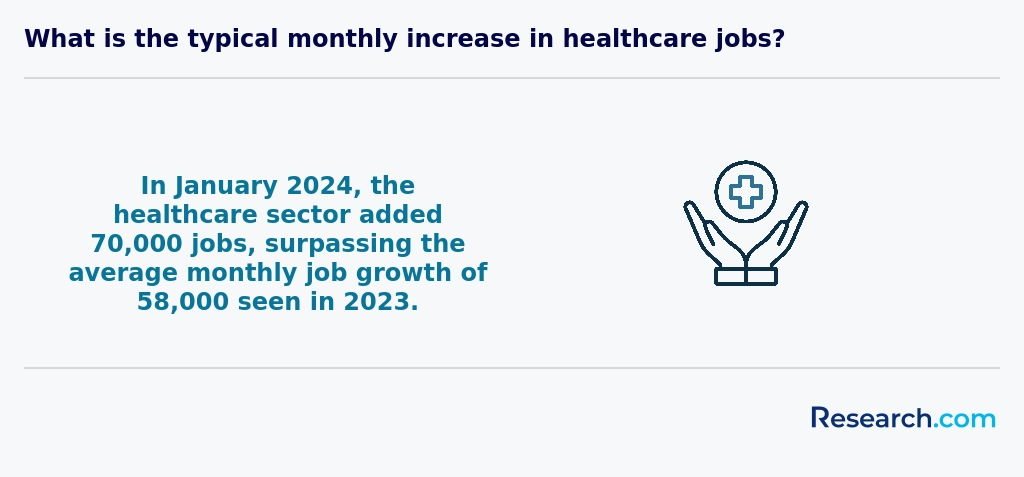
Tennessee has over 200 hospitals and numerous outpatient centers, providing diverse settings for internships. According to the Bureau of Labor Statistics, healthcare employment in Tennessee is projected to grow 12% from 2022 to 2032, increasing demand for skilled workers and internship positions.
Students should also connect with career services at their online institutions, as many offer guidance on securing internships aligned with healthcare studies. Additionally, professional networking through organizations such as the Tennessee Nurses Association can help identify internship openings.
Obtaining an online healthcare degree in Tennessee can significantly enhance career mobility and advancement opportunities. The state's healthcare sector is growing rapidly, driven by an aging population and increasing demand for medical services. According to the Tennessee Department of Labor and Workforce Development, healthcare occupations are expected to grow by 15% from 2022 to 2032, faster than the national average.
Online degrees provide flexibility for working professionals to upgrade credentials without interrupting their careers. This flexibility supports advancement into higher-paying roles such as nurse practitioners, healthcare administrators, or specialized therapists. Additionally, Tennessee employers recognize accredited online degrees from regionally accredited institutions, facilitating smoother career transitions within the state.
Furthermore, Tennessee's healthcare employers often require or prefer candidates with bachelor's or advanced degrees, making online programs a practical pathway to meet these criteria. Completing an online healthcare degree can open doors to leadership positions and increase earning potential across hospitals, clinics, and public health organizations.
Studying for an online healthcare degree in Tennessee equips students with skills that are essential for interdisciplinary roles. Programs often integrate courses in nursing, public health, and healthcare administration, reflecting the collaborative nature of modern healthcare.
Tennessee's healthcare sector emphasizes teamwork, especially due to its diverse rural and urban populations, which require coordinated care among providers. According to the Tennessee Department of Health, 70% of healthcare jobs demand collaboration across multiple disciplines.
Online programs also focus on communication, ethics, and health informatics, preparing graduates to work effectively with doctors, social workers, and therapists.
Additionally, Tennessee's accrediting bodies ensure curricula align with national standards for interdisciplinary competencies.
Choosing between a thesis and a non-thesis online healthcare degree program in Tennessee depends on your career goals and learning preferences. Thesis programs emphasize research skills and original study, which suits students aiming for doctoral studies or research careers. Non-thesis programs focus on practical skills and coursework, ideal for those seeking direct entry into healthcare professions.
According to the Tennessee Higher Education Commission, many healthcare sectors in the state prioritize applied skills due to growing industry demands. Additionally, thesis options often require more time and commitment, which can impact working professionals balancing jobs and study.
Consider your professional aims and available time when deciding between these paths in Tennessee's online programs.
Students in Tennessee seeking online healthcare degrees with an international perspective have limited direct options for studying healthcare abroad purely through online programs. Most accredited U.S. institutions offering online healthcare degrees focus on domestic-based curricula.
However, some Tennessee students may participate in study abroad partnerships or international clinical experiences coordinated by universities. This can provide valuable global healthcare exposure while completing degree requirements. For example, the University of Tennessee system occasionally offers study abroad opportunities connected to nursing and public health fields.
According to the Tennessee Higher Education Commission, about 70% of healthcare graduates remain in-state, highlighting the emphasis on local healthcare demands. For students interested in global health, supplementing an online degree with international service or research is often advisable.
Students pursuing online healthcare degrees in Tennessee can benefit from part-time jobs that provide relevant experience and support their studies. Common opportunities include roles as medical assistants, pharmacy technicians, and home health aides. These positions often offer flexible hours suitable for part-time work.
According to the Tennessee Department of Labor and Workforce Development, the healthcare sector offers above-average job growth, with medical assistants expected to grow by 28% through 2030. This growth increases opportunities for students to gain practical skills while studying.
Additionally, hospital administrative support and patient service representative roles can complement healthcare education by enhancing communication and organizational skills. Engaging in such jobs allows students to apply theoretical knowledge in real-world settings as they advance their degrees.
Online healthcare students in Tennessee benefit from a variety of networking opportunities designed to connect them with professionals and peers in the field. Many Tennessee universities offering online healthcare degrees host virtual networking events, webinars, and career fairs. These events often feature local healthcare employers and alumni.
The Tennessee Board of Regents and Tennessee Higher Education Commission support initiatives that encourage collaboration between online students and healthcare organizations statewide. Additionally, professional associations such as the Tennessee Nurses Association provide online forums and regional meetups.
Students also gain access to clinical placements and internships through partnerships with over 200 healthcare facilities across Tennessee, facilitating hands-on experience while building professional networks.
Alumni networks play a crucial role for students pursuing online healthcare degrees in Tennessee. These networks connect current students with graduates who have firsthand experience in the local healthcare industry. Through mentorship opportunities, students can gain valuable career advice and guidance tailored to Tennessee's healthcare environment.
Additionally, strong alumni networks often facilitate job placements, helping students access Tennessee's growing healthcare job market, which the Tennessee Department of Labor reports is expanding faster than the national average. Alumni connections can open doors to internships and employment in hospitals, clinics, and public health organizations across the state.
Networking events and online forums hosted by alumni associations also enable students to stay informed about industry trends, licensing requirements, and continuing education opportunities specific to Tennessee healthcare professionals.
Customizing an online healthcare degree program in Tennessee allows students to align their education with specific career goals. Many Tennessee institutions offer flexible curricula with elective courses and specializations such as health informatics, nursing, or healthcare administration. Students can select these options based on labor market demand, with Tennessee expecting a 15% growth in healthcare occupations from 2020 to 2030, according to the Bureau of Labor Statistics.
Additionally, Tennessee colleges often provide practicum or internship opportunities coordinated locally. Choosing programs with strong connections to regional healthcare providers can enhance practical experience.
Online students should also consider accredited programs approved by bodies like CCNE or CAHEP to ensure quality education that meets industry standards.
Online healthcare students in Tennessee often face unique challenges that can affect their academic success. One significant issue is limited access to local clinical placements, which are essential for hands-on experience required by many healthcare programs. This can create scheduling difficulties given the state's rural areas and healthcare provider shortages reported by the Tennessee Department of Health.
Another challenge is balancing coursework with work and family responsibilities, especially since many students pursue these degrees while employed. Internet connectivity problems can also arise, particularly in rural parts of Tennessee where broadband access remains inconsistent according to the Federal Communications Commission.
Finally, students may find fewer peer interaction opportunities online, which can impact networking and support systems critical for healthcare careers.
With an online healthcare degree in Tennessee, graduates can pursue various professional certifications that enhance career opportunities. Common certifications include Certified Nursing Assistant (CNA), Medical Billing and Coding Specialist, and Registered Health Information Technician (RHIT). These credentials are highly valued in Tennessee's growing healthcare sector, which is expected to add thousands of jobs by 2028 according to the Tennessee Department of Labor. Additionally, certifications like Certified Professional in Healthcare Quality (CPHQ) and Certified Medical Assistant (CMA) are accessible with the right degree focus. Obtaining these certifications often requires passing an exam and meeting state-specific requirements, benefiting those aiming for advancement in healthcare fields.
To write a winning application for an online healthcare program in Tennessee, start by clearly demonstrating your passion for healthcare and understanding of the field. Highlight any relevant experience, including volunteer work or employment in medical settings, as Tennessee heavily invests in healthcare services.
Ensure your academic records meet program requirements; many Tennessee universities require at least a cumulative GPA of 3.0 for healthcare degrees. Include strong letters of recommendation from professionals familiar with your skills and work ethic.
Personalize your statement of purpose by explaining why you chose healthcare and how an online degree fits your career goals, referencing Tennessee's growing healthcare job market supported by the Tennessee Department of Labor and Workforce Development.
The healthcare industry is expanding globally, making careers in this field highly valuable and versatile. In the United States, including Tennessee, healthcare jobs are expected to grow by 13% from 2021 to 2031, faster than the average for all occupations, according to the U.S. Bureau of Labor Statistics. This growth reflects a worldwide need for qualified professionals to address aging populations and emerging health challenges.
Online healthcare degrees offer flexibility for students in Tennessee to join this global workforce. Careers from nursing to health administration often require culturally aware professionals who understand diverse patient needs.
Globally, healthcare workers face increasing demands for collaboration across borders, requiring strong skills in communication and technology. Tennessee's growing healthcare sector benefits from this international outlook, preparing graduates to work locally or abroad.
Gaining practical experience is essential when pursuing an online healthcare degree in Tennessee. Many programs offer clinical placements or internships in local hospitals, clinics, or community health centers. These opportunities allow students to apply theoretical knowledge in real-world settings under professional supervision.
Tennessee's healthcare industry is robust, with Nashville known as a major hub for healthcare companies and medical research, giving students access to diverse practicum sites. According to the Tennessee Department of Health, partnerships between institutions and healthcare providers facilitate hands-on training, which is often required for licensure.
Additionally, some online programs incorporate simulation labs or virtual case studies to build clinical skills remotely, supporting students who live far from campus. While studying online, students should seek programs with established healthcare networks to maximize practical learning.
Choosing the right concentration within an online healthcare degree program in Tennessee starts with understanding your career goals and interests. Popular concentrations include nursing, healthcare administration, public health, and health informatics. Each offers unique career paths in a state where healthcare jobs are projected to grow by 15% through 2030, according to the Tennessee Department of Labor and Workforce Development.
Research the demand for specific roles in Tennessee. For example, nursing roles remain in high demand, especially in rural areas. Public health concentrations address ongoing community health challenges, including chronic disease management.
Consider program accreditation and how well it prepares you for Tennessee licensure or certifications. Reviewing curriculum details and speaking with advisors can clarify if a concentration fits your professional plans.
Related Healthcare Rankings for Nearby States
- 2027 Easiest Online Healthcare Degree Programs Ranking in Kentucky
- 2027 Easiest Online Healthcare Degree Programs Ranking in Mississippi
- 2027 Easiest Online Healthcare Degree Programs Ranking in Alabama
- 2027 Easiest Online Healthcare Degree Programs Ranking in North Carolina
- 2027 Easiest Online Healthcare Degree Programs Ranking in Arkansas
- 2027 Easiest Online Healthcare Degree Programs Ranking in Virginia
- 2027 Easiest Online Healthcare Degree Programs Ranking in Indiana
- 2027 Easiest Online Healthcare Degree Programs Ranking in South Carolina
- 2027 Easiest Online Healthcare Degree Programs Ranking in West Virginia
- 2027 Easiest Online Healthcare Degree Programs Ranking in Louisiana
Top Trending Healthcare Rankings
See What Experts Have To Say About Studying Healthcare
Read our interview with Healthcare experts

References
- How to Choose a Health Administration Program https://www.healthadministrationdegrees.com/articles/choosing-a-program/
- 1+ Healthcare Cover Letter Examples (with In-Depth Guidance) https://www.tealhq.com/cover-letter-examples/healthcare
- Pursuing Your Career Goals: Strategies and Examples https://www.ultimatemedical.edu/blog/career-goals-importance-strategies-and-examples/
- The Value of Healthcare Organization Alumni Associations https://consultqd.clevelandclinic.org/the-value-of-healthcare-organization-alumni-associations
- Best Healthcare Degrees & Programs | Accredited Schools Online https://www.accreditedschoolsonline.org/healthcare/degrees/
- The Role of Interdisciplinary Studies in Medical Career Training https://georgia-med.com/the-role-of-interdisciplinary-studies-in-medical-career-training.html
- Top 3 Reasons to Consider a Career in Healthcare - Roseman University https://www.roseman.edu/student-experience/news/top-3-reasons-to-consider-a-career-in-healthcare/
- Course Benefits https://www.premedprojects.co.uk/hospital-work-experience-benefits
- Advancing Your Career in Healthcare: Tips and Strategies https://www.sunshinecarenetwork.com/blog/advancing-your-career-in-healthcare-tips-and-strategies
- Healthcare Administration Certifications https://www.publichealthdegrees.org/careers/healthcare-administrator/certification/


