
2027 Fastest Online Doctorate in Healthcare Degree Programs Ranking in the Northeast

Co-Founder and Chief Data Scientist
Choosing the right healthcare doctorate program can feel overwhelming, especially with so many options available online. Our 2027 Fastest Online Doctorate in Healthcare Degree Programs Ranking in the Northeast is here to simplify that process for you.
Created by the Research.com team of data scientists, this ranking helps you identify which programs stand out for their speed and quality. Exploring it can guide you toward a degree that fits your goals and lifestyle.
Pursuing an advanced healthcare degree opens doors to rewarding career opportunities and personal growth. This article aims to provide clear, trustworthy information to support your journey.
Key benefits of getting online healthcare degree in the Northeast
- Graduates with healthcare degrees in the Northeast can expect competitive salaries, such as Program Directors earning around $129,330 annually and Chief Development Officers making about $95,600 per year.
- Career paths include roles like Research Director or Principal Scientist, common for healthcare graduates from universities like Boston University, offering diverse opportunities in research, leadership, and development.
- Online healthcare degrees from institutions like Northeastern University provide flexibility and convenience, allowing students to balance work and study while gaining valuable skills without relocating or interrupting their careers.
- Key benefits of getting online healthcare degree in the Northeast
- What can I expect from online healthcare degree in the Northeast?
- Where can I work with online healthcare degree in the Northeast?
- How much can I make with online healthcare degree in the Northeast?
- 2027 Fastest Online Doctorate in Healthcare Degree Programs Ranking in the Northeast
- Key Findings
- How long does it take to complete online healthcare degree in the Northeast?
- Tips for Succeeding in Your Online Healthcare Program
- What's the difference between online and on-campus healthcare degree?
- What is the average cost of online healthcare degree in the Northeast?
- Industry Trends and Future Outlook in Online Healthcare Education
- What financial aid is available to online healthcare degree students in the Northeast?
- Expert Tips for Success in Online Healthcare Doctorate Programs
- What are the prerequisites for enrolling in online healthcare degree program in the Northeast?
- Tips for Accelerating Your Online Healthcare Doctorate Completion
- What courses are typically in online healthcare degree programs in the Northeast?
- What types of specializations are available in online healthcare degree programs in the Northeast?
- How do you choose the best online healthcare degree in the Northeast?
- What career paths are available for online healthcare degree students in the Northeast?
- What is the job market for online healthcare degree in the Northeast?
- Top Trending Healthcare Rankings
- See What Experts Have To Say About Studying Healthcare
What can I expect from online healthcare degree in the Northeast?
The average cost of an online healthcare degree in the Northeast typically ranges from $15,000 to $40,000, depending on the institution and program length. Graduates from leading universities in this region often share that investing in these programs feels worthwhile due to strong career outcomes.
Many students find that public universities in the Northeast offer competitive tuition rates while maintaining high standards, especially in nursing and healthcare administration tracks. For example, graduates report benefiting from flexible payment plans and access to local clinical placements, which help balance education costs with gaining valuable hands-on experience close to home.
Private institutions may have higher sticker prices but often provide scholarships or financial aid tailored to healthcare students, making education more affordable. Students appreciate how aligning coursework with industry certifications helps them quickly translate learning into job-ready skills, providing confidence that the upfront cost leads to long-term career growth.
Overall, understanding program accreditation and local clinical support ensures that the expense reflects quality training accepted by Northeast employers, making these degrees a practical investment.
Where can I work with online healthcare degree in the Northeast?
Graduates with an online healthcare degree from universities like Northeastern or University of Massachusetts find diverse job opportunities across the Northeast. Many secure positions in major hospitals such as Massachusetts General Hospital or NYU Langone Health, working in healthcare administration or clinical coordination. These roles often require skills gained through accredited online programs, making graduates competitive candidates.
Telehealth is another booming area thanks to rapid digital health adoption during the pandemic. Graduates often join telehealth companies managing virtual care or educating patients remotely, applying practical knowledge gained during their coursework.
Public health agencies in New Jersey and Connecticut offer roles in epidemiology and health program management, supported by federal funding. Students from colleges like Rutgers report feeling confident stepping into community health roles that impact real populations.
With the Northeast's aging population, many graduates also choose elder care or long-term care facilities, coordinating services and enhancing quality of life. This variety reflects the flexibility and value of healthcare degrees earned online in this region.
How much can I make with online healthcare degree in the Northeast?
Graduates from online healthcare programs in the Northeast often find strong earning potential, especially when targeting roles like Program Director or Healthcare Services Researcher. For instance, a Program Director in healthcare typically earns around $129,330 annually, reflecting the high value placed on leadership skills in healthcare organizations across states like Massachusetts and New York.
Healthcare Services Researchers and Research Directors, both in demand fields among graduates of institutions such as Northeastern University or University of Pennsylvania, can expect salaries near $112,380 per year. These roles combine healthcare knowledge with data analysis, offering attractive compensation that supports a comfortable lifestyle in urban centers like Boston or Philadelphia.
Entry into executive positions, such as Chief Development Officer, provides additional earnings around $95,600 annually. Graduates pursuing online degrees from respected programs gain the flexibility to enter these roles while balancing professional and personal commitments.
Real-life graduates share that leveraging online coursework while working in healthcare administration or research has accelerated their career growth and earning potential. Choosing specialized paths and earning advanced credentials through Northeast programs can open doors to salaries well above the national average, making the investment in online education highly rewarding.
2027 Fastest Online Doctorate in Healthcare Degree Programs Ranking in the Northeast
How do we rank schools?
Investing in your education is a significant decision, and the Research.com team is deeply aware of the responsibility that comes with providing reliable guidance. To support prospective students interested in healthcare doctorates in the Northeast, we have carefully developed the "2027 Fastest Online Doctorate in Healthcare Degree Programs Ranking in the Northeast." Our dedication to quality, credibility, and accuracy is demonstrated through thorough research and data analysis.
We utilized the following reputable data sources to create this ranking:
By exploring this ranking, readers will gain essential insights into the fastest and most credible online healthcare doctorate programs in the Northeast, empowering them to make well-informed decisions about their educational futures. For further information about how this ranking was created, please visit our Research.com methodology page.


# 18 position
Penn State University Park
Doctor of Nursing Practice - Leadership



Key Findings
- Tuition for online healthcare bachelor's degrees in the Northeast ranges from $20,000 to $45,000, while graduate programs may cost over $50,000.
- Financial aid options such as federal loans, scholarships, and grants are widely available to help manage tuition costs.
- The healthcare job market in the Northeast is expected to grow 15% to 20% through 2030, exceeding the national average.
- Entry-level salaries start around $55,000 for bachelor's graduates and exceed $75,000 for those with advanced degrees.
- Experienced professionals with advanced healthcare degrees can earn between $100,000 and $130,000, especially in cities like Boston, New York City, and Philadelphia.
- Most online programs require in-person clinical practicums and must be accredited by agencies like CAHME for certification and employment.
How long does it take to complete online healthcare degree in the Northeast?
Completing an online healthcare degree in the Northeast typically depends on your chosen program and schedule flexibility. Graduates from universities like Boston University or Pennsylvania State University report finishing associate degrees in about 2 to 3 years when balancing part-time work and studies. This pacing helps manage both finances and personal commitments.
Bachelor's degrees, such as a BSN from the University of Massachusetts Amherst, usually require around 4 years full-time, though many students accelerate completion to 3 years by taking extra courses or enrolling in summer sessions. This approach keeps motivation high and fast-tracks entry into the workforce.
Graduate programs often range from 2 to 5 years. For instance, students pursuing a Master's in Healthcare Administration or a Doctor of Nursing Practice at New York University benefit from flexible online formats allowing them to study part-time while continuing their careers. This flexibility reduces stress and helps maintain work-life balance.
Choosing accredited programs recognized by bodies like the CCNE ensures a structured curriculum that matches these timelines, giving you confidence in your educational investment.
Tips for Succeeding in Your Online Healthcare Program
Achieving success in an online healthcare degree program requires a blend of strategic planning, self-discipline, and effective utilization of available resources. Start by establishing a dedicated study schedule and setting realistic short-term goals to keep your progress on track. Take advantage of virtual study groups and online discussion forums that foster peer-to-peer learning, as these networks not only enhance your understanding of complex healthcare topics but also provide vital professional connections. Additionally, be sure to explore support services offered by your institution, such as academic advising, career planning assistance, and technical help. It is also beneficial to broaden your skill set by incorporating complementary courses; for example, you might consider exploring medical billing and coding online schools to gain expertise in administrative and financial dimensions of healthcare. Regularly reviewing course materials, seeking clarification when needed, and actively applying your learning in real-world scenarios will reinforce your knowledge and prepare you for the dynamic challenges of the healthcare industry.
What's the difference between online and on-campus healthcare degree?
Choosing between online and on-campus healthcare degrees in the Northeast often comes down to how you balance your lifestyle with learning goals. Online programs allow students to attend classes from anywhere, which is ideal for those juggling work or family. For example, graduates from well-known institutions like Boston University report feeling empowered by the flexibility to watch recorded lectures on their own schedule while still completing coursework aligned with professional standards.
On the other hand, students enrolled at traditional campuses such as the University of Pennsylvania value the in-person interactions with faculty and peers. This direct engagement, alongside access to campus resources like simulation labs, enriches their learning and clinical practice. However, these programs usually demand daily attendance, which can be challenging for non-traditional students.
Both options require careful planning for clinical practicums, with online students arranging local placements near their homes. Graduates often praise how accredited programs in both formats uphold rigorous training, ensuring readiness for licensure and healthcare careers across the Northeast.
What is the average cost of online healthcare degree in the Northeast?
The average cost of an online healthcare degree in the Northeast usually falls around $38,106 in total tuition, though this varies based on residency status and program specifics. In-state students can expect to pay roughly $25,905, while out-of-state learners often face higher fees closer to $28,545. Graduates of well-regarded programs from institutions like Rutgers University and the University of Massachusetts share that despite the upfront expense, the investment often pays off through flexible scheduling and access to quality faculty and clinical experiences.
Costs can increase depending on the level of the degree and specializations such as nursing or healthcare administration. Students often find that online formats reduce expenses related to commuting or housing, making it easier to balance study with work and family. When considering the average cost online healthcare degree Northeast, it's wise to factor in additional fees for textbooks, technology, and clinical placements, which many students encounter.
Many students leverage financial aid options or employer tuition reimbursement plans to help manage expenses. Additionally, some Northeastern schools offer accelerated or competency-based healthcare programs that can shorten the time to degree completion and reduce total tuition costs. For those seeking guidance on selecting programs, graduates frequently recommend exploring the valuable healthcare programs in Massachusetts, which combine quality education with competitive pricing.
Industry Trends and Future Outlook in Online Healthcare Education
As online healthcare education continues to evolve, staying informed about the industry’s trends and emerging opportunities is vital for prospective students. Advancements in telemedicine, artificial intelligence, and digital health technologies are reshaping not only patient care but also the academic landscape. Institutions are increasingly partnering with leading healthcare organizations to integrate real-world applications into their curricula, ensuring that graduates are well-prepared for the dynamic challenges in the field. Additionally, the growing shift toward value-based care is driving demand for professionals who can navigate both clinical and administrative complexities with agility. This shift enhances the long-term return on investment for students, as practical training and innovative course offerings empower them to lead in an ever-changing environment. For those seeking a deeper insight into how regional innovations are making a significant impact, exploring valuable healthcare programs in massachusetts may provide further guidance and inspiration. Embracing these future trends not only builds a robust career foundation but also positions graduates at the forefront of healthcare transformation.
What financial aid is available to online healthcare degree students in the Northeast?
Students pursuing online healthcare degrees in the Northeast benefit from multiple financial aid options tailored to ease tuition costs. A graduate from a well-known university in Massachusetts recalled how completing the FAFSA unlocked Pell Grants, which required no repayment and helped cover a sizable portion of tuition. These federal grants are often the first step for many and come alongside federal student loans offering fixed interest rates and income-driven repayment plans designed to reduce long-term financial stress.
State-specific grants also play a vital role. For instance, healthcare students at a New York college highlighted the value of the Health Care Worker Retraining Initiative, which provided crucial tuition assistance for advancing their careers. Private scholarships from organizations like the AACN can supplement aid, rewarding dedication and academic merit in healthcare fields.
Many employers in the Northeast healthcare sector support tuition reimbursement, a program one graduate used to offset their costs while continuing employment. Additionally, flexible payment plans offered by several institutions allow spreading out tuition payments, easing financial pressure throughout the program.
University-specific scholarships and assistantships, such as those at prominent local colleges, can also provide vital support, offering both tuition relief and valuable hands-on experience in healthcare research or teaching.
Expert Tips for Success in Online Healthcare Doctorate Programs
Students embarking on an online healthcare doctorate journey can greatly benefit from actionable strategies that not only enhance their learning experience but also pave the way for long-term career success. First, plan your study schedule by setting dedicated blocks of time that balance coursework, research, and professional commitments-this not only keeps you organized but also allows you to absorb complex healthcare concepts at your own pace. Engage with faculty and peers through virtual study groups and discussion forums; such interactions create a vibrant learning community and often lead to mentorship opportunities. Another key element is leveraging available resources and support services. Many institutions offer career counseling and alumni networks that provide insights into emerging trends, such as telemedicine and health informatics. Additionally, if you’re based in Massachusetts or considering a move there, explore valuable healthcare programs in massachusetts to compare curriculum specifics and gain a deeper understanding of regional industry strengths. Stay updated on the latest developments in healthcare by following industry journals and attending webinars. This proactive approach not only enriches your academic perspective but also bolsters your resume. Finally, be open to integrating practical experiences-whether through internships or collaborative projects-as these real-world applications are indispensable for translating theory into practice. Embracing these expert tips will help you maximize your online experience, ensuring a robust return on your academic and professional investment.
What are the prerequisites for enrolling in online healthcare degree program in the Northeast?
To enroll in an online healthcare degree program in the Northeast, candidates typically need a high school diploma or equivalent for undergraduate tracks, while graduate programs require a relevant bachelor's degree, often in health sciences, nursing, or public health. For example, graduates from a well-known Northeastern university found that completing prerequisite courses like biology, chemistry, and anatomy made their transition smoother and gave them confidence tackling advanced topics online.
Standardized tests like the GRE may be required, but many regional schools waive them to increase access. Students appreciate this flexibility as it removes barriers and speeds up enrollment. Additionally, practical experience is crucial-those entering doctoral programs often bring one to three years of clinical or administrative work, helping them connect theory with real-world healthcare challenges.
Applicants must also prepare letters of recommendation and personal statements reflecting clear career goals. At respected institutions in the Northeast, these documents proved essential in portraying commitment and passion, often making a decisive difference during the competitive admissions process.
Tips for Accelerating Your Online Healthcare Doctorate Completion
To finish your doctorate efficiently, focus on strategies that streamline coursework and research.
- Choose programs offering accelerated or competency-based tracks to shorten term lengths
- Transfer relevant graduate-level credits or professional certifications to waive courses
- Enroll in year-round sessions and summer terms to avoid breaks between semesters
- Join cohort models for structured peer support, regular deadlines, and shared resources
- Utilize dissertation boot camps, writing workshops, and dedicated faculty mentorship
- Leverage affordable accredited healthcare administration degrees with proven fast-track options
What courses are typically in online healthcare degree programs in the Northeast?
Online healthcare degrees in the Northeast commonly include courses that build a strong foundation in both science and healthcare management, directly matching regional job market needs. Graduates from well-known universities often highlight foundational classes like Human Anatomy and Physiology, Healthcare Ethics and Law, and Health Informatics as pivotal for understanding patient care and the administrative side of healthcare facilities.
Practical course examples frequently include Healthcare Policy and Management and Epidemiology, which prepare students to navigate public health challenges faced in Northeastern communities. Graduates recall gaining confidence through simulation-based exercises and virtual labs that replicate real hospital scenarios, which major colleges in the region have integrated to bridge theory and practice even in online settings.
Specialized electives such as Chronic Disease Management and Patient Safety and Quality Improvement shine by equipping students with skills directly applicable during clinical internships or administrative roles in local healthcare organizations.
What types of specializations are available in online healthcare degree programs in the Northeast?
Nursing remains a top specialization in online healthcare degree specializations Northeast, with graduates from universities like Northeastern University thriving in advanced practice roles such as Nurse Practitioner or Clinical Nurse Specialist. These programs focus on real-world skills in family care and psychiatric-mental health, preparing students for regional demands.
Healthcare Administration is another practical path, especially in urban hubs like Boston. Graduates often highlight the challenges of managing healthcare operations and finance in the Northeast's dynamic market, where expertise in policy and leadership is crucial.
Public Health programs equip students to tackle community health issues. Those completing degrees at schools such as the University of Massachusetts recall impactful projects that addressed epidemiology and health education during the COVID-19 pandemic, aligning with local employment trends.
Health Informatics is growing rapidly due to the rise of telehealth and electronic records. Practical training makes graduates confident in managing healthcare data across hospitals and government systems.
Additional niche specializations include mental health counseling and occupational therapy. Many programs in the region offer flexibility, important for working professionals balancing busy schedules. For those exploring administrative roles, consider reviewing medical billing and coding online schools for further options.
How do you choose the best online healthcare degree in the Northeast?
Start by ensuring your program is accredited by reputable agencies like CAHME or regional bodies recognized in the Northeast. Graduates of popular colleges often credit their confidence in post-degree jobs to strong accreditation, which reassures employers and licensure boards. Flexible program formats matter too; many online healthcare students juggling work and family commitments at Northeastern universities appreciate asynchronous classes that fit their hectic schedules.
Cost is another major consideration. Healthcare students in the Northeast usually find tuition ranging widely, so comparing expenses alongside financial aid options is key. Public universities tend to be more affordable. For those seeking affordable online healthcare doctorate programs Northeast offers, exploring scholarships and employer tuition reimbursement can make a big difference in reducing debt. You can also consult resources like the Affordable Online Healthcare Degree Programs Ranking in Missouri for insights on managing costs.
Choose a specialization aligned with your career goals-whether it's healthcare administration, nursing, or health informatics. Graduates from programs with strong hospital partnerships in the Northeast report smoother transitions into healthcare jobs, thanks to valuable internships and networking. Finally, investigate faculty expertise and alumni employment rates to ensure your education offers practical skills and market-ready opportunities. This approach will help you pick the best online healthcare degrees Northeast provides that truly prepare you for success.
What career paths are available for online healthcare degree students in the Northeast?
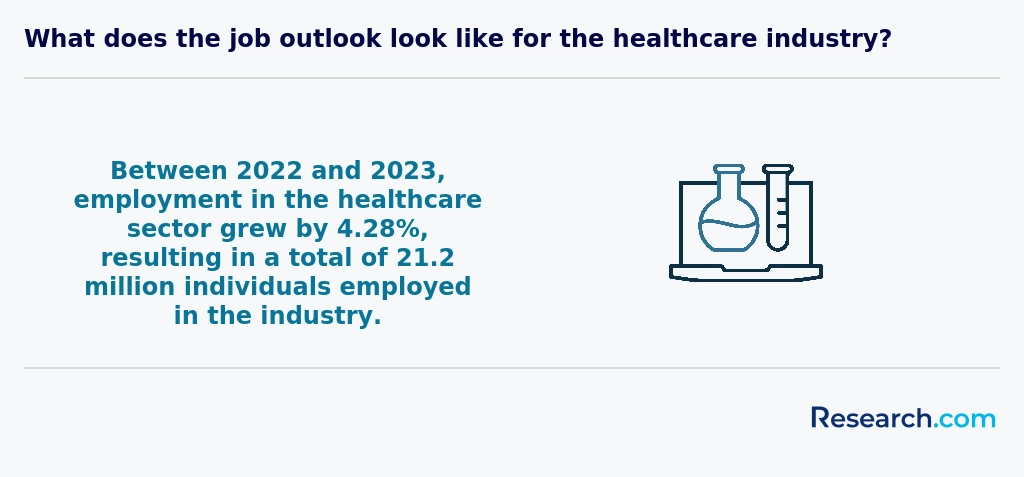
Graduates of an online healthcare degree in the Northeast find diverse career paths in clinical, administrative, and research fields. Many become healthcare administrators or managers, capitalizing on the region's demand for skilled leaders in hospitals and large medical practices. Urban centers like Boston and New York City provide ample job opportunities and competitive salaries to these professionals.
Others pursue advanced clinical roles such as nurse practitioners or physician assistants. Students from well-known universities in the area often share how flexible online programs allowed them to balance work and study while meeting state certification requirements. These graduates frequently highlight the rewarding nature of providing direct patient care in busy Northeast healthcare settings.
Some graduates channel their skills into public health or healthcare data analytics, working with departments like the Massachusetts Department of Public Health to improve community outcomes. For those considering further advancement, exploring healthcare doctorate job opportunities Northeast can lead to impactful leadership or research roles.
For those interested in faster entry, exploring accelerated bachelor's degree programs is a practical strategy to begin strong in this growing field.
What is the job market for online healthcare degree in the Northeast?
The job market for those with an online healthcare degree in the Northeast is robust, driven by growing demand in cities like Boston, New York, and Philadelphia. Graduates from popular universities in the region often share how flexible online programs helped them balance work and study while preparing for roles in nursing, healthcare administration, and public health. These healthcare professionals benefit from high demand fueled by aging populations and expanding telehealth services. Employers value the practical skills gained in these programs and often prioritize candidates with online credentials who can adapt quickly to evolving healthcare environments.
For students considering the cost and return on investment, programs typically range from $15,000 to $40,000, with competitive regional salaries averaging $83,000 for registered nurses and over $110,000 for health services managers. Many graduates recommend weighing tuition against potential earnings in the Northeast and exploring funding options. Those looking to improve job prospects might also consider best degrees for seniors online programs to continue their education while working.
Overall, healthcare career growth in the Northeast region remains promising, making online degrees a strategic choice for advancing in this dynamic field.
Frequently Asked Questions About healthcare
Online healthcare degree students in the Northeast can maximize their learning experience by actively engaging with their coursework and instructors. Many accredited institutions in this region use advanced learning platforms that facilitate real-time discussions and collaborative projects. According to the National Center for Education Statistics, over 60% of healthcare students in the Northeast chose online programs for their flexibility.
Joining virtual study groups or professional networks helps build connections crucial for future career opportunities. Additionally, students should take advantage of regional clinical partnerships offered by programs to gain hands-on experience. Staying organized and setting a consistent study schedule improves retention and success rates in demanding healthcare curricula.
The healthcare field is rapidly evolving, especially in the Northeast, where technology and demographic shifts fuel emerging niches. One fast-growing area is telehealth, which expanded by over 50% in the region from 2020 to 2023, enabling remote patient care and increasing access for rural populations, according to the Northeast Health Institute. Another niche is healthcare informatics, combining data analysis and clinical expertise to improve patient outcomes. Additionally, gerontology and chronic disease management are gaining importance due to the aging population in states like New York and Massachusetts. These specializations offer promising career paths for online healthcare degree students seeking to meet regional needs.
After completing an online healthcare degree in the Northeast, graduates should focus on building a professional network to improve job prospects. The healthcare industry in this region is rapidly growing, with a demand for skilled workers increasing by nearly 15% from 2020 to 2030, according to the U.S. Bureau of Labor Statistics.
Gaining relevant clinical or administrative experience through internships or volunteer work is crucial. Also, obtaining certifications such as Certified Professional in Healthcare Quality (CPHQ) can boost employability.
Utilizing career services offered by universities and participating in local healthcare job fairs can connect graduates with employers in states like New York, Massachusetts, and Pennsylvania.
Staying current with regional healthcare regulations and trends enhances readiness for roles in diverse settings such as hospitals, clinics, and public health organizations.
Employers in the Northeast seek healthcare degree graduates with strong clinical skills complemented by adaptability to technological advances. According to the U.S. Bureau of Labor Statistics, proficiency in electronic health records (EHR) systems is essential as hospitals across this region increasingly adopt digital platforms. Communication skills are also highly valued for effective patient interactions and teamwork in multi-disciplinary settings. Critical thinking and problem-solving capabilities play a vital role in managing complex health issues common in diverse urban populations such as New York and Boston. Additionally, leadership and ethical decision-making are crucial, especially for graduates pursuing advanced roles in healthcare administration or policy.
Finding internships in the Northeast relevant to healthcare degrees often involves leveraging local hospitals, clinics, and research institutions. Many states in the region have partnerships with online programs that help students secure clinical placements. For example, New York and Massachusetts host large healthcare networks with diverse internship opportunities. According to the New England Board of Higher Education, about 40% of healthcare internships in the region are offered through academic affiliations.
Students should also explore state health departments and professional organizations like the American Public Health Association's Northeast chapter. These groups frequently list openings.
Networking through online program career services can increase placement success in this competitive market.
Online healthcare degrees in the Northeast significantly enhance career mobility and advancement for professionals. The region's strong healthcare industry, including hubs like Boston and New York, values advanced qualifications, with 70% of healthcare employers prioritizing candidates holding at least a master's or doctoral degree, according to the Bureau of Labor Statistics.
Graduates with online healthcare degrees can access broader job markets without geographic constraints. Many accredited institutions in the Northeast offer flexible programs recognized by regional employers, allowing students to balance work while studying.
Higher credentials often lead to leadership roles and salary increases; for example, professionals with doctoral degrees in healthcare report earning 20% more on average than those with only bachelor's degrees, per a 2023 report by the New England Healthcare Institute.
Studying for a healthcare degree online in the Northeast offers a strong foundation for interdisciplinary roles through curricula that emphasize collaboration across healthcare fields. Many accredited programs integrate courses in public health, policy, administration, and clinical sciences to prepare students for diverse team environments.
The Northeast is home to some of the nation's leading healthcare and research institutions, like Johns Hopkins and Harvard, which influence regional education standards. According to the Northeast Regional Health Workforce Center, interdisciplinary training improves patient outcomes by fostering communication among professionals such as nurses, social workers, and pharmacists.
Online programs often include practical case studies and virtual simulations reflecting real-world complexities in healthcare, helping students develop skills to work effectively in diverse clinical and administrative settings.
When choosing between a thesis and a non-thesis healthcare degree program in the Northeast, students should first consider their career goals. Thesis programs often suit those aiming for research, academic, or leadership roles. These programs require completing original research, which can strengthen critical thinking and expertise.
Non-thesis programs focus more on practical skills and coursework, ideal for professionals seeking advanced knowledge without extensive research. In the Northeast, institutions like those in New York and Massachusetts commonly offer both options, reflecting the region's strong healthcare industry.
According to the National Center for Education Statistics, about 45% of healthcare doctoral students in the Northeast opt for thesis tracks, reflecting demand for research skills.
Cost and program length also differ, with thesis paths sometimes taking longer due to research requirements. Evaluating your learning style and timeline will help in making the best choice.
Students in the Northeast interested in studying healthcare abroad while pursuing an online degree have several options through partnerships between US institutions and international universities. Many accredited programs allow for clinical placements or research opportunities overseas, providing global exposure without relocating permanently. For instance, some schools in New York and Massachusetts offer collaborations with hospitals in Europe and Asia, enriching practical experience.
According to the National Center for Education Statistics, about 15% of healthcare students in the Northeast engage in international study components. These programs often emphasize public health, nursing, and healthcare management, aligning with evolving global health priorities.
Online degrees combined with short-term study abroad enhance cultural competence and professional networks, critical for future healthcare leaders in a diversifying region like the Northeast.
Part-time job opportunities in the Northeast that complement healthcare degree education often include roles such as medical assistant, pharmacy technician, and patient care technician. These positions provide practical experience in clinical settings, helping students develop relevant skills and enhance their resumes.
According to the U.S. Bureau of Labor Statistics, healthcare support occupations in the Northeast are projected to grow by about 15% from 2022 to 2032, reflecting strong demand. Employers in states like New York and Massachusetts frequently offer flexible, part-time schedules suited to students.
Additionally, remote work options such as medical coding and telehealth support have increased, enabling students to balance education while gaining valuable industry experience.
Online healthcare students in the Northeast benefit from numerous networking opportunities through regional professional associations and virtual conferences. Organizations like the New England Healthcare Executives Network host events accessible to online learners, connecting them with industry leaders and peers.
Many universities collaborate with local hospitals and healthcare systems for internships and practicum placements, providing crucial in-person networking despite an online curriculum. For example, the Massachusetts Department of Public Health supports online students by facilitating connections to healthcare providers statewide.
Additionally, platforms such as LinkedIn groups focused on Northeast healthcare professionals enable students to engage in discussions, share resources, and explore job prospects. These combined efforts help online students build valuable networks in the region's robust healthcare industry.
Alumni networks provide significant advantages for online healthcare degree students in the Northeast. These networks connect students with professionals who have experience in regional healthcare systems, enhancing job placement and career growth opportunities. According to the National Association of Colleges and Employers (NACE), 85% of jobs are filled through networking, highlighting its importance.
In the Northeast, where healthcare hubs like Boston and New York offer diverse employment options, alumni connections can offer mentorship, internships, and industry insights. Many universities maintain active alumni groups that organize virtual events, strengthening professional ties despite geographical distances.
Such networks also facilitate access to specialized healthcare organizations and local conferences, supporting continuous education. Ultimately, these connections play a crucial role in navigating the competitive healthcare job market in the region.
Many online healthcare degree programs in the Northeast offer customizable curricula to align with varied career goals. Students can select concentrations such as healthcare administration, nursing leadership, or public health, tailoring their studies to specific interests. According to the Commission on Collegiate Nursing Education, over 70% of online programs in this region provide elective options and interdisciplinary coursework.
Flexible scheduling allows working professionals to balance studies and employment while completing clinical practicum hours at local healthcare facilities. Some universities partner with regional hospitals for hands-on experience, enhancing career readiness.
Advisors typically assist students in mapping coursework that meets both licensure and certification requirements relevant to Northeastern states, ensuring practical career advancement.
Online healthcare students in the Northeast often face unique challenges related to clinical practice requirements. Many programs require in-person clinical hours, which can be difficult to schedule due to limited nearby healthcare facilities partnered with distant universities. According to the National Student Nurses' Association, 35% of nursing students in the Northeast reported obstacles in securing adequate clinical placements.
Another challenge involves balancing coursework with professional and personal responsibilities. The fast-paced healthcare industry in urban centers like New York and Boston means students may struggle to allocate sufficient time for studies.
Technology access and variability in state licensure regulations across the Northeast can also complicate enrollment and progression for online students.
With an online healthcare degree, students in the Northeast can pursue various professional certifications that boost career prospects. Popular certifications include the Certified Healthcare Financial Professional (CHFP), Certified Professional in Healthcare Quality (CPHQ), and Project Management Professional (PMP), among others.
Licenses like the Registered Health Information Administrator (RHIA) are attainable with relevant degrees and allow graduates to manage patient data effectively. According to the New England Healthcare Institute, demand for certified healthcare professionals grew by 12% from 2018 to 2023.
Many online programs also prepare students for certification exams from nationally recognized bodies such as the American Health Information Management Association (AHIMA) and the American Association of Healthcare Administrative Management (AAHAM).
Writing a winning application for an online healthcare program in the Northeast requires clear focus and preparation. Start by researching programs accredited by recognized agencies such as the Commission on Collegiate Nursing Education (CCNE) or Council on Education for Public Health (CEPH). These accreditations ensure quality education crucial for career advancement.
Highlight relevant experience in healthcare settings, as Northeastern employers and schools value practical skills. Quantify achievements where possible-for example, mention managing patient care or leading teams.
Include a well-crafted personal statement that outlines your commitment to healthcare and explains why an online program fits your goals. Tailor this to the Northeast context, referencing regional healthcare challenges or trends if applicable.
Finally, maintain strong letters of recommendation, ideally from professionals familiar with the Northeast healthcare landscape. According to the Bureau of Labor Statistics, healthcare jobs in the Northeast grew 7% over recent years, making your demonstrated regional knowledge an asset.
Healthcare careers are increasingly viewed as vital on a global scale due to expanding populations and aging demographics. In the United States, and particularly in the Northeast, demand for qualified healthcare professionals is rising faster than many other regions. According to the U.S. Bureau of Labor Statistics, healthcare occupations are projected to grow 16% from 2021 to 2031, much faster than the average for all jobs.
Internationally, the need for healthcare expertise emphasizes not only clinical skills but also cultural competence and adaptability, preparing professionals to address diverse patient populations.
Online healthcare degrees offered in the Northeast make it easier for students to gain these relevant skills, aligning with global healthcare trends and workforce needs.
Gaining practical experience while studying for an online healthcare degree in the Northeast typically involves clinical placements or internships coordinated through your school. Many accredited programs partner with local hospitals, clinics, and community health organizations to provide hands-on experience close to your home.
The Northeast has a high concentration of healthcare facilities, especially in states like Massachusetts and New York, making it easier to find such opportunities. According to the Massachusetts Department of Public Health, the region employs over 1.3 million healthcare workers, creating broad options for practical training.
Virtual labs and simulated clinical environments are also increasingly incorporated into curricula, allowing students to develop skills before real-world application. Networking with local healthcare professionals can enhance chances for externships or volunteer roles, which are valuable for gaining relevant experience while completing your online coursework.
Choosing the right concentration within an online healthcare degree program in the Northeast requires clear understanding of your career goals and regional healthcare demands. For example, Northeast states like New York and Massachusetts have growing needs in gerontology and chronic disease management due to aging populations, according to the U.S. Census Bureau. Researching workforce trends through sources like the Bureau of Labor Statistics can reveal which healthcare specializations have higher employment growth. Considering program accreditation and alignment with licensure requirements in your state is also crucial. Additionally, look for concentrations offering practical experiences or partnerships with regional healthcare providers to enhance job readiness.
Top Trending Healthcare Rankings
See What Experts Have To Say About Studying Healthcare
Read our interview with Healthcare experts

References
- 20 healthcare investment niches and 3 things to know: The evolution of ... https://blackbookmarketresearch.com/20-healthcare-investment-niches-and-3-things-to-know-the-evolution-of
- Choosing a Doctor of Health Sciences Program | University of Bridgeport https://www.bridgeport.edu/news/how-to-choose-a-doctor-of-health-sciences-program/
- Bringing the Best in Health Sciences to Undergraduate Programs https://www.northeastcollege.edu/learn/new-undergraduate-health-sciences-degrees
- How to Succeed in a Difficult Job Market After Graduation https://www.hospitalrecruiting.com/blog/6542/how-to-succeed-in-a-difficult-job-market-after-graduation/
- How to Set and Achieve Career Goals in Health and Social Care | Royal Open College https://royalopencollege.org/blog/health-and-social-care/how-to-set-and-achieve-career-goals/
- Public Health https://northeast.edu/degrees-and-programs/public-health
- How Much Can I Make With an Online Bachelor's of Public Health? - MPH Online https://www.mphonline.org/salary-bachelors-public-health/
- Top 3 Reasons to Consider a Career in Healthcare - Roseman University https://www.roseman.edu/student-experience/news/top-3-reasons-to-consider-a-career-in-healthcare/
- Health Sciences Study Abroad Programs - Healthcare Abroad https://www.ceastudyabroad.com/academic-discipline/health-sciences
- Trends and opportunities in healthcare across emerging markets - Inizio https://inizio.com/insights/trends-and-opportunities-in-healthcare-across-emerging-markets/


