
2027 How to Become a Caregiver: Certification Requirements in Louisiana

Co-Founder and Chief Data Scientist
Becoming a caregiver in Louisiana can be a practical entry point into healthcare, especially for people who want direct patient contact without spending years in school. The role matters because Louisiana’s demand for qualified caregivers is growing rapidly, with employment projected to increase by 21% over the next decade. That demand is tied to older adults, people with disabilities, individuals recovering from illness, and families who need reliable support at home or in care facilities.
This guide explains how caregiver certification works in Louisiana, what training is typically required, which roles may require an exam, how much certification can cost, and what jobs certified caregivers can pursue. It is designed for first-time healthcare workers, family caregivers considering paid work, career changers, and current caregivers who want to understand renewal, continuing education, and advancement options.
Quick Answer: How do you become a certified caregiver in Louisiana?
To become a certified caregiver in Louisiana, you generally need to meet basic employer eligibility requirements, complete required caregiver training, pass any role-specific competency evaluation, clear a background check, and maintain continuing education. Many caregiver roles require at least 16 hours of instruction before or shortly after employment, while Certified Nursing Assistant roles follow a more formal training and exam pathway.
- Most applicants need a high school diploma or GED for many caregiving jobs, although requirements can vary by employer and care setting.
- Many Direct Service Worker or Personal Care Attendant roles involve at least 16 hours of initial training in safety, personal care, infection control, client rights, and communication.
- Certified Nursing Assistant candidates must complete a state-approved Nurse Aide Training and Competency Evaluation Program and pass the required competency exam.
- Caregivers may need annual continuing education, and some credentials require renewal or proof of recent qualifying work.
- Demand is projected to rise by 15% by 2028, which makes ongoing training and credential maintenance important for staying employable.
- What education is required to become a certified caregiver in Louisiana?
- How many training hours are required for caregiver certification in Louisiana?
- What topics are covered in caregiver training programs in Louisiana?
- Is there a state exam for caregiver certification in Louisiana?
- How do you apply for caregiver certification in Louisiana?
- How much does it cost to get caregiver certification in Louisiana?
- How often do you need to renew caregiver certification in Louisiana?
- What continuing education is required for caregivers in Louisiana?
- What is the salary for certified caregivers in Louisiana?
- What jobs can you get with caregiver certification in Louisiana?
- Can caregiver certification support advanced healthcare career growth?
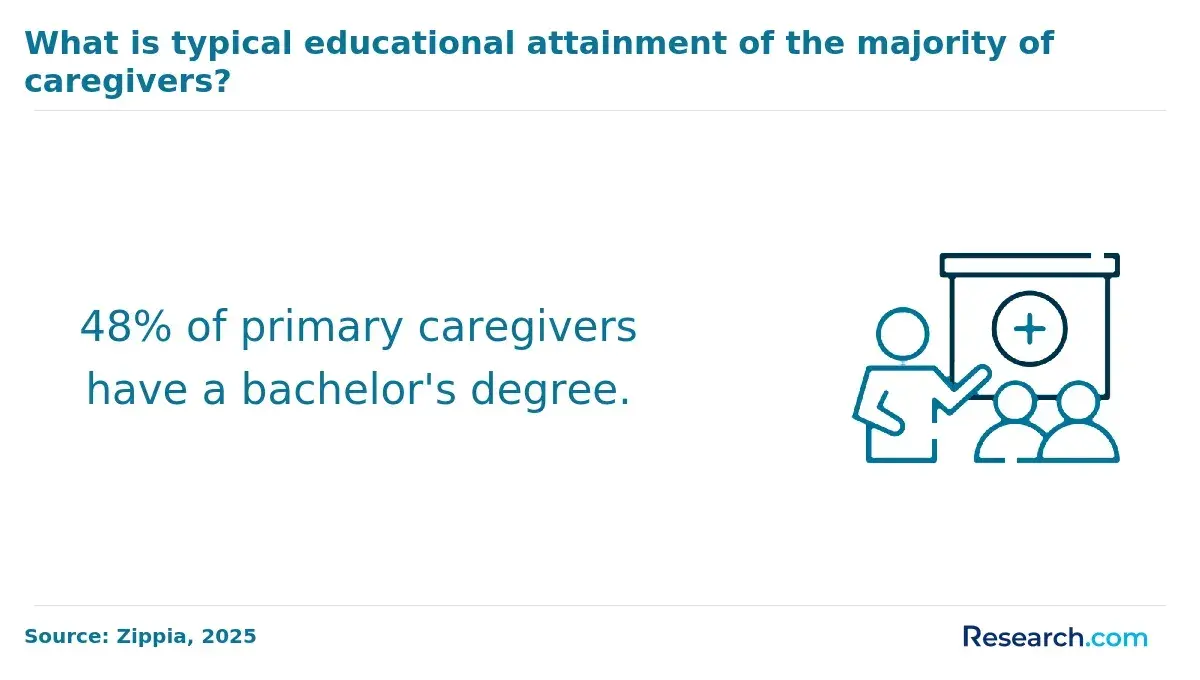
What education is required to become a certified caregiver in Louisiana?
Louisiana caregiver education requirements depend on the job title, employer, and care setting. A private family hiring a companion caregiver may set different expectations than a licensed nursing facility, home health agency, hospice provider, or Medicaid-funded service program. For most paid caregiving positions, employers want applicants who can follow care plans, communicate clearly, document services accurately, and protect client safety.
- High school diploma or GED: Many employers prefer or require a high school education or equivalent, especially for facility-based roles, agency positions, or jobs involving documentation and formal care plans.
- Caregiver training certificate: Some entry-level jobs provide training after hire, while others expect applicants to complete a caregiver, personal care aide, home health aide, or Direct Service Worker training program before starting work.
- Role-specific coursework: Jobs serving older adults, people with developmental disabilities, clients with dementia, or residents in assisted living may require training in gerontology, disability support, safety procedures, and basic health practices.
- Healthcare or social services background: Prior study in nursing, psychology, social work, health sciences, or human services can help applicants qualify for more structured care environments or prepare for advancement.
Caregiver certification is not one single credential for every job in Louisiana. Instead, requirements change by role. A Personal Care Attendant may follow employer-directed training, while a Certified Nursing Assistant must meet state-approved training and exam standards. If you are comparing healthcare support careers, it can also help to review how long medical billing and coding training can take, since some caregivers later move into administrative healthcare roles.
| Caregiver path | Typical education or training expectation | Best fit |
| Companion caregiver | Employer or family-directed training; formal certification may not be required | People focused on supervision, errands, social support, and non-medical help |
| Personal Care Attendant or Direct Service Worker | Initial training often centered on personal care, client rights, safety, and documentation | Workers helping clients with daily living tasks at home or in community settings |
| Home Health Aide | Training tied to agency requirements and client safety responsibilities | Caregivers who want structured home care work through agencies |
| Certified Nursing Assistant | State-approved Nurse Aide Training and Competency Evaluation Program | People seeking facility-based healthcare work and a more formal clinical support credential |
How many training hours are required for caregiver certification in Louisiana?
Training hours are important because caregivers often work with people who are medically fragile, physically limited, cognitively impaired, or dependent on others for daily routines. Louisiana requirements vary by caregiver category, but the common starting point for many non-CNA caregiver roles is 16 hours of initial training.
In Louisiana, caregivers must complete a total of 16 hours of initial training before beginning employment, followed by 20 hours of continuing education annually to maintain their certification. Certified Nursing Assistants have a separate continuing education requirement of 12 hours per year.
- Initial caregiver training: The 16-hour training requirement typically combines classroom instruction with practical skill development. Topics often include personal care, infection prevention, safe transfers, communication, client rights, and reporting responsibilities.
- Annual continuing education: After initial training, many caregivers complete 20 hours of continuing education each year. These hours may be delivered through in-service training, workshops, or online coursework.
- CNA continuing education: Certified Nursing Assistants in Louisiana must complete 12 hours of continuing education per year while also meeting registry and employment-related requirements.
| Role or credential | Initial training noted | Ongoing education noted | Exam requirement |
| Direct Service Worker or Personal Care Attendant | 16 hours of initial training | 20 hours annually | Employer or agency competency evaluation rather than a universal state exam |
| Home Health Aide | Depends on agency and service setting | 12 hours annually | May depend on employer or agency requirements |
| Certified Nursing Assistant | 75 hours including clinical experience | 12 hours annually | State-approved competency exam required |
| Privately hired caregiver | Set by the hiring family | No mandated CE; at least 8 hours annually are recommended as best practice | Set by the hiring family |
What topics are covered in caregiver training programs in Louisiana?
Caregiver training in Louisiana is designed to prepare workers for practical, high-responsibility tasks. The goal is not only to teach routine assistance but also to help caregivers recognize risks, communicate changes, protect client dignity, and follow care plans correctly.
- Activities of daily living: Students learn how to assist with bathing, dressing, grooming, toileting, mobility, transfers, and other personal care tasks while preserving client privacy and independence.
- Infection control: Training includes hand hygiene, universal precautions, protective equipment, cleaning practices, and ways to reduce the spread of communicable illness.
- Emergency response and safety: Programs cover fall prevention, safe transfers, first aid basics, CPR awareness where required, and how to respond when a client’s condition changes suddenly.
- Abuse, neglect, and exploitation reporting: Caregivers learn how to identify possible physical, emotional, financial, or neglect-related warning signs and how mandated reporting works under Louisiana rules.
- Client rights and confidentiality: Training emphasizes privacy, dignity, informed choice, autonomy, and responsible handling of personal and health-related information.
- Communication: Caregivers practice clear communication with clients, families, supervisors, nurses, and other members of the care team, including clients with cognitive, speech, hearing, or vision challenges.
- Documentation: Programs teach accurate reporting of services performed, incidents, behavior changes, missed visits, and changes in a client’s physical or emotional condition.
- Nutrition and hydration: Coursework may include meal preparation, hydration support, safe feeding, dietary restrictions, and recognizing risks related to poor nutrition or dehydration.
- Challenging behavior support: Training may address de-escalation, redirection, safety planning, and support for clients with dementia, mental health needs, or behavioral symptoms.
- Mental health and dementia awareness: Many programs introduce Alzheimer’s disease, dementia care principles, mental health first aid concepts, and strategies for compassionate support.
- Household tasks connected to care: Caregivers may be trained in light housekeeping, laundry, home safety checks, and maintaining a clean, safe care environment.
- Service plan implementation: Workers learn how to follow individualized care plans, stay within their scope of duties, and report when a plan may need review.
Caregivers do not work in isolation. They often coordinate with nurses, case managers, therapists, family members, and administrative staff. Understanding what medical billers and coders do in healthcare organizations can give future caregivers a clearer view of how clinical care, documentation, insurance, and provider operations connect.
Is there a state exam for caregiver certification in Louisiana?
Louisiana does not use one universal state exam for every caregiver role. Whether you need an exam depends on the specific credential and work setting you choose.
The clearest exam requirement applies to Certified Nursing Assistants. CNA candidates must complete a state-approved Nurse Aide Training and Competency Evaluation Program, often called NATCEP. The competency evaluation includes a written or oral knowledge test and a hands-on skills demonstration. Candidates must pass both parts to be placed on the Louisiana Nurse Aide Registry, which is required for many jobs in licensed healthcare facilities.
Direct Service Workers, Home Health Aides, Personal Care Attendants, and other non-CNA caregivers usually complete employer-led or agency-led training and competency checks instead of a single statewide caregiver exam. Privately hired caregivers may not face state-mandated training or testing, although families may still ask for proof of experience, CPR training, references, background checks, or prior caregiving coursework.
How do you apply for caregiver certification in Louisiana?
The application process is easier when you start by choosing the exact caregiver role you want. Louisiana requirements are not identical for a Direct Service Worker, Personal Care Attendant, Home Health Aide, private caregiver, and Certified Nursing Assistant. Use the steps below as a practical checklist.
- Check basic eligibility: Confirm that you meet age, work authorization, employer, and education requirements. Some positions require applicants to be 18 years or older, legally authorized to work in the U.S., and able to pass a background check.
- Choose the job category: Decide whether you are pursuing Direct Service Worker, Personal Care Attendant, Home Health Aide, Certified Nursing Assistant, hospice aide, or private-duty work. This choice determines your training, exam, and renewal pathway.
- Complete required training: Enroll in the training required for your role. DSWs and PCAs generally complete 16 hours within 45 days of hire, while CNAs complete 75 hours including clinical experience.
- Prepare your documents: Keep copies of identification, proof of age, work authorization, immunization records, CPR documentation if required, education records, and any training certificates.
- Submit the appropriate application: Depending on the role, you may apply through the Louisiana Department of Health, a training provider, a home care agency, or an employer’s onboarding system.
- Complete the background screening: Be prepared for fingerprint-based criminal screening, registry checks, and other employment screenings required by the care setting.
- Show competency: Complete required skills checks, supervisor evaluations, or agency competency assessments. Some duties, such as medication-related support, may require additional training.
- Pass the exam if your role requires it: CNA candidates must pass the state-approved competency exam before being listed on the Louisiana Nurse Aide Registry.
- Track renewal and CE deadlines: Keep records of continuing education, employment verification, renewal dates, and any required fees.
- Monitor state and employer updates: Louisiana Department of Health rules, agency policies, and training expectations can change, so caregivers should verify requirements before enrolling or renewing.
| Decision point | What to ask before you enroll |
| Role fit | Does this program prepare me for CNA, HHA, DSW, PCA, or general caregiver work? |
| Approval or recognition | Is the training accepted by the employer, agency, or registry connected to my intended job? |
| Hands-on practice | Will I practice transfers, personal care, infection control, and documentation before working with clients? |
| Background check | Who arranges screening, and when must it be completed? |
| Exam support | If I am pursuing CNA status, does the program prepare me for both the written or oral test and skills demonstration? |
| Cost transparency | Are books, materials, exam fees, screenings, and renewal costs included or billed separately? |
A Louisiana caregiver who completed local training described the process as structured but manageable. She said the most stressful parts were organizing documents and finishing the background check, but instructor support helped her understand each requirement. Her experience shows why applicants should keep paperwork in order, ask questions early, and choose training that includes practical skill preparation rather than only classroom instruction.
How much does it cost to get caregiver certification in Louisiana?
Caregiver certification costs in Louisiana vary because training is offered through online providers, local schools, agencies, employers, and CNA programs. The lowest advertised course price may not reflect the full cost, so applicants should budget for training, materials, screenings, exam fees, and renewal or continuing education.
- Training tuition: Costs can range from $99 for some online national certification courses to several hundred dollars for in-person or specialized programs. HHA and DSW programs may cost more when they include additional training hours or agency-specific instruction.
- Books and materials: Some providers include digital materials in the course fee. Others charge separately for textbooks, manuals, supplies, or online access, often adding $20 to $100.
- Application or enrollment fees: Some programs charge non-refundable administrative fees, commonly between $25 and $50, although not every provider requires them.
- Background check and health screening: Candidates may need to pay for background checks costing roughly $30 to $60 and health screenings such as TB testing or immunization documentation, which can range from $50 to $150.
- Exam fees: CNA exam fees generally fall between $75 and $125. Basic caregiver training may not include a separate state examination fee.
- Continuing education: Direct Service Workers must complete annual continuing education, with courses typically costing between $20 and $100 each year.
| Cost category | Reported range or note | How to reduce surprises |
| Online caregiver course | Starting at $99 for some national certification courses | Confirm whether Louisiana employers will accept the course for your intended role |
| In-person or specialized training | Several hundred dollars may be possible | Ask whether hands-on practice, materials, and competency checks are included |
| Materials | $20 to $100 | Request a full supply list before paying tuition |
| Enrollment fee | $25 to $50 where charged | Check refund policies and payment deadlines |
| Background and health screening | Roughly $30 to $60 for background checks; $50 to $150 for screenings | Ask whether the employer pays or reimburses these costs |
| CNA exam | $75 to $125 | Verify retest fees before scheduling the exam |
| Annual continuing education | $20 to $100 each year | Use employer-approved in-service training when available |
Before enrolling, ask whether an employer offers paid training, reimbursement, or agency-sponsored certification. If you are comparing caregiving with other healthcare support fields, learning what medical billing and coding involves can help you decide whether you prefer hands-on care, administrative healthcare work, or a mix of both over time.
How often do you need to renew caregiver certification in Louisiana?
Renewal requirements depend on the caregiver credential. General caregiver certificates often follow provider or employer renewal rules, while CNA status follows registry-related requirements. Missing a renewal deadline can interrupt employment eligibility, especially in regulated settings.
In Louisiana, most general caregiver certifications require annual renewal, and fees typically range from $59 to $149 depending on the certification type and provider. Certified Nursing Assistants follow a different pattern: CNA certification is valid for two years and may renew automatically if the caregiver has worked at least eight hours in an approved setting during that period. CNAs employed by nursing homes generally do not pay direct renewal fees, although other programs may have different costs. If a caregiver does not meet renewal or work-hour requirements, the credential may become inactive.
Common renewal mistakes to avoid
- Waiting until the last month: CE courses, employer verification, and registry updates can take time. Start early.
- Assuming all caregiver certificates renew the same way: CNA renewal, DSW continuing education, and private training provider renewals may follow different rules.
- Losing CE records: Keep certificates, attendance logs, transcripts, and employer documentation in one file.
- Ignoring work-hour requirements: CNAs should confirm that their employment setting qualifies for registry renewal purposes.
- Paying for unnecessary courses: Before buying CE, verify that the course is accepted by your employer, agency, or credentialing body.
What continuing education is required for caregivers in Louisiana?
Continuing education keeps caregivers aligned with current safety practices, care standards, and employer policies. It also helps workers respond to changing client needs, such as dementia symptoms, infection control concerns, mobility issues, and emergency preparedness.
- Direct Service Workers and Personal Care Services: After the initial 16 hours of training, these caregivers must complete 20 hours of continuing education annually. Training commonly covers infection control, client rights, communication, safety, and emergency preparedness.
- Certified Nursing Assistants: CNAs must complete 12 hours of annual continuing education, including topics such as clinical updates, patient care standards, abuse recognition, and regulatory compliance.
- Home Health Aides: HHAs must complete 12 hours of annual continuing education, with emphasis on infection control and client safety.
- Privately employed caregivers: Louisiana does not mandate CE for privately hired caregivers, but at least 8 hours annually are recommended as best practice.
- Oversight and compliance: The Louisiana Department of Health regulates many caregiver requirements, while agencies are responsible for tracking CE completion for their employees.
Current trends affecting caregivers in Louisiana
- More care is shifting into homes: Many families prefer in-home support when it is safe and affordable, which increases the need for caregivers who can work independently and document services clearly.
- Dementia care skills are increasingly valuable: Caregivers who understand memory loss, redirection, safety risks, and family communication may be better prepared for complex home and facility assignments.
- Employers expect stronger documentation habits: Caregivers are often asked to record tasks, incidents, changes in condition, and care-plan updates accurately.
- Technology is part of routine care: Scheduling apps, electronic visit verification, online training, and digital documentation are becoming common in agency-based caregiving.
- Credential stacking can improve mobility: Some caregivers add CPR, dementia care, CNA training, medication-related training where allowed, or healthcare administration skills to broaden job options.
A Louisiana caregiver who completed annual CE said the training initially felt difficult to fit around work. Over time, courses on emergency response and dementia care made him more confident with clients and families. His experience highlights a practical point: CE is not just a renewal task. When chosen carefully, it can improve safety, communication, and job readiness.
What is the salary for certified caregivers in Louisiana?
Certified caregiver pay in Louisiana depends on the city, employer type, shift schedule, credential level, and whether the job is home-based, facility-based, hospice-related, or private duty. Wages can also differ between entry-level companion care and positions requiring CNA certification or specialized experience.
- Statewide hourly pay: Certified caregivers in Louisiana earn between $12.82 and $13.28 per hour, compared with a national average of approximately $15–$16 per hour.
- Annual earnings: The average full-time annual salary is around $27,632, with reported figures ranging from $27,000 to $32,111 depending on role and employer.
- City differences: New Orleans averages $13.92 per hour, while Lecompte is reported at $20.42 per hour or about $42,464 annually. Bossier City and Houma also offer above-average wages.
- Experience and certification: Entry-level caregivers in cities such as New Orleans may start at up to $15.07 per hour, and workers with more experience or specialized credentials may qualify for higher pay.
- National comparison: Louisiana caregiver wages are generally below national figures. Workers seeking higher earning potential may consider additional healthcare credentials, including affordable online medical billing and coding courses, depending on their long-term goals.
| Factor | How it can affect pay | What to ask employers |
| Location | Urban areas and certain cities may pay more than the statewide average | What is the starting hourly rate for this specific city or parish? |
| Credential | CNA status or specialized training may open higher-paying roles | Do you pay more for CNA, CPR, dementia care, or hospice experience? |
| Setting | Hospitals, long-term care facilities, home care agencies, and private families may set different rates | Is this W-2 employment, contract work, or private-duty pay? |
| Schedule | Evening, weekend, overnight, or urgent-coverage shifts may have different rates | Are shift differentials available? |
| Benefits | A slightly lower hourly wage may be offset by health insurance, paid time off, training support, or mileage reimbursement | What benefits, reimbursements, and paid training are included? |
What jobs can you get with caregiver certification in Louisiana?
Caregiver certification can qualify you for several entry-level and intermediate support roles in Louisiana. The best job depends on whether you prefer home-based care, facility work, one-on-one support, end-of-life care, or a more clinical pathway.
- Home Health Aide: Supports clients in their homes with bathing, dressing, meal preparation, medication reminders, light housekeeping, and appointment-related assistance.
- Personal Care Attendant or Direct Service Worker: Helps older adults, people with disabilities, or people recovering from illness with hygiene, mobility, feeding, daily routines, and community-based support.
- Residential Care Aide: Works in group homes, assisted living residences, or similar settings, helping multiple residents with daily activities while monitoring safety and reporting concerns.
- Hospice Aide: Provides comfort-focused support for terminally ill clients in homes or hospice settings and may also assist families during end-of-life care.
- Certified Nursing Assistant: Performs basic nursing support tasks such as taking vital signs, helping with mobility, assisting with hygiene, and supporting nurses in hospitals, clinics, and long-term care facilities.
- Private Duty Caregiver: Works directly for a family or individual client, often providing personalized companionship, supervision, and personal care based on the client’s needs.
- Companion Caregiver: Focuses on social connection, errands, light support, safety supervision, and reducing isolation rather than clinical or hands-on personal care tasks.
| Job title | Typical setting | Good fit for |
| Home Health Aide | Client homes through an agency | Caregivers who want one-on-one home care with agency structure |
| Direct Service Worker | Home or community settings | Workers supporting people with disabilities, older adults, or clients needing daily assistance |
| Residential Care Aide | Assisted living, group homes, residential programs | People comfortable supporting several residents during a shift |
| Hospice Aide | Hospice centers or client homes | Caregivers with strong emotional resilience and communication skills |
| Certified Nursing Assistant | Nursing homes, hospitals, clinics, long-term care | Workers who want more formal clinical support responsibilities |
| Private Duty Caregiver | Individual homes | Caregivers who prefer flexible, client-specific arrangements |
| Companion Caregiver | Homes and community settings | People strongest in conversation, supervision, errands, and social support |
Certification can improve employability, but it does not guarantee a specific wage, schedule, or advancement path. If you are weighing hands-on care against other healthcare credentials, reviewing how to become a certified medical coder and biller from home can help you compare patient-facing and remote-friendly healthcare options.
What do caregivers in Louisiana say about their career?
- Diana completed caregiver certification at Baton Rouge Community College and said the program helped her understand both technical care tasks and emotional support. Her work in a local school has felt meaningful because she can see how consistent support affects students’ day-to-day well-being. She described the career as stable, community-centered, and personally rewarding. Diana
- Angel trained at Delgado Community College and valued the mix of coursework and applied practice. She said caregiving in Louisiana often reflects strong family and community ties, which shapes how workers build trust with the people they support. She also noted that the role can lead to leadership opportunities within educational support services. Angel
- Lea began her caregiving career after training at South Louisiana Community College. She said working with students with varied needs strengthened her patience, empathy, and confidence. For her, caregiving is both a professional role and a way to contribute to resilience in the community. Lea
Can caregiver certification support advanced healthcare career growth?
Yes. Caregiver certification can be a starting point for broader healthcare careers, especially for people who want to build experience before committing to longer training. Caregivers often gain practical skills in communication, safety, documentation, mobility support, dementia awareness, and teamwork. Those skills can transfer into roles such as CNA, home health supervision, hospice support, case management assistance, nursing, therapy support, and allied health.
Advancement usually requires additional education or licensure. For example, caregivers interested in rehabilitation, adaptive equipment, and helping clients regain independence may explore how to become an occupational therapist in Louisiana. The key is to treat caregiver certification as an entry credential, then choose additional training based on the population, setting, and responsibilities you want.
Who should choose caregiver certification?
- People who want direct, hands-on work with clients or patients.
- Career changers looking for a faster entry into healthcare.
- Family caregivers who want formal training before pursuing paid work.
- Students considering nursing, therapy, social services, or healthcare administration.
- Workers who value flexible settings, including home care, residential care, hospice, and facility-based employment.
Who may want a different healthcare path?
- People who prefer office-based or remote work may be better suited to healthcare administration, billing, coding, or records roles.
- Those seeking higher clinical authority may need nursing, therapy, or allied health programs.
- Applicants who cannot perform physical tasks such as transfers, standing, bending, or assisting with mobility should carefully review job demands before enrolling.
- People who want predictable daytime schedules should ask employers about shift expectations, weekend coverage, and overnight work.
Common mistakes when starting a caregiver career in Louisiana
- Choosing training before choosing a role: CNA, HHA, DSW, PCA, and private-duty work can have different requirements.
- Looking only at tuition: Background checks, screenings, materials, exam fees, and renewal fees can change the real cost.
- Assuming online training is always accepted: Verify that the employer or agency recognizes the course before paying.
- Ignoring physical job demands: Caregiving may involve lifting support, transfers, long shifts, and mobility assistance.
- Not asking about benefits: Hourly pay matters, but so do mileage reimbursement, paid training, health benefits, and overtime rules.
- Letting credentials lapse: Missed CE or renewal requirements can affect active status and job eligibility.
Related Articles for Nearby States
- 2027 How to Become a Caregiver: Certification Requirements in Mississippi
- 2027 How to Become a Caregiver: Certification Requirements in Arkansas
- 2027 How to Become a Caregiver: Certification Requirements in Texas
- 2027 How to Become a Caregiver: Certification Requirements in Alabama
- 2027 How to Become a Caregiver: Certification Requirements in Tennessee
- 2027 How to Become a Caregiver: Certification Requirements in Missouri
- 2027 How to Become a Caregiver: Certification Requirements in Oklahoma
- 2027 How to Become a Caregiver: Certification Requirements in Florida
- 2027 How to Become a Caregiver: Certification Requirements in Kentucky
- 2027 How to Become a Caregiver: Certification Requirements in Georgia
References:
- Louisiana Caregiver Training Course - Earn a Free Certification https://caredemy.us/product/certified-nurse-aide-cna-course-for-louisiana/
- Louisiana Caregiver Training & Certification for Home Care - CaregiverList.com https://www.caregiverlist.com/louisiana/caregiver-training-certification
- Family as Paid Caregiver Attestation | Louisiana Department of Health https://ldh.la.gov/news/7169
- How to Become a Caregiver in Louisiana | Dreambound https://dreambound.com/blog/how-to-become-a-caregiver-in-louisiana
- Caregiver Training Baton Rouge | Moore Care Caregiver Careers https://wecaremoore.com/moore-training-careers/
- Online Personal Care Aide Training from Louisiana State University - Shreveport https://careertraining.lsus.edu/training-programs/personal-care-aide-training/
- Louisiana Caregiver Training Platform | Get Certified https://www.learn2care.us/state-training-requirements/louisiana/
- Online Personal Care Aide Training from University of Louisiana at Lafayette https://careerpathways.louisiana.edu/training-programs/personal-care-aide-training/
- Education & Resources | Louisiana Chapter | alz.org https://www.alz.org/louisiana/education-programs
- Caregiver Salary in Louisiana, United States (2025) https://www.erieri.com/salary/job/caregiver/united-states/louisiana
Key Insights
- Louisiana caregiver certification is role-specific. CNA candidates follow the most formal path, while DSWs, HHAs, PCAs, and private caregivers may follow employer or agency-based requirements.
- The common starting benchmark for many caregiver roles is 16 hours of initial training, but CNAs complete 75 hours including clinical experience.
- Not every caregiver needs a state exam. The state-approved competency exam is required for CNAs seeking placement on the Louisiana Nurse Aide Registry.
- Costs can include more than tuition. Budget for materials, background checks, health screenings, exam fees, CE, and renewal charges.
- Pay varies by city, employer, shift, and credential. Louisiana caregiver wages are generally below national averages, so additional credentials can matter for advancement.
- The best training choice depends on your target job. Before enrolling, confirm whether the program is accepted for the role, employer, agency, or registry you plan to use.
- Caregiver certification can be a strong first step into healthcare, but higher-level roles usually require additional education, clinical training, certification, or licensure.
Other Things You Should Know About Becoming a Caregiver in Louisiana
The Louisiana Department of Health is the governing body for caregiver certification in 2027. It regulates training programs, certification processes, and ensures compliance with state standards for caregivers in Louisiana.
To become a caregiver in Louisiana in 2027, you must complete a state-approved training program, pass a background check, and obtain certification. Prior experience isn't mandatory, but it can enhance employability. Continuous education may also be required to maintain certification.


