
2027 Most Affordable Online Bachelor's in Healthcare Degree Programs Ranking in Indiana

Co-Founder and Chief Data Scientist
If you're an Indiana resident exploring affordable online healthcare degree options, this article is designed for you.
The 2027 Most Affordable Online Bachelor's in Healthcare Degree Programs Ranking in Indiana was created by the Research.com team of data scientists to guide you through the best value programs available.
By reading this ranking, you'll gain clear insight into programs that balance cost with quality education, helping you make an informed choice that fits your goals.
Investing in a healthcare degree opens doors to meaningful careers, and this article supports your journey every step of the way.
Key benefits of getting online healthcare degree in Indiana
- Healthcare graduates in Indiana can expect competitive salaries, such as Medical Assistants earning around $43,350 annually and Quality Improvement Coordinators making over $103,000, offering strong financial motivation.
- Graduates from Indiana universities often pursue diverse roles like Patient Care Technicians or Health Information Technicians, providing plenty of options to fit your interests and lifestyle.
- Online healthcare degrees provide flexibility and convenience, allowing students to balance life and work while gaining the same respected credentials as traditional programs from well-known Indiana schools.
- Key benefits of getting online healthcare degree in Indiana
- What can I expect from online healthcare degree in Indiana?
- Where can I work with online healthcare degree in Indiana?
- How much can I make with online healthcare degree in Indiana?
- 2027 Most Affordable Online Bachelor's in Healthcare Degree Programs Ranking in Indiana
- Key Findings
- How long does it take to complete online healthcare degree in Indiana?
- Accreditation and Quality Assurance
- What's the difference between online and on-campus healthcare degree?
- Return on Investment: Balancing Cost and Career Outcomes
- What is the average cost of online healthcare degree in Indiana?
- Student Support and Success Resources
- What financial aid is available to online healthcare degree students in Indiana?
- Program Accreditation and Certification Preparation
- What are the prerequisites for enrolling in online healthcare degree program in Indiana?
- Tips for Excelling in Your Online Healthcare Program
- What courses are typically in online healthcare degree programs in Indiana?
- What types of specializations are available in online healthcare degree programs in Indiana?
- How do you choose the best online healthcare degree in Indiana?
- What career paths are available for online healthcare degree students in Indiana?
- What is the job market for online healthcare degree in Indiana?
- Related Healthcare Rankings for Nearby States
- Top Trending Healthcare Rankings
- See What Experts Have To Say About Studying Healthcare
What can I expect from online healthcare degree in Indiana?
The average cost of an online healthcare degree in Indiana varies, but many students find it more affordable than traditional on-campus programs. Graduates from well-known institutions like Indiana University and Purdue University often highlight competitive in-state tuition as a key advantage. For example, one graduate described appreciating how manageable tuition allowed them to work part-time while studying, without taking on excessive debt. Another recalled accessing federal financial aid and employer tuition assistance, significantly easing their financial burden.
While tuition rates differ by program and school, Indiana public universities generally keep online healthcare degrees reasonably priced compared to national averages. However, prospective students should be cautious about additional expenses, such as required clinical placements arranged locally, which may incur extra costs or travel time.
It's important to verify tuition details directly with the institution, as some programs may charge differently for out-of-state students or have varying fee structures. Despite these factors, many find the investment worthwhile given the strong job prospects in Indiana's expanding healthcare sector and the flexible learning environment online programs provide.
Where can I work with online healthcare degree in Indiana?
Graduates with online healthcare degrees in Indiana often find diverse employment options within the state's robust health sector. Many secure roles in major hospital systems like IU Health or Ascension St. Vincent, where a combination of clinical knowledge and management skills, gained through programs at institutions like Indiana University or Purdue Global, proves invaluable. These positions range from healthcare administration to health informatics, offering graduates opportunities to impact patient care efficiently.
Others find work in outpatient care centers and clinics, especially in growing urban areas such as Indianapolis or Fort Wayne. Here, graduates contribute to outpatient services, patient coordination, and allied health roles, experiencing the dynamic pace of community-focused healthcare settings. Those from well-regarded programs often express satisfaction with this balance of direct patient interaction and organizational responsibilities.
Graduates also report meaningful careers in public health agencies, dealing with policy planning and epidemiology for organizations like the Indiana State Department of Health. This path appeals to those motivated by community impact and public well-being.
Finally, long-term care facilities provide roles focused on geriatric care, a field expanding in response to Indiana's aging population. Graduates appreciate applying their skills in supportive environments that emphasize personalized care and management, often cultivated through specialized training at local colleges.
How much can I make with online healthcare degree in Indiana?
Graduates with an online healthcare degree in Indiana can expect starting salaries that vary depending on the role they pursue. For instance, medical assistants and clinical research coordinators earn average annual wages around $43,350, while patient care technicians make closer to $60,790. These figures represent realistic entry points for many recent graduates navigating Indiana's healthcare job market.
More advanced positions, such as health information technicians, offer salaries near $43,380 annually, reflecting growing demand for skilled data management in healthcare. Those aiming for leadership roles may target quality improvement coordinator positions, where the average salary reaches an impressive $103,150. This range highlights how further specialization and experience can significantly boost earning potential.
Indiana's popular institutions like Indiana University and Purdue University Fort Wayne provide online healthcare programs that prepare students for these roles. Graduates often share how the practical skills gained online translated directly to higher-paying jobs in Indianapolis and surrounding metro areas. The steady statewide demand makes the financial outlook encouraging, though those in more rural regions may earn comparatively less.
2027 Most Affordable Online Bachelor's in Healthcare Degree Programs Ranking in Indiana
How do we rank schools?
Investing in your education is a significant decision that can shape your future, and the Research.com team understands the importance of making informed choices. To assist prospective students in Indiana, we have carefully developed the "2027 Most Affordable Online Bachelor's in Healthcare Degree Programs Ranking." Our dedication to quality, credibility, and accuracy is demonstrated through thorough research and analysis conducted to compile this ranking.
We utilized the following reputable data sources to ensure a comprehensive evaluation of healthcare degree programs:
By reviewing this ranking, readers will gain valuable insights into the most affordable online healthcare degree options in Indiana, empowering them to make well-informed decisions about their educational journey. For more information on how this ranking was created, please visit our Research.com methodology page.


Key Findings
- Online healthcare programs in Indiana include degrees in nursing, health informatics, and healthcare administration from accredited institutions.
- Tuition for an online healthcare bachelor's degree ranges from $20,000 to $35,000, often less than traditional on-campus costs.
- Healthcare employment in Indiana is expected to grow by about 15% through 2030, higher than the national average.
- Starting salaries for healthcare graduates average around $50,000 annually, with potential to rise to $75,000 or more with experience.
- Most programs require local clinical training to meet licensure rules and prepare students for certification exams.
How long does it take to complete online healthcare degree in Indiana?
Completing an online healthcare degree in Indiana typically takes between two and four years, but this timeframe varies based on individual circumstances. For example, a graduate from a well-known Indiana university pursuing a traditional Bachelor of Science in Healthcare Administration found that the full four years matched their expectations, balancing full-time study with family life. Meanwhile, another graduate who transferred credits into an accelerated program at a different Indiana college finished in just under three years, appreciating how prior coursework shortened their journey.
Many students appreciate the flexibility offered by institutions like Purdue Global or Indiana State University, where asynchronous courses allow self-paced learning. This flexibility often helps working professionals progress faster or manage life demands better, though it can also mean a longer duration if balancing heavy workloads. Graduates frequently note the positive impact of this adaptability on their motivation and confidence.
Students already holding licensure, such as registered nurses, often opt for RN-to-BSN bridge programs, completing their degree in 12 to 18 months. This pathway suits those eager to advance careers quickly without stepping away from their jobs, reflecting a practical, time-efficient option within Indiana's online education landscape.
Accreditation and Quality Assurance
Ensuring an online healthcare degree program holds proper accreditation is essential for academic credibility, financial aid eligibility, and seamless credit transfers. In Indiana, reputable institutions typically maintain regional accreditation from the Higher Learning Commission (HLC) and, when applicable, programmatic accreditation from bodies such as the Commission on Accreditation of Healthcare Management Education (CAHME) or the Commission on Collegiate Nursing Education (CCNE). Accredited programs undergo rigorous evaluation of curriculum, faculty qualifications, student support services, and learning outcomes. Before applying, verify accreditation status by: • Consulting the U.S. Department of Education’s Database of Accredited Postsecondary Institutions and Programs. • Reviewing each university’s accreditation disclosures on its official website. • Confirming programmatic accreditation if you plan to pursue specialized roles (e.g., healthcare administration, health informatics). Accreditation impacts: • Financial Aid & Scholarships: Only accredited programs qualify for federal aid and many institutional scholarships. • Licensure & Certification: Graduates from accredited programs meet eligibility requirements for certifications and state licensure exams. • Transferability: Credits from accredited institutions are more readily accepted by other colleges, easing transitions to advanced degrees. • Employer Recognition: Healthcare employers prioritize candidates with degrees from recognized accreditation bodies, enhancing job placement prospects. When comparing options, consider both cost and quality-programs that balance affordability with accreditation standards deliver the best long-term return on investment. For a broader look at cost-effective, accredited pathways beyond Indiana, explore the Cheapest Online Healthcare Degree Programs Ranking in Springfield, MO to see how accreditation and pricing align in neighboring markets.
What's the difference between online and on-campus healthcare degree?
Online and on-campus healthcare degree programs in Indiana differ notably in structure and student experience. Graduates from Indiana University's online nursing program often praise the flexibility to balance work and family while accessing lectures at their own pace. This contrasts with traditional on-campus students at Purdue University who value the regular in-person interactions that foster mentorship and teamwork.
Hands-on clinical training remains critical in both paths, though its arrangement varies. On-campus learners typically benefit from established partnerships with local hospitals, simplifying clinical placements. Online students, meanwhile, may need to independently secure approved healthcare sites, adding coordination but also allowing them to choose placements that fit their schedules and locations.
Cost considerations also diverge. Online students appreciate savings on commuting and housing, essential for those in rural Indiana or with full-time jobs. However, both online and on-campus formats incur clinical training expenses like background checks. These practical realities highlight the importance of carefully weighing personal needs against the demands of Indiana's healthcare education landscape.
Return on Investment: Balancing Cost and Career Outcomes
When evaluating the 2025 most affordable online bachelor’s in healthcare degree programs in Indiana, understanding your return on investment (ROI) is crucial. ROI weighs total program costs-tuition, fees, and living expenses-against projected earnings and career advancement. For example, a graduate spending $36,000 on an Indiana online healthcare degree with an average starting salary of $55,860 as a Patient Care Technician can recoup tuition costs in under a year. Conversely, roles such as Health Information Manager, with a mean annual wage of $60,000–$75,000, may offer an even faster payback period. To maximize ROI, consider supplementing your degree with targeted credentials. Short-term options like medical coding or phlebotomy can boost employability and salary prospects without significant additional cost. Prospective students may also explore our quick medical certifications that pay well in healthcare to identify high-impact credentials that align with their career goals. These certifications often require less than six months of training and can be completed concurrently with your bachelor’s program. Finally, leverage financial aid, scholarships, and employer tuition assistance to further reduce out-of-pocket costs. By strategically combining an affordable online bachelor’s in healthcare with short-term credentials and available aid, Indiana students can achieve a strong ROI-accelerating both career progression and financial stability in the growing healthcare sector.
What is the average cost of online healthcare degree in Indiana?
The average cost of an online healthcare degree in Indiana varies significantly depending on residency and institution type. For in-state students, the median total cost typically hovers around $37,200, reflecting a generally affordable option compared to out-of-state students who face median costs closer to $71,520. This cost structure aligns with popular universities like Indiana University and Purdue University Global, where graduates share positive experiences about balancing cost and quality. For instance, Indiana University's online Bachelor of Science in Health Sciences charges about $400 per credit hour for residents, translating to approximately $29,000 for degree completion, often seen as an achievable investment by many.
Students value how such programs accommodate working adults, especially those considering part-time nurse practitioner programs Texas as a comparative example of flexible learning paths. Nevertheless, it is important to note that healthcare degrees may include additional expenses for clinical placements or specialized labs, which sometimes inflate the total cost beyond tuition estimates.
Those searching for affordable online healthcare bachelor's programs Indiana offers benefit from the state's commitment to reducing barriers, including lower in-state tuition rates and available financial aid resources. While private universities may charge upwards of $20,000 annually, public institutions provide a viable, cost-effective pathway without sacrificing educational quality, as affirmed by recent graduates who express satisfaction with both their experience and financial planning outcomes.
Understanding these nuanced cost factors helps prospective students make informed decisions that align with their career goals and personal circumstances.
Student Support and Success Resources
Online healthcare students in Indiana benefit from robust support services that not only enhance their academic journey but also prepare them for a successful career. Comprehensive student support includes personalized academic advising, technical assistance, tutoring, career counseling, and access to extensive digital libraries and research portals. Many institutions also offer mentorship programs, collaborative online communities, and networking events that connect current students with alumni and healthcare industry professionals. These resources are designed to help students balance coursework and personal responsibilities while ensuring they have the guidance needed to overcome any challenges encountered during their studies. For more detailed comparisons on program affordability and support, check out the most affordable healthcare programs in indiana, which offer competitive pricing along with strong student support. Emphasizing these additional resources can significantly improve student retention, satisfaction, and ultimately, career placement in a competitive job market.
What financial aid is available to online healthcare degree students in Indiana?
Indiana students pursuing online healthcare degrees often find federal financial aid to be a vital starting point. Completing the FAFSA opens doors to grants like the Pell Grant, which many graduates from Indiana University and Purdue University Northwest have found indispensable in offsetting tuition without the stress of repayment. Yet, relying solely on federal aid might not cover all expenses, leading some to explore state-specific programs.
The Indiana Twenty-first Century Scholars program is an example, offering scholarships that can ease the financial strain for qualifying online learners at Ball State University and Ivy Tech Community College. Students report that such state grants bring a sense of relief, making ambitious educational goals feel attainable rather than daunting.
Many institutions also provide targeted scholarships for healthcare students, often rewarding merit or financial need, especially for those entering nursing or health information management. One graduate mentioned how employer tuition assistance, common in Indiana's robust healthcare job market, transformed their ability to continue education while working full-time.
Loans remain a practical, though cautious, option, with federal offerings typically featuring manageable interest rates and repayment plans that adapt to graduates' incomes, helping recent alumni from Marian University navigate early career financial challenges with optimism.
Program Accreditation and Certification Preparation
Accreditation ensures that your online healthcare degree in Indiana meets rigorous academic and professional standards, positioning you for a successful career and smooth certification process. Most reputable programs hold both institutional accreditation from bodies like the Higher Learning Commission (HLC) and programmatic accreditation from specialized agencies such as the Commission on Accreditation of Healthcare Management Education (CAHME) or the Commission on Accreditation for Health Informatics and Information Management Education (CAHIIM). Before enrolling, verify that your chosen school’s accreditation is recognized by the U.S. Department of Education and aligns with licensing requirements in Indiana and any other state where you may practice. Programmatic accreditation validates a curriculum’s ability to prepare graduates for national certification exams-such as the Registered Health Information Administrator (RHIA) or Certified Healthcare Financial Professional (CHFP)-and ensures employers recognize the value of your credential. Accredited online healthcare programs typically integrate exam review modules, offer faculty mentorship, and maintain partnerships with local healthcare organizations to facilitate clinical practicums and hands-on experience. Indiana’s online healthcare degrees often support licensure reciprocity, but requirements vary by state. Prospective students should consult Indiana’s Professional Licensing Agency and review state board guidelines to confirm whether prerequisite courses, clinical hours, and certification eligibility align with their career goals. Additionally, exploring cost-effective options across regions can uncover valuable alternatives. For a broader perspective on affordable quality programs, consider our Cheapest Online Healthcare Degree Programs Ranking in Springfield, MO, which highlights accredited pathways and certification outcomes in neighboring markets. By prioritizing accredited institutions and understanding certification pathways, you can confidently select an online bachelor’s in healthcare program that not only meets educational standards but also accelerates your journey to professional licensure and long-term career success.
What are the prerequisites for enrolling in online healthcare degree program in Indiana?
Enrolling in an online healthcare degree program in Indiana typically requires a high school diploma or GED, with many programs expecting a minimum GPA of 2.5 to 3.0. Graduates from popular institutions like Indiana University often recall how meeting these academic standards helped them feel confidently prepared for rigorous coursework ahead.
Moreover, prerequisite courses in biology, chemistry, and anatomy are common, especially for bachelor's programs in nursing or health sciences. Students have found that having this foundational knowledge makes complex subjects more approachable, easing the transition into advanced healthcare topics.
Some programs request standardized test scores, though many are now test-optional, reflecting a flexible approach that acknowledges diverse educational backgrounds. Alumni emphasize the value of healthcare-related experiences, such as volunteering at local clinics, which Indiana colleges frequently encourage to deepen real-world understanding.
Financial planning is also critical; with annual tuition ranging widely, students appreciate transparent cost expectations and the availability of scholarships at institutions like Purdue University Global. Finally, reliable internet access and technology readiness remain essential for thriving in Indiana's digital learning environment.
Tips for Excelling in Your Online Healthcare Program
Success in online healthcare education requires a proactive approach and effective strategies that can make a significant difference in both academic performance and career readiness. Students can benefit from creating a structured study schedule that accommodates work and personal commitments, actively participating in online discussions, and seeking regular feedback from instructors. Here are some key strategies to excel in your online program: • Develop a dedicated study space and consistent routine to reduce distractions and improve focus. • Leverage available academic resources such as tutoring services, library databases, and career counseling to enhance learning. • Engage actively with peers and instructors through virtual study groups and forums to build a supportive network. • Utilize time management techniques like goal setting and prioritizing tasks to keep up with coursework and deadlines. • Stay informed about industry trends and best practices by subscribing to reputable healthcare publications and attending webinars. • Explore additional affordable education options, such as the ranking of most affordable online exercise science degree programs, to broaden your perspective on academic pathways and career opportunities. By implementing these tips, students not only enhance their learning experience but also build skills that are vital for success in today’s competitive healthcare environment. This practical advice helps empower learners to navigate challenges with confidence and achieve their long-term career goals.
What courses are typically in online healthcare degree programs in Indiana?
Online healthcare degrees in Indiana often include core courses like anatomy and physiology, essential for understanding patient care in real-life hospital settings. Graduates from popular institutions such as Purdue University or Indiana University highlight how these foundational classes helped them confidently support clinical teams during internships. Medical terminology and healthcare ethics are also emphasized, preparing students to navigate complex communication and moral challenges they encounter in everyday healthcare environments.
Courses in public health and healthcare management frequently appear in these programs, reflecting Indiana's shifting healthcare landscape. Students appreciate learning about hospital administration and policy through practical examples, such as managing clinics in underserved Indianapolis neighborhoods. This practical focus allows learners to align their skills directly with local healthcare demands.
Graduates often remember courses on healthcare law, like HIPAA compliance, which clarified regulatory responsibilities they faced early in their careers. Specialized classes-ranging from epidemiology to healthcare informatics-connect students with current public health trends in Indiana, making their education feel timely and impactful.

What types of specializations are available in online healthcare degree programs in Indiana?
Online healthcare degree specializations Indiana commonly include Nursing and Nurse Leadership, Health Information Management, Public Health, Healthcare Administration, and Medical Laboratory Science. Graduates from prominent Indiana institutions often recount how Nursing programs challenge them to blend clinical expertise with leadership skills, preparing them for roles that demand both compassion and efficiency. Those pursuing Health Information Management find themselves at the intersection of technology and patient care, gaining skills critical in today's data-driven healthcare environment.
Public Health specializations appeal to students motivated by community impact and policy, reflecting Indiana's particular health challenges. Healthcare Administration graduates frequently highlight the real-world applicability of managing finances, compliance, and facilities in busy hospital systems found around the state. Medical Laboratory Science programs offer hands-on diagnostic experience vital for accurate patient treatment plans.
Part-time and accelerated options available at many Indiana universities make balancing study with work feasible, contributing to positive student experiences. Considering Indiana healthcare bachelor programs specializations is especially beneficial since the state's growing healthcare sector demands versatile professionals. Understanding the regulatory environment is also crucial, and some students benefit from learning about West Virginia psychology licensure requirements to appreciate licensure complexities in related health fields.
How do you choose the best online healthcare degree in Indiana?
Choosing the best online healthcare degree in Indiana requires careful evaluation of accreditation, curriculum, and flexibility. Graduates from popular institutions like Indiana University and Purdue University often highlight how accreditation by bodies such as the Higher Learning Commission ensures their degree is respected by employers and meets state licensure requirements. Additionally, programs with asynchronous coursework have allowed working students to pursue their degrees without sacrificing job or family commitments, illustrating the importance of flexible scheduling.
Cost is another key consideration. Many students appreciate that affordable healthcare degrees Indiana online, particularly at public universities, offer tuition rates below the national average. This financial advantage, combined with available scholarships and employer tuition reimbursements, makes pursuing a degree more feasible. Moreover, students recommend examining graduation rates and job placement statistics to gauge program effectiveness.
Reflecting on career prospects, graduates often cite strong connections between Indiana colleges and healthcare employers, contributing to positive outcomes after graduation. For those curious about areas of highest employment, it's useful to explore resources like states with highest demand for nurses. Taking these factors into account can help you navigate the best online healthcare degree programs Indiana offers for your goals.
What career paths are available for online healthcare degree students in Indiana?
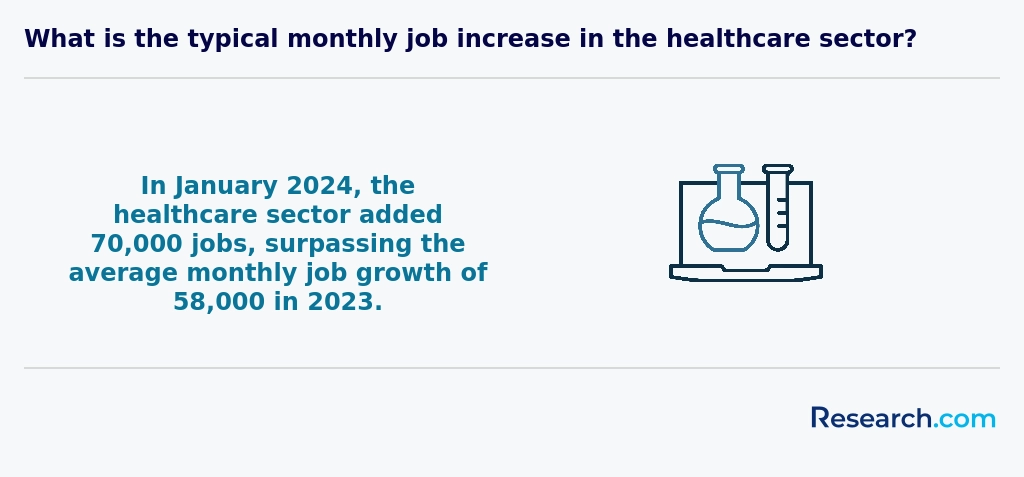
Graduates with an online healthcare degree in Indiana can pursue multiple career paths reflecting the state's expanding healthcare landscape. Many find rewarding roles as registered nurses, working in hospitals or outpatient centers. Indiana projects a 12% growth for RNs through 2030, making this a solid option for those looking for stability and meaningful patient interaction. Those studying at public institutions often share experiences of hands-on clinical simulations paired with online coursework, helping bridge theory and practice.
Beyond nursing, healthcare job opportunities Indiana graduates explore include healthcare administration, where managing hospital operations can offer dynamic challenges and leadership roles. Employment projections suggest 15% growth in medical and health services management. Graduates frequently note that familiarity with digital health records and organizational workflows gained in programs at well-known Indiana colleges prepares them well for these positions.
Health information technology is another emerging path, as hospitals increasingly digitize records to improve care. Graduates report that programs emphasize compliance and data security, making them confident entering this field. Others may become community health educators or clinical lab technicians. Many recall that cost considerations influenced their choice to attend more affordable Indiana schools, supporting accessible career preparation. For insights on nursing, some choose to explore nursing schools in Memphis as part of broader research into healthcare degree careers.

What is the job market for online healthcare degree in Indiana?
The online healthcare job outlook Indiana shows a promising increase in demand, especially for graduates of local programs at universities like Indiana University and Purdue University Global. Graduates often share positive experiences about the flexible study options and relevant curricula that prepare them for roles such as registered nurses, healthcare administrators, and health information technicians. These programs align well with Indiana's expanding healthcare industry, which benefits from a growing elderly population and advancements in health technology.
Employment opportunities reflect these trends, with many graduates finding positions in hospitals, outpatient clinics, and public health agencies. The Indiana Healthcare Workforce Committee highlights strong openings for healthcare managers and other specialized roles, often accompanied by competitive wages near the state median of about $62,000. Graduates appreciate that online degrees allow them to balance work and study, making career shifts or advancements more achievable.
Some students pursue additional certifications to enhance their prospects, illustrating how combining online education with practical skills boosts employability. For those considering broader mental health careers, resources like West Virginia mental health programs may offer valuable insights. Overall, Indiana stands out as a solid location for healthcare degree employment opportunities thanks to affordable tuition and a vibrant job market.
Frequently Asked Questions About healthcare
Online healthcare degree students in Indiana can enhance their learning by actively engaging with virtual resources and campus support services. Many Indiana institutions offer access to digital libraries, simulation software, and interactive modules tailored to healthcare education.
Staying connected with faculty through regular communication helps clarify difficult concepts and gain practical insights. Students should join online study groups or professional networks to build relationships, which can lead to clinical internship opportunities in Indiana's healthcare sector.
According to the Indiana Commission for Higher Education, students who utilize academic advising and career counseling improve their graduation rates and job placement.
Balancing study schedules and participating in local healthcare events can also deepen real-world understanding of Indiana's healthcare challenges.
The healthcare field is rapidly evolving, creating new niches especially for students pursuing online degrees in Indiana. One emerging area is telehealth, which saw a significant increase during the COVID-19 pandemic and continues to grow as remote patient care expands. Indiana experienced a 121% rise in telehealth claims from 2019 to 2021, according to the Indiana Family and Social Services Administration.
Another growing niche is health informatics, combining IT skills with healthcare knowledge to improve patient data management. The demand for specialists in this area in Indiana is expected to grow by 20% through 2030, per the Indiana Department of Workforce Development.
Additionally, healthcare management and population health are gaining attention due to the need for efficient healthcare delivery systems in Indiana's rural and urban communities.
After completing an online healthcare degree in Indiana, preparing for the job market involves several key steps. First, obtaining relevant certifications and licenses is essential, as many healthcare roles are regulated by the Indiana Professional Licensing Agency. For example, nurses must pass the NCLEX exam before practicing.
Networking is also important; joining Indiana-based healthcare associations like the Indiana State Nurses Association can open job opportunities. According to the Indiana Department of Workforce Development, healthcare employment in Indiana is projected to grow 10% by 2030, outpacing many other sectors.
Additionally, gaining experience through internships or volunteer work, even if performed remotely, improves employability.
Employers in Indiana's healthcare sector prioritize a mix of technical and interpersonal skills when hiring graduates with online healthcare degrees. Strong clinical knowledge and proficiency in electronic health records (EHR) systems are essential due to the increasing reliance on digital healthcare management. According to the Indiana Department of Workforce Development, demand for skills in patient care coordination and health informatics is growing rapidly.
Additionally, communication skills are highly valued. Healthcare professionals must effectively interact with patients, families, and interdisciplinary teams to ensure quality care. Critical thinking and problem-solving abilities are equally important as they help in adapting to fast-changing healthcare environments.
Indiana employers also look for graduates who demonstrate cultural competence and an understanding of local community health challenges. This is crucial given the state's diverse population and rural healthcare needs, highlighted in reports by the Indiana Minority Health Coalition.
Finding internships in Indiana relevant to a healthcare degree involves multiple strategic steps. Start by exploring partnerships between online programs and local healthcare facilities, such as hospitals or clinics. Indiana has over 80 hospitals statewide, many offering internships or externships for students.
Next, check resources like the Indiana State Department of Health or the Indiana University Health internships page for current opportunities. Networking through professional organizations, such as the Indiana Healthcare Association, can also connect students with local internships.
Additionally, career services at your online college often provide guidance or job boards specific to Indiana's healthcare sector, which employed more than 300,000 workers as of 2023 according to the U.S. Bureau of Labor Statistics.
Online healthcare degrees in Indiana significantly enhance career mobility by providing flexible learning options that fit diverse schedules. Many programs align with state licensure requirements, enabling graduates to pursue roles such as registered nurses, health administrators, or medical coders. Indiana's healthcare sector, projected to grow 12% from 2020 to 2030 according to the Indiana Department of Workforce Development, offers numerous advancement opportunities.
Employers increasingly recognize accredited online degrees, which can lead to promotions or higher-paying roles. Additionally, completing a degree online allows professionals to gain skills without interrupting their current jobs, supporting continuous career growth.
Moreover, Indiana's emphasis on healthcare innovation encourages graduates to pursue leadership or specialized positions.
Studying for a healthcare degree in Indiana offers targeted preparation for interdisciplinary roles by emphasizing collaboration across multiple healthcare fields. Indiana institutions structure their online programs to include courses in healthcare policy, ethics, informatics, and management, which are critical for integrated team environments. According to the Indiana Commission for Higher Education, many programs also incorporate experiential learning opportunities with local health systems, fostering real-world teamwork skills.
Indiana's growing healthcare industry, employing over 250,000 professionals statewide as reported by the Indiana Hospital Association, demands graduates capable of working across specialties. Online degrees often focus on communication and leadership training, essential for coordinating care among providers. This approach equips students with the knowledge needed to navigate complex healthcare systems effectively.
Choosing between a thesis and a non-thesis online healthcare degree program in Indiana depends on your career goals and learning preferences. A thesis program involves conducting original research and writing a detailed paper, which suits students aiming for advanced practice roles or further graduate study.
Non-thesis programs focus more on practical skills and coursework, ideal for those seeking immediate employment in Indiana's healthcare sector. According to the Indiana Commission for Higher Education, many healthcare employers value hands-on expertise alongside academic credentials.
Consider the time commitment as thesis programs often take longer to complete. Assess your interest in research and long-term educational plans before deciding.
Students based in Indiana seeking to study healthcare abroad have several options through partnerships between Indiana institutions and foreign universities. While fully online healthcare degrees are common, studying abroad usually involves combined programs incorporating international clinical experiences.
Many Indiana schools maintain exchange agreements with schools in Canada, the United Kingdom, and Australia, allowing students to complete part of their training overseas. According to the Indiana Commission for Higher Education, approximately 4% of healthcare students participate in study abroad programs annually.
The value of such programs lies in exposure to diverse healthcare systems, which can enhance clinical skills and cultural competence-key elements for careers in today's global health environment. However, students should verify that credits earned abroad align with Indiana's licensing requirements.
Academic advisors typically guide students on available partnerships and accreditation implications to ensure seamless progress in their degrees.
In Indiana, part-time job opportunities that complement healthcare degree education are diverse and practical. Many students find roles as medical assistants or patient care technicians, gaining hands-on experience in clinical environments while studying. According to the Indiana Department of Workforce Development, these positions frequently offer flexible hours, accommodating online class schedules.
Pharmacies and outpatient clinics also provide opportunities for part-time pharmacy technicians or administrative support, allowing students to develop relevant skills. Additionally, roles in public health programs or nonprofit organizations offer experience in healthcare outreach and education.
Working in these roles helps students build professional networks and improve employment prospects upon graduation.
Online healthcare students in Indiana benefit from multiple networking opportunities tailored to their field. Many universities offer virtual events, such as webinars and guest lectures, connecting students with healthcare professionals and alumni statewide. The Indiana Health Information Exchange and the Indiana Public Health Association provide platforms for students to engage with local healthcare communities.
Healthcare is a major employment sector in Indiana, with over 330,000 people employed in health services as of 2023, according to the Indiana Department of Workforce Development. This growth encourages networking through internships and virtual career fairs.
Additionally, regional chapters of national organizations, like the American Public Health Association, offer membership discounts or student memberships that promote professional connections and mentoring opportunities.
Alumni networks offer significant advantages to online healthcare degree students in Indiana. These networks create opportunities for mentorship, career advice, and job referrals, which are invaluable in Indiana's growing healthcare sector. According to the Indiana Department of Workforce Development, healthcare occupations are among the top growth areas, enhancing the value of strong professional connections.
Students tapping into alumni connections gain insight into local healthcare facilities and emerging trends. Additionally, alumni often organize networking events and virtual meetups, making it easier for remote students to build relationships. This ongoing support can lead to internships and job placements within Indiana's robust healthcare community.
Customizing an online healthcare degree program in Indiana allows students to align their education with specific career goals. Many Indiana institutions offer elective courses or concentrations in areas such as health informatics, public health, or healthcare administration. This flexibility helps students gain specialized skills relevant to growing fields within the state's healthcare sector.
Indiana's healthcare industry is expanding, with a projected job growth of 15% for healthcare occupations through 2030, according to the Indiana Department of Workforce Development. Choosing programs that integrate practical experience or internships can enhance career readiness. Students should also consider accredited programs recognized by the Commission on Accreditation of Allied Health Education Programs (CAAHEP) or the Council on Education for Public Health (CEPH) to ensure quality education tailored to workforce demands.
Online healthcare students in Indiana often face challenges related to clinical placement availability. Many programs require in-person practicum hours, and local healthcare facilities can be limited, especially in rural areas. This restriction may delay graduation timelines or require additional travel. According to the Indiana State Department of Health, rural hospitals face staffing shortages, which can affect student internships.
Another common issue is balancing coursework with work and family responsibilities. Online students frequently juggle jobs and caregiving duties, making time management critical for success. Additionally, students sometimes report difficulties accessing reliable internet in certain parts of Indiana, impacting their ability to participate fully in online classes.
Technical support and familiarity with digital platforms can also be a barrier. Some students need extra training to use virtual simulation tools and learning management systems required by healthcare programs. Understanding these challenges helps prospective students prepare adequately for their online healthcare education journey.
With an online healthcare degree from Indiana, students can pursue several professional certifications that boost career prospects. Popular options include Certified Medical Assistant (CMA), Registered Health Information Technician (RHIT), and Certified Professional in Healthcare Quality (CPHQ). These certifications help demonstrate expertise in clinical support, health information management, and quality assurance.
Indiana's healthcare sector employs over 300,000 workers, many requiring such credentials for advancement (Indiana Department of Workforce Development, 2023). Additionally, certifications like Licensed Practical Nurse (LPN) or Registered Nurse (RN) are accessible via bridging programs after earning a healthcare bachelor's degree.
Certifications typically require passing exams and meeting clinical experience standards, reflecting standardized national requirements. Earning these credentials can lead to higher salaries and job stability in Indiana's growing healthcare market.
To write a winning application for an online healthcare program in Indiana, start by thoroughly researching the schools and programs that best fit your career goals. Indiana has over 15 accredited institutions offering healthcare degrees online, such as Indiana University and Purdue University Global.
Highlight relevant healthcare experience, whether clinical or administrative, showing your familiarity with the field. According to the Indiana Department of Workforce Development, healthcare jobs are projected to grow 14% through 2030, so express your understanding of industry demands.
Craft a clear personal statement demonstrating your motivation, related skills, and how the program will benefit your career. Make sure to submit all required documents on time, like transcripts and letters of recommendation, to strengthen your application.
Globally, healthcare careers are viewed as essential and rapidly growing fields offering diverse opportunities. In the US, and specifically Indiana, there is increasing demand for healthcare professionals due to an aging population and expanding healthcare services. According to the Indiana Department of Workforce Development, healthcare occupations are projected to grow 19% from 2020 to 2030, higher than the average for all occupations.
Internationally, healthcare roles emphasize adaptability to various health systems and cultural sensitivity. Online healthcare degrees in Indiana prepare students with knowledge that aligns with global standards, ensuring competitiveness in a connected world.
Students gain skills applicable in many settings, supporting both local communities and global health efforts.
Students pursuing an online healthcare degree in Indiana can gain practical experience through clinical placements, internships, and partnerships with local healthcare providers. Many accredited programs require hands-on clinical hours, which can often be completed at hospitals, clinics, or long-term care facilities near the student's location.
The Indiana State Department of Health supports collaborations between educational institutions and healthcare facilities to ensure students meet state licensure and certification requirements. According to the Indiana Commission for Higher Education, nearly 90% of healthcare programs in the state include practical training components.
Additionally, some online programs offer simulation labs and virtual practicums designed to develop real-world skills in a controlled environment, supplementing in-person experience.
Choosing the right concentration within an online healthcare degree program in Indiana requires careful consideration of your career goals and the state's healthcare needs. Indiana's healthcare employment is projected to grow by 12% over the next decade, particularly in nursing, health information technology, and public health sectors, according to the Indiana Department of Workforce Development.
Research concentrations related to high-demand fields like nursing administration, healthcare management, or medical coding. Also, assess program accreditation and how it aligns with Indiana's licensing requirements. Consider your interests and whether you prefer clinical, administrative, or technological roles.
Review curriculum details and available practicum or internship options, as practical experience is vital for job readiness.
Related Healthcare Rankings for Nearby States
- 2027 Most Affordable Online Bachelor's in Healthcare Degree Programs Ranking in Ohio
- 2027 Most Affordable Online Bachelor's in Healthcare Degree Programs Ranking in Illinois
- 2027 Most Affordable Online Bachelor's in Healthcare Degree Programs Ranking in Kentucky
- 2027 Most Affordable Online Bachelor's in Healthcare Degree Programs Ranking in Michigan
- 2027 Most Affordable Online Bachelor's in Healthcare Degree Programs Ranking in Wisconsin
- 2027 Most Affordable Online Bachelor's in Healthcare Degree Programs Ranking in Missouri
- 2027 Most Affordable Online Bachelor's in Healthcare Degree Programs Ranking in Tennessee
- 2027 Most Affordable Online Bachelor's in Healthcare Degree Programs Ranking in Iowa
- 2027 Most Affordable Online Bachelor's in Healthcare Degree Programs Ranking in Pennsylvania
- 2027 Most Affordable Online Bachelor's in Healthcare Degree Programs Ranking in Arkansas
Top Trending Healthcare Rankings
See What Experts Have To Say About Studying Healthcare
Read our interview with Healthcare experts

References
- The Value of Healthcare Organization Alumni Associations https://consultqd.clevelandclinic.org/the-value-of-healthcare-organization-alumni-associations
- Online Healthcare Degree Programs1 https://www.ultimatemedical.edu/campuses/online/
- Networking and Mentorship During Clinical Rotations https://rotatingroom.com/blog/medical-students-the-importance-of-networking-mentorship-during-your-clinical-rotations
- How Long Is Medical Assistant Training in Indianapolis? Timeline, Steps, and What to Expect https://indianapolismedicalassistantschool.com/blog/medical-assisting/how-long-is-medical-assistant-training/
- 6 Tips On Networking For Medical Professionals https://aaams.net/blog/how-to-network-in-the-medical-field-nurses/
- How to choose a bachelor's in healthcare administration | edX https://www.edx.org/resources/how-to-choose-a-bachelors-in-healthcare-administration
- How to Set and Achieve Career Goals in Health and Social Care | Royal Open College https://royalopencollege.org/blog/health-and-social-care/how-to-set-and-achieve-career-goals/
- Health Care Schools in Indiana https://www.healthcarepathway.com/states/indiana-health-care/
- How to Succeed in a Difficult Job Market After Graduation https://www.hospitalrecruiting.com/blog/6542/how-to-succeed-in-a-difficult-job-market-after-graduation/
- Top 3 Reasons to Consider a Career in Healthcare - Roseman University https://www.roseman.edu/student-experience/news/top-3-reasons-to-consider-a-career-in-healthcare/


