
2027 Most Affordable Online Bachelor's in Healthcare Degree Programs Ranking in New York

Co-Founder and Chief Data Scientist
Are you considering a healthcare degree but worried about costs? This article introduces the 2027 Most Affordable Online Bachelor's in Healthcare Degree Programs Ranking in New York, developed by the Research.com team of data scientists.
Designed specifically for students in New York, this ranking helps you identify quality programs that fit your budget. Pursuing a healthcare degree opens doors to rewarding careers that make a real difference.
Explore affordable options with confidence and take the next step toward a fulfilling future in healthcare.
Key benefits of getting online healthcare degree in New York
- Salary for healthcare degree graduates: Graduates can expect competitive salaries, such as Medical Assistants earning around $43,350 annually and Quality Improvement Coordinators making up to $103,150 per year, offering strong financial motivation.
- Potential career paths: A healthcare graduate from a well-known New York college might pursue roles like Patient Care Technician or Health Information Technician, enjoying diverse job opportunities in settings from hospitals to clinics.
- Benefits of online healthcare degrees: Completing a healthcare degree online from a reputable New York university allows for flexible study schedules and quicker entry into the workforce, making education accessible without sacrificing quality.
- Key benefits of getting online healthcare degree in New York
- What can I expect from online healthcare degree in New York?
- Where can I work with online healthcare degree in New York?
- How much can I make with online healthcare degree in New York?
- 2027 Most Affordable Online Bachelor's in Healthcare Degree Programs Ranking in New York
- Key Findings
- How long does it take to complete online healthcare degree in New York?
- Navigating Licensure and Certification in New York
- What's the difference between online and on-campus healthcare degree?
- Online Learning Experience and Student Support
- What is the average cost of online healthcare degree in New York?
- Tips for Success in Your Online Healthcare Program
- What financial aid is available to online healthcare degree students in New York?
- Student Support and Resources
- What are the prerequisites for enrolling in online healthcare degree program in New York?
- Return on Investment and Long-Term Career Impact
- What courses are typically in online healthcare degree programs in New York?
- What types of specializations are available in online healthcare degree programs in New York?
- How do you choose the best online healthcare degree in New York?
- What career paths are available for online healthcare degree students in New York?
- What is the job market for online healthcare degree in New York?
- Related Healthcare Rankings for Nearby States
- Top Trending Healthcare Rankings
- See What Experts Have To Say About Studying Healthcare
What can I expect from online healthcare degree in New York?
The average cost of an online healthcare degree in New York can vary, but many students find that tuition ranges between $10,000 and $20,000 per year, depending on the institution and program length. For example, graduates from well-known schools like SUNY's online healthcare programs often share how affordable tuition combined with financial aid made it possible for them to pursue degrees without overwhelming debt.
Many online students appreciate that New York-based programs offer competitive tuition rates compared to on-campus options. Plus, scholarships and state-specific financial aid can significantly reduce expenses, making education accessible even for those balancing jobs or families. One graduate recalled how accessing local scholarships designed for New York residents lightened their financial load, allowing them to focus on learning rather than stressing about bills.
Since online healthcare degrees in New York usually blend flexible coursework with practical experience, you'll often pay a reasonable price for a program that truly prepares you for meaningful roles in hospitals, clinics, or public health organizations across the state.
Where can I work with online healthcare degree in New York?
Graduates holding an online healthcare degree from well-known New York institutions often find themselves stepping confidently into roles across hospitals in bustling cities like New York City, Buffalo, and Rochester. These metropolitan hubs are rich with opportunities-whether managing health services, analyzing clinical data, or supporting patient care teams. For example, graduates from colleges renowned for their healthcare programs frequently secure positions as health services managers or clinical analysts, roles that blend leadership and hands-on impact.
Many alumni also thrive in outpatient care centers and busy physician offices, where their skills in health information management and patient coordination shine daily. Imagine working behind the scenes, ensuring that billing is accurate and patient records are up to date-tasks essential to smooth healthcare delivery.
Public health departments and community organizations welcome graduates passionate about shaping health policies or educating communities, especially following the increased demand post-pandemic. Online students gain flexibility that allows them to balance study with real-world practice, making them highly adaptable hires in these settings.
Plus, New York's growing focus on telehealth and digital records means careers in healthcare informatics and data analysis are expanding fast. Knowing this helps you tailor your studies and certifications, so you're prepared to meet these evolving needs and feel confident about your future.
How much can I make with online healthcare degree in New York?
Graduates from online healthcare programs in New York often discover rewarding salary outcomes that reflect the state's vibrant healthcare sector. For example, a graduate starting as a Medical Assistant can anticipate a mean annual wage around $43,350, stepping confidently into roles that build crucial experience.
Many who advance to positions like Patient Care Technicians enjoy higher earnings, with mean wages near $60,790, demonstrating how hands-on skills acquired through New York's top programs, such as those at Hunter College or SUNY Downstate, pay off.
Health Information Technicians, crucial for managing electronic health records, also see starting salaries around $43,380. Graduates stepping into Clinical Research Coordinator roles can expect similar initial wages, often finding opportunities within New York's thriving medical research hubs.
For those aiming higher, roles like Quality Improvement Coordinators offer exceptional compensation-averaging $103,150 annually-rewarding advanced skills and certifications earned through dedicated study.
By choosing an online degree in New York, graduates harness flexible learning while positioning themselves to compete for these well-paying roles, inspired by many peers who successfully navigated programs at institutions like Pace University or Columbia University's online offerings.
2027 Most Affordable Online Bachelor's in Healthcare Degree Programs Ranking in New York
How do we rank schools?
Investing in your education is a significant decision that can shape your future, and the Research.com team understands the importance of making informed choices. To assist prospective students in New York, we have meticulously crafted the "2027 Most Affordable Online Bachelor's in Healthcare Degree Programs Ranking in New York." Our commitment to quality, credibility, and accuracy is reflected in the extensive research and analysis conducted to compile this ranking.
We utilized the following reputable data sources to ensure a comprehensive evaluation of healthcare programs:
By exploring this ranking, readers will gain valuable insights into affordable and high-quality online healthcare degree options in New York, empowering them to make well-informed decisions about their educational journey. For more details on our methodology, please visit our Research.com methodology page.


# 5 position
State University of New York Polytechnic Institute
Bachelor of Health Information Management



# 9 position
SUNY Empire State College
RN to Bachelor of Science in Nursing

Key Findings
- New York offers many accredited online healthcare degree programs, including nursing, health administration, and public health.
- Tuition for online healthcare bachelor's degrees in New York ranges from $10,000 to $30,000 per year, with public programs averaging around $15,000 annually for in-state residents.
- Healthcare jobs in New York are expected to grow by about 14% through 2028, which is faster than the average for all industries.
- Starting salaries for healthcare graduates with a bachelor's degree typically range from $55,000 to $65,000 annually.
- Experienced healthcare professionals in New York can earn median salaries between $80,000 and over $100,000, depending on their specialization and region.
- Many online programs require in-person clinical placements or internships for hands-on experience necessary for licensure and employment.
How long does it take to complete online healthcare degree in New York?
Completing an online healthcare degree in New York typically takes about four years if you study full-time, much like the traditional path at institutions such as SUNY Downstate or Columbia University's online programs. Graduates often share how balancing coursework with life felt manageable thanks to flexible scheduling options these schools provide.
For those juggling jobs or family responsibilities, part-time study can extend completion to six years or more, a reality many working professionals embrace with pride. These students appreciate how the programs accommodate their busy lives while steadily advancing their careers.
Some graduates sped up their journey by enrolling in accelerated tracks offered by universities like Pace or Adelphi, completing their degrees in two to three years. These intense paths demand commitment-taking summer courses or leveraging prior college credits-but the reward is entering the healthcare workforce faster to make an immediate impact.
Understanding your pace and options is key. Imagine choosing your credit load each semester wisely, balancing ambition with well-being, so you stay on track in New York's evolving healthcare landscape.
Navigating Licensure and Certification in New York
Securing the right licensure and certifications is a pivotal step after earning an online healthcare degree in New York. Each role-whether as a registered nurse, health information technician, or patient care technician-requires specific credentials to practice legally and advance professionally. 1. Registered Nursing (RN) Licensure - Complete an accredited BSN or ADN program approved by the New York State Board of Nursing. - Apply for and pass the NCLEX-RN exam through the National Council of State Boards of Nursing (NCSBN). - Submit fingerprints and a background check via the New York State Education Department (NYSED). - Maintain licensure with 30 contact hours of continuing education every three years. 2. Health Information Technician Certification - Graduate from a CAHIIM-accredited program. - Sit for the Registered Health Information Technician (RHIT) exam administered by AHIMA. - Pursue advanced credentials like the Registered Health Information Administrator (RHIA) for leadership roles. 3. Patient Care Technician Training - Complete a CUNY or SUNY-approved training program. - Obtain certification through the National Healthcareer Association (NHA) or a similar credentialing body. - Fulfill any clinical hour requirements and pass the Patient Care Technician/Assistant (PCT/A) exam. 4. Diagnostic Medical Sonography Pathway - Enroll in programs recognized by the Commission on Accreditation of Allied Health Education Programs (CAAHEP). - For specialized roles, explore accredited colleges with diagnostic medical sonography majors to ensure eligibility for the ARDMS certification exam. - Complete required clinical rotations and submit documentation to ARDMS for registry. Understanding these steps early can streamline your transition from student to certified professional, ensuring compliance with New York’s regulatory standards and bolstering your employability across diverse healthcare settings.
What's the difference between online and on-campus healthcare degree?
Choosing between online and on-campus healthcare degrees in New York shapes your learning journey in unique ways. Graduates from CUNY's online programs often praise the freedom to balance work, family, and study without the daily commute. They appreciate accessing lectures anytime through platforms like Blackboard, fitting studying around their busy lives. However, many recall the vital in-person clinical hours required for hands-on skills, often arranged at nearby hospitals or clinics to meet New York State's licensing standards.
On the other hand, graduates from traditional programs at Columbia University celebrate the energy of campus life - the immediate access to faculty guidance, vibrant lab sessions, and invaluable peer support. This face-to-face environment often enhances networking, which can open doors to internships and jobs within New York's healthcare community. They find the access to campus resources like libraries and tutoring centers boosts their confidence and academic success.
Both paths demand dedication, but your choice hinges on how you want to blend flexibility with full campus engagement in a city as dynamic as New York.
Online Learning Experience and Student Support
Choosing the right online program goes beyond affordability and curriculum-it’s also about the quality of the virtual learning experience and the support available throughout your educational journey. Many top online healthcare programs are designed with state-of-the-art learning management systems that allow for interactive lectures, real-time discussions, virtual labs, and personalized tutoring. These platforms enable students to engage deeply with course materials while ensuring that technical support is just a click away, which is crucial for those juggling personal, work, or family commitments. A robust support network includes academic advisors who guide students through course selections and career planning, as well as dedicated help centers for resolving any technical issues quickly. For example, institutions recognized as a affordable healthcare school in new york often highlight their commitment to creating an inclusive, interactive online environment that fosters collaboration among peers and mentors alike. Additionally, virtual career services play a significant role by offering resume workshops, interview preparation sessions, and networking opportunities tailored to the dynamic healthcare industry. By providing comprehensive support both academically and professionally, these online programs ensure that students not only earn a degree but also develop the skills and confidence needed to excel in today’s competitive job market.
What is the average cost of online healthcare degree in New York?
When exploring the average cost of online healthcare degrees in New York, many students find that tuition averages around $35,990 for in-state residents, while out-of-state learners may see costs closer to $43,772. These figures reflect a balance between quality education and investment, especially at popular schools like those within the State University of New York system and private institutions that provide specialized healthcare programs. Graduates often recall the rewarding challenge of managing these expenses while benefiting from the flexibility of online study, which allows them to continue working or caring for family without sacrificing their goals.
Understanding these costs is crucial, but so is discovering opportunities to make your education affordable. Many find that the difference between public and private tuition mirrors the range of services and resources available, but help is often accessible through scholarships and aid. The journey through affordable healthcare degree programs New York online can be inspiring, especially when you realize the long-term value these credentials offer in a growing job market.
Additional fees for textbooks and technology equipment should also be factored into your budget, though these expenses are typically manageable compared to housing or commuting costs avoided by online study. For a more detailed breakdown and options, consider exploring the affordable healthcare school in new york to find programs that fit both your career dreams and financial plans.

Tips for Success in Your Online Healthcare Program
Navigating an online healthcare degree can be both rewarding and challenging. To make the most of your educational journey, consider these actionable strategies that are essential for academic success and career advancement: • Develop a structured study schedule that accommodates your personal and professional responsibilities. Effective time management ensures steady progress and minimizes burnout. • Engage actively with virtual learning tools and online discussion forums. Participating in these interactive platforms not only deepens your understanding of complex healthcare topics but also helps build a supportive network with fellow students and instructors. • Seek out supplementary resources such as webinars, e-books, and virtual career fairs. These resources can offer practical insights into industry trends and provide real-life examples of successful healthcare professionals. • Leverage career services and mentorship opportunities provided by your program. Many institutions offer strong alumni networks that can guide you toward relevant internships and job placements. For instance, exploring options at an affordable healthcare school in new york may open up additional support channels and financial benefits. • Adopt a proactive approach to utilizing academic counseling and technical support. Regular check-ins with academic advisors and IT support teams can help address any challenges you might face in adapting to the online format. By implementing these tips, you can enhance your learning experience, optimize your performance, and confidently prepare for a successful career in the evolving field of healthcare.
What financial aid is available to online healthcare degree students in New York?
If you're pursuing an online healthcare degree in New York, tapping into financial aid can turn challenges into opportunities. Many graduates from institutions like SUNY Downstate or Wagner College recall how Pell Grants, providing up to $7,395, truly eased their burden without adding debt. These grants are a lifeline for students balancing family and work while studying.
The New York State Tuition Assistance Program (TAP) is another vital resource, awarding up to $5,665 annually for residents attending approved colleges. Imagine a public health student at CUNY Hunter leveraging TAP to significantly cut costs while focusing on classes and clinical practice instead of financial stress.
Families earning $125,000 or less can benefit immensely from the Excelsior Scholarship, which covers tuition at public colleges. Graduates often share how this program made attending schools like SUNY Albany possible, encouraging them to pursue their passion in healthcare without hesitation.
Don't overlook scholarships offered by healthcare associations or flexible payment plans from your college's financial office. These options have empowered many online learners in New York, turning financial uncertainty into confidence and success.
Student Support and Resources
Online healthcare degree programs in New York stand out not only for affordability and academic rigor but also for comprehensive student support services designed to enhance learning outcomes. From the moment you enroll, dedicated academic advisors guide you through course selection, transfer credits, and graduation planning, ensuring that each student’s path aligns with both personal goals and industry standards. Robust virtual library systems grant 24/7 access to peer-reviewed journals, e-books, and medical databases, empowering students to conduct research and stay current with healthcare innovations. Technical support is another cornerstone of a successful online experience. Most institutions offer live chat help desks, video tutorials, and virtual simulation labs that mirror clinical environments, allowing students to hone practical skills in a risk-free setting. Additionally, online discussion forums and study groups foster peer collaboration, providing a sense of community and facilitating knowledge sharing across diverse cohorts. Career services play a pivotal role in transitioning graduates into the workforce. Resume workshops, mock interviews, and industry webinars connect students with prospective employers and alumni mentors. Internship coordinators work closely with local hospitals and healthcare agencies to secure hands-on placements, giving students a competitive edge upon graduation. For those looking to further their education, our Affordable Online Master's in Healthcare Degree Programs Ranking in Missouri offers a roadmap to high-value graduate options that build on the foundational skills acquired in your bachelor’s program. Together, these support structures not only alleviate common online learning challenges-such as isolation and technical hurdles-but also reinforce your expertise and confidence, positioning you for success in New York’s dynamic healthcare landscape.
What are the prerequisites for enrolling in online healthcare degree program in New York?
To enroll in an online healthcare degree program in New York, you'll need to meet clear prerequisites that set the stage for your success. For undergraduate programs like those offered by SUNY or Pace University, you'll generally need a high school diploma or GED and a GPA around 2.5 to 3.0. Many students find that meeting this baseline opens the door to exciting opportunities in nursing or healthcare administration.
Some graduates recall having to submit SAT or ACT scores, although many schools are now test-optional, making access easier. If your program includes clinical practice, expect background checks and health clearances-these safeguards protect patients and reflect New York's high standards.
If you're aiming for advanced degrees such as RN-to-BSN or master's programs, holding an active nursing license or relevant associate degree is essential. Previous clinical experience often strengthens your application, which graduates emphasize helps build confidence and readiness for real-world healthcare roles.
Additional requirements like letters of recommendation or personal statements might come up, especially at competitive schools. Remember, verifying prerequisites like biology or chemistry coursework early on streamlines your path and boosts your confidence as you take this important step.

Return on Investment and Long-Term Career Impact
When choosing an online healthcare degree program, evaluating its long-term value is crucial, not only in terms of immediate job placement but also regarding alumni success, career advancement opportunities, and overall return on investment (ROI). Prospective students should consider how well their degree translates into meaningful career growth and financial stability over time. Research has shown that graduates from top-ranked programs not only secure competitive salaries but also experience significant career progression, often moving into management or specialized clinical roles within a few years post-graduation. Moreover, many institutions now offer dedicated career services and networking events that can further enhance your professional trajectory. An additional pathway worth exploring is the integration of complementary certifications-for instance, enrolling in online classes for medical billing and coding with free laptop-which can diversify your skill set and boost your credentials in the competitive healthcare market. By closely examining graduation rates, alumni salary data, and service-specific career support programs, students can make more informed decisions that not only align with their educational goals but also offer solid long-term career impact and financial security.
What courses are typically in online healthcare degree programs in New York?
Online healthcare degree programs in New York often include courses that build a strong foundation in anatomy and physiology, helping you understand the human body's complexities-a vital skill for anyone entering healthcare. Graduates from well-known institutions like Hunter College often recall how these courses made clinical concepts click during their internships.
Healthcare ethics and law are key components, guiding students through the tough decisions and regulations they'll face in New York's strict medical environment. These classes prepare you to handle real-world challenges with confidence and compassion, just as many alumni from Pace University have experienced in their early careers.
Courses in management and administration sharpen leadership skills needed to run busy hospitals and clinics. For example, students at Excelsior College have shared how learning budgeting and resource allocation helped them contribute effectively to health systems in New York's dense urban settings.
Finally, tech-focused classes on electronic health records and healthcare informatics reflect the city's surge toward telemedicine, making graduates ready to innovate in a fast-evolving industry.
What types of specializations are available in online healthcare degree programs in New York?
When exploring online healthcare degree specializations New York offers, you'll find programs designed to align with the state's diverse healthcare needs. Graduates from schools like Hunter College and SUNY have praised concentrations such as Healthcare Administration, which empowers students to lead hospitals and clinics with confidence. Others have found Nursing (RN to BSN) invaluable, advancing their clinical skills in high-need areas across New York's bustling urban and rural clinics.
Students embracing healthcare programs concentrations New York online often highlight Health Informatics as a game-changer, combining technology with patient care to enhance medical records management and overall efficiency. Public Health specializations stand out, too, as they prepare learners to tackle challenges faced by dense populations in cities like New York. Healthcare Quality and Safety is another vital track, focusing on maintaining regulatory standards that keep patients safe statewide.
For those interested in flexible learning pathways, some graduates supplement their healthcare degree with online classes for medical billing and coding with free laptop, gaining practical skills that increase employability in New York's competitive healthcare market.
How do you choose the best online healthcare degree in New York?
When choosing the best online healthcare degree in New York, accreditation should be your first checkpoint. Graduates from State University of New York campuses often share how accreditation by national bodies reassured them that their education met rigorous standards, opening doors to licensure and career growth. Cost also matters-public institutions like SUNY offer competitive tuition that fits many budgets, which is a huge relief for students balancing work and study. For those seeking affordable online healthcare degrees New York offers flexible programs that combine asynchronous courses with live interactive sessions, enabling working professionals to learn without sacrificing their careers.
Think about your career goals in healthcare. Graduates from colleges with diagnostic medical sonography majors in New York frequently praise their programs' strong advisory support and job placement, helping them confidently enter the workforce. With healthcare jobs growing in the state, picking a program with a curriculum aligned to New York's licensing requirements ensures you're prepared for the roles you desire. Harness these insights as you select a degree that fuels both your passion and professional future.
What career paths are available for online healthcare degree students in New York?
Graduates of online healthcare degree programs in New York discover diverse career paths that match their unique skills and passions. Many find fulfilling roles in administration and management, overseeing healthcare operations in bustling hospital systems or community clinics. These positions involve guiding teams, managing budgets, and ensuring compliance-skills honed by graduates from well-known institutions such as Hunter College and Pace University. Others lean into clinical support careers, like medical coding or health information technology, which are crucial as New York's healthcare facilities adopt advanced electronic records systems. The demand for these roles continues to rise, making it an exciting opportunity.
For those drawn to direct patient care, becoming a registered nurse or health educator opens pathways at renowned programs within CUNY or Stony Brook University. Graduates often speak of the joy in patient interaction, nurturing health in their neighborhoods. Public health careers in epidemiology or community outreach also thrive in New York's complex urban environment, with salaries reflecting the vital impact of this work. Navigating costs is easier by exploring options like the Affordable Online Master's in Healthcare Degree Programs Ranking in Missouri, providing inspiration to balance investment with opportunity in healthcare career opportunities in New York.
What is the job market for online healthcare degree in New York?
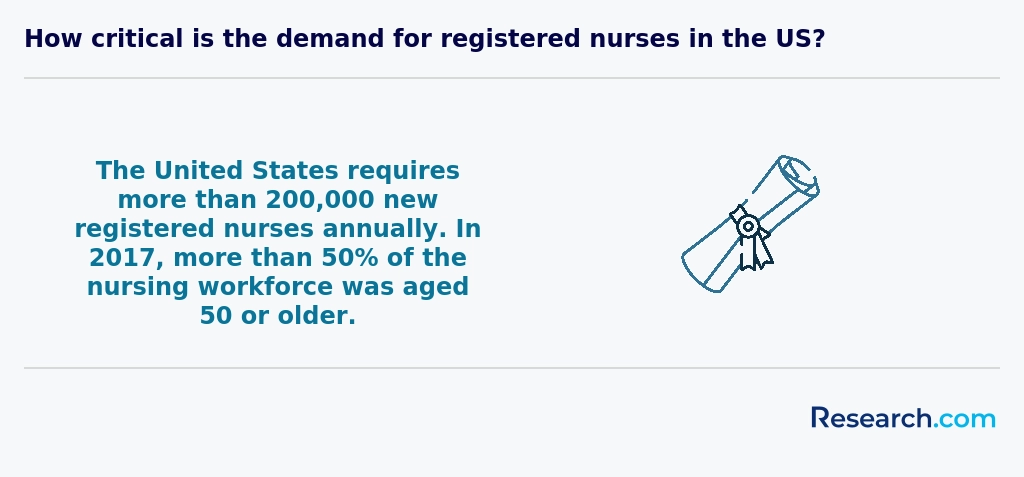
The job market for those pursuing online healthcare jobs in New York is remarkably strong and rewarding. Graduates from well-known institutions like Hunter College or the CUNY School of Professional Studies often land roles quickly, thanks to the state's growing demand for skilled healthcare professionals. Many find themselves transitioning smoothly into positions such as registered nurses, healthcare administrators, or health information technicians, thanks to programs tailored to New York's licensing requirements.
Living and working in New York means access to competitive salaries-for example, registered nurses earn a mean annual wage around $87,000, well above national averages. Graduates often share how their online education gave them flexibility while balancing work or family commitments, yet still prepared them effectively for the real challenges in New York's healthcare system.
For those concerned about costs, many programs offer financial aid, and exploring high paying certification programs can increase both job prospects and earning potential. This outlook makes pursuing a New York healthcare degree employment outlook inspiring and accessible for many.
Frequently Asked Questions About healthcare
Online healthcare degree students in New York can maximize their learning by actively engaging with digital resources and participating in virtual discussions. Research shows that students who regularly communicate with instructors and peers perform better in remote settings.
Utilizing local healthcare data-such as statistics from the New York State Department of Health-can help connect theoretical knowledge with real-world applications. For example, understanding that New York has one of the highest numbers of healthcare jobs nationally emphasizes the importance of staying updated on regional health trends.
Scheduling consistent study times and seeking online internships or clinical experiences within New York's healthcare system also enhance practical skills. Leveraging state-specific licensure requirements ensures readiness for professional certification after graduation.
The healthcare field in New York is rapidly evolving, with several emerging niches gaining attention. One key area is telehealth, which has seen a 40% increase in utilization statewide since 2020, driven by advances in technology and patient access demands (New York State Department of Health, 2023). Another promising niche is healthcare informatics, focusing on managing and analyzing healthcare data to improve patient outcomes.
Additionally, population health management is expanding as New York invests in community-based care to address chronic illnesses and social determinants of health. Behavioral health professions are also growing, reflecting increased awareness of mental health needs. These areas offer new opportunities for online healthcare degree students aiming to meet current market demands.
After completing an online healthcare degree in New York, preparing for the job market involves several important steps. First, obtaining relevant certifications and licenses is crucial, as New York requires many healthcare professionals to be licensed. For example, medical assistants and health information technicians must meet state-specific requirements.
Networking through professional associations such as the New York State Nurse Practitioner Association can provide valuable connections. Internship or practicum experiences, often included in online programs, enhance practical skills and employability.
According to the New York State Department of Labor, healthcare occupations in the state are projected to grow 15% from 2020 to 2030, creating abundant job opportunities. Staying updated on industry trends and utilizing career services offered by online programs also improve job prospects.
Employers in New York prioritize a combination of clinical knowledge and soft skills in healthcare degree graduates. According to the New York State Department of Labor, critical skills include patient communication, critical thinking, and familiarity with electronic health records (EHR) systems. Graduates must demonstrate cultural competence to serve New York's diverse population effectively.
Additionally, 75% of healthcare employers in the state value adaptability and teamwork, essential for fast-paced medical environments. Data literacy is increasingly important, especially with the growth of telehealth services. Strong ethical standards and compliance knowledge complete the skill set sought by hospitals and clinics across New York.
Finding internships in New York relevant to a healthcare degree requires a strategic approach. Start by exploring partnerships between your online program and local healthcare providers. Many colleges have established internship networks with hospitals like NewYork-Presbyterian and Mount Sinai Health System, both of which are among the largest employers in the state.
You can also use state resources such as the New York State Department of Labor's website, which lists healthcare internship opportunities. Additionally, professional organizations like the New York State Nurses Association and the Healthcare Association of New York State often post internships and job openings.
Networking is crucial; attend virtual career fairs and join LinkedIn groups focused on New York healthcare. According to the Bureau of Labor Statistics, healthcare occupations in New York are projected to grow by 13% through 2030, increasing internship availability. Early application is recommended as competitive placements are common.
Obtaining an online healthcare degree in New York significantly enhances career mobility by providing flexible access to education without geographic constraints. The New York State Department of Labor projects a 15% growth in healthcare occupations by 2030, indicating robust demand for qualified professionals. With an accredited online degree, graduates can enter diverse roles such as healthcare administration, nursing, or health informatics, expanding their job market options statewide.
Online programs also facilitate career advancement by offering updated knowledge and specialized skills crucial for leadership positions. According to the Bureau of Labor Statistics, healthcare managers in New York earn a median annual wage exceeding $120,000, highlighting the financial incentive to pursue higher education.
Furthermore, many employers in New York recognize online healthcare degrees from regionally accredited institutions, enabling smoother transitions into advanced roles or certifications. This acceptance fosters professional growth and adaptability in a fast-changing healthcare system.
Studying for a healthcare degree online in New York offers strong preparation for interdisciplinary roles by emphasizing collaboration among various healthcare fields. Programs often include coursework in communication, ethics, and healthcare policy, which are essential for working across professions like nursing, public health, and administration.
New York hospitals and health systems rank among the largest in the U.S., encouraging degree programs to build skills suited for complex, team-based environments. According to the New York State Department of Labor, healthcare occupations are growing rapidly, requiring workers who understand multiple perspectives to improve patient outcomes.
Online degrees in New York also provide exposure to local healthcare challenges, such as urban health and aging populations, preparing graduates to work effectively in diverse teams.
Choosing between a thesis and a non-thesis healthcare degree program in New York depends largely on your career goals and learning preferences. A thesis option is ideal if you are interested in research or planning to pursue graduate studies, as it involves conducting original research and writing a detailed paper. According to the National Center for Education Statistics, about 30% of healthcare bachelor's degrees awarded in New York involve a thesis component.
Non-thesis programs focus more on practical skills and coursework, suited for those aiming to enter the workforce directly. Considering New York's growing healthcare sector, especially in hospitals and outpatient care centers, practical experience can be highly valuable. The New York State Department of Labor projects a 15% growth in healthcare occupations through 2028, emphasizing hands-on skills.
Students in New York interested in studying healthcare abroad can explore several options while pursuing online degrees. Many U.S. institutions offer accredited online healthcare programs with international partnerships, enabling students to gain global perspectives without leaving their home state. Additionally, some New York students choose to enroll in study-abroad exchanges or joint degree programs that combine U.S. coursework with practical experience overseas.
According to the New York State Education Department, accreditation and transferability remain critical, so students should confirm foreign institutions meet U.S. standards. Healthcare fields such as public health, nursing, and health administration frequently provide these opportunities. Online platforms often supplement traditional learning with virtual global collaborations, increasing accessibility for New York students.
New York offers numerous part-time job opportunities that complement healthcare degree education, especially for students enrolled in online programs. Common roles include medical scribing, where students assist physicians by documenting patient visits, providing valuable exposure to clinical settings.
Additionally, healthcare administration internships or positions in hospitals and clinics help students understand operational aspects, often paying between $15 and $20 per hour, according to the New York State Department of Labor. Pharmacy technician roles are also popular, allowing students to gain hands-on experience with medication management.
Moreover, jobs as certified nursing assistants (CNAs) offer practical patient care experience, with New York reporting over 80,000 CNA jobs as of 2023 (Bureau of Labor Statistics). These roles not only reinforce academic learning but can also enhance resumes for future healthcare careers.
Online healthcare students in New York benefit from several networking opportunities designed to connect them with industry professionals and peers. Many accredited institutions offer virtual career fairs, webinars, and alumni networking events that facilitate interaction beyond the classroom. According to the New York State Department of Labor, the healthcare sector is one of the fastest-growing industries, increasing demand for strong professional networks.
Students can also join state-specific healthcare associations, such as the New York State Health Care Association, which offers student memberships and access to conferences. Additionally, platforms like LinkedIn feature groups dedicated to New York healthcare professionals, creating digital spaces for advice and job leads.
Alumni networks offer significant advantages for online healthcare degree students in New York. These networks provide access to experienced professionals who can share insights about the state's healthcare industry, employment trends, and licensing requirements. Given New York's large and diverse healthcare sector, networking can open doors to job opportunities in hospitals, clinics, and public health organizations.
Studies show that 85% of healthcare jobs in New York are filled through referrals or personal connections, highlighting the value of alumni ties (New York State Department of Labor, 2023). Alumni often mentor current students, providing guidance on career paths and continuing education.
Connections through alumni can also facilitate internships and practicum placements, critical components for practical experience. Furthermore, participation in alumni events and online forums strengthens professional relationships beneficial after graduation.
Customizing an online healthcare degree program in New York allows students to align their studies with specific career goals. Many programs offer concentrations such as health administration, public health, or health informatics. Students can select electives that target skills needed for roles in New York's growing healthcare sector, which employs over two million people, according to the New York State Department of Labor.
Flexibility in course scheduling and internship opportunities with local healthcare providers also helps tailor learning experiences. Additionally, some schools provide options for certifications alongside the degree, enhancing credentials for specialties like medical coding or healthcare management.
Online healthcare students in New York often face several challenges distinct to their field and location. One major hurdle is fulfilling clinical hour requirements, which must be completed in approved healthcare settings. New York State mandates specific supervised practice hours for licensure, complicating remote learning. Additionally, students may encounter limited local placement opportunities, especially amid competition.
Technology access is another concern. Reliable internet and compatible devices are essential, yet not all students have equal resources, potentially impacting coursework and interactions.
Balancing rigorous healthcare curricula with personal and professional responsibilities adds further pressure. According to the New York State Education Department, maintaining compliance with evolving healthcare regulations also demands continual adaptation from students.
With an online healthcare degree in New York, graduates can pursue a variety of professional certifications to enhance their careers. Common certifications include the Certified Professional in Healthcare Quality (CPHQ) and the Registered Health Information Technician (RHIT). These credentials demonstrate expertise in healthcare management and information systems.
For those interested in clinical pathways, certifications such as Certified Medical Assistant (CMA) or Certified Professional Coder (CPC) are also viable options. New York's healthcare job market values these certifications, often leading to higher salaries and better job opportunities.
The New York State Department of Health provides guidelines on state-specific licensing requirements, which can complement national certifications for successful career advancement.
To write a winning application for an online healthcare program in New York, start with a clear personal statement explaining your motivation and career goals in healthcare. Highlight any relevant experience, such as volunteer work or job roles, to demonstrate your commitment. New York employers value candidates with practical knowledge given the state's large healthcare industry, which employs over 1.5 million people (New York State Department of Labor, 2023).
Include academic achievements, focusing on sciences and healthcare-related courses. Ensure your transcripts meet the program's GPA requirements, often around 3.0. Letters of recommendation should come from supervisors or professors familiar with your skills and professional character. Finally, carefully follow each program's specific application instructions to avoid administrative disqualification.
The healthcare industry is one of the fastest-growing fields worldwide, with increasing demand for qualified professionals. In the United States, and specifically in New York, this trend is evident as the state projects a 21% growth in healthcare jobs by 2030, according to the New York State Department of Labor. Globally, healthcare careers are seen as essential for improving public health and responding to aging populations. Many countries emphasize advanced healthcare education to meet these challenges.
For New York students pursuing online degrees, this means access to programs designed to align with both local and international healthcare standards. Understanding global perspectives helps students prepare for diverse work environments and emerging health technologies.
Gaining practical experience while studying for an online healthcare degree in New York is essential to complement theoretical knowledge. Many accredited programs require students to complete clinical practicums or internships. These placements often occur at local hospitals, clinics, or community health centers, allowing students to apply skills in real healthcare settings.
The New York State Department of Health oversees clinical training standards and partners with numerous facilities for student placements. According to the New York State Education Department, nearly 80% of healthcare programs mandate such practical components for licensure eligibility.
Additionally, students can pursue volunteer opportunities or part-time jobs in healthcare organizations to gain hands-on experience while studying remotely.
When choosing a concentration within an online healthcare degree program in New York, it is important to assess your career goals and local job market trends. New York's healthcare sector is large and diverse, employing over two million workers as of 2023, according to the New York State Department of Labor. Specializations like public health, health informatics, and nursing administration are in high demand due to statewide initiatives focused on expanding healthcare access and technology integration.
Consider accreditation and curriculum alignment with the New York Board of Regents' education standards. Also, examine program flexibility since many healthcare roles require balancing work and study.
Finally, investigate which concentrations offer clinical or internship opportunities within New York's extensive hospital network to gain practical experience.
Related Healthcare Rankings for Nearby States
- 2027 Most Affordable Online Bachelor's in Healthcare Degree Programs Ranking in Pennsylvania
- 2027 Most Affordable Online Bachelor's in Healthcare Degree Programs Ranking in Ohio
- 2027 Most Affordable Online Bachelor's in Healthcare Degree Programs Ranking in Virginia
- 2027 Most Affordable Online Bachelor's in Healthcare Degree Programs Ranking in Kentucky
- 2027 Most Affordable Online Bachelor's in Healthcare Degree Programs Ranking in North Carolina
- 2027 Most Affordable Online Bachelor's in Healthcare Degree Programs Ranking in South Carolina
- 2027 Most Affordable Online Bachelor's in Healthcare Degree Programs Ranking in Tennessee
- 2027 Most Affordable Online Bachelor's in Healthcare Degree Programs Ranking in Michigan
- 2027 Most Affordable Online Bachelor's in Healthcare Degree Programs Ranking in Georgia
- 2027 Most Affordable Online Bachelor's in Healthcare Degree Programs Ranking in Illinois
Top Trending Healthcare Rankings
See What Experts Have To Say About Studying Healthcare
Read our interview with Healthcare experts

References
- Financial Aid https://www.nymc.edu/admissions--aid/financial-aid/
- Associate Degree - Medical Administration - Online https://www.monroeu.edu/student-life/online-experience/online-associate-degree-medical-administration
- Online Healthcare Degree Programs https://www.phoenix.edu/online-healthcare-degrees.html
- Financial Aid https://www.mtiofnewyork.com/medical-training-institute-financial-aid/
- Medicine - Gaining Experience https://www.hamilton.edu/after/healthprofessions/academic-planning/medicine/gaining-experience
- Online Health Science Degrees with Financial Aid https://www.edumed.org/online-schools/health-science-degrees/financial-aid/
- Healthcare Students Learning https://www.unlvhealth.org/article/healthcare-students-learning
- Online MHA Programs Ranked by Affordability (2026) https://www.mhaonline.com/blog/affordable-online-mha-programs-ranked
- Financial Aid - New York Medical Career Training Center https://www.nymedtraining.com/financial-aid/
- Expanding experiential learning through simulation https://www.pagethink.com/insights/unlocking-potential-expanding-experiential-learning-through-simulation


