
2027 Most Affordable Online Doctorate in Healthcare Degree Programs Ranking in Virginia

Co-Founder and Chief Data Scientist
Are you considering advancing your career with a doctorate in healthcare but worried about the costs? This article presents the 2027 Most Affordable Online Doctorate in Healthcare Degree Programs Ranking in Virginia, carefully compiled by the Research.com team of data scientists. Designed specifically for students like you, this ranking helps identify high-quality, affordable programs worth your time and investment.
By exploring these options, you'll discover accessible paths to achieving your goals in healthcare. Pursuing a doctorate can open doors to exciting opportunities and make a meaningful impact in your field.
Key benefits of getting online healthcare degree in Virginia
- Healthcare degree graduates in Virginia can earn competitive salaries, such as Program Directors making around $129,330 annually and Healthcare Services Researchers earning about $112,380, reflecting strong financial rewards for these careers.
- Graduates from popular Virginia universities often pursue diverse roles like Research Director, Principal Scientist, or Chief Development Officer, showcasing the wide range of exciting career paths available with a healthcare degree.
- Online healthcare degrees offer flexible schedules and the opportunity to balance work and study effectively, as experienced by many online graduates in Virginia who appreciate the convenience without sacrificing educational quality.
- Key benefits of getting online healthcare degree in Virginia
- What can I expect from online healthcare degree in Virginia?
- Where can I work with online healthcare degree in Virginia?
- How much can I make with online healthcare degree in Virginia?
- 2027 Most Affordable Online Doctorate in Healthcare Degree Programs Ranking in Virginia
- Key Findings
- How long does it take to complete online healthcare degree in Virginia?
- Accreditation and Certification: Ensuring Quality and Recognition
- What's the difference between online and on-campus healthcare degree?
- Explore Related Affordable Healthcare Program Rankings
- What is the average cost of online healthcare degree in Virginia?
- Tips for Success in Online Healthcare Programs in Virginia
- What financial aid is available to online healthcare degree students in Virginia?
- Expert Insights on Emerging Trends in Online Healthcare Education and Career Success
- What are the prerequisites for enrolling in online healthcare degree program in Virginia?
- Maximizing Your Online Healthcare Experience
- What courses are typically in online healthcare degree programs in Virginia?
- What types of specializations are available in online healthcare degree programs in Virginia?
- How do you choose the best online healthcare degree in Virginia?
- What career paths are available for online healthcare degree students in Virginia?
- What is the job market for online healthcare degree in Virginia?
- Related Healthcare Rankings for Nearby States
- Top Trending Healthcare Rankings
- See What Experts Have To Say About Studying Healthcare
What can I expect from online healthcare degree in Virginia?
Curious about the cost of diving into an online healthcare degree in Virginia? Most students find that in-state tuition at public universities like the University of Virginia or Virginia Commonwealth University keeps expenses surprisingly manageable. Graduates often share how the balance of affordability and quality education made pursuing their nursing or healthcare administration degree feel like a truly achievable adventure.
Tuition typically falls within a range that fits many budgets, especially when considering access to financial aid. For advanced degrees requiring 30 to 60 credit hours, learners often explore pacing options that let them work while studying. This flexibility is a game-changer, letting you craft your education around life's demands without breaking the bank.
Imagine yourself logging into virtual classes from your own space, benefiting from programs carefully designed to meet Virginia's licensure requirements, without the hefty costs found elsewhere. This combination of quality and cost-effectiveness is what draws so many into Virginia's healthcare programs.
Where can I work with online healthcare degree in Virginia?
Graduates with an online healthcare degree in Virginia discover exciting career paths that stretch across dynamic settings. Imagine working at the University of Virginia Health System, where you could dive into hospital administration, managing patient services and healthcare operations that impact thousands. Many graduates from Virginia's top schools, like James Madison University, find themselves stepping confidently into roles as healthcare administrators or clinical managers, thriving in these fast-paced environments.
Others explore public health, joining organizations such as the Virginia Department of Health, especially inspired by recent challenges like the COVID-19 pandemic. Here, they might take on roles as public health educators or health policy analysts, actively shaping community wellness and emergency preparedness.
Meanwhile, graduates passionate about long-term care often find meaningful work in nursing homes or care facilities, helping oversee quality patient care amid Virginia's growing aging population.
Emerging technology sectors also excite those skilled in health informatics, offering opportunities to manage electronic health records or analyze healthcare data within Virginia's expanding IT market. The possibilities are fascinating and varied, making the journey from an online degree to a fulfilling career truly adventurous.
How much can I make with online healthcare degree in Virginia?
Graduates stepping out of online healthcare programs at renowned Virginian institutions like Old Dominion University or George Mason University often discover rewarding salary landscapes. For example, those advancing to roles such as Program Directors in healthcare can anticipate a mean annual wage of around $129,330, reflecting the ambitious push for leadership within the industry.
Healthcare Services Researchers, Research Directors, and Principal Scientists share a promising salary median-each earning approximately $112,380 annually. This aligns perfectly with the experience of many graduates who dive into research or clinical study roles, finding these positions both intellectually stimulating and financially satisfying.
Seeking positions like Chief Development Officer? Graduates pursuing this path in Virginia typically receive a mean salary near $95,600, a reflection of both strategic expertise and the expanding healthcare market.
These salary figures underscore the exciting opportunities an online healthcare degree from Virginia's respected universities can unlock, empowering graduates to thrive professionally while contributing meaningfully to their communities' health landscape.
2027 Most Affordable Online Doctorate in Healthcare Degree Programs Ranking in Virginia
How do we rank schools?
Investing in your education is a significant decision that can shape your professional future, and the Research.com team recognizes the importance of making well-informed choices. To support prospective students in Virginia, we have carefully developed the "2027 Most Affordable Online Doctorate in Healthcare Degree Programs Ranking." Our dedication to quality, credibility, and accuracy is demonstrated through thorough research and analysis to ensure this ranking reliably guides you in finding affordable, reputable programs.
We utilized the following reputable data sources to create this ranking:
By exploring this ranking, readers will gain valuable insights into affordable, quality online doctorate programs in healthcare, empowering them to make informed and confident decisions. For more information on how this ranking was created, please visit our Research.com methodology page.


# 4 position
Eastern Virginia Medical School
Doctor of Health Sciences

Key Findings
- Virginia offers accredited online healthcare programs ranging from associate to doctoral levels in fields like nursing and healthcare administration.
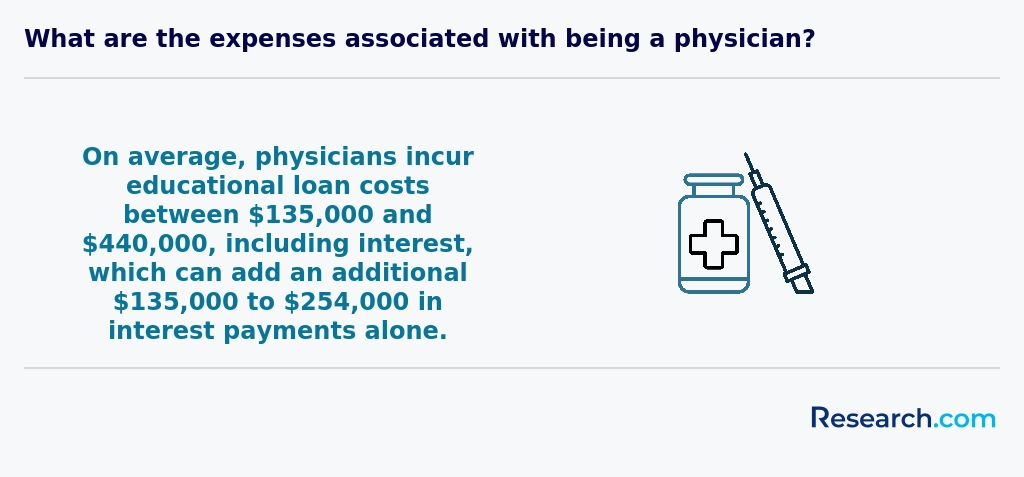
- Tuition for online bachelor's degrees typically ranges from $20,000 to $40,000, while doctoral programs can cost between $50,000 and $70,000.
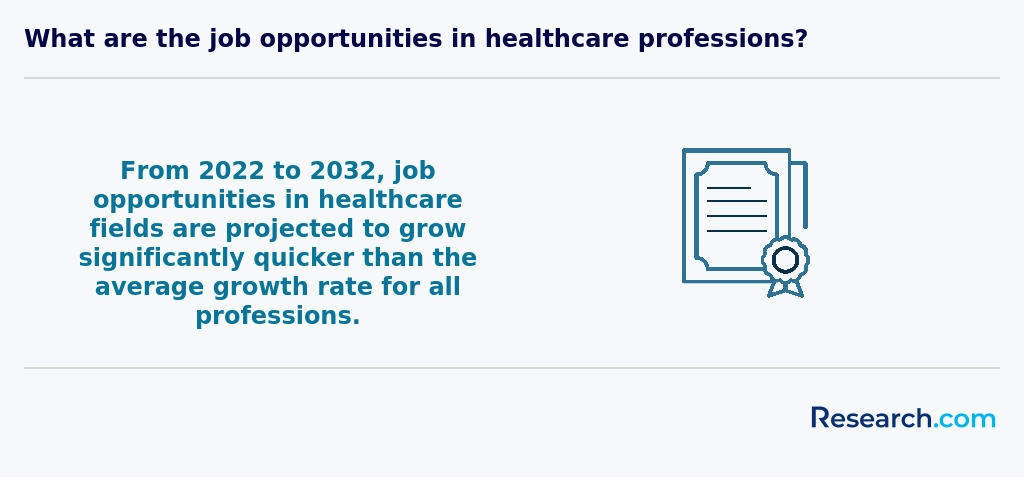
- Employment for healthcare practitioners in Virginia is expected to grow by approximately 15% over the next ten years, faster than the national average.
- Starting salaries for healthcare graduates average between $50,000 and $65,000 annually, with experienced professionals earning $75,000 to over $100,000 per year.
- Graduates must obtain state licensure, so choosing programs with recognized accreditation is essential for eligibility to practice in Virginia.
- Many programs have partnerships with healthcare facilities in Virginia to provide required clinical placement and hands-on experience.
How long does it take to complete online healthcare degree in Virginia?
Curious about how long it takes to earn an online healthcare degree in Virginia? Most full-time undergraduates, like those diving into nursing or healthcare administration at Old Dominion University, find themselves crossing the finish line in about four exciting years. Some adventurous students, eager to jump into their careers faster, tackle accelerated programs and finish in three.
Graduate students enrolling at institutions like Virginia Commonwealth University often spend two years immersed in their Master of Healthcare Administration or Nursing degrees. But those juggling jobs and family appreciate the flexibility of part-time paths stretching to three years or more, making every milestone feel like a personal victory.
Doctorate seekers chasing dreams such as a Doctor of Nursing Practice appreciate even more adaptability, with some carefully navigating three to five years of study, all while balancing work and life. These experiences reflect the vibrant, supportive online community that Virginia's accredited schools provide, inviting you to tailor your journey at your own pace.
Accreditation and Certification: Ensuring Quality and Recognition
Accreditation is the cornerstone of any credible online doctorate in healthcare program in Virginia. Prospective students should verify that their institution holds regional accreditation from the Southern Association of Colleges and Schools Commission on Colleges (SACSCOC) and programmatic accreditation from bodies like the Commission on Accreditation of Healthcare Management Education (CAHME). These accreditations not only guarantee rigorous academic standards but also ensure eligibility for federal financial aid and seamless credit transfer. Moreover, graduating from an accredited program can be a prerequisite for many leadership roles in hospitals, public health agencies, and private healthcare organizations. Beyond institutional accreditation, specialized certifications can further validate your expertise and enhance employability. Doctorate holders often pursue the Certified Healthcare Executive (CHE) credential offered by the American College of Healthcare Executives (ACHE) or the Fellow of the American College of Healthcare Executives (FACHE) designation. Achieving these certifications demonstrates advanced competency in strategic management, ethical leadership, and healthcare policy. For those interested in expanding their practical skill set, exploring a fast track cma program can provide hands-on experience in clinical settings, reinforcing the theoretical knowledge gained in your doctoral coursework. Finally, staying current with continuing education requirements is critical for maintaining both accreditation status and professional certifications. Many Virginia institutions offer ongoing workshops, webinars, and specialty certificates-such as healthcare informatics or health equity-that satisfy maintenance requirements for licensure and designation renewals. By choosing an accredited doctoral program and actively pursuing recognized certifications, you’ll position yourself as a trusted leader prepared to navigate the evolving challenges of the healthcare sector.
What's the difference between online and on-campus healthcare degree?
Choosing between online and on-campus healthcare degrees in Virginia opens a world of possibilities tailored to your lifestyle. Imagine a graduate from the University of Virginia savoring the freedom of studying on their own schedule, balancing a full-time job while diving into interactive online lectures. This flexible approach lets you explore coursework without sacrificing your daily responsibilities, making it ideal for busy Virginians.
Meanwhile, a graduate of Virginia Commonwealth University recalls the energizing buzz of bustling campus labs and lively face-to-face discussions that sharpen critical skills. On-campus programs immerse students in hands-on experiences alongside peers and professors, fostering connections that often spark lifelong professional friendships.
Both paths lead to essential clinical practice, with placements secured locally to Virginia healthcare facilities, blending virtual learning with real-world impact. Tuition tends to align-about $12,000 to $18,000 annually for in-state students-yet online learners enjoy extra savings on commuting and housing.
Whether you're drawn to the adventure of in-person engagement or the adaptable rhythm of online study, Virginia's accredited programs ensure quality and readiness for a thriving healthcare career.
Explore Related Affordable Healthcare Program Rankings
To broaden your perspective on cost-effective healthcare education options, take a look at our specialized ranking for online master’s programs. The Low Cost Online Master's in Healthcare Degree Programs Ranking in Greenville, NC offers in-depth insights into tuition metrics, program flexibility, and student outcomes. Comparing our Virginia doctorate-focused list with this Greenville NC master’s ranking can reveal trends in affordability, accreditation, and career pathways across degree levels. By leveraging both analyses, you can make a more nuanced decision that aligns with your budget and long-term career aspirations. Together, these resources empower you to identify high-value programs that match your professional goals.
What is the average cost of online healthcare degree in Virginia?
The average cost of an online healthcare degree in Virginia hovers around $41,700, offering a balanced investment for many eager learners. For in-state students, this typically drops to about $34,052, making the pursuit of an affordable online healthcare degree quite attainable. Imagine a graduate from Old Dominion University, who found the $550 per credit hour tuition manageable while juggling work and family, feeling proud to advance in their nursing career without breaking the bank.
Similarly, a bachelor's degree seeker at George Mason University appreciated the $375 per credit hour rate for health administration, carving out time between classes to volunteer and gain experience. These real-life journeys highlight how understanding the average cost of online healthcare degrees in Virginia can inspire students to map their own educational adventure while keeping finances in check.
As you explore affordable online healthcare doctorate programs Virginia offers, remember Virginia's public universities often extend competitive rates, especially for residents. Many students discover that beyond tuition, fees like textbooks and clinical placements shape the total expense, adding depth to their experience rather than barriers.
Those curious about the cheapest online healthcare school in virginia often find a combination of flexibility, cost-efficiency, and reputable programs that fuel their passion for healthcare-proof that with a little research, your educational journey can be both enriching and affordable.
Tips for Success in Online Healthcare Programs in Virginia
Succeeding in an online healthcare program requires a blend of effective time management, proactive engagement, and leveraging available resources. For many students, setting up a dedicated study space and creating a structured schedule are the first critical steps. Here are some actionable tips to maximize your learning experience: • Develop a consistent study routine by blocking out specific times each day for reading, assignments, and group discussions. • Engage actively in online forums and virtual office hours to clarify doubts and build solid connections with peers and instructors. • Utilize digital tools and libraries to access up-to-date resources and research materials, which can provide additional perspectives on complex healthcare topics. • Seek regular feedback from instructors, as this not only improves your understanding but also helps refine practical skills necessary for a healthcare career. • Balance academic responsibilities by breaking tasks into manageable parts, ensuring that you maintain a healthy work-life balance. • Explore comprehensive resources on affordable programs, such as the cheapest online healthcare school in virginia, to gauge program quality and cost-effectiveness. By implementing these best practices, you can navigate the challenges of online learning while positioning yourself to thrive both academically and professionally in the healthcare industry.
What financial aid is available to online healthcare degree students in Virginia?
Exploring financial aid options for an online healthcare degree in Virginia is like discovering a treasure chest tailored just for ambitious students. Graduates from institutions such as Virginia Commonwealth University and Old Dominion University often share how completing the FAFSA unlocked access to federal grants like the Pell Grant, providing around $4,500 annually to ease tuition burdens. Imagine receiving this support while juggling work and study-an empowering boost toward your goal.
State-specific scholarships add another layer of opportunity. For example, the Virginia Healthcare Scholarship Program rewards dedication by helping cover tuition if you commit to working in underserved state healthcare facilities after graduation. Many students recall how this motivated them, transforming their education into a community-focused adventure.
Professional groups like the Virginia Nurses Foundation have also been described as beacons by nursing students, awarding scholarships that bring dreams within reach. And don't overlook employer tuition assistance-local hospitals and clinics in Virginia actively support employees advancing their education, making this journey feel less daunting and more supported every step of the way.
Expert Insights on Emerging Trends in Online Healthcare Education and Career Success
In today’s rapidly evolving healthcare landscape, expert perspectives drive innovation in online education and open new pathways for career advancement. Industry leaders, experienced faculty, and seasoned professionals agree that incorporating real-time industry data and future-focused curriculum adjustments is essential to maintaining a competitive edge. Experts emphasize the importance of continuous learning, leveraging advanced technologies, and aligning academic programs with emerging healthcare needs. This proactive approach not only enhances the curriculum but also increases the return on investment for students, ensuring they are well-prepared to navigate new challenges in healthcare delivery and management. For additional data-backed insights on cost efficiency and program quality, consider exploring our detailed analysis at cheapest online healthcare school in virginia. By integrating expert guidance with innovative educational practices, online healthcare programs in Virginia are poised to empower the next generation of healthcare leaders.
What are the prerequisites for enrolling in online healthcare degree program in Virginia?
Diving into an online healthcare degree in Virginia means gearing up with the right academic foundation. Most programs at popular schools like Virginia Commonwealth University or George Mason University expect you to have at least a high school diploma or GED. If you're aiming higher-for a bachelor's or graduate degree-you'll generally need a regionally accredited undergraduate degree, often in healthcare or a related field.
Graduates often recall submitting official transcripts that showcase their academic journey, and many faced the challenge of preparing for standardized tests like the GRE or MAT, especially in master's programs. A steady GPA around 3.0 is typical, but some institutions may ask for more, reflecting their commitment to excellence.
Beyond grades, work experience is a game-changer. Many students found that prior clinical hours or healthcare roles provided confidence to navigate advanced coursework. Letters of recommendation and heartfelt personal statements often serve as the bridge connecting personal passion with professional readiness.
Embracing these prerequisites felt like unlocking a new chapter-one filled with promise and the adventure of joining Virginia's thriving healthcare community.
Maximizing Your Online Healthcare Experience
Navigating an online healthcare program successfully goes beyond attending lectures and completing assignments-it involves proactive engagement and leveraging all available resources to enhance your learning and career prospects. In this section, we provide actionable tips and best practices to help you make the most of your online education. First, establish a dedicated study routine by setting specific goals and adhering to a consistent schedule. Effective time management is key, as many successful online learners mention that planning regular study sessions and short breaks significantly boost productivity. Next, actively participate in virtual discussion groups, webinars, and networking events to build connections with both peers and industry professionals; these interactions can lead to mentorship opportunities and insightful feedback on your coursework. Also, don’t overlook the value of supplemental learning tools-if you’re considering expanding your skill set through complementary programs, you might explore options like how much is medical billing and coding school, which can further diversify your expertise in the healthcare field. Finally, take advantage of career services and academic advising provided by your institution; these resources not only help clarify your educational plans but also enhance your preparedness for the job market. Embracing these strategies can transform your online learning experience into a rewarding journey, positioning you for success in a rapidly evolving healthcare landscape.
What courses are typically in online healthcare degree programs in Virginia?
Diving into an online healthcare degree in Virginia means exploring a rich array of courses designed to prepare you for real-world impact. Graduates from popular Virginia universities often share how foundational classes like healthcare systems and policy opened their eyes to the complexities behind patient care and administration. Imagine studying healthcare law and ethics and then applying that knowledge to navigate challenges faced by medical teams in bustling urban hospitals or rural clinics.
Many find excitement in advanced, hands-on courses covering healthcare quality improvement and patient safety-skills that directly influence better outcomes for patients. Students at renowned Virginia colleges also appreciate classes in health informatics, where they learn to manage electronic health records, a crucial skill as digital tools transform healthcare delivery worldwide.
Courses like epidemiology, biostatistics, and healthcare finance provide a toolkit for analyzing public health trends and managing resources effectively. These experiences reflect Virginia's growing healthcare industry and give students the leadership edge required to thrive in dynamic healthcare environments.
What types of specializations are available in online healthcare degree programs in Virginia?
Venturing into online healthcare degree programs in Virginia, students often discover a vibrant palette of specializations that align with both their passions and the state's dynamic healthcare landscape. Graduates from popular colleges in Virginia speak enthusiastically about diving into Health Administration, where the bustling environments of Inova Health System and Sentara Healthcare serve as real-world backdrops for their management skills. The thrill of improving healthcare operations feels very tangible here.
Others find themselves drawn to Public Health, inspired by the urgent community needs highlighted by the Virginia Department of Health. This is an exciting path for those eager to craft strategies for disease prevention and emergency preparedness, especially in underserved rural areas.
Many students enjoy exploring Nursing Leadership and Education, transitioning from hands-on care to leading teams or teaching future nurses. Meanwhile, the digital wave propelling healthcare forward brings a surge of interest in Healthcare Informatics, perfectly suited for tech-savvy learners ready to shape data-driven care.
For those curious about affordable online healthcare specializations Virginia offers, programs also spotlight specializations such as Healthcare Policy and Management, Clinical Research, Pharmaceutical Sciences, and Health Promotion and Wellness. Students often appreciate finding ways to balance costs, sometimes researching how much is medical billing and coding school as part of their journey.
How do you choose the best online healthcare degree in Virginia?
Choosing the best online healthcare degree in Virginia means diving into the rich pool of options shaped by the state's growing healthcare industry. Graduates from popular Virginia colleges often share how accreditation was their compass, ensuring their diplomas opened doors across hospitals and clinics. The region's Southern Association of Colleges and Schools Commission on Colleges (SACSCOC) accreditation stands out as a trusted hallmark that boosts confidence in employers.
Affordability breathes life into many student journeys; those seeking affordable healthcare degree options Virginia find comfort knowing that public universities typically offer in-state tuition around $11,000 per year. Balancing cost with quality sparks an adventure in comparing financial aid and program features. Some graduates recall the relief of flexible online schedules that let them juggle family and work while pursuing specializations like nursing or health administration.
Exploring options that mesh your goals with hands-on experience is key. Look out for programs where clinical hours can be completed nearby, avoiding long travel. If speed matters, programs like the fast track cma program open exciting new frontiers in a short time. Those seeking the best online healthcare doctorate programs Virginia treasure the strong alumni networks and job placement insights linked to local healthcare hubs, making the journey feel less daunting and more exhilarating.
What career paths are available for online healthcare degree students in Virginia?
Graduates of online healthcare degrees in Virginia discover thrilling opportunities across diverse career paths, ready to match their passions and skills. Imagine stepping into the role of a Registered Nurse or Nurse Practitioner, where caring hands meet busy hospital corridors-many recent grads from Virginia's renowned universities praise the flexibility of online programs that let them balance work with study. Demand for these roles is vibrant, fueled by Virginia's growing healthcare needs.
For those drawn to leadership, healthcare administration in Virginia opens doors to managing operations in hospitals or clinics, a path that graduates find both challenging and rewarding. With steady growth in this field, many alumni share stories of thriving in healthcare management, combining business savvy with a desire to make a meaningful impact. If data and tech spark your curiosity, health informatics careers offer a fascinating vantage point on how electronic records and analytics transform patient care across the state.
Public health roles also await-graduates speak of inspiring moments working as community health workers or health educators, helping Virginians stay healthier. For students exploring Virginia healthcare career opportunities online, a cost-effective way to enter these fields can be found by checking out the Low Cost Online Master's in Healthcare Degree Programs Ranking in Greenville, NC, linking ambition with affordability.
What is the job market for online healthcare degree in Virginia?
The online healthcare degree job market Virginia graduates step into is vibrant and filled with opportunity. Graduates from respected institutions like Virginia Commonwealth University or George Mason University often share stories of landing roles in nursing or healthcare management soon after completing their programs. The state's healthcare sector, one of its largest employers, consistently seeks skilled professionals, especially in rural areas where access to care is expanding rapidly.
Healthcare career opportunities in Virginia extend beyond traditional roles, embracing health information technology and administrative leadership. Those with online degrees find themselves well-prepared and competitive, thanks to curricula designed to match real-world demands. Many alumni proudly note how their education, combined with practical certifications, propelled them into rewarding positions.
Students exploring further advancement often pursue certifications that pay the most, maximizing their value in a growing market. With Virginia's job growth outpacing many other regions, online healthcare education opens doors to exciting futures for those ready to embrace the challenge.
Frequently Asked Questions About healthcare
Students pursuing online healthcare degrees in Virginia can enhance their learning by actively engaging with interactive course materials and virtual simulations. These tools replicate real-world healthcare scenarios, improving practical skills remotely. Virginia's healthcare sector, noted for its growth, supports various online practicum opportunities, helping students gain essential field experience.
Networking within online forums and local professional groups offers access to mentorship and job opportunities, which is crucial in Virginia's competitive market. Additionally, leveraging state resources like the Virginia Department of Health can provide up-to-date industry insights.
Setting a structured study schedule and utilizing university-provided academic support services also promote success in online programs.
The healthcare field in Virginia is evolving rapidly with several emerging niches gaining attention. One significant area is telehealth, which expanded notably during the COVID-19 pandemic and continues to grow as technology advances. Virginia's Department of Health reports a consistent increase in telehealth usage, especially in rural regions lacking easy access to care.
Another growing niche is healthcare data analytics. Professionals trained in this area help healthcare organizations interpret large datasets to improve patient outcomes and reduce costs. With Virginia home to various medical research institutions, demand for these roles is rising.
Additionally, gerontology and elder care are expanding due to Virginia's aging population. The U.S. Census Bureau projects that by 2030, a significant portion of Virginians will be over 65, increasing the need for specialized healthcare services in this sector.
After completing an online healthcare degree in Virginia, students should focus on strengthening their professional credentials to enter the job market confidently. Obtaining relevant certifications, such as Certified Healthcare Administrator or Registered Health Information Technician, enhances employability in the competitive Virginia healthcare sector. Networking is crucial; joining Virginia-based professional organizations like the Virginia Healthcare Executives Forum can open doors to job opportunities and mentorship.
Practical experience remains valuable-seek internships, volunteer roles, or part-time positions within Virginia's healthcare facilities. According to the Virginia Employment Commission, healthcare occupations projected a growth rate of 22% from 2020 to 2030, emphasizing the need for well-prepared professionals.
Finally, refine your resume and interview skills specific to healthcare roles by using local career services dedicated to Virginia graduates.
Employers in Virginia's healthcare sector prioritize a combination of technical and soft skills when hiring graduates with healthcare degrees. Key among these is clinical competence, ensuring graduates can effectively apply medical knowledge in patient care. Strong communication skills are also crucial, as healthcare professionals must interact clearly with patients, families, and interdisciplinary teams.
Critical thinking and problem-solving abilities rank high, enabling graduates to make sound decisions in dynamic healthcare settings. Additionally, familiarity with healthcare technology, including electronic health records (EHR), is increasingly important.
According to the Virginia Hospital & Healthcare Association, adaptability and teamwork are essential due to the evolving nature of healthcare delivery in the state.
Finding internships in Virginia relevant to a healthcare degree involves several strategic steps. Start by exploring opportunities through Virginia's healthcare institutions, such as Inova Health System or Sentara Healthcare, which regularly offer internships for students. The Virginia Department of Health and the Virginia Hospital & Healthcare Association provide resources and listings specifically for healthcare students.
Many online degree programs partner with local healthcare providers to facilitate internships. Contact your program's career services early to access these connections. Additionally, websites like Handshake and the Virginia Career Works portal list healthcare internships statewide. Networking through professional associations like the Virginia Association of Healthcare Executives can also open doors. According to the Bureau of Labor Statistics, healthcare remains Virginia's fastest-growing sector, so opportunities are expanding rapidly.
Obtaining an online healthcare degree in Virginia can significantly improve career mobility and advancement opportunities. The Commonwealth has a growing healthcare sector, with employment for healthcare practitioners expected to increase by 15% through 2030, according to the Virginia Employment Commission. Online degrees provide flexible access to education, enabling working professionals to enhance their skills without disrupting their current jobs.
Healthcare employers in Virginia often recognize accredited online degrees from regionally accredited institutions, which supports career progression. Advanced credentials can lead to higher-level roles, such as healthcare administration or specialized clinical positions.
Additionally, online programs frequently integrate Virginia-specific regulations and healthcare trends, equipping graduates for local job markets. This alignment helps professionals meet state licensure requirements and stay competitive within Virginia's healthcare ecosystem.
Studying for an online healthcare degree in Virginia equips students with skills to excel in interdisciplinary roles by emphasizing collaboration across diverse healthcare fields. Virginia's programs often integrate coursework in healthcare policy, management, and technology, reflecting the evolving landscape of healthcare delivery.
Many Virginia institutions incorporate real-world case studies and team-based projects, fostering communication skills essential for working with nurses, physicians, and administrative staff. According to the Virginia Department of Health, there is an increasing need for professionals capable of bridging clinical and administrative functions.
This interdisciplinary training prepares graduates for leadership roles that require understanding multiple healthcare perspectives, which is critical in Virginia's growing healthcare industry.
Choosing between a thesis and a non-thesis healthcare degree program in Virginia depends largely on your career goals and learning style. Thesis programs emphasize research skills, requiring students to complete an original study, which is ideal for those interested in academia or research-heavy roles.
Non-thesis options focus more on practical knowledge and coursework, suited for professionals aiming to advance in clinical practice or healthcare administration without a research requirement.
According to the Virginia Department of Health Professions, healthcare jobs in research and policy are growing steadily, but clinical roles remain dominant in the state's job market. Reflecting on this local employment landscape can help you decide which path aligns best with your aspirations.
Consider also the time commitment: thesis tracks often take longer to complete due to the research process, while non-thesis options may allow quicker graduation and faster entry into the workforce.
Consulting with academic advisors or professionals in Virginia's healthcare sector can provide additional insights tailored to your goals.
Students based in Virginia who wish to study healthcare abroad have several pathways, primarily through online programs offered by international institutions that hold U.S. accreditation or partnerships. These programs allow learners to earn recognized degrees without relocating. Organizations like the Commission on Collegiate Nursing Education (CCNE) and the Council on Education for Public Health (CEPH) accredit many online healthcare degrees accessible to Virginians. According to the Virginia Department of Education, students should verify that any foreign program meets state licensure requirements before enrolling.
Several Virginia universities also collaborate with global institutions to provide joint online healthcare degrees, supporting diverse learning experiences. This approach ensures quality and compliance with Virginia's professional standards. Students should consult official state resources, including the Virginia Board of Medicine and the Board of Nursing, for guidance on credits, licensure, and international education equivalencies.
Part-time jobs can provide valuable experience for students pursuing healthcare degrees online in Virginia. Roles such as medical assistants, pharmacy technicians, and certified nursing assistants (CNAs) are common and practical options. These positions offer hands-on experience that complements academic learning and enhance résumés.
According to the Virginia Employment Commission, the healthcare sector in Virginia is projected to grow by 17% through 2030, increasing demand for skilled workers. Part-time work in clinics, hospitals, or long-term care facilities allows students to build clinical skills while earning income.
Additionally, opportunities in medical billing, patient scheduling, and health information technology support healthcare knowledge and can be performed remotely, offering flexibility for online students.
Online healthcare students in Virginia can benefit from a variety of networking opportunities designed to connect them with professionals and peers. Many Virginia universities offering online healthcare degrees provide virtual career fairs, discussion forums, and live webinars featuring industry experts. These events help students build relationships and find mentorships despite physical distance.
Additionally, statewide organizations like the Virginia Healthcare Executives Forum and the Virginia Nurses Association offer membership options for students, granting access to conferences and local chapter meetings. According to the Virginia Employment Commission, healthcare is one of the fastest-growing sectors, making networking essential for job placement.
Students are also encouraged to participate in internships and cooperative education programs coordinated through their schools, which frequently partner with Virginia's renowned hospital systems and healthcare providers.
Alumni networks offer valuable support to online healthcare degree students in Virginia by connecting them with professionals across the state's healthcare industry. These networks provide mentorship opportunities that can guide students through career development and job placement.
Virginia's healthcare sector employed over 330,000 workers as of 2023, according to the Virginia Employment Commission, underscoring the importance of professional connections for entering this competitive market. Alumni can share insights about local healthcare employers, licensing requirements, and continuing education paths specific to the state.
Additionally, alumni associations often host virtual events, networking sessions, and webinars, helping online students build relationships despite geographical distances. This engagement enhances job prospects and fosters ongoing professional growth within Virginia's healthcare community.
Customizing an online healthcare degree program in Virginia is achievable through elective courses, specialization tracks, and practical experiences aligned with your career goals. Many Virginia institutions allow students to choose concentrations such as health informatics, public health, or healthcare administration.
Online programs often offer flexible scheduling and accelerated options to suit working professionals. According to the Virginia Department of Health, specializations in population health and management are growing fields, reflecting local industry demands.
To further tailor your education, consider programs that include internships, research projects, or capstone experiences with Virginia healthcare organizations. These opportunities provide hands-on experience and networking crucial for career advancement.
Additionally, some programs support dual degrees or certifications that enhance skills and marketability in Virginia's competitive healthcare sector.
Online healthcare students in Virginia often face unique challenges that can affect their academic success. One major issue is balancing clinical practice requirements with remote learning. Healthcare programs typically include hands-on experiences, which can be difficult to arrange locally, especially in rural parts of Virginia where clinical sites may be limited.
Additionally, these students must manage time effectively between coursework and personal responsibilities. According to the Virginia Department of Education, nearly 40% of online students report difficulties with time management and motivation.
Internet connectivity can also be a barrier. Despite Virginia's overall high broadband access, some rural areas still face limited service, impacting live lectures or video submissions. Furthermore, navigating state licensing requirements adds complexity, as students must ensure their online programs meet Virginia's professional standards.
With an online healthcare degree from Virginia, you can pursue various professional certifications that enhance your career prospects. Common certifications include Certified Health Education Specialist (CHES), Project Management Professional (PMP), and Certified Professional in Healthcare Quality (CPHQ). These credentials demonstrate specialized knowledge and skills.
Additionally, nursing professionals often seek the Certified Nurse Manager and Leader (CNML) credential. Health informatics graduates may qualify for certifications like the Registered Health Information Administrator (RHIA). Virginia's Department of Health and private employers highly value these certifications due to the state's growing healthcare market.
Certification requirements usually involve passing an exam and meeting specific education or experience criteria set by organizations such as the National Commission for Health Education Credentialing or the American Nurses Credentialing Center.
To write a winning application for an online healthcare program in Virginia, start by thoroughly researching each program's specific requirements. Highlight your academic achievements, relevant healthcare experience, and clear career goals that align with program objectives.
Virginia's healthcare sector is growing, with a 7.5% employment increase projected by 2030 according to the Virginia Employment Commission. Highlighting your understanding of local healthcare challenges can strengthen your application.
Provide strong letters of recommendation from professionals familiar with your skills in healthcare or academics. Additionally, a well-crafted personal statement demonstrating your passion for healthcare and how the online degree fits your career path is crucial.
Ensure all transcripts, certifications, and prerequisites are complete and submitted on time.
Healthcare careers hold significant value worldwide, reflecting the increasing demand for skilled professionals. In the United States, including Virginia, healthcare employment is projected to grow 13% from 2021 to 2031, faster than the average for all occupations (Bureau of Labor Statistics, 2023). Globally, many countries prioritize healthcare education to meet rising population needs and advances in medical technology.
From a US higher education standpoint, online healthcare degrees offer flexibility and access, especially important for Virginians balancing work and family. These degrees align with global trends emphasizing interdisciplinary skills, such as management and informatics, alongside clinical expertise.
Virginia's healthcare sector generates over $30 billion annually, with ongoing investments in workforce development (Virginia Healthcare Workforce Collaborative, 2022). This highlights the local and global importance of healthcare careers in shaping healthier populations.
Gaining practical experience while pursuing an online healthcare degree in Virginia is essential for career readiness. Many programs require students to complete clinical placements or internships at local healthcare facilities. Virginia has numerous hospitals and clinics that partner with universities to offer these hands-on opportunities. According to the Virginia Department of Health Professions, experiential learning is often mandatory for licensure in fields like nursing and public health.
Students can also seek volunteer roles within healthcare organizations or participate in simulation labs offered by affiliated institutions. These experiences provide real-world skills while maintaining the flexibility of online study.
Choosing the right concentration within an online healthcare degree program in Virginia involves assessing your career goals and the local healthcare market. Virginia's healthcare sector is rapidly growing, with a projected employment increase of over 15% in healthcare occupations by 2030, according to the Virginia Employment Commission.
Identify specializations that align with in-demand roles like healthcare administration, nursing leadership, or public health. Research each concentration's curriculum and consider how it prepares you for Virginia's healthcare regulations and practices.
Additionally, review program accreditation and connections to regional healthcare providers, which can enhance practical learning and job placement.
Understanding these factors ensures your degree supports long-term career success within Virginia's evolving healthcare landscape.
Related Healthcare Rankings for Nearby States
- 2027 Most Affordable Online Doctorate in Healthcare Degree Programs Ranking in Tennessee
- 2027 Most Affordable Online Doctorate in Healthcare Degree Programs Ranking in Kentucky
- 2027 Most Affordable Online Doctorate in Healthcare Degree Programs Ranking in Pennsylvania
- 2027 Most Affordable Online Doctorate in Healthcare Degree Programs Ranking in South Carolina
- 2027 Most Affordable Online Doctorate in Healthcare Degree Programs Ranking in Ohio
- 2027 Most Affordable Online Doctorate in Healthcare Degree Programs Ranking in New Jersey
- 2027 Most Affordable Online Doctorate in Healthcare Degree Programs Ranking in Georgia
- 2027 Most Affordable Online Doctorate in Healthcare Degree Programs Ranking in Indiana
- 2027 Most Affordable Online Doctorate in Healthcare Degree Programs Ranking in New York
- 2027 Most Affordable Online Doctorate in Healthcare Degree Programs Ranking in Florida
Top Trending Healthcare Rankings
See What Experts Have To Say About Studying Healthcare
Read our interview with Healthcare experts

References
- Complete Guide to Mastering Virginia Nursing Prerequisites https://www.prereqcourses.com/mastering-virginia-nursing-prerequisites/
- How to Gain Real-World Experience While Studying Online | American National University https://an.edu/how-to-gain-real-world-experience-while-studying-online/
- How to Choose a Health Administration Program https://www.healthadministrationdegrees.com/articles/choosing-a-program/
- Healthcare Training Programs | FastForward https://fastforwardva.org/credential_cats/healthcare/
- Thesis vs. Non-Thesis Master's Programs: Which is Right for You? https://potomac.edu/thesis-vs-non-thesis-masters/
- Holy Cross Health Network Internships | Holy Cross Health https://www.holycrosshealth.org/careers/education-training-and-advancement/holy-cross-health-network-internships
- Healthcare Administration Certifications https://www.publichealthdegrees.org/careers/healthcare-administrator/certification/
- Accredited Nursing and Healthcare Degrees in Richmond & Fredericksburg, VA - EVCC https://evcc.edu/
- Online Health Science Degrees with Financial Aid https://www.edumed.org/online-schools/health-science-degrees/financial-aid/
- Earn to Learn https://southside.edu/earn-learn


