
2027 Most Affordable Online Healthcare Degree Programs Ranking in New York

Co-Founder and Chief Data Scientist
If you're considering a career in healthcare, finding the right degree program can feel overwhelming. This article introduces the 2027 Most Affordable Online Healthcare Degree Programs Ranking in New York, created by the Research.com team of data scientists. Their goal is to help you make an informed decision by highlighting affordable, quality options.
Choosing a healthcare degree opens doors to meaningful work and growth. Reading this guide will give you confidence in selecting a program that fits your needs and budget, making your education journey smoother and more rewarding.
Key benefits of getting online healthcare degree in New York
- Healthcare degree graduates in New York can earn competitive salaries, such as Medical Assistants making around $43,350 annually and Quality Improvement Coordinators earning over $103,000, offering strong financial motivation.
- Graduates from well-known institutions like CUNY often pursue diverse careers including Patient Care Technician or Health Information Technician roles, providing rewarding opportunities across many healthcare settings.
- Online healthcare degrees, like those from Excelsior College, allow flexible study schedules and faster program completion, making it easier for busy New Yorkers to balance work and education.
- Key benefits of getting online healthcare degree in New York
- What can I expect from online healthcare degree in New York?
- Where can I work with online healthcare degree in New York?
- How much can I make with online healthcare degree in New York?
- 2027 Most Affordable Online Healthcare Degree Programs Ranking in New York
- Key Findings
- How long does it take to complete online healthcare degree in New York?
- Getting Started: Your Next Steps to Success in Online Healthcare Education
- What's the difference between online and on-campus healthcare degree?
- Return on Investment for Online Healthcare Degrees in New York
- What is the average cost of online healthcare degree in New York?
- Success Strategies for Online Healthcare Students in New York
- What financial aid is available to online healthcare degree students in New York?
- Tips for Success in Your Online Healthcare Education
- What are the prerequisites for enrolling in online healthcare degree program in New York?
- Accreditation and Licensure
- What courses are typically in online healthcare degree programs in New York?
- What types of specializations are available in online healthcare degree programs in New York?
- How do you choose the best online healthcare degree in New York?
- What career paths are available for online healthcare degree students in New York?
- What is the job market for online healthcare degree in New York?
- Related Healthcare Rankings for Nearby States
- Top Trending Healthcare Rankings
- See What Experts Have To Say About Studying Healthcare
What can I expect from online healthcare degree in New York?
The average cost of an online healthcare degree in New York varies widely, but in-state tuition rates typically range between $10,000 and $25,000 per year, depending on the institution and program level. Graduates from popular schools like Hunter College or the State University of New York report manageable expenses especially when factoring in in-state tuition discounts that significantly reduce overall costs compared to out-of-state fees.
Many students find that financial aid opportunities specific to New York residents help ease the burden of tuition, allowing them to focus on balancing coursework with work or family responsibilities. These affordable options enable students to pursue degrees such as nursing, healthcare administration, or public health while maintaining their daily routines without undue financial stress.
Graduates often share how accessible and flexible the programs made it possible to achieve their goals without relocating or taking extended time off. This affordability, combined with rigorous curricula and clinical requirements at local hospitals, ensures that students receive a quality education aligned with New York State licensing standards.
Where can I work with online healthcare degree in New York?
An online healthcare degree from institutions like Hunter College or SUNY Downstate significantly improves access to diverse job markets in New York. Graduates frequently secure roles in hospital administration within over 200 hospitals statewide, including top systems such as NewYork-Presbyterian and Mount Sinai Health System. These positions range from healthcare administrators to patient services managers, reflecting the demand for skilled professionals overseeing complex operations.
Nursing students completing fully online RN programs at schools like Pace University often pass the NCLEX-RN and enter clinical roles with a median salary near $90,000. Many express satisfaction working in busy urban hospitals where their education directly impacts patient care.
Public health graduates find rewarding opportunities in state and local health departments or community health initiatives, partnering with organizations like New York City's Health + Hospitals. Health information technology specialists are also in demand, particularly in the New York metropolitan area's growing HIT sector, handling electronic records and data security for healthcare organizations.
Additionally, healthcare consulting and insurance firms based in New York City actively recruit online degree holders for policy analysis and compliance roles, highlighting the degree's versatility in this expansive job market.
How much can I make with online healthcare degree in New York?
Graduates with an online healthcare degree in New York can expect varied earnings depending on their chosen field. For instance, medical assistants and clinical research coordinators earn mean annual wages near $43,350, reflecting common entry-level roles after an associate degree or certificate. Similarly, health information technicians make about $43,380 annually, offering steady income for those skilled in managing patient data.
Graduates pursuing patient care technician roles, often favored by those from popular New York schools like Hunter College or Stony Brook University, can see higher wages around $60,790 per year. This aligns with practical experience gained through these programs, boosting confidence in steady career growth.
For those advancing into specialized positions, quality improvement coordinators earn notably higher salaries, with mean wages exceeding $103,150, demonstrating the payoff of further education and leadership skills. Many graduates from online healthcare programs at institutions such as the University at Buffalo highlight this as a motivating factor for pursuing advanced certifications.
These figures show that investing in an online healthcare degree in New York can lead to rewarding financial outcomes aligned with the state's robust healthcare job market.
2027 Most Affordable Online Healthcare Degree Programs Ranking in New York
How do we rank schools?
Investing in your education is a significant decision that can profoundly impact your career and personal growth, and the Research.com team recognizes the need for trustworthy guidance in this process. To support prospective students in New York, we have diligently developed the "2027 Most Affordable Online Healthcare Degree Programs Ranking in New York." Our dedication to quality, credibility, and accuracy is demonstrated by the thorough research and careful analysis behind this ranking.
We utilized the following reputable data sources to ensure a comprehensive evaluation of online healthcare degree programs:
By consulting this ranking, readers will gain valuable insights into affordable and high-quality online healthcare degrees offered in New York, empowering them to make well-informed educational choices. For an in-depth understanding of how we created this ranking, please visit our Research.com methodology page.


# 9 position
John Jay College of Criminal Justice of the City University of New York
Master of Inspection and Oversight: Health Care Specialization

# 10 position
State University of New York Polytechnic Institute
Bachelor of Health Information Management
# 11 position
Hofstra University
Master of Strategic Business Management and Strategic Healthcare Management




# 18 position
SUNY Empire State College
RN to Bachelor of Science in Nursing
# 19 position
SUNY Empire State College
Master of Healthcare Leadership
# 20 position
St. Joseph's University, Brooklyn Campus
Master of Health Administration/Health Care Management

Key Findings
- Tuition for online healthcare degrees in New York ranges from $10,000 to $30,000, with public universities generally offering lower costs than private institutions.
- The healthcare job market in New York is rapidly growing due to the state's large, aging population and increased demand for health services.
- Entry-level registered nurses earn an average of $75,000 annually, while allied health professionals make around $60,000.
- Experienced healthcare workers like nurse practitioners and managers often earn over $110,000 per year in New York.
- Many online programs are accredited by bodies such as CCNE or ACEN and meet New York State Department of Education standards for licensure eligibility.
- Flexible online schedules combined with local clinical practice options support working adults pursuing these degrees in New York.
How long does it take to complete online healthcare degree in New York?
Online healthcare degrees in New York typically require varying completion times based on degree level and program structure. Associate degrees in healthcare fields, such as those offered by community colleges like Borough of Manhattan Community College, generally take 18 to 24 months. Graduates often share how this timeframe allowed them to quickly enter entry-level positions or build a solid base for further study.
Bachelor's degrees from institutions such as Hunter College usually take about four years when attending full-time. However, many students appreciate the flexibility of part-time enrollment or accelerated courses, enabling some to finish sooner or balance work and family obligations. Competency-based options help motivated students leverage prior knowledge to graduate earlier.
Graduate programs, including master's degrees at schools like Columbia University, demand 1.5 to 3 years, factoring in clinical practicum components required by New York State. These experiences deepen skills and prepare students for advanced roles, as many alumni attest with enthusiasm about their career growth.
Students frequently highlight how part-time study, transfer credits, and program-specific clinical hour requirements significantly impact their timelines, shaping a personalized path to degree completion.
Getting Started: Your Next Steps to Success in Online Healthcare Education
Navigating your way into an online healthcare degree program can feel overwhelming, but taking a few structured steps can streamline your journey. First, research your options thoroughly by reviewing current rankings and program details, which not only outline tuition, coursework, and financial aid opportunities but also provide insights into student support and career services. For instance, exploring our detailed list of programs at an affordable healthcare school in new york can help you compare and choose the program that best fits your educational and career aspirations. Next, identify programs that align with your personal strengths and career goals-considering factors like accreditation, support services, and real-world internship opportunities. Finally, reach out directly to admissions advisors and current students for insider tips and success stories, ensuring that you make an informed decision. Taking these practical steps will empower you to not only begin your healthcare education confidently but also to build a foundation for a rewarding career.
What's the difference between online and on-campus healthcare degree?
Healthcare degrees in New York vary notably between online and on-campus programs, especially in structure and student experience. Online programs, favored by working professionals attending schools like Stony Brook University, offer flexibility that helps balance job and family responsibilities. Over 30% of U.S. postsecondary students engage in distance education, reflecting growing acceptance of this format.
In contrast, on-campus programs at institutions like New York University provide direct access to campus labs and clinical training sites, which many graduates highlight as vital for hands-on learning. These in-person experiences allow close faculty interaction and immediate feedback, enhancing practical skills.
Cost is another factor-public colleges average around $10,000 annually for in-state students, though private institutions charge more. Online learners often save by avoiding facility fees but bear some expenses for technology and proctored exams.
Clinical placements pose challenges; on-campus students benefit from partnerships with local hospitals, while online students must independently secure similar opportunities. Despite this, alumni from both formats share a sense of accomplishment adapting to New York's healthcare demands.
Return on Investment for Online Healthcare Degrees in New York
When evaluating an online healthcare degree, understanding the return on investment (ROI) is essential. ROI compares the total cost of your education-tuition, fees, and living expenses-against the salary you can expect after graduation. For New York students, this metric helps determine how quickly you’ll recoup your investment and start building long-term wealth. On average, an online healthcare degree in New York costs around $38,934 in total tuition. Graduates in roles like Patient Care Technician earn about $55,860 annually, while Health Information Technicians average $41,260. Assuming a 4-year bachelor’s program and minimal loans, many graduates break even within two to three years, thanks to competitive entry-level salaries and flexible work-study options. Several factors can boost your ROI: • Financial Aid and Scholarships: Leveraging state grants like TAP or institution-specific awards can reduce out-of-pocket costs by up to 50%. • Part-Time Employment: Online formats allow you to work while you study, offsetting living expenses and loan balances. • High-Demand Specializations: Fields such as health informatics and healthcare management often command premiums, increasing your earning potential. For a broader comparison of affordability and ROI across regions, explore our Affordable Online Healthcare Degree Programs Ranking in Maine. By analyzing program costs alongside projected salaries, you can identify the most cost-effective path to a rewarding healthcare career, ensuring you invest wisely in your future.
What is the average cost of online healthcare degree in New York?
The average tuition cost for online healthcare degrees in New York reflects both the state's reputation for quality education and its higher living costs. Data shows that the median total cost for completing an online healthcare degree in New York is approximately $32,742. For in-state students, the median total cost typically falls near $22,277, illustrating the financial advantage of qualifying for in-state tuition rates. Conversely, out-of-state students can expect median costs closer to $42,360, underscoring the importance of residency status in budgeting for education.
Graduates from public universities in New York frequently share positive experiences about balancing rigorous coursework with flexible online schedules. Many report that the investment was worthwhile due to strong clinical support and well-regarded faculty, especially in programs offered by well-known institutions such as the State University of New York system. These programs tend to be the go-to option for those seeking value and quality in their healthcare education.
Considering affordable online healthcare degree programs New York 2027, prospective students should also explore options at private colleges, which may charge higher tuition but often provide accelerated paths or specialized nursing tracks. Those looking to reduce costs may find helpful resources through financial aid or employer tuition reimbursement. More information on options for an affordable healthcare school in new york can assist students in making informed decisions based on comprehensive price and program quality comparisons.

Success Strategies for Online Healthcare Students in New York
Navigating an online degree while managing work, family, and personal responsibilities requires a strategic approach. Students can enhance their learning experience by establishing a dedicated study space, creating a realistic schedule, and using time management tools to stay on track. In addition, connecting with academic advisors and leveraging online student communities can provide both emotional support and practical insights into balancing coursework with everyday life. It is also important to take advantage of career services and mentorship programs offered by your institution to build a professional network early on. For prospective healthcare administration students looking to plan ahead, learning more about how long is a healthcare administration degree can offer useful context for goal setting and career planning. By setting clear priorities, seeking support when needed, and staying focused on your long-term objectives, you can thrive academically and professionally in the competitive field of healthcare.
What financial aid is available to online healthcare degree students in New York?
Students pursuing online healthcare degrees in New York often rely on several key financial aid options to manage costs, which can range between $10,000 and $40,000 depending on the institution and degree level. Federal aid through FAFSA is widely used, granting access to Pell Grants that provide up to $7,395 annually for undergraduates demonstrating financial need. Graduates from institutions like the State University of New York (SUNY) system report these grants as vital in reducing debt burden during their studies.
State-specific aid, notably New York's Tuition Assistance Program (TAP), offers additional support with grants up to $5,665 for eligible residents attending local approved colleges. Many healthcare students at schools such as New York University note that combining TAP with federal aid significantly offsets tuition expenses.
Scholarships from healthcare associations targeting nursing and health administration fields further supplement aid, and loan forgiveness programs like the National Health Service Corps (NHSC) incentivize graduates to serve underserved communities while easing loan repayment. Several graduates share that NHSC's loan repayment effectively relieves financial stress while enabling rewarding careers in rural healthcare settings.
Lastly, some healthcare employers provide tuition reimbursement, encouraging current employees to advance their education online, which many working students in New York find instrumental in balancing work and study commitments.
Tips for Success in Your Online Healthcare Education
Succeeding in an online healthcare degree program in New York requires strategic planning, self-discipline, and a proactive approach towards learning and career development. To ensure you make the most of your educational journey, consider establishing a structured daily routine that balances coursework, clinical practice, and personal time. Utilizing digital tools for time management and setting clear goals can help you stay on track, while engaging in online forums and study groups will foster a sense of community and collaborative learning. Additionally, networking with industry professionals and seeking mentorship can open doors to valuable career opportunities. For instance, many students have found that partnering with an affordable healthcare school in new york not only provided quality education but also enhanced their job prospects after graduation. Finally, leveraging available academic resources such as virtual libraries, tutoring, and career services can help bridge any gaps in understanding and prepare you for the dynamic workplace of healthcare.
What are the prerequisites for enrolling in online healthcare degree program in New York?
Enrolling in an online healthcare degree program in New York generally requires a high school diploma or GED for associate and bachelor's degrees, while graduate-level programs like MSN or MHA demand a relevant bachelor's degree. Graduates from institutions such as Hunter College or CUNY emphasize maintaining a GPA near 3.0 to remain competitive. Though standardized tests like the SAT or GRE have become less common post-pandemic, some programs continue to request them, especially for advanced degrees.
Applicants must also demonstrate technical readiness, having reliable internet and computer access, which many students at New York University found crucial for managing rigorous coursework remotely. Foundational science courses (biology, chemistry, anatomy) are typically expected, and practical certifications like CPR or CNA enhance readiness, particularly for candidates entering clinical-focused programs.
New York's strict accreditation requirements, with agencies like the CCNE, ensure that graduates from recognized programs qualify for licensure exams, a reassurance many alumni from Staten Island College found motivating as they transitioned to careers confidently in healthcare.
Accreditation and Licensure
Choosing an accredited online healthcare program ensures your credentials are recognized by employers and meet New York’s professional standards.
- Regional accreditation (e.g., Middle States Commission on Higher Education) validates overall academic quality.
- Specialized accreditation-CCNE or ACEN for nursing, CAHIIM for health informatics, CAAHEP for allied health-confirms curriculum rigor.
- New York State Education Department’s Office of the Professions sets licensure requirements for roles like RN, LPN and radiologic technologist; graduates must complete approved clinical hours and pass relevant board exams.
For those pursuing medical coding pathways, consider accredited medical coding and billing classes online with financial aid to align education with industry standards.
What courses are typically in online healthcare degree programs in New York?
Online healthcare degree programs in New York typically include core courses such as medical terminology, anatomy, and physiology, providing students with essential knowledge of the human body's structure and function. Graduates from well-known institutions like Excelsior College and SUNY colleges remark on how these courses build a strong foundation for advanced study and practical application.
Other common courses focus on healthcare ethics and law, emphasizing patient rights and New York-specific healthcare regulations. Health information management classes teach the use of electronic health records (EHR), a skill highly valued across New York's healthcare facilities employing over 1.2 million people. Medical coding and billing courses cover systems like ICD-10 and CPT, critical for the U.S. reimbursement process.
Students also study public health principles tailored to challenges in New York City and surrounding areas, along with healthcare administration and pharmacology basics. Many express confidence entering leadership roles, citing the practical, state-focused curriculum as a key advantage in today's competitive job market.
What types of specializations are available in online healthcare degree programs in New York?
Online healthcare degree specializations New York students frequently pursue include Nursing, Health Informatics, Healthcare Administration, Public Health, and Allied Health Professions. Graduates from prominent institutions such as the State University of New York (SUNY) report that Nursing tracks often focus on RN to BSN or MSN pathways, emphasizing nurse leadership and family nurse practitioner roles, which provide practical skills applicable in local hospitals. Health Informatics blends healthcare with IT, enabling professionals to manage electronic health records and enhance patient outcomes. Many students appreciate the Healthcare Administration specialization for its focus on healthcare laws and organizational behavior, vital for managing New York's diverse medical facilities. For those curious about career development timelines, programs often clarify how long is a healthcare administration degree, helping students plan accordingly.
Specialized healthcare programs New York online also cover Public Health, where learners study population health and disease prevention crucial to this region's public health challenges. Allied Health options, including radiologic and respiratory therapy, offer hands-on clinical experience through partnerships with local sites, making degrees both flexible and highly relevant to the New York healthcare job market.
How do you choose the best online healthcare degree in New York?
Choosing the best online healthcare degree in New York starts with verifying accreditation from recognized agencies like CCNE or ACOTE, ensuring the program meets essential national standards. Graduates from well-regarded colleges often emphasize how this accreditation directly impacted their eligibility for certification exams and employment opportunities in New York's competitive healthcare field. Aligning the program with specific career goals is critical, especially as sectors like nursing and home health services experience significant growth. For instance, students pursuing online healthcare degrees cost New York considerations seriously when comparing tuition between public universities and private colleges, where the average annual cost ranges from $7,000 to $15,000 for in-state students.
Flexibility is another key factor; programs offering asynchronous classes and local clinical placements resonate well with working professionals. Graduates frequently highlight how completing internships locally accelerated their job placements. Reviewing graduation and employment rates in New York also informs decision-making, as employers prefer candidates from programs with strong placement records. For a detailed comparison, explore the Affordable Online Healthcare Degree Programs Ranking in Maine for a benchmark on value and outcomes.
What career paths are available for online healthcare degree students in New York?
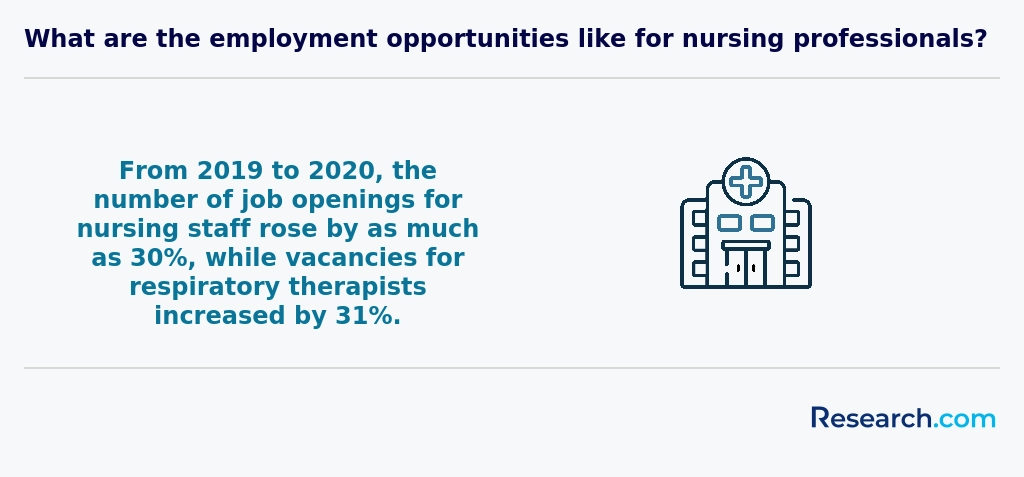
Graduates with an online healthcare degree in New York can pursue a diverse range of rewarding career paths. Registered Nurse (RN) roles are highly popular, with the state employing over 160,000 nurses and expecting 12% growth through 2030. Many graduates from institutions like Excelsior College find advancing through RN-to-BSN online programs a flexible option that fits their busy schedules. Healthcare Administration presents opportunities in hospital management or outpatient clinics, where salaries can reach around $110,000 annually. Alumni from schools such as the City University of New York have reported satisfaction working in these roles.
Other expanding fields include Medical and Health Services Management, focusing on coordinating healthcare delivery, and Public Health Education, where graduates often engage with community health initiatives amid evolving public health priorities. Health Informatics Specialists manage patient data and optimize digital systems, reflecting New York's advanced healthcare infrastructure. For those balancing work and study, many turn to fast online programs for working adults to enter these growing healthcare job opportunities in New York graduates seek.
What is the job market for online healthcare degree in New York?
The job market for graduates with online healthcare degrees in New York is notably strong, reflecting a projected 14% growth in healthcare employment from 2022 to 2032. This growth translates into thousands of new jobs in hospitals, nursing facilities, outpatient centers, and home healthcare services. Graduates from institutions like Hunter College or Stony Brook University often share positive stories about quick job placements and satisfying roles in these dynamic environments, illustrating promising online healthcare job opportunities in New York.
Many online healthcare degree holders find employment as registered nurses, medical records specialists, or healthcare managers, especially in high-demand urban areas such as New York City and Long Island. The median annual wage for healthcare practitioners in these regions often exceeds $80,000, providing attractive financial incentives. New York's support for telehealth further expands openings for professionals skilled in digital healthcare and data management.
Students pursuing an online healthcare degree in New York benefit from cost-effective programs with tuition ranging from $10,000 to $30,000. Those interested in exploring more pathways can visit best open enrollment colleges online to find suitable options that align with career goals and market demand.
Frequently Asked Questions About healthcare
Students pursuing online healthcare degrees in New York can maximize their learning by actively engaging with both digital coursework and real-world experiences. New York State requires most healthcare programs to include clinical hours, so partnering with local hospitals or clinics is essential for practical training. Additionally, utilizing state resources such as the New York State Education Department's database helps students verify program accreditation, which ensures quality education recognized by employers and licensing bodies.
Time management plays a critical role. The flexible nature of online degrees demands disciplined study routines to balance work, school, and personal commitments. According to the New York State Department of Labor, healthcare jobs are among the fastest-growing, emphasizing the need for students to stay up-to-date with current healthcare practices and technologies.
Joining online student forums or local professional healthcare groups offers networking opportunities and peer support, important for motivation and career advancement. Finally, leveraging digital libraries and attending virtual seminars hosted by New York-based healthcare institutions enriches the learning experience beyond standard coursework.
Emerging niches within the healthcare field reflect evolving technology and patient needs. In New York, telehealth has grown rapidly, driven by increased demand for remote care; its use surged by over 150% during the COVID-19 pandemic, according to the New York State Department of Health. Another expanding area is healthcare informatics, which focuses on managing and analyzing health data to improve patient outcomes. Additionally, gerontology is gaining importance as New York's aging population grows, requiring specialists in elder care and chronic disease management. Precision medicine and genetic counseling also offer new opportunities, combining technology and biology to personalize treatments.
After completing an online healthcare degree in New York, it is essential to prepare strategically for the job market. Start by obtaining any required licenses or certifications specific to your healthcare field, as New York rigorously enforces state regulations. Networking plays a crucial role; joining professional organizations like the New York State Nurses Association or the Healthcare Association of New York State can open doors to job opportunities.
Gaining hands-on experience through internships or volunteer work enhances your resume. According to the New York State Department of Labor, healthcare employment is projected to grow 18% from 2020 to 2030, underscoring strong demand. Stay updated on industry trends and consider additional online courses to specialize further.
Employers hiring healthcare degree graduates in New York prioritize a mix of technical and interpersonal skills. Strong clinical knowledge, including patient care and medical terminology, remains fundamental. According to the New York State Department of Labor, proficiency in electronic health records (EHR) systems is increasingly important as healthcare digitizes rapidly.
Communication skills are vital, especially because New York's diverse population demands cultural competence and empathy. Adaptability and critical thinking help graduates manage fast-paced, evolving medical environments. Data from the Bureau of Labor Statistics shows that teamwork and problem-solving abilities also rank highly among healthcare employers statewide.
Overall, a combination of practical skills and soft skills positions graduates for success in New York's competitive healthcare job market.
Finding internships in New York relevant to a healthcare degree involves targeting hospitals, clinics, and public health organizations. New York State employs over 600,000 healthcare workers, creating many internship opportunities in diverse settings, including the NYC Health + Hospitals system, the largest public health care provider in the nation.
Students should use resources like their academic institutions' career centers and the New York State Department of Labor's internship listings. Networking through professional groups such as the New York State Public Health Association also helps.
Applying early and tailoring applications to healthcare roles increases chances of placement in competitive environments.
An online healthcare degree in New York significantly impacts career mobility and advancement by providing flexible access to accredited programs recognized statewide. The New York State Education Department supports remote learning options, enabling professionals to upgrade skills without relocating or interrupting employment.
Healthcare occupations in New York are projected to grow 16% from 2020 to 2030, faster than the national average, according to the U.S. Bureau of Labor Statistics. Degree holders in nursing, health administration, or public health often qualify for leadership roles, higher salaries, and specialization opportunities.
Online degrees also facilitate networking across various healthcare networks in New York City and upstate regions, aiding professionals in expanding career prospects.
Studying for an online healthcare degree in New York equips students to function effectively in interdisciplinary roles by emphasizing collaboration across various healthcare fields. Many New York programs integrate coursework in nursing, public health, health informatics, and social work, reflecting the state's emphasis on comprehensive care models.
New York's diverse healthcare system, one of the largest in the US, requires professionals to work alongside physicians, therapists, and administrators. The New York State Education Department supports curricula that strengthen teamwork and critical thinking skills essential for coordinating patient care.
According to the New York State Department of Health, graduates with interdisciplinary training help reduce medical errors and improve patient outcomes by fostering communication among diverse providers.
Choosing between a thesis and a non-thesis online healthcare degree program in New York depends on your career goals and learning preferences. Thesis programs focus heavily on research, ideal for students aiming for academic or clinical research roles. These programs typically require completing a substantial research project, which can enhance critical thinking and analytical skills.
Non-thesis programs emphasize coursework and practical skills, suited for those seeking immediate entry into healthcare roles or leadership positions. According to the New York State Education Department, many healthcare employers value hands-on experience over research for positions in hospitals and clinics.
Consider your time commitment as thesis tracks often take longer due to research demands. Also, think about funding, as some scholarships favor thesis research. Understanding these factors helps you choose the best path for your future in New York's evolving healthcare industry.
Students based in New York who want to study healthcare abroad have several pathways to consider. Many U.S. universities, including those in New York, offer collaborative online programs with international institutions, allowing students to earn a degree recognized both in the U.S. and abroad. These programs often include virtual clinical experiences or internships to meet practical requirements.
Additionally, students may pursue foreign healthcare degrees through accredited online platforms that align with New York State's licensure criteria. It is important to verify if the foreign program meets the New York State Education Department's standards, especially for fields like nursing and public health. According to the New York State Department of Labor, healthcare employment is projected to grow by 10% through 2030, reflecting strong demand for qualified professionals with flexible education options.
There are also exchange opportunities or dual degree options with universities in countries known for their strong healthcare education systems, such as the United Kingdom and Canada. However, students should carefully review licensing reciprocity agreements and ensure their chosen program supports professional credentialing in New York.
In New York, part-time job opportunities that align well with healthcare degree studies include roles such as medical assistants, pharmacy aides, and certified nursing assistants (CNAs). These positions offer hands-on experience while accommodating flexible schedules. According to the New York State Department of Labor, healthcare support jobs are projected to grow 18% through 2030, faster than many other fields.
Additionally, roles like health information technicians or patient service representatives complement online coursework by providing exposure to healthcare systems and patient interaction. Many hospitals and clinics in New York City offer part-time roles specifically designed for students.
Working part-time in these settings not only supplements income but also strengthens practical skills relevant for advancing in healthcare careers.
Online healthcare students in New York have several networking opportunities despite the virtual format. Many universities offer virtual events, including webinars, career fairs, and alumni meetups, allowing students to connect with peers and healthcare professionals statewide. The New York State Nurses Association and the Greater New York Hospital Association provide platforms where students can engage in professional discussions and job shadowing programs.
Additionally, some programs partner with local healthcare facilities for internships, which foster direct in-person and remote networking. According to the New York State Department of Labor, healthcare is one of the fastest-growing sectors, making these connections valuable for career advancement. Students benefit from access to LinkedIn groups and professional associations focused on New York healthcare trends.
Alumni networks offer valuable support to online healthcare degree students in New York by connecting them with experienced professionals across the state's vast healthcare system. These networks often provide mentoring, which can guide students in navigating licensure requirements and certifications specific to New York.
Access to job postings and internships shared exclusively through alumni communities enhances career opportunities. For example, New York's healthcare sector employs approximately 1.3 million people, creating a competitive job market where networking can be a key advantage (New York State Department of Labor, 2023).
Additionally, alumni events and online forums foster collaboration and continuing education, helping graduates stay informed about industry trends and innovations.
Customizing an online healthcare degree program in New York begins with selecting a specialization that aligns with your career goals. Popular choices include nursing, health informatics, and public health. State universities often offer flexible electives, allowing students to tailor coursework to specific interests.
Many programs provide options for practicums or internships, giving students practical experience in New York's diverse healthcare settings. This hands-on training can enhance employment prospects in hospitals, clinics, or community health organizations.
Additionally, some institutions partner with local employers to facilitate job placement and networking opportunities. According to the New York State Department of Labor, healthcare jobs are expected to grow by 15% through 2028, making specialized training vital for entering this competitive market.
Careful selection of accredited online programs ensures your degree meets licensure requirements within New York, particularly for regulated professions like nursing or therapy. This customization helps you build relevant skills and meet state-specific professional standards.
Online healthcare students in New York often face challenges related to limited hands-on clinical experience. Many programs require in-person clinical hours, which can be difficult to arrange remotely. According to the New York State Education Department, students must complete a minimum number of supervised practice hours for licensure, posing scheduling and location hurdles.
Another obstacle is maintaining consistent internet access and reliable technology, especially for students in rural or underserved areas of New York. The COVID-19 pandemic highlighted disparities in digital access, affecting study and participation.
Additionally, balancing coursework with work or family responsibilities is common, as many online students are working adults. Time management becomes critical to success in rigorous healthcare curricula.
With an online healthcare degree in New York, graduates can pursue various professional certifications to enhance their career prospects. Common options include Certified Medical Assistant (CMA), Registered Health Information Technician (RHIT), and Licensed Practical Nurse (LPN) certifications. These certifications often require passing an exam and meeting state-specific requirements.
New York's Department of Health oversees licensing for many healthcare professions, ensuring that certification aligns with state standards. According to the New York State Education Department, certifications in healthcare administration and health information management are in high demand due to the region's growing healthcare industry.
Additionally, certifications like Certified Professional Coder (CPC) and Certified Nursing Assistant (CNA) are popular for online degree holders seeking entry or advancement in clinical and administrative roles.
Applying for an online healthcare degree in New York requires clear demonstration of your commitment and readiness. Start by carefully reviewing program prerequisites, as many New York schools demand a minimum GPA of 3.0 and relevant healthcare experience. Highlight any certifications or volunteer work within New York's healthcare system to strengthen your application.
Write a concise personal statement emphasizing your goals and how the program aligns with New York's healthcare workforce needs. According to the New York State Department of Labor, healthcare jobs are projected to grow by 15% by 2030, making your motivation for entering this field crucial.
Lastly, ensure all transcripts and recommendation letters are submitted promptly to meet deadlines; timeliness reflects professionalism valued by admissions committees.
The global perspective on a healthcare career increasingly values adaptability and cultural competence as healthcare systems become more interconnected. In the United States, including New York, the demand for healthcare professionals is growing rapidly due to an aging population and advances in medical technology. According to the New York State Department of Labor, healthcare occupations are projected to grow by approximately 14% from 2020 to 2030, faster than the average for all professions.
Online healthcare degrees offer accessibility for New York students to enter this expanding field while gaining skills applicable worldwide. Professionals trained in the U.S. often bring strong clinical knowledge and emphasis on evidence-based practices, which are respected globally.
Gaining practical experience while pursuing an online healthcare degree in New York is essential for career readiness. Many accredited programs incorporate clinical placements or internships at local hospitals and healthcare facilities. These hands-on opportunities comply with New York State regulations and help students develop real-world skills.
Students can often partner with prominent institutions such as the NewYork-Presbyterian Hospital or Mount Sinai Health System for supervised clinical hours. According to the New York State Education Department, these experiences are mandatory for certain licenses and certifications.
Virtual simulations and telehealth practicums also supplement clinical practice, providing safe, interactive environments.
Choosing the right concentration within an online healthcare degree program in New York starts with understanding the state's healthcare job market. For instance, the New York State Department of Labor projects a 12% growth for healthcare occupations from 2020 to 2030, faster than average for all professions. This indicates rising demand in areas like nursing, health informatics, and public health.
Next, consider your career goals. Nursing concentrations often lead to roles with strong employment opportunities, while public health focuses on community wellness, crucial in urban areas like New York City. Health informatics is another growing field, combining healthcare with technology.
Research each concentration's curriculum and licensure requirements, especially since some require clinical hours or state-specific certifications. Many programs offer advisement to help prospective students align their interests with market demand and certification paths.
Related Healthcare Rankings for Nearby States
- 2027 Most Affordable Online Healthcare Degree Programs Ranking in New Jersey
- 2027 Most Affordable Online Healthcare Degree Programs Ranking in Pennsylvania
- 2027 Most Affordable Online Healthcare Degree Programs Ranking in Maryland
- 2027 Most Affordable Online Healthcare Degree Programs Ranking in Ohio
- 2027 Most Affordable Online Healthcare Degree Programs Ranking in Virginia
- 2027 Most Affordable Online Healthcare Degree Programs Ranking in Maine
- 2027 Most Affordable Online Healthcare Degree Programs Ranking in West Virginia
- 2027 Most Affordable Online Healthcare Degree Programs Ranking in Kentucky
- 2027 Most Affordable Online Healthcare Degree Programs Ranking in North Carolina
- 2027 Most Affordable Online Healthcare Degree Programs Ranking in South Carolina
Top Trending Healthcare Rankings
See What Experts Have To Say About Studying Healthcare
Read our interview with Healthcare experts

References
- Online MHA Programs Ranked by Affordability (2026) https://www.mhaonline.com/blog/affordable-online-mha-programs-ranked
- Expanding experiential learning through simulation https://www.pagethink.com/insights/unlocking-potential-expanding-experiential-learning-through-simulation
- Online Bachelor's Degree in Health Services Administration https://www.monroeu.edu/student-life/online-experience/online-bachelors-degree-health-services-administration
- Medicine - Gaining Experience https://www.hamilton.edu/after/healthprofessions/academic-planning/medicine/gaining-experience
- Financial Aid https://www.nymc.edu/admissions--aid/financial-aid/
- Healthcare Students Learning https://www.unlvhealth.org/article/healthcare-students-learning
- Online Healthcare Degree Programs https://www.phoenix.edu/online-healthcare-degrees.html
- Financial Aid https://www.mtiofnewyork.com/medical-training-institute-financial-aid/
- Online Health Science Degrees with Financial Aid https://www.edumed.org/online-schools/health-science-degrees/financial-aid/
- Financial Aid - New York Medical Career Training Center https://www.nymedtraining.com/financial-aid/


