
2027 Most Popular Healthcare Degree Programs Ranking in Arkansas

Co-Founder and Chief Data Scientist
Choosing the right healthcare degree program in Arkansas can feel overwhelming. That's why we're here to help with the 2027 Most Popular Healthcare Degree Programs Ranking in Arkansas, created by the Research.com team of data scientists.
This ranking offers clear, data-backed insights to guide you toward programs that match your goals and interests. Whether you're just starting out or considering a change, understanding the best options helps you make confident decisions.
Pursuing a healthcare degree opens doors to a rewarding career focused on helping others. Dive in to discover programs that suit you and your future.
Key benefits of getting healthcare degree in Arkansas
- Graduates with healthcare degrees in Arkansas can earn competitive salaries, such as Medical Assistants making about $43,350 annually and Patient Care Technicians earning around $60,790 per year, ensuring financial stability.
- Healthcare degree holders from institutions like the University of Arkansas gain access to diverse career paths including roles in clinical research, health information management, and quality improvement coordination.
- Online healthcare degrees from Arkansas State University offer flexibility and convenience, allowing students to balance studies with work while still preparing for rewarding healthcare careers.
- Key benefits of getting healthcare degree in Arkansas
- What can I expect from healthcare degree in Arkansas?
- Where can I work with healthcare degree in Arkansas?
- How much can I make with healthcare degree in Arkansas?
- 2027 Most Popular Healthcare Degree Programs Ranking in Arkansas
- Key Findings
- How long does it take to complete healthcare degree in Arkansas?
- Student Life & Campus Support: Enhancing Your Journey in Healthcare Education
- What's the difference between online and on-campus healthcare degree?
- Affordable Online Healthcare Programs: Maximizing Value for Future Leaders
- What is the average cost of healthcare degree in Arkansas?
- Certifications and Licensure Requirements for Healthcare Graduates in Arkansas
- What financial aid is available to healthcare degree students in Arkansas?
- Available Specializations in Arkansas Healthcare Degree Programs
- What are the prerequisites for enrolling in healthcare degree program in Arkansas?
- Emerging Trends in Healthcare Education and Industry Impact
- What courses are typically in healthcare degree programs in Arkansas?
- What types of specializations are available in healthcare degree programs in Arkansas?
- How do you choose the best healthcare degree in Arkansas?
- What career paths are available for healthcare degree students in Arkansas?
- What is the job market for healthcare degree in Arkansas?
- Related Healthcare Rankings for Nearby States
- Top Trending Healthcare Rankings
- See What Experts Have To Say About Studying Healthcare
What can I expect from healthcare degree in Arkansas?
The average cost of pursuing a healthcare degree in Arkansas varies considerably, especially when comparing public institutions like the University of Arkansas for Medical Sciences (UAMS) with private colleges. Many graduates recall navigating tuition fees that are notably more affordable at state schools, which helps ease the financial burden while still providing rigorous and respected programs.
For instance, students attending UAMS often find that the balance between cost and quality of education makes for a rewarding investment, especially when considering the strong clinical partnerships that open doors to valuable internships. These real-world experiences not only deepen understanding but improve job prospects after graduation, adding tangible value beyond the price tag.
Financial aid, scholarships, and work-study programs play an essential role for many students. Graduates frequently express relief and gratitude about these resources, which can transform what might feel like a daunting expense into an achievable goal.
Ultimately, while tuition costs differ, the meaningful support and rich educational environment in Arkansas healthcare programs help students feel confident and hopeful about their educational journey.
Where can I work with healthcare degree in Arkansas?
Graduates from healthcare programs at institutions like the University of Arkansas for Medical Sciences often find themselves welcomed into diverse roles within state hospitals, where they apply their skills in nursing, medical technology, or healthcare management. Many reflect on the rewarding experience of contributing directly to patient care in major facilities such as Baptist Health or CHI St. Vincent Health, realizing early on that their education prepared them well for these demanding yet fulfilling environments.
Others have transitioned smoothly into outpatient care centers and physician offices, where the fast-paced setting requires adaptability and a deep understanding of evolving healthcare technology. Graduates appreciate how the Arkansas Center for Health Improvement's insights guide them toward specialties like radiologic technology or health information management, where their work significantly impacts patient outcomes.
Public health roles in Arkansas's Department of Health or local clinics offer opportunities to engage with community health and disease prevention. Alumni frequently mention how working in these settings connects them to larger population health goals, fostering both professional growth and personal fulfillment, especially in rural communities facing unique health challenges.
Finally, those drawn to elder care and long-term facilities feel a strong sense of purpose serving Arkansas's aging population. Their experiences affirm that healthcare degrees open doors not only in clinical settings but also in pharmaceutical companies and insurance sectors, where regulatory and research skills are invaluable.
How much can I make with healthcare degree in Arkansas?
Graduates from healthcare programs at institutions like the University of Arkansas for Medical Sciences often find their education directly reflected in competitive wages within the state. For example, medical assistants, a common entry point for many healthcare students, earn an average annual salary of about $43,350. Similarly, health information technicians in Arkansas can expect salaries near $43,380, demonstrating consistent demand for these crucial support roles.
Those pursuing more specialized roles, such as patient care technicians, tend to see higher earnings, averaging approximately $60,790 annually. This increase often excites graduates who have balanced rigorous clinical training with academic work and are eager to apply those skills professionally.
Graduates advancing toward coordination roles, like quality improvement coordinators, can anticipate significant raises. Arkansas professionals in this category report mean salaries close to $103,150. This reflects the value of combining advanced technical knowledge with leadership abilities developed at schools such as Arkansas State University.
Real-life stories from graduates reveal a common thread: the investment in a healthcare degree in Arkansas frequently translates into satisfying financial rewards that support both personal growth and community care aspirations.
2027 Most Popular Healthcare Degree Programs Ranking in Arkansas
How do we rank schools?
Investing in your education is a significant decision that can shape your future, and the Research.com team understands the importance of making informed choices. To assist prospective students in Arkansas, we have meticulously crafted the "2027 Most Popular Healthcare Degree Programs Ranking in Arkansas." Our commitment to quality, credibility, and accuracy is reflected in the extensive research and analysis conducted to compile this ranking.
We utilized the following reputable data sources to ensure a comprehensive evaluation of healthcare degree programs:
By exploring this ranking, readers will gain valuable insights to help them identify the most popular and reputable healthcare degree programs in Arkansas, guiding their educational choices with confidence. For more details about how this ranking was created, please visit our Research.com methodology page.


# 10 position
University of Arkansas at Little Rock
Bachelor of Science in Health Education and Promotion


# 15 position
University of Arkansas-Fort Smith
Bachelor of Nursing

# 16 position
University of Arkansas-Fort Smith
Master of Healthcare Administration


Key Findings
- Undergraduate healthcare programs at public universities in Arkansas cost between $7,000 and $10,000 per year for in-state students, while private schools usually charge over $20,000 annually.
- Entry-level healthcare jobs in Arkansas offer salaries ranging from $45,000 to $55,000, with experienced professionals earning between $70,000 and $90,000 per year.
- There is strong and growing demand for healthcare professionals in Arkansas, especially in registered nursing and healthcare support roles.
- Clinical placements are widely available in hospitals, clinics, and specialized care centers, offering essential hands-on experience for students.
- Healthcare programs in Arkansas are accredited by organizations like CCNE and ACOTE, ensuring quality education and eligibility for licensing exams.
How long does it take to complete healthcare degree in Arkansas?
Completing a healthcare degree in Arkansas varies widely based on the path you choose and your personal circumstances. Many graduates recall that practical nursing programs at community colleges or technical schools, which take about a year, provide a swift gateway into the healthcare field. This route suits those eager to start working quickly, balancing life commitments with effective training.
For those pursuing nursing at a higher level, such as an RN degree, the timeline extends to around two years for an Associate Degree in Nursing offered at institutions statewide. Others aiming for a Bachelor of Science in Nursing, like students at the University of Arkansas for Medical Sciences (UAMS), embrace the four-year journey that opens doors to expanded career options and deeper clinical experiences.
Students who want to advance even further often share how the additional two to three years for master's degrees in fields like physician assistant or nurse anesthesia programs at UAMS challenged their resolve but enriched their professional skills. Many appreciate that part-time and accelerated options helped them adapt studies around work or family life while meeting Arkansas's rigorous clinical hour requirements.
Student Life & Campus Support: Enhancing Your Journey in Healthcare Education
A vital, yet often overlooked, aspect of choosing a healthcare degree program in Arkansas is understanding the vibrant campus life and support services available to students. From academic advising and tutoring services to career counseling and internship placement assistance, a well-rounded campus environment plays a key role in shaping a successful professional journey. Students frequently highlight the value of dedicated support networks-ranging from peer mentoring programs to active alumni associations-that help bridge the gap between classroom learning and real-world practice. Moreover, many institutions organize interactive workshops, career fairs, and networking events that enable students to gain insights into the fastest-growing sectors of the healthcare industry. For example, some programs even offer dedicated sessions on navigating accelerated training options, including medical assistant classes, which can be a springboard for quick entry into the workforce. Emphasizing community engagement and ongoing professional development, these support systems not only build academic confidence but also ensure students are well-prepared to seize emerging opportunities in Arkansas' dynamic healthcare landscape.
What's the difference between online and on-campus healthcare degree?
Choosing between online and on-campus healthcare degrees in Arkansas often comes down to how you want to experience your education. Graduates from the University of Arkansas for Medical Sciences often recall the value of hands-on clinical rotations, where in-person practice with patients and equipment solidified their confidence and skills-something hard to replace through a screen.
Meanwhile, those who opted for online programs appreciate the flexibility to balance studies with work or family life without relocating to Little Rock. They describe how discussion boards and virtual meetings, while less spontaneous than classroom conversations, still fostered meaningful connections with instructors and peers across the state.
Financially, in-state students benefit from lower tuition on campus, but online learners save on commuting and housing costs despite occasional technology fees. These real-life trade-offs shape not only daily routines but the entire educational journey, reflecting personal priorities and Arkansas's unique healthcare environment.
Affordable Online Healthcare Programs: Maximizing Value for Future Leaders
In today’s fast-evolving educational landscape, many prospective students are increasingly turning to online programs for their flexibility and cost-efficiency. Arkansas offers a growing number of affordable online healthcare education options that provide rigorous curricula while accommodating busy schedules. These programs are designed not only to impart essential knowledge but also to build practical skills, with emphasis on virtual labs, real-time feedback, and interactive discussions. Students can benefit from reduced commuting costs and often lower tuition fees compared to traditional on-campus programs. For those serious about balancing quality education with financial prudence, exploring options such as the cheapest online healthcare school in arkansas can be a game-changer. This approach allows future healthcare professionals to invest in their career without compromising on academic excellence, making it an ideal pathway for those striving to launch successful careers in an in-demand industry.
What is the average cost of healthcare degree in Arkansas?
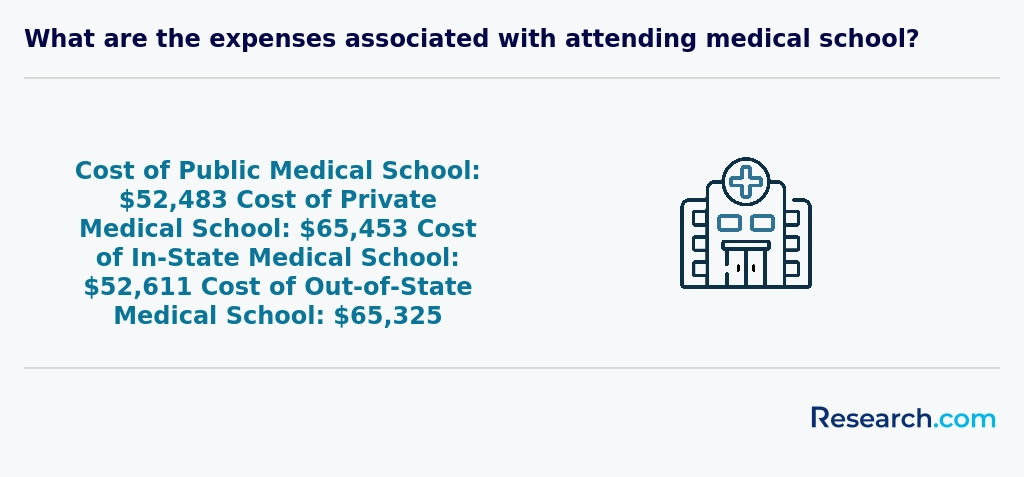
The average cost of a healthcare degree in Arkansas reflects a balance between quality education and affordability. Graduates from the University of Arkansas for Medical Sciences often share how in-state tuition, which averages around $9,960 total, helped ease their financial concerns while pursuing demanding healthcare programs. This contrasts with out-of-state students who face significantly higher costs, aligning with the median out-of-state total cost of approximately $31,341. The affordability of Arkansas healthcare degree tuition and fees is a strong draw for many students deciding where to study.
Community colleges offering healthcare pathways, such as nursing and medical assisting, add another layer of financial accessibility with even lower costs and shorter program durations. Many graduates recall how these certificate and associate degree programs provided swift entry into healthcare careers without the heavy burden of high tuition fees. This is especially important when considering the cheapest online healthcare school in Arkansas, which enables students to find affordable routes tailored to their needs.
Students often highlight that beyond tuition, additional expenses - including textbooks, lab fees, and clinical training - require thoughtful budgeting. Yet, Arkansas stands out as a state where living expenses tend to be below national averages, making the overall investment in a healthcare degree more manageable and encouraging more students to pursue their ambitions in health professions.
Certifications and Licensure Requirements for Healthcare Graduates in Arkansas
Upon earning a healthcare degree in Arkansas, securing the appropriate certifications and state licensure is crucial to begin practicing legally and confidently. Each specialty has distinct regulatory bodies and exam requirements: • Nursing (LPN, RN, APRN): Graduates must apply to the Arkansas State Board of Nursing, complete a criminal background check, and pass the NCLEX-PN or NCLEX-RN exam. Advanced Practice Registered Nurses (APRNs) pursue additional national certification (e.g., AANP, ANCC) and obtain a collaborative practice agreement to prescribe medications. • Allied Health Professionals: – Medical Laboratory Technicians register with the American Society for Clinical Pathology (ASCP) and meet Arkansas Department of Health standards. – Radiologic Technologists sit for the ARRT certification and apply for state licensure through the Arkansas Department of Health’s Radiation Control Division. – Physical Therapy Assistants must graduate from a CAPTE-accredited program, pass the National Physical Therapy Exam (NPTE) for PTAs, and apply for licensure with the Arkansas State Board of Physical Therapy. When exploring degree pathways, consider an accredited option like the pta as degree online to ensure you meet both didactic and clinical hour requirements. • Continuing Education and Renewal: Most licenses renew biennially, requiring completion of continuing education units (CEUs). For example, RNs need 30 contact hours or equivalent professional activities. Understanding and fulfilling these certification and licensure steps not only demonstrates professional competence but also enhances employability across Arkansas healthcare settings. Always verify current requirements on official state board websites to stay compliant and advance your career.
What financial aid is available to healthcare degree students in Arkansas?
Many healthcare students in Arkansas find federal financial aid to be a cornerstone of their funding journey. For example, graduates from the University of Arkansas for Medical Sciences often recall how Pell Grants, offering up to $7,395 without repayment, eased their initial financial stress. This type of aid, combined with federal Direct Subsidized and Unsubsidized Loans, which can provide up to $12,500 annually for independent students, creates a vital safety net during challenging academic years.
State-specific programs also play a crucial role. Graduates from Arkansas Tech University frequently highlight the Arkansas Academic Challenge Scholarship, which offers up to $4,500 annually, making healthcare degrees more attainable. Additionally, programs like the Arkansas Nursing Loan Repayment support nurses committing to underserved areas, transforming financial aid into career opportunities that benefit both the individual and local communities.
Private scholarships from hospitals and healthcare foundations further brighten the path. Many students at Harding University report that these awards, combined with work-study or employer tuition assistance, lighten financial burdens and foster a strong sense of encouragement and optimism throughout their studies.
Available Specializations in Arkansas Healthcare Degree Programs
Arkansas colleges and universities offer a wide array of specializations designed to meet the diverse needs of today’s healthcare industry. Whether you’re drawn to patient-centered roles, administrative leadership, or cutting-edge technology, you can tailor your degree to your career goals:
- Nursing (RN-to-BSN, MSN, Nurse Practitioner): Focus on advanced clinical skills, patient advocacy, and leadership in hospital or community settings.
- Public Health (BPH, MPH): Emphasize population health, epidemiology, and health policy to address community wellness and disease prevention.
- Health Informatics: Combine healthcare knowledge with data science to manage electronic health records, optimize workflows, and support clinical decision-making.
- Healthcare Administration and Management: Develop expertise in finance, operations, and strategic planning for hospitals, clinics, and long-term care facilities.
- Diagnostic Medical Sonography and Radiologic Technology: Train in imaging techniques that aid in early diagnosis and treatment monitoring.
- Occupational Therapy Assistant and Physical Therapy Assistant: Gain hands-on experience helping patients recover mobility and independence under licensed therapists.
- Health Education and Promotion: Learn to design and implement programs that encourage healthy lifestyles and improve patient outcomes. Many of these specializations are available in both on-campus and online formats. For cost-conscious master’s candidates seeking an affordable online option, explore the Inexpensive Online Master's in Healthcare Degree Programs Ranking in Nebraska to compare tuition rates, curriculum strengths, and flexibility. By selecting a specialization aligned with your interests and local workforce needs, you’ll position yourself for a rewarding career in Arkansas’s dynamic healthcare landscape.
What are the prerequisites for enrolling in healthcare degree program in Arkansas?
Enrolling in a healthcare degree program in Arkansas typically starts with a solid academic foundation. Graduates from the University of Arkansas for Medical Sciences often reflect on how their strong high school coursework in biology, chemistry, and math prepared them well for the challenges ahead. Many programs expect a minimum GPA around 2.5 to 3.0, showing that consistent effort is valued as much as raw talent.
Beyond grades, completing prerequisite science courses like anatomy and physiology is crucial. Students at Arkansas State University, for example, frequently share how these classes build essential knowledge that shapes their clinical experiences later.
Additionally, students should be ready for standardized tests when required, as well as background checks and up-to-date immunizations to ensure safety during hands-on training. Real-world healthcare settings demand this level of responsibility early on, which graduates recall as both motivating and reassuring.
Volunteer or work experience in healthcare is sometimes requested, providing a firsthand glimpse into the rewarding yet demanding nature of these careers. This blend of academic and practical prerequisites helps students feel confident and capable when starting their journeys in Arkansas's supportive educational environment.
Emerging Trends in Healthcare Education and Industry Impact
As Arkansas continues to evolve academically and clinically, aspiring healthcare professionals should stay informed about emerging trends that are reshaping the industry. Future-oriented healthcare programs are increasingly integrating innovative technologies-such as telemedicine, simulation-based learning, and data-driven patient care models-into their curricula. These advancements not only prepare students for a dynamic, technology-rich work environment but also enhance patient outcomes and streamline healthcare delivery systems. Moreover, institutions are broadening partnerships with local hospitals, research centers, and even global health organizations to offer experiential learning opportunities. In this evolving landscape, affordability remains a key consideration. For students who value both quality education and fiscal responsibility, it is worth exploring options like the cheapest online healthcare school in arkansas, which combines innovative curriculum delivery with cost-effective solutions. Understanding these emerging trends, from digital breakthroughs to collaborative clinical experiences, can empower you to choose a program that not only meets today's demands but also prepares you for the future of healthcare. As these developments continue, staying abreast of changes can help prospective students pinpoint the programs that best fit their career aspirations and learning style.
What courses are typically in healthcare degree programs in Arkansas?
Healthcare degree programs in Arkansas consistently weave together foundational sciences with specialized health topics that prepare students for meaningful roles in the state's healthcare community. Graduates from well-known institutions like the University of Arkansas for Medical Sciences often recall their first lessons in human biology and anatomy as eye-opening moments-realizing how intricate and delicate the human body truly is.
Courses in physiology deepen this understanding by showing how systems work in harmony, which becomes crucial when students step into clinical skills labs at colleges such as Arkansas State University. Here, practicing vital signs measurement or basic life support feels empowering because it bridges textbook knowledge with real patient care scenarios.
- Medical terminology classes provide the confidence graduates need to communicate clearly within Arkansas's diverse healthcare settings
- Pharmacology reveals the complexities behind drug effects and administration-essential for those aiming toward nursing or allied health fields
- Ethics and healthcare policy courses ground students in the legal and moral frameworks guiding patient care across Arkansas
Many also embrace statistics and research methods, which cultivate an evidence-based mindset, vital in a state with rapidly evolving healthcare demands. The blend of theory and hands-on training reflects the practical nature of healthcare work that Arkansas students are eager to embark upon.
What types of specializations are available in healthcare degree programs in Arkansas?
Healthcare degree programs in Arkansas typically offer a range of specializations tailored to meet the state's evolving medical needs. Students at well-regarded universities often find themselves drawn to nursing tracks such as Registered Nurse (RN) or Nurse Practitioner (NP), where graduates describe a strong sense of reward serving Arkansas's rural communities. Other popular paths include healthcare administration, where learners develop skills to oversee hospital operations and healthcare policy, preparing for leadership roles in local clinics and larger institutions alike. Programs in public health attract those passionate about improving community wellness and tackling health disparities across the state's diverse populations.
Additionally, allied health professions like physical therapy or radiologic technology provide hands-on roles supporting patient care-degrees many graduates highlight as both challenging and deeply fulfilling. Health informatics programs are rapidly gaining traction too, emphasizing data-driven approaches to optimize patient outcomes. For students looking for quicker routes into healthcare, enrolling in medical assistant classes offers practical skills and employment opportunities. These Arkansas healthcare programs and specializations reflect not just market demand but personal passions and practical realities facing aspiring healthcare workers today.
How do you choose the best healthcare degree in Arkansas?
Choosing the best healthcare degree in Arkansas often means balancing your career goals with practical considerations like cost, program length, and local demand. Graduates from popular institutions such as the University of Arkansas for Medical Sciences often emphasize how accreditation and hands-on clinical opportunities were crucial in their success. For example, nursing students note the benefit of programs accredited by the Accreditation Commission for Education in Nursing, helping them pass licensure exams confidently.
Another important factor is affordability. Many students appreciate how affordable healthcare degrees in Arkansas make furthering their education manageable without overwhelming debt. Public universities here average around $8,000 per year for in-state tuition, but additional fees can add up, so it's wise to explore scholarships or financial aid early.
Flexibility also matters. Some completers of allied health programs share how hybrid or online options allowed them to study while working. If you want to enter fields like physical therapy assistance, consider looking into pta as degree online programs tailored for Arkansas learners who need a flexible schedule.
Lastly, focus on job market trends in Arkansas, where nursing and health technologists show steady growth. Aligning your degree with these demands will often result in both rewarding work and financial stability after graduation.
What career paths are available for healthcare degree students in Arkansas?
Graduates with a healthcare degree in Arkansas find a variety of fulfilling career paths shaped by the state's rising demand for skilled professionals. Many take pride in entering direct patient care roles such as nursing, where registered nurses from institutions like the University of Arkansas for Medical Sciences thrive in hospitals and clinics. These graduates often share how rewarding it feels to support patients daily, knowing their skills are highly needed as Arkansas healthcare degree job prospects continue to grow.
Beyond nursing, other hands-on positions include licensed practical nurses, radiologic technologists, and respiratory therapists-all key players in patient recovery. Healthcare students from colleges across Arkansas appreciate the practical experience they gain, which prepares them for these essential roles. Additionally, non-clinical paths like healthcare administration and medical billing contribute to smoother operations within healthcare facilities, offering options to those who prefer organizational challenges.
For those seeking advanced opportunities, programs at Arkansas universities prepare students for pharmacy or physical therapy careers, combining passion with promising job prospects. The affordability of local programs makes investing in a healthcare degree even more accessible, especially when compared with national costs. Prospective students can explore further through the Inexpensive Online Master's in Healthcare Degree Programs Ranking in Nebraska, which includes helpful comparisons for affordable pathways nearby.
What is the job market for healthcare degree in Arkansas?
Graduates holding healthcare degrees from institutions like the University of Arkansas for Medical Sciences or Arkansas State University often find the healthcare job opportunities in Arkansas to be both abundant and encouraging. Many report firsthand the high demand for registered nurses, medical assistants, and allied health professionals, especially in rural communities where shortages make their skills critically needed. The growing aging population means hospitals and outpatient centers across the state are continuously seeking qualified professionals, providing steady employment prospects.
Cost-conscious students appreciate that tuition rates in Arkansas public colleges remain affordable, typically between $7,000 and $10,000 annually, which helps ease financial pressures while pursuing valuable healthcare education. Graduates feel reassured knowing that, despite a mean annual wage for registered nurses around $62,000, the lower cost of living in Arkansas balances compensation well. Many peers emphasize that combining an accredited degree with practical experience creates a solid foundation for successful employment.
Those considering options should explore pathways like the highest paying 6 month online certifications, which provide accelerated routes into healthcare settings. The Arkansas healthcare degree employment outlook is promising for motivated students ready to meet the market's clinical and certification demands, building fulfilling careers across the state.
Frequently Asked Questions About healthcare
Healthcare degree students in Arkansas can maximize their learning by combining classroom knowledge with practical experience. Given that Arkansas ranks higher than the national average in healthcare employment growth, students should seek clinical placements in local hospitals and clinics, such as those affiliated with the University of Arkansas for Medical Sciences (UAMS).
Engaging in internships or externships helps students develop hands-on skills and build professional networks within the state's healthcare community. Additionally, Arkansas offers various scholarships and grants specifically for healthcare majors through organizations like the Arkansas Rural Health Partnership.
Active participation in student healthcare organizations and attending state healthcare conferences also enhance learning by exposing students to current industry trends and challenges specific to Arkansas.
The healthcare field in Arkansas is expanding into several emerging niches driven by technological advances and demographic changes. One rapidly growing area is telehealth, which saw increased adoption during the COVID-19 pandemic and continues to improve healthcare accessibility in rural regions. According to the Arkansas Department of Health, telemedicine visits increased by over 50% from 2019 to 2023.
Another promising sector is health informatics, which combines healthcare and information technology to manage patient data efficiently. The Arkansas Center for Health Improvement highlights a growing demand for professionals trained in electronic health records and data analysis.
Additionally, gerontology and chronic disease management are becoming critical as Arkansas has a higher percentage of residents aged 65 and older compared to the national average, creating a need for specialized care focused on aging populations.
After completing a healthcare degree in Arkansas, preparing for the job market requires several focused steps. First, gaining relevant experience through internships or clinical placements during your studies is essential. Arkansas hospitals and clinics often value hands-on experience provided by local programs.
Next, obtaining any required licenses or certifications is critical. For example, registered nurses must pass the NCLEX-RN exam, and many other healthcare roles require state-specific certifications. Arkansas's Department of Health provides updated licensing information to ensure compliance.
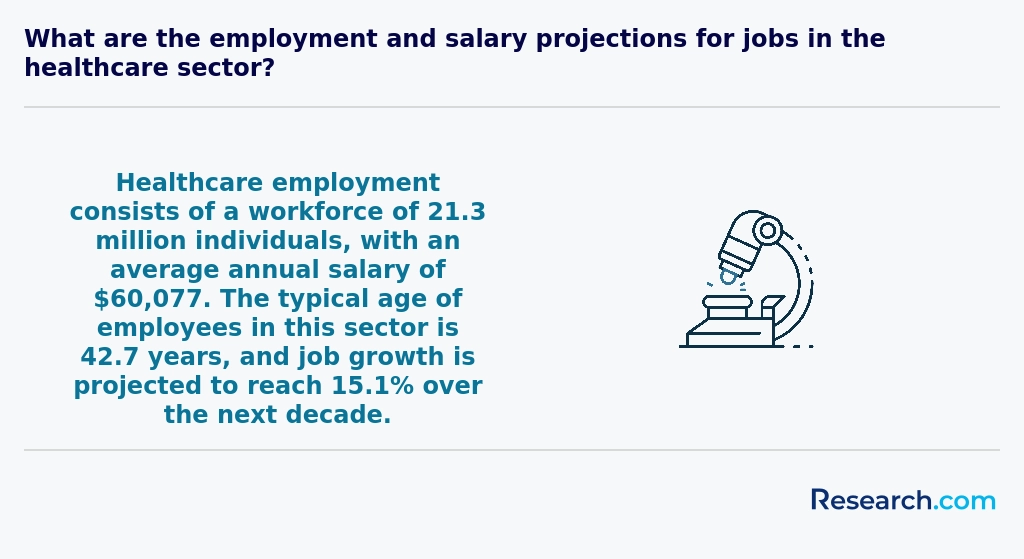
Networking with local healthcare professionals and attending job fairs can open doors. According to the Arkansas Department of Workforce Services, healthcare employment in the state is projected to grow by over 15% through 2030, creating substantial opportunities.
Finally, consider joining professional organizations such as the Arkansas Nurses Association or others related to your field for continued education and professional support.
Employers in Arkansas highly value healthcare degree graduates who demonstrate strong clinical skills alongside effective communication. According to the Arkansas Department of Health, the ability to provide patient-centered care remains a top priority, emphasizing empathy and active listening.
In addition, proficiency in technology, including electronic health records (EHR) systems, is increasingly important. Arkansas healthcare facilities report a growing demand for graduates familiar with digital tools that enhance care coordination and accuracy.
Critical thinking and problem-solving skills are essential as well, enabling new professionals to respond swiftly to complex medical situations. The Arkansas Center for Health Improvement highlights teamwork and adaptability as key factors contributing to positive patient outcomes statewide.
Finding internships in Arkansas relevant to healthcare degrees involves leveraging several local resources and institutions. Many universities, such as the University of Arkansas for Medical Sciences (UAMS), have dedicated career centers that collaborate with hospitals and clinics statewide to connect students with practical training opportunities.
Healthcare employment in Arkansas is concentrated in areas like Little Rock and Fayetteville, with organizations such as Arkansas Children's Hospital and Baptist Health offering internships. According to the Arkansas Department of Health, the state has been expanding healthcare services, increasing internship availability.
Additionally, joining professional associations like the Arkansas Hospital Association can provide networking opportunities and internship listings tailored to healthcare students.
In Arkansas, earning a healthcare degree significantly improves career mobility and advancement opportunities. According to the Arkansas Department of Workforce Services, healthcare occupations are some of the fastest-growing jobs statewide, with a projected growth rate of nearly 15% from 2020 to 2030.
A healthcare degree provides foundational knowledge and specialized skills that employers value, enabling graduates to qualify for a wider range of roles beyond entry-level jobs. For example, registered nurses with a bachelor's degree often have better chances of moving into leadership or specialized clinical positions.
The state's growing healthcare industry also offers upward mobility through continuing education and certifications, which many healthcare degree programs encourage.
Statistically, healthcare workers with degrees tend to earn higher salaries and report greater job security in Arkansas, making degree completion a critical factor for career advancement.
Studying for a healthcare degree in Arkansas offers strong preparation for interdisciplinary roles by integrating diverse healthcare disciplines in the curriculum. Many Arkansas institutions emphasize teamwork, combining nursing, public health, and allied health courses to build collaborative skills essential in modern care settings.
The Arkansas Department of Higher Education reports that healthcare programs often include practical experiences in hospitals and community clinics, exposing students to real-world interdisciplinary environments. This hands-on training develops communication and coordination skills across multiple healthcare professions.
Furthermore, Arkansas faces unique public health challenges such as rural healthcare access, which encourages students to adopt broad perspectives and adaptable approaches, preparing them for varied interdisciplinary roles. Many programs promote leadership and problem-solving, crucial for effective collaboration among diverse healthcare teams.
Choosing between a thesis and a non-thesis healthcare degree program in Arkansas depends largely on your career goals and learning preferences. Thesis programs require original research, which suits those interested in academic or research careers. In Arkansas, institutions like the University of Arkansas for Medical Sciences emphasize research, benefiting students aiming for roles in healthcare innovation or doctoral studies.
Non-thesis programs often focus on practical skills and clinical experience, ideal for students targeting immediate employment in healthcare settings. According to the Arkansas Department of Health, healthcare jobs are expected to grow 14% by 2030, favoring hands-on experience.
Cost and time also differ: thesis tracks may take longer and require more resources to complete.
Students in Arkansas interested in studying healthcare abroad have several pathways to consider. Many Arkansas universities with healthcare programs offer study abroad partnerships, allowing students to gain international clinical experience. Popular destinations include the United Kingdom, Australia, and Canada, where healthcare systems provide diverse learning environments.
The University of Arkansas for Medical Sciences (UAMS) supports global health initiatives, which encourage students to explore healthcare practices worldwide. According to the U.S. Bureau of Labor Statistics, international experience can enhance job prospects in Arkansas's growing healthcare sector, projected to increase by 15% through 2030.
Arkansas students should consult with study abroad offices at their institutions to identify programs recognized by U.S. accrediting bodies. This ensures that international coursework will count toward their Arkansas-based healthcare degrees.
Part-time job opportunities in Arkansas that complement healthcare degree education are abundant, offering valuable practical experience. Common roles include medical assistant positions, patient care technician jobs, and pharmacy technician roles. According to the Arkansas Department of Workforce Services, healthcare support occupations are projected to grow 14% between 2020 and 2030, highlighting robust demand.
Positions in hospitals, clinics, and long-term care facilities provide students with hands-on patient interaction. Additionally, jobs such as medical billing and coding specialists, often available on flexible schedules, help develop administrative skills essential for healthcare careers. These roles not only enhance resumes but also improve understanding of healthcare systems.
Healthcare students in Arkansas have access to a variety of networking opportunities that support their professional growth. Many universities, such as the University of Arkansas for Medical Sciences (UAMS), offer student organizations and events that connect students with healthcare professionals. Through clinical rotations and internships, students engage directly with hospitals and clinics, building essential industry connections.
Statewide, organizations like the Arkansas Hospital Association provide conferences and workshops to help students and new graduates meet employers and mentors. According to the Arkansas Department of Health, the healthcare sector is rapidly expanding, increasing the demand for strong professional networks to secure jobs and advance careers.
Alumni networks play a significant role in supporting healthcare degree students in Arkansas by offering mentorship and career guidance. These connections provide students with insights into local healthcare job markets, including hospitals and clinics across the state.
Many Arkansas healthcare programs, such as those at the University of Arkansas for Medical Sciences (UAMS), maintain active alumni groups that facilitate networking opportunities. According to UAMS, over 70% of graduates find employment through these networks within six months of completing their degrees.
Additionally, alumni often create internship and shadowing opportunities, which are vital for gaining practical experience in Arkansas's healthcare environment, where rural and urban healthcare needs vary widely.
Customizing a healthcare degree program in Arkansas allows students to align education with specific career goals. Many institutions offer flexible curricula with elective courses, concentrations, or certificates tailored to areas such as nursing, health administration, or public health.
Arkansas has a growing demand for healthcare professionals, particularly in rural areas, making specializations in community health or telemedicine valuable. According to the Arkansas Department of Health, programs that emphasize practical skills and internships boost employment opportunities within the state's healthcare system.
Students can often select practicum sites or research projects that match their intended career path. Additionally, some schools provide dual degree options or continuing education to further customize learning and professional growth.
Healthcare students in Arkansas face several challenges during their education. A significant issue is limited clinical placement opportunities, especially in rural areas where healthcare facilities are fewer. According to the Arkansas Department of Higher Education, this limits hands-on experience critical for learning advanced skills.
Another challenge is the financial burden. Tuition and related costs can be high, and while federal financial aid is available, many students struggle with loans and part-time work balancing. The Arkansas Center for Health Improvement notes that healthcare students often face stress from demanding coursework combined with financial pressures.
Finally, faculty shortages in specialized healthcare programs reduce student access to mentors and quality instruction, a problem documented by the Arkansas State Board of Nursing. This affects the overall learning environment and timely program completion.
With a healthcare degree in Arkansas, graduates can pursue various professional certifications to enhance their careers. Popular certifications include Registered Nurse (RN), Certified Medical Assistant (CMA), and Licensed Practical Nurse (LPN), all recognized by Arkansas state licensing boards.
Additionally, graduates may consider becoming Certified Healthcare Administrators or pursuing certifications in specialized areas like medical coding through the American Academy of Professional Coders (AAPC). The Arkansas Department of Health reports a growing demand for certified healthcare professionals, with nursing jobs expected to increase by 15% by 2030.
These certifications often require passing exams and fulfilling clinical experience hours, depending on the specific field and state regulations.
To write a winning application for a healthcare program in Arkansas, start by thoroughly researching the specific requirements of the program you're interested in. Many Arkansas institutions, such as the University of Arkansas for Medical Sciences, value applicants with strong academic records, particularly in science courses. Highlight relevant volunteer experience or work in healthcare settings, as Arkansas reports a growing demand for healthcare professionals.
Ensure your personal statement clearly communicates your passion for healthcare and commitment to serving the Arkansas community. According to the Arkansas Department of Health, applicants who demonstrate understanding of local healthcare challenges tend to stand out. Finally, secure strong letters of recommendation from supervisors or instructors familiar with your dedication and work ethic.
Healthcare careers are increasingly viewed through a global lens, with a strong emphasis on skills that meet international standards. In Arkansas, students pursuing healthcare degrees benefit from curricula aligned with federal healthcare regulations and evidence-based practices common in the United States. According to the Arkansas Department of Health, the state has seen a 12% growth in healthcare employment from 2019 to 2023, reflecting national trends of rising demand.
Global perspectives highlight the importance of cultural competence, technology adaptation, and collaborative care. U.S. healthcare education, including programs in Arkansas, integrates these elements to prepare graduates for diverse patient populations. This global outlook enhances opportunities for Arkansas students to work in various healthcare environments, both domestically and internationally.
Gaining practical experience while studying for a healthcare degree in Arkansas is essential for student success and employability. Many Arkansas institutions offer clinical rotations, internships, and practicum placements as part of their curriculum. These opportunities allow students to work directly with patients under professional supervision in hospitals, clinics, and community health centers.
Arkansas has several healthcare facilities, such as the University of Arkansas for Medical Sciences (UAMS), which provide robust training environments. According to the Arkansas Department of Workforce Services, healthcare professions in the state are projected to grow by 15% from 2020 to 2030, emphasizing the importance of hands-on experience.
Students are encouraged to engage in volunteer roles and research projects, which enrich practical skills and enhance networking. Additionally, some programs coordinate partnerships with local health agencies to support immersive learning.
Choosing the right concentration within a healthcare degree program in Arkansas involves considering local industry demand and personal interests. Arkansas faces a growing need for healthcare professionals, especially in nursing, public health, and healthcare administration, according to the Arkansas Department of Health. Prospective students should review labor market data showing the highest employment growth in registered nursing and allied health fields.
Understanding your strengths and career goals is essential. For instance, if you prefer direct patient care, nursing or physical therapy may suit you. For those interested in policy or management, public health or healthcare administration might be better options.
Additionally, Arkansas offers various accredited programs that align with national certification standards, ensuring quality education and strong job prospects. Exploring these pathways will help tailor your education to Arkansas's healthcare landscape.
Related Healthcare Rankings for Nearby States
- 2027 Most Popular Healthcare Degree Programs Ranking in Missouri
- 2027 Most Popular Healthcare Degree Programs Ranking in Mississippi
- 2027 Most Popular Healthcare Degree Programs Ranking in Louisiana
- 2027 Most Popular Healthcare Degree Programs Ranking in Kentucky
- 2027 Most Popular Healthcare Degree Programs Ranking in Kansas
- 2027 Most Popular Healthcare Degree Programs Ranking in Alabama
- 2027 Most Popular Healthcare Degree Programs Ranking in Illinois
- 2027 Most Popular Healthcare Degree Programs Ranking in Georgia
- 2027 Most Popular Healthcare Degree Programs Ranking in Florida
- 2027 Most Popular Healthcare Degree Programs Ranking in Nebraska
Top Trending Healthcare Rankings
See What Experts Have To Say About Studying Healthcare
Read our interview with Healthcare experts

References
- Course Benefits https://www.premedprojects.co.uk/hospital-work-experience-benefits
- Healthcare Administration https://uafs.edu/academics/colleges-and-schools/chehs/health-sciences/departments/healthcare-admin/index.php
- Education requirements for the fastest-growing healthcare jobs https://www.corridorcareers.com/job-tips/blog-news-education-requirements-fastest-growing-healthcare-jobs
- Healthcare Administration | Southern Arkansas University https://www.saumag.edu/healthcare-administration/
- Financial Aid | ACHE https://achehealth.edu/financial-aid/
- Pre-Med Study Abroad Programs | Go Overseas https://www.gooverseas.com/study-abroad/pre-med
- 6 Tips On Networking For Medical Professionals https://aaams.net/blog/how-to-network-in-the-medical-field-nurses/
- Career Opportunities in Healthcare Without a Medical Degree https://www.just-medical.ch/en/blog/medical-careers-without-formal-education
- How to Find Healthcare Internships: A Step-by-Step Guide for Students and New Graduates https://hipaatraining.net/how-to-find-healthcare-internships-a-step-by-step-guide-for-students-and-new-graduates
- Know more about thesis vs non- thesis: what is the difference? https://studyfans.com/en/blogs/816


