
2027 Most Popular Healthcare Degree Programs Ranking in Boca Raton

Co-Founder and Chief Data Scientist
Choosing the right healthcare degree program in Boca Raton can feel overwhelming. To help, this article presents the 2027 Most Popular Healthcare Degree Programs Ranking in Boca Raton, developed by the Research.com team of data scientists. It's designed to guide you through your options with clear, reliable data.
Exploring these top programs can inspire confidence in your decision and open doors to rewarding healthcare careers. Whether you're just starting or considering a change, this ranking offers valuable insight to help you find a program that fits your goals and passions.
Key benefits of getting healthcare degree in Boca Raton
• Graduates with a healthcare degree in Boca Raton can expect strong earning potential, with roles like Patient Care Technician averaging $60,790 annually and Quality Improvement Coordinators earning up to $103,150 per year.
• Career paths for healthcare degree holders include becoming Medical Assistants, Clinical Research Coordinators, or Health Information Technicians, offering diverse opportunities for growth in the vibrant Boca Raton healthcare sector.
• Pursuing a healthcare degree online in Boca Raton provides flexibility and convenience, allowing students to balance work and study effectively while accessing quality education from esteemed local institutions.
- Key benefits of getting healthcare degree in Boca Raton
- What can I expect from healthcare degree in Boca Raton?
- Where can I work with healthcare degree in Boca Raton?
- How much can I make with healthcare degree in Boca Raton?
- 2027 Most Popular Healthcare Degree Programs Ranking in Boca Raton
- Key Findings
- How long does it take to complete healthcare degree in Boca Raton?
- Internship and Clinical Placement Opportunities
- What's the difference between online and on-campus healthcare degree?
- Student Life and Campus Experience in Boca Raton Healthcare Programs
- What is the average cost of healthcare degree in Boca Raton?
- Leveraging Student Support and Networking Opportunities
- What financial aid is available to healthcare degree students in Boca Raton?
- Return on Investment: Long-Term Value of Healthcare Degrees in Boca Raton, FL
- What are the prerequisites for enrolling in healthcare degree program in Boca Raton?
- Accreditation and Licensure
- What courses are typically in healthcare degree programs in Boca Raton?
- What types of specializations are available in healthcare degree programs in Boca Raton?
- How do you choose the best healthcare degree in Boca Raton?
- What career paths are available for healthcare degree students in Boca Raton?
- What is the job market for healthcare degree in Boca Raton?
- Top Trending Healthcare Rankings
- See What Experts Have To Say About Studying Healthcare
What can I expect from healthcare degree in Boca Raton?
The average cost of pursuing a healthcare degree in Boca Raton typically ranges from affordable associate degrees to moderately priced bachelor's and advanced programs, reflecting the city's range of institutions like Florida Atlantic University (FAU). Graduates often recall balancing their studies with part-time work or clinical internships, which helps manage expenses while gaining hands-on experience-an aspect highly emphasized in Boca Raton's healthcare education environment.
Many students find that associate degrees can cost roughly $10,000 to $15,000 over two years, while bachelor's programs, such as nursing or health administration at FAU, generally fall between $30,000 and $40,000 for the full course load. Advanced degrees may reach upwards of $50,000, depending on specialization. These numbers weigh heavily when planning, but current students describe how flexible scheduling and online options help reduce hidden costs, like commuting or lost income.
Looking ahead, expanding partnerships between Boca Raton's hospitals and colleges promise to increase funded internships and scholarships, easing the financial burden further. This evolving landscape adds optimism among students eager to launch their healthcare careers without overwhelming debt.
Where can I work with healthcare degree in Boca Raton?
Graduates with a healthcare degree in Boca Raton can expect diverse and expanding career opportunities across multiple healthcare sectors. Many find rewarding roles in local hospitals like Boca Raton Regional Hospital, gaining hands-on experience in nursing, allied health, or healthcare administration. Their stories often highlight the fulfillment of making a direct impact on patient care within such dynamic environments.
Outpatient care centers and physician offices are rapidly growing too, driven by Boca Raton's rising population. Graduates describe thriving in these settings where preventive care and diagnostics are key, often working as physician assistants or medical technicians. The close-knit nature of these clinics fosters strong professional relationships and continuous learning.
Long-term care facilities and nursing homes offer promising futures, especially with the aging demographics. Healthcare degree holders frequently share how they tailor approaches to geriatric care, blending compassion and clinical skills, which enhances both patient and staff satisfaction.
Public health roles at community centers provide meaningful chances to shape disease prevention and health education, appealing to graduates passionate about population health and outreach.
Emerging trends also include healthcare technology and pharmaceutical sectors in nearby cities, where some graduates pursue careers in informatics and research coordination, embracing innovation and interdisciplinary collaboration.
How much can I make with healthcare degree in Boca Raton?
Graduates with healthcare degrees from Boca Raton institutions often find themselves stepping into rewarding roles with promising salaries. For example, those starting as medical assistants or clinical research coordinators can expect mean annual wages around $43,350, reflecting steady entry-level opportunities in the local healthcare market. Many who studied at popular Boca Raton colleges talk about landing these roles shortly after graduation, appreciating the balance between meaningful work and financial stability.
Moving up, patient care technicians earn an average of about $60,790 per year, a figure that excites many new graduates imagining hands-on careers. These roles often come with dynamic, real-life experiences in hospitals or clinics around Boca Raton's vibrant healthcare community. Meanwhile, health information technicians typically make around $43,380 annually, fitting well with those interested in the tech side of healthcare.
For graduates aiming higher, quality improvement coordinators represent a compelling path with a median yearly salary near $103,150. These professionals take on leadership responsibilities that shape patient care quality, offering both challenge and financial reward. Many healthcare students envision this role as a future pinnacle, inspired by mentors they encounter during their studies in Boca Raton's healthcare programs.
The evolving healthcare sector in Boca Raton, combined with specialized training from local universities, makes these salary ranges not only attainable but also a motivator for prospective students eager to thrive in a community-focused, growth-driven environment.
2027 Most Popular Healthcare Degree Programs Ranking in Boca Raton
How do we rank schools?
Investing in your education is a significant decision that can shape your future, and the Research.com team understands the importance of making informed choices. To assist prospective students in Boca Raton, we have meticulously crafted the "2027 Most Popular Healthcare Degree Programs Ranking in Boca Raton." Our commitment to quality, credibility, and accuracy is reflected in the extensive research and analysis conducted to compile this ranking.
We utilized the following reputable data sources to ensure a comprehensive evaluation of healthcare degree programs:
By exploring this ranking, readers will gain valuable insights into the most popular healthcare degree programs available in Boca Raton, empowering them to make well-informed decisions about their academic and professional futures. For more details on our methodology, please visit our Research.com methodology page.


Key Findings
- The average total cost for a healthcare bachelor's degree in Boca Raton ranges from $20,000 to $50,000, varying by institution type and healthcare field.
- Entry-level healthcare jobs offer starting salaries between $45,000 and $55,000 per year, with experienced professionals earning $70,000 to $90,000 annually.
- Healthcare job opportunities in Boca Raton are growing faster than the national average due to an aging population and expanding facilities.
- Local programs include nursing (RN and BSN), health information management, public health, and allied health, with options for certifications and licenses required in Florida.
- Proximity to South Florida healthcare hubs provides access to valuable internships and residency placements for hands-on experience.
How long does it take to complete healthcare degree in Boca Raton?
Completing a healthcare degree in Boca Raton most commonly spans from about 18 months to 12 years, depending on the program level chosen. Associate degrees, often pursued at local community colleges, typically take around 1.5 to 2 years, offering a fast track into entry-level roles. Graduates from these programs frequently share stories of how this timeframe allowed them to balance work and study, gaining practical skills quickly.
Bachelor's degrees at Boca Raton universities usually require four years, blending general education with specialized healthcare training. Many students cherish the in-person and online hybrid options that provide flexibility while staying engaged with peers and experienced faculty.
More advanced paths like master's degrees can take 1 to 3 years, but accelerated options exist for motivated students who want to finish sooner and start their careers. Meanwhile, medical or dental degrees combined with residencies present the longest journey-often 7 to 12 years total-though many graduates look back at this as a rewarding dedication to their calling.
Emerging trends such as hybrid learning and competency-based progressions promise to redefine these timelines, making healthcare education in Boca Raton more accessible and adaptable for future students.
Internship and Clinical Placement Opportunities
Boca Raton’s healthcare programs distinguish themselves through robust partnerships with leading clinical sites, ensuring students gain hands-on experience before graduation. Institutions collaborate with Boca Raton Regional Hospital, Delray Medical Center, and local community clinics to offer structured internships and clinical rotations. These placements not only reinforce classroom learning in anatomy, patient assessment, and care coordination but also enable students to build professional networks under the mentorship of experienced practitioners. Many students secure rotations in specialized units-such as emergency medicine, pediatrics, and health informatics-where they perform supervised tasks ranging from patient chart reviews to assisting with diagnostic procedures. One graduate reflected on her ICU rotation at Delray Medical Center, describing how daily exposure to critical care scenarios accelerated her clinical judgment and teamwork skills far beyond simulation labs. For students balancing work or remote learning, programs often facilitate placement matching through an online portal that connects participants to pre-approved sites across South Florida. This flexible approach mirrors models highlighted in our Low Cost Online Healthcare Degree Programs Ranking in Maine, demonstrating how distance learners can still benefit from high-quality experiential training. Ultimately, securing a well-structured internship or clinical placement is a key differentiator for Boca Raton graduates, translating into higher job placement rates and a competitive edge in the local healthcare job market.
What's the difference between online and on-campus healthcare degree?
Graduates from Florida Atlantic University in Boca Raton often describe the difference between online and on-campus healthcare degrees as a balance between flexibility and hands-on experience. Online students appreciate the freedom to study around work or family commitments, enjoying asynchronous classes that let them revisit lectures at their convenience. They find this adaptability empowering, especially when managing the demands of daily life in Boca Raton's bustling community.
On-campus learners, however, emphasize the value of in-person labs and direct access to clinical placements at nearby hospitals. They highlight how face-to-face interactions with professors and peers enhance their communication skills, essential for healthcare roles. These students often feel energized by the structured environment and campus resources, which foster a focused learning atmosphere.
Looking ahead, hybrids blending virtual education with local clinical practicums in Boca Raton could become the norm, offering personalized paths that combine the best of both worlds. This evolution promises more inclusive learning opportunities while maintaining the quality critical to healthcare careers.
Student Life and Campus Experience in Boca Raton Healthcare Programs
In addition to rigorous academics, the vibrant student life within Boca Raton’s healthcare programs plays a crucial role in shaping a well-rounded education. Prospective students benefit from a range of extracurricular activities, mentorship programs, and campus support services designed to enrich both personal and professional growth. Campus events, student organizations, and peer-led study groups create a welcoming environment where future healthcare professionals can network, collaborate, and share experiences that extend beyond the classroom. Many institutions also offer career fairs, research symposiums, and community outreach initiatives that help students build valuable connections with local healthcare providers and alumni. These experiences not only foster leadership and teamwork skills but also prepare students for the dynamic demands of the healthcare industry. Additionally, state-of-the-art facilities, simulation labs, and counseling services ensure that every student receives the support needed to succeed academically and personally. For a detailed comparison of institution offerings and overall campus ambience, you might explore the best popular healthcare colleges to find the environment that best suits your career ambitions. This focused look at student life complements the academic rigor of healthcare programs in Boca Raton, ensuring that graduates are not only technically proficient but also ready to lead, innovate, and make a meaningful impact in their communities.
What is the average cost of healthcare degree in Boca Raton?
The average cost of a healthcare degree in Boca Raton typically centers around $37,612, combining tuition, fees, and living expenses. For in-state students at institutions like Florida Atlantic University (FAU), the outlay is significantly lower than for out-of-state peers, but both groups can expect to invest substantial amounts over the course of their education. Graduates often reflect on how managing these costs required careful budgeting yet felt worthwhile due to the strong training and career prospects they gained.
Healthcare students in Boca Raton benefit from programs at FAU and community colleges such as Palm Beach State College, which provide more affordable pathways. Many students report that starting at a community college with tuition closer to $2,500 to $3,500 per year offers financial breathing room while still preparing them to advance into nursing or technician roles locally.
Considering the average cost of healthcare degree in Boca Raton is crucial for planning, especially as students weigh lifestyle choices that can affect total expenses. Living in Boca Raton means factoring in housing and supplies, which can add thousands annually but also enhance the overall college experience, making it feel more vibrant and connected.
Financial aid plays a critical role in reducing expenses. Most healthcare students in Florida rely on scholarships or grants to make their education affordable. Exploring the best popular healthcare colleges in the region can also reveal opportunities that balance cost with academic quality, helping students find the right fit for their goals and budgets.
Leveraging Student Support and Networking Opportunities
Success in a healthcare degree isn’t solely determined by the curriculum-it’s also shaped by the supportive environment and networking opportunities available on campus and online. Students in Boca Raton benefit from vibrant campus communities and dedicated support services that enhance both academic and professional growth. Many institutions offer mentorship programs, career fairs, and student organizations that connect learners with industry professionals, alumni, and peers. These networks provide invaluable guidance, from navigating clinical placements to refining interview skills and building professional profiles. For example, some online programs publish insights on acceptance trends, such as the brown mph acceptance rate, offering an in-depth look into admissions and career trajectories. By actively participating in these support systems, students not only gain essential soft skills but also position themselves to excel in a competitive job market, ensuring that their academic journey lays a solid foundation for future leadership and innovation in healthcare.
What financial aid is available to healthcare degree students in Boca Raton?
Financial aid for healthcare students in Boca Raton is evolving to meet the increasing demands of affordable education. Many graduates from Florida Atlantic University recall how federal aid, like Pell Grants and subsidized loans via FAFSA, significantly lowered their tuition hurdles-providing peace of mind during intense nursing programs.
Beyond federal sources, state programs such as the Bright Futures Scholarship continue to lighten tuition costs for residents, though their impact is felt broadly rather than specifically for healthcare majors. Graduates often mention how this combined assistance made balancing study and life much smoother.
Locally, foundations tied to Boca Raton Community Hospital offer merit-based scholarships creating opportunities for students focused on allied health careers. Some graduates recount receiving emergency aid during unexpected financial strains, which helped them persist without interruption.
Looking ahead, the expansion of paid clinical internships and partnerships with healthcare employers in Boca Raton hints at a future where students gain hands-on experience while earning. This integration of work and learning not only supports finances but also builds confidence and professional networks.
Return on Investment: Long-Term Value of Healthcare Degrees in Boca Raton, FL
Understanding the financial payoff of a healthcare degree is crucial for prospective students. By comparing tuition costs, average starting salaries, and career advancement opportunities, you can estimate the time it will take to recoup your investment and begin generating a net return. Calculating Payback Period • Associate Degree: With average tuition of $10,000 per year and starting wages near $55,860, graduates can expect a payback period of roughly 2–3 years. • Bachelor’s Degree: At $20,000–$30,000 per year, and entry-level salaries around $65,000, payback typically occurs in 4–5 years. • Advanced Degrees: Master’s and professional degrees often require higher upfront costs but yield starting salaries above $80,000, shortening payback to 3–4 years for many specializations. Salary Growth Trajectories Over a 10-year career span, healthcare administrators and informaticists can see salary increases of 30–50%. Factoring in promotions and specialized certifications, net earnings can double initial investment in under a decade. Maximizing ROI Consider accelerated pathways and part-time work-integrated learning. For those exploring clinical leadership roles, programs like fast track online pharmd programs can reduce time-to-degree while delivering high earning potential and professional credentials.
What are the prerequisites for enrolling in healthcare degree program in Boca Raton?
Enrolling in a healthcare degree program in Boca Raton continues to require a solid foundation of academic and practical experience, but future students will likely see evolving prerequisites shaped by advances in technology and healthcare trends. Currently, a high school diploma or GED is essential, paired with strong science and math coursework-biology, chemistry, and algebra form the core. Graduates from popular Boca Raton colleges recall how these classes prepared them for more specialized healthcare curricula, boosting their confidence in hands-on labs and clinical simulations.
Standardized tests such as the SAT or ACT remain relevant, though test-optional trends are making room for other demonstrations of aptitude.
Healthcare programs increasingly value experiential learning; volunteering at hospitals or internships with local clinics in Boca Raton provide immersive exposure that admissions committees highly appreciate. Many students describe how these experiences deepened their passion and readiness.
Financial planning is crucial as tuition fees for private institutions nearby often surpass $15,000 annually, yet scholarships and financial aid can alleviate concerns. Prospective enrollees might also expect requirements like immunization proof, background checks, and CPR certification-each reflecting a commitment to safety and professionalism in healthcare education.

Accreditation and Licensure
Accreditation ensures programs meet industry standards and qualify you for professional certification exams, while licensure approval guarantees eligibility to practice in Florida.
- Regional accreditation (e.g., SACSCOC) validates overall institutional quality
- Programmatic accreditation (CCNE or ACEN for nursing; CAHME for healthcare management) aligns curricula with professional board requirements
- State board approval is required for licensure in Florida healthcare roles
- Review first-time exam pass rates (NCLEX, RHIA, etc.) to assess program effectiveness
- Consider a CAHME-accredited track like a health administration degree online for streamlined certification pathways
What courses are typically in healthcare degree programs in Boca Raton?
Healthcare degree programs in Boca Raton typically include courses such as anatomy, physiology, microbiology, and medical terminology, forming the foundation for understanding the human body and diseases. Graduates from popular local colleges often describe how these courses sparked their confidence in clinical environments, allowing them to grasp complex concepts quickly during their internships at nearby hospitals.
Students also engage deeply with healthcare ethics and law, which prepare them to navigate real-world dilemmas they encounter in challenging patient-care settings. For example, some graduates recall cases where ethical decision-making shaped their approach to delivering compassionate care, a skill honed through these courses.
Emerging fields like health informatics and policy are increasingly emphasized at Boca Raton institutions, reflecting the city's growing healthcare infrastructure. Graduates highlight how learning data management and administration gave them a competitive edge when working in local clinics, where technology and efficient health systems are crucial.
Hands-on clinical practicums embedded in the curriculum give students invaluable, confidence-building experience, bridging theory and practice in vibrant healthcare hubs near Boca Raton's campuses.
What types of specializations are available in healthcare degree programs in Boca Raton?
Healthcare degree specializations in Boca Raton offer a range of dynamic fields designed to prepare students for rapidly evolving healthcare environments. Popular concentrations include Nursing, with a special emphasis on nurse practitioner roles given their projected 40% job growth, and Healthcare Administration, where students gain hands-on experience managing local hospitals and insurance services. Graduates from Boca Raton's universities often share how clinical rotations at established facilities like Boca Raton Regional Hospital give them confidence and real-world skills that fuel their passion for patient care and operational leadership.
In addition, programs focusing on Public Health and Health Education align well with Boca Raton's community health initiatives. Students often find rewarding opportunities developing preventive programs that affect diverse populations. For those exploring technical paths, areas such as Physical Therapy, Medical Laboratory Science, Pharmacy Technician Training, and Health Informatics are expanding, reflecting national trends toward data-driven healthcare solutions. Prospective students curious about program competitiveness can find helpful insights on acceptance with resources like the brown mph acceptance rate.
Boca Raton healthcare program concentration options continue to evolve, merging traditional healthcare roles with innovative specialties that respond to regional needs and future health challenges.
How do you choose the best healthcare degree in Boca Raton?
Choosing the best healthcare degree programs Boca Raton residents pursue often means balancing emerging trends with practical realities. Graduates from Florida Atlantic University reflect on how hands-on clinical experiences at local hospitals deepened their confidence, turning theoretical knowledge into real-world skills. Affordable healthcare degrees in Boca Raton attract students who appreciate flexible formats, such as part-time or online classes, which accommodate working professionals and family commitments. Anticipate growth areas, like healthcare administration and physician assistant roles, given the region's rising job market.
Accreditation remains crucial for licensure and career mobility. Graduates consistently emphasize how attending accredited programs prevented surprises during their certification processes and boosted employer confidence. Prospective students might also explore fast track online pharmd programs as a future-forward option, blending speed with quality. Considering these factors alongside personal interests helps create a tailored degree choice aligned with Boca Raton's dynamic healthcare landscape.
What career paths are available for healthcare degree students in Boca Raton?
Graduates with a healthcare degree in Boca Raton find themselves entering a dynamic job market where career paths range from clinical roles to administrative leadership. Many who study at local institutions experience firsthand the vibrant healthcare environment, securing positions as registered nurses providing compassionate care at Boca Raton Regional Hospital or as healthcare administrators shaping the future of facility operations. The growing demand for specialized roles like physical therapists and medical technologists further expands opportunity, with graduates often remarking on the rewarding challenge of applying their skills to improve patient outcomes.
For those exploring emerging trends, health information management is a particularly exciting avenue. Students from popular Boca Raton colleges witness the rapid adoption of healthcare technologies, fueling careers that blend data management with patient privacy. This integration positions graduates to support evolving healthcare systems efficiently, enhancing their marketability in an expanding sector. To explore affordable education options, prospective students might consider the Low Cost Online Healthcare Degree Programs Ranking in Maine, which can serve as a useful financial planning resource.
Whether aiming for clinical roles or innovative administrative careers, those pursuing healthcare degree career options Boca Raton offers gain access to a community eager to support their professional growth and success.
What is the job market for healthcare degree in Boca Raton?
The healthcare job opportunities in Boca Raton continue to expand as the local population ages and demands more specialized care. Graduates from popular colleges in Boca Raton often find themselves working in diverse settings like outpatient centers or home healthcare, where their training in geriatrics and chronic disease management is in high demand. Many healthcare degree holders appreciate the stimulating environment of local hospitals and clinics, noting how their education prepares them for hands-on, real-world challenges.
Boca Raton healthcare degree employment outlook remains strong, with registered nurses and allied health professionals earning competitive salaries that rival those in larger metropolitan areas. Students frequently describe how smaller class sizes and abundant clinical experiences enrich their learning at Boca Raton institutions, fueling their confidence to step into rewarding careers. For those considering accelerated paths, programs linked to the best accelerated bachelor's degree online offer an appealing route to enter the workforce sooner while meeting local demand for qualified healthcare workers.
Frequently Asked Questions About healthcare
Healthcare degree students in Boca Raton can maximize their learning by engaging with local clinical sites, such as Boca Raton Regional Hospital, which offers practical experience essential for real-world skills. Participating in internships and volunteering within community health programs allows students to apply classroom knowledge and build professional networks.
Utilizing Florida Atlantic University's resources, including its healthcare research centers, enhances understanding through exposure to current medical studies. Students should also seek interdisciplinary collaboration opportunities to broaden their expertise in fields like public health and biomedical sciences.
Attending workshops and seminars hosted by Boca Raton's healthcare organizations helps stay updated with industry trends and innovations.
The healthcare field is rapidly evolving, and several emerging niches are gaining importance in Boca Raton and across the US. One of the fastest-growing areas is telehealth, which expanded by over 50% during recent years, fueled by advancements in technology and changes in healthcare delivery models.
Another promising niche is geriatric care, particularly relevant to Boca Raton due to its large retiree population. Specialized training in aging-related health issues is increasingly in demand.
Additionally, healthcare informatics and data analytics are becoming critical as health systems seek to improve patient outcomes through data-driven decisions.
Other areas include mental health counseling and integrated behavioral health services, reflecting a nationwide push toward holistic care.
After completing a healthcare degree in Boca Raton, preparing for the job market involves targeted strategies to increase employability. Networking with local healthcare providers and attending job fairs hosted by institutions like Florida Atlantic University can open doors to opportunities. Gaining relevant clinical experience through internships or volunteer work at nearby hospitals such as Boca Raton Regional Hospital is highly beneficial. Certification and licensing are essential steps, with many roles requiring passing state exams administered by the Florida Department of Health. Staying informed about regional healthcare trends and focusing on in-demand specialties like nursing or medical technology can also improve job prospects.
Employers in Boca Raton value healthcare graduates who combine strong clinical skills with excellent communication. According to the Florida Department of Education, healthcare jobs in the region grow faster than the national average, emphasizing the need for adaptable professionals.
Critical thinking and problem-solving abilities are essential, as local healthcare facilities often require staff to make quick, informed decisions. Additionally, cultural competence is increasingly important due to Boca Raton's diverse patient population.
Technical proficiency with electronic health records (EHR) and familiarity with healthcare regulations such as HIPAA rank highly among employers. Practical experience through internships or clinical rotations also enhances job prospects.
Finding internships in Boca Raton for healthcare students involves exploring local hospitals, clinics, and academic institutions. Notable healthcare employers include Boca Raton Regional Hospital and the Veterans Affairs Medical Center, which often collaborate with universities to offer practical experience. Students should check with academic advisors at nearby schools like Florida Atlantic University, as they typically maintain updated internship listings tailored to healthcare programs.
Online job platforms like Handshake and healthcare-specific sites also list Boca Raton internships. Early application is crucial due to competitive placement. Networking events organized by local health associations can further connect students with internship opportunities.
Obtaining a healthcare degree in Boca Raton significantly enhances career mobility and advancement opportunities within the local healthcare sector. The city's growing population and expanding medical facilities, including institutions like Boca Raton Regional Hospital, continually increase demand for qualified healthcare professionals.
According to the Florida Department of Economic Opportunity, healthcare occupations in Palm Beach County are projected to grow by over 20% through 2028, offering strong job stability and upward mobility for degree holders.
Graduates with healthcare degrees often qualify for diverse roles, from clinical practice to administrative leadership, enabling faster progression into specialized and managerial positions. Additionally, connections made through Boca Raton's educational programs can open doors to local networking and employment.
Studying for a healthcare degree in Boca Raton equips students to work effectively in interdisciplinary healthcare teams. Local institutions emphasize collaborative learning, often integrating courses in nursing, public health, and healthcare administration. This approach reflects Boca Raton's growing healthcare industry, which according to the Florida Department of Economic Opportunity, employs over 15,000 professionals. Students gain hands-on experience in diverse settings, such as Florida Atlantic University's partnerships with nearby hospitals and clinics, fostering real-world teamwork skills.
Coursework frequently covers communication techniques, ethics, and patient-centered care to ensure graduates can collaborate across specialties. Many programs also include simulations and case studies involving multiple healthcare disciplines, preparing students for the complex, interconnected roles they will encounter in practice.
Choosing between a thesis and a non-thesis healthcare degree program in Boca Raton depends on your career goals and learning preferences. A thesis program emphasizes original research, ideal for those aiming at clinical research or advanced academic roles. It usually takes longer to complete due to the demanding research component.
Non-thesis programs focus more on practical skills and coursework, which suits students targeting immediate employment in healthcare settings or management positions. In Boca Raton, where healthcare facilities like Boca Raton Regional Hospital offer diverse clinical opportunities, practical skills are highly valued.
According to the U.S. Bureau of Labor Statistics, healthcare jobs in Florida are projected to grow 15% through 2030, so choosing a path aligned with your professional ambitions is critical.
Students based in Boca Raton interested in healthcare degrees have several opportunities to study abroad through US universities with international partnerships and exchange programs. Many Florida institutions facilitating healthcare education, including those near Boca Raton, offer semester-abroad options in countries with strong medical training systems, such as the UK, Canada, and Australia. These programs allow students to gain diverse clinical experiences and exposure to different healthcare models.
According to data from the Institute of International Education, over 10,000 US health-related students participate annually in study abroad programs. Boca Raton residents benefit from proximity to universities like Florida Atlantic University that support global learning initiatives in health sciences. Scholarships and financial aid options are often available to reduce the cost of international study for healthcare students.
Part-time job opportunities in Boca Raton that complement healthcare degree education include positions such as medical assistants, patient care technicians, and pharmacy aides. These roles provide hands-on experience in clinical settings, which is valuable for students pursuing nursing, healthcare administration, or allied health degrees. Boca Raton's healthcare sector, supported by institutions like Boca Raton Regional Hospital, offers various part-time openings, helping students develop practical skills while attending class.
Additionally, roles in local senior care facilities and outpatient clinics allow students to engage directly with patients, honing communication and technical skills essential for healthcare professionals. According to the Florida Department of Economic Opportunity, healthcare support occupations in Boca Raton are projected to grow by 15% through 2028, indicating expanding job opportunities.
Healthcare students in Boca Raton benefit from a variety of networking opportunities thanks to the city's strong medical community. Local universities, such as Florida Atlantic University, regularly host career fairs and professional workshops focused on healthcare fields. These events connect students with regional employers, including Boca Raton Regional Hospital and other healthcare providers in Palm Beach County.
Additionally, industry-specific organizations like the Palm Beach County Medical Society offer student memberships and events where future healthcare professionals can meet experienced practitioners. Networking through internships and externships is common, giving students practical experience and fostering professional relationships within Boca Raton's healthcare sector.
According to the Palm Beach County Economic Development Office, healthcare is a leading employment sector, making these connections crucial for career advancement in the area.
Alumni networks provide significant advantages to healthcare degree students in Boca Raton by offering access to professional connections and mentorship opportunities. Graduates often join networks that include local healthcare providers, hospitals, and clinics, which can lead to internships and job placements. According to the Florida Department of Health, Boca Raton hosts numerous healthcare facilities, increasing chances for networking within the community.
These networks also facilitate knowledge sharing and support, helping students stay updated on industry trends and certifications. Strong alumni ties can improve career outcomes through referrals and recommendations in a competitive job market, which is vital in Florida's growing healthcare sector.
Customizing a healthcare degree program in Boca Raton involves selecting courses and specializations that align with your career goals. Many local institutions offer flexible curricula with options in nursing, health administration, and allied health fields. For example, students can choose electives in healthcare management or clinical practice depending on their interests.
Boca Raton's healthcare industry is expanding, with over 30,000 jobs projected in the next decade according to the Palm Beach County Department of Economic Sustainability. This growth allows programs to tailor training toward in-demand skills like medical technology or patient care coordination.
Additionally, students benefit from internship opportunities at nearby hospitals, providing practical experience. Academic advisors at Boca Raton schools also assist in creating personalized study plans to ensure degree relevance and job market readiness.
Healthcare students in Boca Raton often face significant time-management challenges due to the demanding nature of their programs. Courses in nursing, allied health, and other healthcare fields typically require extensive hands-on clinical hours combined with rigorous coursework. Balancing these commitments with part-time jobs or family responsibilities can be difficult.
Another common challenge is the high cost of education. According to the National Center for Education Statistics, the average tuition for healthcare degrees in Florida has increased by 3% annually, which impacts many Boca Raton students relying on financial aid or loans.
Additionally, students may encounter stress linked to mastering complex medical knowledge and adapting to fast-paced clinical environments, requiring strong mental resilience and support systems.
With a healthcare degree in Boca Raton, students can pursue various professional certifications that enhance career prospects. Popular certifications include the Certified Nursing Assistant (CNA), Registered Nurse (RN), and Licensed Practical Nurse (LPN), which are recognized nationally. Additionally, certifications like Certified Medical Assistant (CMA) and Certified Pharmacy Technician (CPhT) offer specialized skills.
Advanced certifications such as Certified Health Education Specialist (CHES) and Certified Professional Coder (CPC) allow graduates to expand into public health and medical billing fields. These certifications often require passing an exam and meeting clinical experience guidelines.
Healthcare employers in Boca Raton highly value these certifications for improving patient care quality, according to Florida Department of Health data.
Applying to a healthcare program in Boca Raton requires careful preparation to stand out. Start by thoroughly researching the specific program's prerequisites and emphasize your relevant experience, such as volunteering or internships in local healthcare facilities. Boca Raton's growing healthcare market increases competition, so highlight your commitment to patient care and community health. Strong letters of recommendation from healthcare professionals in the area can significantly boost your application. Additionally, tailor your personal statement to reflect your understanding of healthcare challenges facing South Florida. According to the Florida Department of Health, the region's demand for qualified healthcare workers is expected to grow by 15% over the next decade.
The global perspective on healthcare careers is increasingly shaped by the growing demand for skilled professionals across all regions, including the United States. In Boca Raton, Florida, the healthcare sector is expanding rapidly due to an aging population and a strong retirement community, creating numerous opportunities for graduates.
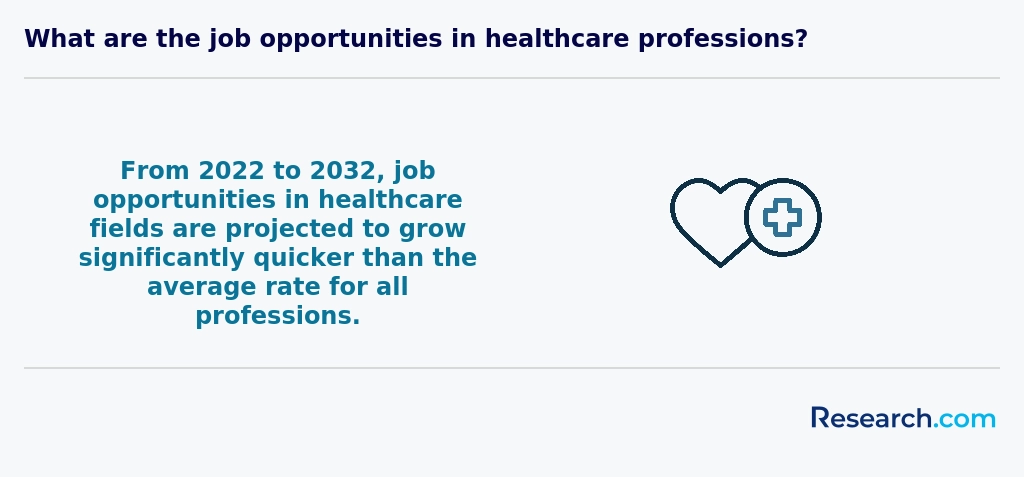
According to the U.S. Bureau of Labor Statistics, healthcare occupations are projected to grow 13% from 2021 to 2031, faster than the average for all jobs. This growth is mirrored in South Florida, where hospitals and clinics seek trained personnel in nursing, allied health, and public health.
Internationally, healthcare careers share a common emphasis on interdisciplinary knowledge, cultural competence, and technological proficiency. Many U.S. programs, including those near Boca Raton, integrate these global trends into their curricula to prepare students for diverse work environments.
Understanding global health challenges, such as infectious diseases and chronic illness management, is valuable for those pursuing healthcare degrees locally, given the increasing interconnectedness of health systems worldwide.
Gaining practical experience while studying for a healthcare degree in Boca Raton is essential for building skills and enhancing employability. Many local institutions partner with nearby hospitals like Boca Raton Regional Hospital and West Boca Medical Center to offer clinical internships. These placements allow students to work directly with patients under supervision, providing hands-on learning in real-world settings.
Additionally, Boca Raton's growing healthcare sector supports volunteer opportunities in public health initiatives and community clinics.
Some colleges also provide simulation labs equipped with advanced medical technologies, enabling students to practice procedures safely before clinical rotations.
According to the Florida Department of Education, healthcare internships greatly improve success rates in state licensing exams.
Choosing the right concentration within a healthcare degree program in Boca Raton involves evaluating your interests, career goals, and the local job market. Popular concentrations include nursing, health informatics, and public health, each offering distinct career paths. Boca Raton's healthcare sector is growing, with a strong demand for nurses and allied health professionals, according to the Florida Department of Economic Opportunity.
Researching nearby hospitals and clinics, like Boca Raton Regional Hospital, can help identify in-demand skills. Additionally, consider programs' accreditation and internship opportunities to gain hands-on experience, which significantly enhances employment prospects.
Assess your strengths and seek academic advising to make an informed choice aligned with industry needs.
Related Healthcare Rankings for Nearby Cities
- 2027 Most Popular Healthcare Degree Programs Ranking in Charleston
- 2027 Most Popular Healthcare Degree Programs Ranking in Columbia
- 2027 Most Popular Healthcare Degree Programs Ranking in Charlotte
- 2027 Most Popular Healthcare Degree Programs Ranking in New Orleans
- 2027 Most Popular Healthcare Degree Programs Ranking in Durham
- 2027 Most Popular Healthcare Degree Programs Ranking in Greensboro
- 2027 Most Popular Healthcare Degree Programs Ranking in Baton Rouge
- 2027 Most Popular Healthcare Degree Programs Ranking in Jackson
- 2027 Most Popular Healthcare Degree Programs Ranking in Lynchburg
- 2027 Most Popular Healthcare Degree Programs Ranking in Nashville
Top Trending Healthcare Rankings
See What Experts Have To Say About Studying Healthcare
Read our interview with Healthcare experts

References
- Know more about thesis vs non- thesis: what is the difference? https://studyfans.com/en/blogs/816
- Niche Markets in Healthcare https://ultrariskadvisors.com/niche-markets-in-healthcare/
- 1+ Healthcare Cover Letter Examples (with In-Depth Guidance) https://www.tealhq.com/cover-letter-examples/healthcare
- The Value of Healthcare Organization Alumni Associations https://consultqd.clevelandclinic.org/the-value-of-healthcare-organization-alumni-associations
- Niche Markets in Healthcare: How to Find & Target https://nechayadvisors.com/blog/niche-markets-in-healthcare
- How to Create a Healthcare Career Roadmap https://www.ihire.com/resourcecenter/jobseeker/pages/how-to-create-a-healthcare-career-roadmap
- Health Sciences Study Abroad Programs - Healthcare Abroad https://www.ceastudyabroad.com/academic-discipline/health-sciences
- West Boca Medical Center New Graduate RN's - Now Hiring! Job in Boca Raton at Tenet https://jobs.tenethealth.com/en/job/boca-raton/west-boca-medical-center-new-graduate-rn-s-now-hiring/1127/92727011184
- Global Perspectives – Healthcare Beyond Borders https://www.cedars-sinai.org/international-stories/healthcare-beyond-borders.html
- What to Expect as a Health Science Major https://www.grace.edu/what-to-expect-as-a-health-science-major/


