
2027 Most Popular Healthcare Degree Programs Ranking in Las Vegas

Co-Founder and Chief Data Scientist
Choosing the right healthcare degree program can be overwhelming, especially with so many options in Las Vegas. This article introduces the 2027 Most Popular Healthcare Degree Programs Ranking in Las Vegas, a helpful resource created by the Research.com team of data scientists.
It guides you toward programs that truly stand out, making your decision easier and more confident. Pursuing a healthcare degree opens doors to a rewarding career that positively impacts lives and communities.
Explore the ranking to find the right path for your future and feel inspired about the opportunities ahead.
Key benefits of getting healthcare degree in Las Vegas
- Healthcare degree graduates in Las Vegas can earn strong salaries, such as Medical Assistants averaging $43,350 annually and Quality Improvement Coordinators making over $103,000 per year, offering financial stability and rewarding career growth.
- Graduates from local universities like the University of Nevada, Las Vegas, often pursue diverse roles including Patient Care Technicians and Health Information Technicians, providing flexibility and many fulfilling career options.
- Online healthcare degrees from local schools give students the chance to balance work and study, saving time and money while gaining the same quality education as traditional programs.
- Key benefits of getting healthcare degree in Las Vegas
- What can I expect from healthcare degree in Las Vegas?
- Where can I work with healthcare degree in Las Vegas?
- How much can I make with healthcare degree in Las Vegas?
- 2027 Most Popular Healthcare Degree Programs Ranking in Las Vegas
- Key Findings
- How long does it take to complete healthcare degree in Las Vegas?
- Licensing and Certification Requirements for Healthcare Graduates in Nevada
- What's the difference between online and on-campus healthcare degree?
- Licensure and Certification Requirements for Healthcare Graduates in Nevada
- What is the average cost of healthcare degree in Las Vegas?
- Enhance Your Resume with Short-Term Certifications
- What financial aid is available to healthcare degree students in Las Vegas?
- Licensing and Certification Requirements
- What are the prerequisites for enrolling in healthcare degree program in Las Vegas?
- Student Testimonials and Alumni Success Stories
- What courses are typically in healthcare degree programs in Las Vegas?
- What types of specializations are available in healthcare degree programs in Las Vegas?
- How do you choose the best healthcare degree in Las Vegas?
- What career paths are available for healthcare degree students in Las Vegas?
- What is the job market for healthcare degree in Las Vegas?
- Top Trending Healthcare Rankings
- See What Experts Have To Say About Studying Healthcare
What can I expect from healthcare degree in Las Vegas?
Students pursuing healthcare degrees in Las Vegas typically encounter tuition costs that range widely but remain competitive compared to other Western US states. For example, graduates from the University of Nevada, Las Vegas (UNLV) report paying between $7,000 and $10,000 annually in tuition for nursing programs, not including additional fees or supplies. Similarly, Nevada State College healthcare students note that total expenses, including books and clinical materials, often push their yearly costs closer to $12,000.
Many feel reassured knowing that financial aid and scholarships are accessible, helping to ease the burden. Graduates often describe relief when federal loan programs and institutional scholarships cover significant portions of their expenses, enabling them to focus on clinical rotations at nearby hospitals without financial distractions.
These real-life funding scenarios highlight that while the upfront cost requires careful planning, the investment is manageable and balanced by the hands-on learning opportunities at Sunrise Hospital or University Medical Center, where students deepen their skills and prepare confidently for licensure.
Where can I work with healthcare degree in Las Vegas?
Graduates with healthcare degrees from institutions like the University of Nevada, Las Vegas (UNLV) or Nevada State College find themselves well-positioned for a variety of rewarding careers. Many secure roles in major hospitals such as Sunrise Hospital & Medical Center, where nurses and medical technologists are in high demand. One graduate shared how their nursing degree from UNLV led directly to a fulfilling job in patient care at University Medical Center of Southern Nevada, providing both stability and the chance to make a meaningful impact.
Others pursue careers in outpatient clinics, thriving as physical therapists or radiology technicians-fields growing rapidly in Las Vegas due to the city's focus on preventive care. Graduates with an interest in elder care find opportunities in long-term care facilities, balancing both compassion and professional growth as they meet Clark County's increasing senior population needs.
For those drawn to public health, community health organizations and local government agencies offer dynamic roles in health education and disease prevention, often reported as deeply satisfying by recent grads. Finally, research-oriented graduates appreciate Las Vegas's expanding pharmaceutical companies and clinical research centers, where they contribute to advancing medical science while building specialized careers.
How much can I make with healthcare degree in Las Vegas?
Graduates with a healthcare degree in Las Vegas can expect competitive salaries that reflect their skills and training. For instance, medical assistants typically earn around $43,350 annually, while patient care technicians see higher wages near $60,790. Health information technicians, who handle crucial medical data, make about $43,380 per year, providing solid opportunities for those interested in administrative healthcare roles.
Clinical research coordinators, often involved in managing trials and studies at local institutions, earn approximately $43,350 annually. Meanwhile, quality improvement coordinators stand out with a strong income exceeding $103,000, reflecting the advanced responsibilities they hold in improving healthcare services.
Many graduates from popular Las Vegas colleges, such as those attending the University of Nevada, Las Vegas or Nevada State College, share positive experiences transitioning into these roles. They note that hands-on training and connections with area hospitals greatly boost job prospects and salary potential.
Focusing on programs with practical internships and networking events can help you secure these well-paying positions quickly after graduation.
2027 Most Popular Healthcare Degree Programs Ranking in Las Vegas
How do we rank schools?
Investing in your education is a significant decision that can shape your future, and the Research.com team understands the importance of making informed choices. To assist prospective students, we have meticulously crafted the "2027 Most Popular Healthcare Degree Programs Ranking in Las Vegas." Our commitment to quality, credibility, and accuracy is reflected in the extensive research and analysis conducted to compile this ranking.
We utilized the following reputable data sources to ensure a comprehensive evaluation of healthcare degree programs:
By exploring this ranking, readers will gain valuable insights into the most popular healthcare degree programs in Las Vegas, enabling them to make well-informed decisions about their educational journeys. For more details on how this ranking was created, please visit our Research.com methodology page.

# 4 position
Arizona College of Nursing-Las Vegas
Bachelor of Science in Nursing

# 5 position
Chamberlain University-Nevada
Ms for Nursing and Health Professions.

Key Findings
- Healthcare degree programs in Las Vegas are available at community colleges, state universities, and private institutions, offering certificates to advanced degrees.
- Community colleges like the College of Southern Nevada charge about $4,000 to $6,000 per year for healthcare associate degrees for in-state students.
- Bachelor's degrees at universities such as UNLV cost approximately $8,000 to $10,000 per year for in-state students, while private institutions may exceed $20,000 annually.
- Healthcare jobs in Las Vegas are expected to grow about 14% over the next decade, faster than the national average.
- Starting salaries range from around $32,000 for medical assistants to $65,000 for entry-level registered nurses, with experienced nurses earning up to $85,000 annually.
How long does it take to complete healthcare degree in Las Vegas?
Completing a healthcare degree in Las Vegas varies depending on the program and level you choose. Graduates from the University of Nevada, Las Vegas (UNLV) often report spending about two years finishing an Associate of Science in Nursing (ADN), which prepares them to take the NCLEX-RN licensure exam. Those pursuing a Bachelor of Science in Nursing (BSN) or other bachelor's degrees typically invest around four years, which many find manageable alongside part-time work.
Students aiming higher, such as Master's degrees in Healthcare Administration or Nursing (MSN), usually add two more years after their bachelor's. Some, attending Nevada State College or similar schools, appreciate programs offering clinical rotations that, while extending study time slightly, build crucial hands-on skills employers seek.
Accelerated BSN options enable students with prior degrees to finish in as little as 12 to 18 months, a popular route in Las Vegas for fast career advancement.
Real students describe balancing internships and coursework as challenging but rewarding, highlighting supportive faculty and practical experiences that make the time investment worthwhile.
Licensing and Certification Requirements for Healthcare Graduates in Nevada
After earning your healthcare degree in Las Vegas, NV, obtaining the proper licensure and certifications is crucial to begin practicing. Most clinical roles require state-specific credentials: 1. Registered Nurse (RN) and Licensed Practical Nurse (LPN) - Pass the NCLEX-RN or NCLEX-PN exam through the Nevada State Board of Nursing. - Submit official transcripts, a criminal background check, and application fees. - Complete continuing education units (CEUs) every renewal cycle, typically biennial. 2. Health Information Technicians (HIT) and Health Information Managers (HIM) - Sit for the Registered Health Information Technician (RHIT) or Registered Health Information Administrator (RHIA) exam from AHIMA. - Maintain certification with 20 CEUs every two years and membership in a professional association. 3. Medical Assistants and Clinical Specialists - While Nevada does not mandate a state license for medical assistants, national certification (CMA, RMA, or NCMA) enhances job prospects. - Certifications require graduation from an accredited program and passage of a national exam. 4. Allied Health Professionals (Respiratory Therapists, Radiologic Technologists) - Obtain national certification through bodies like the National Board for Respiratory Care (NBRC) or the American Registry of Radiologic Technologists (ARRT). - Apply for state recognition and fulfill CE requirements for license renewal. For students balancing work and study, exploring flexible, accredited online options can ensure you meet all preparatory coursework and exam prerequisites. Compare cost-effective programs such as the Cheapest Online Healthcare Degree Programs Ranking in New Orleans, LA to streamline your path toward licensure. Understanding and completing these steps positions you for success in Nevada’s rigorous healthcare environment.
What's the difference between online and on-campus healthcare degree?
On-campus healthcare degrees in Las Vegas, like those at the University of Nevada, Las Vegas, offer hands-on experiences that online programs can't fully replicate. Graduates often recall direct interaction with instructors and classmates, enriching their learning in labs or clinical settings at local hospitals. This face-to-face training builds confidence and real-world skills essential for careers in nursing or radiology technology.
Online healthcare degrees provide flexibility, ideal for students juggling work or family. Classes are delivered through digital platforms, allowing learning from home. However, clinical practicums still require in-person attendance, ensuring vital hands-on experience. Many found balancing life with studies rewarding, though self-discipline is crucial for success in these asynchronous courses.
Costs can be similar between formats, but online students save on commuting and housing expenses. Those who thrive in online settings highlight the convenience of studying anytime, while on-campus students appreciate immediate access to resources and networking opportunities that boost career prospects in Las Vegas's growing healthcare market.
Licensure and Certification Requirements for Healthcare Graduates in Nevada
Upon completing your healthcare degree in Las Vegas, NV, obtaining the appropriate state licensure or certification is essential before entering professional practice. Nevada mandates that most clinical roles-such as registered nurses, physical therapy assistants, and medical technologists-hold active credentials from the Nevada State Board of Nursing or relevant regulatory bodies. • Registered Nurses (RN): Graduates must pass the NCLEX-RN exam and submit fingerprints for a criminal background check. Nevada requires a minimum of 30 contact hours of continuing education every two years for renewal. • Physical Therapy Assistants (PTA): In addition to graduating from an accredited program, candidates must meet specific degree in physical therapy assistant requirements, pass the NPTE-PTA exam administered by FSBPT, and apply for licensure through the Nevada State Board of Physical Therapy Examiners. • Health Information Technicians: Certification such as RHIT (Registered Health Information Technician) is often preferred. Candidates should graduate from a CAHIIM-accredited program and pass the AHIMA national exam. • Medical Assistants and Other Allied Health Roles: While state licensure may not be mandatory for medical assistants, certification (e.g., CMA/AAMA) demonstrates competency and enhances employability. Maintaining licensure involves periodic renewal-typically biennial-with proof of continuing education and practice hours. Staying informed about board updates and renewal deadlines ensures compliance and uninterrupted practice. For specialized fields, such as respiratory therapy or radiologic technology, consult the respective Nevada licensing board to understand exam eligibility, supervised clinical hour requirements, and renewal criteria.
What is the average cost of healthcare degree in Las Vegas?
The average cost of a healthcare degree in Las Vegas varies by program level but typically reflects a manageable investment for many local students. For instance, graduates of popular programs at the College of Southern Nevada often find associate degrees in healthcare costing between $4,500 and $6,000 annually, which aligns with the median in-state total cost of about $9,748 for a full degree. This affordable tuition allows students to focus on gaining practical skills without overwhelming financial strain.
Those pursuing bachelor's degrees at universities like the University of Nevada, Las Vegas, experience tuition that usually falls between $8,000 and $10,000 per year for in-state students. Many graduates share how affordable tuition combined with state financial aid helped them pursue their passion in healthcare without excessive debt. Considering the in demand healthcare programs available locally allows students to select pathways that fit their budget and career aspirations.
Graduate healthcare degrees, including nurse practitioner or physician assistant programs, often range from $15,000 to over $30,000 annually. Despite higher costs, many students find the investment rewarding given the strong job prospects and career growth. Incorporating scholarships and state grants from Nevada's Higher Education system can significantly reduce tuition expenses, making these programs accessible.
When planning the expenses of a healthcare degree in Las Vegas, factor in additional costs like textbooks, uniforms, and clinical fees, which add to the total but are often offset by financial aid and smart budgeting. Engaging with popular institutions and leveraging local financial resources can make the journey less daunting and more achievable.
Enhance Your Resume with Short-Term Certifications
In today's fast-evolving healthcare landscape, supplementing your degree with short-term certifications can provide an immediate boost to your credentials and practical skills. These certifications are designed to bridge the gap between academic theory and industry best practices, offering specialized training in areas such as medical billing, coding, and healthcare administration. For instance, enrolling in medical billing and coding online courses can equip you with cutting-edge skills that are in high demand by employers. This approach not only enhances your resume but also caters to those seeking a flexible, accelerated path to gain industry-specific expertise without committing to lengthy degree programs. By integrating short-term certification programs into your educational journey, you can quickly adapt to technological advancements and rapidly changing industry needs, making you a standout candidate in a competitive job market.
What financial aid is available to healthcare degree students in Las Vegas?
Students pursuing healthcare degrees in Las Vegas frequently rely on a mix of federal, state, and local financial aid to make education affordable. For example, those attending the University of Nevada, Las Vegas (UNLV) benefit from federal programs like FAFSA, which qualifies them for Pell Grants providing up to $7,395 without repayment. Graduates recall how this grant significantly reduced their financial stress during studies.
Additional federal grants like the FSEOG and low-interest federal student loans offer vital support, with flexible repayment plans easing the transition after graduation. Many healthcare students appreciate how these loans allowed them to focus on coursework rather than immediate finances.
- State-specific scholarships for nursing and allied health fields bolster aid, often stacking with federal programs to maximize savings.
- Local hospitals and healthcare employers in Las Vegas offer scholarships and tuition reimbursement, encouraging students to enter critical fields like respiratory therapy and medical technology.
- Community organizations such as the Nevada Health Care Foundation provide occasional grants, creating extra opportunities for funding.
Students also highlight merit-based scholarships at institutions like the College of Southern Nevada, which reward academic excellence and financial need. Early application is key to securing these competitive awards and lightening tuition burdens.
Licensing and Certification Requirements
Once you earn your healthcare degree in Las Vegas, follow these steps to become a fully credentialed professional:
- Nursing applicants must graduate from an accredited ADN or BSN program, pass the NCLEX-RN, and secure licensure from the Nevada State Board of Nursing.
- Allied health graduates (e.g., medical assistants, phlebotomy techs) need completion of a CAAHEP- or ABHES-accredited program and a role-specific certification exam.
- Health information students are encouraged to earn RHIT status and explore medical billing and coding certification online for specialized credentials.
- All professionals must complete continuing education units (CEUs) and renew licenses according to Nevada regulations, typically every two years.
What are the prerequisites for enrolling in healthcare degree program in Las Vegas?
To enroll in a healthcare degree program in Las Vegas, you need a high school diploma or GED as the basic entry point, a common requirement at institutions like the University of Nevada, Las Vegas (UNLV). Graduates often recall that completing science and math courses such as biology, chemistry, and algebra during high school was crucial, preparing them well for the hands-on learning ahead.
Many programs request standardized test scores like the SAT or ACT, but test-optional policies are becoming widespread. For example, UNLV focuses on your GPA and strength in science classes, easing pressure on test day and allowing applicants to highlight their relevant coursework instead.
Practical experience matters too. Students who volunteered at local clinics or hospitals describe how this exposure boosted their confidence and affirmed their passion for healthcare. Nevada's state licensure rules require background checks and health screenings before clinical rotations, so make sure you're prepared with immunization records and clearances.
Financial planning is important; local graduates recommend budgeting not only for tuition, which averages around $8,200 for in-state students, but also for books, uniforms, and exam fees, helping avoid surprises during your studies.

Student Testimonials and Alumni Success Stories
Hearing directly from students and alumni can offer invaluable insights into the real-world impact of a healthcare degree in Las Vegas, NV. Many graduates describe how their experiences during clinical rotations, group assignments, and mentorship sessions ignited their passion for patient care and positioned them for successful careers. For example, one alumnus shared that the hands-on opportunities provided at their university equipped them with both technical and interpersonal skills, enabling them to thrive in high-pressure healthcare settings. Another graduate highlighted the supportive community and expert guidance which proved essential during their transition into a leadership role. These stories not only build trust and credibility for prospective students but also underscore the effectiveness of programs featured among in demand healthcare programs. Embracing these narratives helps future candidates better understand the journey ahead, ensuring they choose a path that aligns with their personal and professional aspirations.
What courses are typically in healthcare degree programs in Las Vegas?
Healthcare degree programs in Las Vegas typically include courses that build a strong foundation in science and practical healthcare skills. Graduates from well-known local colleges often highlight classes like human anatomy and physiology as essential, giving them a clear understanding of the human body crucial for roles in nursing or medical assisting.
Students also engage deeply with microbiology and medical terminology, which make it easier to navigate the medical language and understand diseases. Pharmacology courses are highly valued, as they teach safe drug administration, a daily task in many healthcare jobs.
Nutrition and wellness courses offer insight into preventative care, helping students appreciate how diet impacts patient health. Programs frequently include hands-on clinical practice or internships at Las Vegas hospitals, offering real-world experience that graduates recall as confidence-boosting and career-defining.
Courses in healthcare ethics and patient communication prepare students to interact compassionately with diverse patients, a skill often praised by alumni from regional universities who felt ready to enter the workforce with professionalism and empathy.
What types of specializations are available in healthcare degree programs in Las Vegas?
Healthcare degree specializations in Las Vegas cater to diverse interests and market demands, especially in institutions like the University of Nevada, Las Vegas (UNLV) and Nevada State College. Nursing remains a top choice, with programs for Registered Nurses (RN) and advanced practice paths such as Nurse Practitioner (NP) degrees that graduates find highly rewarding due to strong local employment opportunities.
Other popular options include Healthcare Administration, ideal for those aiming to lead hospital or clinic operations, and Medical Laboratory Science, which trains students to handle diagnostic testing critical for patient care. Specializations in Physical Therapy and Occupational Therapy address the growing needs of the elderly population in the region, helping graduates feel confident in their career outlook given nationwide job growth.
Students also explore Public Health to engage with community wellness, while Health Information Technology reflects the increasing role of digital data in healthcare. For those interested in non-clinical roles, medical billing and coding online courses offer swift paths to essential healthcare sector jobs in Las Vegas.
Choosing a specialization based on these pathways aligns well with Las Vegas healthcare program specialization options, ensuring relevance and practical skills for the local job market.
How do you choose the best healthcare degree in Las Vegas?
To choose the best healthcare degree in Las Vegas, start by focusing on programs that align with your career goals and the city's healthcare needs. Graduates from popular institutions often mention that selecting a degree like Registered Nursing or Healthcare Administration opened doors due to Nevada's growing demand for qualified professionals. Research programs at local colleges that offer affordable healthcare degrees Las Vegas students appreciate, as cost can vary widely between community colleges and private schools.
Check accreditation carefully; graduates emphasize how attending accredited programs at well-known schools in Las Vegas helped them pass state licensing exams smoothly. Also, consider flexibility-many students find part-time or online formats useful when balancing work and study. Hands-on clinical experience near places like University Medical Center enriches learning and boosts confidence.
For specific career paths, some students explore options such as a degree in physical therapy assistant requirements, which can offer satisfying work and strong local demand.
What career paths are available for healthcare degree students in Las Vegas?
Graduates with a healthcare degree in Las Vegas find a variety of career paths, from bedside nursing to administrative leadership. Many local students from colleges such as the University of Nevada, Las Vegas (UNLV) take pride in becoming registered nurses (RNs), entering hospitals like Sunrise Hospital and Medical Center with confidence, delivering hands-on patient care and education. Others move into roles like medical and health services managers, overseeing clinics and improving healthcare delivery. The city's demand for physical and occupational therapists continues to grow, spurred by an aging population, offering rewarding opportunities for graduates eager to improve patients' quality of life.
Technology-focused roles such as surgical technologists or radiologic technologists provide exciting alternatives, blending clinical work with cutting-edge equipment. Students often benefit from partnerships with major hospitals for clinical placements, boosting job readiness in Las Vegas's fast-paced medical sector. For those exploring healthcare career opportunities in Las Vegas on a budget, considering options highlighted in the Cheapest Online Healthcare Degree Programs Ranking in New Orleans, LA can be a useful step toward financial planning.
Support roles like phlebotomists and medical assistants are also in demand, offering quicker pathways into the field. With strong prospects for nurse practitioners, physician assistants, and healthcare administrators, many graduates from popular universities envision fulfilling careers tailored to the unique needs of this growing metropolitan area.
What is the job market for healthcare degree in Las Vegas?
The healthcare job opportunities in Las Vegas remain robust, driven by rapid population growth and increasing demand for medical services. Graduates from local institutions like the University of Nevada, Las Vegas (UNLV) and College of Southern Nevada often find rewarding positions in hospitals such as Sunrise Hospital & Medical Center or University Medical Center. Many of these graduates share positive experiences about transitioning quickly into roles as registered nurses or medical technicians, appreciating the community's supportive healthcare network.
Wages in the area are competitive, with registered nurses earning around $73,000 annually, slightly above the national median. This favorable employment outlook encourages many to pursue specialized certifications or advanced degrees. Students exploring further education options can check out programs including a 1 year masters degree for faster career advancement.
Those interested in the Las Vegas healthcare degree employment outlook should consider technology-driven roles as well, where demand grows due to healthcare innovations. The city's aging population also increases opportunities for chronic disease management and specialized care fields.
Frequently Asked Questions About healthcare
Healthcare degree students in Las Vegas can maximize their learning experience by engaging in both theoretical study and practical training. Local institutions often partner with hospitals and clinics, allowing students to gain hands-on experience essential for success in healthcare roles. For example, the University of Nevada, Las Vegas, offers clinical placements at major healthcare facilities in the region.
Additionally, students should take advantage of workshops and seminars focusing on the latest healthcare trends and technologies. According to the Nevada Department of Health and Human Services, Las Vegas is experiencing growth in healthcare employment, emphasizing the need for skilled professionals familiar with current practices.
Networking through local healthcare associations and volunteering can further enhance skills and professional connections. Staying informed about licensing requirements within Nevada also ensures students are prepared to transition smoothly into their careers.
The healthcare field in Las Vegas is evolving rapidly, with several emerging niches attracting student interest. One significant area is telehealth, which experienced a surge after 2020 as Nevada expanded access to remote medical services. This growth reflects broader national trends, with telehealth expected to increase by over 20% annually through 2028, according to the Nevada Department of Health. Another rising specialty is geriatric care, driven by the region's aging population; Clark County reported a 15% increase in residents over 65 from 2010 to 2020, creating demand for specialists in elder care. Additionally, health informatics is gaining prominence, focusing on managing digital health data efficiently.
After completing a healthcare degree in Las Vegas, preparing for the job market involves several key steps. First, obtaining relevant professional certifications and licenses is essential, as Nevada requires specific credentials for many healthcare roles. Networking with local healthcare employers, including prominent hospitals like University Medical Center of Southern Nevada, can open doors to job opportunities.
Additionally, Las Vegas has a growing demand for healthcare professionals, with a projected 15% increase in jobs by 2030 according to the Nevada Department of Employment, Training and Rehabilitation. Participating in internships or externships during studies can provide practical experience valued by employers.
Finally, tailoring resumes to reflect both education and hands-on skills will improve chances in this competitive market.
Employers in Las Vegas seek healthcare degree graduates with strong clinical skills and the ability to adapt to fast-paced environments. According to the Nevada Department of Employment, healthcare jobs in Las Vegas have grown by 15% in the last five years, making technical proficiency essential.
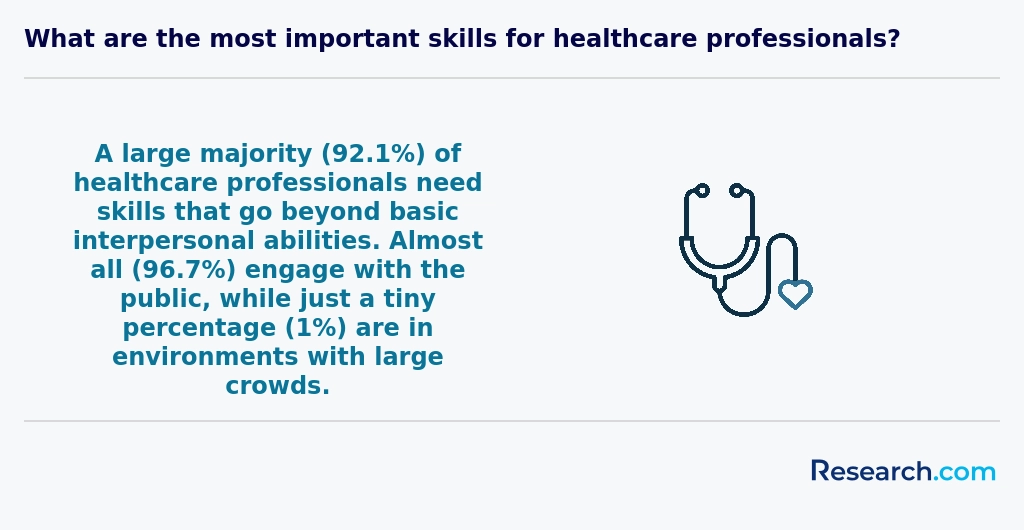
Communication is another top skill. Graduates must effectively interact with patients and multidisciplinary teams, which enhances patient care quality and reduces errors. Critical thinking and problem-solving abilities are highly valued to manage complex health situations.
Knowledge of electronic health records (EHR) systems is increasingly important as Las Vegas healthcare facilities adopt digital tools. Additionally, cultural competence is vital due to the diverse patient population in the region.
Finding internships in Las Vegas relevant to healthcare degrees starts with exploring local hospitals, clinics, and public health organizations. Major institutions like University Medical Center and Sunrise Health often offer structured internship programs for students. Contacting these facilities early in the academic year can improve your chances.
Many Las Vegas educational institutions, such as the University of Nevada, Las Vegas (UNLV), provide career services that connect students with healthcare internships. These services include job fairs and internship databases tailored to healthcare fields.
Networking through professional associations like the Southern Nevada Health District or attending local healthcare events can uncover hidden internship opportunities. According to Nevada's Department of Employment, the healthcare sector in Las Vegas has grown steadily, increasing internship availability for students.
Obtaining a healthcare degree in Las Vegas significantly enhances career mobility and advancement opportunities. The city's growing healthcare sector, which added over 5,000 jobs from 2019 to 2023 according to the Nevada Department of Employment, offers diverse roles ranging from nursing to health administration. With local employers prioritizing candidates who hold accredited degrees, graduates often experience faster promotions and access to specialized positions.
Healthcare degrees provide essential credentials that meet state licensure requirements, enabling graduates to qualify for various certifications and advanced practice roles.
Additionally, Las Vegas-based healthcare facilities typically offer tuition reimbursement and professional development support, encouraging ongoing education.
Studying for a healthcare degree in Las Vegas offers unique opportunities to prepare for interdisciplinary roles. Many local programs emphasize teamwork across nursing, allied health, social work, and administration due to the region's diverse patient population and growing medical facilities. According to Nevada's Department of Health and Human Services, healthcare employment in Las Vegas is projected to grow by over 15% by 2030, increasing demand for versatile professionals.
The curriculum often integrates clinical rotations in various settings such as hospitals, community clinics, and rehabilitation centers. These experiences expose students to real-world collaboration with specialists, therapists, and support staff, fostering communication and problem-solving skills essential for interdisciplinary work.
Moreover, accredited Las Vegas institutions align their programs with national healthcare competency models, ensuring graduates are prepared to contribute effectively in teams that manage complex patient care, health education, and policy development.
Choosing between a thesis and a non-thesis healthcare degree program in Las Vegas depends on your career goals and interests. A thesis option involves original research and is ideal if you aim for a career in academia, research, or advanced clinical positions. Non-thesis programs tend to focus more on practical skills and coursework, suited for those seeking direct entry into healthcare jobs or administrative roles.
Las Vegas hosts several institutions offering both options, aligning with the city's growing healthcare sector, which employs over 50,000 workers as of 2023 (Nevada Department of Employment). Prospective students should consider whether they prefer research depth or applied knowledge.
The choice also affects program duration; thesis tracks may take longer due to research requirements. Evaluating faculty expertise and available resources is important, as thesis supervision quality directly influences academic success.
Students based in Las Vegas who wish to study healthcare abroad have several pathways available through partnerships between local institutions and foreign universities. For example, the University of Nevada, Las Vegas (UNLV) supports study abroad programs that include healthcare-related fields such as public health and nursing. These programs often allow students to earn credits transferable to their degrees in the U.S.
Many students pursue international internships or clinical rotations in countries with advanced healthcare systems, gaining valuable hands-on experience. According to the Institute of International Education, healthcare remains one of the fastest-growing fields for study abroad among American students. Additionally, professional licensure requirements can vary, so students should research compatibility with U.S. certification standards before enrolling abroad.
Las Vegas offers various part-time jobs that can effectively complement healthcare degree studies. Positions such as medical assistants, pharmacy technicians, and certified nursing assistants (CNAs) provide practical experience while students attend classes. According to the Nevada Department of Employment, Healthcare Support Occupations in Las Vegas are projected to grow 18% from 2022 to 2032, outpacing many other fields.
Additionally, hospital volunteer roles and positions in urgent care centers can enhance clinical skills and patient interaction. Many local hospitals, including Sunrise Hospital and MountainView Hospital, frequently seek part-time support staff, providing valuable exposure to healthcare environments.
These roles help students build résumés and develop professional networks crucial for future employment in the healthcare industry.
Healthcare students in Las Vegas benefit from a variety of networking opportunities that can enhance their career prospects. The city hosts multiple professional organizations, such as the Southern Nevada Health District and the Nevada Nurses Association, which regularly arrange events and workshops. These gatherings allow students to connect with practicing professionals and potential employers.
Las Vegas also offers clinical placements and internships through partnerships with major hospitals like Sunrise Hospital & Medical Center and University Medical Center. These experiences provide practical networking in real-world settings.
Additionally, local colleges frequently collaborate with healthcare industry leaders for job fairs and guest lectures, fostering valuable connections for students.
Alumni networks play a crucial role for healthcare degree students in Las Vegas by providing valuable connections within the local medical community. These networks often include graduates working at prominent healthcare facilities such as the University Medical Center of Southern Nevada and Sunrise Hospital.
Through these connections, students gain access to mentorship, internships, and job opportunities, which can be especially important in competitive healthcare fields. According to the Nevada System of Higher Education, schools with active alumni programs report higher employment rates among graduates.
Additionally, alumni can offer insights into regional healthcare demands and emerging specialties in Las Vegas, helping students make informed career choices. Networking events and online groups further support ongoing professional development and collaboration.
Customizing a healthcare degree program in Las Vegas involves selecting courses and specializations that align with your career goals. Many local institutions offer flexible degree tracks with options in nursing, health administration, public health, and allied health fields. You can tailor your education through elective courses, internships, and clinical experiences specific to healthcare facilities in the Las Vegas area.
Las Vegas has a growing healthcare sector, with a projected employment increase of 16.7% in healthcare occupations by 2030 according to the Nevada Department of Employment, Training and Rehabilitation. This growth enables students to focus on specialties like geriatric care or emergency services.
Networking opportunities and partnerships with hospitals and clinics in Las Vegas also allow practical customization of your education to fit desired roles.
Healthcare students in Las Vegas often face challenges related to the city's rapid population growth and healthcare demands. According to the U.S. Census Bureau, the Las Vegas metropolitan area grew by over 15% in the last decade, increasing pressure on healthcare facilities and student clinical placements. Limited availability of clinical rotations at major hospitals can delay hands-on training required for degrees in nursing, radiology, and other fields. Additionally, students frequently balance work, as many attend school part-time to cover living expenses in a city where the cost of living has steadily increased according to the Nevada Department of Employment.
Another challenge involves securing financial aid and scholarships, since competition in healthcare programs remains high. Access to updated technology and simulation labs is crucial, yet some educational institutions in Las Vegas face budget constraints. Furthermore, students must keep pace with evolving healthcare regulations and licensure requirements at both state and federal levels, which can complicate academic planning. These factors create a competitive and demanding environment for healthcare students aiming to succeed in Las Vegas.
With a healthcare degree from Las Vegas institutions, students can pursue several professional certifications to enhance their careers. Popular certifications include Certified Nursing Assistant (CNA), Registered Nurse (RN), and Licensed Practical Nurse (LPN), which are essential for clinical roles. For those interested in administrative or specialized roles, certifications like Certified Medical Assistant (CMA) and Certified Health Education Specialist (CHES) are available.
The demand for healthcare professionals in Las Vegas is growing due to population increases, leading to more job openings requiring these certifications. According to the Nevada Department of Employment, Health Diagnosing and Treating Practitioners roles are projected to grow by over 20% through 2030.
Certification programs typically involve passing a national exam and meeting state-specific licensing criteria, ensuring competence and safety in patient care. These credentials can improve salary prospects and employment opportunities in Nevada's competitive healthcare market.
To write a winning application for a healthcare program in Las Vegas, start by researching the specific requirements of each school. Many institutions, including the University of Nevada, Las Vegas (UNLV), look for strong academic records, especially in science courses like biology and chemistry.
Highlight relevant experience, such as volunteering or working in healthcare settings, which demonstrates commitment and practical knowledge. According to the Nevada Department of Employment, Healthcare jobs in Las Vegas are growing faster than the national average, increasing competition for programs.
Be sure to write a clear, focused personal statement explaining your motivation and career goals. Tailor each application to the program, and request strong recommendations from professionals familiar with your skills.
Globally, healthcare careers are recognized for their vital role in improving public health and addressing aging populations. In the United States, including Las Vegas, healthcare jobs are projected to grow by 16% from 2021 to 2031, much faster than the average for all occupations, according to the U.S. Bureau of Labor Statistics. This growth is driven by an increasing demand for healthcare services and advances in medical technology.
Internationally, many countries face similar challenges, such as workforce shortages and the need for specialized skills. U.S. healthcare degrees are respected worldwide due to rigorous educational standards and clinical training opportunities. Las Vegas offers access to diverse programs, preparing students for global healthcare environments.
Understanding these global trends helps students appreciate the broad impact of their education and potential for international collaboration in healthcare delivery and research.
Gaining practical experience while studying for a healthcare degree in Las Vegas is crucial for career readiness. Many local colleges and universities partner with nearby hospitals, clinics, and community health centers to offer internships and clinical rotations. For example, the University of Nevada, Las Vegas (UNLV) has established clinical programs with institutions like Sunrise Hospital and MountainView Hospital.
Students can also participate in simulation labs, which replicate real healthcare environments and enhance hands-on skills. According to the Nevada Department of Health, nearly 70% of healthcare programs in the state require some form of clinical experience before graduation.
Additionally, volunteering with local health organizations or public health campaigns in Las Vegas provides valuable exposure to patient care and healthcare operations. These opportunities help students build professional networks and improve employability after completing their degrees.
Choosing the right concentration within a healthcare degree program in Las Vegas begins with understanding local industry needs. According to the Nevada Department of Employment, sectors like nursing, medical technology, and healthcare administration are growing rapidly, with nursing jobs expected to increase by 18% through 2030.
Students should assess their strengths and interests-clinical roles such as nursing or radiology tech require hands-on patient care, while fields like healthcare management focus on organization and policy.
Consider programs with strong connections to Las Vegas hospitals and clinics, which offer valuable internships and job placement opportunities.
Review accreditation status and specialized certifications offered, ensuring alignment with Nevada state licensure requirements.
Related Healthcare Rankings for Nearby Cities
- 2027 Most Popular Healthcare Degree Programs Ranking in Provo
- 2027 Most Popular Healthcare Degree Programs Ranking in El Paso
- 2027 Most Popular Healthcare Degree Programs Ranking in Portland
- 2027 Most Popular Healthcare Degree Programs Ranking in Lubbock
- 2027 Most Popular Healthcare Degree Programs Ranking in Spokane
- 2027 Most Popular Healthcare Degree Programs Ranking in Tacoma
- 2027 Most Popular Healthcare Degree Programs Ranking in Abilene
- 2027 Most Popular Healthcare Degree Programs Ranking in Oklahoma City
- 2027 Most Popular Healthcare Degree Programs Ranking in Wichita
- 2027 Most Popular Healthcare Degree Programs Ranking in Lincoln
Top Trending Healthcare Rankings
See What Experts Have To Say About Studying Healthcare
Read our interview with Healthcare experts

References
- Health Management Careers https://www.ache.org/Career-Resources/Start-Your-Career/Health-Management-Careers
- Niche Market Opportunities Research Among Healthcare Professionals (A Decision Analyst Case History https://www.decisionanalyst.com/casestudies/nichemarketopportunities/
- 5 Concentrations for a Bachelor’s of Healthcare Administration - Healthcare Administration Degree Programs https://www.healthcare-administration-degree.net/lists/5-concentrations-for-a-bachelors-of-healthcare-administration/
- Global Perspectives – Healthcare Beyond Borders https://www.cedars-sinai.org/international-stories/healthcare-beyond-borders.html
- Top 3 Reasons to Consider a Career in Healthcare - Roseman University https://www.roseman.edu/student-experience/news/top-3-reasons-to-consider-a-career-in-healthcare/
- Online Degree vs. Traditional: Choosing the Right Path https://beal.edu/online-degree-vs-traditional/
- The Value of Healthcare Organization Alumni Associations https://consultqd.clevelandclinic.org/the-value-of-healthcare-organization-alumni-associations
- Medical Assistant Program Cost | Las Vegas Medical Assistant School https://lasvegasmedicalassistant.com/tuition/
- How to Choose a Health Administration Program https://www.healthadministrationdegrees.com/articles/choosing-a-program/
- The Role of Interdisciplinary Studies in Medical Career Training https://georgia-med.com/the-role-of-interdisciplinary-studies-in-medical-career-training.html


