
2027 Most Popular Healthcare Degree Programs Ranking in Massachusetts

Co-Founder and Chief Data Scientist
Choosing the right healthcare degree program is a big step toward a rewarding career. If you're a student in Massachusetts considering your options, this article is designed just for you.
Here, you'll find the 2027 Most Popular Healthcare Degree Programs Ranking in Massachusetts, developed by the Research.com team of data scientists. This ranking offers clear, data-driven insights to help you weigh your choices carefully.
Reading this guide can give you confidence and direction as you explore exciting opportunities in healthcare education and beyond.
Key benefits of getting healthcare degree in Massachusetts
- Healthcare degree graduates in Massachusetts can earn competitive salaries, with roles like Patient Care Technicians making around $60,790 annually and Quality Improvement Coordinators earning about $103,150 per year.
- Graduates from notable Massachusetts colleges often find varied career paths, including Medical Assistants, Health Information Technicians, and Clinical Research Coordinators, offering opportunities to grow and specialize.
- Online healthcare degrees from well-known Massachusetts institutions provide flexibility, allowing students to balance work and study while gaining the skills needed for rewarding healthcare careers.
- Key benefits of getting healthcare degree in Massachusetts
- What can I expect from healthcare degree in Massachusetts?
- Where can I work with healthcare degree in Massachusetts?
- How much can I make with healthcare degree in Massachusetts?
- 2027 Most Popular Healthcare Degree Programs Ranking in Massachusetts
- Key Findings
- How long does it take to complete healthcare degree in Massachusetts?
- Program Duration and Time Commitment for Healthcare Degrees in Massachusetts
- What's the difference between online and on-campus healthcare degree?
- Accreditation and Licensure Requirements
- What is the average cost of healthcare degree in Massachusetts?
- Program Duration and Flexible Learning Options
- What financial aid is available to healthcare degree students in Massachusetts?
- Student Life and Campus Support Services
- What are the prerequisites for enrolling in healthcare degree program in Massachusetts?
- What courses are typically in healthcare degree programs in Massachusetts?
- What types of specializations are available in healthcare degree programs in Massachusetts?
- How do you choose the best healthcare degree in Massachusetts?
- What career paths are available for healthcare degree students in Massachusetts?
- What is the job market for healthcare degree in Massachusetts?
- Related Healthcare Rankings for Nearby States
- Top Trending Healthcare Rankings
- See What Experts Have To Say About Studying Healthcare
What can I expect from healthcare degree in Massachusetts?
The average tuition cost for healthcare degree programs in Massachusetts varies significantly depending on the institution. Public universities, such as the University of Massachusetts Medical School, generally charge between $15,000 and $25,000 annually for in-state students, making them a more affordable option. Meanwhile, private institutions like Boston University and Northeastern University often have tuition fees ranging from $40,000 to $55,000 per year, reflecting the higher expenses associated with private education.
Graduates from these programs frequently share how financial aid and scholarships specifically aimed at healthcare students helped mitigate their costs, making enrollment feasible despite the high sticker price. Many students experience a sense of relief and motivation when financial support allows focus on their rigorous clinical training and coursework, without the constant stress of tuition fees.
Healthcare students at Massachusetts institutions often balance intensive internships at renowned hospitals with academic responsibilities, which elevates the value of their investment. This blend of practical experience and theoretical knowledge justifies the tuition variation across schools and underscores the strong return on investment for those pursuing healthcare degrees in Massachusetts.
Where can I work with healthcare degree in Massachusetts?
Graduates with healthcare degrees in Massachusetts find diverse employment opportunities spanning hospitals, research centers, outpatient facilities, and public health organizations. Data from the Massachusetts Executive Office of Labor and Workforce Development show healthcare jobs accounted for nearly 15% of the state's employment in 2023. Graduates from institutions like Boston University and UMass Boston often enter roles at top hospitals such as Massachusetts General Hospital or Boston Children's Hospital, working in nursing, medical technology, or health administration.
Many graduates also secure positions in outpatient clinics or rehabilitation centers, where they engage directly with patient care. Those focused on research, especially from programs linked with Harvard Medical School or Northeastern University, frequently support clinical trials or biotechnology projects in the Boston-Cambridge area, combining healthcare expertise with research skills.
Long-term care and home health services are expanding fields, reflecting Massachusetts' aging population. Graduates often feel rewarded working in nursing homes or in-home care, helping improve patient quality of life. Additionally, public health roles within state agencies or nonprofits allow graduates from local colleges to impact disease prevention and community health.
How much can I make with healthcare degree in Massachusetts?
Graduates with healthcare degrees from Massachusetts institutions such as Boston University or UMass Amherst can expect competitive salaries reflecting the state's strong healthcare market. For entry-level roles, medical assistants earn a mean annual wage of about $43,350, while patient care technicians make around $60,790 per year. These positions often provide a valuable starting point and hands-on experience for new graduates.
Health information technicians, a role increasingly vital to managing patient data, have mean annual earnings near $43,380. Clinical research coordinators, who play a key part in advancing medical studies, also earn roughly $43,350 annually, with knowledge gained from Massachusetts' research-focused programs.
Graduates aiming for advanced roles such as quality improvement coordinators can achieve significantly higher pay, with mean wages around $103,150 in Massachusetts. These salaries highlight the financial benefits of leveraging state education and healthcare infrastructure to advance one's career.
Many graduates share positive experiences, noting that hands-on training at colleges in Massachusetts helps translate academic knowledge into rewarding careers with salaries that support professional growth and personal fulfillment.
2027 Most Popular Healthcare Degree Programs Ranking in Massachusetts
How do we rank schools?
Investing in your education is a significant decision that can shape your future, and the Research.com team recognizes the importance of making informed choices. To provide clarity for prospective students interested in healthcare degrees in Massachusetts, we have carefully developed the "2027 Most Popular Healthcare Degree Programs Ranking in Massachusetts." Our dedication to quality, credibility, and accuracy is demonstrated through rigorous research and analysis conducted to compile this ranking.
We utilized the following reputable data sources to ensure a comprehensive evaluation of healthcare degree programs:
By exploring this ranking, readers will gain valuable insights into the most popular healthcare degree programs in Massachusetts, which will aid them in making well-informed decisions about their educational and professional futures. For a deeper understanding of how this ranking was created, please visit our Research.com methodology page.


Key Findings
- In-state tuition for public healthcare programs in Massachusetts ranges from $15,000 to $25,000 annually, while private institutions charge between $40,000 and $55,000 per year.
- About 85% of recent healthcare graduates find employment within six months after finishing their degree.
- Starting salaries for healthcare graduates average around $60,000 per year, varying by specialization and role.
- With experience, median salaries in healthcare jobs in Massachusetts can exceed $90,000 annually.
- Many healthcare programs require licensing exams, such as the NCLEX for nursing graduates, to practice professionally in the state.
- Clinical experience through partnerships with leading hospitals is a common part of healthcare education in Massachusetts, improving job readiness.
How long does it take to complete healthcare degree in Massachusetts?
Completing a healthcare degree in Massachusetts varies by the level of education and field, with associate degrees typically taking about two years. Graduates from community colleges appreciate the swift path to roles like medical assistants or registered nurses, often finishing their nursing associate degree programs at institutions such as Middlesex Community College within this timeframe.
Bachelor's degrees, including the popular Bachelor of Science in Nursing from schools like UMass Amherst, usually require four years of full-time study. Graduates frequently express satisfaction with the comprehensive education that aligns with national averages, preparing them confidently for the workforce.
Advanced professions demand longer commitments; medical students at Harvard Medical School, for example, undergo four years of medical education post-bachelor's, often followed by three to seven years of residency. Many find this challenge rewarding as it leads to specialized, high-impact careers.
For those pursuing graduate degrees such as the Master of Science in Nursing or Physician Assistant programs, two to three years beyond the bachelor's is typical. Accelerated programs at universities like Northeastern University allow motivated students to reduce total study time to five or six years, combining bachelor's and master's degrees and enabling faster entry into the healthcare field.
Program Duration and Time Commitment for Healthcare Degrees in Massachusetts
When considering a healthcare degree in Massachusetts, understanding the duration and time commitment involved is essential for planning your academic and professional journey. Programs vary widely in length, with associate degrees typically requiring two years of full-time study, bachelor's degrees taking about four years, and advanced degrees or specialized certifications ranging from one to three years. Part-time and online options also provide flexibility, allowing students to balance coursework with work or personal responsibilities. Prospective students should assess their career goals alongside the intensity of each program to select an option that best fits their lifestyle and ambitions. For those seeking not only quality education but also affordability, exploring options like the cheapest healthcare schools in massachusetts can be a smart starting point. By carefully planning your schedule and understanding the time investment required, you can make an informed decision that supports both your short-term needs and long-term career aspirations.
What's the difference between online and on-campus healthcare degree?
Online healthcare degree programs in Massachusetts provide students with flexibility unavailable in traditional formats. Graduates from institutions like the University of Massachusetts Amherst often praise the ability to manage coursework asynchronously, which is ideal for those balancing jobs or family. This structure contrasts sharply with on-campus programs at schools such as Northeastern University, where fixed class schedules and mandatory in-person clinical sessions foster a disciplined environment.
Clinical experience is another pivotal difference. On-campus students benefit from established partnerships with local hospitals and labs for hands-on training, making direct faculty interaction and supervised practice more accessible and reassuring. Conversely, online students typically arrange their own clinical placements locally, which requires more initiative but can offer exposure to diverse healthcare settings. Graduates reflect positively on this autonomy, noting it cultivates valuable networking skills.
Cost considerations also influence the decision. With tuition ranging between $15,000 and $30,000 annually in Massachusetts, online programs often have lower fees due to eliminated commuting and campus expenses. Both formats ensure state licensing eligibility, yet their distinct approaches cater to diverse learning preferences and lifestyles.
Accreditation and Licensure Requirements
Ensuring your healthcare degree program holds proper accreditation is essential for eligibility for federal aid, professional licensure, and employer recognition. In Massachusetts, regional accreditation by the New England Commission of Higher Education (NECHE) is a baseline; many programs also pursue specialized accreditation such as:
- Commission on Collegiate Nursing Education (CCNE) or Accreditation Commission for Education in Nursing (ACEN) for nursing degrees
- Commission on Accreditation in Physical Therapy Education (CAPTE) for physical therapist assistant programs
- Council on Education for Public Health (CEPH) for public health degrees Graduates must then satisfy state licensure requirements, which typically include: 1. Completion of an accredited curriculum 2. Passing the appropriate national exam (e.g., NCLEX-RN for nurses, NPTE for physical therapist assistants) 3. Submitting an application to the Massachusetts Board of Registration in Allied Health Professionals or Board of Registration in Nursing, including background checks and official transcripts For prospective students interested in allied health fields, consider an online associates degree in physical therapy assistant, which combines CAPTE-accredited coursework with flexible scheduling to prepare you for licensure and a career as a PTA. Continuous professional development and fulfilling state-mandated continuing education units (CEUs) ensure your license remains active, keeping you compliant with evolving healthcare standards.
What is the average cost of healthcare degree in Massachusetts?
The average cost of a healthcare degree in Massachusetts typically reflects a median total expense of around $57,081, with in-state students benefiting from a lower median cost of approximately $43,325. This figure encompasses tuition, fees, and materials required to complete healthcare programs, which range from associate degrees to advanced graduate qualifications. For students at public universities such as UMass Boston or Northeastern University, this cost often aligns with state averages, while private institutions generally charge higher rates.
Many graduates recall managing these costs alongside heavy coursework and clinical training, which often contribute additional expenses. Despite this, the investment in a healthcare degree is frequently viewed positively due to the strong job market and robust training they experience in Massachusetts. Schools known for their healthcare programs offer practical clinical opportunities that enhance educational value but may increase total costs through extra fees and certification exams.
When researching the Massachusetts healthcare degree tuition and fees, prospective students should evaluate whether they qualify for financial aid or scholarships, as these can significantly offset expenses. Enrollment status, whether full or part-time, also affects overall cost. Those aiming to minimize costs might explore the cheapest healthcare schools in Massachusetts to find programs that balance quality education with affordability.
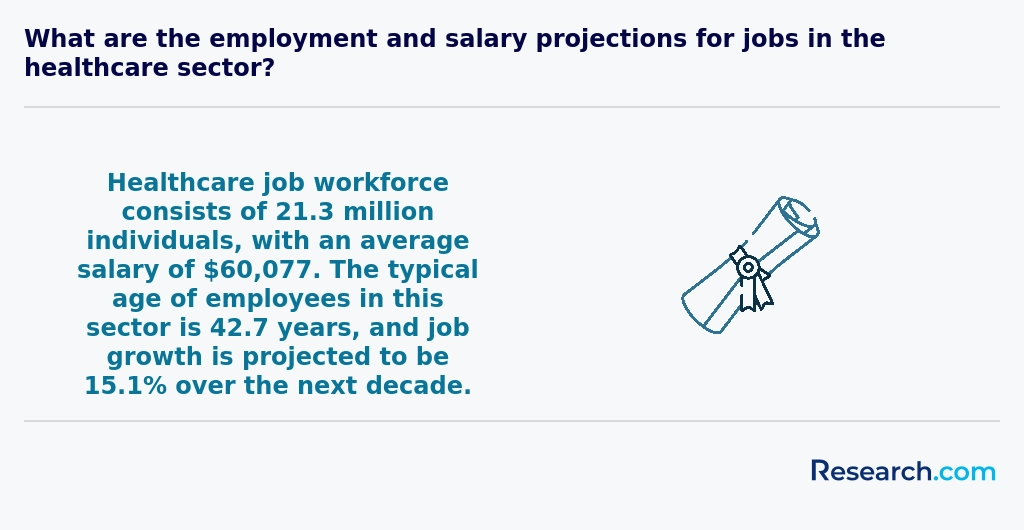
Program Duration and Flexible Learning Options
Understanding the time commitment involved in pursuing a healthcare degree in Massachusetts is essential for planning your educational journey. Programs can vary widely in duration-from multi-year degree tracks to accelerated courses that allow motivated students to fast-track their careers. Many institutions offer flexible options, including evening classes, part-time enrollments, and even intensive bootcamps designed to equip students with the necessary skills in a shorter period. For example, some accelerated programs can prepare you for entry-level roles in healthcare in a matter of weeks, such as the 4-week medical assistant program online, which provides a streamlined curriculum emphasizing practical skills and industry readiness. This section highlights the importance of balancing program duration with personal and professional commitments, ensuring you choose an educational path that not only meets your career goals but also fits your lifestyle. By carefully considering the available program lengths and flexible learning options, you can make an informed decision that accelerates your entry into the dynamic healthcare field.
What financial aid is available to healthcare degree students in Massachusetts?
Students pursuing healthcare degrees in Massachusetts often rely on a combination of federal, state, and institutional financial aid to manage high tuition costs. Federal aid includes Pell Grants offering up to $7,395 annually and Direct Subsidized or Unsubsidized Loans, which many nursing and public health students at the University of Massachusetts or Boston University have successfully utilized to fund their education.
State programs like the Massachusetts Nursing Incentive Program (NIP) provide up to $2,500 annually in loan repayments or scholarships for nursing students who commit to working in Massachusetts healthcare settings, a benefit that recent graduates from institutions like Northeastern University have found invaluable when starting their careers.
Many students also secure scholarships through organizations such as the Massachusetts Health Council, supplementing their funding and reducing out-of-pocket expenses. Those balancing work and study often take advantage of employer tuition reimbursement offered by major healthcare employers like Massachusetts General Hospital, which supports continuous professional growth while easing financial strain.
Graduate students may access the National Health Service Corps (NHSC) loan repayment programs by committing to serve in medically underserved areas, a pathway embraced by some physician assistant graduates from Simmons University to reduce debt while gaining meaningful experience.
Student Life and Campus Support Services
A vibrant campus life plays a crucial role in enhancing the overall educational experience at Massachusetts healthcare schools. Many top institutions not only offer rigorous academic programs but also provide comprehensive student support services that contribute to both personal and professional development. Students benefit from state-of-the-art libraries, career counseling centers, and academic advisors who help tailor individual learning plans. Active student organizations, peer mentoring programs, and networking events enable aspiring healthcare professionals to build lasting connections while gaining insights from industry experts. Additionally, campuses often host wellness programs and extracurricular activities designed to foster a balanced lifestyle. For those exploring budget-friendly options, resources such as the cheapest healthcare schools in massachusetts list provide valuable guidance on finding affordable yet high-quality institutions. Emphasizing a supportive and inclusive environment, these schools ensure that every student is equipped with the tools needed to succeed in both academic and real-world healthcare settings.
What are the prerequisites for enrolling in healthcare degree program in Massachusetts?
Enrolling in a healthcare degree program in Massachusetts requires applicants to complete key academic prerequisites to ensure preparedness. Graduates from schools like Northeastern University and the University of Massachusetts often highlight the importance of foundational coursework in biology, chemistry, and physics, which provide essential scientific knowledge for healthcare fields.
Mathematics, including algebra and statistics, is also commonly required, as it helps students handle data analysis and critical thinking skills necessary in clinical settings. Many programs further expect students to take introductory anatomy and physiology courses, allowing them to connect theory directly to human health.
Beyond sciences, associate and bachelor's degree candidates must complete general education credits in English composition and social sciences. This broadens communication skills crucial for patient interaction and ethical decision-making, as noted by graduates navigating demanding healthcare environments.
Competitive programs in Massachusetts typically require a minimum GPA between 2.5 and 3.0. Though standardized tests like the SAT or ACT were often mandatory, recent trends show many institutions have made these optional, reflecting evolving admission standards in the state.

What courses are typically in healthcare degree programs in Massachusetts?
Healthcare degree programs in Massachusetts commonly include coursework that blends theoretical knowledge with practical application. At institutions like the University of Massachusetts, students engage deeply with anatomy and physiology, which helps them understand the human body's structure and functions-essential for envisioning patient care scenarios. Graduates often recall how this foundation made clinical rotations more insightful and less intimidating.
Core subjects also cover microbiology and pathophysiology, equipping students to recognize disease mechanisms, a skill frequently tested during internships at Massachusetts hospitals. Pharmacology is another key course, covering how drugs interact within the body-crucial knowledge for safe medication administration witnessed firsthand by learners in clinical settings.
Courses in healthcare ethics and law prepare students for real dilemmas they may face, such as patient confidentiality, fostering confidence to navigate complex patient interactions. The inclusion of healthcare management and administration enables understanding of system operations, important for those aspiring to leadership roles in local healthcare facilities.
Finally, many programs emphasize statistics and research methods, helping students critically appraise medical data-a skill praised by graduates who contributed to community health research projects in Massachusetts. This comprehensive curriculum reflects the state's commitment to producing well-rounded healthcare professionals ready for Massachusetts's dynamic medical environment.
What types of specializations are available in healthcare degree programs in Massachusetts?
Healthcare degree specializations in Massachusetts cover a range of fields designed to align with the state's advanced healthcare infrastructure and workforce needs. Common options include nursing, from registered nurse programs to advanced roles like nurse practitioner or nurse anesthetist, enabling graduates to work in top hospitals such as Massachusetts General Hospital. Health informatics is another growing specialization, reflecting the strong emphasis on health IT development in the state's healthcare degree program options. Students focusing on public health gain expertise in community health and epidemiology, preparing them to tackle local health challenges directly. Other popular tracks include physical and occupational therapy, medical laboratory science, and healthcare administration, all experiencing rising demand due to demographic shifts and complex care environments. Graduates often report satisfaction with the blend of rigorous academics and practical clinical experiences. For those seeking accelerated paths, a 4-week medical assistant program online also provides a fast track into healthcare roles, illustrating the diverse training opportunities available across Massachusetts.
How do you choose the best healthcare degree in Massachusetts?
Choosing the best healthcare degree programs Massachusetts offers requires balancing several critical factors. Graduates from top institutions often highlight how selecting a degree aligned with career goals, such as nursing or healthcare administration, directly improves job satisfaction and employment prospects. For instance, students pursuing nursing degrees at well-known universities benefit from programs accredited by the Commission on Collegiate Nursing Education, ensuring licensure readiness and recognition across the state.
Cost considerations are equally vital; public universities typically charge between $10,000 and $15,000 annually for in-state students, making them attractive for those seeking affordable healthcare degrees in Massachusetts. Many students combine tuition savings with flexible course formats, including online or hybrid options, to accommodate work and life commitments. Some even find success completing an online associates degree in physical therapy assistant, enhancing their skills without relocating.
Location also plays a key role. Students at urban campuses like Boston frequently access internships at major hospitals, gaining invaluable clinical experience that recent graduates credit for their smooth transition into the workforce. Evaluating graduation and job placement rates can also indicate which programs provide strong return on investment given the growing healthcare demand in Massachusetts.
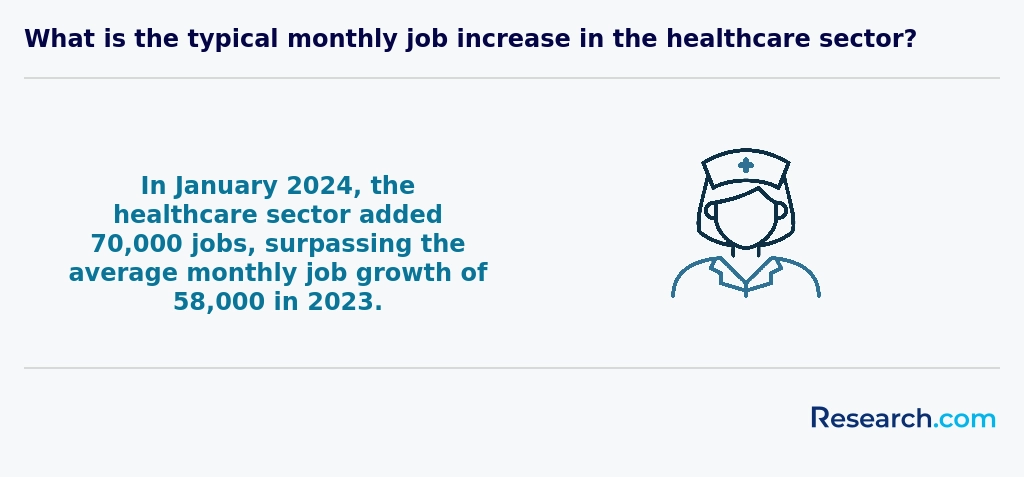
What career paths are available for healthcare degree students in Massachusetts?
Graduates with a healthcare degree in Massachusetts have access to diverse healthcare career options in Massachusetts, driven by the state's expanding healthcare sector. Common roles include Registered Nurses, who are highly sought after due to an aging population, and Medical and Health Services Managers, with median salaries near $110,000. Physical and Occupational Therapists also benefit from Massachusetts' higher-than-average wages, reflecting strong demand and a higher cost of living.
Many graduates from renowned institutions like the University of Massachusetts find rewarding positions not only in clinical care but also in healthcare administration, research, and health informatics. These career paths are supported by Massachusetts' numerous biotech firms and prominent hospitals such as Massachusetts General Hospital, where research and policy analysis play crucial roles in advancing health outcomes. The increasing need for Health Educators, Community Health Workers, Pharmacists, and Physician Assistants further expands job opportunities for healthcare degree holders.
Students seeking affordable yet comprehensive programs often explore options detailed in the Inexpensive Online Healthcare Degree Programs Ranking in Toledo, OH, which offers insights relevant for managing educational costs while pursuing these promising healthcare degree job opportunities Massachusetts.
What is the job market for healthcare degree in Massachusetts?
The healthcare job outlook in Massachusetts is notably strong, driven by the state's extensive network of top-tier hospitals and research centers. Graduates from institutions like Boston University and the University of Massachusetts often find themselves quickly employed in roles such as Registered Nurses or Health Services Managers, with salaries frequently exceeding $90,000 annually. This demand stems from an aging population and a growing need for healthcare services, resulting in steady hiring and job security.
Massachusetts healthcare degree employment opportunities extend beyond clinical roles. Graduates specializing in medical technology or public health discover diverse openings due to rising diagnostic testing and health administration needs. Many students appreciate the balance between rigorous academics and vibrant healthcare communities, describing their career starts as fulfilling and optimistic. Those exploring fastest degree programs benefit from accelerated pathways that align well with this promising job market.
Frequently Asked Questions About healthcare
Healthcare degree students in Massachusetts can maximize their learning by engaging deeply in clinical experiences offered through the state's numerous teaching hospitals. Massachusetts ranks among the top states for healthcare innovation and employment, with a 7.5% growth in healthcare jobs between 2020 and 2030, according to the Massachusetts Executive Office of Labor and Workforce Development.
Students should also take advantage of the state's strong academic partnerships, such as those between universities and renowned hospitals like Massachusetts General and Boston Children's. These collaborations provide access to cutting-edge research and internships.
Additionally, joining professional organizations and attending local healthcare conferences can expand practical knowledge and networking opportunities crucial for career advancement in Massachusetts' competitive healthcare market.
Emerging niches within the healthcare field in Massachusetts reflect broader national trends while addressing regional needs. One significant area is health informatics, driven by the increasing use of electronic health records and data analytics to improve patient care and operational efficiency. According to the Massachusetts Health Connector, demand for healthcare data specialists is expected to grow 20% over the next decade.
Another promising niche is behavioral health, including substance abuse counseling and mental health therapy. Massachusetts ranks among the top states expanding addiction treatment programs, as reported by the Massachusetts Department of Public Health.
Additionally, precision medicine is becoming more prevalent, fueled by local biotech innovation hubs like Cambridge. This field focuses on personalized treatment plans based on genetics, a rapidly growing segment supported by state research grants.
After completing a healthcare degree in Massachusetts, preparing for the job market involves a combination of practical experience and strategic networking. Massachusetts is home to numerous top hospitals and healthcare organizations, such as Massachusetts General Hospital and Boston Children's Hospital, which provide excellent internship and residency opportunities.
Many graduates benefit from obtaining relevant certifications like CPR or specialized licenses depending on their field. According to the Massachusetts Department of Higher Education, nearly 80% of healthcare graduates find employment within a year by leveraging clinical experience and connections developed during internships.
Additionally, attending local career fairs and joining professional organizations like the Massachusetts Health & Hospital Association can increase job prospects.
Employers in Massachusetts seek healthcare graduates with a strong mix of technical and interpersonal skills. Clinical competence remains essential, including proficiency in patient care, medical technology, and evidence-based practices. According to the Massachusetts Department of Higher Education, healthcare employers emphasize communication skills, as teamwork and clear patient interaction are vital in clinical settings.
Critical thinking and problem-solving are highly valued, enabling graduates to adapt to evolving healthcare challenges. Additionally, cultural competence is important, given Massachusetts' diverse population and commitment to equitable care. Data literacy, especially in electronic health records and healthcare informatics, is increasingly sought after. These skills collectively prepare graduates to meet the demands of healthcare roles across hospitals, clinics, and community health organizations.
Finding internships in Massachusetts relevant to a healthcare degree involves several strategic steps. Start by exploring university career centers, as many colleges in Massachusetts, such as Boston University and University of Massachusetts, actively collaborate with hospitals and clinics to offer internship opportunities.
Additionally, healthcare providers like Massachusetts General Hospital and Brigham and Women's Hospital often list internship programs on their websites. According to the Massachusetts Department of Higher Education, nearly 60% of healthcare students secure internships through these institutional partnerships.
Networking through professional associations and attending local healthcare job fairs can also increase access to internships. Finally, online platforms specific to healthcare roles in Massachusetts, such as MassHire Healthcare Services, frequently update relevant listings for internships and externships.
In Massachusetts, earning a healthcare degree significantly enhances career mobility and advancement opportunities. According to the Massachusetts Department of Higher Education, the healthcare sector is among the fastest-growing industries, with a projected 16% employment growth through 2030. A degree in healthcare not only qualifies graduates for various entry-level roles but also opens pathways to specialized fields such as nursing, health informatics, and public health.
Employers in the state increasingly value formal education due to the complexity of modern healthcare systems. Graduates with degrees often experience higher salary prospects-on average 20% above those without degrees, as reported by the U.S. Bureau of Labor Statistics for Massachusetts.
Additionally, advanced credentials can lead to leadership roles in hospitals or research institutions, reflecting the state's emphasis on institutional excellence and innovation. This makes healthcare degrees a critical asset for professionals seeking upward mobility within Massachusetts' robust healthcare market.
Studying for a healthcare degree in Massachusetts offers strong preparation for interdisciplinary roles through diverse, collaborative learning environments. Many programs incorporate teamwork with students from nursing, public health, pharmacy, and social work, reflecting real-world healthcare settings.
Massachusetts hosts several top-ranked institutions emphasizing interprofessional education to improve patient outcomes. According to the Massachusetts Department of Higher Education, nearly 70% of healthcare programs require clinical rotations where students work alongside professionals from multiple disciplines.
This hands-on experience fosters communication skills and a comprehensive understanding of patient care processes, essential for roles in integrated healthcare systems prevalent throughout the state.
When choosing between thesis and non-thesis healthcare degree programs in Massachusetts, consider your career goals and interests. Thesis programs emphasize research and typically require students to conduct original studies, which can be ideal if you plan to pursue a PhD or work in clinical research. Non-thesis options focus more on practical skills and coursework, preparing graduates for direct clinical roles or administrative positions.
In Massachusetts, home to leading institutions like Harvard Medical School, about 40% of healthcare graduate programs offer thesis options, reflecting the state's strong research focus.
Thesis tracks may take longer to complete, often 2-3 years, compared to 1.5-2 years for non-thesis programs.
Also consider faculty expertise, available research funding, and your readiness for intensive academic work when deciding.
Students based in Massachusetts who wish to study healthcare abroad have several pathways to consider. Many universities in the state, including Massachusetts General Hospital's affiliated schools, offer partnerships with international institutions. These programs allow students to gain global clinical experience while earning credits transferable toward their degrees.
According to the Massachusetts Department of Higher Education, approximately 15% of healthcare students participate in study abroad or international clinical rotations, focusing on areas such as public health, nursing, or medicine. Popular destinations include countries with emerging healthcare systems, providing exposure to diverse medical practices.
Additionally, organizations like the Global Health Learning Opportunities offer resources tailored to Massachusetts students, facilitating placements abroad with proper accreditation. Careful planning is advised to ensure alignment with U.S. licensing requirements.
Massachusetts offers a variety of part-time job opportunities that can complement healthcare degree education. Many students find roles as medical assistants, pharmacy technicians, or patient care aides in hospitals and clinics. According to the Massachusetts Executive Office of Labor and Workforce Development, healthcare support jobs are projected to grow by 16% through 2030, indicating strong demand.
Positions such as EMTs or certified nursing assistants (CNAs) provide practical experience directly applicable to healthcare studies. Additionally, working in research labs associated with local universities allows students to engage with clinical trials and medical research methodologies.
Many of these roles offer flexible hours, helping students balance work and study effectively while gaining valuable skills and professional connections in the Massachusetts healthcare system.
Healthcare students in Massachusetts benefit from diverse networking opportunities through universities, hospitals, and professional organizations. Many institutions, such as Massachusetts General Hospital and Boston Medical Center, offer clinical placements and workshops that connect students with experienced practitioners.
Professional groups like the Massachusetts Medical Society and the Massachusetts Public Health Association regularly host events, seminars, and conferences, fostering valuable industry connections. According to the Massachusetts Department of Higher Education, over 25% of healthcare graduates secure positions through networking during their studies.
Additionally, student chapters of national organizations, such as the American Medical Student Association, provide platforms for collaboration and mentorship within the state.
Alumni networks play a crucial role in supporting healthcare degree students in Massachusetts. These networks connect current students with graduates who work in diverse healthcare settings across the state. According to the Massachusetts Department of Higher Education, over 50% of healthcare graduates find employment through alumni referrals. This connection helps students gain insight into local job markets and emerging healthcare trends.
Furthermore, alumni often provide mentorship and professional guidance, which is valuable in competitive fields such as nursing and public health. Networking events and online platforms offered by universities increase opportunities for internships and job placements.
Massachusetts offers a variety of healthcare degree programs that allow students to tailor their studies according to specific career goals. Many institutions provide electives and specializations in areas such as nursing, public health, health informatics, and physical therapy. This flexibility enables students to focus on skills needed in in-demand fields. For example, choosing coursework in health administration can prepare graduates for management roles in the state's extensive hospital networks.
Students may also pursue internships and clinical placements at top medical centers like Massachusetts General and Boston Children's Hospital, which enhance practical experience. According to the Massachusetts Department of Higher Education, programs often integrate emerging healthcare technologies to align with regional job market trends. These options help students create a personalized education path within a strong Massachusetts healthcare network.
Healthcare students in Massachusetts face several challenges during their education. A significant hurdle is the high cost of tuition, with many programs averaging over $30,000 per year, which can lead to substantial student debt. According to the Massachusetts Department of Higher Education, balancing work and clinical hours adds stress, as students must complete demanding hands-on training while managing part-time jobs or family responsibilities.
Additionally, the competitive nature of healthcare programs means students must maintain high academic performance to progress. Clinical placements can be limited due to the state's dense population and healthcare facility demand, making it harder to gain practical experience. Mental health concerns also arise, as rigorous study schedules often lead to burnout.
With a healthcare degree in Massachusetts, graduates can pursue various professional certifications to advance their careers. Common certifications include Registered Nurse (RN), Certified Medical Assistant (CMA), and Emergency Medical Technician (EMT). The Massachusetts Board of Registration in Nursing reports over 140,000 licensed RNs in the state, reflecting strong demand.
Other valuable certifications include Certified Pharmacy Technician (CPhT) and Health Information Technician credentials. Many institutions offer preparation programs tailored for these certifications.
Certification requirements typically involve passing national exams and completing state-specific criteria. Obtaining these certifications increases job opportunities and salary potential in Massachusetts' competitive healthcare market.
Writing a winning application for a healthcare program in Massachusetts requires clear focus on both academic and personal strengths. Massachusetts hosts some of the nation's top healthcare schools, so competitive GPA and relevant healthcare experience are essential. Most programs expect at least a 3.0 GPA, although higher grades improve chances significantly.
Applicants should highlight volunteer work, internships, or jobs in healthcare settings, demonstrating commitment to the field. Strong letters of recommendation, preferably from healthcare professionals or educators, enhance credibility.
Personal statements must be specific to healthcare goals and include understanding of Massachusetts' healthcare landscape, which is noted for innovative care delivery and robust public health initiatives, according to the Massachusetts Department of Public Health.
Finally, prospective students should prepare thoroughly for required entrance exams such as the TEAS or GRE, which some programs use to assess readiness.
The global perspective on healthcare careers emphasizes the increasing demand for skilled professionals due to aging populations and evolving diseases. In the United States, including Massachusetts, healthcare jobs are projected to grow by 13% from 2021 to 2031, according to the U.S. Bureau of Labor Statistics. This trend reflects a worldwide need, with the World Health Organization highlighting shortages in nursing and allied health roles globally.
Massachusetts stands out with its strong educational institutions and leading healthcare facilities, which prepare students for diverse roles that are recognized internationally. Degrees earned here often meet standards that facilitate global mobility and collaboration.
Additionally, global health challenges like pandemics and chronic diseases increase demand for culturally competent healthcare workers. Massachusetts programs often incorporate global health perspectives to better prepare students for varied healthcare environments.
Gaining practical experience while studying for a healthcare degree in Massachusetts is essential to building a successful career. Many programs include clinical placements or internships as part of their curriculum, allowing students to work in hospitals, clinics, or community health centers. Massachusetts hosts renowned healthcare institutions like Massachusetts General Hospital and Boston Children's Hospital, offering valuable opportunities for hands-on learning.
Students often participate in supervised clinical rotations, which not only develop skills but also help fulfill licensure requirements. Additionally, some schools encourage volunteering or part-time work in healthcare settings.
According to the Massachusetts Department of Higher Education, about 80% of healthcare students engage in experiential learning before graduation, improving their job readiness significantly.
Choosing the right concentration within a healthcare degree program in Massachusetts requires understanding your career goals and the state's healthcare demands. Massachusetts is known for its strong healthcare industry, with the Bureau of Labor Statistics projecting a 15% growth in healthcare occupations from 2020 to 2030 statewide.
Consider concentrations such as nursing, healthcare administration, or public health, which are highly relevant in Massachusetts due to its aging population and robust hospital networks. Reviewing job placement rates and licensure options specific to each concentration can help guide your choice.
Researching local healthcare trends through sources like the Massachusetts Department of Public Health can also provide insight on emerging fields. For example, biotechnology and health informatics programs are growing rapidly in the state.
Assess the curriculum's alignment with your skills and interests, as well as internship opportunities in Massachusetts hospitals and clinics. Many reputable universities in the state offer specialized tracks reflecting regional healthcare needs, supporting tailored education paths.
Related Healthcare Rankings for Nearby States
- 2027 Most Popular Healthcare Degree Programs Ranking in Connecticut
- 2027 Most Popular Healthcare Degree Programs Ranking in New Hampshire
- 2027 Most Popular Healthcare Degree Programs Ranking in New Jersey
- 2027 Most Popular Healthcare Degree Programs Ranking in Maine
- 2027 Most Popular Healthcare Degree Programs Ranking in Delaware
- 2027 Most Popular Healthcare Degree Programs Ranking in Kentucky
- 2027 Most Popular Healthcare Degree Programs Ranking in Michigan
- 2027 Most Popular Healthcare Degree Programs Ranking in Georgia
- 2027 Most Popular Healthcare Degree Programs Ranking in Illinois
- 2027 Most Popular Healthcare Degree Programs Ranking in Florida
Top Trending Healthcare Rankings
See What Experts Have To Say About Studying Healthcare
Read our interview with Healthcare experts

References
- Client Challenge https://www.springerpflege.de/nursing-graduates-perceived-future-career-pathway-and-career-shi/50653658
- Challenges for Medical Students - Health Action Research Group https://www.healthactionresearch.org.uk/mental-health/challenges-for-medical-student/
- Explore Healthcare Admin Degree Concentrations https://www.baypath.edu/news/bay-path-university-blogs/post/explore-healthcare-admin-degree-concentrations/
- What Are the Differences in Salary Level for Different Degrees in Healthcare Management? | MHA Salary https://www.healthcare-management-degree.net/faq/what-are-the-differences-in-salary-level-for-different-degrees-in-healthcare-management/
- Healthcare Administration Certifications https://www.publichealthdegrees.org/careers/healthcare-administrator/certification/
- Courses | Medical and Healthcare Training School in Massachusetts https://www.pathwayvoc.com/healthcare-training-courses
- Students and Alumni associations - Europubhealth https://www.europubhealth.org/students-alumni-associations/
- Job-Ready Healthcare Skills for 2026 https://cliniwave.in/blogs/latest-article/job-ready-healthcare-skills
- Best Practices for Career Development and Advancement in the Healthcare Sector | Generation https://www.generation.org/news/best-practices-for-career-development-and-advancement-in-the-healthcare-sector/
- Student Health Insurance - Massachusetts Health Connector https://www.mahealthconnector.org/learn/tools-resources/individuals-families/student-health-insurance


