
2027 Most Popular Healthcare Degree Programs Ranking in Memphis

Co-Founder and Chief Data Scientist
Choosing the right healthcare degree program in Memphis can shape your future career and open doors to rewarding opportunities. This article presents the 2027 Most Popular Healthcare Degree Programs Ranking in Memphis, created by the Research.com team of data scientists. It offers clear insights to help you make an informed decision.
Whether you're starting fresh or planning a career change, exploring these top programs can boost your confidence and guide your path. Discover which degrees align best with your goals and take a positive step toward a fulfilling profession in healthcare.
Key benefits of getting healthcare degree in Memphis
- Healthcare degree graduates in Memphis can earn competitive salaries, such as Medical Assistants making about $43,350 annually and Patient Care Technicians earning around $60,790 per year, offering strong financial stability.
- Graduates can explore diverse career paths locally, including roles like Health Information Technicians or Clinical Research Coordinators, often available through Memphis colleges that equip students with practical skills and connections.
- Online healthcare degrees provide flexible learning options, allowing students in Memphis to balance work and study effectively while gaining credentials from respected programs, opening doors to rewarding healthcare careers.
- Key benefits of getting healthcare degree in Memphis
- What can I expect from healthcare degree in Memphis?
- Where can I work with healthcare degree in Memphis?
- How much can I make with healthcare degree in Memphis?
- 2027 Most Popular Healthcare Degree Programs Ranking in Memphis
- Key Findings
- How long does it take to complete healthcare degree in Memphis?
- Licensing and Certification Requirements and Success Rates
- What's the difference between online and on-campus healthcare degree?
- What is the average cost of healthcare degree in Memphis?
- Career Preparation & Real-World Application
- What financial aid is available to healthcare degree students in Memphis?
- Expert Tips for Success in Your Healthcare Education Journey
- What are the prerequisites for enrolling in healthcare degree program in Memphis?
- Certification and Licensure Requirements in Memphis, TN
- What courses are typically in healthcare degree programs in Memphis?
- What types of specializations are available in healthcare degree programs in Memphis?
- How do you choose the best healthcare degree in Memphis?
- What career paths are available for healthcare degree students in Memphis?
- What is the job market for healthcare degree in Memphis?
- Top Trending Healthcare Rankings
- See What Experts Have To Say About Studying Healthcare
What can I expect from healthcare degree in Memphis?
The average cost of a healthcare degree in Memphis varies based on the institution, but students often find public universities more budget-friendly than private colleges. For example, graduates from the University of Memphis typically experience lower tuition fees, making it easier to manage expenses alongside the city's below-average cost of living. This financial advantage allows students to focus more on clinical rotations and internships at major healthcare centers like St. Jude Children's Research Hospital without excessive worry about debt.
Private institutions such as Baptist Memorial College of Health Sciences may have higher tuition, but many graduates share how scholarships and financial aid packages tied to healthcare programs helped offset these costs. For those balancing work and study, affordable tuition enables a more manageable schedule and less financial stress.
Taking advantage of local healthcare organizations' aid programs can make significant savings possible. Memphis students commonly stress how these supports turn the challenge of funding education into an achievable step toward healthcare careers, feeling supported throughout their learning journey.
Where can I work with healthcare degree in Memphis?
Graduates from healthcare programs in Memphis, such as those at the University of Memphis and Rhodes College, often find themselves quickly absorbed into the city's robust medical industry. Many start their careers at major hospital networks like Methodist Le Bonheur Healthcare or Regional One Health, gaining hands-on experience in fast-paced clinical environments. This practical exposure builds confidence and skills, making transitions to specialized roles smoother.
Others leverage their education to work in outpatient clinics or specialty care centers scattered throughout Memphis, offering services from mental health support to rehabilitation. These settings often suit graduates seeking balanced work hours and direct patient interaction, creating fulfilling day-to-day roles.
Healthcare administration is a growing path, especially for alumni from health services management programs. Local insurance companies and government agencies appreciate Memphis-trained graduates who understand both healthcare and regional needs.
Finally, expanding home health care services and research institutions like St. Jude Children's Research Hospital open doors to community-based care and clinical research projects, making it easier for recent graduates to find their ideal career fit close to home.
How much can I make with healthcare degree in Memphis?
Graduates from healthcare programs in Memphis can realistically expect a range of earnings based on their chosen career path and degree level. For instance, medical assistants typically start with a salary around $43,350 annually, according to recent data. This entry-level position is a common first step for those completing healthcare degrees at institutions like the University of Memphis or Southwest Tennessee Community College.
Those advancing to roles such as patient care technicians see higher pay, averaging about $60,790 per year. This noticeable increase rewards additional training and hands-on experience gained through local clinical internships.
Health information technicians commonly earn near $43,380 annually, enabling graduates to enter the vital field of medical records and data management supporting Memphis' large hospital systems. Meanwhile, clinical research coordinators involved in trials and study management can expect around $43,350 per year, justifying the specialized knowledge gained through focused coursework available in Memphis programs.
For graduates aiming higher, becoming a quality improvement coordinator offers a more lucrative path, with wages averaging $103,150. This role requires a combination of healthcare expertise and administrative skills, a combination emphasized in many Memphis healthcare curricula.
Graduates frequently report feeling encouraged by their ability to secure well-paying positions soon after completing degrees, highlighting the practical value of hands-on training and robust connections to Memphis healthcare employers.
2027 Most Popular Healthcare Degree Programs Ranking in Memphis
How do we rank schools?
Investing in your education is a significant decision that can shape your future, and the Research.com team understands the importance of making informed choices. To assist prospective students in Memphis, we have meticulously developed the "2027 Most Popular Healthcare Degree Programs Ranking in Memphis." Our dedication to quality, credibility, and accuracy is evident in the thorough research and analysis behind this ranking.
We utilized the following reputable data sources to ensure a comprehensive evaluation of healthcare degree programs:
By exploring this ranking, readers will gain valuable insights into the top healthcare degree programs in Memphis, helping them make well-informed decisions about their educational and career paths. For more information on our methodology, please visit our Research.com methodology page.


# 8 position
The University of Tennessee Health Science Center
Bachelor of Science in Health Sciences

# 9 position
The University of Tennessee Health Science Center
Master of Science in Health Sciences
# 10 position
The University of Tennessee Health Science Center
Doctor of Health Science
Key Findings
- Healthcare degree programs in Memphis include nursing, healthcare administration, medical laboratory science, and public health, with options from associate to doctoral levels.
- Tuition for in-state students at public institutions ranges from $6,500 to $12,000 per year, while private colleges charge between $15,000 and $25,000 annually.
- Entry-level nursing salaries average around $55,000 per year, and allied health professions start between $45,000 and $50,000 annually.
- Mid-career healthcare professionals in Memphis can earn between $70,000 and $90,000 per year.
- The healthcare job market in Memphis is expected to grow by about 12% over the next decade, driven by local hospitals and care centers serving 1.3 million people.
- Clinical placements are offered at institutions such as Methodist Healthcare and St. Jude Children's Research Hospital, enhancing practical experience and job prospects.
How long does it take to complete healthcare degree in Memphis?
Completing a healthcare degree in Memphis depends on the program you choose and your personal pace. Many graduates who start with certificate programs at places like Southwest Tennessee Community College finish in 6 months to a year, quickly gaining skills in areas such as medical assisting or phlebotomy. These certificates let you enter the workforce fast, which feels rewarding when you begin helping patients early.
For those aiming higher, associate degrees like the Associate of Science in Nursing (ASN) usually take about 2 years. Graduates from Memphis community colleges often share how this timeframe allows them to balance study and part-time work while preparing for licensing exams. It's a manageable step up that opens doors to becoming a licensed practical nurse or registered nurse.
Bachelor's degrees at the University of Memphis or Rhodes College typically require 4 years of full-time study. Many students appreciate the structured programs that keep them on track and connected to local healthcare networks. The commitment is intense, but graduates often feel proud and prepared for diverse roles. If considering advanced degrees such as a Master of Science in Nursing, expect to spend an additional 2 to 6 years, depending on the specialization, matching the dedication needed for leadership or specialized clinical practice.
Licensing and Certification Requirements and Success Rates
Graduates of healthcare degree programs in Memphis, TN must meet state licensure and certification standards to practice legally and confidently. Most clinical roles-such as Registered Nurse (RN), Health Information Technician, and Medical Laboratory Scientist-require passing a national or state board exam following program completion. For example, the University of Memphis School of Nursing reports an NCLEX-RN first-time pass rate of 92%, well above the national average of 88%. Similarly, Health Information Management graduates from Southwest Tennessee Community College boast an RHIT certification pass rate of 85%. State licensure typically involves submitting proof of accredited education, completing a background check, and meeting minimum clinical hour requirements. In Tennessee, RNs must complete at least 500 supervised clinical hours and apply through the Tennessee Board of Nursing within three years of graduation. Those pursuing advanced practice roles-like Nurse Practitioners or Clinical Nurse Specialists-often need a master’s degree and national certification from bodies such as the American Nurses Credentialing Center (ANCC) or the American Association of Nurse Practitioners (AANP). Continuing education is mandatory for license renewal. RNs in Tennessee must complete 30 contact hours of approved learning every two years, covering topics from patient safety to pharmacology updates. Many local institutions partner with professional organizations to offer workshops, webinars, and simulation labs that count toward these requirements. Prospective students aiming for advanced certifications should also consider the cost and flexibility of master’s programs. For those exploring affordable options, the Most Affordable Online Master's in Healthcare Degree Programs Ranking in Missouri provides valuable insights into programs that balance quality and cost, preparing students for rigorous certification exams while accommodating busy schedules.
What's the difference between online and on-campus healthcare degree?
Choosing between online and on-campus healthcare degrees in Memphis comes down to how you balance flexibility with hands-on experience. On-campus programs at places like the University of Memphis or Methodist University require you to attend classes in person, offering direct access to professors and classmates. Graduates often describe their time working alongside local hospitals such as St. Jude Children's Research Hospital as invaluable, providing real-world clinical skills you can't get from a screen.
Online programs, on the other hand, let you study remotely, fitting coursework around jobs or family life. Many Memphis schools offer hybrid models where you handle lectures online but complete clinical hours in person. This setup demands strong time management, but graduates appreciate the freedom it gives them without losing essential hands-on practice.
In both cases, accreditation matters. Verifying your program meets standards from bodies like CAAHEP ensures your degree holds weight for licensing and jobs. Memphis students benefit from local hospital connections regardless of format, but the key is choosing what fits your schedule and learning style best.
What is the average cost of healthcare degree in Memphis?
The average cost of earning a healthcare degree in Memphis is approximately $13,858 for in-state students, reflecting median total expenses that include tuition, fees, and other required costs. This figure aligns with experiences of graduates from institutions such as the University of Memphis and Baptist Memorial College of Health Sciences, where students balance tuition with additional expenses like textbooks and clinical equipment. Many graduates recall budgeting carefully to manage these costs throughout their studies.
For those who choose out-of-state options or private programs, expenses often rise significantly, sometimes reaching up to $27,646 in total. This represents the median out-of-state total cost, highlighting the importance of considering residency status when planning finances. Healthcare students frequently find that factoring in the total cost of healthcare degrees in Memphis 2027 early on helps avoid surprises later.
Additional fees for uniforms, lab materials, and clinical placement can add $2,000 to $4,000 annually, making a thorough financial plan essential. Positive stories from recent graduates frequently mention the relief of securing state scholarships or local employer support. Tennessee's healthcare scholarships and Memphis hospitals' tuition assistance programs bring hopeful students closer to completing their degrees affordably.
Exploring options for financial aid remains critical. Many successful healthcare students advise checking out the best popular healthcare degree programs in Memphis as a step toward selecting affordable, quality education paths tailored to local market demands.
Career Preparation & Real-World Application
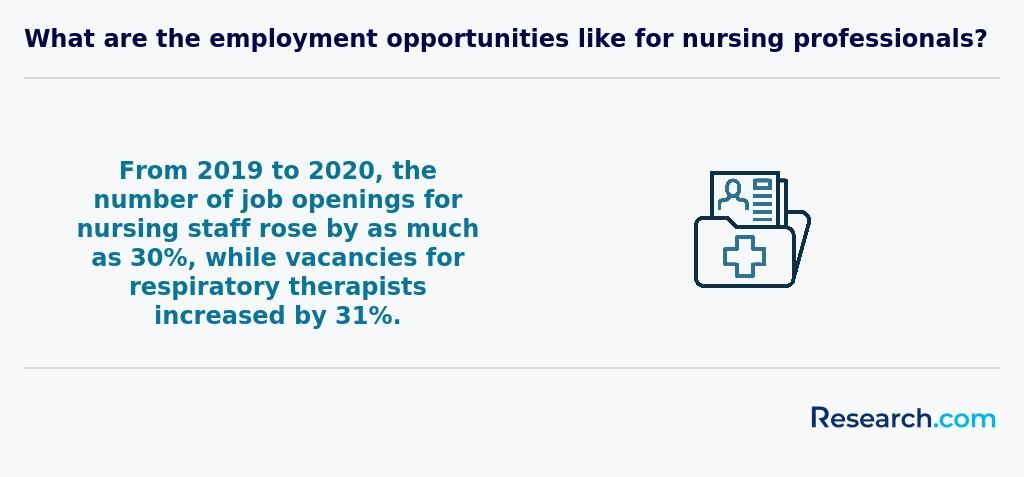
In addition to earning a degree, preparing for a successful career in healthcare in Memphis, TN requires proactive steps to translate academic knowledge into real-world skills. Aspiring healthcare professionals should seek internships, participate in community health events, and engage with industry mentors to build a well-rounded portfolio. Networking with alumni and attending career fairs can also reveal emerging opportunities and trends that are shaping the local market. Furthermore, specialized short courses-for example, the kaiser permanente coding course-can bolster practical skills in key areas, enhancing both resumes and job prospects. By combining hands-on experience with continuous professional development, students can ensure they are well-prepared to meet the demands of today’s dynamic healthcare landscape.
What financial aid is available to healthcare degree students in Memphis?
When pursuing a healthcare degree in Memphis, starting with federal aid is smart. Many graduates from the University of Memphis and Southwest Tennessee Community College successfully rely on Pell Grants, which can cover up to $7,395 for the 2023-2024 year without needing repayment. This grant eases tuition pressure and lets students focus more on their studies.
Next, consider federal student loans like Direct Subsidized or Unsubsidized Loans. These offer low interest rates and flexible repayment, making them manageable even after graduation. Many healthcare students find this helps them avoid overwhelming debt while working toward certifications in nursing or allied health.
Tennessee residents should not overlook the Tennessee Student Assistance Award (TSAA). It provides grants that reduce tuition costs at local schools like the University of Memphis. Graduates often say these grants were crucial in their journey.
Scholarships specifically for healthcare fields also abound through Memphis hospitals and community groups. Graduates frequently highlight how scholarships from the Memphis Medical District Collaborative helped fund nursing and medical technology programs.
Finally, tuition reimbursement from local hospitals is a real advantage if you work while studying. Many healthcare facilities in Memphis encourage this, offering a win-win: career growth with financial support.
Federal programs like the National Health Service Corps (NHSC) also reward commitment to underserved Memphis areas, cutting debt while improving community health-a deeply satisfying path chosen by many healthcare graduates.
Expert Tips for Success in Your Healthcare Education Journey
If you’re considering advancing in healthcare education in Memphis, TN, taking proactive steps can set you apart in a competitive field. Start by networking with local professionals, joining study groups, and seeking internships at reputable institutions. Research shows that students who engage with industry leaders and utilize campus career services are more likely to secure rewarding, high-paying positions post-graduation. Additionally, exploring resources on programs that offer the best popular healthcare degree options can provide guidance on curriculum strengths, accreditation quality, and alumni success. Remember, aligning your academic interests with hands-on experience-such as clinical practice, research projects, or volunteer work-greatly enhances your learning trajectory. Finally, embracing mentorship opportunities and continuously updating your skills in emerging healthcare technologies will not only prepare you for immediate challenges but also ensure long-term career growth in this dynamic field.
What are the prerequisites for enrolling in healthcare degree program in Memphis?
To enroll in a healthcare degree program in Memphis, start by completing high school or obtaining a GED. Graduates from local universities often recall how strong skills in biology, chemistry, and algebra smoothed their path, as these subjects lay the groundwork for your healthcare studies.
Most programs at Memphis-area colleges expect a GPA between 2.5 and 3.0, alongside prerequisite courses such as anatomy, physiology, microbiology, and statistics. One graduate shared that focusing on these courses early helped her feel confident during admission.
Standardized testing requirements vary; some schools still request SAT or ACT scores, while others now offer test-optional policies. For specific fields like nursing, passing entrance exams like the TEAS is common and can be prepared for through practice tests available at many Memphis institutions.
Background checks and immunization documentation are standard to qualify for clinical placements. Many students find that staying organized and prepared with these documents reduces anxiety during enrollment, making the process smoother and more manageable.
Certification and Licensure Requirements in Memphis, TN
In Tennessee, most healthcare careers require state licensure and national certification to ensure patient safety and professional standards. For nursing graduates, passing the NCLEX-RN exam administered by the Tennessee Board of Nursing is mandatory. Candidates must complete an accredited Bachelor of Science in Nursing (BSN) or Associate Degree in Nursing (ADN) program before registering for the NCLEX. Local institutions often report pass rates above the national average, reflecting rigorous preparation and robust clinical experiences. Physical therapist assistants must graduate from an accredited program and pass the National Physical Therapy Examination (NPTE) to earn licensure. Graduates of an associates degree in physical therapy assistant should apply to the Tennessee Board of Physical Therapy for licensure, which involves submitting official transcripts and completing a background check. Once licensed, PTAs must complete continuing education units (CEUs) every two years, ensuring they stay current with evolving treatment techniques and evidence-based practice. Health information management professionals aiming for the Registered Health Information Technician (RHIT) credential must pass the AHIMA certification exam. Completion of an accredited health informatics or health information management program in Memphis qualifies candidates to sit for the exam. Similarly, medical assistants seeking Certified Medical Assistant (CMA) status can take the AAMA certification exam upon graduation from a CAAHEP- or ABHES-accredited program. Understanding each certification pathway, exam prerequisites, application timelines, and renewal requirements is crucial for launching and sustaining a successful healthcare career in Memphis.
What courses are typically in healthcare degree programs in Memphis?
If you're pursuing a healthcare degree in Memphis, expect a well-rounded curriculum designed to equip you with essential skills. Courses typically include Anatomy and Physiology, where you'll learn about the human body's structure and function-imagine getting hands-on lab practice at a local Memphis university, which helps graduates feel confident stepping into clinical roles.
Medical Terminology and Pharmacology are also core, familiarizing you with the professional language and drug effects you'll encounter daily. Graduates often share how mastering these helped them communicate smoothly during their clinical rotations at Memphis hospitals.
Pathophysiology and Healthcare Ethics deepen your understanding of disease processes and legal considerations, crucial for patient care decisions you'll face in real scenarios. Many Memphis students praise how their ethics coursework prepared them to handle tough choices with empathy.
Practical Clinical Skills classes combine theory and hands-on training, often conducted within Memphis clinics. Healthcare Administration and Introduction to Public Health courses round out your education, preparing you for both patient-facing and management roles in the city's diverse healthcare system.
What types of specializations are available in healthcare degree programs in Memphis?
When exploring healthcare degree specializations in Memphis, students typically find several practical options tailored to the city's healthcare demands. Nursing is a top choice, with programs at local universities offering pathways such as Bachelor of Science in Nursing and advanced practice roles like Nurse Practitioner. Graduates often share positive experiences about how clinical rotations at nearby hospitals deepened their skills and confidence. Another common specialization is Healthcare Administration, which prepares students for leadership roles in Memphis's large hospital systems through hands-on projects focused on operations and policy.
Students interested in Memphis healthcare program concentration options also find Allied Health fields like respiratory therapy and medical laboratory technology valuable for quick entry into supportive clinical roles. Public Health programs emphasize community-based strategies, reflecting the city's urban health environment. Physical and occupational therapy specializations require more coursework but align well with Memphis's aging population.
For those looking into medical coding certification, many have benefited from courses such as the kaiser permanente coding course, designed to fit busy schedules while boosting employability in local healthcare networks.
How do you choose the best healthcare degree in Memphis?
Start by pinpointing your career goals within healthcare in Memphis. Graduates from local colleges often highlight the advantage of choosing degrees aligned with in-demand fields like nursing or healthcare management. For many, the decision between an associate degree and a bachelor's degree impacts both job prospects and earning potential. For example, students from community colleges appreciate affordable healthcare degrees in Memphis that enable them to enter the workforce quickly. Meanwhile, bachelor's degree holders from Memphis universities often find leadership roles more accessible.
Next, evaluate program accreditation and local partnerships. Programs linked to hospitals such as Methodist Le Bonheur Healthcare offer hands-on clinical placements that students consistently praise for real-world preparation. Tuition cost matters too; many Memphis community colleges keep fees between $4,000 and $6,000, easing financial stress.
If you're considering specialized paths, research options like the associates degree in physical therapy assistant, popular among practical learners seeking direct patient care roles. This stepwise approach helps ensure you choose one of the best healthcare degree programs Memphis offers with a clear path to job security and satisfaction.
What career paths are available for healthcare degree students in Memphis?
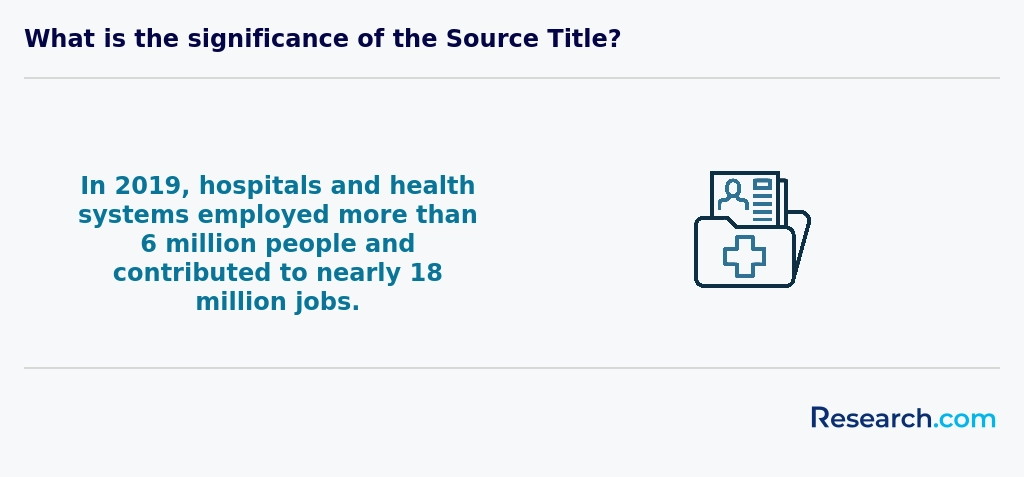
Graduates with healthcare degrees in Memphis find a variety of career paths suited to both clinical and administrative roles. Registered nursing remains a popular choice, with many graduates from local universities quickly securing positions in major hospitals like Methodist Le Bonheur Healthcare. These nurses enjoy steady demand, supported by Memphis healthcare degree job outlook projections showing a 15% growth through 2030. Other clinical options include medical laboratory technologists and respiratory therapists, who benefit from competitive salaries, often between $50,000 and $70,000 annually, thanks to the city's strong medical research facilities.
Healthcare management is another promising avenue. Graduates often manage operations in community clinics or large healthcare systems, taking advantage of Memphis's expanding healthcare infrastructure. This administrative career benefits from a nationwide 28% employment growth forecast, making it a stable choice. Allied health roles, such as pharmacy technicians or physical therapy assistants, provide hands-on patient support, while public health graduates influence local health policies and community programs.
For students planning their education and expenses, exploring options like the Most Affordable Online Master's in Healthcare Degree Programs Ranking in Missouri can ease financial concerns. Overall, those pursuing a healthcare degree in Memphis experience practical career opportunities closely aligned with local demand and industry needs.
What is the job market for healthcare degree in Memphis?
The healthcare job market in Memphis offers promising opportunities for graduates, fueled by strong growth in roles such as registered nurses, medical assistants, and physical therapists. Many students graduating from well-known Memphis colleges find themselves quickly placed in internships or entry-level positions within leading healthcare systems like St. Jude Children's Research Hospital. These connections provide invaluable hands-on experience that enhances employability in this diverse sector.
One practical step for students is to focus on programs with strong ties to local healthcare providers, enabling access to competitive salaries and steady job growth. For example, graduates often highlight how affiliations with hospitals boost their confidence and readiness for patient care roles. Demand for healthcare degree career opportunities Memphis is high, particularly as the city's aging population drives need for chronic disease management and outpatient care.
Tuition in Memphis public institutions remains affordable, encouraging students to consider quick degrees without sacrificing quality. Exploring options like quick degrees can shorten time to workforce entry, allowing graduates to capitalize on the local job market sooner.
Frequently Asked Questions About healthcare
Healthcare degree students in Memphis can maximize their learning by engaging actively with local clinical sites. Memphis hosts major medical centers like Methodist Le Bonheur Healthcare and St. Jude Children's Research Hospital, offering valuable internships and hands-on training. According to the Tennessee Department of Health, clinical experience greatly improves job readiness and practical skills for healthcare graduates.
Students should also take advantage of Memphis' diverse patient population to enhance cultural competence, a crucial skill in healthcare. Joining student organizations and attending health-related workshops sponsored by local universities fosters networking and professional growth.
Furthermore, staying updated on healthcare trends specific to Memphis, such as the city's focus on addressing chronic diseases, helps students tailor their education effectively.
The healthcare field in Memphis is rapidly evolving, with several emerging niches gaining attention. One prominent area is telehealth, which expanded significantly during the COVID-19 pandemic and remains vital for rural and underserved communities in Tennessee. According to the Tennessee Department of Health, telehealth usage in Memphis grew over 50% between 2020 and 2023.
Another growing niche is health informatics, which combines healthcare and data management to improve patient outcomes. Memphis healthcare organizations increasingly seek professionals skilled in electronic health records and data analysis.
Additionally, geriatric care is becoming critical due to Memphis's aging population. Specialized degrees focusing on elderly care are in high demand, reflecting nationwide trends noted by the U.S. Bureau of Labor Statistics.
These specialized fields offer promising career paths for prospective students.
After completing a healthcare degree in Memphis, preparing for the job market requires a strategic approach. First, gaining practical experience through internships or clinical rotations is essential. Memphis hosts several major healthcare providers, such as Methodist Le Bonheur Healthcare and St. Jude Children's Research Hospital, offering valuable opportunities.
Networking is also crucial-joining local professional associations like the Memphis Nurses Association can connect graduates with potential employers.
Moreover, obtaining required certifications and licenses, such as CPR or state-specific nursing licenses, is necessary for many healthcare positions.
The Memphis healthcare job market is growing, with an expected 15% increase in registered nurse jobs by 2030 according to the Bureau of Labor Statistics, reflecting strong employment prospects.
Employers in Memphis seek healthcare graduates with strong clinical skills and hands-on experience. According to the Memphis Medical District Collaborative, practical knowledge in patient care and familiarity with electronic health records are highly valued. Communication skills are essential, as healthcare workers must effectively interact with patients and interdisciplinary teams.
Critical thinking and problem-solving abilities are also top priorities, enabling graduates to adapt in fast-paced medical environments. Additionally, cultural competence is crucial in Memphis, given its diverse population, ensuring respectful and personalized patient care.
Knowledge of healthcare laws, ethics, and compliance contributes to employability, supported by ongoing changes in federal and state healthcare regulations.
Finding internships in Memphis relevant to a healthcare degree involves several strategic steps. Start by exploring local hospitals and healthcare systems like Methodist Le Bonheur Healthcare and St. Jude Children's Research Hospital, which often offer structured internship programs for students. According to the Memphis Medical District Collaborative, the healthcare sector employs over 50,000 professionals, creating ample opportunities for hands-on experience.
University career centers connected to institutions such as the University of Memphis provide resources and internship listings. Additionally, platforms like the Tennessee Department of Labor's job portal can help identify healthcare internships. Networking through local professional groups and attending healthcare job fairs in Memphis are effective ways to connect with potential employers.
Obtaining a healthcare degree in Memphis significantly enhances career mobility due to the city's robust medical industry. Memphis is home to major healthcare employers like St. Jude Children's Research Hospital and Methodist Le Bonheur Healthcare, which actively seek qualified professionals.
Healthcare degrees increase eligibility for a variety of roles, from nursing to health administration, enabling graduates to access higher-paying jobs. According to the U.S. Bureau of Labor Statistics, healthcare occupations in the Memphis metro area are projected to grow 12% through 2031, faster than the national average.
Advanced degrees particularly improve prospects for leadership positions and specialized clinical roles, which often offer better compensation and job security.
Studying for a healthcare degree in Memphis offers students a distinct advantage in preparing for interdisciplinary roles. Many local institutions integrate coursework that emphasizes teamwork across various healthcare fields, reflecting the collaborative nature of modern medical environments.
Memphis is home to diverse healthcare providers, including St. Jude Children's Research Hospital and the Methodist Healthcare system, which serve as practical training sites. Exposure to these institutions allows students to experience real-world interdisciplinary collaboration firsthand.
According to the Tennessee Higher Education Commission, programs here increasingly incorporate interdisciplinary simulations and joint projects that enhance communication skills among future nurses, therapists, and physicians. This approach equips graduates to work effectively in integrated care teams, which is critical in today's patient-centered healthcare models.
When choosing between a thesis and a non-thesis healthcare degree program in Memphis, consider your career goals first. Thesis programs typically involve original research and are suited for students aiming for academic or research positions. Non-thesis options focus more on practical skills and may be ideal for those seeking direct entry into healthcare professions.
Universities such as the University of Memphis offer both routes in healthcare-related fields. According to the National Center for Education Statistics, about 40% of graduate students in healthcare select non-thesis tracks for faster completion and career readiness.
In Memphis, a hub for medical service with major hospitals like St. Jude Children's Research Hospital, a thesis might open more doors in clinical research settings. Meanwhile, non-thesis degrees often lead to roles in management, policy, or clinical practice.
Students in Memphis interested in studying healthcare abroad have several options through US universities offering international exchange programs. Institutions such as the University of Memphis often collaborate with partner schools worldwide, enabling students to gain global healthcare perspectives while earning credits toward their degrees.
Common destinations include Europe, Canada, and Asia, where students can experience varied healthcare systems and clinical practices. According to the Institute of International Education, healthcare-related fields account for a significant portion of study-abroad programs among American students.
Additionally, programs accredited by the Commission on Accreditation of Allied Health Education Programs (CAAHEP) often facilitate clinical placements abroad. Memphis students can leverage these opportunities to enhance their practical skills and cultural competence in diverse medical environments.
Students pursuing healthcare degrees in Memphis can enhance their education through various part-time jobs that offer practical experience. Positions such as medical assistants, patient care technicians, and pharmacy aides are commonly available in local hospitals like Methodist Le Bonheur Healthcare, a leading employer in the region. These roles provide hands-on patient interaction and familiarity with clinical workflows.
Additionally, Memphis hosts numerous outpatient clinics and assisted living facilities where part-time roles in healthcare support services are on offer. According to the Bureau of Labor Statistics, healthcare support occupations in Memphis are expected to grow faster than average, suggesting increasing availability of these jobs.
Working in these roles while studying allows students to develop communication, clinical, and administrative skills important for future healthcare careers.
Healthcare students in Memphis benefit from a variety of networking opportunities that connect them with local professionals and organizations. Institutions such as the University of Memphis and Baptist Health Sciences University offer career fairs and student chapters of national associations like the American Medical Student Association (AMSA) and the National Student Nurses' Association (NSNA).
Memphis is home to major healthcare providers including St. Jude Children's Research Hospital and Methodist Le Bonheur Healthcare, which regularly host internships and shadowing programs for students. These partnerships help students build valuable professional relationships in the region.
Additionally, local healthcare conferences and workshops provide further chances to meet experts and peers, enhancing students' access to mentors and future job opportunities in a city with a growing healthcare sector.
Alumni networks offer significant advantages for healthcare degree students in Memphis. These networks connect current students with graduates working in local hospitals, clinics, and public health organizations. Memphis is home to major healthcare employers like Methodist Le Bonheur Healthcare and St. Jude Children's Research Hospital, where alumni can provide valuable mentorship and job referrals.
Engaging with alumni helps students learn about internships and entry-level positions that may not be widely advertised. Research from the University of Memphis highlights that 70% of healthcare graduates find employment through professional connections, emphasizing the importance of alumni relationships.
Additionally, alumni often host workshops and networking events that enhance students' practical knowledge and soft skills, which are crucial for success in healthcare careers in Memphis's competitive market.
Customizing a healthcare degree program in Memphis allows students to align their education with specific career goals. Many local colleges and universities offer flexible curriculums where students can select electives focused on areas like nursing, health administration, or medical technology. This variety helps cater to growing healthcare sectors in Memphis, such as the city's expanding biomedical research and hospital services, supported by institutions like St. Jude Children's Research Hospital.
Students can often participate in internships or clinical rotations within Memphis's diverse healthcare facilities, gaining practical experience tailored to their interests. Additionally, some programs offer certificate options or dual degrees to enhance specialization. Consulting academic advisors ensures the chosen path meets professional licensing requirements or employer expectations in Tennessee.
Healthcare students in Memphis commonly face several challenges throughout their education. One major difficulty is balancing rigorous coursework with clinical training, which demands significant time and effort. According to the Tennessee Higher Education Commission, healthcare programs often require over 1,000 clinical hours, creating scheduling conflicts for many students.
Financial stress is another issue, as Memphis healthcare students often rely on loans to cover tuition and living expenses. The average student loan debt in Tennessee exceeds $30,000, impacting many young professionals starting their careers.
Additionally, access to diverse clinical placements remains limited, particularly for specialties like nursing and physician assistant programs. This scarcity slows practical experience accumulation, potentially delaying graduation.
Finally, students must adapt to evolving healthcare technology and regulatory standards, which demands continuous learning and flexibility.
With a healthcare degree in Memphis, graduates can pursue several professional certifications to enhance their careers. Common certifications include Certified Nursing Assistant (CNA), Registered Nurse (RN), and Licensed Practical Nurse (LPN). Each requires passing state-specific exams regulated by Tennessee's Board of Nursing.
Additionally, certifications such as Certified Medical Assistant (CMA) and Emergency Medical Technician (EMT) are highly valued in Memphis, reflecting the city's growing healthcare sector. The Memphis Regional Chamber reports a 10% increase in healthcare job postings from 2020 to 2023, emphasizing demand for credentialed professionals.
For advanced practice, certifications like Certified Registered Nurse Anesthetist (CRNA) or Physician Assistant (PA) require graduate degrees but offer significant career advancement. Certifications ensure that healthcare workers meet industry standards and improve patient outcomes in Memphis's expanding medical facilities.
Writing a winning application for a healthcare program in Memphis begins with understanding the competitive nature of local schools. In 2023, Memphis institutions like the University of Tennessee Health Science Center reported acceptance rates near 40% for nursing and allied health programs, indicating strong applicant pools (UTHSCSA data). Applicants should clearly demonstrate a passion for healthcare through volunteer work or clinical experience, ideally within Memphis-area facilities such as Methodist Le Bonheur Healthcare.
Strong academic performance is critical. Most programs require a minimum GPA of 3.0 in prerequisite courses, including biology and chemistry. Additionally, well-crafted personal statements that explain your motivation to serve Memphis's diverse communities can improve your chance of admission.
Letters of recommendation from healthcare professionals familiar with your skills add credibility. Finally, preparing thoroughly for interviews and submitting applications before deadlines, typically between November and March, will position candidates effectively in this competitive local market.
The global perspective on healthcare careers emphasizes the increasing need for skilled professionals due to aging populations and rising chronic illnesses. In the United States, including Memphis, healthcare is among the fastest-growing job sectors with a projected 13% growth from 2021 to 2031, according to the U.S. Bureau of Labor Statistics.
Worldwide, healthcare workers face challenges like technological advancements, requiring ongoing education and adaptation. Many international healthcare education systems align with U.S. standards, facilitating global mobility for graduates.
In Memphis, the healthcare industry employs over 60,000 people, contributing significantly to the local economy. Understanding global trends can help Memphis students prepare for diverse career opportunities in allied health, nursing, and health administration sectors.
Gaining practical experience while studying for a healthcare degree in Memphis is essential for building career-ready skills. Many local colleges and universities, including the University of Memphis and Baptist Memorial College of Health Sciences, offer clinical rotations and internships as part of their healthcare programs.
Students often complete hands-on training in Memphis hospitals, clinics, or community health centers. For example, Memphis is home to renowned medical facilities like Methodist Le Bonheur Healthcare, which regularly partners with educational institutions to provide student placements.
Additionally, volunteer opportunities in local health organizations enable students to develop valuable real-world experience. According to the Tennessee Department of Health, these practical engagements improve employment prospects after graduation.
Choosing the right concentration within a healthcare degree program in Memphis involves evaluating both your career goals and the local job market. Popular healthcare fields here include nursing, healthcare administration, and physical therapy, reflecting Memphis's robust hospital network like Methodist Le Bonheur Healthcare.
Consider your personal interests alongside demand trends. For example, nursing remains in high demand with Memphis's aging population and multiple healthcare facilities. According to the Tennessee Department of Labor, registered nursing jobs in Memphis are projected to grow 12% through 2030.
Research program curricula to ensure they offer hands-on experience and certifications valued by Memphis employers. Connecting with local healthcare employers or alumni can also provide insight into practical career paths tied to each concentration.
Related Healthcare Rankings for Nearby Cities
- 2027 Most Popular Healthcare Degree Programs Ranking in Jackson
- 2027 Most Popular Healthcare Degree Programs Ranking in Nashville
- 2027 Most Popular Healthcare Degree Programs Ranking in Springfield
- 2027 Most Popular Healthcare Degree Programs Ranking in Saint Louis
- 2027 Most Popular Healthcare Degree Programs Ranking in Columbia
- 2027 Most Popular Healthcare Degree Programs Ranking in Louisville
- 2027 Most Popular Healthcare Degree Programs Ranking in Baton Rouge
- 2027 Most Popular Healthcare Degree Programs Ranking in New Orleans
- 2027 Most Popular Healthcare Degree Programs Ranking in Kansas City
- 2027 Most Popular Healthcare Degree Programs Ranking in West Lafayette
Top Trending Healthcare Rankings
See What Experts Have To Say About Studying Healthcare
Read our interview with Healthcare experts

References
- Medicine and Surgery https://www.memphis.edu.eg/program/medicine-and-surgery/
- Niche Markets in Healthcare: How to Find & Target https://nechayadvisors.com/blog/niche-markets-in-healthcare
- The Value of Healthcare Organization Alumni Associations https://consultqd.clevelandclinic.org/the-value-of-healthcare-organization-alumni-associations
- Healthcare Career in Memphis (CNA, 4 Weeks) https://careeracademymemphis.com/healthcare-career-memphis
- Education requirements for the fastest-growing healthcare jobs https://www.corridorcareers.com/job-tips/blog-news-education-requirements-fastest-growing-healthcare-jobs
- Job-Ready Healthcare Skills for 2026 https://cliniwave.in/blogs/latest-article/job-ready-healthcare-skills
- What Can You Do with a Health Sciences Degree? https://www.ycp.edu/news/what-can-you-do-with-a-health-sciences-degree
- Interdisciplinary Education and Practice https://www.aacnnursing.org/news-data/position-statements-white-papers/interdisciplinary-education-and-practice
- Best Practices for Career Development and Advancement in the Healthcare Sector | Generation https://www.generation.org/news/best-practices-for-career-development-and-advancement-in-the-healthcare-sector/
- europubhealth+ students and alumni association (ephsa) https://www.europubhealth.org/students-alumni-associations/


