
2027 Most Popular Healthcare Degree Programs Ranking in Peoria

Co-Founder and Chief Data Scientist
Choosing the right healthcare degree program can shape your future in meaningful ways. If you're in Peoria and thinking about a healthcare career, this article is here to assist you.
Inside, you'll find the 2027 Most Popular Healthcare Degree Programs Ranking in Peoria, created by the Research.com team of data scientists. This ranking helps you identify programs that are truly worth your time and effort.
Exploring these options can open doors to rewarding and stable career paths. Whether you want to care for others or advance medical knowledge, this guide supports your journey with clear, reliable insights.
Key benefits of getting healthcare degree in Peoria
- Healthcare degree graduates in Peoria can expect competitive salaries, such as $43,350 annually for Medical Assistants and Clinical Research Coordinators, and up to $103,150 for Quality Improvement Coordinators, offering financial stability and growth.
- Graduates from local colleges often find diverse career paths ranging from Patient Care Technicians making around $60,790 to Health Information Technicians earning approximately $43,380, providing exciting opportunities in care and administration.
- Online healthcare degrees from Peoria institutions offer flexibility and convenience, enabling students to balance life while earning credentials that open doors to rewarding healthcare roles without compromising quality.
- Key benefits of getting healthcare degree in Peoria
- What can I expect from healthcare degree in Peoria?
- Where can I work with healthcare degree in Peoria?
- How much can I make with healthcare degree in Peoria?
- 2027 Most Popular Healthcare Degree Programs Ranking in Peoria
- Key Findings
- How long does it take to complete healthcare degree in Peoria?
- Next Steps: Preparing for Your Future in Healthcare
- What's the difference between online and on-campus healthcare degree?
- Career Preparation and Networking Strategies for Healthcare Students
- What is the average cost of healthcare degree in Peoria?
- Advanced Degree Pathways and Accelerated Programs
- What financial aid is available to healthcare degree students in Peoria?
- Professional Licensure and Certification Requirements
- What are the prerequisites for enrolling in healthcare degree program in Peoria?
- Campus Life and Student Resources in Peoria, IL
- What courses are typically in healthcare degree programs in Peoria?
- What types of specializations are available in healthcare degree programs in Peoria?
- How do you choose the best healthcare degree in Peoria?
- What career paths are available for healthcare degree students in Peoria?
- What is the job market for healthcare degree in Peoria?
- Top Trending Healthcare Rankings
- See What Experts Have To Say About Studying Healthcare
What can I expect from healthcare degree in Peoria?
If you're considering a healthcare degree in Peoria, you can typically expect to invest between $10,000 and $20,000 per year as an in-state student. This range is quite reasonable when compared to other public and private options across Illinois. Graduates from programs at well-regarded institutions like Bradley University often reflect on the value of this investment, especially when paired with financial aid or scholarships they received alongside employer tuition support.
Many students find comfort knowing their tuition aligns with quality education accredited by respected bodies such as the CCNE. This means the time and money spent in programs-like nursing or allied health degrees-translate directly into practical skills through clinical placements with major local providers such as OSF HealthCare or UnityPoint Health.
One graduate recalled how balancing tuition costs with work and internships was entirely doable because the program's affordability let them focus on gaining real-world experience rather than stressing over excessive debt. This practical balance is what makes Peoria's healthcare degrees a strong stepping stone into a rewarding, in-demand career.
Where can I work with healthcare degree in Peoria?
With a healthcare degree from a respected Peoria institution like Bradley University, graduates find themselves stepping into a world brimming with meaningful career options. Many begin their professional journey in Peoria's major hospitals, such as OSF HealthCare Saint Francis Medical Center, where roles span from registered nurses to healthcare administrators. Imagine being part of a dedicated team managing patient care or advancing medical technologies-these environments fuel growth and hands-on learning.
Others choose outpatient clinics or specialized centers like Midwest Orthopaedics at UnityPoint Health, where their nursing or therapy skills directly impact patient recovery every day. Graduates often share how rewarding it feels to see patients regain mobility or improved health thanks to their expertise.
Long-term care facilities also welcome new professionals, especially those trained in geriatric care, offering a chance to make a lasting difference in the lives of the elderly community. Meanwhile, the Peoria City/County Health Department invites healthcare graduates passionate about public health to contribute through education and prevention programs, turning knowledge into community impact.
Finally, for those who love technology and administration, healthcare tech companies in Peoria provide exciting roles that support efficient care delivery, combining data management with innovation. The diversity in local opportunities means your healthcare degree can lead to a fulfilling career path tailored to your strengths and passions.
How much can I make with healthcare degree in Peoria?
Graduates from healthcare programs in Peoria often step into rewarding roles with competitive salaries that reflect their skills and dedication. For example, medical assistants, a common entry-level position for those attending local schools, earn about $43,350 annually. Imagine starting your career with hands-on experience gained at a Peoria college, seamlessly transitioning into a job that provides both stability and room to grow.
Those aiming for roles like patient care technicians can expect around $60,790 per year, which supports a comfortable lifestyle in this Midwestern city. Healthcare students I've mentored at institutions like Bradley University or Illinois Central College often feel encouraged knowing these salaries offer a strong foundation.
Graduates specializing in health information technology also make roughly $43,380 annually, while clinical research coordinators earn similar wages. For those reaching advanced stages, quality improvement coordinators command over $100,000 a year, highlighting the value of experience and education in Peoria's healthcare landscape.
These figures point to exciting possibilities for career growth and financial independence right here in Peoria's vibrant healthcare community.
2027 Most Popular Healthcare Degree Programs Ranking in Peoria
How do we rank schools?
Investing in your education is a significant decision that can shape your future, and the Research.com team understands the importance of making informed choices. To assist prospective students in Peoria, we have meticulously crafted the "2027 Most Popular Healthcare Degree Programs Ranking in Peoria." Our commitment to quality, credibility, and accuracy is reflected in the extensive research and analysis conducted to compile this ranking.
We utilized the following reputable data sources to ensure a comprehensive evaluation of healthcare programs:
By exploring this ranking, readers will gain valuable insights into the most popular healthcare degree programs in Peoria, empowering them to make well-informed educational decisions. For more details on our methodology, please visit our Research.com methodology page.


# 5 position
Saint Francis Medical Center College of Nursing
Bachelor of Science in Nursing (BSN)

Key Findings
- Associate degrees in nursing or allied health in Peoria cost between $8,000 and $12,000 for the full program.
- Bachelor's healthcare degrees from local universities range from $25,000 to $35,000 for in-state students.
- Entry-level healthcare salaries start between $45,000 and $55,000 annually, with median wages rising to $70,000-$85,000 after gaining experience.
- The healthcare job market in Peoria is expected to grow by 10% over the next decade.
- Available healthcare roles include registered nurses, medical assistants, radiologic technologists, and health information technicians.
How long does it take to complete healthcare degree in Peoria?
Completing a healthcare degree in Peoria generally depends on the level you choose and the path you envision. Graduates from Bradley University often share how their four-year Bachelor of Science programs laid a strong foundation in nursing and health sciences, equipping them to confidently step into entry-level roles. Meanwhile, students attending Illinois Central College appreciate the two-year associate degrees, like the ADN, for rapidly preparing them to join the workforce as licensed practical nurses or medical assistants.
Those aiming higher, pursuing master's degrees such as the Master of Science in Nursing, find their studies lasting around two years beyond the bachelor's level. Many have expressed pride in balancing rigorous coursework with practical experience, knowing it accelerates their journey to advanced roles like nurse practitioners.
For doctoral studies, the timeline stretches further-up to four years or more after undergrad-to become medical doctors or physical therapists. Success stories from Peoria describe the perseverance required during these demanding years but highlight the immense satisfaction of impacting patient lives at the highest level.
Choosing part-time or online formats, common in Peoria's flexible programs, may extend completion time but allows many to pursue their dreams without sacrificing work or family commitments. Embracing these varied timelines empowers you to find a path that fits your lifestyle and goals.
Next Steps: Preparing for Your Future in Healthcare
Embarking on a healthcare education journey can feel overwhelming, but taking actionable steps can provide clarity and boost your confidence as you navigate your future. Start by scheduling campus visits and virtual tours to get a firsthand feel of the institutions and their learning environments. Additionally, attend student information sessions and career fairs to connect with faculty, current students, and alumni, which can offer invaluable insights into each program’s unique benefits. Building a strong application begins with gathering required documents, preparing for standardized tests, and seeking guidance from experienced mentors. Consider exploring internship opportunities and shadowing professionals in your community to gain practical experience and solidify your career ambitions. For those still researching the most reputable institutions, you can find detailed profiles and comparisons by visiting the best popular healthcare colleges section on our website. By setting clear goals and tapping into available resources, you’ll be better positioned to make an informed decision that aligns with your academic interests and long-term career objectives in the dynamic field of healthcare.
What's the difference between online and on-campus healthcare degree?
The choice between online and on-campus healthcare degrees in Peoria hinges on how you learn best and your lifestyle. Graduates from Illinois Central College often share how the in-person experience gave them invaluable hands-on time in Peoria-area hospitals, building confidence through clinical rotations and face-to-face mentorship. This immersion is crucial when mastering practical skills needed for healthcare careers.
Conversely, students pursuing online programs appreciate the flexibility to balance work and family commitments without leaving Peoria. Many find completing coursework asynchronously allows them to absorb material at their own pace, reducing stress. However, they must proactively arrange local clinical experiences, which may require extra coordination but still connect them to the community.
Cost also plays a role: on-campus tuition averages about $9,400 annually in Illinois, but online options often save money by cutting out commuting and housing expenses. Both paths lead to success-as long as you confirm the program's accreditation and clinical support. The right fit empowers you to confidently step into Peoria's healthcare workforce.
Career Preparation and Networking Strategies for Healthcare Students
Prospective healthcare students not only need to focus on academic excellence but also on developing practical skills and building strong professional networks. Engaging in career preparation activities-such as attending local health fairs, participating in shadowing programs, and joining industry-specific organizations-can be crucial to landing a fulfilling job after graduation. In addition, regular interaction with career services on campus, alumni mentorship programs, and specialized workshops can help students tailor their resumes and improve interview techniques. Establishing relationships with hospital administrators and local healthcare professionals creates valuable connections that often lead to internships and job referrals. For instance, learning about admissions requirements and program success metrics, such as the tufts mph acceptance rate, can be a useful component in assessing program effectiveness and industry recognition. By actively seeking networking opportunities and acquiring real-world experiences early on, students can position themselves strategically to navigate the competitive healthcare job market and achieve long-term career growth.
What is the average cost of healthcare degree in Peoria?
The average healthcare degree cost in Peoria varies depending on the type of institution and whether you are an in-state or out-of-state student. For example, students attending popular private universities in Peoria often face total costs around $45,737, reflecting tuition, fees, and other essentials. This can feel like a significant investment, but many graduates share how their hard work pays off in fulfilling careers and valuable skills that open doors across the healthcare industry.
For those seeking a more affordable path, community colleges such as Illinois Central College offer an inviting alternative with costs closer to $30,000 for in-state students. Graduates from these programs frequently describe the satisfaction of starting their healthcare journey without overwhelming debt, offering an accessible stepping stone toward certification or associate degrees in nursing and health sciences.
Understanding healthcare degree tuition and fees Peoria means recognizing that while the numbers may seem daunting, local financial aid, scholarships, and grants help make education more manageable. Many students find support through local scholarships offered by healthcare organizations and community foundations, which significantly ease the financial burden.
When exploring your options, it's helpful to review the best popular healthcare colleges in Peoria for programs that align with your goals and budget. This way, you can anticipate costs realistically and plan your path with confidence and excitement for your future in healthcare.
Advanced Degree Pathways and Accelerated Programs
Completing a bachelor’s in healthcare opens doors to advanced credentials that deepen clinical expertise and leadership skills. Popular options include:
- Doctor of Pharmacy (PharmD): For aspiring pharmacists, accelerated pathways can reduce time to licensure. Explore top 3 year online pharmd programs in usa that combine didactic coursework with clinical rotations to prepare graduates for rigorous board exams.
- Master of Science in Nursing (MSN) and Nurse Practitioner (NP) tracks: These programs specialize in acute care, pediatrics, or family practice, equipping nurses with the skills to manage patient care autonomously.
- Physician Assistant (PA) programs: Accredited PA schools offer intensive clinical training, enabling graduates to perform examinations, prescribe medications, and assist in surgery. When selecting an advanced pathway, verify accreditation-for example, ACPE for pharmacy or CCNE for nursing-review clinical placement partnerships with Peoria hospitals, and assess program flexibility to accommodate working professionals. Investigate financial aid opportunities such as graduate assistantships, scholarships, and federal loans to offset tuition. Evaluating curriculum rigor, faculty expertise, and licensure pass rates will ensure that your chosen program aligns with long-term career goals in healthcare leadership and specialized practice.
What financial aid is available to healthcare degree students in Peoria?
Many healthcare students in Peoria rely on federal financial aid as a key resource. By submitting the FAFSA, you can unlock grants like the Pell Grant, which don't need to be repaid, easing the stress of tuition. Federal student loans with manageable interest rates and Work-Study opportunities also provide additional support while you gain valuable experience.
Graduates from Bradley University and Illinois Central College often share how Illinois state programs, like those from the Illinois Student Assistance Commission, helped them cover costs specific to healthcare degrees. These state grants and scholarships create a more affordable path tailored for residents pursuing careers in nursing or allied health fields.
Local scholarships from groups such as the Peoria Area Community Health Coalition can be game-changers, rewarding commitment to serving in the community. Plus, if you're working while studying, many healthcare employers in Peoria offer tuition reimbursement, making it easier to balance education and career growth.
Remember, prioritizing grants and scholarships before private loans keeps your future financially brighter. Talking early with your school's financial aid office can open doors to unique aid packages designed just for Peoria healthcare students.
Professional Licensure and Certification Requirements
Graduates of healthcare degree programs in Peoria, IL, must navigate specific licensure and certification processes to practice professionally and meet employer expectations. Whether you pursue nursing, allied health, or health information technology, understanding state board requirements and national exams is essential for a seamless transition from classroom to clinical settings. Most nursing graduates complete the NCLEX-RN or NCLEX-PN exam administered by the Illinois Board of Nursing. Success on these exams requires thorough preparation in core competencies such as pharmacology, patient safety, and care planning. Radiologic technologists must pass the American Registry of Radiologic Technologists (ARRT) certification, while medical assistants often seek the Certified Medical Assistant (CMA) credential through the American Association of Medical Assistants. For those interested in health informatics, the Certified Health Data Analyst (CHDA) or Registered Health Information Technician (RHIT) credential demonstrates advanced proficiency in data management and compliance. Continuing education is equally vital. Many state boards mandate annual or biennial continuing education units (CEUs) to maintain licensure. Professionals can fulfill CEU requirements through local workshops, webinars, and accredited online courses. Aspiring healthcare managers and administrators may explore specialized credentials such as the Certified Healthcare Financial Professional (CHFP) or Fellow of the American College of Healthcare Executives (FACHE) to enhance leadership potential. For students balancing work and study, online pathways offer flexibility; Explore our Affordable Online Healthcare Degree Programs Ranking in North Carolina to compare tuition rates and program structures. Understanding the timeline for certification applications, exam scheduling, and credential renewal fees will help you create a clear roadmap to licensure. Networking with program alumni and faculty advisors can also provide insider tips on exam preparation courses and study groups. By proactively addressing licensure and certification requirements, you’ll position yourself as a qualified candidate ready to meet the demands of Peoria’s dynamic healthcare landscape.
What are the prerequisites for enrolling in healthcare degree program in Peoria?
To enroll in a healthcare degree program in Peoria, you'll need a solid foundation, starting with a high school diploma or GED. Graduates from local programs often recall how their strong background in biology, chemistry, and algebra gave them the confidence to handle challenging courses. For example, colleges like Methodist College prioritize students who completed key prerequisites such as anatomy and physiology, which really sets you up for success early on.
Many programs expect a GPA between 2.5 and 3.0, reflecting your steady commitment to academics. Some students found that preparing for the SAT or ACT helped sharpen their focus and improve their profiles. If you're eyeing advanced degrees-like BSN or radiologic technology-having prior college coursework or certifications becomes crucial, and this is common among Peoria's healthcare schools.
Beyond grades, practical experience also matters. Students who gained volunteer hours or worked in healthcare settings enjoyed stronger applications and felt more prepared when starting their classes. This hands-on background, especially emphasized at institutions like Methodist College, builds your confidence and fuels your passion for patient care.
Campus Life and Student Resources in Peoria, IL
A vital aspect that often shapes a student’s healthcare journey is the on-campus experience, which goes beyond academic learning to include community engagement, mentorship programs, and unique hands-on opportunities. In Peoria, IL, leading institutions such as Bradley University and Illinois Central College not only offer robust curricula but also foster vibrant student communities where networking events, simulation labs, and career counseling are integrated into daily campus life. These resources are designed to build well-rounded professionals who are adept at handling both clinical scenarios and interpersonal challenges in the healthcare environment. By engaging in student organizations, health fairs, and collaborative projects, learners can gain practical insights that directly translate to improved patient care and career readiness. If you’re interested in discovering more about the institutions that combine exceptional academics with supportive campus environments, check out the best popular healthcare colleges in the region. Emphasizing campus life not only enriches the educational experience but also serves as a stepping stone towards professional success, ensuring that students are well-prepared to meet the evolving demands of the healthcare industry.
What courses are typically in healthcare degree programs in Peoria?
In Peoria, healthcare degree programs consistently include courses that build a strong foundation and practical skills essential for success in this rewarding field. Graduates from institutions like Bradley University often speak of how anatomy and physiology classes gave them a clear, detailed understanding of the human body, which became crucial during clinical rotations.
Microbiology is another cornerstone, enabling students to comprehend how tiny organisms impact patient health-a knowledge many recall vividly when treating infectious diseases. Courses in pharmacology and pathophysiology bring textbook concepts to life, helping students navigate the complexities of medications and disease processes, vital for real-world patient care.
Additionally, health care ethics and law courses prepare Peoria students for the tough decisions they'll face, equipping them to act with integrity and professionalism. Medical terminology and healthcare communication classes sharpen their ability to confidently converse with patients and colleagues alike, turning theory into effective practice.
For many students at Peoria's top colleges, hands-on skills, learned through patient care and clinical techniques courses, transform nervous first-timers into compassionate, capable practitioners ready to make a difference.
What types of specializations are available in healthcare degree programs in Peoria?
Exploring healthcare degree specializations in Peoria opens doors to diverse and rewarding career paths. Graduates from Bradley University and Illinois Central College often share how programs like Nursing with RN and BSN tracks immersed them in real clinical settings, such as OSF HealthCare facilities, sparking both confidence and passion.
Other students find fulfillment in Health Sciences, preparing for impactful roles in community health organizations-skills in high demand across Peoria's growing public health sector. The healthcare administration specialization appeals to those eager to lead behind the scenes, managing institutions efficiently amid the region's expanding healthcare network.
Those drawn to hands-on technical skills pursue allied health professions such as respiratory therapy or medical laboratory science, benefiting from strong local partnerships. Physical and occupational therapy assistant programs also offer meaningful ways to support patient recovery with vital clinical experiences.
Choosing from top healthcare programs Peoria Illinois ensures practical training grounded in local needs. For more insight into program competitiveness, you might explore the tufts mph acceptance rate.
How do you choose the best healthcare degree in Peoria?
Choosing the best healthcare degree programs Peoria has to offer means focusing on your personal career goals while embracing the unique opportunities this city provides. Graduates from Bradley University and Illinois Central College often share how their programs combine solid classroom instruction with hands-on clinical experience at local hospitals, building confidence and skills essential to success. It helps to consider the affordability of studies too; many find affordable healthcare degrees Peoria IL provides great value, with costs significantly below large metropolitan areas, especially at community colleges.
Accreditation matters deeply-programs recognized by bodies like CCNE or ACOTE ensure you are prepared to pass certification exams and stand out as a professional. Peoria's job market for healthcare roles is growing, with median wages around $65,000, offering both motivation and security. If you are balancing work or family, look for flexible options, including part-time and online classes. For example, exploring 3 year online pharmd programs in usa can be a perfect way to accelerate your career while staying local.

What career paths are available for healthcare degree students in Peoria?
If you're aiming for healthcare careers in Peoria, your degree opens doors to roles like registered nurse, medical technologist, or respiratory therapist-positions many graduates from local colleges secure with pride. Imagine working at prominent hospitals such as OSF St. Francis Medical Center, where nursing graduates find meaningful challenges and the chance to impact lives daily. Beyond hands-on clinical roles, healthcare degrees also lead to rewarding careers as healthcare administrators or health information technicians, managing vital patient data and ensuring smooth operations in bustling medical facilities.
Graduates often describe their experiences at Peoria's universities as eye-opening, preparing them not only academically but also through internships connected to local public health agencies. These opportunities give firsthand knowledge vital for roles in epidemiology or clinical research. If you want guidance on affordable options, check out the Affordable Online Healthcare Degree Programs Ranking in North Carolina that some students consider to balance quality and cost while advancing their healthcare degree job opportunities Peoria.
What is the job market for healthcare degree in Peoria?
The healthcare job market in Peoria shows strong promise for graduates eager to launch their careers. With Peoria recognized as a regional healthcare hub, institutions like OSF HealthCare and UnityPoint Health actively seek skilled professionals. Graduates from local colleges often share inspiring stories of quickly securing roles in nursing, medical technology, or healthcare administration, thanks to the city's robust demand fueled by an aging population and growing outpatient services.
Those pursuing a healthcare degree in Peoria benefit from practical experiences in community hospitals and clinics, where they witness firsthand chronic disease management such as diabetes care. This exposure boosts confidence and job readiness, helping them stand out. For students considering options, many turn to affordable programs including the best associate's degree in 6 months to gain credentials swiftly.
The Peoria healthcare degree employment outlook is encouraging, with rewarding salaries and expanding roles that support both local needs and personal growth. This vibrant market offers a fulfilling pathway for those passionate about making a tangible impact in their communities.
Frequently Asked Questions About healthcare
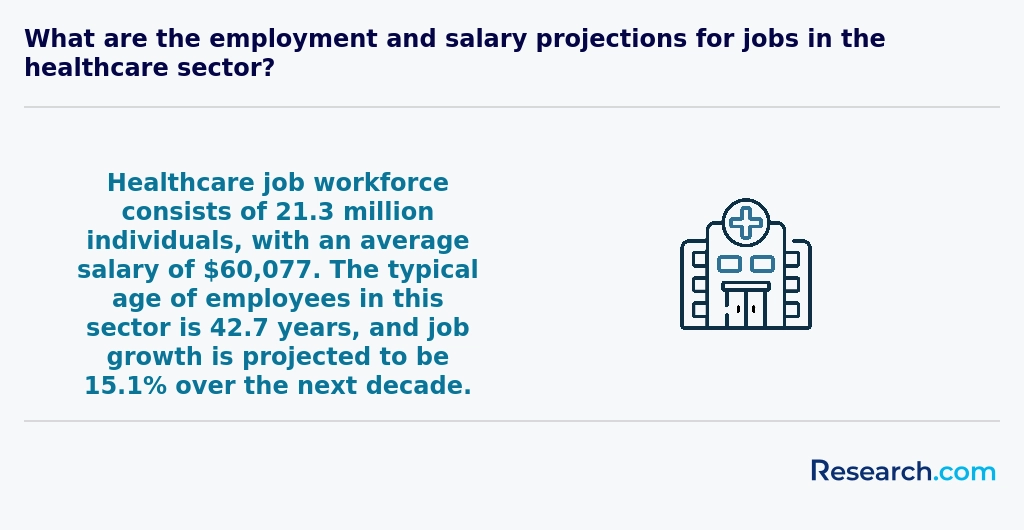
Healthcare degree students in Peoria can maximize their learning experience by engaging with the city's diverse clinical settings, including top local hospitals like OSF Saint Francis Medical Center. These hospitals offer valuable internships and clinical rotations that provide hands-on patient care experience vital for professional growth. According to the Illinois Workforce Recovery Plan, healthcare jobs in central Illinois, including Peoria, are projected to grow by over 15% through 2031, emphasizing the importance of practical skills.
Students should also take advantage of community health programs and workshops hosted by organizations such as the Peoria City/County Health Department. Networking through local professional associations can further enhance learning and job opportunities. Lastly, many Peoria institutions support interdisciplinary collaboration, preparing students for the evolving healthcare environment.
Emerging niches within the healthcare field reflect advancements in technology and evolving patient needs. In Peoria, areas like telemedicine and health informatics are rapidly expanding. Telemedicine, supported by Illinois' improved broadband access, allows remote patient care, increasing demand for professionals skilled in virtual healthcare platforms. Health informatics combines data analysis and healthcare, helping providers optimize treatments and manage electronic health records efficiently.
Another growing area is geriatric care, vital in Peoria due to its aging population. Specialized training in elder care management and chronic disease prevention is becoming essential. Additionally, precision medicine, which tailors treatment based on genetics, attracts research interest, supported by regional institutions focused on innovative healthcare solutions, according to the Illinois Department of Public Health.
After completing a healthcare degree in Peoria, preparing for the job market involves several key steps. First, gaining practical experience through internships or clinical rotations is essential; local hospitals like OSF Saint Francis Medical Center offer valuable opportunities. According to the Illinois Department of Employment Security, healthcare jobs in Peoria are expected to grow by about 15% over the next decade, highlighting promising prospects.
Networking is crucial-joining professional organizations such as the Illinois Healthcare Association can provide connections and job leads. Additionally, obtaining relevant state certifications or licenses significantly improves employability. Finally, crafting a targeted resume and practicing interview skills tailored to the healthcare sector in Peoria will boost your chances of success.
Employers in Peoria highly value healthcare graduates who demonstrate strong clinical skills and patient care abilities. Proficiency in electronic health records (EHR) systems is increasingly important, as local hospitals and clinics adopt advanced digital tools.
Communication and teamwork are critical skills, given the collaborative nature of Peoria's healthcare environment, which includes facilities like OSF Saint Francis Medical Center. According to the Illinois Department of Employment Security, healthcare employers prioritize graduates who can effectively interact with diverse patient populations and multidisciplinary teams.
Adaptability and problem-solving skills are also sought after, enabling new professionals to handle fast-paced and evolving medical situations. Additionally, knowledge of healthcare regulations and ethics is essential for compliance within the U.S. healthcare system.
Finding healthcare internships in Peoria involves targeted research and networking focused on local medical facilities and educational institutions. Peoria hosts several hospitals, including OSF HealthCare Saint Francis Medical Center, which offers internship programs for students in nursing, medical technology, and allied health fields. Leveraging connections with community colleges and universities such as Bradley University can also provide access to internship opportunities.
Students should explore online job portals and hospital career pages regularly. The Peoria Area Chamber of Commerce and healthcare job fairs are valuable for connecting with local employers. Early application and a clear understanding of program requirements improve chances of placement.
Obtaining a healthcare degree in Peoria significantly enhances career mobility and advancement opportunities. The region's healthcare sector has grown steadily, driven by employers like OSF HealthCare and UnityPoint Health, which collectively employ thousands of professionals. According to the U.S. Bureau of Labor Statistics, healthcare occupations in the Peoria metropolitan area are projected to grow by 10% through 2030, faster than average job growth nationally.
A formal degree provides essential credentials, allowing graduates to qualify for diverse roles such as nursing, medical technology, and healthcare administration. It also opens pathways to supervisory and specialized positions, which typically offer higher salaries and responsibilities.
Many employers in Peoria emphasize education when considering promotions, making a degree a practical investment for long-term career growth. Additionally, advanced degrees can support transitions into emerging fields like healthcare informatics and management.
Studying for a healthcare degree in Peoria offers a strong foundation for interdisciplinary roles by integrating diverse healthcare disciplines within the curriculum. Programs emphasize collaboration among nursing, public health, and allied health fields, reflecting Peoria's regional healthcare landscape. Local institutions often partner with healthcare providers such as OSF HealthCare and UnityPoint Health, providing students practical exposure to team-based care.
According to the Illinois Department of Public Health, Peoria's healthcare workforce is growing by 3% annually, increasing demand for professionals skilled in cross-disciplinary communication and problem-solving. Coursework commonly includes interprofessional education designed to improve coordination across specialties, which is vital for addressing complex patient needs.
Additionally, students benefit from simulation labs and clinical rotations that mimic real-world healthcare settings where multiple specialists work together. This approach equips graduates with the skills to function effectively within diverse healthcare teams in hospitals, clinics, and community health organizations across Peoria and Illinois.
Choosing between a thesis and a non-thesis healthcare degree program in Peoria depends largely on your career goals and learning preferences. Thesis programs focus on research, requiring students to conduct original studies and write a detailed paper. This path suits those aiming for research roles or doctoral studies.
Non-thesis programs emphasize practical skills and coursework, often offering internships or clinical experiences. They are ideal if you seek direct employment in healthcare fields such as nursing, administration, or public health.
According to the Illinois Board of Higher Education, Peoria's healthcare sector grows by 3.5% annually, supporting diverse careers that benefit from both degree types. Consider your desired job and learning style carefully.
Students based in Peoria who wish to study healthcare abroad have several pathways to consider. Many U.S. institutions, including those in Illinois, offer exchange programs and partnerships with universities in countries such as Canada, the United Kingdom, and Australia. These programs often allow students to complete clinical rotations or research projects internationally while earning credits toward their degrees.
Healthcare fields like nursing, public health, and medical technology commonly feature abroad study options. Peoria's own Bradley University, for example, encourages students to explore global healthcare systems through affiliated schools, which helps to build valuable cross-cultural skills.
It is important to note that students planning to study healthcare internationally should verify that their foreign program is accredited and recognized by U.S. licensing boards to ensure smooth professional licensure upon return. The National Council of State Boards of Nursing (NCSBN) and the Commission on Accreditation of Allied Health Education Programs (CAAHEP) provide guidance on acceptable programs for future healthcare professionals.
Overall, while direct international degree programs may be limited for Peoria students, numerous study abroad experiences integrated within U.S. healthcare education remain accessible for those seeking global perspectives.
Part-time job opportunities in Peoria that complement healthcare degree education are varied and valuable for gaining practical experience. Many students find work as certified nursing assistants (CNAs) or medical assistants in local hospitals such as OSF Saint Francis Medical Center, which employs thousands and offers hands-on patient care exposure. Other common jobs include pharmacy technician roles in retail pharmacies or assisting in clinical laboratories, supporting skill development in medication and diagnostic testing.
Healthcare support roles can enhance resumes and improve understanding of healthcare environments. According to the U.S. Bureau of Labor Statistics, healthcare occupations in Peoria region are growing faster than average, encouraging employers to seek part-time workers with relevant education. These experiences often lead to better job prospects after graduation.
Healthcare students in Peoria benefit from various networking opportunities that support their academic and professional growth. Local hospitals such as OSF HealthCare and UnityPoint Health offer internships and clinical placements, allowing students to connect with practicing healthcare professionals. Additionally, Bradley University hosts healthcare-related events and student organizations focused on nursing, public health, and pre-med tracks.
Peoria is home to regional chapters of national professional groups like the American Public Health Association and the Illinois Nurses Association. These chapters regularly organize workshops, conferences, and networking mixers where students can meet experts in their fields. According to the Peoria Area Chamber of Commerce, healthcare remains a leading employment sector, which makes these connections vital for job placements after graduation.
Alumni networks play a crucial role for healthcare degree students in Peoria by providing valuable professional connections. Many local healthcare institutions, such as OSF Saint Francis Medical Center, have strong ties with nearby universities, offering students access to mentors and job opportunities through alumni connections.
Studies show that 85% of healthcare graduates in Illinois who tap into alumni networks find relevant employment within six months of graduation, highlighting the networks' effectiveness. These networks often facilitate internships, residencies, and workshops that enhance practical skills.
Additionally, alumni groups offer ongoing support for career advancement and continuing education, which is vital in the rapidly evolving healthcare field. This community connection also helps students navigate the competitive healthcare job market in Peoria and beyond.
Healthcare degree programs in Peoria offer various ways to customize your education according to your career goals. Many schools in the area provide flexible course options and specialized tracks, such as nursing, health administration, or medical technology. You can often choose electives that focus on areas like gerontology or community health, which are crucial given Peoria's aging population-almost 17% are age 65 or older, according to the U.S. Census Bureau.
Additionally, local clinical placements and internships with healthcare providers like OSF HealthCare or UnityPoint Health allow students to gain practical experience aligned with their interests. Some programs also support dual degrees or certifications to broaden career paths. Consulting with academic advisors in Peoria's institutions ensures your program matches the evolving healthcare job market locally and nationally.
Healthcare students in Peoria face several common challenges as they pursue their degrees. One significant issue is balancing rigorous coursework with clinical training hours, which are essential but time-consuming. According to the Illinois Board of Higher Education, many local programs require over 500 clinical hours, creating scheduling difficulties for students who may also work part-time.
Access to affordable healthcare education is another concern, with tuition and fees often exceeding $15,000 annually at in-state institutions. Financial strain can impact students' ability to focus fully on their studies.
Additionally, Peoria's healthcare sector is competitive, and students must develop practical skills quickly to meet employer expectations. Networking opportunities can be limited compared to larger metro areas, slowing career advancement.
With a healthcare degree in Peoria, graduates can pursue various professional certifications to enhance their careers. Common options include Certified Nursing Assistant (CNA), Registered Nurse (RN), and Licensed Practical Nurse (LPN) certifications. For those interested in specialized roles, certifications like Certified Medical Assistant (CMA) or Certified Phlebotomy Technician (CPT) are also popular.
Advanced certifications, such as the Certified Health Education Specialist (CHES) or Emergency Medical Technician (EMT), are accessible with additional training. According to the Illinois Department of Public Health, Peoria's healthcare workforce continues to grow, making these certifications valuable for local employment.
Many local institutions offer preparation programs for these certifications, supporting students' career readiness in Peoria's healthcare market.
Applying to healthcare programs in Peoria requires a focused and well-prepared application. Start by researching schools like Bradley University and Illinois Central College, which offer respected healthcare degrees. Admissions committees in Peoria highly value applicants with strong academic records, particularly in biology and chemistry courses.
Include relevant healthcare experience, such as volunteering or work in local hospitals like OSF HealthCare or UnityPoint Health. Demonstrating community involvement can strengthen your application.
Personal statements should clearly explain your passion for healthcare and goals within the field. Peoria-area programs often seek candidates who understand local healthcare challenges, such as addressing rural health disparities reported by the Illinois Department of Public Health.
Finally, prepare for any required entrance exams and secure recommendation letters from professionals familiar with your dedication and skills.
Healthcare careers in Peoria align with growing global trends emphasizing the importance of skilled professionals in medical fields. Worldwide, the demand for healthcare workers is rising due to aging populations and increased chronic diseases. In the U.S., including Illinois, healthcare occupations are projected to grow 16% from 2021 to 2031, much faster than average, according to the Bureau of Labor Statistics.
Peoria benefits from this trend with several institutions offering healthcare degrees that meet international standards. Graduates gain skills transferable globally, as U.S. healthcare education is recognized for its rigorous clinical training and research integration.
Global perspectives also highlight a focus on interdisciplinary learning and cultural competence, essential in increasingly diverse communities like Peoria's.
Gaining practical experience while studying for a healthcare degree in Peoria is essential for career readiness. Many local institutions, including Bradley University and Illinois Central College, offer clinical internships and externships as part of their healthcare programs. These opportunities provide hands-on experience in hospitals, clinics, and rehabilitation centers throughout Peoria. For example, OSF HealthCare's facilities are common partners for student placements, allowing exposure to real-world patient care.
The Illinois Department of Public Health reports that students involved in internships increase their employment prospects by up to 30%. Additionally, volunteering at local health organizations such as the Peoria City/County Health Department can supplement learning and strengthen resumes.
Choosing the right concentration within a healthcare degree program in Peoria requires understanding local job market demands and your personal interests. Peoria's healthcare sector is growing, with hospitals like OSF Saint Francis employing thousands, emphasizing nursing, allied health, and health administration roles. According to the Illinois Department of Employment Security, healthcare occupations in the Peoria metro area are expected to grow by over 10% through 2028.
Students should consider concentrations that align with these trends, such as nursing, medical technology, or health informatics. Evaluating program accreditation and clinical training opportunities in Peoria hospitals is also crucial for gaining practical experience and licensure eligibility.
Related Healthcare Rankings for Nearby Cities
- 2027 Most Popular Healthcare Degree Programs Ranking in West Lafayette
- 2027 Most Popular Healthcare Degree Programs Ranking in Saint Louis
- 2027 Most Popular Healthcare Degree Programs Ranking in Milwaukee
- 2027 Most Popular Healthcare Degree Programs Ranking in Columbia
- 2027 Most Popular Healthcare Degree Programs Ranking in Grand Rapids
- 2027 Most Popular Healthcare Degree Programs Ranking in Louisville
- 2027 Most Popular Healthcare Degree Programs Ranking in Green Bay
- 2027 Most Popular Healthcare Degree Programs Ranking in Kansas City
- 2027 Most Popular Healthcare Degree Programs Ranking in Cincinnati
- 2027 Most Popular Healthcare Degree Programs Ranking in Springfield
Top Trending Healthcare Rankings
See What Experts Have To Say About Studying Healthcare
Read our interview with Healthcare experts

References
- Niche Market Opportunities Research Among Healthcare Professionals (A Decision Analyst Case History https://www.decisionanalyst.com/casestudies/nichemarketopportunities/
- Welcome to the Upstate Nursing Alumni Association! https://www.upstatefoundation.org/NursingAlumni
- Study Healthcare Abroad - Top Universities for Masters, MBA, PhD Degree Programs https://studee.com/degree/abroad/healthcare
- Bachelor of Science in Nursing | OSF Saint Francis Medical Center College of Nursing https://www.osfhealthcare.org/education/saint-francis-medical-center-college-of-nursing/academics/undergraduate/bsn
- Interdisciplinary Education and Practice https://www.aacnnursing.org/news-data/position-statements-white-papers/interdisciplinary-education-and-practice
- Health Sciences Study Abroad Programs - Healthcare Abroad https://www.ceastudyabroad.com/academic-discipline/health-sciences
- Career Pathways in Healthcare https://ww2.peoriamagazines.com/ibi/2017/aug/career-pathways-healthcare
- Know more about thesis vs non- thesis: what is the difference? https://studyfans.com/en/blogs/816
- How to Create a Healthcare Career Roadmap https://www.ihire.com/resourcecenter/jobseeker/pages/how-to-create-a-healthcare-career-roadmap
- Healthcare Assistant Cover Letter Templates | myPerfectCV https://www.myperfectcv.co.uk/cover-letter/examples/healthcare-assistant-cover-letter


