
2027 Most Popular Healthcare Degree Programs Ranking in Richmond

Co-Founder and Chief Data Scientist
Deciding on the right healthcare degree program in Richmond can feel overwhelming. That's why the 2027 Most Popular Healthcare Degree Programs Ranking in Richmond, created by the Research.com team of data scientists, is a valuable resource for you.
This ranking helps you discover which programs stand out, making it easier to choose a path that suits your goals and interests. Pursuing a healthcare degree opens doors to meaningful careers where you can make a real difference.
Explore the article to find trusted insights and take confident steps toward your future in healthcare.
Key benefits of getting healthcare degree in Richmond
- Healthcare degree graduates in Richmond can expect strong earning potential, with roles like Patient Care Technician averaging $60,790 annually and Quality Improvement Coordinators making over $103,000, offering financial stability and growth.
- Graduates from local schools often pursue diverse career paths such as Medical Assistants, Health Information Technicians, or Clinical Research Coordinators, supporting rewarding work environments and meaningful community impact.
- Obtaining a healthcare degree online in Richmond provides flexibility and convenience, allowing students to balance life and education effectively while still preparing for high-demand jobs in the healthcare field.
- Key benefits of getting healthcare degree in Richmond
- What can I expect from healthcare degree in Richmond?
- Where can I work with healthcare degree in Richmond?
- How much can I make with healthcare degree in Richmond?
- 2027 Most Popular Healthcare Degree Programs Ranking in Richmond
- Key Findings
- How long does it take to complete healthcare degree in Richmond?
- Emerging Trends in Healthcare Education and Industry
- What's the difference between online and on-campus healthcare degree?
- Licensing and Certification Requirements in Virginia
- What is the average cost of healthcare degree in Richmond?
- Accreditation and Licensure in Richmond’s Healthcare Programs
- What financial aid is available to healthcare degree students in Richmond?
- Emerging Trends in Healthcare Education in Richmond, VA
- What are the prerequisites for enrolling in healthcare degree program in Richmond?
- Professional Certification, Licensing, and Advanced Training
- What courses are typically in healthcare degree programs in Richmond?
- What types of specializations are available in healthcare degree programs in Richmond?
- How do you choose the best healthcare degree in Richmond?
- What career paths are available for healthcare degree students in Richmond?
- What is the job market for healthcare degree in Richmond?
- Top Trending Healthcare Rankings
- See What Experts Have To Say About Studying Healthcare
What can I expect from healthcare degree in Richmond?
If you're thinking about the cost of a healthcare degree in Richmond, it usually depends on where you study. For instance, many students at Virginia Commonwealth University (VCU) find the in-state tuition averages around $14,000 a year for undergraduate healthcare programs. That feels like a solid investment when you consider how close VCU is to top hospitals where you get hands-on experience, which many grads say really makes a difference in landing jobs later on.
On the other hand, private colleges in Richmond can be quite a bit more expensive, sometimes doubling that price. Yet, a lot of students feel the extra cost is worth it because of smaller class sizes and personalized attention. Plus, there are plenty of scholarships and financial aid options that locals often tap into, lightening the financial load.
Graduates often talk about balancing study with real-life clinical placements at places like the McGuire Veterans Administration Medical Center. They say it's reassuring knowing the tuition covers access to these invaluable learning spots.
Where can I work with healthcare degree in Richmond?
If you're studying a healthcare degree in Richmond, you've got plenty of exciting career paths to dive into right after graduation. Many grads from places like VCU or J. Sargeant Reynolds Community College find themselves working at big hospital systems such as VCU Health or Bon Secours. Imagine starting your day helping patients in a busy hospital or coordinating care behind the scenes-there's definitely a place for nurses, therapists, and healthcare administrators alike.
Lots of graduates also love joining outpatient clinics where you can focus on specialties like physical therapy or medical assisting. Outpatient care is booming here, so you're jumping into a growing field with lots of energy and new tech around every corner.
If you're more into community work or public health, places like the Richmond City Health District offer jobs in health education and program coordination. It's really rewarding for grads who want to make a positive impact on local communities.
Plus, Richmond's health tech scene is growing fast. Graduates with a knack for healthcare administration or informatics find exciting roles working with electronic health records or telemedicine startups. So whatever healthcare path you choose, Richmond's got your back!
How much can I make with healthcare degree in Richmond?
If you're finishing a healthcare degree in Richmond, you can expect some solid starting salaries depending on your path. Graduates stepping into roles like Medical Assistants or Clinical Research Coordinators typically earn around $43,350 a year. That's about $20.84 an hour, which is a great jumpstart for those fresh out of schools like VCU or J. Sargeant Reynolds.
For those aiming a bit higher, Patient Care Technicians bring in close to $60,790 annually, making daily hospital rounds feel even more rewarding. Meanwhile, Health Information Technicians, who handle crucial medical data, earn about $43,380-that's a steady paycheck from behind the scenes in Richmond's bustling healthcare system.
And if you're eyeing leadership or quality roles, Quality Improvement Coordinators in Richmond pull in an impressive $103,150 on average. Graduates say the hands-on experience from local colleges really sets them up for these more advanced gigs, combining their passion and skills to make a real impact. It's a great incentive to keep pushing forward in your healthcare career!
2027 Most Popular Healthcare Degree Programs Ranking in Richmond
How do we rank schools?
Investing in your education is a significant decision that can shape your future, and the Research.com team understands the importance of making informed choices. To assist prospective students in Richmond, we have carefully developed the "2027 Most Popular Healthcare Degree Programs Ranking in Richmond." Our dedication to ensuring quality, credibility, and accuracy is demonstrated through the comprehensive research and rigorous analysis underpinning this ranking.
We utilized the following reputable data sources to ensure a comprehensive evaluation of healthcare degree programs:
By exploring this ranking, readers will gain valuable insights into the most popular healthcare degree programs available in Richmond, empowering them to make well-informed decisions about their educational journey. For more information about how this ranking was created, please visit our Research.com methodology page.


# 5 position
Bon Secours Memorial College of Nursing
Bachelor of Science in Health Sciences

Key Findings
- Public universities in Richmond charge between $10,000 and $15,000 per year for in-state healthcare students, while private colleges cost between $25,000 and $40,000 annually.
- Entry-level salaries for healthcare positions like registered nurses and medical technologists range from $55,000 to $65,000 per year in Richmond.
- Experienced healthcare professionals in Richmond often earn over $80,000 annually.
- The region has a strong job market, especially for nursing and home health care, with many hospitals and clinics hiring qualified graduates.
- Hands-on clinical experience is provided through local partnerships, and many programs prepare students for Virginia licensure exams like RN and LPN.
How long does it take to complete healthcare degree in Richmond?
If you're thinking about a healthcare degree in Richmond, the time it takes really depends on what path you choose. Going for an associate degree, like those offered at community colleges nearby, usually means about two years before you're ready to jump into entry-level healthcare roles. Graduates often say it's a great balance between speed and getting solid hands-on skills.
For those aiming for a bachelor's degree, say nursing (BSN) or health administration at places like Virginia Commonwealth University, expect around four years. Many grads tell stories about forming tight-knit study groups and clinical experiences that make those years fly by.
If you want to specialize even further, master's programs here typically add another two years post-bachelor's. Many students at Richmond's universities find these programs challenging but super rewarding because you get to dive deep into real-world healthcare settings.
And for the ambitious, doctoral degrees like MDs or DNPs can stretch anywhere from 3 up to 8 years after your bachelor's, including residency. It's a long haul, but Richmond's healthcare community often feels like a supportive family throughout.
Emerging Trends in Healthcare Education and Industry
As the healthcare field continues to evolve rapidly, it is essential for prospective students to understand the latest industry trends and technological advancements that are shaping the future of healthcare education in Richmond, VA. This section highlights current shifts in curriculum design, innovative learning tools, and the impact of digital health technologies on the classroom and clinical practice. Modern programs are increasingly integrating telemedicine, electronic health records, and AI-driven diagnostics into their coursework to prepare graduates for the evolving demands of the healthcare workforce. Additionally, partnerships between academic institutions and local hospitals are paving the way for enhanced clinical simulations and real-time patient care experiences. This alignment with industry trends not only enriches the educational experience but also improves post-graduation employment prospects. For detailed insights into programs that are gaining recognition, check out our in-depth ranking of the popular healthcare degree options. Embracing these innovations leads to a curriculum that is both dynamic and responsive to the changing needs of patients, employers, and community health standards.
What's the difference between online and on-campus healthcare degree?
Choosing between online and on-campus healthcare degrees in Richmond really comes down to how you like to learn and what fits your lifestyle. Imagine juggling a job and family while finishing coursework-online programs from local schools like VCU or J. Sargeant Reynolds offer the flexibility to study anytime, anywhere. Graduates often mention how freeing it was to design their own schedule and avoid commuting headaches.
On the other hand, if you thrive in hands-on environments, enrolling on-campus at places like Virginia Union University gives you that in-person vibe. You get to work directly in labs and partner with Richmond hospitals for clinical hours, which students say built their confidence fast.
Online students also have to arrange local clinical spots, which can feel a bit like managing your own internship-some enjoy the independence, others miss the campus buzz. Both paths cost around the same overall, but online learners often save on housing and travel. It boils down to whether you want flexible pacing or face-to-face connections to lift your healthcare journey.
Licensing and Certification Requirements in Virginia
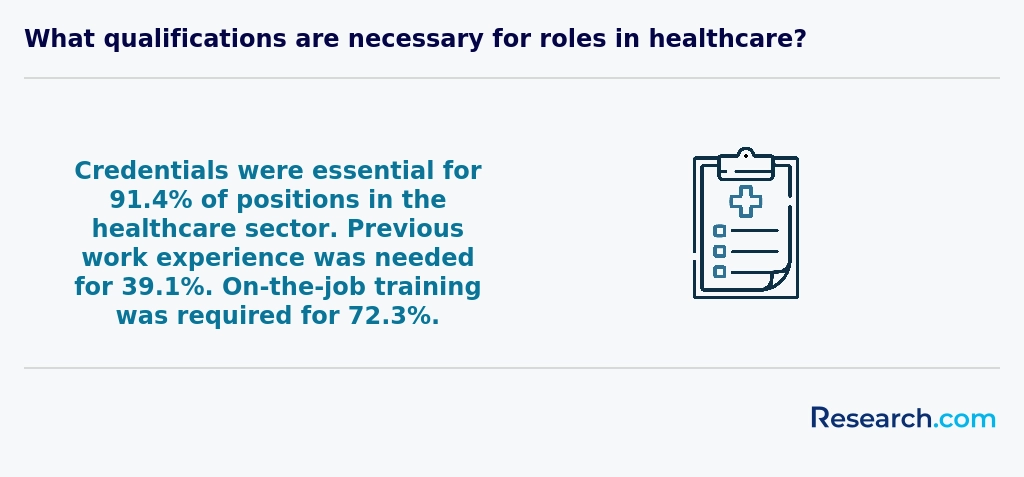
Pursuing a healthcare degree in Richmond, VA, is only the first step toward a successful career; graduates must also obtain state licensure or national certification to practice legally and demonstrate professional competence. In Virginia, the Board of Nursing oversees licensure for registered nurses (RNs) and licensed practical nurses (LPNs). After graduating from an accredited nursing program, candidates must pass the NCLEX-RN or NCLEX-PN exam and submit fingerprints, a jurisprudence assessment, and official transcripts for review. Renewal occurs biennially and requires at least 30 continuing education hours, including topics such as infection control and ethics. For allied health roles like Health Information Technicians, certification through the American Health Information Management Association (AHIMA) as a Registered Health Information Technician (RHIT) enhances employability. Applicants need an associate degree in health information management and must pass the RHIT exam. Likewise, medical assistants often pursue the Certified Medical Assistant (CMA) credential from the American Association of Medical Assistants (AAMA) or the Registered Medical Assistant (RMA) certification from American Medical Technologists. Many community colleges in Richmond embed exam-prep into their curricula, and students looking for an affordable medical assistant degree will find online options that align with AAMA eligibility requirements, including 200 clinical hours and coursework in anatomy, pharmacology, and administrative procedures. Other roles-such as Patient Care Technicians-benefit from certifications like the National Healthcareer Association’s Certified Patient Care Technician/Assistant (CPCT/A), which requires program completion plus an exam. Understanding the specific licensing boards, exam deadlines, and renewal criteria for roles in public health, health administration, and specialized practice areas is essential-ensuring that your Richmond education seamlessly translates into professional credentials and a fulfilling, compliant career in Virginia’s dynamic healthcare landscape.
What is the average cost of healthcare degree in Richmond?
If you're thinking about pursuing a healthcare degree in Richmond, you'll want to know what kind of costs to expect. On average, students end up paying around $16,945 total if they're in-state. Graduates often recall budgeting carefully for expenses beyond just tuition, like uniforms, licensing exams, and certifications that are essential in healthcare fields.
For many, attending local public universities or colleges makes financial sense since out-of-state students often face much higher costs-sometimes around three times as much. But plenty of Richmond students find that the investment is worth it, especially when they join programs well-regarded for healthcare education. Hearing from graduates at some popular colleges, the overall experience feels manageable when you factor in financial aid and employer tuition assistance programs tailored to healthcare careers.
Private institutions in Richmond may ask for much steeper tuition-often exceeding $30,000 annually- but some students appreciate the smaller class sizes and focused healthcare training these schools provide. Those considering the popular healthcare degree tracks often share how scholarships and grants make a huge difference in reducing the total cost of healthcare degrees Richmond 2027 students can expect to pay, combining tuition with lab fees and clinical placement costs.

Accreditation and Licensure in Richmond’s Healthcare Programs
Accreditation serves as a critical benchmark for ensuring that healthcare degree programs in Richmond, VA meet rigorous academic and professional standards. Prospective students should verify both regional accreditation-granted by bodies like the Southern Association of Colleges and Schools Commission on Colleges (SACSCOC)-and programmatic accreditation, issued by specialized agencies such as the Commission on Accreditation of Allied Health Education Programs (CAAHEP) or the Commission on Collegiate Nursing Education (CCNE). Programs with proper accreditation not only guarantee a high-quality curriculum but also enable graduates to sit for national licensure exams and pursue advanced certifications. Licensure pass rates offer an additional layer of transparency. For example, Virginia Commonwealth University’s nursing program consistently reports a 95% first-time pass rate on the NCLEX-RN, exceeding the national average of 88%. Reynolds Community College’s radiologic technology graduates boast an ARRT exam pass rate of 92%, reflecting strong hands-on training and faculty mentorship. Institutions with lower pass rates may still deliver quality education, but prospective students should inquire about remediation or exam-preparation support to maximize their success. Beyond accreditation and licensure, students should also explore cost-effective online alternatives. For details on affordable, accredited online pathways that maintain high academic standards, see our Low Cost Online Healthcare Degree Programs Ranking in Ohio. Comparing these options can help balance budget considerations with the need for recognized credentials, ensuring a clear path to licensure, employability, and long-term career growth in Richmond’s competitive healthcare landscape.
What financial aid is available to healthcare degree students in Richmond?
If you're diving into a healthcare degree in Richmond, there's good news about financial aid that can really ease the load. Many students I know from Virginia Commonwealth University (VCU) relied heavily on federal aid like Pell Grants, which don't need to be paid back and can cover a big chunk of tuition-up to $7,395 a year. On top of that, some snag the Federal Supplemental Educational Opportunity Grant, which adds even more support if your financial need is high.
Loans are another common route, but many Richmond healthcare grads recommend sticking to Direct Subsidized and Unsubsidized Loans since their terms are friendlier and deferment options help keep stress low while studying. State programs like the Virginia Tuition Assistance Grant (VTAG) can also help if you're at a private school here, giving up to $4,200 annually.
Local hospitals and healthcare employers pitch in too. For example, Bon Secours offers scholarships if you commit to working there after graduating, and VCU Health helps employees keep learning with education support. Plenty of students have found that applying early and staying on top of grades really boosts chances of snagging these helpful extras.
Emerging Trends in Healthcare Education in Richmond, VA
Richmond’s healthcare degree programs are rapidly adapting to emerging trends that shape both education and patient care, ensuring graduates are prepared for tomorrow’s challenges. One key development is the integration of telehealth training into curricula, equipping students with the skills to conduct virtual consultations, monitor remote patient data, and navigate telemedicine platforms. Additionally, artificial intelligence and data analytics courses are gaining traction, teaching future professionals how to leverage predictive modeling for improved diagnosis, treatment planning, and operational efficiency. Simulation-based learning, using high‐fidelity mannequins and virtual reality scenarios, further enhances clinical decision-making by offering risk-free, immersive practice before real-world application. Interprofessional education (IPE) is another vital trend, fostering collaboration among nursing, public health, pharmacy, and allied health students through team-based projects and case studies. This approach not only mirrors the multidisciplinary nature of modern healthcare but also cultivates communication and leadership skills crucial for effective patient-centered care. Micro-credentials and stackable certificates-covering specialties like geriatric care, health informatics, or community health outreach-allow students to customize their learning paths and demonstrate expertise in niche areas, often in shorter timeframes than full degree programs. For students prioritizing cost-efficiency without sacrificing quality, Richmond’s institutions are expanding online course offerings and hybrid models. These flexible formats can be supplemented by benchmarking against affordable programs nationwide; for instance, prospective learners may explore the Low Cost Online Healthcare Degree Programs Ranking in Ohio to compare tuition rates, support services, and curricular innovations that align with Richmond’s evolving educational landscape. By staying abreast of these trends, students in Richmond, VA, can select programs that not only meet current industry standards but also position them at the forefront of future healthcare delivery.
What are the prerequisites for enrolling in healthcare degree program in Richmond?
If you're aiming to enroll in a healthcare degree in Richmond, the basics usually start with having your high school diploma or something equivalent. A lot of students from local schools, like VCU or J. Sargeant Reynolds Community College, share how a solid background in science and math, especially classes like biology and chemistry, really helped them feel confident once they hit those challenging healthcare courses.
Many programs here might ask for standardized test scores like the SAT or ACT, but there's a growing trend toward test-optional admissions, which takes the pressure off a bit. Still, competitive programs sometimes look at those scores when deciding who to accept.
One thing students often mention is how essential it is to have your immunizations and health checks done early, since clinic and hospital experience is a must. Hands-on training is a big part of healthcare education in Richmond, so being ready for that sets you up for success.
- Many graduates say completing prerequisite courses like anatomy, physiology, and microbiology before starting the main program gave them a huge leg up.
- Some programs also like to see volunteer or work experience in healthcare settings-it's a real confidence booster to step into classes knowing the field already a bit.
- Letters of recommendation and personal statements help schools get to know you beyond grades, giving you a chance to show your passion for healthcare.
Professional Certification, Licensing, and Advanced Training
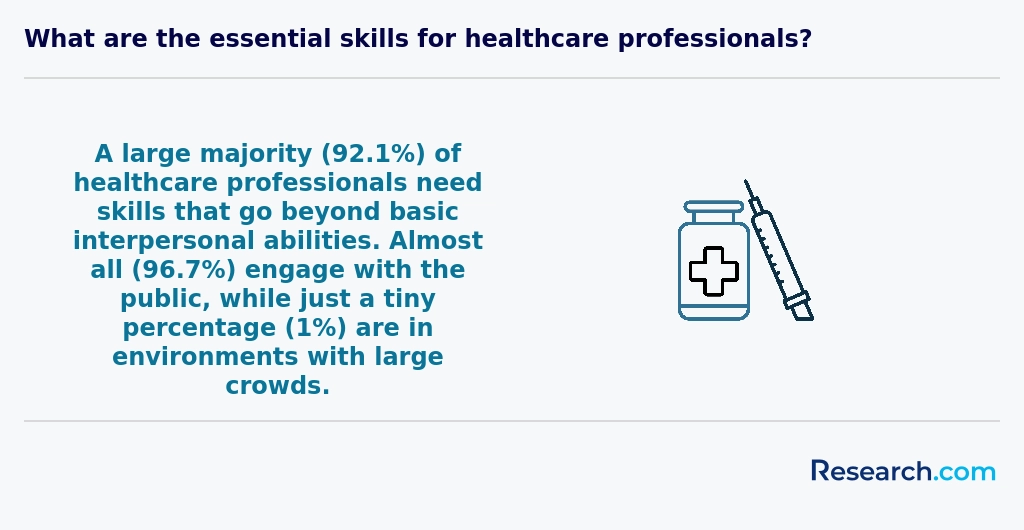
In today’s dynamic healthcare environment, academic credentials are only part of the equation for ensuring a successful career. Graduates and current students must also focus on obtaining the appropriate certifications and licenses that validate their skills and meet industry standards. This section provides guidance on the key professional certifications, licensing processes, and continuing education opportunities that can greatly enhance your career prospects. Obtaining certifications such as Registered Nurse (RN), Certified Medical Assistant (CMA), or specializing in medical coding often requires dedicated preparation beyond coursework. For instance, aspiring medical coders must not only complete their degree but also meet industry-specific requirements. You can learn more about these credentials by exploring what requirements are needed to become a a medical coder. This additional training not only increases your proficiency but also bolsters your resume, making you a competitive candidate in a crowded job market. Healthcare professionals are encouraged to engage in continuous learning through workshops, online courses, and seminars that address emerging trends and technological advancements. Many institutions in Richmond partner with local hospitals and professional organizations to offer certification programs that ensure alignment with current healthcare practices. Moreover, maintaining licensure involves periodic renewals that can be met through continuing education credits, keeping professionals up-to-date on the latest clinical and administrative developments. By proactively incorporating certification and licensing into your career planning, you can differentiate yourself in the competitive healthcare field and demonstrate a commitment to quality care and professional excellence.
What courses are typically in healthcare degree programs in Richmond?
If you're diving into a healthcare degree in Richmond, expect a mix of courses that really set you up for the real world. Graduates from VCU and other local colleges often mention how core classes like human anatomy, physiology, and microbiology gave them a solid foundation. Imagine walking through a hospital ward confidently knowing exactly how the body works-pretty empowering, right?
Alongside that, you'll jump into medical terminology and healthcare ethics, which might sound dry, but actually make a huge difference when you're communicating with patients or making tough decisions.
Many students rave about the hands-on vibe too-courses in pharmacology, nursing fundamentals, or public health really prepare you for what's ahead. Plus, Richmond's healthcare scene is booming, so you also get training in health informatics and management, helping you kind of juggle the data and policies behind the scenes.
Internships at spots like VCU Health let you apply what you learned in real hospitals and clinics, turning textbook knowledge into genuine skills. It's why folks graduating here feel ready and excited to jump into their careers.
What types of specializations are available in healthcare degree programs in Richmond?
If you're thinking about healthcare degree specializations in Richmond, you've got plenty of solid options to explore. Graduates from popular local schools often share how programs like nursing, healthcare administration, and public health taught them skills they use every day working in Richmond's bustling medical scene. Nursing is a big draw: students get hands-on training as registered nurses or nurse practitioners, and they feel proud knowing Richmond's growing population really needs these roles.
Others dive into areas like medical laboratory science, where grads run diagnostic tests that doctors rely on. Physical therapy programs are also in demand, especially for those interested in helping Virginia's aging community regain mobility. If you're tech-savvy, health informatics lets you combine healthcare knowledge with IT, a rapidly growing field around Richmond hospitals.
Alongside these, Richmond's colleges emphasize practical experiences and real-world partnerships. Some grads even talk about discovering what requirements are needed to become a a medical coder while studying healthcare degree specializations in Richmond, which opens more doors in healthcare careers.
How do you choose the best healthcare degree in Richmond?
When picking the best healthcare degree programs Richmond has to offer, it really helps to think about what kind of job you want afterward. Graduates from local schools like Virginia Commonwealth University often share how their Associate Degree in Nursing provided a solid, affordable start, while those going for a Bachelor of Science in Nursing enjoyed more career options and connections in Richmond's healthcare scene. If you want something flexible, many programs here offer evening or online classes so you can work and study without stress. Tuition varies a lot though-community colleges typically cost less, making them a smart choice for affordable healthcare degrees Richmond. Also, don't overlook schools with strong ties to VCU Health or Bon Secours, as internships there gave past students a huge leg up with job placements.
Looking for something more specialized? Some students found that pursuing an affordable medical assistant degree online helped them kickstart their healthcare journey without breaking the bank.
What career paths are available for healthcare degree students in Richmond?
If you're diving into a healthcare degree in Richmond, you're stepping into a world packed with options. Graduates often land roles as registered nurses, healthcare administrators, or medical technologists, especially with local heavyweights like VCU Health offering solid internships and job connections. Many find joy working in clinical settings, while others lean into public health or research roles that really make a difference in community wellbeing. The job prospects with healthcare degree Richmond grads rave about include specialized paths too-think physical therapy or health information management-where certifications can boost your career even further.
Students from popular Richmond colleges often share how their hands-on experiences at hospitals or health systems made their job search much smoother. Plus, with healthcare administration and health informatics growing fast here, savvy grads skilled in managing electronic health records are in hot demand. If budgeting is on your mind, many turn to resources like the Low Cost Online Healthcare Degree Programs Ranking in Ohio for inspiration on affordable options.
Bottom line? Richmond's healthcare degree career opportunities Richmond offer a variety of rewarding, flexible paths that match your passion and skills, making it a great spot to launch your healthcare journey.
What is the job market for healthcare degree in Richmond?
The healthcare job opportunities in Richmond are looking pretty solid right now, especially if you've earned a healthcare degree locally. Graduates from schools like Virginia Commonwealth University often share how their clinical rotations at big systems like VCU Health or Bon Secours gave them a leg up when job hunting. Registered nurses here can expect to pull in around $70,000 annually, which beats the national average and shows there's strong demand for healthcare pros in the area.
Many grads appreciate the variety of roles available-from nursing and administration to medical lab techs and rehab services. Plus, the city's focus on growing mental health and community health programs means even more opportunities are opening up. If you're weighing the cost against career benefits, Richmond's mix of public and private colleges, with competitive tuition, makes it easier. You might also want to check out some accelerated pathways like those in accelerated associate's degree online programs to jumpstart your career faster.
Overall, the Richmond healthcare degree employment outlook is encouraging, especially with local employers investing in healthcare infrastructure and a community that truly needs frontline workers.
Frequently Asked Questions About healthcare
Healthcare degree students in Richmond can maximize their learning by engaging in both classroom and practical experiences. Local hospitals like VCU Health offer clinical placements, which are vital for applying theoretical knowledge. According to the Virginia Department of Health, Richmond's healthcare sector employs over 50,000 people, making networking during internships crucial for job opportunities.
Students should also take advantage of Richmond's active healthcare research community, including VCU's School of Medicine. Involvement in research helps deepen understanding and develop critical skills.
Additionally, joining student organizations related to healthcare can enhance learning through peer support and professional development events.
The healthcare field in Richmond is rapidly evolving, with several emerging niches attracting increasing attention. One notable area is telehealth, which saw a surge during the COVID-19 pandemic and continues to expand. Telehealth specialists focus on delivering remote patient care using technology, an area supported by Virginia's investments in broadband expansion.
Another growing niche is geriatric care, driven by Richmond's aging population. Healthcare professionals skilled in elderly care and chronic disease management are in high demand. Additionally, informatics and health data analytics are transforming patient care by improving decision-making through data.
Behavioral health, especially mental health services, is also a critical focus, reflecting national trends and local needs. These niches offer promising career pathways for students pursuing healthcare degrees in Richmond.
After completing a healthcare degree in Richmond, it is essential to gain practical experience to improve job prospects. Many graduates pursue internships or volunteer opportunities at local hospitals such as VCU Health or Bon Secours Memorial Regional Medical Center, which help build hands-on skills.
Networking plays a vital role; attending events hosted by the Virginia Healthcare Workforce Development Authority can connect candidates with employers. Also, obtaining relevant certifications like CPR or specialized licenses improves employability.
Richmond's healthcare sector is growing, with a 5.2% increase in jobs projected through 2030, according to the U.S. Bureau of Labor Statistics. This makes early preparation crucial for entering a competitive market.
Employers in Richmond seeking healthcare degree graduates prioritize a combination of clinical expertise and interpersonal skills. According to the Virginia Employment Commission, key technical skills include patient care proficiency, electronic health record (EHR) management, and knowledge of medical terminology. Employers also emphasize strong communication abilities, as effective interaction with patients and healthcare teams is vital in this region's diverse medical settings.
Additionally, critical thinking and problem-solving skills are essential due to the fast-paced and complex nature of healthcare work. Time management and adaptability are also frequently mentioned, reflecting the evolving healthcare environment in Richmond.
Finding internships in Richmond related to healthcare degrees involves leveraging local hospitals, clinics, and research institutions eager to collaborate with students. Large healthcare providers like VCU Health and Bon Secours Health System offer structured internship programs that provide practical experience in clinical and administrative settings. According to the Virginia Department of Health, Richmond's healthcare sector is growing steadily, increasing opportunities for internships in areas such as nursing, public health, and healthcare management.
Students should also utilize their college career centers, which often maintain partnerships with local healthcare facilities. Networking through professional organizations like the Richmond Area Health Education Center can help uncover less-advertised internships. Applying early and tailoring applications to specific healthcare fields enhances chances of selection.
Obtaining a healthcare degree in Richmond significantly enhances career mobility and advancement within the city's growing medical sector. Richmond's healthcare industry employs over 80,000 professionals, with strong demand for qualified workers in hospitals, outpatient care, and public health agencies (Virginia Employment Commission, 2023).
Degrees in nursing, health administration, and allied health fields provide graduates with essential skills and credentials recognized by local employers. Many healthcare roles in Richmond require at least a bachelor's degree, while advanced degrees improve eligibility for leadership and specialized positions.
Furthermore, healthcare workers with degrees benefit from higher average salaries; registered nurses with a bachelor's degree earn about 15% more than those without (Bureau of Labor Statistics, 2023). This education also supports career shifts within healthcare, enabling professionals to move into administration, education, or research roles more easily.
Studying for a healthcare degree in Richmond equips students to work effectively in interdisciplinary roles by emphasizing collaboration across multiple healthcare professions. Local programs often include training in communication, teamwork, and integrated care models, reflecting the city's focus on coordinated healthcare delivery. According to the Richmond Healthcare Workforce Report (2023), nearly 70% of local healthcare employers prioritize candidates with interdisciplinary skills. This practical preparation is enhanced through clinical placements in diverse settings, such as hospitals and community clinics, enabling students to engage with various specialists. These experiences develop adaptability and a comprehensive understanding of patient-centered care within Richmond's healthcare system.
Choosing between a thesis and a non-thesis healthcare degree program in Richmond depends largely on your career goals and learning preferences. Thesis programs usually require designing and conducting original research, ideal for those considering a future in academia or research roles. Non-thesis options focus more on coursework and practical skills, suited for direct entry into healthcare professions or administrative positions.
Richmond's universities often offer both options in healthcare degrees, reflecting national trends where about 60% of graduate students prefer non-thesis paths for faster completion. According to the National Center for Education Statistics, healthcare jobs in Richmond grew by over 12% from 2019 to 2023, emphasizing practical skills demand.
Consider program length too: thesis degrees might take longer due to research commitments. Discuss with advisors about opportunities for hands-on clinical experience or research funding that apply locally, helping you make an informed decision aligned with Richmond's healthcare market.
Students in Richmond interested in studying healthcare abroad have several pathways available through U.S. programs with global partnerships. Many Richmond colleges offer study abroad options or exchange programs specifically in healthcare fields such as public health, nursing, and medical technology.
For example, Virginia Commonwealth University encourages healthcare students to participate in short-term international clinical experiences or internships in countries like Spain, Italy, and South Africa. These programs provide hands-on learning and exposure to diverse healthcare systems.
Additionally, accredited online healthcare degrees often incorporate international case studies, enabling global perspectives while students remain in Richmond. According to the Richmond Metropolitan Statistical Area data, healthcare employment is expected to grow by 14% through 2030, increasing demand for globally trained professionals (Bureau of Labor Statistics).
Students should always verify accreditation and ensure foreign programs align with U.S. licensure requirements before committing.
Richmond offers several part-time job opportunities that can complement healthcare degree education effectively. Positions such as certified nursing assistant (CNA), medical scribe, and pharmacy technician are popular among students. These roles provide practical experience and enhance clinical skills.
According to the Virginia Employment Commission, the demand for healthcare support roles in Richmond is projected to grow by 18% through 2028. Working in local hospitals like VCU Health or clinics allows students to familiarize themselves with healthcare environments.
Additionally, Richmond's numerous long-term care facilities often hire part-time aides, providing exposure to patient care and healthcare administration. These experiences can strengthen resumes and provide networking opportunities within the healthcare community.
Healthcare students in Richmond have access to a variety of strong networking opportunities that can enhance their academic and professional careers. Local colleges such as Virginia Commonwealth University (VCU) offer dedicated events where students connect with healthcare professionals, alumni, and employers. VCU's School of Allied Health Professions hosts regular career fairs and guest lectures featuring experts from Richmond's robust healthcare sector.
Richmond is home to major hospitals like VCU Health and Bon Secours Health System, which provide internships, clinical placements, and mentorship programs. These connections allow students to gain practical experience and expand their professional networks early.
The Richmond Healthcare Network, a community organization, hosts monthly meetups that are open to students and professionals, further supporting relationship building in this field. According to the Greater Richmond Chamber of Commerce, such events have helped increase healthcare job placements in the region by 15% over the last five years.
Alumni networks provide valuable support to healthcare degree students in Richmond by connecting them with experienced professionals in the region. This network can offer mentorship, career advice, and job referrals, helping new graduates navigate Richmond's competitive healthcare job market. According to the Richmond Area Health Education Center, many local hospitals and clinics prefer hiring candidates with ties to local institutions through established alumni connections.
Additionally, alumni events and online communities create opportunities for students to expand their professional contacts, which is essential in healthcare fields where networking influences employment prospects. Studies show that 70% of jobs in healthcare are found through networking, emphasizing the importance of these connections.
Richmond's diverse healthcare sector, including VCU Health and Bon Secours Health System, regularly collaborates with alumni groups to support student internships and residencies. Participation in these networks often leads to higher employment rates for graduates.
Customizing a healthcare degree program in Richmond allows students to align their studies with specific career goals. Many local institutions offer flexible curriculum options, including elective courses and concentrations in areas such as nursing, health administration, or medical technology.
Internships and clinical experiences with Richmond's major hospitals, like VCU Health, provide practical exposure tailored to students' interests. Additionally, some programs allow part-time or online study, helping working professionals balance education with other commitments.
Richmond's healthcare job market is growing steadily, with a projected 10% increase in relevant occupations by 2030 according to the Virginia Employment Commission. Choosing a specialization can enhance employability and salary potential in this competitive field.
Healthcare students in Richmond commonly face several challenges during their studies. One major hurdle is managing the demanding coursework alongside clinical rotations, which require significant hands-on time in local hospitals and clinics. According to recent data from the Virginia Department of Health Professions, Richmond's healthcare programs have a clinical placement rate of nearly 85%, creating intense competition for spots.
Additionally, many students report financial stress due to rising tuition and associated costs such as textbooks and certification exams. The National Center for Education Statistics notes that healthcare-related programs often exceed typical college tuition by 20% in Virginia. Balancing part-time employment with education is another frequent difficulty.
Lastly, adapting to fast-paced technological changes in healthcare and maintaining up-to-date skills is a constant challenge that requires extra effort outside of classroom hours.
With a healthcare degree in Richmond, graduates can pursue several professional certifications to enhance their career opportunities. Common certifications include Certified Nursing Assistant (CNA), Licensed Practical Nurse (LPN), and Registered Nurse (RN), each requiring passing nationally recognized exams.
For more specialized roles, certifications such as Medical Coding Specialist or Health Information Technician are popular. These credentials are valuable in Richmond, where healthcare information management is growing according to the Virginia Employment Commission.
Other certifications include Emergency Medical Technician (EMT) and Certified Medical Assistant (CMA), which align with Richmond's demand for emergency services and outpatient care professionals. Healthcare degrees also pave the way for advanced certifications like Certified Professional in Healthcare Quality (CPHQ).
These certifications typically require additional training or experience but significantly improve job prospects within Richmond's expanding healthcare industry.
Applying to healthcare programs in Richmond requires careful preparation to stand out. Start by thoroughly researching programs accredited by recognized bodies like the Commission on Accreditation of Allied Health Education Programs (CAAHEP). Highlight relevant experience, such as volunteer work or internships in Richmond-area hospitals, which signal commitment and familiarity with local healthcare challenges.
Richmond's healthcare sector employs over 70,000 professionals, according to the Virginia Employment Commission, making practical experience valuable. Strong academic records in science courses are critical; aim for a GPA above 3.0. Craft a clear personal statement focused on your motivation, referencing local health issues like urban health disparities, to show awareness and passion.
Finally, obtain professional recommendations that emphasize your skills and dedication. These components increase your chances of acceptance into competitive Richmond healthcare programs.
The global perspective on healthcare careers highlights the growing demand for skilled professionals worldwide, including in Richmond. According to the U.S. Bureau of Labor Statistics, healthcare occupations are projected to grow 13% from 2021 to 2031, faster than the average for all careers. Richmond's healthcare sector mirrors this trend, with local hospitals and clinics expanding services to meet diverse community needs. Globally, healthcare roles focus not only on clinical skills but emphasize cultural competence and interdisciplinary collaboration, which are increasingly valued in Richmond's urban setting. This connects Richmond students to a broader international healthcare workforce context.
Gaining practical experience while studying for a healthcare degree in Richmond is essential for career readiness. Many local institutions, including Virginia Commonwealth University, offer clinical placements and internships as part of their programs. These opportunities allow students to work directly in hospitals, clinics, and community health organizations throughout the Richmond metropolitan area.
Students can also benefit from Richmond's growing healthcare sector, which employs over 60,000 individuals, providing ample opportunities for hands-on learning. Collaborations between universities and major health systems like VCU Health and Bon Secours facilitate access to real-world patient care settings.
Additionally, volunteer programs at Richmond-area facilities offer valuable exposure and networking possibilities. Licensing exam preparation often integrates practical training components, ensuring students meet regulatory requirements efficiently. According to the Virginia Department of Health Professions, such experiential learning is a critical factor for licensure success and employment placement in the state.
Choosing the right concentration within a healthcare degree program in Richmond requires careful consideration of your career goals and the local job market. Richmond's healthcare sector is growing, with strong demand for nurses, medical technologists, and healthcare administrators according to the Virginia Employment Commission. Specializing in high-demand fields like registered nursing or healthcare management can increase your employability in Richmond's hospitals and clinics.
Research program accreditation and faculty expertise at Richmond schools to ensure quality education. Consider clinical placement opportunities nearby, as experience in local facilities can improve job prospects.
Finally, assess your interests and strengths to select a concentration that matches your passion and skills for long-term satisfaction.
Related Healthcare Rankings for Nearby Cities
- 2027 Most Popular Healthcare Degree Programs Ranking in Fairfax
- 2027 Most Popular Healthcare Degree Programs Ranking in Lynchburg
- 2027 Most Popular Healthcare Degree Programs Ranking in Arlington
- 2027 Most Popular Healthcare Degree Programs Ranking in Baltimore
- 2027 Most Popular Healthcare Degree Programs Ranking in Durham
- 2027 Most Popular Healthcare Degree Programs Ranking in Greensboro
- 2027 Most Popular Healthcare Degree Programs Ranking in Philadelphia
- 2027 Most Popular Healthcare Degree Programs Ranking in Pittsburgh
- 2027 Most Popular Healthcare Degree Programs Ranking in Charlotte
- 2027 Most Popular Healthcare Degree Programs Ranking in Wilkes-Barre
Top Trending Healthcare Rankings
See What Experts Have To Say About Studying Healthcare
Read our interview with Healthcare experts

References
- Financial Assistance Program | VirginiaNavigator https://virginianavigator.org/program/47924/financial-assistance-program
- Shape Your Future: Richmond's Allied Health Science (AS) https://www.southuniversity.edu/richmond/allied-health-science-as
- How to Write Your Cover Letter | NQRTH https://www.nqrth.edu.au/career-planning/how-to-write-your-cover-letter/
- Apply https://www.vcuhealth.org/for-your-health/community-health/our-programs/pathways-to-healthcare-workforce/apply/
- Best Practices for Career Development and Advancement in the Healthcare Sector | Generation https://www.generation.org/news/best-practices-for-career-development-and-advancement-in-the-healthcare-sector/
- Global Perspectives – Healthcare Beyond Borders https://www.cedars-sinai.org/international-stories/healthcare-beyond-borders.html
- Education requirements for the fastest-growing healthcare jobs https://www.corridorcareers.com/job-tips/blog-news-education-requirements-fastest-growing-healthcare-jobs
- How to choose a bachelor's in healthcare administration | edX https://www.edx.org/resources/how-to-choose-a-bachelors-in-healthcare-administration
- Trends and opportunities in healthcare across emerging markets - Inizio https://inizio.com/insights/trends-and-opportunities-in-healthcare-across-emerging-markets/
- Niche Market Opportunities Research Among Healthcare Professionals (A Decision Analyst Case History https://www.decisionanalyst.com/casestudies/nichemarketopportunities/


