
2027 Most Popular Healthcare Degree Programs Ranking in the USA

Co-Founder and Chief Data Scientist
Choosing the right healthcare degree is a big step toward a rewarding career. To help you navigate your options, this article presents the 2027 Most Popular Healthcare Degree Programs Ranking in the USA. Developed by the Research.com team of data scientists, the ranking offers clear insights on which programs stand out across the country.
By exploring this guide, you'll gain valuable information to make confident decisions about your education path. Pursuing a healthcare degree opens doors to meaningful work that impacts lives every day.
Whether you're just starting or considering a change, this ranking supports your goals with trustworthy data.
Key benefits of getting healthcare degree in America
- Healthcare degree graduates can expect competitive salaries, such as Medical Assistants earning about $43,350 annually and Patient Care Technicians making around $60,790 per year, offering financial stability and growth potential.
- Graduates from well-known universities often have diverse career paths, including roles like Clinical Research Coordinator or Health Information Technician, allowing flexibility to choose a job that fits their passion within the healthcare field.
- Online healthcare degrees from reputable schools provide flexibility for working students, enabling them to gain skills and credentials while balancing life commitments, which can speed up career advancement without sacrificing work or family time.
- Key benefits of getting healthcare degree in America
- What can I expect from healthcare degree in America?
- Where can I work with healthcare degree in America?
- How much can I make with healthcare degree in America?
- 2027 Most Popular Healthcare Degree Programs Ranking in the USA
- Key Findings
- How long does it take to complete healthcare degree in America?
- Expert Tips for Maximizing Your Healthcare Education Experience
- What's the difference between online and on-campus healthcare degree?
- Accelerated Healthcare Programs: Fast-Tracking Your Career in Healthcare
- What is the average cost of healthcare degree in America?
- Future Trends in Healthcare Education and Emerging Career Opportunities
- What financial aid is available to healthcare degree students in America?
- Accreditation and Licensing Requirements
- What are the prerequisites for enrolling in healthcare degree program in America?
- Licensure and Certification Requirements
- What courses are typically in healthcare degree programs in America?
- What types of specializations are available in healthcare degree programs in America?
- How do you choose the best healthcare degree in America?
- What career paths are available for healthcare degree students in America?
- What is the job market for healthcare degree in America?
- Top Trending Healthcare Rankings
- See What Experts Have To Say About Studying Healthcare
What can I expect from healthcare degree in America?
Paying for a healthcare degree in America often feels like navigating a complex maze. On average, the total cost ranges from $40,000 for an associate degree at community colleges to upwards of $150,000 or more for bachelor's programs at well-known universities like the University of Pennsylvania or the University of Michigan. Graduates often recall the challenge of balancing tuition with clinical supplies and exam fees, expenses that sneak up during hands-on training phases. Yet, many feel that these costs pay off when they finally step into roles with strong median wages, such as nursing or physician assistant professions.
For example, a graduate from a public university nursing program shares how the investment felt daunting but ultimately rewarding, as the clinical experiences and rigorous curriculum prepared them to confidently enter the workforce. Financial aid, scholarships, and work-study opportunities are pivotal for many students, providing relief and making ambitious healthcare careers accessible despite sticker shock.
Where can I work with healthcare degree in America?
Graduates from healthcare programs at universities like Johns Hopkins or the University of Michigan often find themselves stepping confidently into hospitals, embracing roles that extend beyond traditional nursing or technician positions. These workplaces demand flexibility and innovation, offering careers as healthcare administrators or health informatics specialists who shape patient outcomes through technological advancements.
Others start in outpatient care centers or physician offices, where the pace is faster but the impact just as tangible. Imagine a recent graduate from the University of California navigating an ambulatory care setting, witnessing firsthand how preventative care transforms lives daily-this is where healthcare meets accessibility.
Long-term care facilities and nursing homes also beckon, especially for those passionate about serving aging populations. Graduates from top programs often describe these environments as emotionally rewarding, where deep connections with patients redefine what meaningful work looks like.
Beyond clinical settings, public health agencies and research institutions invite graduates to influence policy and innovation. At schools like Harvard, students are encouraged to envision healthcare careers that extend into epidemiology and community health, demonstrating that a healthcare degree is not just a ticket to employment-but a platform for lasting societal impact.
How much can I make with healthcare degree in America?
Graduates from respected healthcare programs, such as those at the University of Michigan or Johns Hopkins University, often find themselves pleasantly surprised by their earning potential. For instance, a Medical Assistant typically earns around $43,350 annually, a steady starting point for many entering the field. Those stepping up as Patient Care Technicians see a more substantial mean wage near $60,790, reflecting their growing responsibilities and impact on patient well-being.
Health Information Technicians, essential for managing vast healthcare data, earn close to $43,380, a figure that challenges the notion that healthcare roles outside direct patient care pay less. Graduates aiming for roles like Clinical Research Coordinators report similar wages around $43,350, benefiting from their blend of scientific knowledge and project management skills gained during their studies.
Those who push further into leadership often become Quality Improvement Coordinators, making a notably higher average of $103,150. This leap illustrates how advanced studies and experience at institutions like the University of California, San Francisco can translate into significant salary growth. These figures emphasize that investing in a healthcare degree in America opens diverse financial doors beyond popular perceptions.
2027 Most Popular Healthcare Degree Programs Ranking in the USA
How do we rank schools?
Investing in your education is a significant decision that can shape your future, and the Research.com team understands the importance of helping you make informed choices. To support students exploring healthcare education options, we have carefully developed the "2027 Most Popular Healthcare Degree Programs Ranking in the USA." Our dedication to quality, credibility, and accuracy is demonstrated through thorough research and data analysis from multiple trusted sources.
We utilized the following reputable data sources to ensure a comprehensive evaluation of healthcare degree programs:
By reviewing this ranking, readers will gain valuable insights into the most popular healthcare degree programs across the USA, empowering them to make well-informed decisions about their educational and career paths. For more information about how this ranking was created, please visit our Research.com methodology page.


Key Findings
- Tuition for healthcare bachelor's degrees at public universities ranges from $20,000 to $50,000 per year for in-state students, with private institutions often charging over $60,000 annually.
- Entry-level salaries for healthcare graduates typically start between $50,000 and $70,000 per year, with registered nurses earning a median of about $77,600 annually.
- Experienced healthcare professionals, especially in administration or specialized clinical roles, can earn six-figure incomes after gaining experience and certifications.
- The healthcare job market is growing at a projected rate of 13% from 2022 to 2032, adding roughly 2 million new jobs.
- Many programs require practical training like clinical rotations or internships, which are essential for licensure and employment.
- Accreditation and state licensing requirements vary by program and should be key factors when choosing a healthcare degree.
How long does it take to complete healthcare degree in America?
Completing a healthcare degree in America is rarely a quick or simple journey, yet many graduates describe it as deeply rewarding. For instance, those pursuing entry-level certificates, such as at community colleges like Miami Dade or Lone Star College, often find themselves ready to enter the workforce within 6 months to a year. The hands-on skills gained empower them with immediate confidence in real clinical settings.
Graduates with associate degrees from schools like Portland Community College or Austin Community College recount a balancing act between intense coursework and clinical hours, typically lasting 2 to 3 years. Their stories often highlight a growing sense of purpose as they see their impact firsthand.
At institutions such as the University of Michigan or University of North Carolina, bachelor's degree candidates tackle about 4 years of study. Accelerated BSN alumni share powerful accounts of transforming their lives in just 12 to 18 months by leveraging previous degrees, emphasizing resilience and dedication.
The path to becoming an MD, PharmD, or DPT is even more demanding. Graduates reflect on years-often over a decade-of rigorous education and training, describing moments of exhaustion intertwined with profound fulfillment from reaching their goals.
Expert Tips for Maximizing Your Healthcare Education Experience
Navigating a healthcare degree program can be challenging, but applying a few expert-backed strategies can significantly boost your academic performance and future career prospects. Start by actively seeking mentorship opportunities-whether through faculty, alumni, or professional associations-as these connections often lead to valuable real-world insights and networking benefits. Additionally, consider joining study groups or student organizations focused on healthcare; these communities foster collaboration, facilitate the exchange of ideas, and help build long-lasting professional relationships. Embrace cost-effective learning options by exploring accredited online programs that maintain rigorous educational standards. For instance, many students have found that enrolling in cheapest healthcare programs allows them to balance work, study, and personal commitments while still receiving top-notch instruction. Finally, take advantage of internships and volunteer opportunities early on to gain practical experience, solidify classroom learning, and enhance your resume. These proactive measures not only prepare you for success during your studies but also establish a strong foundation for a thriving career in the dynamic field of healthcare.
What's the difference between online and on-campus healthcare degree?
Choosing between an online and an on-campus healthcare degree in America means weighing flexibility against immersion. Graduates from programs like the University of Florida's online nursing track often recall the freedom to study after work or family time, appreciating how asynchronous lectures fit their busy lives. Yet, they emphasize the challenge of securing local clinical rotations, a crucial step for hands-on skills that remote learning alone can't deliver.
On the other hand, those from the University of Michigan's on-campus healthcare programs describe a vibrant atmosphere where immediate feedback and face-to-face mentoring in labs enrich their learning. The tactile experience with medical equipment in physical therapy or radiology courses sparks confidence and builds networks that last beyond graduation.
Cost also complicates the choice. Even with reduced housing costs in online programs, students at popular public and private colleges face tuition fees ranging widely-from roughly $8,000 to $35,000 annually-demanding thoughtful consideration of true affordability in healthcare education.
Accelerated Healthcare Programs: Fast-Tracking Your Career in Healthcare
Accelerated healthcare programs are emerging as a popular alternative for students eager to enter the workforce quickly while still receiving robust and high-quality education. These intensive courses are designed to compress traditional curriculums into shorter periods, offering an efficient route to gain hands-on experience and essential clinical skills. For instance, many prospective students explore options like the 4-week medical assistant program to rapidly build their competencies and secure employment in high-demand roles. In addition to time efficiency, accelerated programs often emphasize immediate application of theoretical knowledge through immersive training environments, mentorship, and real-world simulations. This approach not only boosts confidence and technical proficiency but also enhances job market competitiveness by aligning graduates’ skills with current industry trends. With comprehensive career services and support structures in place, students in accelerated tracks gain access to networks and industry contacts that further facilitate their transition into meaningful roles in the healthcare sector.
What is the average cost of healthcare degree in America?
The average cost of a healthcare degree in America can be surprisingly varied, yet the median total tuition tends to hover around $41,900, highlighting the significant financial commitment ahead for many students. Graduates from well-known public universities, such as those in state school systems with solid nursing or pre-med programs, often report total expenses closer to $16,758 for in-state tuition, reflecting a more accessible route. However, out-of-state students usually face costs closer to the median out-of-state total of $41,900, which can dramatically reshape their financial outlook. These figures invite students to rethink assumptions about affordability in healthcare education and encourage strategic decisions around residency and program selection.
Typical stories of students attending universities renowned for their healthcare degrees often reveal a blend of excitement and cautious optimism. Many describe balancing rigorous coursework with the reality of costs that can rival mortgages. Yet, these experiences also highlight the value of perseverance and the long-term payoff. Using the metric of total tuition and fees for healthcare programs in the United States, one can better grasp these financial landscapes and consider options that maximize return on investment.
Importantly, prospective healthcare students should explore all avenues for support. Some have found relief through grants, loans, and institutional aid at places offering the cheapest healthcare programs. Such strategies often mark the difference between overwhelming debt and a manageable education expense, illustrating how tailored financial planning can unlock opportunities otherwise deemed out of reach.

Future Trends in Healthcare Education and Emerging Career Opportunities
As healthcare continues to evolve, both educational programs and career pathways are rapidly transforming to meet new industry demands. Emerging trends such as telemedicine, digital health innovations, and AI-driven diagnostics are reshaping how future healthcare professionals are trained and deployed in the workforce. Institutions are increasingly integrating virtual simulations, augmented reality training, and remote collaboration tools into their curricula to prepare students for a tech-enabled healthcare environment. This proactive approach not only enhances clinical competencies but also supports adaptive learning for diverse student populations. Prospective students should consider programs offering flexible delivery formats and innovative curricula that align with these trends. For example, many online degree programs now provide interactive modules and real-time feedback systems that mirror in-person clinical experiences, ensuring that students are not disadvantaged by remote learning. This shift makes it easier for learners to compare options, including cheapest healthcare programs, without compromising on quality or career prospects. Additionally, partnerships between academic institutions and healthcare organizations are fostering mentorship and internship opportunities, directly linking classroom learning with real-world practice. These collaborations are critical in building a workforce that is both technologically savvy and deeply empathetic, ready to tackle the evolving challenges of patient care in a digital age. Embracing these future trends can empower students to choose pathways that not only secure competitive salaries but also offer sustainable career growth in a dynamic industry.
What financial aid is available to healthcare degree students in America?
Many healthcare students at institutions like the University of Michigan or Johns Hopkins find federal student aid an essential lifeline. Federal Pell Grants, which can provide up to $7,395 without needing repayment, make the dream of pursuing degrees in nursing or medicine slightly less daunting. Graduates often reflect on how these grants alleviated immediate financial pressure, allowing them to focus on intense coursework rather than constant cash flow worries.
Loans, often viewed skeptically, take on a different meaning when paired with flexible repayment plans and programs like Public Service Loan Forgiveness. For example, a nursing student at the University of California, San Francisco, working in an underserved area later found loan forgiveness a crucial motivator and relief, turning debt into a manageable step toward their career goals.
Scholarships from professional bodies, such as the American Nurses Foundation, or state programs like California's Health Professions Education Foundation, also offer targeted support. These highlight a network of encouragement that extends beyond traditional sources, rewarding commitment and passion with real financial backing.
Work-study experiences bring another dimension-earning while gaining hands-on healthcare exposure. For many, this dual benefit reinforces their sense of purpose and connection to their field, embedding financial aid within a wider journey of growth.
Accreditation and Licensing Requirements
Choosing a healthcare degree program isn’t just about rankings or cost-it’s about ensuring your education meets the standards required for professional licensure and employer recognition. Accreditation serves as a seal of approval from recognized agencies, indicating that a program has undergone rigorous evaluation and aligns with industry benchmarks. Prospective students should verify:
- Regional Accreditation: Granted by agencies such as the Middle States Commission on Higher Education (MSCHE) or the Higher Learning Commission (HLC), regional accreditation ensures overall institutional quality.
- Programmatic Accreditation: Specific to healthcare fields, examples include: • CCNE or ACEN for nursing programs • CEPH for public health degrees • CAAHEP for allied health professions • CAHME for healthcare management programs
- Board Exam Eligibility: Accredited programs typically qualify graduates to sit for licensure or certification exams-NCLEX-RN for nurses, ARRT for radiologic technologists, or the PRAXIS for health education specialists. Always confirm pass-rate statistics and state requirements before enrolling. Failure to choose an accredited program can delay entry into the workforce or disqualify you from advanced certifications. Moreover, many employers and graduate schools require degrees from accredited institutions. For students seeking affordable accredited online pathways, see our Low Cost Online Healthcare Degree Programs Ranking in Maryland to compare options that balance quality, cost, and licensure support. By prioritizing accreditation and licensing requirements from the start, you’ll safeguard your investment and ensure a smooth transition into a rewarding healthcare career.
What are the prerequisites for enrolling in healthcare degree program in America?
Enrolling in a healthcare degree program in America demands more than just a high school diploma-it calls for a strong foundation in science and math. Many graduates from universities like the University of Michigan or Emory share how courses in biology, chemistry, and anatomy weren't just hurdles-they became the exciting groundwork for their future careers. These prerequisites ensure students are ready to dive into complex health concepts with confidence.
Standardized test scores such as the SAT or ACT often tip the scales during admissions, especially at competitive public institutions. Graduate programs add another layer, requiring a bachelor's degree in related fields and sometimes specific entrance exams like the GRE or TEAS. One graduate from a popular nursing school recalls how clinical volunteer hours not only strengthened her application but also fostered a profound connection to patient care early on.
Letters of recommendation and personal essays push applicants to reflect deeply on their healthcare motivations, turning eligibility into an opportunity for self-discovery. Furthermore, background checks and immunization records are non-negotiable, underscoring the profession's responsibility to safeguard communities while nurturing the student's growth.
Licensure and Certification Requirements
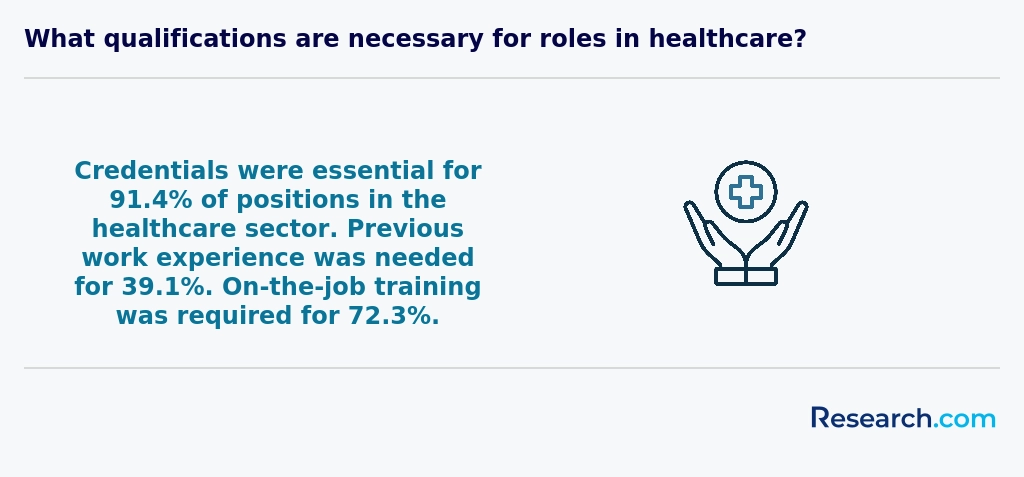
Securing the appropriate licensure and certifications is a critical step for any healthcare graduate aiming to practice professionally and stand out in a competitive job market. Requirements vary by role and state, but most programs culminate in a standardized exam administered by a national board, followed by state-level registration. Common licensure and certification pathways include:
- Registered Nurse (RN): Candidates must pass the NCLEX-RN exam and apply for state board licensure. Continuing education credits are often required for renewal.
- Physical Therapist Assistant (PTA): Graduates sit for the National Physical Therapy Exam (NPTE) for PTAs and obtain state licensure. Many students enroll in programs such as a physical therapist assistant associate in science online to balance work and study before taking the NPTE.
- Health Information Technician: Earning the Registered Health Information Technician (RHIT) credential from AHIMA demonstrates proficiency in medical coding, data management, and compliance.
- Physician Assistant (PA): The PANCE exam, administered by the NCCPA, is required for certification, followed by state licensure and periodic maintenance through continuing medical education (CME).
- Public Health Professionals: Optional but recommended credentials like the Certified in Public Health (CPH) designation by the National Board of Public Health Examiners can enhance employability and leadership opportunities. Maintaining licensure typically involves fulfilling continuing education requirements, adhering to professional codes of ethics, and paying renewal fees. Understanding these steps early in your academic journey ensures a seamless transition from graduation to practice, safeguarding both your career trajectory and patient safety.
What courses are typically in healthcare degree programs in America?
Healthcare degrees in America demand more than memorizing facts; they engage students in a blend of science and real-world skills that prepare them for a dynamic medical landscape. Graduates from universities like the University of Michigan often recall how courses such as Human Anatomy and Physiology brought the complexity of the human body to life, transforming abstract textbook knowledge into palpable understanding during hands-on labs.
In programs at institutions like the University of North Carolina, students plunge into Microbiology and Pharmacology, unraveling disease mechanisms and medication effects, which feel both intellectually challenging and deeply rewarding as they visualize real patient outcomes. Medical Terminology classes hone the language that links healthcare teams, a vital skill graduates treasure when entering bustling hospital corridors.
Beyond science, many students highlight how Healthcare Ethics and Law courses force them to wrestle with patient rights and confidentiality, especially under U.S. regulations like HIPAA. Meanwhile, classes in Public Health and Healthcare Management inspire them to see the larger system, igniting a passion to improve care delivery on a societal scale. This comprehensive curriculum shapes not only professionals but empathic advocates ready for an evolving American healthcare system.
What types of specializations are available in healthcare degree programs in America?
Healthcare degrees in America encompass a range of specializations that extend beyond the basics, challenging students to envision their future roles in a rapidly evolving system. Graduates from leading universities often reflect on how nursing programs, for example, prepare them not only for bedside care but also leadership roles like Nurse Practitioner or Clinical Nurse Specialist-demonstrating how the field combines compassion with advanced expertise. Those drawn to management might pursue Health Administration, gaining skills that empower them to run hospitals and clinics efficiently, a popular path at many top colleges.
Other specializations reveal the breadth of healthcare careers: Public Health focuses on community well-being and disease prevention, while Allied Health Professions, like physical or occupational therapy, offer dynamic, hands-on work. Pharmacy programs demand rigorous study but lead to rewarding careers as pharmacists. Medical Laboratory Science students experience the vital role of diagnostics behind the scenes. Prospective students often discover that exploring healthcare degree specializations in the USA helps clarify their passions-some even accelerate into roles via a 4-week medical assistant program, gaining quick entry points into the healthcare workforce.
How do you choose the best healthcare degree in America?
Choosing the right healthcare degree in America means questioning assumptions about prestige and cost. Graduates from well-known universities often reflect on how aligning their degree choice with real-world demand shaped their success. For instance, selecting programs with strong clinical connections or those emphasizing practical skills, like nursing or health administration, opens doors to thriving careers. Considering best healthcare degree programs in the USA involves looking beyond rankings to actual outcomes-graduation rates, licensure pass rates, and employment success.
Cost is not just a number but a long-term investment. Many students have learned that affordable healthcare degrees in America, especially those at public colleges, can still deliver quality education without crushing debt. Think of a graduate from a state university who balanced hybrid coursework with hands-on practice, avoiding burdensome loans yet gaining valuable experience. Flexibility matters too; programs that offer online components, such as a physical therapist assistant associate in science online degree, cater to working students balancing family and careers.
What career paths are available for healthcare degree students in America?
Graduates with a healthcare degree in America find themselves at a crossroads filled with dynamic career options. From clinical roles like Registered Nurse or Physician Assistant to leadership positions such as Medical and Health Services Manager, opportunities are abundant. For instance, graduates from top programs at universities like the University of Michigan or the University of North Carolina often share stories of rapid career growth fueled by a healthcare degree career options in USA that extend beyond bedside care. These roles don't just offer competitive salaries-like $77,600 for RNs and $121,530 for Physician Assistants-they bring a sense of purpose and daily human impact that energizes many graduates.
Choosing degree levels-from associate to doctoral-can dramatically shape your path. Many students discuss how earning a Bachelor of Science in Nursing at institutions like Ohio State University opened doors to specialized roles, leadership, and better pay. Meanwhile, some pursue research and public health at renowned places like Johns Hopkins, eager to influence policies or innovate disease prevention. For those balancing finances, exploring Low Cost Online Healthcare Degree Programs Ranking in Maryland offers practical pathways to advance without overwhelming debt, a critical factor for many navigating healthcare jobs and salary in America.
What is the job market for healthcare degree in America?
The job market for healthcare degree holders in America defies the typical narrative of uncertainty that plagues many fields. Graduates from renowned institutions like the University of Michigan or the University of North Carolina often find themselves stepping into roles with not only competitive salaries but also a sense of meaningful impact. These professionals witness firsthand the undeniable demand driven by an aging population and chronic illness management that requires continual specialized care. This robust demand shapes an encouraging healthcare degree job outlook USA.
Many graduates share stories of swiftly landing positions as registered nurses or physician assistants, roles known for their resilience against economic shifts. Some take advantage of the geographic flexibility this sector offers, moving to underserved rural areas where their expertise is urgently needed. With healthcare expanding rapidly, especially in health informatics and outpatient services, new openings consistently emerge, creating sustained employment opportunities for healthcare graduates America.
For those concerned about balancing education cost and future earnings, the decision to pursue healthcare studies at institutions famous for their quality, supported by scholarships and financial aid, often results in rewarding careers. Some turn to 6 month online certificate programs high paying jobs as a strategic, accelerated pathway into this growing market.
Frequently Asked Questions About healthcare
Healthcare degree students in America can maximize their learning by combining strong academic study with hands-on experience. Clinical rotations and internships are vital, allowing students to apply classroom knowledge in real-world settings. According to the American Association of Colleges of Nursing, over 60% of nursing programs require clinical hours, highlighting this practice's importance.
Engaging in research projects or joining student healthcare organizations helps develop critical thinking and leadership skills. Additionally, staying updated on healthcare policies and technologies through reputable sources improves understanding of the evolving industry. Utilizing university resources like tutoring and advising can also enhance academic success and career planning.
The healthcare field in America is rapidly evolving, with several emerging niches gaining importance. One key area is telehealth, which grew by over 154% during the COVID-19 pandemic, according to the CDC. This sector focuses on remote patient monitoring and virtual care delivery, creating demand for professionals skilled in digital health technologies.
Another growing niche is precision medicine, which uses genetic information to tailor treatments specifically to individuals. Institutions like the National Institutes of Health (NIH) are investing heavily in this approach.
Additionally, healthcare data analytics is expanding as providers seek experts to manage and interpret vast amounts of health information, aiming to improve patient outcomes.
These niches reflect shifts toward innovation and technology within the US healthcare education landscape.
After completing a healthcare degree in America, effective preparation for the job market is crucial. Start by obtaining necessary certifications and licenses, which vary by profession and state. For example, registered nurses must pass the NCLEX-RN exam before practicing. Networking is another key step; join professional associations such as the American Medical Association or American Nurses Association to connect with potential employers.
Internships and clinical experience significantly enhance employability. According to the U.S. Bureau of Labor Statistics, healthcare occupations are projected to grow 13% from 2021 to 2031, adding about 2 million jobs. Tailor your resume to highlight relevant clinical skills and experience, emphasizing teamwork and communication, which employers highly value in healthcare settings.
Employers in the American healthcare sector seek graduates equipped with both technical expertise and strong interpersonal skills. Clinical competence, such as proficiency in patient care procedures and medical terminology, remains essential. According to the National Healthcareer Association, 85% of employers prioritize candidates with up-to-date certifications and hands-on experience.
Communication skills are critical, as healthcare professionals regularly interact with patients and multidisciplinary teams. The Bureau of Labor Statistics highlights that empathy and clear communication significantly improve patient outcomes.
Additionally, problem-solving abilities and adaptability to evolving healthcare technologies rank highly. Data from the American Hospital Association shows that 70% of healthcare facilities emphasize digital literacy among new hires.
Finding internships relevant to a healthcare degree in America typically begins with exploring opportunities through your college or university. Most accredited healthcare programs partner with local hospitals, clinics, and public health organizations to offer students hands-on experience required for graduation.
Students can also use platforms like the National Healthcare Career Network, which lists internship openings by state and specialization. According to the U.S. Bureau of Labor Statistics, healthcare occupations are projected to grow 16% from 2021 to 2031, increasing demand for interns in these fields.
Additionally, networking at professional associations such as the American Public Health Association or the American Medical Association can provide leads on internships. Applying early and tailoring your resume to highlight relevant skills will improve your chance of acceptance. It's important to comply with HIPAA and other healthcare regulations during these experiences.
A healthcare degree in America significantly enhances career mobility and advancement. According to the U.S. Bureau of Labor Statistics, healthcare occupations are projected to grow 13% from 2021 to 2031, much faster than average. This growth creates many opportunities for degree holders to move into specialized roles or leadership positions.
Holding a degree such as a Bachelor of Science in Nursing or a Master's in Health Administration often qualifies graduates for higher-paying jobs. For example, registered nurses with advanced degrees earn a median annual wage of $81,220 compared to $75,330 for those without.
Degrees also enable professionals to switch fields within healthcare or pursue certifications that boost credentials, supporting ongoing career development and flexibility in a competitive job market.
Studying for a healthcare degree in America equips students with skills essential for interdisciplinary roles, increasingly common in today's medical field. Programs often integrate coursework from nursing, public health, and health administration, reflecting the collaborative nature of healthcare teams. According to the National Center for Education Statistics, over 60% of healthcare programs incorporate interprofessional education components.
Students learn communication, leadership, and problem-solving skills that enable them to work alongside doctors, therapists, and social workers effectively. Clinical rotations and team-based projects simulate real-world settings, emphasizing cooperation across disciplines. This comprehensive approach meets the demand for versatile professionals capable of addressing complex patient needs.
When choosing between a thesis and a non-thesis healthcare degree program in America, consider your career goals. Thesis programs emphasize research skills and are ideal for those interested in academic or clinical research careers. According to the National Center for Education Statistics, about 40% of master's healthcare programs offer thesis options, often requiring a significant research project and defense.
Non-thesis programs focus on practical skills and coursework, suiting students planning to enter clinical practice or healthcare administration directly. These programs typically include internships or capstone projects instead of research.
Cost, time commitment, and future education plans also influence the decision. Thesis routes may take longer but can enhance eligibility for PhD programs or research roles.
American students seeking healthcare degrees abroad have various pathways to consider. Many U.S. institutions offer exchange programs with universities in countries such as the United Kingdom, Australia, and Canada, providing exposure to different healthcare systems. According to the Institute of International Education, healthcare-related study abroad participation has grown steadily, reflecting interest in global health perspectives.
Some students choose to enroll directly in foreign universities with accredited programs recognized by the World Directory of Medical Schools. Graduates from these schools can pursue licensure in the U.S., although they must pass exams like the USMLE. The flexibility of studying abroad often includes nursing, public health, and medical technology fields, offering specialized training matched to evolving U.S. healthcare needs.
Part-time jobs can significantly enhance the education experience for healthcare students in America. Common roles include medical assistant positions, which offer practical exposure to patient care procedures. According to the U.S. Bureau of Labor Statistics (BLS), medical assistants earned a median wage of $18.73 per hour in 2023, indicating viable financial support for students.
Other opportunities include pharmacy technician roles and patient service representatives. These jobs develop communication skills crucial for future healthcare professionals. Volunteering in hospital settings or clinics also allows students to build valuable networks and gain firsthand insight into American healthcare operations.
Healthcare students in America have numerous networking opportunities that can significantly enhance their career prospects. Many universities offer access to professional healthcare associations, such as the American Medical Student Association or the American Association of Colleges of Nursing. These groups provide conferences, workshops, and mentorship programs where students can connect with industry leaders.
Clinical rotations and internships are another key platform for networking, allowing students to build relationships with practicing professionals and potential employers. According to the Bureau of Labor Statistics, over 1.5 million healthcare jobs are expected to be added by 2030, emphasizing the importance of such connections.
Additionally, student organizations and alumni networks often facilitate events and panel discussions focused on emerging trends in healthcare, fostering collaboration and knowledge sharing among peers and experts.
Alumni networks play a crucial role in supporting healthcare degree students in America by providing valuable professional connections. According to the American Association of Colleges of Nursing, over 80% of healthcare professionals find job opportunities through alumni referrals. These connections often lead to internships, mentorships, and job placements within hospitals, clinics, and research institutions.
Strong alumni networks also offer resources such as workshops, career fairs, and continuing education. For students, this means access to the latest industry trends and potential collaborations. Furthermore, these networks can help graduates navigate the competitive healthcare job market effectively, improving employment outcomes.
Customizing a healthcare degree program in America allows students to align their education with specific career goals. Many universities offer flexible curriculums where students can select concentrations such as nursing, health administration, or public health. Electives and internships are important tools for gaining specialized knowledge and hands-on experience.
According to the National Center for Education Statistics, over 60% of healthcare programs provide options to tailor coursework. Online and hybrid formats also expand possibilities, letting students balance study with work. Students should consult academic advisors to choose the best path based on industry demands and salary prospects reported by the Bureau of Labor Statistics.
Healthcare students in America often face a range of significant challenges during their education. One of the main hurdles is the intense academic workload. Programs typically combine rigorous coursework with clinical training, requiring students to master complex medical knowledge and practical skills simultaneously.
Financial stress is another common concern. According to the American Association of Medical Colleges (AAMC), the average debt for medical school graduates in 2023 exceeded $220,000, which can be overwhelming for many students.
Additionally, the high-pressure environment contributes to mental health issues. A 2022 study published in JAMA found that nearly 40% of healthcare students reported symptoms of burnout, anxiety, or depression during their studies.
Balancing clinical rotations, exams, and personal life is challenging, often affecting students' well-being and academic performance.
Graduates with a healthcare degree in America have access to various professional certifications that enhance career prospects. Common certifications include Certified Nursing Assistant (CNA), Registered Nurse (RN), and Licensed Practical Nurse (LPN). For those interested in administrative roles, Certified Healthcare Administrator (CHA) is available.
Specialized certifications such as Certified Medical Assistant (CMA) or Registered Health Information Technician (RHIT) are also popular. According to the U.S. Bureau of Labor Statistics, healthcare occupations are projected to grow 13% from 2021 to 2031, emphasizing the importance of certifications.
These credentials can improve job security and salary potential within the diverse US healthcare system.
Writing a winning application for a healthcare program in America requires clear focus and preparation. Start by carefully reading the program's requirements and tailoring your application to highlight relevant experiences, such as volunteering or internships in health settings.
Strong academic performance is essential. Most healthcare programs, including nursing and allied health degrees, expect a minimum GPA of around 3.0 on a 4.0 scale (NCES, 2023). Include transcripts demonstrating your competencies in biology, chemistry, and math.
Personal statements should reflect your motivation and understanding of healthcare challenges in the US, such as aging populations and disparities in access to care (CDC, 2022). Be specific about your goals and how the program fits your career path.
Letters of recommendation from healthcare professionals or professors can significantly strengthen your application. Finally, if required, prepare thoroughly for admission tests like the TEAS or HESI, which assess readiness for nursing and allied health fields.
Healthcare careers in America are highly valued worldwide due to the country's advanced medical education system and research capabilities. The U.S. trains over 140,000 healthcare professionals annually, according to the Association of American Medical Colleges (AAMC). Many global students view American healthcare degrees as a gold standard, given the rigorous curricula and clinical training opportunities available.
Internationally, healthcare roles often differ in scope and recognition, making U.S. qualifications desirable for global mobility. The rising demand for healthcare workers in the U.S., projected to grow 13% between 2021 and 2031 by the Bureau of Labor Statistics, further enhances the appeal of these degrees. This dynamic underscores a global perspective that American healthcare education offers strong career prospects and worldwide respect.
Gaining practical experience while studying for a healthcare degree in America is essential. Many programs require clinical rotations or internships, which provide hands-on learning in hospitals, clinics, or community health settings. According to the American Association of Colleges of Nursing, over 80% of nursing programs include supervised clinical hours that help students develop real-world skills.
Volunteering in healthcare facilities is another valuable option. It offers exposure to patient care and professional environments without formal enrollment. Additionally, some schools partner with local health organizations to provide externships, allowing students to earn credit while gaining experience.
Job shadowing licensed professionals can further enhance understanding of healthcare roles and workflow.
Choosing the right concentration within a healthcare degree program in America involves understanding your interests, career goals, and the job market. Healthcare offers diverse fields such as nursing, public health, health administration, and medical technology. According to the U.S. Bureau of Labor Statistics, employment in healthcare occupations is projected to grow 13% from 2021 to 2031, adding about 2 million jobs.
Consider the type of work environment you prefer-clinical, research, or administrative-as well as the required education and certification for each concentration. Research programs accredited by recognized bodies like the Commission on Accreditation of Allied Health Education Programs (CAAHEP) to ensure quality education.
Finally, evaluate internship opportunities and connections with local healthcare providers, as practical experience greatly influences employment prospects in the U.S.
Top Trending Healthcare Rankings
See What Experts Have To Say About Studying Healthcare
Read our interview with Healthcare experts

References
- Client Challenge https://www.springerpflege.de/nursing-graduates-perceived-future-career-pathway-and-career-shi/50653658
- Trends and opportunities in healthcare across emerging markets - Inizio https://inizio.com/insights/trends-and-opportunities-in-healthcare-across-emerging-markets/
- Online Degree vs. Traditional: Choosing the Right Path https://beal.edu/online-degree-vs-traditional/
- Pre-Med Study Abroad Programs | Go Overseas https://www.gooverseas.com/study-abroad/pre-med
- Medical School Requirements in 2025: The Definitive Guide - Shemmassian Academic Consulting https://www.shemmassianconsulting.com/blog/medical-school-requirements
- The Value of Healthcare Organization Alumni Associations https://consultqd.clevelandclinic.org/the-value-of-healthcare-organization-alumni-associations
- How to Create a Healthcare Career Roadmap https://www.ihire.com/resourcecenter/jobseeker/pages/how-to-create-a-healthcare-career-roadmap
- Thesis vs. Non-Thesis Master's Programs: Which is Right for You? https://potomac.edu/thesis-vs-non-thesis-masters/
- 1+ Healthcare Cover Letter Examples (with In-Depth Guidance) https://www.tealhq.com/cover-letter-examples/healthcare
- Average Cost of Medical School [2025]: Yearly + Total Costs https://educationdata.org/average-cost-of-medical-school


