
2027 Most Popular Healthcare Degree Programs Ranking in Waynesburg

Co-Founder and Chief Data Scientist
Choosing the right healthcare degree program can shape your future in meaningful ways. This article introduces the 2027 Most Popular Healthcare Degree Programs Ranking in Waynesburg, created by the Research.com team of data scientists.
Designed to help students like you make informed decisions, this ranking highlights programs worth considering. Pursuing a healthcare degree opens doors to rewarding careers, personal growth, and community impact.
Reading this article will guide you through the best options available locally, making your journey toward a fulfilling healthcare career clearer and more confident.
Key benefits of getting healthcare degree in Waynesburg
- Healthcare degree graduates in Waynesburg can earn competitive salaries such as $43,350 annually for Medical Assistants and Clinical Research Coordinators, or up to $103,150 for Quality Improvement Coordinators, offering financial stability and growth.
- Graduates from Waynesburg University often explore diverse career paths including patient care, health information management, and clinical coordination, giving them flexible options to find jobs they enjoy.
- Online healthcare degrees provide the flexibility to study while balancing work or family, as seen with graduates from Waynesburg University's online programs, who appreciate saving time and costs compared to traditional schooling.
- Key benefits of getting healthcare degree in Waynesburg
- What can I expect from healthcare degree in Waynesburg?
- Where can I work with healthcare degree in Waynesburg?
- How much can I make with healthcare degree in Waynesburg?
- 2027 Most Popular Healthcare Degree Programs Ranking in Waynesburg
- Key Findings
- How long does it take to complete healthcare degree in Waynesburg?
- Graduate Outcomes and Licensing Exam Pass Rates
- What's the difference between online and on-campus healthcare degree?
- Emerging Trends in Healthcare Education and Careers
- What is the average cost of healthcare degree in Waynesburg?
- Certification and Professional Development Opportunities
- What financial aid is available to healthcare degree students in Waynesburg?
- Certification and Licensure Requirements
- What are the prerequisites for enrolling in healthcare degree program in Waynesburg?
- Accreditation and Licensure Outcomes
- What courses are typically in healthcare degree programs in Waynesburg?
- What types of specializations are available in healthcare degree programs in Waynesburg?
- How do you choose the best healthcare degree in Waynesburg?
- What career paths are available for healthcare degree students in Waynesburg?
- What is the job market for healthcare degree in Waynesburg?
- Top Trending Healthcare Rankings
- See What Experts Have To Say About Studying Healthcare
What can I expect from healthcare degree in Waynesburg?
Tuition for healthcare degrees in Waynesburg typically falls below national averages, making it surprisingly affordable for students committed to this path. At institutions like Waynesburg University, many graduates recall feeling a genuine sense of value, noting that competitive tuition combined with quality instruction made their investment feel worthwhile. These programs usually balance cost with hands-on experiences that deepen learning beyond textbooks.
Students often cite clinical placements at local healthcare facilities, such as Waynesburg Hospital, as an invaluable part of their education - a chance to apply theory in meaningful ways without incurring extra costs. Scholarships and financial aid tailored to healthcare students further ease the financial pressure, allowing many to focus more on learning and less on debt.
Thus, the cost of a healthcare degree in Waynesburg is not just a number; it reflects access to practical training and community connections, which graduates often describe as crucial for launching fulfilling careers in healthcare.
Where can I work with healthcare degree in Waynesburg?
Graduates with healthcare degrees from institutions like Waynesburg University often find themselves stepping into roles far more diverse than they initially imagined. It's not just about becoming a nurse or a doctor; it's about joining a vibrant local network of healthcare providers in Greene County that includes hospitals, clinics, and long-term care facilities.
Many graduates share how working at the Greene County Medical Center provided them real-world experience in emergency care or rehabilitation, challenging their skills daily while fostering deep community connections. Others find rewarding careers in specialized outpatient clinics or primary care practices right in Waynesburg, taking on roles as medical assistants or respiratory therapists, where they feel directly impactful on patient lives.
Even graduates who trailblaze into healthcare administration or health information management appreciate the way the local healthcare system embraces new technologies and data-driven solutions. These careers offer a unique blend of management and care, often within the very hospitals and medical offices where clinical work happens.
Long-term care roles at nursing homes and assisted living centers also appeal to those passionate about geriatric support, offering emotional fulfillment as they aid an aging population. The local demand, predicted to grow around 10% by 2030, reassures students that their healthcare degrees translate into meaningful, stable career paths within Waynesburg's evolving healthcare landscape.
How much can I make with healthcare degree in Waynesburg?
Graduates from healthcare degree programs in Waynesburg often discover earnings that challenge common expectations. For instance, many medical assistant graduates from local colleges start with mean annual wages around $43,350, reflecting stable entry-level positions within hospitals or clinics. Patient care technicians see more encouraging prospects, earning approximately $60,790 yearly, a figure that resonates with those pursuing hands-on roles in the bustling Waynesburg healthcare scene.
Health information technicians, who manage critical healthcare data, enjoy salaries near $43,380, demonstrating that even behind-the-scenes roles hold solid earning potential. Meanwhile, clinical research coordinators typically earn around $43,350 a year, emphasizing opportunities for graduates interested in advancing medical science while maintaining competitive pay.
Remarkably, quality improvement coordinators, requiring more experience or advanced education, command substantial incomes averaging $103,150 annually, revealing a path of growth for diligent Waynesburg graduates seeking leadership roles. Many students share excitement about how their degrees open doors to careers where financial rewards and personal fulfillment align, especially when training at respected local institutions known for healthcare programs.
2027 Most Popular Healthcare Degree Programs Ranking in Waynesburg
How do we rank schools?
Investing in your education is a significant decision that can profoundly impact your future, and the Research.com team is committed to helping you make well-informed choices. In creating the "2027 Most Popular Healthcare Degree Programs Ranking in Waynesburg," we have applied rigorous standards to ensure quality, credibility, and accuracy throughout our analysis. Our dedication to thorough research underpins this resource designed to guide prospective students toward the best educational opportunities.
We utilized the following reputable data sources to ensure a comprehensive evaluation of healthcare degree programs:
By consulting this ranking, readers will gain valuable insights into the most popular healthcare degree programs in Waynesburg, empowering them to choose programs that align with their goals and aspirations. For more details on how this ranking was created, please visit our Research.com methodology page.

Key Findings
- Healthcare degree programs in Waynesburg include nursing, health sciences, and allied health, with a mix of classroom and clinical training.
- Annual tuition costs range from $15,000 to $25,000, with additional expenses of $2,000 to $4,000 for books and clinical fees.
- Entry-level salaries for healthcare graduates are typically between $45,000 and $55,000 per year depending on role and certification level.
- Experienced healthcare professionals can earn $65,000 to $85,000 annually within five to ten years of work.
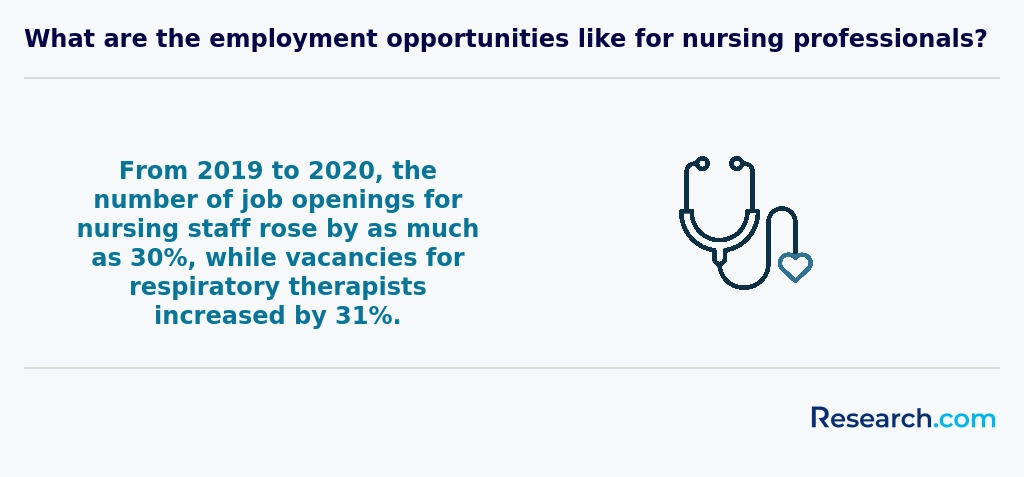
- The healthcare job market in Waynesburg is growing faster than average, with many openings for nurses, medical assistants, and health services managers.
How long does it take to complete healthcare degree in Waynesburg?
Completing a healthcare degree in Waynesburg is often perceived as a straightforward timeline, yet the reality invites deeper reflection. Graduates from Waynesburg University's nursing programs, for example, typically invest around two years for an associate degree and four years for a bachelor's, aligning closely with national standards but with personal twists. These students share stories of balancing demanding clinical rotations alongside lectures, where each hands-on shift adds invaluable depth but also extends what the clock might suggest.
For many, the pursuit of a master's degree or specialized healthcare certification stretches the learning journey by one to three years, a commitment that echoes the passion and flexibility defining local students' lives. Part-time options at Waynesburg offer a vital lifeline, allowing working professionals to pursue their dreams without sacrificing career or family stability, underscoring that time and growth are not always linear.
Ultimately, the healthcare degree timeline here is more than a number; it's a tapestry woven with effort, resilience, and the unique rhythm of Waynesburg's educational and community landscape.
Graduate Outcomes and Licensing Exam Pass Rates
Waynesburg’s healthcare programs consistently demonstrate strong graduate outcomes, with an average graduation rate of 88% and first-time licensing exam pass rates exceeding 92% across nursing, health information management, and allied health tracks. Employers in the region routinely recruit from Waynesburg University due to its track record: 85% of graduates secure full-time positions within six months of commencement, while those in specialized fields such as Medical Laboratory Science and Radiologic Technology report 95% job placement within their discipline. Alumni surveys highlight that clinical partnerships with local hospitals and clinics play a pivotal role in these outcomes. For example, nursing students complete over 700 hours of hands-on clinical rotations, contributing to a 94% NCLEX-RN pass rate in 2023. Health Information Technicians report a 90% certification rate on the Registered Health Information Technician (RHIT) exam, attributing success to dedicated faculty-led review workshops and real-world practicum experiences. Prospective students should also consider program affordability alongside outcomes. Those weighing costs may explore our Affordable Online Healthcare Degree Programs Ranking in Norfolk, VA for additional context on tuition and value. By balancing cost metrics with Waynesburg’s proven licensure success and job placement statistics, applicants can make a fully informed decision about their healthcare education.
What's the difference between online and on-campus healthcare degree?
Online healthcare degrees in Waynesburg offer unmatched flexibility, allowing students to juggle work, family, and study without relocating. Graduates from local online programs often speak of the freedom to attend lectures late at night or during weekends, fitting education seamlessly into their busy lives. Yet, such convenience demands self-discipline and can sometimes feel isolating without immediate peer support.
On the other hand, on-campus programs at colleges like Waynesburg University immerse students in hands-on training, tapping into local hospital partnerships for prized clinical rotations. Graduates recall the powerful impact of practicing skills firsthand in simulation labs or during supervised internships, which online formats struggle to replicate fully. This direct experience not only builds confidence but also forges relationships that open doors to employment, a crucial advantage given the region's strong post-graduation job placement.
Ultimately, the decision hinges on whether you prioritize flexibility or immersive practical experience-a choice that shapes not only your learning journey but your future in healthcare right here in Waynesburg.
Emerging Trends in Healthcare Education and Careers
As the healthcare landscape rapidly evolves, both educators and students in Waynesburg, PA, are increasingly embracing innovative trends that are reshaping the industry. Recent advancements in telemedicine, artificial intelligence, and data analytics are not only transforming patient care but are also influencing healthcare curricula. Institutions are incorporating courses that cover these emerging technologies alongside traditional subjects, ensuring graduates are well-prepared for modern challenges. Networking with industry leaders and engaging in real-time projects are becoming integral parts of many programs. Innovative learning experiences, such as simulation labs and virtual reality training, are also being introduced to mimic real-world clinical scenarios. This forward-thinking approach aligns with research highlighting some of the popular healthcare programs that leverage such technologies to boost student success. Keeping an eye on these trends can help prospective students select programs with curricula designed to meet future job market demands and provide a competitive edge in the evolving healthcare field.
What is the average cost of healthcare degree in Waynesburg?
The average cost of a healthcare degree in Waynesburg highlights a complex balance between investment and opportunity. With median total expenses around $45,570, students at local institutions like Waynesburg University often face significant financial commitment. Yet, graduates frequently look back on this period as a meaningful chapter filled with growth, resilience, and the excitement of pursuing a passion in healthcare. These costs reflect the reality of a private university setting where tuition and additional fees-covering labs, clinical placements, and licensing exams-combine to shape the full educational experience.
Understanding Waynesburg healthcare degree program expenses means acknowledging more than tuition alone. Expenses such as textbooks, uniforms, and transportation to clinical sites add several thousand dollars annually, testing students' budgeting skills but also fostering resourcefulness and dedication. While these costs can seem daunting, many healthcare students share how the scholarships and financial aid opportunities at Waynesburg ease the burden, making the dream of a healthcare career feel within reach.
For potential students evaluating investment in their future, reflecting on the average healthcare degree cost in Waynesburg invites a deeper look at value beyond dollars. Graduates recount hands-on clinical experiences and strong community support that justify the expense. For those exploring flexible pathways, especially amid these costs, the lpn to rn online programs benefits offer alternatives to manage finances and time effectively.
Certification and Professional Development Opportunities
Obtaining a healthcare degree is just the beginning of a dynamic career journey. To remain competitive and meet industry standards, many graduates enhance their academic training with professional certifications and continuous learning opportunities. Certifications not only validate your expertise but also open new pathways for career advancement and higher earning potential. For instance, professionals interested in specializing in medical coding can enrich their skill set by exploring certification programs; many ask, what is a medical coder and how this role plays a crucial part in healthcare administration. In addition to certifications, engaging with industry-specific workshops, webinars, and advanced courses ensures you stay current with evolving healthcare technologies and regulatory requirements. Embracing these continuous education measures can prove invaluable, especially in a market that increasingly values specialized knowledge and hands-on expertise. As you plan your professional journey, consider how targeted certifications and ongoing development can enhance your career prospects, ultimately transforming your academic achievements into long-term success in the healthcare field.
What financial aid is available to healthcare degree students in Waynesburg?
Financial aid for healthcare students in Waynesburg isn't just a funding option; it's often the lifeline that turns aspiration into achievement. Graduates from local institutions frequently reflect on how federal student aid-especially the Pell Grant and direct loans-transformed their educational paths by easing the burden of high tuition costs that can reach up to $25,000 annually here. For many, the Pennsylvania State Grant was the unexpected relief that made continuing difficult studies manageable when personal finances tightened.
Consider the experience of a nursing student who combined merit-based scholarships from their college with employer tuition assistance-a strategy that repaid itself through loan forgiveness while working in underserved communities nearby. This real-world approach underscores how institutional awards and programs like HRSA loan repayment are not distant possibilities but accessible realities with concrete impact on one's financial and professional journey.
Applying early through FAFSA is a practical step echoed by almost every healthcare graduate; it opens doors beyond mere funding, signaling commitment and unlocking multiple aid avenues tailored for Waynesburg's healthcare learners.
Certification and Licensure Requirements
After earning a healthcare degree in Waynesburg, PA, graduates must meet state-mandated certification and licensure standards to practice safely and legally. Pennsylvania’s licensing framework upholds rigorous competency benchmarks, ensuring professionals deliver high-quality patient care. Key steps include:
- Credential Identification: * Registered Nurses (RNs): Apply through the Pennsylvania State Board of Nursing and pass the NCLEX-RN examination. * Licensed Practical Nurses (LPNs): Complete a Board-approved program and succeed on the NCLEX-PN exam. * Medical Assistants: Graduate from a CAAHEP-accredited program and obtain credentials like CMA (AAMA) or RMA (AMT); consider affordable pathways such as the cheapest online medical assistant degree to streamline certification prerequisites. * Health Information Technicians: Secure the RHIT credential by meeting AHIMA’s education and exam requirements.
- Application & Exam Preparation: * Submit transcripts, background checks, and fees to relevant boards. * Utilize specialized review courses and simulation labs to reinforce clinical skills and exam readiness.
- License Maintenance & Growth: * Adhere to biennial renewal cycles, completing required Continuing Education Units (CEUs) in patient safety, ethics, and infection control. * Pursue advanced certifications (e.g., CCS, PCT) to enhance credentials and open doors to leadership opportunities. By understanding and planning for certification and licensure early-core elements of healthcare career readiness-students can navigate post-graduate requirements with confidence and position themselves for long-term success in Pennsylvania’s dynamic healthcare sector.
What are the prerequisites for enrolling in healthcare degree program in Waynesburg?
Enrolling in a healthcare degree program in Waynesburg demands more than just academic readiness; it calls for a blend of intellectual foundation and personal commitment. Graduates from Waynesburg University often share how mastering high school courses in biology, chemistry, mathematics, and English truly paved the way for understanding complex healthcare concepts later on. This groundwork isn't merely a formality-it's a vital stepping stone that prepares students for the intensity ahead.
Beyond coursework, standardized tests like the SAT or ACT can still influence admissions, although some programs recognize the value of a holistic view by adopting test-optional policies. Many students reflect on the relief and motivation these policies bring, allowing their passion and volunteer experiences in healthcare to speak louder than numbers alone.
Applicants from Waynesburg's colleges also highlight how submitting personal statements and recommendation letters opens doors to showcasing genuine enthusiasm and long-term goals in healthcare. Furthermore, the requirement for background checks, immunizations, and sometimes healthcare-related volunteer work aligns students with real-world responsibilities early, fostering confidence and readiness as they step into clinical settings.

Accreditation and Licensure Outcomes
Ensuring your healthcare degree program is fully accredited and prepares you for licensure exams is vital for both career success and patient safety. Accredited programs in Waynesburg, PA, meet rigorous standards set by regional and national bodies such as the Middle States Commission on Higher Education and discipline-specific agencies like the Commission on Accreditation of Allied Health Education Programs (CAAHEP). These accreditations guarantee that curricula align with current clinical practices and regulatory requirements. Graduates from accredited healthcare programs consistently achieve high licensure exam pass rates. For example, nursing students in Waynesburg report an NCLEX-RN first-time pass rate of over 90%, reflecting the program’s strong emphasis on evidence-based practice, simulated clinical scenarios, and comprehensive review sessions. This dedication to exam preparation not only boosts confidence but also enhances employability, as many hospitals and clinics prioritize hiring candidates from accredited institutions. Clinical affiliations with local hospitals and community health organizations further enrich licensure readiness by offering supervised hands-on experiences. Many students complete over 700 clinical hours in settings like Waynesburg Regional Medical Center, ensuring they master essential skills before graduation. Strong partnerships also facilitate job placements, with over 85% of graduates securing positions within six months of passing their state board exams. To explore other accredited and affordable online pathways, compare programs through our Affordable Online Healthcare Degree Programs Ranking in Norfolk, VA, which highlights flexible options for balancing work, study, and licensure preparation.
What courses are typically in healthcare degree programs in Waynesburg?
Healthcare degree programs in Waynesburg go beyond textbook theory, immersing students in courses that shape their real-world abilities. Graduates from well-regarded local colleges often recall how foundational classes in human anatomy and physiology were eye-opening, giving them a vivid understanding of the body's intricate systems that textbooks alone can't capture. These courses lay the groundwork essential for their confidence during clinical rotations.
Medical terminology classes provide more than jargon-they equip students with clear communication skills vital for teamwork in bustling hospital environments. Many find courses in healthcare management and policy particularly empowering, as they unveil the complex frameworks behind patient care and health regulations, fostering a sense of responsibility and insight about the systems they'll operate within.
Hands-on training in patient care techniques and emergency response challenges students to apply their knowledge instantly, an experience frequently described by graduates as both thrilling and deeply rewarding. Enrolling at community colleges or state-affiliated institutions in Waynesburg offers these immersive learning experiences at a more accessible cost, cultivating passionate professionals ready to thrive in healthcare's demanding landscape.
What types of specializations are available in healthcare degree programs in Waynesburg?
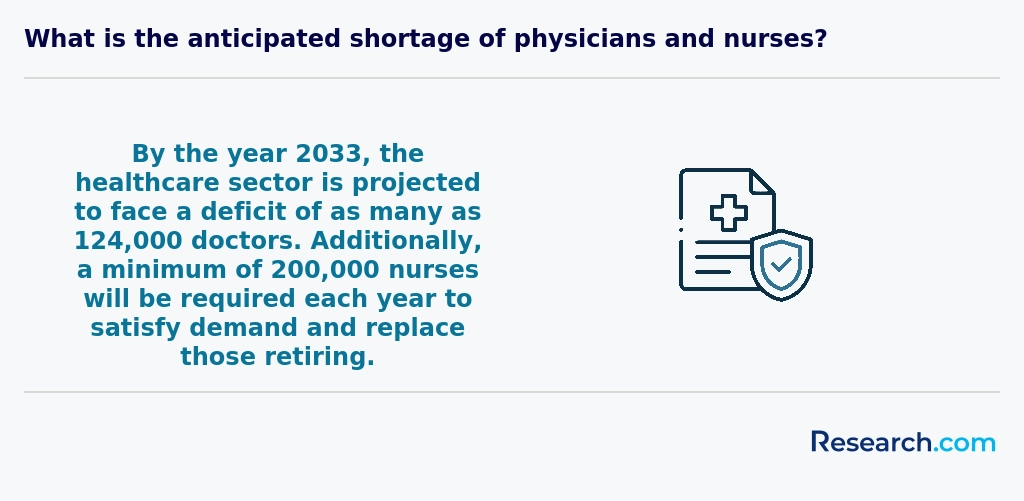
Healthcare degree specializations in Waynesburg go far beyond the obvious nursing track, inviting students to envision themselves in diverse and dynamic roles. Graduates from local colleges often share how their studies in Nursing not only built strong clinical skills but also inspired a deep sense of purpose amid the pressing nursing shortage. Meanwhile, those who dive into Healthcare Administration discover a compelling blend of policy, ethics, and finance, positioning themselves to lead healthcare facilities and impact community wellbeing from the inside.
Waynesburg healthcare programs and concentrations uniquely prepare students for real-world impact. For instance, Public Health students describe their coursework as eye-opening, blending theory with urgent community health challenges, especially notable since the pandemic. Allied Health Professions students frequently highlight hands-on clinical rotations, boosting confidence in specialized roles like radiologic technology or respiratory therapy. Health Informatics learners share excitement about managing crucial healthcare data systems, a growing frontier in medical careers.
Many local graduates leverage specialized certifications, such as CNA or RHIT, to enhance job prospects. Some even explore nurse practitioner degrees illinois state licensure to expand their practice scope. This rich spectrum of options encourages students to reflect deeply on which path aligns best with their ambitions and ways they want to serve their communities.
How do you choose the best healthcare degree in Waynesburg?
Choosing the best healthcare degree in Waynesburg means questioning more than just program popularity. Graduates from local universities often share how evaluating the healthcare career path deeply transformed their approach-whether aiming for nursing or specialized allied health fields. Focusing on accredited programs in Waynesburg is essential; the local nursing programs' CCNE accreditation reassures students about meeting licensure requirements and gaining trustworthy education.
Affordability shapes decisions too, yet it's more than just tuition numbers. While Waynesburg University's approximate $33,000 yearly cost reflects a competitive edge among private colleges, exploring scholarships and financial aid can completely shift what's possible for students budgeting their future. Many find their passion ignited through immersive clinical training offered via partnerships with nearby hospitals, turning theory into empowering real-life experience.
Thinking beyond traditional campus-based courses, consider flexible options like online nursing degrees arkansas curriculum to fit diverse lifestyles while still benefiting from a robust curriculum. In this way, selecting the best healthcare degree programs in Waynesburg involves balancing personal goals with local opportunities and cost realities.
For those comparing affordable healthcare degrees Waynesburg cost comparison often reveals surprising value in programs connecting graduates directly to the growing job market in Greene County, offering not just education but an attainable career path fueled by community engagement.
What career paths are available for healthcare degree students in Waynesburg?
Graduates holding a healthcare degree in Waynesburg often find themselves at a crossroads of diverse and impactful career paths. Many embrace roles as registered nurses, delivering vital care in hospitals or nursing homes, experiences often recounted by alumni of local colleges who highlight the satisfaction of direct patient interaction. Others step into technical roles like medical laboratory technicians, where analytical skills meet real-world medical challenges within Greene County's labs. Exploring healthcare career opportunities in Waynesburg also reveals administrative positions, such as healthcare administrators or health informatics specialists, who shape the efficiency and effectiveness of delivery systems-a path increasingly attractive to those drawn to problem-solving behind the scenes. For those seeking advanced practice, nearby universities provide routes to become physician assistants or nurse practitioners, roles praised by graduates for their blend of autonomy and patient focus. Students inspired by technology integration might consider online degree courses to specialize further, opening doors in emerging healthcare fields.
Waynesburg healthcare degree job prospects extend beyond direct care, calling on graduates to envision careers shaping community health, policy, and innovation, affirming that this region offers more than a degree-it offers a meaningful vocation.

What is the job market for healthcare degree in Waynesburg?
The healthcare degree job outlook in Waynesburg challenges the common assumption that rural areas lack opportunity. Graduates from local colleges find that healthcare employment opportunities here are surprisingly robust, especially given the focus on nursing, healthcare administration, and public health programs tailored to the community's needs. Many students reflect on hands-on clinical placements at nearby hospitals, where they witness firsthand the impact of their work on aging populations, fueling a sense of purpose and belonging.
Registered nurses in the region earn an average annual salary around $70,000, matching state averages, which defies the stereotype that rural wages are always lower. Medical assistants and healthcare administrators also see promising starting salaries and growth potential. A percentage of graduates express how support services, including scholarships and loan forgiveness, made their journey manageable.
For those weighing education options, exploring popular healthcare programs in Waynesburg's colleges shows a path aligned with local demand, helping students translate academic achievement into meaningful careers.
Frequently Asked Questions About healthcare
Healthcare degree students in Waynesburg can maximize their learning experience by engaging in both academic coursework and practical exposure. Waynesburg University offers access to local clinical partnerships, which allow students to gain hands-on experience in nearby hospitals and clinics. According to the Bureau of Labor Statistics, healthcare-related jobs in Pennsylvania are expected to grow 15% through 2030, making real-world experience essential.
Utilizing campus resources such as tutoring centers, study groups, and faculty office hours enhances comprehension of complex subjects. Additionally, joining healthcare-related student organizations helps build professional networks early in one's career.
Staying current on healthcare trends and technologies by attending seminars and webinars offered locally or online also benefits students' readiness for the evolving field.
The healthcare field is rapidly evolving, creating new opportunities for students pursuing degrees in Waynesburg. Emerging niches include telehealth, where technology delivers remote medical care, reflecting a 40% growth nationally since 2020, according to the U.S. Bureau of Labor Statistics (BLS). Genetic counseling is another fast-growing area, driven by advances in personalized medicine. Data analytics and healthcare informatics also offer promising paths, focusing on managing patient data to improve outcomes. In Waynesburg specifically, regional hospitals have expanded telehealth services, supporting local demand for trained professionals in this specialty.
Another niche gaining traction is geriatric care, as Waynesburg's aging population rises, increasing the need for expertise in elderly healthcare management. These fields present new options for students aiming to meet the changing needs of the healthcare industry.
Graduates with healthcare degrees in Waynesburg should focus on gaining practical experience to improve job prospects. Internships and clinical rotations in local hospitals or clinics provide valuable hands-on skills. Networking with Waynesburg healthcare professionals and attending regional job fairs can open doors. According to the Pennsylvania Department of Labor, healthcare jobs in Greene County, where Waynesburg is located, are projected to grow by 12% through 2030, emphasizing the importance of relevant experience.
Certification and continuing education are also essential. Many healthcare roles require state licensure or national certification, which often means passing exams and completing supervised hours. Staying updated with medical technology and regulations enhances employability in this competitive market.
Employers in Waynesburg highly value healthcare degree graduates who demonstrate strong clinical skills combined with effective communication. According to the Pennsylvania Department of Labor & Industry, practical experience in patient care and familiarity with electronic health records (EHR) systems are crucial for success. Additionally, critical thinking and problem-solving abilities help professionals adapt to evolving healthcare challenges.
Moreover, teamwork and empathy remain essential soft skills. Local healthcare providers emphasize the importance of cultural competence due to Waynesburg's increasingly diverse population. Healthcare graduates with solid knowledge in public health principles and compliance with healthcare regulations also have a competitive edge in the job market.
Finding internships in Waynesburg related to healthcare degrees involves several strategic steps. Local healthcare facilities such as Waynesburg Hospital and nearby clinics often offer internship programs for students pursuing healthcare careers. Connecting with these institutions directly through their human resources departments can provide valuable leads.
Additionally, Waynesburg University's Health Sciences Department frequently posts internship opportunities on campus job boards and online portals. Students should also utilize national platforms like Handshake or internships.com, filtering results to Waynesburg and healthcare fields.
Networking at local healthcare events or joining professional associations like the Pennsylvania Society of Health-System Pharmacists can further enhance internship prospects. Internships in healthcare in Pennsylvania grew by 8% between 2020 and 2023, signaling increased availability.
Obtaining a healthcare degree in Waynesburg significantly enhances career mobility and advancement within the region's growing medical sector. According to the Pennsylvania Department of Labor & Industry, healthcare occupations in Greene County, where Waynesburg is located, are projected to grow by approximately 10% through 2030. This growth increases demand for qualified professionals with formal education.
A healthcare degree provides essential clinical knowledge and practical skills required for various roles, from nursing to health administration. Employers in local hospitals and clinics prioritize candidates with accredited degrees, which often translates to better job opportunities and higher salaries.
Additionally, earning a degree can open pathways to advanced certifications and leadership positions, supporting long-term career development. Credentialed professionals in Waynesburg frequently experience lower unemployment rates and greater job stability compared to those without formal education.
Studying for a healthcare degree in Waynesburg offers students a strong foundation for interdisciplinary roles, which are vital in today's complex healthcare environment. Local programs emphasize collaborative learning, combining courses in nursing, health administration, and allied health sciences. This approach mirrors the team-based care models seen in Waynesburg's healthcare facilities, such as Greene County Memorial Hospital.
Students gain hands-on experience through clinical placements and internships in diverse settings, promoting skills in communication and teamwork with professionals from various disciplines. According to the Pennsylvania Department of Health, the demand for healthcare workers with interdisciplinary training in southwestern Pennsylvania is expected to grow by over 10% by 2030, highlighting job opportunities fitting this skill set.
Waynesburg's healthcare education also incorporates instruction on health informatics and policy, preparing graduates to navigate both patient care and administrative challenges effectively.
Choosing between a thesis and a non-thesis healthcare degree program in Waynesburg depends largely on your career goals and interests. Thesis programs often require conducting original research, which suits students aiming for roles in healthcare research or pursuing a PhD. Non-thesis options focus more on practical skills and coursework, preparing students for immediate clinical or administrative positions.
In Waynesburg, institutions like Waynesburg University offer both tracks, allowing flexibility based on student needs. According to the U.S. Bureau of Labor Statistics, healthcare jobs in Pennsylvania are expected to grow 15% from 2022 to 2032, emphasizing practical, hands-on experience.
Consider your long-term plans and consult academic advisors to weigh options against local healthcare job markets and professional requirements.
Students in Waynesburg interested in studying healthcare abroad have several options, primarily through U.S. institutions with strong global exchange programs. Many universities partner with international schools to offer clinical rotations and internships in countries like Canada, the United Kingdom, and Australia. These opportunities enhance practical experience and cultural competence, both valuable in healthcare careers.
Waynesburg University itself encourages students to explore healthcare internships abroad via affiliated programs. According to the National Center for Educational Statistics, about 10% of healthcare students nationwide participate in study abroad or international clinical experiences, a trend gradually increasing as global health concerns grow.
Students should consult academic advisors to identify programs aligned with their degree requirements and licensing needs in the U.S.
Students pursuing healthcare degrees in Waynesburg can benefit from various part-time job opportunities that enhance their education and practical skills. Positions such as medical assistants, pharmacy technicians, and patient care aides offer hands-on experience in clinical settings. Local hospitals and clinics, including those affiliated with Waynesburg University and Greene County Health System, frequently hire part-time staff to support daily operations.
Additionally, administrative roles in medical offices provide exposure to healthcare management and patient interaction. According to the U.S. Bureau of Labor Statistics, healthcare support roles in Pennsylvania are projected to grow 14% from 2022 to 2032, reflecting strong demand in the area.
Healthcare students in Waynesburg benefit from strong networking opportunities through local institutions such as Waynesburg University. The university hosts regular events connecting students with healthcare professionals from Greene County and nearby Pittsburgh. These gatherings often include guest lectures, career fairs, and mentorship programs focused on fields like nursing and allied health.
Additionally, partnerships with nearby hospitals and clinics provide practical experiences and professional contacts. According to the Pennsylvania Department of Labor & Industry, healthcare is a leading employment sector in the region, which increases local demand for qualified graduates and expands networking possibilities.
Community organizations and healthcare associations in the area also encourage student membership, enabling early career networking and professional growth.
Alumni networks play a crucial role for healthcare degree students in Waynesburg by providing valuable professional connections. These networks link current students with graduates working in local hospitals, clinics, and healthcare organizations, increasing internship and job opportunities.
Waynesburg University, for instance, supports an active alumni community that often shares career advice and mentorship, helping students navigate the competitive healthcare job market.
The healthcare sector in Pennsylvania is expected to grow by 15% through 2030, according to the Bureau of Labor Statistics, making alumni guidance vital for understanding evolving industry needs.
Networking also fosters collaboration on research and continuing education, enhancing students' practical skills and career readiness.
Customizing a healthcare degree program in Waynesburg can help align education with specific career goals. Many local colleges offer flexible course options, allowing students to choose electives focused on specialties like nursing, health administration, or public health. Practical experience through internships or clinical placements in nearby medical facilities, such as Wayne Hospital, can enhance skills relevant to your chosen field.
Students can also select programs that emphasize interdisciplinary learning or certification preparation, increasing job market competitiveness. According to the Pennsylvania Department of Labor, healthcare occupations in Greene County are projected to grow by over 10% by 2030, highlighting the importance of tailored education strategies.
Healthcare students in Waynesburg face several notable challenges during their studies. One major difficulty is balancing rigorous coursework with clinical practice requirements. Many programs demand significant hands-on experience, which can limit time for paid work or personal commitments.
Additionally, the cost of healthcare education remains a barrier. Tuition and fees, as reported by the National Center for Education Statistics, can strain students financially, especially those without access to substantial financial aid.
Mental health concerns are also prevalent. According to a 2023 survey by the American Association of Colleges of Nursing, stress and burnout levels among healthcare students nationwide, including those in smaller communities like Waynesburg, are increasing.
Finally, limited local healthcare facilities can restrict clinical placement options, forcing some students to seek opportunities farther away, adding logistical challenges.
With a healthcare degree, students in Waynesburg can pursue various professional certifications to enhance their careers in the growing local healthcare industry. Common certifications include Certified Nursing Assistant (CNA), Licensed Practical Nurse (LPN), and Registered Nurse (RN) credentials, which are crucial for clinical roles.
Beyond nursing, certifications like Medical Assistant (CMA), Pharmacy Technician, and Emergency Medical Technician (EMT) are also popular in southwestern Pennsylvania. Professional credentials such as Certified Health Education Specialist (CHES) or a Certified Professional Coder (CPC) support roles in healthcare administration and public health.
According to the Pennsylvania Department of Labor, healthcare occupations in Greene County, where Waynesburg is located, are expected to grow by 15% through 2028, increasing demand for certified professionals.
Writing a winning application for a healthcare program in Waynesburg requires clear focus and preparation. Start by highlighting your genuine interest in healthcare, supported by relevant experiences such as volunteering or working in medical settings. Programs value applicants who understand the demands of healthcare careers and demonstrate commitment.
Include strong academic records, especially in science and math courses, as these form the foundation of healthcare education. Many programs in Pennsylvania, including those near Waynesburg, expect a minimum GPA of around 3.0 for competitive admission, according to the Pennsylvania Department of Education.
Craft a thoughtful personal statement explaining your goals and why you want to study healthcare locally. Admissions committees appreciate applicants who connect their ambitions to community needs. If available, obtain letters of recommendation from healthcare professionals or educators to strengthen your application.
The global perspective on healthcare careers emphasizes growing demand and diverse opportunities. Healthcare is recognized worldwide as a critical sector, with the U.S. Bureau of Labor Statistics projecting a 16% growth for healthcare occupations from 2020 to 2030, much faster than average. In Waynesburg, local healthcare facilities and clinics contribute to this trend, offering pathways for graduates in nursing, allied health, and administration.
Students pursuing healthcare degrees in Waynesburg benefit from international standards that stress ethics, cultural competence, and technology use. This global approach prepares graduates to meet varied patient needs and adapt to evolving healthcare systems.
Furthermore, increasing telehealth services connect local practitioners with global health networks, highlighting the importance of flexible and innovative training in healthcare education.
Gaining practical experience while studying for a healthcare degree in Waynesburg is essential for building the skills needed in this competitive field. Many local institutions, including Waynesburg University, incorporate clinical rotations and internships into their healthcare programs. These opportunities allow students to work directly with patients under professional supervision, often in nearby hospitals and clinics such as Greene County Memorial Hospital. Additionally, volunteering with local healthcare providers can offer valuable hands-on experience and networking possibilities.
Students are encouraged to seek programs accredited by the Commission on Accreditation of Allied Health Education Programs (CAAHEP) or similar bodies to ensure practical training meets industry standards.
Choosing the right concentration within a healthcare degree program in Waynesburg involves assessing both your interests and local job market demands. Popular concentrations include nursing, healthcare administration, and medical laboratory technology. According to the Pennsylvania Department of Labor & Industry, healthcare occupations in Greene County, where Waynesburg is located, are expected to grow by 15% through 2030, especially in nursing and support roles.
Consider your strengths and career goals, such as direct patient care or behind-the-scenes work. Research local healthcare providers like Waynesburg Hospital to understand which skills are most sought after.
Additionally, speak with academic advisors and explore internships or volunteering opportunities in Waynesburg healthcare facilities to gain firsthand experience before deciding.
Related Healthcare Rankings for Nearby Cities
- 2027 Most Popular Healthcare Degree Programs Ranking in Pittsburgh
- 2027 Most Popular Healthcare Degree Programs Ranking in Cleveland
- 2027 Most Popular Healthcare Degree Programs Ranking in Columbus
- 2027 Most Popular Healthcare Degree Programs Ranking in Erie
- 2027 Most Popular Healthcare Degree Programs Ranking in Fairfax
- 2027 Most Popular Healthcare Degree Programs Ranking in Arlington
- 2027 Most Popular Healthcare Degree Programs Ranking in Lynchburg
- 2027 Most Popular Healthcare Degree Programs Ranking in Baltimore
- 2027 Most Popular Healthcare Degree Programs Ranking in Toledo
- 2027 Most Popular Healthcare Degree Programs Ranking in Buffalo
Top Trending Healthcare Rankings
See What Experts Have To Say About Studying Healthcare
Read our interview with Healthcare experts

References
- Health Management Careers https://www.ache.org/Career-Resources/Start-Your-Career/Health-Management-Careers
- Advancing Your Career in Healthcare: Tips and Strategies https://www.sunshinecarenetwork.com/blog/advancing-your-career-in-healthcare-tips-and-strategies
- Healthcare Careers & Accredited Degree Programs https://www.healthcaredegree.com/
- Welcome to the Upstate Nursing Alumni Association! https://www.upstatefoundation.org/NursingAlumni
- Alumni Reconnect - Poznan University of Medical Sciences https://pums.edu.pl/alumni-friends/alumni-reconnect/
- Networking and Mentorship During Clinical Rotations https://rotatingroom.com/blog/medical-students-the-importance-of-networking-mentorship-during-your-clinical-rotations
- Crafting the Perfect Cover Letter for Healthcare Roles https://healthcareaustralia.com.au/news/crafting-the-perfect-cover-letter-for-healthcare-roles/
- Job-Ready Healthcare Skills for 2026 https://cliniwave.in/blogs/latest-article/job-ready-healthcare-skills
- Healthcare Administration Certifications https://www.publichealthdegrees.org/careers/healthcare-administrator/certification/
- Nursing BSN for 2nd Degree https://www.waynesburg.edu/academics/departments/nursing-graduate-and-professional-studies/bachelors/nursing-bsn-2nd-degree


