
2027 Most Valuable Healthcare Degree Programs Ranking in Louisville

Co-Founder and Chief Data Scientist
Exploring healthcare degree options in Louisville can be overwhelming. To help you navigate this important decision, the article presents the 2027 Most Valuable Healthcare Degree Programs Ranking in Louisville, created by the Research.com team of data scientists.
This ranking offers clear insights into which programs provide real value, helping you choose a path that aligns with your goals and ambitions.
Investing in a healthcare degree opens doors to meaningful work and a rewarding future. Discovering the best programs here will guide you confidently toward a fulfilling career.
Key benefits of getting healthcare degree in Louisville
- Salary for healthcare degree graduates: Graduates in Louisville can expect competitive wages, such as Patient Care Technicians earning around $60,790 annually and Medical Assistants averaging $43,350 per year, offering stable and rewarding income opportunities.
- Career paths: Healthcare degree holders often pursue diverse roles, including Health Information Technicians or Clinical Research Coordinators, enjoying flexibility and meaningful work that directly impacts community health.
- Online degree benefits: Earning a healthcare degree online from local institutions allows students in Louisville to balance work and study, gaining valuable skills at their own pace while building strong professional networks and saving time on commuting.
- Key benefits of getting healthcare degree in Louisville
- What can I expect from healthcare degree in Louisville?
- Where can I work with healthcare degree in Louisville?
- How much can I make with healthcare degree in Louisville?
- 2027 Most Valuable Healthcare Degree Programs Ranking in Louisville
- Key Findings
- How long does it take to complete healthcare degree in Louisville?
- Emerging Trends in Online Learning for Healthcare Education
- What's the difference between online and on-campus healthcare degree?
- Accreditation and Licensure: Ensuring Program Quality and Career Readiness
- What is the average cost of healthcare degree in Louisville?
- Graduate Outcomes and Employment Statistics
- What financial aid is available to healthcare degree students in Louisville?
- Campus Life and Student Experience
- What are the prerequisites for enrolling in healthcare degree program in Louisville?
- Return on Investment and Graduate Success
- What courses are typically in healthcare degree programs in Louisville?
- What types of specializations are available in healthcare degree programs in Louisville?
- How do you choose the best healthcare degree in Louisville?
- What career paths are available for healthcare degree students in Louisville?
- What is the job market for healthcare degree in Louisville?
- Top Trending Healthcare Rankings
- See What Experts Have To Say About Studying Healthcare
What can I expect from healthcare degree in Louisville?
The average cost of earning a healthcare degree in Louisville typically ranges from $10,000 to $15,000 per year for in-state students attending public institutions like the University of Louisville. Many graduates recall the relief of manageable tuition combined with scholarship opportunities, especially in high-demand fields like nursing and healthcare administration. This affordability makes pursuing a degree here feel like a practical investment rather than a financial burden.
Students often share how their hands-on clinical training, supported by partnerships with local hospitals such as Norton Healthcare, enhances the value they receive beyond just classroom learning. This real-world experience paired with reasonable tuition helps graduates confidently step into their healthcare careers.
Looking ahead, programs in Louisville may increasingly integrate technology-focused courses and telehealth training, potentially influencing both tuition structures and financial aid options. These evolving trends suggest that future students could benefit from innovative learning models while still enjoying cost-effective education rooted in the city's strong healthcare network.
Where can I work with healthcare degree in Louisville?
Graduates with healthcare degrees from institutions like the University of Louisville often find themselves stepping into rewarding roles at major hospitals such as Norton Healthcare or Baptist Health Louisville. Many feel energized by working in bustling acute care settings, applying skills from their studies in nursing, medical technology, or health administration. Their day-to-day might include managing patient care plans or operating advanced medical equipment, experiences that many describe as both challenging and fulfilling.
The city's growing biotech and pharmaceutical sectors create exciting opportunities for those interested in lab research or healthcare informatics. Graduates have shared how working with companies like Passport Health Plan or Humana connects them to innovative health insurance management and data analysis projects, making them feel they're at the forefront of healthcare evolution.
Community health and mental health settings also draw healthcare degree holders eager to make a difference. Through roles in local health departments or nonprofit organizations, graduates engage in preventative care initiatives and public health education, often speaking with pride about the tangible impact they have on Louisville's population.
Finally, with Kentucky's aging population, many alumni find meaningful careers in long-term care facilities, where compassionate healthcare delivery is a daily mission. These diverse paths reflect a vibrant, evolving job market offering both stability and the chance to grow professionally in Louisville.
How much can I make with healthcare degree in Louisville?
Graduates from healthcare degree programs in Louisville often find promising earnings soon after completing their studies at local institutions like the University of Louisville or Bellarmine University. For example, medical assistants typically earn around $43,350 annually, while patient care technicians can expect about $60,790 per year, reflecting strong demand for practical skills in clinical settings.
Health information technicians, crucial for managing patient data, make close to $43,380 yearly, which extends to roles in hospital administration and health IT departments in Louisville's growing healthcare sector. Clinical research coordinators, often employed by research centers connected to Louisville universities, earn similar salaries near $43,350, opening doors for graduates interested in healthcare innovation.
More specialized positions, such as quality improvement coordinators, showcase the value of advanced education and experience with salaries averaging $103,150. Graduates stepping into these roles feel a strong sense of accomplishment, knowing their work directly improves patient outcomes and hospital efficiency.
With Louisville's healthcare scene expanding rapidly, graduates are optimistic their earning potential will grow as they gain experience and certifications, blending local training with practical impact, making the city an appealing place to build a healthcare career.
2027 Most Valuable Healthcare Degree Programs Ranking in Louisville
How do we rank schools?
Investing in your education is a significant decision that can shape your future, and the Research.com team understands the importance of making well-informed choices. To support prospective students in Louisville, we have carefully developed the "2027 Most Valuable Healthcare Degree Programs Ranking in Louisville." Our dedication to quality, credibility, and accuracy is demonstrated through extensive research and thorough analysis conducted to compile this ranking.
We utilized the following reputable data sources to ensure a comprehensive evaluation of healthcare degree programs:
By exploring this ranking, readers will gain valuable insights into the most valuable healthcare programs in Louisville, which can help guide their educational and career decisions confidently. For more details on our methodology, please visit our Research.com methodology page.
# 1 position
Galen College of Nursing-Louisville
Bachelor of Science in Nursing


# 3 position
Galen College of Nursing-Louisville
Master of Science in Nursing

# 6 position
Sullivan University
Master of Science in Health Sciences


Key Findings
- Tuition for healthcare programs in Louisville ranges from $10,000 to $25,000 per year, with additional costs of $2,000 to $4,000 annually for fees, books, and supplies.
- Healthcare employment in Louisville is growing at an estimated rate of 10-15% over the next decade, driven by major local healthcare systems.
- Entry-level healthcare salaries in Louisville typically range from $50,000 to $60,000 per year.
- Experienced healthcare professionals can earn between $75,000 and $90,000 annually, depending on their specialty and role.
- Louisville offers diverse career options including nursing, medical technology, health administration, and therapeutic sciences.
- Local colleges provide clinical experience partnerships with hospitals and clinics to support practical training during studies.
How long does it take to complete healthcare degree in Louisville?
Completing a healthcare degree in Louisville generally spans from two years for associate degrees to up to five years for doctoral programs, but many students find the timeline flexible depending on their personal goals and life circumstances. For example, graduates from Jefferson Community & Technical College often share how a two-year Associate Degree in Nursing allowed them to quickly enter the workforce, balancing work and study with evening classes. Meanwhile, those pursuing a Bachelor of Science in Nursing at the University of Louisville typically embrace the four-year journey, appreciating the blend of rigorous science courses and hands-on clinical experiences that deepen their confidence and skills.
Some graduates note excitement about accelerated BSN programs, which compress the timeline to as little as 12 to 18 months for students who already hold a degree, reflecting a strong desire to advance quickly without sacrificing quality. At the graduate level, learners pursuing Master of Science in Nursing or Public Health degrees at local universities often tailor their studies part-time, balancing job commitments and family life, extending completion time but enjoying the rewarding feeling of steady progress. Doctoral candidates pursuing a Doctor of Nursing Practice express pride in their longer, often self-paced three to five-year journey, fueled by passion and the promise of leadership roles in healthcare.
Looking forward, Louisville's institutions may expand online and hybrid options, enabling even greater flexibility and reducing time barriers, a hopeful trend for future healthcare students eager to blend education with real-world demands.
Emerging Trends in Online Learning for Healthcare Education
In today’s dynamic educational landscape, online learning is becoming an essential complement to traditional classroom settings in healthcare degree programs. As institutions continually adapt to meet the evolving needs of students, innovative online formats are emerging that offer both flexibility and rigorous academic training. These programs are designed to mirror the quality of on-campus education while providing a personalized pace for busy professionals. For example, many prospective students are now exploring opportunities like an mph online program that not only delivers comprehensive coursework but also includes interactive virtual labs, real-time discussions with experienced faculty, and access to a global network of peers. This shift toward digital integration ensures that learners gain the technical proficiency and foundational skills required to excel in various healthcare fields. Furthermore, the incorporation of advanced online learning platforms supports diverse learning styles, allowing students to access content in multiple formats-from live webinars to on-demand tutorials-ensuring that key concepts are accessible whenever and wherever they are needed. This progressive approach not only enhances academic outcomes but also positions graduates to thrive in an increasingly tech-driven healthcare environment.
What's the difference between online and on-campus healthcare degree?
Healthcare students in Louisville often find on-campus programs at popular local colleges a deeply engaging way to learn, benefiting from direct interaction with instructors during hands-on clinical rotations at nearby hospitals. Graduates recall how the face-to-face environment at these institutions provided them with immediate feedback and a sense of community that enriched their training. On the other hand, those pursuing online healthcare degrees appreciate the flexibility to balance studies with work or family, often recounting how virtual classrooms allowed them to manage their time more effectively without sacrificing program rigor.
Looking ahead, Louisville's healthcare programs might blend these formats more seamlessly. Imagine completing lectures online while using local partnerships to fulfill clinical hours-this hybrid approach could offer the best of both worlds. As technology advances, virtual simulations might enhance remote labs, making online education feel just as immersive as on-campus experience. Graduates from these evolving programs anticipate feeling equally prepared and connected, wherever they study.
Accreditation and Licensure: Ensuring Program Quality and Career Readiness
Accreditation is the cornerstone of any reputable healthcare degree program in Louisville, KY, guaranteeing that curricula meet rigorous academic and professional standards. Prospective students should verify that their chosen institution holds regional accreditation from the Southern Association of Colleges and Schools Commission on Colleges (SACSCOC) and that specialized programs possess programmatic accreditation-such as CCNE for nursing, ACPE for pharmacy, or CAHIIM for health informatics. These endorsements ensure eligibility for licensure exams and enhance employer confidence in graduates’ competencies. Equally critical is understanding licensure requirements in Kentucky and beyond. For nursing graduates, passing the NCLEX-RN is mandatory; for health information technicians, the RHIT or RHIA certifications are recommended. Pharmacy students must complete a CAPE-accredited PharmD curriculum and succeed on the NAPLEX. Many institutions track first-time pass rates on these exams-an important metric of program quality. Students exploring accelerated pathways-such as 3 year pharmd programs-should confirm both SACSCOC and ACPE accreditation to ensure seamless transition into licensure and residency. Additionally, programs often provide dedicated licensure preparation courses, exam review workshops, and advisement to navigate state board requirements. By selecting an accredited program with strong licensure support, students not only secure their educational investment but also position themselves for immediate entry into the workforce, armed with credentials recognized by healthcare employers nationwide.
What is the average cost of healthcare degree in Louisville?
The average cost of a healthcare degree in Louisville typically centers around $29,200 for in-state students, a figure that many graduates from local institutions such as the University of Louisville find manageable with proper planning. Out-of-state students may face higher expenses, nearing $44,648 in total, which can shape decisions about residency and financial aid options. For example, graduates from Jefferson Community and Technical College often mention their relief at the comparatively affordable tuition there, which helps them focus on their studies without excessive financial stress. Considering the average healthcare degree cost in Louisville is essential when mapping out a future in nursing, health sciences, or healthcare administration.
Many students describe feeling optimistic about their investment, especially as tuition costs align closely with the Ohio Valley region's trends. The total cost of healthcare degree programs Louisville students experience includes not only tuition but also fees, books, and clinical supplies, yet the strong support networks and scholarships available make this path accessible for many. Graduates from these programs often emphasize that such comprehensive costs still reflect a worthwhile commitment to their career goals.
Exploring options at key institutions is vital. For those curious about which might be the most valuable healthcare school in kentucky, local resources provide helpful rankings and evaluations that guide prospective students toward the best fit. Overall, the financial commitment feels balanced by the rewarding opportunities healthcare degrees in Louisville have historically unfolded for graduates ready to serve their communities.
Graduate Outcomes and Employment Statistics
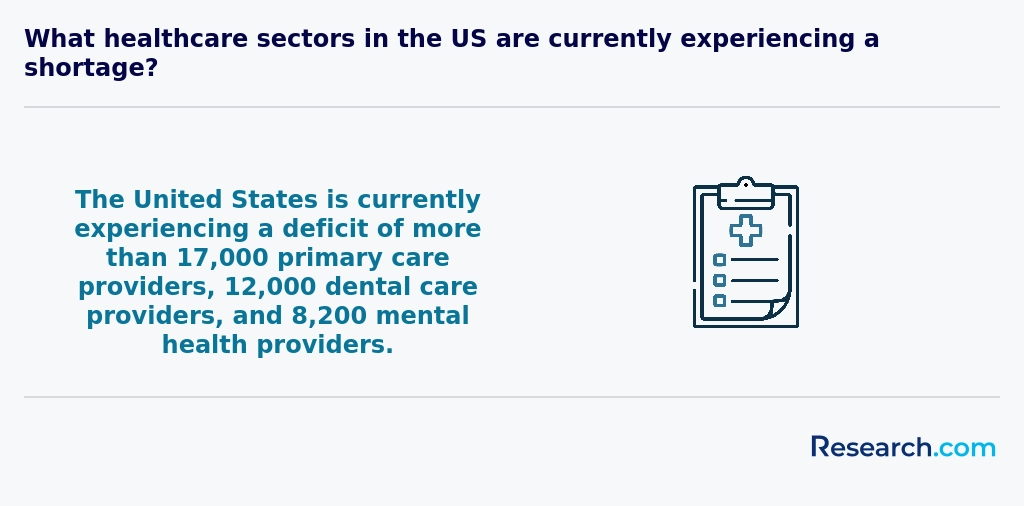
One of the most critical indicators of program quality is how graduates fare after earning their healthcare degree in Louisville, KY. Recent data show that the average graduation rate across top institutions in the city hovers around 86%, with CCNE- and ACEN-accredited nursing programs often exceeding 90% on first-time NCLEX pass rates. For health information management graduates, certification exam pass rates average 78%, reflecting strong preparation in data governance and informatics. Within six months of graduation, 92% of alumni report full-time employment in roles ranging from patient care coordination to healthcare administration, underscoring the city’s robust demand for skilled professionals. Median starting salaries for Louisville graduates further validate the return on investment. Entry-level registered nurses earn a median of $59,200 annually, while healthcare administrators begin at $52,500. Health informatics specialists command starting salaries around $50,100, driven by partnerships between local hospitals and universities that facilitate direct recruitment pipelines. Employers consistently praise the practical training Louisville students receive through clinical rotations and capstone projects, which enhance job readiness and foster networking opportunities. For those considering advanced studies or seeking more cost-effective pathways, our data scientists also highlight regional alternatives. Prospective students interested in pursuing a master’s degree with minimal debt can explore the Low Cost Online Master's in Healthcare Degree Programs Ranking in Orlando, FL, which showcases programs designed to deliver high ROI and flexible learning formats. This comparative insight empowers students to weigh both local outcomes and national affordability when charting their career trajectories.
What financial aid is available to healthcare degree students in Louisville?
Healthcare students in Louisville often rely on diverse financial aid options that make education more affordable and less stressful. Graduates from the University of Louisville recall how Pell Grants, providing up to $7,395 per year, lifted significant financial burdens without repayment worries. Many have also benefited from Direct Subsidized and Unsubsidized Loans, which offer flexible repayment plans tailored to healthcare careers.
State and local grants, like those from the Kentucky Higher Education Assistance Authority (KHEAA), frequently supplement federal aid, encouraging students to enter high-demand healthcare fields. Students sharing their experiences talk about institutional scholarships awarded based on academic merit or specific healthcare disciplines, which helped them focus more on studies than financial strain.
Work-study opportunities allow hands-on healthcare experience while earning income, creating practical advantages alongside financial ones. Veterans in Louisville also access the GI Bill, substantially easing tuition and living costs for healthcare degrees. Prospective learners envision an evolving support system where increasing loan forgiveness and community-focused scholarships could further empower their career ambitions.
Campus Life and Student Experience
Living and learning in Louisville goes beyond academic rigor-it's about embracing a vibrant community that fosters growth, support, and lifelong connections. Students often highlight that the campus experience enriches their educational journey through a mix of organized extracurricular activities, state-of-the-art facilities, and strong peer networks. In addition to classroom learning, many institutions in the area offer mentorship programs, career fairs, and student-led organizations that create a supportive atmosphere for personal and professional development. For example, several students have praised their experience at a valuable healthcare school in kentucky for not only its outstanding academic curriculum but also for its commitment to cultivating a welcoming campus culture that prepares them for future challenges. This integrated approach helps students manage the demands of rigorous coursework while enjoying a balanced social life, ensuring they graduate with both the expertise and resilience required for success in the competitive healthcare environment.
What are the prerequisites for enrolling in healthcare degree program in Louisville?
To enroll in a healthcare degree program in Louisville, students generally need a high school diploma or GED, along with recommended coursework in biology, chemistry, math, and English. Graduates from well-known Louisville institutions often recall how these foundational classes helped them feel prepared for challenging subjects like anatomy and physiology.
Standardized tests such as the SAT or ACT may still play a role, though some programs are moving toward test-optional policies, recognizing varied student strengths. Many healthcare students describe submitting strong personal statements and letters of recommendation that highlight their passion and hands-on volunteer experience in local healthcare settings, which admissions committees highly value.
For programs like nursing or allied health degrees, applicants might need to complete specific college-level prerequisites with at least a "C" grade. These requirements help ensure students are confident and capable when advancing into demanding clinical courses.
- High school diploma or GED
- Recommended coursework in science and math
- Standardized test scores (SAT or ACT), depending on institution
- Letters of recommendation and personal statement
- Relevant volunteer or work experience
- Prerequisite college-level courses with minimum grades for advanced programs
Return on Investment and Graduate Success
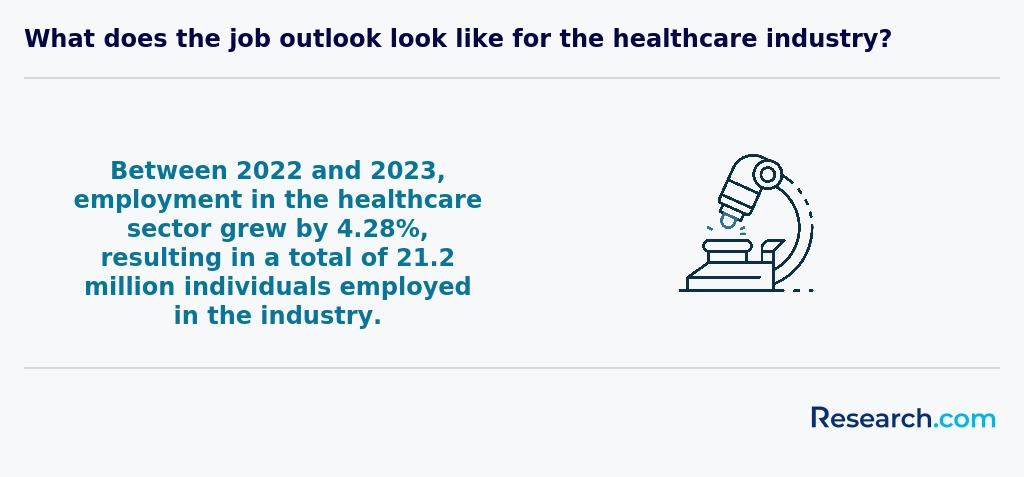
Pursuing a healthcare degree in Louisville, KY isn’t just an academic decision-it’s a long-term financial investment that can shape your career trajectory and quality of life. Graduates often evaluate their return on investment (ROI) by comparing the upfront educational costs with future earning potential, job security, and career growth. With tuition, fees, and living expenses detailed in our cost analysis, many prospective students find that strategic planning-including the pursuit of scholarships, work-study opportunities, and financial aid-can significantly enhance the financial benefits over time. Successful alumni frequently share how their program choice led to rapid career advancement and higher salaries, underscoring the value of not only a solid education but also a supportive network and real-world experiences. With competitive wages for roles-such as Patient Care Technicians and Health Information Technicians-along with the projected job market growth in healthcare, many graduates see a positive balance between their initial investment and long-term benefits. For example, prospective students should consider reviewing the ranking provided by Research.com to identify a valuable healthcare school in kentucky known for strong ROI and comprehensive career support. By comparing overall program costs with documented career outcomes, students can make informed decisions that align with both their educational goals and financial aspirations, ensuring that their healthcare degree serves as a catalyst for enduring success.
What courses are typically in healthcare degree programs in Louisville?
Healthcare degree programs in Louisville commonly include courses such as anatomy and physiology, which students at popular institutions here find foundational for understanding the human body. Graduates often recall how these classes provided them with confidence during clinical rotations at local hospitals. Medical terminology and microbiology are core courses that help students communicate effectively and grasp infection control-skills essential in Louisville's healthcare settings where community health is a priority.
Pharmacology and healthcare ethics are also emphasized, preparing students to navigate medication management and legal responsibilities. Many students appreciate how these topics resonate with real-world challenges they witness during internships in Louisville's clinics.
Innovative programs in Louisville increasingly focus on healthcare informatics and patient care, blending technology with hands-on training. Graduates often speak of how exposure to public health courses helped them address local issues like chronic disease management, enriching their overall educational experience and enthusiasm for improving care in the Louisville community.
What types of specializations are available in healthcare degree programs in Louisville?
Healthcare degree specializations in Louisville commonly include Nursing, Health Information Management, Public Health, Healthcare Administration, Physical Therapy, and Medical Laboratory Science. Graduates from local universities like the University of Louisville often describe nursing tracks-from RN to advanced roles such as Nurse Practitioner-as highly rewarding, with hands-on clinical experiences molding confident professionals ready for fast-paced healthcare settings.
In Louisville healthcare programs and specializations, emerging fields like informatics and telehealth are gaining momentum. Students envision careers where technology seamlessly integrates with patient care, fostering innovative healthcare delivery models. For instance, those focusing on Health Information Management find excitement in mastering data analytics that directly improve hospital outcomes, reflecting Louisville's evolving health landscape.
Many healthcare students appreciate how Bellarmine University's blend of theory and practical management prepares them for leadership roles. Those interested in community impact pursue Public Health specializations geared toward policy and epidemiology, often sparked by local health challenges. For more tech-forward interests, some opt to explore mph online programs that align with Louisville's shift toward accessible healthcare education.
How do you choose the best healthcare degree in Louisville?
Choosing the best healthcare degree in Louisville means thinking beyond just immediate outcomes and imagining where your education can take you. Graduates from the University of Louisville often share how their accredited programs not only prepared them scientifically but also connected them deeply with local health systems like Norton Healthcare. These connections offer real-world training that sparks confidence and readiness for future innovation in healthcare practices.
Many students find that focusing on affordable healthcare degrees in Louisville makes investing in their future less stressful. Financial aid options and scholarships tailored to healthcare fields have allowed them to balance cost with quality education. Considering programs with flexible schedules, including online or evening classes, helps those balancing work or family commitments stay on track without sacrificing opportunities.
Emerging trends show accelerated paths gaining popularity. Exploring 3 year pharmd programs could offer a faster gateway into specialized roles, appealing to students keen on entering the workforce swiftly while keeping academic rigor intact.
What career paths are available for healthcare degree students in Louisville?
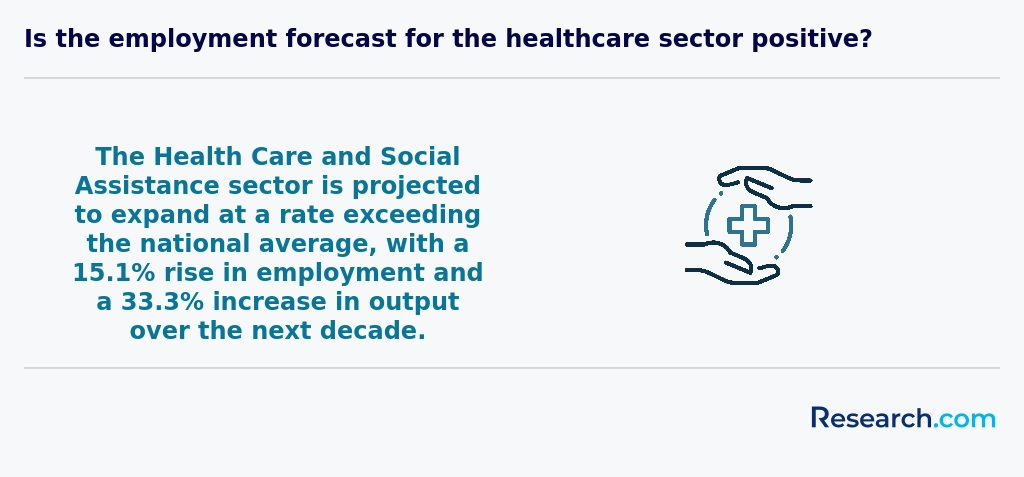
Graduates with a healthcare degree in Louisville find a wealth of diverse career paths reflecting the city's expanding healthcare sector. Many step into roles such as registered nursing, where demand continues to surge due to regional healthcare growth. Students from the University of Louisville Health Science Center often share how their hands-on training prepared them for nursing opportunities that pay competitive salaries while making a real community impact. Others pursue healthcare administration, inspired by the dynamic leadership needed in Louisville's top hospitals and clinics.
Emerging trends point to growth in specialized fields like medical laboratory technology and physical therapy, driven by advances in diagnostics and an aging population. Healthcare degree job prospects expand further with careers in pharmacy and public health, tapping into Louisville's vibrant efforts in disease prevention and education. Prospective students curious about affordable pathways can explore options like the Low Cost Online Master's in Healthcare Degree Programs Ranking in Orlando, FL, linking local training with broader opportunities in healthcare career opportunities in Louisville.
What is the job market for healthcare degree in Louisville?
Healthcare graduates in Louisville often find themselves entering a bustling job market shaped by steady growth and diverse opportunities. With major employers like Norton Healthcare and Baptist Health actively recruiting, graduates report positive transitions into roles ranging from clinical practice to administrative leadership. Those who completed their education at institutions such as the University of Louisville appreciate how their specialized training in nursing or respiratory therapy aligns with local demand, particularly given the region's higher than average elderly population. This demographic trend fuels ongoing need for qualified professionals, boosting healthcare job opportunities in Louisville.
Many graduates express optimism about their earning potential, noting Kansas City-wide comparisons put Louisville's average annual wages around $65,000 for registered nurses, confirming a competitive edge. Emerging trends in healthcare technology and outpatient services create new career pathways, encouraging students to consider flexible options. Louisville students often explore the fastest online undergraduate degrees for working adults to balance study and career growth while staying rooted in local opportunities.
Healthcare degrees in Louisville continue to hold promise as institutions invest in innovative curricula and partnerships, helping graduates thrive amid the city's expanding healthcare landscape and ensuring Louisville healthcare degree employment outlook remains robust.
Frequently Asked Questions About healthcare
Healthcare degree students in Louisville can maximize their learning experience by engaging in hands-on clinical practice, which is a key component of most accredited programs. Louisville's healthcare facilities, including Norton Healthcare and University of Louisville Hospital, offer diverse internship and residency opportunities essential for practical skill development.
Networking with local healthcare professionals also enhances understanding of current industry demands. According to the Kentucky Cabinet for Health and Family Services, Louisville's healthcare sector is growing at over 2% annually, increasing job opportunities for skilled graduates.
Students should also take advantage of Louisville's academic resources, such as simulation labs and health science libraries, to strengthen both theoretical and practical knowledge.
The healthcare field in Louisville is evolving rapidly, creating new opportunities for professionals with specialized skills. Emerging niches include telehealth, which grew significantly during the COVID-19 pandemic and continues to expand. According to the Kentucky Hospital Association, telemedicine visits in Louisville increased by over 150% from 2020 to 2023. This trend opens career paths in remote patient monitoring and digital health technology.
Another growing area is healthcare data analytics. Louisville hospitals are investing in data science to improve patient outcomes and streamline operations. The University of Louisville offers programs integrating healthcare and informatics to meet this demand.
Additionally, gerontology is becoming more important due to Louisville's aging population. The city's healthcare systems are increasingly seeking specialists in elderly care and chronic disease management.
After earning a healthcare degree in Louisville, preparing for the job market requires strategic steps. First, gaining hands-on experience through internships or clinical rotations is crucial. Employers in Louisville's healthcare sector value practical skills alongside academic knowledge.
Networking is also essential. Louisville hosts job fairs and professional events like those organized by the Kentucky Hospital Association, which connect graduates with local healthcare employers.
Additionally, licensure and certification matter. Depending on your field-nursing, radiology, or health administration-state requirements differ, so ensure timely completion of exams.
According to the U.S. Bureau of Labor Statistics, Louisville's healthcare employment is projected to grow by over 15% through 2028, especially in nursing and therapy roles, indicating strong job prospects.
Employers in Louisville seek healthcare degree graduates with a blend of technical knowledge and interpersonal skills. Critical skills include clinical competence, effective communication, and teamwork. According to the Kentucky Health Workforce Advisory Committee, hands-on experience in patient care is highly valued, reflecting Louisville's focus on practical training.
Additionally, proficiency in healthcare technology and electronic health records (EHR) is essential as Louisville healthcare facilities increasingly adopt digital systems. Employers also emphasize cultural competence due to Louisville's diverse population, which enhances patient interaction and care quality.
Problem-solving abilities and adaptability are critical in fast-paced healthcare settings. A 2023 report from the Louisville Metro Department of Public Health & Wellness notes that graduates who can manage stress and exhibit empathy tend to perform better on the job.
Finding internships in Louisville related to healthcare degrees involves several key strategies. Start by exploring partnerships between local educational institutions and healthcare providers such as Norton Healthcare and Baptist Health Louisville, which frequently offer internship programs for students. According to the Louisville Metro Government, the healthcare sector employs over 60,000 residents, indicating ample opportunities for practical experience.
It's beneficial to visit your university's career services or internship office, as they often maintain updated listings of local internships. Additionally, professional organizations like the Kentucky Hospital Association provide resources and networking events that can connect students with internships.
Online platforms specializing in healthcare jobs and internships, such as Handshake and Indeed, also list Louisville-specific opportunities. Applying early and tailoring your application to emphasize relevant healthcare skills increases your chances of securing an internship.
In Louisville, holding a healthcare degree significantly enhances career mobility and advancement opportunities. The city's healthcare sector, including prominent employers like Norton Healthcare and Baptist Health, often requires specialized credentials for higher-level roles, which means degree holders have competitive advantages.
According to the Kentucky Cabinet for Health and Family Services, healthcare jobs in Louisville are projected to grow by 13% over the next decade, outpacing many other industries. This growth increases demand for qualified professionals with degrees in nursing, health administration, and allied health fields.
Graduates with healthcare degrees typically see faster promotions and higher salaries compared to those without formal education. In addition, Louisville's concentration of healthcare providers offers diverse pathways for lateral moves into emerging specialties, supporting long-term career development.
Studying for a healthcare degree in Louisville offers unique preparation for interdisciplinary roles due to the city's diverse healthcare ecosystem. Louisville is home to major medical centers such as the University of Louisville Hospital and Norton Healthcare, which emphasize collaborative patient care involving varied healthcare professionals. Programs in the area often integrate cross-disciplinary coursework and clinical experiences, promoting teamwork skills essential for modern healthcare environments.
According to the Kentucky Cabinet for Health and Family Services, interdisciplinary collaboration in Louisville's healthcare systems improves patient outcomes by 20% compared to siloed approaches. Local universities also partner with hospitals to provide practical training environments where students learn to communicate effectively with nurses, physicians, therapists, and social workers. This experiential learning fosters adaptability and prepares graduates for the complexities of integrated healthcare delivery models commonly found in the US.
When choosing between a thesis and a non-thesis healthcare degree program in Louisville, consider your career goals and learning preferences. Thesis programs focus on research, requiring students to complete an original study, which benefits those interested in academic, clinical research, or doctoral pathways.
Non-thesis programs often emphasize practical skills and coursework, appealing to students aiming for direct healthcare practice or administrative roles. In Louisville, a city with a growing healthcare sector-including employers like Norton Healthcare and KentuckyOne Health-practical experience can be highly valuable.
Data from the Louisville Metro Government reports healthcare as one of the fastest-growing industries, underscoring demand for both research and applied professionals.
Before deciding, review program curricula and faculty expertise at local institutions, and consider your long-term professional objectives.
Students in Louisville seeking healthcare degrees with an international perspective have several strategies to study abroad. While Louisville's universities, like the University of Louisville, primarily focus on on-campus programs, many partner with global institutions for exchange opportunities and internships abroad.
Programs such as nursing and public health often include clinical rotations or research projects overseas. According to the Institute of International Education, nearly 10% of U.S. healthcare students participate in some form of study abroad, frequently in Europe and Asia.
Additionally, virtual global healthcare courses have gained popularity, allowing Louisville students to engage with international peers without leaving home.
In Louisville, part-time job opportunities that complement healthcare degree education are abundant, reflecting the city's growing healthcare sector. Students often pursue roles as medical assistants, pharmacy technicians, or Certified Nursing Assistants (CNAs), which provide practical experience alongside their studies. According to the Kentucky Cabinet for Health and Family Services, Louisville hosts more than 20 major healthcare facilities, supporting diverse employment options.
Positions in hospitals like Norton Healthcare or UofL Health allow students to engage directly with patients, enhancing clinical skills. Additionally, opportunities in outpatient clinics and long-term care centers offer flexible hours suitable for academic commitments. These experiences not only reinforce theoretical knowledge but also improve future employability in the healthcare field.
Healthcare students in Louisville have access to numerous networking opportunities through local universities and professional organizations. Institutions like the University of Louisville offer student chapters of national groups such as the American Medical Association and the National Student Nurses' Association, providing connections with peers and industry professionals.
Louisville's healthcare sector is robust, with over 35,000 jobs as reported by the Bureau of Labor Statistics in 2023. This creates a strong network of local hospitals, clinics, and research centers where students can engage through internships and job fairs.
Additionally, events hosted by the Louisville Healthcare CEO Council and Jefferson County Medical Society support professional growth by connecting students directly with healthcare leaders in the city.
Alumni networks play a crucial role in supporting healthcare degree students in Louisville by offering valuable connections within the local medical community. These networks often provide mentorship opportunities, internships, and job leads, which can be vital for career entry and advancement. According to the Louisville Healthcare Workforce Report 2023, over 65% of recent graduates found employment through alumni referrals.
Additionally, alumni events and online platforms facilitate knowledge sharing about the evolving healthcare sector, helping students stay informed and competitive. Engagement with alumni also enhances students' professional skills and access to resources unique to Louisville's healthcare landscape.
Customizing a healthcare degree program in Louisville allows students to align their education with specific career goals. Many local institutions offer flexible curricula where students can select elective courses targeting specialties such as nursing, health administration, or public health. For example, Bellarmine University and Spalding University provide options to focus on community health or healthcare management.
Additionally, internships and clinical rotations within Louisville's robust healthcare system, including renowned centers like Norton Healthcare, offer practical experience tailored to students' interests. Engaging with local healthcare providers can help build valuable connections and real-world skills.
Students can also pursue certifications alongside their degrees to enhance employability in niche areas.
Healthcare students in Louisville face several common challenges during their education. One major hurdle is the demanding clinical hours required by programs, which can be difficult to balance with part-time jobs or family responsibilities. According to the Kentucky Board of Nursing, students often report stress linked to managing coursework alongside clinical rotations.
Another challenge is access to quality internships. Louisville has many healthcare facilities, but competition for placements remains high, impacting hands-on experience opportunities. Additionally, the cost of tuition and related expenses is a concern; data from the National Center for Education Statistics shows that healthcare program fees in Kentucky average 15% above the national average.
Finally, students must stay updated with evolving healthcare regulations and technology, which adds complexity to their programs and ongoing education.
With a healthcare degree in Louisville, graduates can pursue various professional certifications to enhance their career prospects. Common certifications include Certified Nursing Assistant (CNA), Registered Nurse (RN), and Licensed Practical Nurse (LPN). These certifications require passing state-approved exams and meeting clinical experience requirements.
Other options include certifications in medical coding, phlebotomy, and health information management. Louisville's healthcare sector, supported by institutions like Norton Healthcare and Baptist Health, often values certifications such as Certified Medical Assistant (CMA) and Emergency Medical Technician (EMT).
According to the Kentucky Board of Nursing, the demand for certified professionals in Louisville has steadily increased by about 5% annually, reflecting growth in healthcare services locally.
Writing a winning application for a healthcare program in Louisville begins with thorough research on program requirements. Many local institutions, such as the University of Louisville, emphasize strong academic records, relevant volunteer experience, and a clear career focus.
Applicants should highlight practical experience in healthcare settings, as Louisville's robust medical community-home to the Norton Healthcare system-values hands-on skills. Including letters of recommendation from healthcare professionals can strengthen the application.
Additionally, a well-crafted personal statement that explains your motivation and commitment to serving Louisville's diverse population is crucial. The Kentucky Center for Statistics reports growth in healthcare jobs locally, reflecting demand for dedicated professionals.
The global perspective on healthcare careers emphasizes the growing demand for skilled professionals worldwide, highlighting diverse opportunities beyond local markets. In the United States, healthcare occupations are projected to grow 13% from 2021 to 2031, adding nearly 2 million jobs, according to the U.S. Bureau of Labor Statistics. Louisville reflects this trend with a strong healthcare sector, supported by major employers like Norton Healthcare and KentuckyOne Health.
Internationally, healthcare workers face challenges such as varying regulatory environments and cross-cultural competency requirements. For Louisville students, understanding these dynamics can enhance career flexibility.
Healthcare degrees from Louisville institutions provide training aligned with U.S. accreditation standards, ensuring graduates are prepared for a globalized workforce.
Gaining practical experience while studying for a healthcare degree in Louisville is essential for career preparation. Many local colleges and universities have partnerships with nearby hospitals, clinics, and community health centers to offer clinical rotations and internships. For example, institutions like the University of Louisville provide students with hands-on training opportunities in prominent medical facilities such as Norton Healthcare and the KentuckyOne Health system.
Additionally, students can engage in volunteer work or part-time jobs in healthcare settings to build skills. Louisville's strong healthcare sector employs over 90,000 workers, presenting numerous practical learning opportunities.
State regulations also require supervised clinical hours for many healthcare programs, ensuring students gain real-world experience before graduation.
Choosing the right concentration within a healthcare degree program in Louisville involves several important considerations. Begin by researching local healthcare needs and job prospects. For example, Louisville's strong presence in hospitals like Norton Healthcare and Baptist Health creates demand for nursing, physical therapy, and healthcare administration professionals, according to the Kentucky Cabinet for Health and Family Services.
Consider your personal interests and strengths, whether in clinical care, health technology, or management. Explore concentrations offered by Louisville colleges and universities, ensuring they align with accreditation standards set by bodies such as the Commission on Accreditation of Allied Health Education Programs (CAAHEP).
Job placement rates and internship opportunities in Louisville's healthcare sector should guide your choice, as hands-on experience improves employability. Finally, consult local labor market data from the Bureau of Labor Statistics for insights on salary ranges and growth areas.
Related Healthcare Rankings for Nearby Cities
- 2027 Most Valuable Healthcare Degree Programs Ranking in Indianapolis
- 2027 Most Valuable Healthcare Degree Programs Ranking in Saint Louis
- 2027 Most Valuable Healthcare Degree Programs Ranking in Peoria
- 2027 Most Valuable Healthcare Degree Programs Ranking in Chicago
- 2027 Most Valuable Healthcare Degree Programs Ranking in Detroit
- 2027 Most Valuable Healthcare Degree Programs Ranking in Atlanta
- 2027 Most Valuable Healthcare Degree Programs Ranking in Grand Rapids
- 2027 Most Valuable Healthcare Degree Programs Ranking in Birmingham
- 2027 Most Valuable Healthcare Degree Programs Ranking in Columbia
- 2027 Most Valuable Healthcare Degree Programs Ranking in Montgomery
Top Trending Healthcare Rankings
See What Experts Have To Say About Studying Healthcare
Read our interview with Healthcare experts

References
- Trends and opportunities in healthcare across emerging markets - Inizio https://inizio.com/insights/trends-and-opportunities-in-healthcare-across-emerging-markets/
- Niche Markets in Healthcare https://ultrariskadvisors.com/niche-markets-in-healthcare/
- Networking and Mentorship During Clinical Rotations https://rotatingroom.com/blog/medical-students-the-importance-of-networking-mentorship-during-your-clinical-rotations
- How to Create a Healthcare Career Roadmap https://www.ihire.com/resourcecenter/jobseeker/pages/how-to-create-a-healthcare-career-roadmap
- How to Succeed in a Difficult Job Market After Graduation https://www.hospitalrecruiting.com/blog/6542/how-to-succeed-in-a-difficult-job-market-after-graduation/
- Medical Assistant Training Program https://nortonhealthcare.com/careers/career-areas/allied-health-professionals/medical-assistant-training/
- From Simulation to Reality: How Design Impacts Nursing Education and Practice | BHDP https://www.bhdp.com/insights/simulation-reality-how-design-impacts-nursing-education-and-practice
- Healthcare Careers | Louisville KY Jobs | UofL Health https://uoflhealth.org/healthcare-careers/
- Niche Market Opportunities Research Among Healthcare Professionals (A Decision Analyst Case History https://www.decisionanalyst.com/casestudies/nichemarketopportunities/
- 6 Tips On Networking For Medical Professionals https://aaams.net/blog/how-to-network-in-the-medical-field-nurses/


