
2027 Most Valuable Online Healthcare Degree Programs Ranking in Baltimore, MD

Co-Founder and Chief Data Scientist
Choosing the right healthcare degree program can feel overwhelming, especially with so many options available. This article presents the 2027 Most Valuable Online Healthcare Degree Programs Ranking in Baltimore, MD, created by the Research.com team of data scientists to guide you through this decision.
By exploring this ranking, you'll discover which programs offer the best value, helping you invest your time and resources wisely.
Whether you're starting fresh or advancing your career, earning a healthcare degree can open doors to rewarding and impactful opportunities.
Key benefits of getting online healthcare degree in Baltimore
- Healthcare degree graduates in Baltimore can expect competitive salaries, such as Medical Assistants earning around $43,350 annually and Quality Improvement Coordinators making up to $103,150.
- Career paths range widely, including roles like Patient Care Technicians and Health Information Technicians, offering diverse opportunities after graduation from popular local universities.
- Obtaining a healthcare degree online provides flexibility and accessibility, enabling students to balance work and study effectively while earning recognized credentials from well-known Baltimore institutions.
- Key benefits of getting online healthcare degree in Baltimore
- What can I expect from online healthcare degree in Baltimore?
- Where can I work with online healthcare degree in Baltimore?
- How much can I make with online healthcare degree in Baltimore?
- 2027 Most Valuable Online Healthcare Degree Programs Ranking in Baltimore, MD
- Key Findings
- How long does it take to complete online healthcare degree in Baltimore?
- What's the difference between online and on-campus healthcare degree?
- What is the average cost of online healthcare degree in Baltimore?
- What financial aid is available to online healthcare degree students in Baltimore?
- What are the prerequisites for enrolling in online healthcare degree program in Baltimore?
- What courses are typically in online healthcare degree programs in Baltimore?
- What types of specializations are available in online healthcare degree programs in Baltimore?
- How do you choose the best online healthcare degree in Baltimore?
- What career paths are available for online healthcare degree students in Baltimore?
- What is the job market for online healthcare degree in Baltimore?
- Top Trending Healthcare Rankings
- See What Experts Have To Say About Studying Healthcare
What can I expect from online healthcare degree in Baltimore?
Online healthcare degree costs in Baltimore vary but tend to be more affordable compared to traditional on-campus programs. Graduates from institutions like the University of Maryland Global Campus often report tuition savings due to in-state rates and reduced expenses such as commuting and housing. Typical tuition ranges between $10,000 and $25,000 for full degree programs, depending on the level of study and specific school.
For many students balancing work and family, the financial accessibility of these programs adds positive value to their educational experience. Graduates describe appreciating how affordable tuition combined with flexible scheduling allows them to focus on mastering healthcare skills without overwhelming debt. Programs at Johns Hopkins University, for example, may be pricier but offer extensive support services and clinical placement opportunities that justify the investment.
Additionally, financial aid and scholarship options tailored to Maryland residents are commonly available, making it feasible to pursue degrees like a BSN or MHA online. This combination of affordability and quality encourages many Baltimore-area learners to confidently advance their healthcare careers through local online programs.
Where can I work with online healthcare degree in Baltimore?
Graduates with an online healthcare degree in Baltimore frequently secure employment at top institutions like Johns Hopkins University and the University of Maryland Medical Center. Many alumni successfully transition into roles as registered nurses, medical administrators, or allied health professionals within these renowned facilities. These positions offer rewarding experiences, such as delivering direct patient care or managing crucial hospital operations, which graduates often describe as both fulfilling and impactful.
Others find opportunities in public health organizations like the Baltimore City Health Department, where they participate in community health initiatives, epidemiology, and policy development. Graduates from programs at local colleges appreciate the flexibility of clinical training incorporated into their online courses, which prepares them for licensure and certification in fields such as physical therapy assistance or health informatics.
The positive outcomes and steady demand for healthcare workers in Baltimore create tangible career pathways, enabling graduates to contribute meaningfully to a vibrant medical sector while enjoying job stability and professional growth.
How much can I make with online healthcare degree in Baltimore?
Graduates with online healthcare degrees in Baltimore can anticipate competitive salaries reflecting the city's robust medical industry. For instance, those entering roles such as Medical Assistant typically earn around $43,350 annually, a figure supported by data from the U.S. Bureau of Labor Statistics. Patient Care Technicians in Baltimore report higher earnings, averaging $60,790 per year, which aligns well with local industry demand and cost of living.
Health Information Technicians, a common career path for graduates of informatics programs at institutions like University of Maryland Global Campus, see mean annual wages near $43,380. Meanwhile, positions such as Clinical Research Coordinator also offer salaries around $43,350, reflecting growing research activity linked to Baltimore's medical institutions.
More experienced professionals, including Quality Improvement Coordinators employed in large hospital systems such as Johns Hopkins, benefit from significantly higher salaries averaging $103,150. Many graduates express satisfaction with their financial prospects, finding their online degrees flexible yet valuable for entering Baltimore's dynamic healthcare workforce.
2027 Most Valuable Online Healthcare Degree Programs Ranking in Baltimore, MD
How do we rank schools?
Investing in your education is a significant decision that can shape your future, and the Research.com team understands the importance of making informed choices. To assist prospective students in Baltimore, MD, we have meticulously crafted the "2027 Most Valuable Online Healthcare Degree Programs Ranking in Baltimore, MD." Our commitment to quality, credibility, and accuracy is reflected in the extensive research and analysis conducted to compile this ranking.
We utilized the following reputable data sources to ensure a comprehensive evaluation of healthcare degree programs:
By exploring this ranking, readers will gain valuable insights into the most valuable online healthcare degree programs available in Baltimore, MD, empowering them to make well-informed educational decisions. For more details on our methodology, please visit our Research.com methodology page.
# 1 position
University of Maryland, Baltimore
Registered Nurse to Master of Science in Nursing


Key Findings
- Online healthcare degrees in Baltimore typically cost between $15,000 and $40,000 for a bachelor's or master's program.
- Entry-level salaries for healthcare graduates usually start around $50,000 annually, depending on the field and certification.
- Median salaries for registered nurses can reach $75,000, while healthcare administrators may earn around $90,000 after gaining experience.
- The healthcare job market in Baltimore is expected to grow over 15% in the next decade, outpacing the national average.
- Many programs in Baltimore are accredited and include clinical placements to help students prepare for licensure exams and gain practical experience.
How long does it take to complete online healthcare degree in Baltimore?
The time required to complete an online healthcare degree in Baltimore depends largely on the level of study and the student's pace. For instance, graduates from programs at institutions such as the University of Maryland Global Campus often complete associate degrees in fields like medical assisting within about two years when studying full time. These programs also offer part-time options, allowing students to balance work and family, potentially extending completion to three years or more.
Bachelor's degree students, particularly those enrolled in nursing or healthcare administration at schools like Johns Hopkins University's online offerings, typically report a four-year timeline for full-time study. However, many have expressed satisfaction with accelerated formats and credit transfers, trimming their program length to as little as 18 months.
Master's and doctoral degree candidates often benefit from flexible scheduling designed for working professionals. Online MSN or DNP students can expect to spend between 1.5 and 5 years, adapting their course load to maintain career responsibilities while progressing steadily toward graduation.
What's the difference between online and on-campus healthcare degree?
Online healthcare degree programs in Baltimore offer unmatched flexibility, allowing students to balance coursework with work or family commitments. Graduates from these programs often share how virtual simulations and digital discussions helped them grasp complex clinical scenarios at their own pace, fitting studies around busy schedules. However, essential hands-on training still takes place locally, with clinical rotations coordinated at Baltimore hospitals, ensuring practical experience meets licensure requirements.
Conversely, on-campus programs at institutions like the University of Maryland and Johns Hopkins provide immersive, face-to-face interactions with faculty and peers. Graduates frequently highlight the value of immediate access to campus labs and networking events, fostering a strong sense of community and professional discipline. The structured environment encourages consistent study habits and deeper engagement in healthcare topics.
Cost considerations also play a role. Public universities in Baltimore offer lower tuition rates, though online programs often align closely in price with their on-campus counterparts. Many students appreciate saving on housing and transportation costs through online study while remaining confident in their degree's regional accreditation and clinical preparation.
What is the average cost of online healthcare degree in Baltimore?
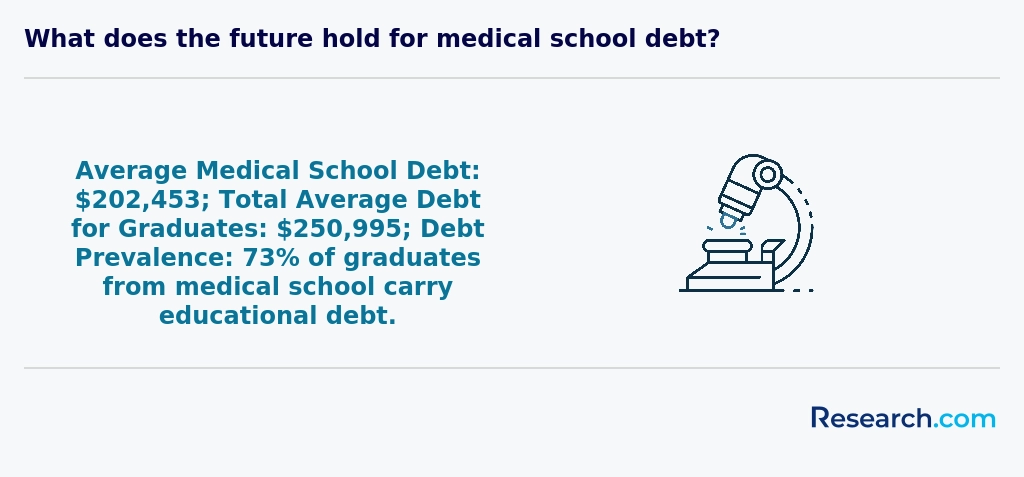
The average cost of an online healthcare degree in Baltimore varies notably depending on the type of institution and residency status. Recent data shows the median total cost for completing an online healthcare degree locally is around $63,190 for in-state students. Graduates from popular institutions such as the Community College of Baltimore County and public universities often report satisfaction with the value of their investment, balancing tuition expenses with scholarships and flexible online learning formats. This affordability allows students to pursue quality healthcare education without excessive financial burden.
Baltimore online healthcare degree tuition fees at community colleges offer some of the most accessible options, with many students appreciating the lower price point that supports entry into foundational healthcare roles. By contrast, private colleges in the region may have higher tuition but often provide enhanced resources and specialized programs that appeal to students aiming for advanced credentials and leadership positions in health administration.
Many prospective students find that understanding all associated costs, including technology and clinical placement fees, is crucial to financial planning. In addition, students often explore different options, including online certification that pay well, to complement their degree and maximize career opportunities. Baltimore-based learners typically value the flexibility and cost-saving benefits of online programs, which help minimize expenses related to commuting or relocating.
What financial aid is available to online healthcare degree students in Baltimore?
Students pursuing online healthcare degrees in Baltimore often access federal aid such as Pell Grants, which provide need-based funding up to $7,395 for the 2023-2024 academic year without requiring repayment. Graduates from institutions like Johns Hopkins University and University of Maryland have expressed relief in managing tuition costs through these grants combined with federal Direct Loans that offer fixed interest rates and adaptable repayment options.
The Maryland Higher Education Commission supports Baltimore residents with scholarships like the Educational Assistance and Maryland Part-Time Grant programs, benefiting part-time healthcare students. These state awards, while varying annually, help significantly reduce financial burdens.
Institutional aid also plays a pivotal role. Several Baltimore-area universities provide merit-based scholarships that recognize academic excellence or professional experience, helping students feel valued and motivated throughout their studies.
- Employer tuition assistance is frequently available, especially from major local healthcare employers such as Johns Hopkins and University of Maryland Medical Center, enabling working students to balance employment and education.
- Professional organizations like the American Association of Colleges of Nursing offer scholarships tailored to nursing students, easing their path to success.
- Work-study opportunities allow eligible students to gain hands-on experience while funding their education, further enriching their academic journey.
What are the prerequisites for enrolling in online healthcare degree program in Baltimore?
To enroll in an online healthcare degree program in Baltimore, students must meet specific academic and technical prerequisites tailored to ensure their success. Graduates from prominent Baltimore institutions often recall that holding a high school diploma or GED was essential, especially for entry into associate degree programs. Those pursuing bachelor's or graduate degrees typically submitted official transcripts demonstrating a minimum GPA around 2.5 to 3.0, with emphasis on strong science coursework in biology and chemistry.
For many bachelor's applicants, passing standardized tests like the SAT or ACT was required, while graduate candidates encountered exams such as the GRE, aligning with program rigor at universities known for healthcare education in Baltimore. Technical readiness is equally critical; reliable internet access and familiarity with digital platforms are indispensable for virtual learning success.
Graduates frequently highlight how prior healthcare certifications or clinical experiences positively influenced their admissions, particularly in competitive nursing tracks. This practical foundation, common among Baltimore students, cultivates confidence and readiness for the demanding healthcare environment.
What courses are typically in online healthcare degree programs in Baltimore?
Online healthcare degree programs in Baltimore typically include a comprehensive set of courses designed to prepare students for various healthcare careers. Graduates from leading institutions such as those affiliated with Johns Hopkins University often highlight foundational subjects like anatomy and physiology, which are essential for understanding the human body's structure and function in clinical settings.
Courses in medical terminology equip students with the precise language needed to communicate effectively within the healthcare environment. Additionally, healthcare ethics and law are crucial components, especially relevant in Baltimore's regulated medical community, helping students navigate complex patient rights and compliance issues confidently.
Health informatics courses develop skills in managing digital health records, a key area as the industry increasingly relies on technology. Public health principles are emphasized to address community health challenges specific to Baltimore, aligning with local public health initiatives.
Practical training in healthcare management, pharmacology, and patient care techniques also form an integral part of the curriculum, allowing students to gain hands-on experience in real-world healthcare administration and clinical scenarios, enhancing their readiness to contribute meaningfully in Baltimore's healthcare sector.
What types of specializations are available in online healthcare degree programs in Baltimore?
Students pursuing an online healthcare degree in Baltimore can select from numerous specializations that align with the city's dynamic healthcare landscape. Nursing remains a leading focus, with graduates from prominent Baltimore colleges expressing confidence in their preparation for roles ranging from bedside care to leadership within major health systems. These programs often include RN to BSN and MSN pathways, designed to meet the rising local demand for qualified nursing professionals.
Public health is another widely chosen specialization, emphasizing community health challenges unique to Baltimore, such as urban asthma rates and substance abuse. Graduates specializing in public health report a strong sense of purpose and engagement, especially when collaborating with Baltimore's health department initiatives. Healthcare administration also attracts students keen on mastering budget management and organizational leadership, skills highly valued in the growing metropolitan healthcare market.
Beyond these, online healthcare degree specializations Baltimore students consider include health informatics, nutrition and dietetics, and healthcare education. Many appreciate how these areas prepare them for practical, impactful careers. For those exploring diverse options, resources listing easy phd programs can guide further academic planning.
How do you choose the best online healthcare degree in Baltimore?
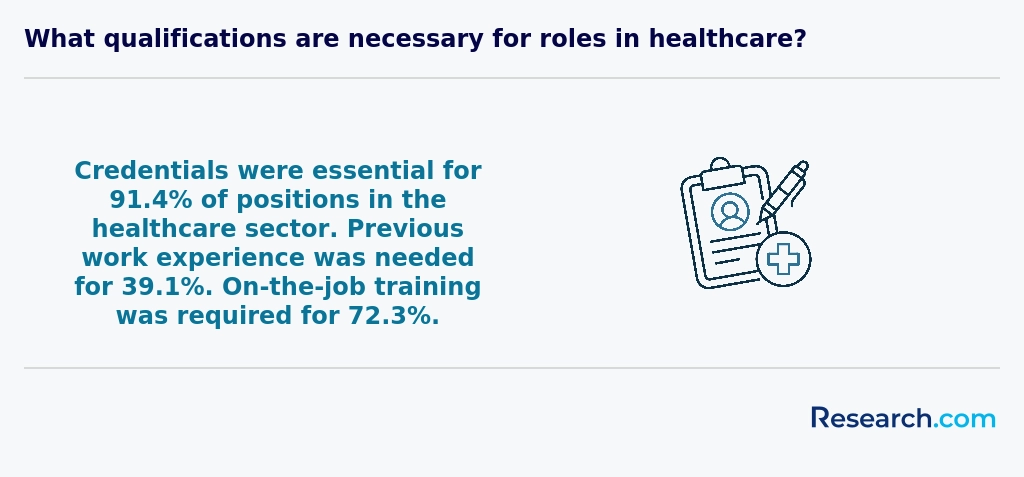
Choosing the best online healthcare degree in Baltimore requires careful evaluation of accreditation and program quality. Graduates from well-regarded institutions, such as the University of Maryland Global Campus, often emphasize how accreditation by agencies like CAAHEP or ACEN ensured their degree met industry standards and facilitated licensure. This credibility is vital when entering Baltimore's competitive healthcare job market.
Cost is also a key consideration. Baltimore offers affordable healthcare degree programs Baltimore MD, with public universities providing in-state residents lower tuition, helping students manage expenses without sacrificing quality. Graduates recall feeling relief at balancing tuition costs while accessing strong support services, including flexible asynchronous classes that accommodated their work and family life.
Aligning your specialization with career ambitions in Baltimore's growing healthcare sector is crucial. Many students appreciate programs that link directly to local healthcare networks, offering practical internships and job placement assistance, which enhance employment prospects. For those seeking advanced education options, exploring the quickest masters degree online can offer efficient pathways to higher credentials.
What career paths are available for online healthcare degree students in Baltimore?
Graduates holding an online healthcare degree in Baltimore find a variety of rewarding career paths reflecting the city's dynamic healthcare environment. Many alumni from institutions such as Johns Hopkins and the University of Maryland Medical Center pursue high-demand nursing roles, including Registered Nurses and Nurse Practitioners, meeting robust local employment needs. These positions offer both professional growth and emotional fulfillment through direct patient care.
Others with expertise in healthcare management and health information thrive in administrative capacities, overseeing operations in clinics and hospitals across Baltimore. Graduates often describe the satisfaction of contributing to efficient healthcare delivery while navigating the industry's technological advancements. This sector aligns well with students focusing on healthcare job opportunities Baltimore MD, as it offers stable, impactful work.
Clinical roles in physical therapy and radiologic technology also attract graduates seeking hands-on, patient-centered careers. Public health professionals trained online actively engage in community health and policy development, addressing urban challenges in Baltimore. Many students finance their education through low tuition online schools that accept fafsa, supporting their ambitions with manageable costs.
What is the job market for online healthcare degree in Baltimore?
The job market for graduates holding an online healthcare degree in Baltimore remains robust, supported by the city's renowned medical centers and expanding healthcare networks. Graduates from popular local institutions often find diverse opportunities in nursing, health administration, and emerging fields like telehealth. Many report a smooth transition into roles within Johns Hopkins Hospital or the University of Maryland Medical Center, where demand for skilled professionals is continually rising. This strong growth aligns with the Baltimore healthcare degree employment outlook, which projects significant additions in positions for registered nurses and allied health professionals through 2028.
Baltimore's healthcare ecosystem offers exciting career paths, particularly for those with flexible online credentials. Students frequently highlight the advantage of combining online learning with access to real-world Baltimore healthcare jobs in Baltimore, such as internships and networking within large hospital systems. In addition, competitive wages and specialized training prospects contribute to a positive student experience. For individuals weighing costs and benefits, exploring financial aid or seeking out high paying jobs with trade school options nearby can provide valuable financial support and career alternatives.
Frequently Asked Questions About healthcare
Online healthcare degree students in Baltimore can maximize their learning by actively engaging with their program's resources and local healthcare community. Participating in virtual labs, discussion forums, and simulation exercises helps deepen practical skills. Baltimore's medical hub, home to institutions like Johns Hopkins Hospital, offers networking opportunities through internships and partnerships, often arranged by schools. Using Baltimore's public health data, such as reports from the Maryland Department of Health, can enrich research projects and case studies.
Time management is crucial when balancing studies with work or family. Setting a regular study schedule improves retention. Additionally, seeking faculty mentorship and joining local professional organizations boosts career prospects and knowledge of regional healthcare challenges.
The healthcare field is rapidly evolving, creating new specialized areas for professionals. In Baltimore, emerging niches include telehealth, genetic counseling, and health informatics. Telehealth has expanded due to technology and regulatory changes, offering remote patient care-an essential growth area in Maryland's healthcare system. Genetic counseling is growing as personalized medicine advances, helping patients understand hereditary conditions. Health informatics blends healthcare and IT to improve data management and patient outcomes; Baltimore hosts several institutions focusing on this niche. According to the Maryland Department of Health, jobs in these specialties are expected to grow by over 20% in the next decade.
After completing an online healthcare degree in Baltimore, preparing for the job market involves several strategic steps. First, obtaining relevant certifications is crucial, as many healthcare roles require licensure or specialized credentials recognized in Maryland. For example, registered nurses must pass the NCLEX-RN exam to practice.
Networking plays a vital role; Baltimore hosts numerous healthcare institutions like Johns Hopkins Hospital and MedStar Health, offering internship and job opportunities. Connecting with local professional groups can increase chances of employment.
Additionally, Baltimore's healthcare job market is projected to grow by 12% from 2020 to 2030, according to the U.S. Bureau of Labor Statistics, emphasizing the importance of up-to-date skills and continuous education. Familiarity with electronic health records and telehealth platforms is increasingly valuable.
Employers in Baltimore highly value healthcare degree graduates with strong clinical skills and proficiency in patient care. According to the Maryland Department of Labor, essential skills include effective communication, critical thinking, and adaptability due to the fast-paced nature of healthcare settings.
Data from the Baltimore-Washington Medical Center highlights that graduates who demonstrate cultural competence and digital literacy, including familiarity with electronic health records, are in greater demand.
Additionally, teamwork and leadership skills rank among the top abilities sought by Baltimore healthcare employers, reflecting the collaborative environment of local hospitals and clinics.
Knowledge of healthcare regulations and ethical practices is also crucial for successful employment in this region.
Finding internships in Baltimore relevant to healthcare degrees involves leveraging local healthcare networks and educational resources. Baltimore is home to major healthcare employers like Johns Hopkins Hospital, which offer formal internship programs for students seeking clinical or administrative experience. According to the Maryland Department of Labor, healthcare is one of the fastest-growing sectors in Baltimore, providing numerous internship opportunities each year.
Students should connect with their online program's career services or advisors, as many institutions have partnerships with Baltimore-area hospitals, clinics, and public health organizations. Additionally, using platforms such as Handshake or LinkedIn can help identify and apply to internships.
Community health centers and nonprofit organizations in Baltimore also provide internships focused on public health and healthcare management, offering valuable experience outside traditional hospital settings.
Obtaining an online healthcare degree in Baltimore significantly enhances career mobility and advancement opportunities. The city's robust healthcare sector employs over 150,000 professionals, making it Maryland's largest industry according to the Baltimore Regional Partnership. Employers increasingly value flexible, accredited online degrees that equip graduates with up-to-date skills.
Online programs provide access to advanced certifications and specialized knowledge, helping professionals qualify for higher positions such as healthcare management or clinical leadership roles. With Maryland's healthcare job market expected to grow by 13% through 2030 (BLS data), degree holders are well-positioned for promotions.
Flexible schedules also allow working adults to gain credentials without interrupting their careers, facilitating smoother transitions into new roles within Baltimore's diverse healthcare system.
Studying for an online healthcare degree in Baltimore equips students for interdisciplinary roles by emphasizing collaboration across medical, administrative, and technological fields. Baltimore's healthcare sector is known for its integration of research and clinical practice, thanks to institutions like Johns Hopkins and the University of Maryland.
Curricula in Baltimore-based programs often include courses in health informatics, policy, and management, fostering skills needed to communicate and work effectively with diverse teams. According to the Maryland Department of Labor, healthcare employment in Baltimore is expected to grow by over 15% through 2030, increasing demand for professionals who can navigate multiple disciplines.
Exposure to Baltimore's large network of hospitals and public health organizations offers practical insights into interdisciplinary problem-solving, preparing graduates for dynamic healthcare environments.
Choosing between a thesis and a non-thesis online healthcare degree in Baltimore depends on your career goals and learning preferences. Thesis programs emphasize research, requiring students to complete an original project, which suits those interested in pursuing doctoral studies or research careers.
Non-thesis options focus more on practical skills and coursework, ideal for students aiming to enter or advance in clinical or administrative roles quickly. According to the Maryland Higher Education Commission, Baltimore has numerous healthcare employers valuing practical experience due to the city's growing healthcare sector, including institutions like Johns Hopkins Medicine.
Consider workload, timelines, and whether you prefer hands-on learning or analytical research when deciding.
Students in Baltimore seeking online healthcare degrees with options abroad can consider programs offered by U.S. institutions that collaborate with international partners. These programs often include virtual internships or clinical experiences overseas, allowing students to gain global healthcare perspectives without relocating. According to the Maryland Department of Labor, healthcare jobs in Baltimore are projected to grow 15% by 2030, increasing the demand for practitioners familiar with diverse health systems.
Several universities offer accredited online healthcare degrees with study-abroad components, often in Europe or Asia. These partnerships provide access to internationally recognized certifications while students remain primarily based in Baltimore.
Part-time job opportunities in Baltimore that complement healthcare degree education are abundant, especially in clinical support roles and administrative positions. Students can seek employment as medical assistants, pharmacy technicians, or patient care technicians in local hospitals such as Johns Hopkins Hospital or the University of Maryland Medical Center. According to the Maryland Department of Labor, healthcare support occupations in Baltimore are projected to grow by 15% from 2022 to 2032.
Additionally, working in healthcare administration or medical billing roles at outpatient clinics offers valuable experience. These jobs enhance practical skills alongside academic training, helping students build strong resumes. Volunteering in health outreach programs also supplements education by providing community engagement insights.
Online healthcare students in Baltimore have access to various networking opportunities despite not attending classes on campus. Many local universities, such as the University of Maryland Global Campus, offer virtual events, webinars, and professional groups tailored to healthcare students. These platforms allow students to connect with peers, faculty, and industry experts.
Additionally, Baltimore's strong healthcare industry, including institutions like Johns Hopkins Hospital, hosts conferences and workshops open to students. Joining local chapters of national associations, such as the American Healthcare Radiology Administrators, provides valuable contacts and career resources. According to the Baltimore Business Journal, healthcare employment in the region is projected to grow 12% by 2030, strengthening networking benefits.
Alumni networks play a crucial role for online healthcare degree students in Baltimore by offering valuable professional connections in a competitive field. Graduates gain access to a community of experienced professionals working in local healthcare settings, such as Johns Hopkins and the University of Maryland Medical System, which employ a significant portion of Baltimore's healthcare workforce.
These networks often provide mentorship opportunities, helping students navigate job searches and career advancement. According to the Baltimore Business Journal, Maryland's healthcare sector added over 10,000 jobs from 2019 to 2023, highlighting the importance of networking for employment.
Furthermore, alumni groups facilitate knowledge sharing and continuing education, both essential in the evolving healthcare industry. This support can be particularly effective for online students who might lack face-to-face interaction during their studies.
Customizing an online healthcare degree program in Baltimore allows students to align their education with specific career goals. Many Maryland institutions offer flexible curricula emphasizing specializations like nursing, health administration, or public health. For example, students can choose electives in healthcare informatics or gerontology, fields strongly needed in Baltimore's aging population.
Practical experience options, such as virtual simulations or local clinical placements, enhance hands-on learning while accommodating busy schedules. According to the Maryland Department of Health, healthcare jobs in Baltimore are projected to grow 18% by 2030, encouraging tailored education paths to meet employer demand.
By selecting career-focused tracks and leveraging local healthcare networks, students maximize program relevance and job readiness.
Online healthcare students in Baltimore often face challenges balancing rigorous coursework with clinical requirements. Many programs require hands-on experience, which can be difficult to coordinate remotely. Students must find local healthcare facilities willing to accept online learners for their clinical placements. According to the Maryland Higher Education Commission, limited access to these placements can delay graduation timelines.
Additionally, maintaining motivation and time management skills is crucial, as the self-directed nature of online learning can lead to feelings of isolation. Reliable internet access is another barrier for some, impacting participation in live sessions and timely submission of assignments.
Financial constraints also play a role, since healthcare programs can be costly and Baltimore's median household income is below the national average, according to recent U.S. Census data.
With an online healthcare degree, students in Baltimore can pursue several respected professional certifications that enhance employability and expertise. Common certifications include the Certified Nursing Assistant (CNA), Registered Health Information Technician (RHIT), and Certified Professional Coder (CPC). Many degrees also prepare graduates for the Certified Medical Assistant (CMA) and Licensed Practical Nurse (LPN) credentials.
Obtaining these certifications often requires passing an exam and meeting clinical experience standards. Baltimore's healthcare sector employs over 45,000 professionals, making certification valuable for standing out in a competitive job market (Maryland Department of Labor, 2023).
Some advanced online degrees may also lead to certifications such as the Certified Health Education Specialist (CHES) or credentials in healthcare management, expanding career options further.
Writing a winning application for an online healthcare program in Baltimore requires careful preparation. Start by clearly highlighting your career goals and how the program aligns with Baltimore's growing healthcare sector. According to the Maryland Department of Labor, healthcare jobs in Baltimore are projected to grow by 13% through 2030.
Emphasize any relevant experience, such as volunteering or work in local hospitals like Johns Hopkins or University of Maryland Medical Center. Strong letters of recommendation from healthcare professionals in Baltimore can add significant value.
Ensure your personal statement is concise, focusing on your dedication to healthcare and commitment to online learning. Finally, carefully follow each program's application instructions to avoid common errors.
The global perspective on healthcare careers highlights increasing demand and opportunities, driven by aging populations and evolving medical technology. In the U.S., healthcare employment is projected to grow 13% from 2021 to 2031, much faster than average for all occupations, according to the Bureau of Labor Statistics.
Baltimore reflects this trend, with institutions like Johns Hopkins Medicine contributing to innovation and workforce growth. Online healthcare degrees in Baltimore prepare students to meet local and international needs by focusing on adaptable skills such as public health, nursing, and healthcare administration.
Globally, healthcare professionals are valued for improving outcomes and managing complex systems. This creates a broad career scope beyond clinical roles, encompassing policy, technology, and management. Preparing through accredited U.S. programs, especially those with flexible online options, positions graduates competitively worldwide.
Students pursuing an online healthcare degree in Baltimore can gain practical experience through local clinical placements required by many accredited programs. These placements often occur at Baltimore's numerous healthcare facilities, such as Johns Hopkins Hospital and the University of Maryland Medical Center, which serve as prominent clinical training sites.
Additionally, students may seek internships or volunteer opportunities at local public health organizations like the Baltimore City Health Department. These experiences complement online coursework by providing hands-on skills in patient care and health administration.
Colleges frequently assist with matching students to relevant practicum sites, as clinical hours are mandated by licensing boards to ensure real-world readiness.
Choosing the right concentration within an online healthcare degree program in Baltimore requires careful consideration of local job market demands. Baltimore's healthcare sector is robust, with major employers like Johns Hopkins Medicine and the University of Maryland Medical System driving strong opportunities in nursing, health informatics, and public health.
Students should evaluate concentrations aligned with in-demand roles in Baltimore. For example, the Maryland Department of Labor projects a 12% growth in registered nurse positions through 2028 in the region. Concentrations in nursing and healthcare administration are particularly promising.
It's also important to consider personal interests, career goals, and program accreditation. Accredited programs offer better recognition and licensure opportunities in Maryland.
Related Healthcare Rankings for Nearby Cities
- 2027 Most Valuable Online Healthcare Degree Programs Ranking in Adelphi, MD
- 2027 Most Valuable Online Master's in Healthcare Degree Programs Ranking in Washington, DC
- 2027 Most Valuable Online Master's in Healthcare Degree Programs Ranking in Philadelphia, PA
- 2027 Most Valuable Online Healthcare Degree Programs Ranking in Harrisonburg, VA
- 2027 Most Valuable Online Healthcare Degree Programs Ranking in Loretto, PA
- 2027 Most Valuable Online Healthcare Degree Programs Ranking in West Long Branch, NJ
- 2027 Most Valuable Online Healthcare Degree Programs Ranking in Hampton, VA
- 2027 Most Valuable Online Healthcare Degree Programs Ranking in South Orange, NJ
- 2027 Most Valuable Online Master's in Healthcare Degree Programs Ranking in New York, NY
- 2027 Most Valuable Online Master's in Healthcare Degree Programs Ranking in Norfolk, VA
Top Trending Healthcare Rankings
See What Experts Have To Say About Studying Healthcare
Read our interview with Healthcare experts

References
- Online Degree vs. Traditional: Choosing the Right Path https://beal.edu/online-degree-vs-traditional/
- Networking and Mentorship During Clinical Rotations https://rotatingroom.com/blog/medical-students-the-importance-of-networking-mentorship-during-your-clinical-rotations
- Advancing Your Career in Healthcare: Tips and Strategies https://www.sunshinecarenetwork.com/blog/advancing-your-career-in-healthcare-tips-and-strategies
- Best Healthcare Degrees & Programs | Accredited Schools Online https://www.accreditedschoolsonline.org/healthcare/degrees/
- Pre-Med Study Abroad Programs | Go Overseas https://www.gooverseas.com/study-abroad/pre-med
- Course Benefits https://www.premedprojects.co.uk/hospital-work-experience-benefits
- Trends and opportunities in healthcare across emerging markets - Inizio https://inizio.com/insights/trends-and-opportunities-in-healthcare-across-emerging-markets/
- How Much Can I Make With an Online Bachelor's of Public Health? - MPH Online https://www.mphonline.org/salary-bachelors-public-health/
- 1+ Healthcare Cover Letter Examples (with In-Depth Guidance) https://www.tealhq.com/cover-letter-examples/healthcare
- Niche Market Opportunities Research Among Healthcare Professionals (A Decision Analyst Case History https://www.decisionanalyst.com/casestudies/nichemarketopportunities/


