2027 Easiest Online Human Resources Degree Programs Ranking in Wisconsin

Co-Founder and Chief Data Scientist
Looking to start or advance your career in human resources? Exploring online degree programs can offer the flexibility and support you need, especially if you're based in Wisconsin. Our article introduces the 2027 Easiest Online Human Resources Degree Programs Ranking in Wisconsin, thoughtfully developed by the Research.com team of data scientists.
This ranking is designed to help you confidently choose programs that fit your needs without unnecessary stress. Earning a human resources degree opens doors to rewarding opportunities and personal growth. Dive in to discover programs that make your educational journey smooth and achievable.
Key benefits of getting online human resources degree in Wisconsin
- Salary for human resources degree graduates: Jobs such as Recruitment Coordinator, Employee Relations Specialist, and Human Resources Generalist offer mean annual wages around $76,060, providing solid earning potential right after graduation.
- Potential career paths: Graduates from universities like the University of Wisconsin can pursue roles in recruitment, employee training, or HR assistance, enjoying diverse opportunities in both corporate and public sectors.
- Benefits of online degrees: Earning your degree online from institutions such as UW-Madison offers flexible schedules and the chance to balance work and study, making it easier to advance your career while managing personal commitments.
- Key benefits of getting online human resources degree in Wisconsin
- What can I expect from online human resources degree in Wisconsin?
- Where can I work with online human resources degree in Wisconsin?
- How much can I make with online human resources degree in Wisconsin?
- 2027 Easiest Online Human Resources Degree Programs Ranking in Wisconsin
- Key Findings
- How long does it take to complete online human resources degree in Wisconsin?
- What's the difference between online and on-campus human resources degree?
- Navigating Career Paths After Your Online HR Degree
- What is the average cost of online human resources degree in Wisconsin?
- What financial aid is available to online human resources degree students in Wisconsin?
- What are the prerequisites for enrolling in online human resources degree program in Wisconsin?
- Professional Certification and Continuing Education
- What courses are typically in online human resources degree programs in Wisconsin?
- What types of specializations are available in online human resources degree programs in Wisconsin?
- How do you choose the best online human resources degree in Wisconsin?
- What career paths are available for online human resources degree students in Wisconsin?
- What is the job market for online human resources degree in Wisconsin?
- Related Human Resources Rankings for Nearby States
- Top Trending Human Resources Rankings
- See What Experts Have To Say About Studying Human Resources
What can I expect from online human resources degree in Wisconsin?
The average cost of an online human resources degree in Wisconsin varies widely depending on the institution and residency status. Public universities typically offer more affordable tuition for in-state students, with costs often ranging between $7,000 and $12,000 per year. Many graduates from well-known Wisconsin colleges report that, despite tight budgets, they appreciated the value of their education, citing accessible faculty and comprehensive online resources as key benefits.
Private institutions in Wisconsin may charge higher tuition, sometimes exceeding $20,000 annually, but many students find these costs justifiable given the smaller class sizes and personalized attention they received, which enhanced their learning experience. Scholarships and financial aid options are frequently available, helping to ease financial burdens.
Graduates commonly highlight the flexibility of online programs, which allowed them to maintain full-time jobs while pursuing their degrees. This balance empowered them to gain practical HR experience concurrent with their studies, making the program feel immediately relevant and rewarding.
Where can I work with online human resources degree in Wisconsin?
Graduates with an online human resources degree in Wisconsin find diverse career paths across sectors like manufacturing, healthcare, education, and business services. Those who studied at institutions popular in the state, such as the University of Wisconsin or Marquette University, often share how their programs prepared them to confidently navigate HR roles in large manufacturing firms, handling recruitment and labor compliance. This experience reflects Wisconsin's robust manufacturing economy, a leading employer of HR professionals.
Many graduates secure positions in healthcare facilities, including hospitals and nursing homes, where they manage staffing challenges and employee training. Alumni from well-regarded colleges frequently note the rewarding nature of supporting workforce development in busy, care-oriented environments.
Educational institutions statewide also hire HR specialists for managing hiring and development programs, offering graduates fulfilling opportunities in public school districts and universities. In addition, Wisconsin's growing business services sector, including startups in Milwaukee and Madison, presents vibrant settings for new HR professionals to develop policies and lead recruitment efforts.
How much can I make with online human resources degree in Wisconsin?
Graduates with an online human resources degree in Wisconsin can anticipate solid earning potential across several common HR roles. For example, HR generalists and human resources assistants typically earn a mean annual wage of approximately $76,060, according to recent data. Similarly, recruitment coordinators and employee relations specialists report comparable salaries near this figure. These salaries reflect competitive pay scales found in Wisconsin, blending well with the experience of graduates from institutions like the University of Wisconsin-Milwaukee or Marquette University.
Many graduates recall starting their careers confident in roles such as training and development coordinators, which offer mean wages around $71,980 annually. These roles provide valuable growth opportunities, making the initial salary a promising foundation.
The steady demand for HR professionals in Wisconsin's diverse industries fuels both salary stability and gradual increases. Graduates appreciate that their online studies prepare them to contribute effectively in these roles, reinforcing their satisfaction and belief in a fulfilling career trajectory within the state.
2027 Easiest Online Human Resources Degree Programs Ranking in Wisconsin
How do we rank schools?
Investing in your education is a significant decision that can shape your future, and the Research.com team understands the importance of making informed choices. To assist prospective students in Wisconsin, we have meticulously crafted the "2027 Easiest Online Human Resources Degree Programs Ranking in Wisconsin." Our commitment to quality, credibility, and accuracy is reflected in the extensive research and analysis conducted to compile this ranking.
We utilized the following reputable data sources to ensure a comprehensive evaluation of human resources degree programs:
By exploring this ranking, readers will gain valuable insights into the easiest online human resources degree programs available in Wisconsin, enabling them to make well-informed decisions about their educational paths. For more details on our methodology, please visit our Research.com methodology page.


Key Findings
- The average annual cost for a bachelor's in human resources in Wisconsin ranges from $9,000 to $16,000 at in-state public universities, with private schools generally charging more.
- Wisconsin expects about 7% growth in human resources specialist jobs over the next decade, slightly above the national average.
- Starting salaries for HR graduates usually begin around $50,000 per year, rising to approximately $75,000 with experience.
- Senior HR managers with certifications can earn over $90,000 annually, especially in cities like Milwaukee and Madison.
- Most online HR programs in Wisconsin hold regional accreditation, with some also recognized by HR industry organizations.
- Professional certifications like SHRM-CP and PHR are available after graduation and can improve career and salary prospects.
How long does it take to complete online human resources degree in Wisconsin?
Completing an online human resources degree in Wisconsin typically varies based on program level and student pacing. Graduates from the University of Wisconsin system often report that a full-time bachelor's degree takes about four years. This timeframe allows for a balanced schedule alongside work or family commitments, providing a manageable yet steady progression through courses.
Associate degree programs at private colleges in Wisconsin frequently allow students to finish within two years, giving those seeking rapid entry into HR roles a welcomed option. Many students appreciate the flexibility these shorter programs offer without sacrificing quality.
Master's degree candidates, especially those enrolled at well-known Wisconsin institutions, commonly finish within 18 to 24 months. Some graduates share how accelerated or part-time plans enabled them to tailor their studies around busy professional lives, enhancing both their skills and career advancement opportunities.
Factors such as transfer credits, course load, and availability of summer sessions contribute to individual completion times, making it possible for students to customize their educational journey to fit their personal and professional rhythms.
What's the difference between online and on-campus human resources degree?
Graduates from universities such as the University of Wisconsin-Madison often highlight the immersive experience of on-campus human resources programs, where face-to-face interactions foster strong professional networks through campus career fairs and group projects. This setting offers a dynamic environment to practice interpersonal skills critical to HR roles.
Conversely, students pursuing online HR degrees from institutions like the University of Wisconsin-Whitewater appreciate the flexibility to balance coursework with work or family commitments. These programs feature asynchronous classes accessible through digital platforms, enabling learners to study at their own pace, which many graduates find empowering and stress-reducing.
Cost considerations also influence decisions. On-campus tuition in Wisconsin typically ranges from $8,000 to $10,000 yearly for in-state students, while some online programs offer reduced fees, though technology charges may apply.
Ultimately, Wisconsin students choosing online formats benefit from accredited curricula and access to virtual career resources, though they may need to proactively engage with local HR networks like WSHRM to maximize internship and job opportunities.
Navigating Career Paths After Your Online HR Degree
Graduating with an online Human Resources degree in Wisconsin opens the door to a wide range of career options and growth opportunities. In today’s dynamic business landscape, HR professionals are not only responsible for traditional functions like recruitment and employee relations, but also for driving strategic initiatives that enhance organizational performance. Here are some key paths and strategies to accelerate your career: • Diverse Role Opportunities: Explore positions such as HR Generalist, Recruitment Specialist, Training and Development Coordinator, Benefits Analyst, and HR Consultant. Each role leverages core competencies from your online program while offering unique challenges and advancement prospects in various industries. • Industry-Specific Specializations: Consider roles in specialized sectors like healthcare, manufacturing, or technology, where tailored HR strategies are integral to business success. Pursuing certifications in compensation management, organizational development, or labor relations can provide a competitive edge. • Networking and Professional Development: Take advantage of virtual career fairs, alumni networks, and dedicated HR associations to build connections that can lead to mentorships and job referrals. Actively participating in online forums and webinars can also position you as a forward-thinking professional, enhancing your industry visibility. • Continuous Learning and Adaptability: The HR field is continuously evolving with trends like digital transformation and data-driven decision-making. Embrace ongoing education through professional courses and certifications, and stay updated on emerging HR technologies to maintain relevance in a competitive market. • Real-Life Success Strategies: Many successful HR graduates have credited their career growth to practical experiences gained during group projects and industry simulations. Leverage these hands-on experiences by tailoring your resume to highlight key projects, measurable outcomes, and problem-solving skills that align with your prospective employer's needs. By integrating academic insights with practical career-building strategies, you'll create a robust foundation for success in the HR field. Harness these recommendations to define your career path clearly, navigate challenging job markets, and ultimately secure a fulfilling role that transforms theory into impactful practice.
What is the average cost of online human resources degree in Wisconsin?
The average cost of an online human resources degree in Wisconsin typically centers around a median total tuition of $22,449. Graduates from well-known public universities such as UW-Madison and UW-Milwaukee often share their experiences of balancing tuition costs with the flexibility of online programs. Public institutions generally offer more affordable tuition and fees for in-state students, making the pursuit of an HR degree financially feasible for many Wisconsin residents. The tuition rates for these programs reflect a competitive balance between quality education and reasonable cost, helping students feel confident in their investment.
Tuition and fees for HR degree Wisconsin students vary based on the institution type and degree level. For instance, those enrolling in bachelor's programs at UW system schools may pay between $300 and $400 per credit hour, resulting in total costs close to the median data. Private colleges, while often priced higher, provide wider financial aid options, which many successful graduates have found beneficial. This financial flexibility encourages prospective students to consider both cost and quality when evaluating their education path.
Additional expenses, such as course materials, technology fees, and certification exams, contribute modestly to overall costs but are manageable within most budgets. Many graduates express satisfaction with the comprehensive online learning environment, which prepares them well for human resources careers. Prospective students interested in advancing their career prospects with a focus on high salary business master's degrees find that understanding these costs upfront aids in making informed decisions aligned with their long-term career goals.
What financial aid is available to online human resources degree students in Wisconsin?
Students pursuing an online human resources degree in Wisconsin benefit from a range of financial aid options that alleviate the burden of tuition and fees. Federal aid programs such as Pell Grants and Federal Supplemental Educational Opportunity Grants (FSEOG) offer need-based assistance that many students at institutions like the University of Wisconsin-Madison or Marquette University have relied upon to fund their studies without the stress of repayment.
State-specific programs, including the Wisconsin Tuition Grant and HOPE Scholarship, provide additional support to in-state students by offering awards between $1,500 and $3,000 annually. Graduates often recount how this aid made advanced education financially feasible while balancing work and family commitments.
Many Wisconsin universities also provide institutional scholarships tailored for online HR students, whether merit-based or designed for working professionals aiming for career advancement. Veterans and active-duty military personnel frequently access the GI Bill, which can cover tuition fully at public institutions, significantly easing their educational journey.
Completing the FAFSA early is crucial, as it unlocks access to these diverse funding streams, empowering prospective students to embark confidently on their human resources careers.
What are the prerequisites for enrolling in online human resources degree program in Wisconsin?
To enroll in an online human resources degree program in Wisconsin, students generally must hold a high school diploma or equivalent for undergraduate admission. Popular institutions like the University of Wisconsin-Madison or Marquette University typically expect a minimum GPA around 2.5 to 3.0, reflecting the need for academic readiness. Some programs may still request SAT or ACT scores, but many have adopted test-optional policies, making the process more accessible and less stressful for applicants.
Applicants often submit personal statements detailing their passion for human resources and career aspirations, which helps admissions teams understand their motivation and commitment. Graduate programs, such as those at the University of Wisconsin-Milwaukee, require a bachelor's degree and sometimes one to three years of relevant work experience, helping students connect coursework with real-world HR challenges.
Many graduates report that meeting these prerequisites fostered a confident start, allowing them to engage deeply with coursework and prepare for rewarding careers in Wisconsin's evolving HR landscape.
Professional Certification and Continuing Education
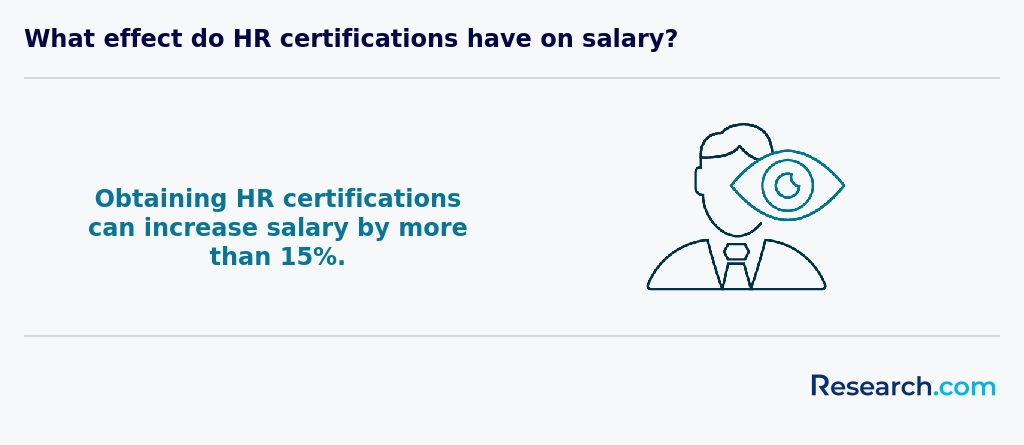
A robust online Human Resources degree program not only provides foundational HR knowledge but also prepares graduates for industry-recognized certifications such as SHRM-CP, SHRM-SCP, PHR, and SPHR. Many Wisconsin institutions align their curricula with the SHRM Body of Competency and Knowledge (SHRM BoCK) and the Human Resource Certification Institute’s exam content outlines, ensuring coursework mirrors the competencies tested on professional exams. Core classes in employment law, talent acquisition, performance management, and organizational development reinforce the practical skills and strategic thinking required to pass these credentialing exams. Beyond initial certification, online HR degrees emphasize the importance of continuing education to maintain professional credentials. Graduates learn how to track recertification credits through workshops, webinars, and specialized short courses-often offered by their alma mater’s alumni network or HR professional bodies. This ongoing learning supports mastery of emerging trends in people analytics, diversity and inclusion strategies, and digital transformation in HR operations. To explore cost-effective programs that integrate certification preparation seamlessly into their course structures, consider reviewing the Most Affordable Online Bachelor's in Human Resources Degree Programs Ranking in the Northeast. Many affordable options feature dedicated certification prep modules, mock exam simulations, and partnerships with SHRM chapters for discounted study materials. By choosing a program with strong certification alignment and lifelong learning support, prospective HR professionals in Wisconsin can accelerate their career trajectories, negotiate higher salaries, and demonstrate advanced expertise to employers statewide.
What courses are typically in online human resources degree programs in Wisconsin?
Online human resources degree programs in Wisconsin typically include a comprehensive set of courses that equip students with the essential skills needed in today's HR landscape. Students at renowned Wisconsin institutions often engage with classes such as Introduction to Human Resources Management and Employment Law and Labor Relations, which provide foundational knowledge relevant to real-world employee relations and compliance challenges. Graduates frequently share how courses like Recruitment and Selection Techniques and Compensation and Benefits Administration helped them confidently navigate hiring processes and manage employee compensation in their workplaces.
Practical subjects such as Organizational Behavior and Development and Performance Management Systems are emphasized, allowing learners to understand team dynamics and foster employee growth. Many students appreciate the inclusion of Training and Development Strategies and Workforce Diversity and Inclusion, highlighting how these courses improved their ability to create inclusive, engaging work environments. Wisconsin programs also focus on Strategic Human Resources Planning and HR Information Systems, reflecting the state's commitment to aligning education with employer expectations and SHRM standards.
What types of specializations are available in online human resources degree programs in Wisconsin?
Students pursuing an online human resources degree in Wisconsin often select from several targeted specializations that reflect the evolving demands of the state's labor market. Popular areas include Talent Acquisition and Recruitment, where graduates develop skills to identify and secure top candidates-skills that are highly valued in Wisconsin's competitive industries. Another common concentration is Employee Relations and Labor Law, which equips students to handle workplace disputes and ensure compliance with regulations, a crucial expertise given the state's robust union activities.
Many Wisconsin HR degree program concentrations online incorporate Training and Development, preparing students to design impactful programs that enhance workforce skills. Compensation and Benefits Management is also a favored track, offering insight into managing competitive pay and incentives-an important factor for professionals seeking leadership roles in human capital management.
Graduates from popular colleges in Wisconsin appreciate the practical focus on Strategic Human Resources Management, which ties HR to broader business objectives, and Human Resources Information Systems (HRIS), responding to the increasing use of digital tools. For students comparing options, programs offering accredited online accounting degrees affordable often also provide flexible HR specializations, enriching their academic journey.
How do you choose the best online human resources degree in Wisconsin?
Choosing the best online human resources degree Wisconsin involves evaluating accredited institutions known for their rigorous academic standards, such as those recognized by the Higher Learning Commission. Graduates from popular Wisconsin colleges often praise programs that offer flexible, asynchronous coursework, allowing them to balance professional responsibilities while mastering topics like employment law and talent acquisition. Affordable HR degree programs Wisconsin frequently provide in-state tuition discounts and strong financial aid opportunities, easing the financial burden for working adults. Many students find that programs with partnerships in Wisconsin's manufacturing and healthcare sectors offer invaluable internships, enhancing job readiness through practical experience. Positive feedback highlights how career services support successful employment outcomes, important given the state's growing demand for HR professionals. Additionally, robust technological platforms and academic advising create a supportive environment crucial to online learning success. For those comparing career trajectories, exploring top paying trade school jobs can offer useful context when planning a future in human resources.
What career paths are available for online human resources degree students in Wisconsin?
Graduates with an online human resources degree in Wisconsin find diverse career paths that match the state's expanding job market. Many step into roles as HR specialists, managing recruitment, compliance, and employee benefits across industries. Graduates from reputable Wisconsin universities often share how their hands-on training prepared them to excel in this dynamic role, balancing regulatory knowledge with interpersonal skills.
Others pursue advancement as HR managers, overseeing teams and shaping strategic business goals. The positive job growth in Wisconsin reflects strong demand for these leaders who drive organizational success. Graduates have expressed satisfaction in applying their skills gained at local colleges to develop impactful HR policies tailored to Wisconsin's unique economic landscape.
Specialized roles such as talent acquisition coordinator, employee training developer, compensation analyst, and labor relations consultant also attract graduates seeking focused expertise. Institutions in Wisconsin emphasize practical learning, equipping students to thrive in these specialized fields. Those pursuing an online human resources career opportunities Wisconsin appreciate how their education opens doors to meaningful roles in manufacturing, healthcare, and education sectors.
For prospective students, competitive tuition rates and the availability of financial aid in Wisconsin make pursuing an online human resources degree a wise investment. Exploring options like the best business finance schools in Georgia can also inform broader educational decisions connected to career growth. Such choices empower graduates to confidently enter Wisconsin's workforce with valued credentials.
What is the job market for online human resources degree in Wisconsin?
The job market for graduates holding an online human resources degree in Wisconsin is characterized by steady demand and promising opportunities across diverse sectors such as manufacturing, healthcare, education, and technology. Many graduates from popular universities and colleges in Wisconsin find rewarding roles in corporate HR departments, where they manage talent acquisition and employee relations, reflecting the state's diverse economy. Those pursuing online human resources jobs in Wisconsin benefit from training that emphasizes compliance and benefits administration, skills highly sought after by healthcare organizations.
Graduates often share positive experiences about how their education prepared them for real-world HR challenges and certifications like SHRM-CP or PHR, which enhance employability. The Wisconsin Department of Workforce Development forecasts around 1,000 annual job openings for HR specialists, driven by both growth and replacement needs.
Residents considering online degrees may explore affordable options, including the Most Affordable Online Bachelor's in Human Resources Degree Programs Ranking in the Northeast, which highlights programs offering strong value for Wisconsin students.
Frequently Asked Questions About human resources
To maximize their learning experience, online human resources degree students in Wisconsin should actively engage with course materials and participate in virtual discussions. Regular interaction with instructors and peers enhances understanding and builds professional networks. Utilizing local Wisconsin labor market data, such as reports from the Wisconsin Department of Workforce Development, helps contextualize coursework and prepares students for regional job trends.
Students are encouraged to apply theories through internships or practicum opportunities offered by Wisconsins' companies, many of which value graduates familiar with state-specific employment laws. Leveraging online resources and certifications offered by organizations like the Society for Human Resource Management (SHRM) can also supplement learning and boost career readiness.
The human resources (HR) field is evolving rapidly, with several emerging niches gaining importance. One key area is HR analytics, which uses data to improve hiring and employee retention. This niche appeals to Wisconsin businesses seeking competitive advantages through workforce insights. Another growing specialty is diversity, equity, and inclusion (DEI), as companies focus more on creating equitable work environments.
Additionally, the integration of remote workforce management is critical following shifting work patterns nationwide. HR professionals who specialize in digital communication and virtual team coordination are in demand. According to the Wisconsin Department of Workforce Development, these niches are expected to grow 10% by 2028, underlining their significance in the state's labor market.
Preparing for the job market in Wisconsin after earning an online human resources degree requires strategic planning. Graduates should focus on gaining practical experience, such as internships or volunteer roles, to build relevant skills valued by employers.
Networking is crucial; joining organizations like the Society for Human Resource Management (SHRM) Wisconsin chapter can connect candidates with local HR professionals and job opportunities. Wisconsin's HR sector is growing, with the Bureau of Labor Statistics projecting a 6% regional job growth for HR specialists through 2030.
Certifications such as the SHRM-CP or PHR enhance employability by demonstrating specialized knowledge and commitment to the field.
Employers in Wisconsin highly value specific skills in graduates with online human resources degrees. According to the Wisconsin Department of Workforce Development, communication skills rank at the top, as HR professionals must effectively mediate between employees and management. Analytical skills are increasingly important, especially for assessing workforce data and improving employee retention.
Knowledge of labor laws, particularly Wisconsin state regulations, is essential to ensure compliance and reduce legal risks. Additionally, proficiency in HR software and technology is critical, reflecting the growing digitization of HR tasks.
Strong organizational and problem-solving abilities also top employer wish lists, allowing graduates to manage multiple responsibilities efficiently in dynamic workplaces.
Finding internships in Wisconsin relevant to a human resources degree can be approached through several practical steps. Start by exploring the University of Wisconsin System's career centers, which often list HR-specific opportunities available statewide. Wisconsin's Department of Workforce Development also provides valuable resources and connects students with local employers in HR roles.
Networking is crucial-joining organizations like the Wisconsin Society for Human Resource Management (WSHRM) can help you connect with HR professionals and discover internship openings. Additionally, major Wisconsin employers in sectors like manufacturing and healthcare frequently offer internships in HR. Checking company websites and LinkedIn for openings is recommended.
According to the U.S. Bureau of Labor Statistics, Wisconsin employs over 7,000 HR specialists, suggesting healthy local demand. Utilizing these resources increases your chances of securing a meaningful internship in human resources while studying online.
An online human resources degree in Wisconsin can significantly enhance career mobility and advancement. According to the U.S. Bureau of Labor Statistics, the employment of human resources specialists in Wisconsin is projected to grow by approximately 7% through 2031, indicating increasing demand.
This growth opens opportunities for degree holders to move into managerial or specialized HR roles. The online format allows working professionals in Wisconsin to gain credentials without relocating or pausing their careers.
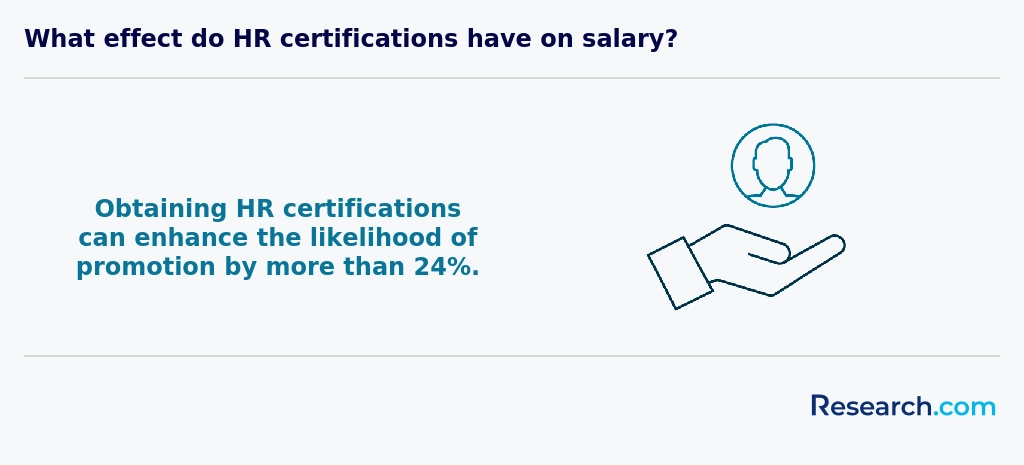
Employers in Wisconsin often prefer candidates with formal HR education and certifications, improving chances for promotion and salary increases. Additionally, many programs align with SHRM competency models, increasing professional credibility locally and nationally.
Overall, an online HR degree equips Wisconsin students with essential skills to meet evolving workplace demands and advance within a competitive job market.
Studying for an online human resources degree in Wisconsin equips students with skills that reach beyond traditional HR tasks, fostering interdisciplinary expertise. Wisconsin institutions emphasize courses integrating business management, psychology, labor law, and data analytics, preparing graduates to address diverse workplace challenges.
For example, the Wisconsin Department of Workforce Development highlights the state's growing demand for HR professionals who can navigate technology, employee relations, and compliance simultaneously.
Students often engage in case studies and projects involving teamwork across finance, operations, and communications departments, reflecting real-world corporate environments.
This approach readies graduates for roles requiring collaboration with multiple organizational units, boosting adaptability and problem-solving abilities essential in today's dynamic workforce.
When choosing between a thesis and a non-thesis human resources degree program in Wisconsin, students should consider their career goals. Thesis programs typically appeal to those interested in research, academia, or advanced study. These programs require completing an extensive research project, which can develop critical analysis skills valuable in HR leadership roles.
Non-thesis programs often focus on practical skills and may involve additional coursework or internships. They suit students aiming for immediate application of HR knowledge in Wisconsin's job market, where the HR field is expected to grow by 7% through 2030, according to the Bureau of Labor Statistics.
Additionally, some Wisconsin employers value work experience and certifications over research projects, making non-thesis paths attractive for professionals seeking promotion without academic research. Ultimately, students should assess how each format aligns with their professional objectives and study preferences.
Students in Wisconsin seeking to study human resources abroad through online programs have several practical options. Many accredited U.S. universities offering online HR degrees allow students to study remotely, regardless of their physical location, including Wisconsin. This flexibility enables learners to access international curricula or institutions with global partnerships.
While direct study at foreign universities often requires on-campus presence, some programs partner with international schools to offer joint online degrees, enhancing global perspectives in HR education. Wisconsin's labor market reports a steady demand for HR professionals, highlighting the value of obtaining diverse educational experiences to meet employer needs.
Students should ensure their chosen online program is accredited by recognized bodies such as the Society for Human Resource Management (SHRM) or regional accreditors.
Part-time jobs that complement a human resources (HR) degree in Wisconsin often focus on roles involving recruitment, employee support, and administrative tasks. Positions such as HR assistant, recruiting coordinator, or payroll clerk provide practical experience while studying. According to the Wisconsin Department of Workforce Development, administrative support jobs in HR-related functions are projected to grow by 5% through 2030.
Many Wisconsin companies value candidates with real-world HR experience, especially in industries like manufacturing and healthcare, which are significant employers in the state. Additionally, internships or temporary roles at local government offices or nonprofit organizations offer insight into workforce management specific to Wisconsin's regulations.
Engaging in these part-time roles can enrich understanding of labor laws and employee relations, vital for a career in HR. The Bureau of Labor Statistics reports that HR specialists in Wisconsin earn a median salary of approximately $64,000 annually, underscoring the importance of practical experience alongside education.
Online human resources students in Wisconsin have access to several valuable networking opportunities. Many universities offering online HR degrees encourage participation in virtual events and forums, connecting students with local HR professionals and alumni across the state. The Wisconsin chapter of the Society for Human Resource Management (SHRM) hosts regular meetings, workshops, and conferences, providing vital networking for aspiring HR specialists. Additionally, students can join statewide professional organizations like the Wisconsin Human Resources Management Association.
According to the Wisconsin Department of Workforce Development, the HR sector employs over 13,000 individuals statewide, emphasizing the importance of building connections in this active job market. Engaging with local HR networks can enhance job prospects and career growth.
Alumni networks offer significant advantages for online human resources degree students in Wisconsin. These networks provide valuable connections to professionals within the state's HR industry, facilitating mentorship and career guidance. According to the Wisconsin Department of Workforce Development, HR roles in the state are projected to grow by 7% through 2030, making networking essential for job placement.
Through alumni events and online platforms, students can access job leads and internships tailored to Wisconsin's labor market. Additionally, alumni often share insights into local industry trends and best practices, which enhances students' practical knowledge and competitiveness.
In sum, active engagement with alumni networks helps students build long-term professional relationships that support career advancement within Wisconsin's evolving human resources landscape.
Customizing your online human resources degree in Wisconsin begins with selecting programs that offer flexible concentrations or elective courses. Many universities provide options such as talent management, labor relations, or organizational development, allowing you to align studies with your career ambitions.
Look for programs accredited by the Society for Human Resource Management (SHRM) or recognized by the HR Certification Institute, as these ensure curriculum relevance to industry standards. Wisconsin's Department of Workforce Development reports a growing need for HR professionals with specialized skills, especially in employee training and compliance.
Additionally, some schools offer internship placements or capstone projects focused on Wisconsin's business environment, which can enhance practical experience and local networking opportunities. Tailoring your coursework with these options helps create a pathway suited to distinct career goals within the state's HR field.
Online human resources students in Wisconsin face several common challenges. One major difficulty is balancing coursework with work and family commitments, as many students are working professionals. According to the Wisconsin Department of Workforce Development, the HR sector continues to grow, increasing demand for flexible schedules but also intensifying competition.
Another challenge is limited local networking opportunities compared to traditional programs. Building professional connections is key in HR careers, yet virtual environments sometimes offer fewer direct interactions.
Additionally, students must navigate complex HR regulations and labor laws specific to Wisconsin, which can vary significantly from federal rules. This adds layers of study that require up-to-date resources and guidance.
Finally, technological self-reliance is necessary, as online platforms require strong digital literacy skills, which not all students initially possess.
With an online human resources degree in Wisconsin, graduates can pursue several respected professional certifications to enhance their careers. The Professional in Human Resources (PHR) certification, offered by the HR Certification Institute, is popular among early-career HR professionals. Another notable option is the Society for Human Resource Management Certified Professional (SHRM-CP), recognized nationally for validating practical HR skills.
Certification can improve job prospects in Wisconsin's growing HR sector, which has seen a 5% increase in employment from 2019 to 2023 according to the Bureau of Labor Statistics. Many Wisconsin employers prioritize candidates with certifications as they demonstrate verified expertise in employment law, talent management, and organizational development.
Additional certifications such as Senior Professional in Human Resources (SPHR) are available for advanced practitioners seeking leadership roles. Preparing for these certifications is feasible with many online degree programs offering relevant coursework aligned with exam content.
When applying to an online human resources program in Wisconsin, focus on clear, concise communication of your career goals and relevant experience. Admissions committees value applicants who demonstrate understanding of HR's evolving role in the state's economy. Wisconsin's diverse industries, including manufacturing and healthcare, rely heavily on skilled HR professionals.
Highlight any prior education, certifications, or work experience tied to employee relations, labor laws, or organizational development. According to the Wisconsin Department of Workforce Development, HR specialists' employment is projected to grow by 9% through 2030, so emphasize adaptability and commitment to continuous learning.
Lastly, tailor your personal statement to reflect knowledge of Wisconsin's labor market trends and your motivation to contribute to local workforce development. Proofread carefully and request strong letters of recommendation from supervisors or professors familiar with your professionalism and potential.
The global perspective on a human resources (HR) career highlights its critical role in managing diverse workforces and adapting to changing labor markets. HR professionals must navigate international labor laws, cultural differences, and global talent management strategies. This broad outlook enhances career opportunities for those with online HR degrees from Wisconsin institutions, as many businesses operate globally.
In Wisconsin, the demand for HR specialists is expected to grow by 7% from 2020 to 2030, according to the U.S. Bureau of Labor Statistics. This growth aligns with nationwide trends emphasizing inclusive work environments and strategic talent development.
Students pursuing HR degrees online in Wisconsin gain skills applicable in multinational companies, increasing their competitive edge in the global job market.
Gaining practical experience while pursuing an online human resources degree in Wisconsin is essential for career readiness. Many programs encourage internships with local businesses or non-profits, providing opportunities to apply classroom knowledge to real-world HR tasks. Wisconsin's strong manufacturing and healthcare sectors frequently offer internships and cooperative education positions relevant to HR students.
The Wisconsin Department of Workforce Development highlights that internships increase job placement rates by over 20% for graduates. Additionally, virtual practicums or project-based assignments commonly incorporate HR software and case studies, allowing students to develop hands-on skills remotely.
Students are also advised to join professional associations like the Society for Human Resource Management (SHRM) Wisconsin chapter, which offers networking events and workshops that build practical expertise. Participating in these activities complements academic study and strengthens resumes.
Choosing the right concentration within an online human resources degree in Wisconsin requires careful consideration of your career goals and the local job market. Popular concentrations include talent acquisition, employee relations, and compensation management. According to the Wisconsin Department of Workforce Development, HR roles emphasizing talent management are growing faster than average, reflecting regional employer demands.
Research available specializations at Wisconsin schools and examine course content to ensure alignment with your interests. Practical skills in labor law and organizational behavior are often highlighted in concentrations that prepare students for Wisconsin's diverse industries. Additionally, consider programs accredited by the Society for Human Resource Management (SHRM) for quality assurance.
Related Human Resources Rankings for Nearby States
- 2027 Easiest Online Human Resources Degree Programs Ranking in Minnesota
- 2027 Easiest Online Human Resources Degree Programs Ranking in Illinois
- 2027 Easiest Online Human Resources Degree Programs Ranking in Indiana
- 2027 Easiest Online Human Resources Degree Programs Ranking in Missouri
- 2027 Easiest Online Human Resources Degree Programs Ranking in Kentucky
- 2027 Easiest Online Human Resources Degree Programs Ranking in Kansas
- 2027 Easiest Online Human Resources Degree Programs Ranking in Pennsylvania
- 2027 Easiest Online Human Resources Degree Programs Ranking in Virginia
- 2027 Easiest Online Human Resources Degree Programs Ranking in Colorado
- 2027 Easiest Online Human Resources Degree Programs Ranking in Alabama
Top Trending Human Resources Rankings
See What Experts Have To Say About Studying Human Resources
Read our interview with Human Resources experts


Rick Hackett
Human Resources Expert
Professor, Human Resources & Management
McMaster University

Chester S. Spell
Human Resources Expert
Professor of Management
Rutgers University

References
- 2025 Most Affordable Online Human Resources Degrees https://www.onlineu.com/most-affordable-colleges/human-resources-degrees
- Strategic HR Management: Carving the Niche of Indispensability - KaizenBlitz https://kaizenblitz.org/strategic-hr-management-carving-the-niche-of-indispensability/
- Best HR Certifications for Beginners https://hrcertification.com/blog/best-hr-certifications-beginners-biid1000209
- How to Break Into HR in 90 Days: A Week-by-Week Plan https://coursecareers.com/blog-posts/how-to-break-into-human-resources
- Navigating Your Options: Which HR Career Path Is Right for You? https://online.law.tulane.edu/blog/finding-your-hr-career-path
- Unlocking Career Opportunities: How a Degree in Human Resources Can Propel Your Professional Journey https://www.euroeducation.net/articles/unlocking-career-opportunities-how-a-degree-in-human-resources-can-propel-your-professional-journey.htm
- Human Resources Internships https://careers.slb.com/early-careers/internships/hr-intern
- Human Resources - Alumni.space https://www.alumni.space/en/you-are/human-resources/
- A Guide to the Human Resources Career Path https://www.galwaybusinessschool.ie/blog/a-guide-to-the-human-resources-career-path/
- Top 10 HR Challenges and Their Solutions | HR Courses https://zoetalentsolutions.com/top-10-hr-challenges-and-their-solutions/