
2027 Best MBA Degree Programs Ranking in the USA Territories

Co-Founder and Chief Data Scientist
Choosing the right MBA program can shape your future career and open doors to exciting opportunities. This article presents the 2027 Best MBA Degree Programs Ranking in the USA Territories, carefully compiled by the Research.com team of data scientists.
With clear insights and trustworthy data, this ranking helps you make an informed choice about which programs truly stand out.
Pursuing an MBA is a powerful step toward personal growth and professional success. Explore this guide to find the best fit for your goals and start building your future today.
Key benefits of getting MBA degree in the USA Territories
- Salary data for MBA graduates in the USA Territories is not available from official sources, but generally, MBA holders in the US earn competitive salaries that often exceed $80,000 annually, reflecting strong financial rewards.
- Graduates from local universities often pursue careers in management, consulting, and entrepreneurship, unlocking diverse opportunities to lead businesses and innovate within their communities.
- Online MBA degrees from well-known institutions in the territories offer flexible schedules and lower costs, allowing students to balance work and study while advancing their careers without relocating.
- Key benefits of getting MBA degree in the USA Territories
- What can I expect from MBA degree in the USA Territories?
- Where can I work with MBA degree in the USA Territories?
- How much can I make with MBA degree in the USA Territories?
- 2027 Best MBA Degree Programs Ranking in the USA Territories
- Key Findings
- How long does it take to complete MBA degree in the USA Territories?
- What's the difference between online and on-campus MBA degree?
- What is the average cost of MBA degree in the USA Territories?
- What financial aid is available to MBA degree students in the USA Territories?
- What are the prerequisites for enrolling in MBA degree program in the USA Territories?
- What courses are typically in MBA degree programs in the USA Territories?
- What types of specializations are available in MBA degree programs in the USA Territories?
- How do you choose the best MBA degree in the USA Territories?
- What career paths are available for MBA degree students in the USA Territories?
- What is the job market for MBA degree in the USA Territories?
- Top Trending MBA Rankings
What can I expect from MBA degree in the USA Territories?
Getting an MBA in the USA Territories is often more affordable than many expect, especially when compared to mainland private schools. Graduates from the University of Puerto Rico frequently share how their resident tuition costs were delightfully lower-sometimes well under $10,000 annually-allowing them to pursue their dreams without the heavy financial burden that weighs on many mainland students.
Imagine studying core business subjects like finance and marketing while saving thousands each year, a reality for many MBA students in Puerto Rico, Guam, or the U.S. Virgin Islands. These lower costs make it easier to focus on learning and networking rather than stressing over overwhelming debt.
One graduate recalls connecting with local businesses during their studies, supported by affordable tuition that let them fully immerse in opportunities like internships and regional trade seminars. This combination of cost-effectiveness and rich experience makes studying in these territories an inviting adventure for aspiring business leaders.
Where can I work with MBA degree in the USA Territories?
Graduates from MBA programs at renowned institutions like the University of Puerto Rico or the University of Guam often find themselves stepping into dynamic roles that reflect the unique economy of the USA Territories. Picture yourself managing financial portfolios in a bustling Puerto Rican bank or leading marketing strategies for a boutique resort in the U.S. Virgin Islands; these are tangible opportunities where MBAs thrive.
Many alumni share stories of transitioning into government roles, navigating budgeting challenges and driving policy projects that shape their communities. Their MBA skills in leadership and project management become essential tools in public administration offices across these territories.
Others embrace the vibrant tourism industry, using business acumen to enhance guest experiences and increase revenue for hotels or retail stores. Imagine overseeing operations in a Guam resort, blending cultural pride with savvy business decisions-this is where passion meets profession.
Healthcare management and manufacturing sectors also welcome MBA holders, with graduates optimizing hospital administration or streamlining pharmaceutical supply chains. The adventure of applying your MBA in these fields reflects a promising future filled with purpose and growth.
How much can I make with MBA degree in the USA Territories?
Exploring the earnings landscape for MBA graduates in the USA Territories reveals promising opportunities despite limited formal salary data. Graduates from popular institutions like the University of Puerto Rico or Guam Community College often share stories of securing roles in business management and government sectors, where salaries typically hover between $45,000 and $75,000. For example, an MBA graduate managing a local tourism enterprise in the U.S. Virgin Islands might enjoy earnings near $70,000, blending entrepreneurial spirit with regional economic strengths.
Others find rewarding positions in nonprofit organizations or regional government, where initial salaries may start lower but grow steadily over time-often by 10-20% within five years. This gradual increase reflects both developing expertise and leadership roles blossoming in these unique markets.
Such experiences highlight that while immediate paycheck numbers may vary, an MBA in the USA Territories unlocks avenues for professional growth and lasting impact, making the journey not only financially encouraging but deeply fulfilling.
2027 Best MBA Degree Programs Ranking in the USA Territories
How do we rank schools?
Investing in your education is a significant decision that can shape your future, and the Research.com team understands the importance of making informed choices. To assist prospective students across the USA territories, we have meticulously developed the "2027 Best MBA Degree Programs Ranking in the USA Territories." Our dedication to quality, credibility, and accuracy is demonstrated through extensive research and thorough analysis underlying this ranking.
We utilized the following reputable data sources to ensure a comprehensive evaluation of MBA programs:
By exploring this ranking, readers gain valuable insights into the top MBA degree programs available in the USA territories, empowering them to make well-informed decisions about their educational future. For more information on how this ranking was created, please visit our Research.com methodology page.

# 2 position
Universidad Ana G. Mendez-Cupey Campus
Master of Business Administration
# 3 position
Universidad Ana G. Mendez-Gurabo Campus
Master of Business Administration
# 4 position
Universidad Ana G. Mendez-Carolina Campus
Master of Business Administration
# 5 position
Columbia Central University-Caguas
Master of Business Administration
# 6 position
NUC University
Master of Business Administration


Key Findings
- The cost of MBA programs in USA Territories ranges from $20,000 to $40,000, which is lower than the typical $60,000+ tuition on the mainland.
- Accredited MBA degrees from these territories are recognized both locally and in the continental U.S.
- Starting salaries for MBA graduates in the territories average between $40,000 and $55,000, rising to $60,000-$80,000 with experience.
- Job opportunities for MBA holders focus on sectors like public administration, finance, tourism, healthcare management, and small-to-medium enterprises.
- Many programs offer evening and part-time options, making them accessible to working professionals in the region.
How long does it take to complete MBA degree in the USA Territories?
Completing an MBA in the USA Territories often takes about two years, much like mainland programs, but the adventure varies with your chosen path. Imagine diving into the vibrant academic life at a university in Puerto Rico, where full-time students typically immerse themselves in a rich curriculum blending core courses and electives over two transformative years. Yet, for working professionals in Guam juggling careers and family, part-time options stretch the journey to three years or more-offering the freedom to grow without rushing.
Some graduates thrill at finishing faster through accelerated programs at institutions across the U.S. Virgin Islands, wrapping up in as little as 12 to 18 months. These immersive sprints demand focus but reward with quick momentum toward new opportunities.
Whether you savor the steady rhythm of a traditional schedule or embrace the flexibility of part-time learning under island skies, the MBA journey here adapts to your life's pace, making every step a distinct and rewarding experience.
What's the difference between online and on-campus MBA degree?
Choosing between an online and an on-campus MBA in the USA Territories sparks an exciting journey of discovery. Imagine a graduate from the University of Puerto Rico savoring the vibrant, face-to-face debates during on-campus sessions, building strong local networks after career fairs and lively alumni events. The richness of personal interaction in on-campus programs often leads to friendships and opportunities grounded in shared experiences within the territory's business community.
Conversely, consider a graduate from Guam's Community College who embraced the freedom of an online MBA. They could balance family life and work while accessing courses from anywhere, a crucial advantage given Guam's remote location. Their study routine adapted perfectly to island life, with virtual group projects connecting classmates across time zones, bringing futuristic collaboration tools to life.
Tuition differences add another layer of adventure: online programs range roughly from $20,000 to $40,000, often friendlier to budgets than the $30,000-$60,000 for on-campus degrees, where extra campus fees apply. Both paths demand rigor, but their flavors and experiences delight students in unique, territory-tailored ways.
What is the average cost of MBA degree in the USA Territories?
The average cost of an MBA degree in USA territories presents a unique opportunity for students seeking quality education without the overwhelming price tag often seen on the mainland. With a median total cost around $17,608, pursuing an MBA in places like Puerto Rico or Guam offers a balance between affordability and academic rigor. Graduates from well-regarded universities in these regions often share stories of managing to complete their degrees without incurring massive debt, thanks to local tuition rates and accessible resources.
For those wondering about MBA tuition and fees in US territories, many students find that in-state costs can be notably lower, sometimes under $8,000, making it an enticing option for residents. Imagine studying at the University of Puerto Rico, surrounded by a vibrant culture and supportive community, while paying tuition fees that leave room for life's adventures beyond the classroom.
Furthermore, combining an MBA with targeted planning can open doors to scholarships and grants, easing the financial burden further. Some graduates recall how exploring scholarships brought unexpected relief that fueled their enthusiasm for learning. These positive experiences inspire prospective students to dig deeper into funding options, including federal financial aid.
Living expenses and additional fees in the territories also tend to be lower compared to large US cities, enhancing the overall value of the education. As you consider your path, exploring certificates that make money alongside the MBA could be a savvy move, fueling both your passion and your career prospects.

What financial aid is available to MBA degree students in the USA Territories?
Exploring financial aid for an MBA in the USA Territories unlocks a treasure chest of federal and local options tailored to the unique landscape of places like Puerto Rico and Guam. Imagine a graduate from the University of Puerto Rico confidently tapping into federal loans through FAFSA, such as Direct Unsubsidized Loans or Grad PLUS Loans, which helped bridge the gap between ambition and affordability with fixed terms and fair interest rates.
At the same time, vibrant local grants shine through-like those from Puerto Rico's Higher Education Assistance Authority-offering bright relief that graduates from Bayamón campus often recount as a game-changer for managing tuition costs. Some islands' business schools sprinkle their own merit-based scholarships and assistantships into the mix, rewarding hard work and leadership with tangible financial boosts.
Even beyond campus, stories of students balancing career and study come alive with employers stepping in for tuition reimbursement. It's this combination-the federal framework, local generosity, and supportive workplaces-that fuels the drive of MBA candidates across the Territories, making the pursuit of business education an adventure worth taking.
What are the prerequisites for enrolling in MBA degree program in the USA Territories?
Standardized tests like the GMAT or GRE are typically expected, with scores above 550 opening doors. Some MBA hopefuls vividly recall the relief when their strong scores helped secure spots, though others benefited from new test waiver options, a welcome flexibility unique to these territories.
Two to three years of professional experience here isn't just a number-it's a story. Many describe how their real-world leadership moments shaped lively, practical classroom discussions, making learning come alive in places like the University of the Virgin Islands.
For those educated outside English-speaking environments, proving proficiency through TOEFL or IELTS is a common path that graduates say boosted their confidence in joining a diverse cohort.
Letters of recommendation and personal essays reveal your ambitions and purpose, much like how recent graduates reflect on their application essays as the bridge between their past and exciting future in business.

What courses are typically in MBA degree programs in the USA Territories?
Diving into an MBA in the USA Territories means exploring a vibrant curriculum tailored to both global business principles and the unique island economy. Imagine yourself mastering Accounting and Financial Management at a well-regarded institution like the University of Puerto Rico, where graduates recall hands-on projects analyzing local tourism revenue and budgeting for regional businesses.
Courses like Marketing Management bring digital strategies to life, helping you craft campaigns that genuinely connect with the diverse cultures you'll work alongside. In one popular college, students eagerly share stories about developing marketing plans for Caribbean startups, blending tradition with innovation.
Meanwhile, Operations Management challenges you to optimize real supply chains crucial to island imports, while Organizational Behavior and Human Resource Management unlock leadership skills needed to inspire teams in tight-knit community settings.
Strategic Management rounds out the experience with long-term planning focused on navigating both local regulations and international markets, an adventure graduates describe as preparing them to be agile, confident leaders in a dynamic environment.
What types of specializations are available in MBA degree programs in the USA Territories?
Exploring MBA specializations in USA Territories opens doors to dynamic fields shaped by local industry and culture. Graduates from universities in Puerto Rico, Guam, and the U.S. Virgin Islands often speak of their enriching journeys through programs focusing on Finance and Accounting, where they dive into corporate finance strategies grounded in the reality of bustling financial centers like San Juan.
Marketing tracks spark creativity and innovation, giving students the tools to expand businesses both locally and globally. Healthcare Management draws interest for its critical role in managing hospitals and clinics that serve the territories' communities. Another popular path is International Business, perfect for those fascinated by the territories' unique global trade links and cross-border commerce opportunities. Entrepreneurship programs inspire students to transform local ideas into thriving small businesses.
Human Resource Management prepares leaders to celebrate and navigate workplace diversity. These best MBA concentrations USA Territories reflect the vibrant mix of opportunities available to learners eager to shape their future. Many find flexible, part-time, and online options helpful to balance studies with life's demands, and for some, combining specialization with easy online college courses elevates their experience further.
How do you choose the best MBA degree in the USA Territories?
Choosing the best MBA programs in USA Territories can feel like setting off on an exciting adventure into new academic landscapes. Imagine a graduate from a well-known Puerto Rico university reflecting on how the affordable MBA degrees in US Territories opened doors with practical curriculums and flexible schedules matching their busy life. Such programs often blend online and in-person classes, ideal for balancing work and study without losing momentum.
Accreditation is a crucial compass when navigating options. Graduates from schools recognized by AACSB or ACBSP share how this validation boosted their confidence when pursuing local and international careers. Many students appreciate how experiential learning-in the form of internships or consulting projects-immerses them directly into the thriving commerce of the Territories, making lessons come alive beyond textbooks.
Prospective students should also explore specialties aligning with their passions, like entrepreneurship or healthcare management, tailoring their path to vibrant regional markets. For those drawn to continuing education, some alumni found excellent options as flexible as an online doctorate without dissertation, proving that advanced learning can fit varied lifestyles.
What career paths are available for MBA degree students in the USA Territories?
Graduates with an MBA degree from renowned universities in the USA Territories often find themselves stepping into thrilling roles where they can lead with confidence and innovation. Many embrace corporate management positions, steering local and multinational companies toward success with sharp strategies and dynamic leadership. For those drawn to problem-solving, consulting roles offer the chance to advise businesses on growth and efficiency, tapping into skills sharpened through real-world projects during their studies.
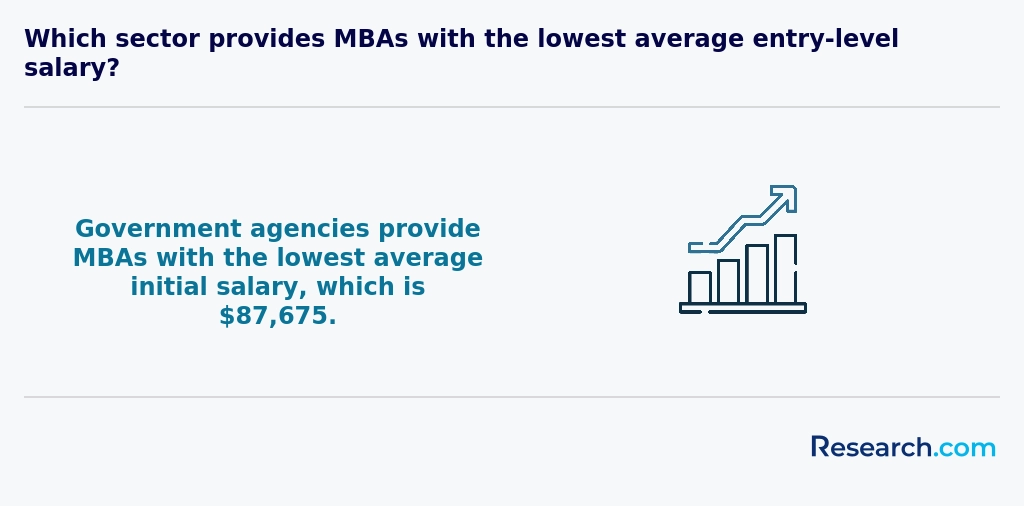
Financial sectors, including banks and credit unions, eagerly welcome MBA holders as financial analysts or investment managers, where they transform numbers into opportunities. Government agencies and non-profits in the territories also offer inspiring career paths, allowing graduates to impact economic development and public welfare deeply.
Tourism and hospitality continue to thrive here, too, with graduates managing hotels, resorts, and cultural events, turning their passion for community and commerce into rewarding careers. Some daring graduates even dive into entrepreneurship, igniting new ventures that enrich their local economies. With so many options, exploring online colleges that take fafsa locally can be the first exciting step toward unlocking these possibilities in MBA career opportunities in USA Territories.
What is the job market for MBA degree in the USA Territories?
The job market for MBA degree job opportunities in USA Territories is a vibrant landscape full of potential. Graduates from institutions like the University of Puerto Rico and Guam Community College share stories of stepping into leadership roles in finance, healthcare management, and government sectors. These regions, while smaller than the US mainland, offer an appealing blend of professional growth and community impact. For instance, MBA holders in Puerto Rico find rewarding careers in corporate strategy and consulting, leveraging skills learned during their studies to shape local industries.
Many students thrive on the unique networking opportunities the Territories provide, enjoying less competition while still accessing meaningful roles. The cost of pursuing an MBA here is often lower, which encourages continued education and professional advancement. Some graduates balance their studies with work, taking advantage of programs tailored to their schedules. For those exploring options, institutions promote pathways that rival more expensive programs elsewhere, while offering hands-on, localized business insights.
Those curious about affordable educational pathways might also explore the cheapest online bachelor programs as a stepping stone. Overall, career prospects for MBA graduates in USA Territories involve exciting roles in government, healthcare, and entrepreneurship, perfectly suited for those eager to contribute to their vibrant communities.
Frequently Asked Questions About MBA
Students pursuing an MBA degree in the USA Territories can enhance their learning experience by engaging actively with both academic and professional opportunities. Many institutions in territories like Puerto Rico or Guam offer access to U.S.-accredited programs, ensuring relevant and recognized credentials. According to the U.S. Department of Education, leveraging local internships and networking events helps students gain practical skills aligned with global business trends.
Utilizing online resources and participating in hybrid classes can provide flexibility and exposure to diverse perspectives. Collaborating with peers from varied industries fosters critical thinking and problem-solving abilities. Moreover, capitalizing on mentorship programs offered through business schools or local chambers of commerce enables personalized guidance, which is vital for career advancement in competitive markets.
The MBA field in the USA Territories is experiencing growth in several emerging niches driven by regional economic and industry trends. One notable area is sustainable business, where programs emphasize environmental responsibility and green innovation, reflecting global and local priorities. Another is data analytics and business intelligence, supporting companies in making evidence-based decisions. Health care management MBAs are also expanding, responding to the urgent needs of the evolving health sector in territories like Puerto Rico and Guam. Additionally, entrepreneurship and technology management programs attract students interested in startups and digital transformation, aligning with the territories' developing tech ecosystems. These niches address both local demands and global trends.
After completing an MBA degree in the USA Territories, graduates should focus on building professional networks and gaining relevant work experience. Local business associations and chambers of commerce in territories like Puerto Rico and Guam often host valuable networking events. According to the U.S. Bureau of Labor Statistics, approximately 15% of MBA holders in these regions secure managerial roles within two years of graduation.
Internships and part-time work during studies enhance practical skills and improve job prospects. Many universities in the territories offer career services tailored to local industries such as tourism, finance, and manufacturing. Building strong communication and leadership abilities also remains crucial to stand out in competitive job markets.
Employers in the USA Territories highly value MBA graduates who demonstrate strong leadership and strategic thinking skills. According to the latest reports from the American Council on Education, these competencies enable managers to effectively guide teams and make data-driven business decisions in complex markets.
Communication ability is another critical skill. MBA holders must convey ideas clearly to diverse stakeholders, including multinational partners prevalent in territories such as Puerto Rico and Guam. Additionally, analytical skills are crucial, as many employers expect graduates to interpret financial data and market trends accurately.
Technological proficiency, especially in digital tools and data analytics, is increasingly demanded. Recent surveys indicate that over 70% of companies operating in USA Territories prioritize candidates familiar with emerging business technologies.
Being culturally aware and adaptable also ranks highly because of the region's diverse population and unique business environments.
Finding internships relevant to an MBA degree in the USA Territories involves leveraging local resources and understanding the economic landscape. Key territories like Puerto Rico, Guam, and the U.S. Virgin Islands offer limited but growing business sectors, including finance, tourism, and government services.
Start by connecting with your university's career center or MBA program advisor, as many institutions maintain internships with local companies. Additionally, check for opportunities through regional chambers of commerce or business development agencies that focus on supporting students.
Online job portals such as USAJOBS.gov and local government websites often list internships in administrative and management roles suitable for MBA students. Networking events and professional groups on LinkedIn specific to the territories can also be valuable.
According to the National Center for Education Statistics, internships significantly improve employment chances post-graduation, making early engagement essential.
Obtaining an MBA degree in the USA Territories significantly impacts career mobility and advancement by equipping graduates with advanced business knowledge and leadership skills recognized across US jurisdictions. Employers in territories such as Puerto Rico, Guam, and the US Virgin Islands often prefer candidates with an MBA for managerial roles, as this credential signals readiness for complex decision-making and strategic planning.
Data from the Puerto Rico Department of Labor indicates MBA holders experience up to a 20% higher salary increase compared to those with only a bachelor's degree. Additionally, MBA graduates report enhanced opportunities for promotion within local industries such as finance, healthcare, and government sectors.
Many MBA programs in the territories also emphasize networking, connecting students with local business leaders and multinational corporations operating regionally. This local-global blend often accelerates career growth by expanding professional contacts.
In conclusion, earning an MBA within the USA Territories serves as a credible pathway to climb organizational hierarchies and secure leadership roles in competitive business environments.
Studying for an MBA degree in the USA Territories offers unique preparation for interdisciplinary roles by combining core business skills with regional economic insights. Programs often emphasize leadership, finance, marketing, and operations tailored to industries prevalent in territories such as Puerto Rico and Guam. This approach reflects the diverse economic sectors including manufacturing, tourism, and government services.
Federal accreditation standards ensure that these MBA curricula meet rigorous national criteria, enhancing graduates' competitiveness for cross-functional roles.
According to the Puerto Rico Council on Higher Education, over 60% of MBA graduates transition into roles that require integration across disciplines like technology, management, and finance.
This trend highlights how local programs equip students with versatile skills critical for navigating complex business environments within the territories and beyond.
Choosing between a thesis and a non-thesis MBA program in the USA Territories depends on your career goals and learning preferences. A thesis MBA requires conducting original research and writing a detailed paper, which suits those interested in academic, consulting, or research roles. Non-thesis programs focus on coursework and practical skills, appealing to professionals seeking immediate application in business environments.
Data from the Regional Education Board (2023) indicates about 60% of MBA students in Puerto Rico select non-thesis options for faster completion and flexibility. However, thesis programs can provide a competitive edge for roles requiring analytical expertise.
Consider also program length: thesis MBAs often take longer due to research demands. Finally, check if the institution offers local support and aligns with your career path.
Students located in the USA Territories, such as Puerto Rico, Guam, and the U.S. Virgin Islands, have various options to pursue MBA degrees abroad while staying connected to the U.S. higher education system. Many accredited mainland U.S. universities offer online and hybrid MBA programs accessible to territorial residents, providing flexibility and recognized credentials without relocation.
Additionally, some universities have campuses or partnerships within territories, enabling in-person study with reduced costs and travel barriers. According to the Council for Higher Education Accreditation (CHEA), over 30% of MBA students in territories enroll in programs with international components, delivering valuable global business insights.
Territorial students can also consider accredited institutions in the continental U.S. and U.S. territories with strong alumni networks and resources tailored to their unique economic environments.
Part-time job opportunities in the USA Territories that complement MBA education often focus on roles in finance, marketing, and management. Students commonly find positions within local banks, retail management, or small business consulting, which provide practical experience alongside academic learning. For instance, Puerto Rico's finance sector employs many MBA candidates due to its growing role in fintech and investment firms, according to a 2023 report by the Puerto Rico Economic Development Council.
In Guam and the U.S. Virgin Islands, hospitality and tourism industries also offer part-time managerial roles. These allow MBA students to apply strategic planning and organizational skills in fast-paced environments. Many employers in these territories value the advanced analytical and leadership skills MBA students bring, strengthening their resumes for post-graduation careers.
Networking opportunities for MBA students in the USA Territories vary but remain robust within local and regional business communities. Many programs connect students with professionals through internships, workshops, and career fairs focused on the unique economic environments of territories like Puerto Rico, Guam, and the U.S. Virgin Islands. According to the Puerto Rico Business Journal, over 60% of MBA students engage in networking events hosted by chambers of commerce and business associations. These venues provide access to local entrepreneurs, government officials, and multinational corporations operating in the territories.
Additionally, online platforms and alumni networks help maintain connections beyond regional limits. Schools often partner with mainland U.S. universities, expanding access to national business leaders and resources. This combination allows MBA candidates to build versatile professional relationships tailored to the territories' markets and beyond.
Alumni networks provide significant benefits to MBA students in the USA Territories by fostering professional connections that facilitate career growth. These networks connect current students with graduates who often hold key positions in local industries, creating opportunities for mentorship and internships.
According to a 2023 survey by the Caribbean Association of Business Schools, over 70% of MBA alumni in territories like Puerto Rico and Guam reported that their networks helped secure employment within the first six months after graduation. This is particularly valuable in territories where the business community is smaller and more tightly connected.
Moreover, alumni events and online platforms enable students to build relationships that can lead to collaborations, business partnerships, and access to exclusive job listings. The shared regional experience often strengthens these ties, making alumni networks a practical resource for many MBA candidates in the USA Territories.
In the USA Territories, MBA programs offer various ways to customize your education to align with your career goals. Many schools provide elective courses allowing you to specialize in areas like finance, marketing, or entrepreneurship. This flexibility helps you gain skills relevant to your desired industry.
Additionally, some programs incorporate internships or co-op opportunities within local businesses, giving practical experience tied to your career path. Online and part-time options are common, enabling working professionals to tailor schedules without interrupting their jobs.
According to the Council on Higher Education Accreditation, accreditation ensures programs meet quality standards important for career advancement. Always verify a school's accreditation status before enrolling to ensure your MBA holds value in the job market.
Students pursuing MBA degrees in the USA Territories often encounter unique challenges related to limited local resources. Unlike mainland institutions, many territories have fewer accredited business schools offering MBA programs, which can restrict choices and specialization options.
Access to experienced faculty and networking opportunities may also be limited. A 2023 report from the National Center for Education Statistics notes that only about 15% of graduate business programs in the territories have extensive alumni networks compared to mainland schools.
Financial constraints are another common issue. MBA tuition in the territories can be high relative to average incomes, and there are fewer scholarship opportunities compared to stateside institutions. Additionally, geographic isolation sometimes complicates access to internships and job placements.
With an MBA degree earned in the USA Territories, graduates can pursue various professional certifications to enhance their careers. Common options include the Project Management Professional (PMP), which is valued across industries for demonstrating strong leadership skills. Many MBA holders also aim for the Certified Public Accountant (CPA) license, especially if their focus is on finance or accounting.
The Certified Management Accountant (CMA) is another popular choice, emphasizing financial management and strategic skills. Additionally, certifications in human resources, like the SHRM Certified Professional (SHRM-CP), are relevant to those specializing in HR management.
According to the U.S. Small Business Administration, these certifications can improve salary prospects by up to 20%, particularly in U.S. territories where market competition is growing.
Writing a winning application for an MBA program in the USA Territories requires clear focus and preparation. First, ensure your resume highlights relevant work experience and leadership roles, as many programs value practical skills. A strong GMAT or GRE score can improve your chances; for example, schools in Puerto Rico report average GMAT scores around 550 to 600 for accepted applicants (AACSB data, 2023).
Next, craft a compelling personal statement that explains your career goals and why you want to study in the USA Territories specifically. Admissions committees appreciate insight into your motivation and how their program fits your ambitions. Also, secure strong letters of recommendation from supervisors or professors who can attest to your abilities.
Finally, prepare thoroughly for interviews, demonstrating communication skills and cultural awareness relevant to the diverse business environments in the territories. Following these steps increases your chances of admission to competitive MBA programs in the USA Territories.
The global perspective on an MBA career increasingly highlights versatility and leadership in a competitive market. Graduates from MBA programs in the USA Territories often find themselves well-prepared for multinational roles due to curricula emphasizing global business trends and intercultural management.
In 2023, data from the Graduate Management Admission Council (GMAC) showed that nearly 65% of MBA graduates from Caribbean and Pacific US Territories moved into positions with international responsibilities within two years post-graduation.
Furthermore, many employers value MBAs from US Territories for their adaptability in diverse economic environments. This opens pathways in industries such as finance, tourism, and technology, bridging local and global markets.
Such trends confirm that an MBA from the USA Territories can provide a strategic advantage for a career with international scope.
Gaining practical experience while studying for an MBA degree in the USA Territories is essential for career readiness. Many universities in Puerto Rico, Guam, and other territories offer internship programs in collaboration with local businesses and government agencies. These internships provide students with hands-on experience in areas such as finance, marketing, and management.
Students can also engage in consulting projects often integrated into coursework, allowing them to work on real-world problems. Additionally, some programs encourage participation in case competitions and networking events with industry professionals, all enhancing practical skills.
According to recent data from the Puerto Rico Tourism Company, MBA programs in Puerto Rico report over 60% of their students complete internships before graduation, improving employment outcomes significantly.
Choosing the right concentration within an MBA program in the USA Territories involves careful consideration of your career goals and the regional economic landscape. Key industries in territories like Puerto Rico and Guam include healthcare, tourism, and manufacturing, which may influence your concentration choice.
Popular MBA concentrations include finance, marketing, and supply chain management, each aligned with different job markets. According to recent data from the Council of Graduate Schools, 46% of MBA students in these territories prioritize concentrations linked to local industries for better job prospects.
Additionally, evaluate program flexibility and faculty expertise in your chosen field. Many institutions offer specialties tailored to territorial economic needs, which can enhance practical learning and networking opportunities.
Consider also the availability of internships and partnerships with local businesses, as these experiences are valuable for career advancement post-graduation.
Top Trending MBA Rankings
References
- 169 Institutions offering MBA Courses In the USA https://www.hotcoursesabroad.com/study/training-degrees/us-usa/mba-courses/loc/211/cgory/k-2/sin/ct/programs.html
- Tips for Writing an MBA Program Essay - GMAT Ninja https://www.gmatninja.com/articles/mba-admissions/essays-and-applications/minimizing-mba-application-essay-agony/
- What Jobs Can I Get with an MBA? https://www.allbusinessschools.com/mba/career-paths/
- Best MBA Programs 2025 - Top Consensus Ranked Master's of Business Administration Programs https://www.collegeconsensus.com/rankings/best-mba-programs/
- How to Choose Between MBA Degree vs. Certificate | University of Phoenix https://www.phoenix.edu/articles/business/how-to-choose-between-mba-degree-vs-certificate-programs.html
- Master's Degree in MBA: Online or Hybrid | MIUniversity https://miuniversity.edu/en/academics/master-degree/international-mba/
- Financial Aid by Country https://www.hec.edu/en/mba-executive-mba/mba/admissions/fees-funding/financial-aid-country
- How to Choose the Best MBA Program for Your Career Goals https://www.clearadmit.com/2025/05/how-to-choose-the-best-mba-program-for-your-career-goals/
- Why Employers Prize a Global Perspective from MBA Graduates | WU Executive Academy https://executiveacademy.at/en/knowledge/career/why-employers-prize-a-global-perspective-from-mba-graduates
- Why Fit Matters: Matching Your Profile and Career Goals to Your Dream MBA Program https://merchantmba.com/blog/why-fit-matters-matching-your-profile-and-career-goals-to-your-dream-mba-program


