
2027 Most Valuable Online MBA Degree Programs Ranking in the Midwest

Co-Founder and Chief Data Scientist
Are you considering an online MBA degree in the Midwest? Choosing the right program can feel overwhelming, but this article is here to help. It features the 2027 Most Valuable Online MBA Degree Programs Ranking in the Midwest, carefully created by the Research.com team of data scientists.
This ranking is designed to guide you toward programs that offer real value, balancing quality and flexibility. Pursuing an MBA is a meaningful investment in your future, opening doors to new opportunities and career growth. Exploring this ranking can empower you to make an informed decision with confidence.
Key benefits of getting online MBA degree in the Midwest
- MBA graduates in the Midwest typically enjoy strong earning potential, with many roles in management and finance offering salaries well above the national average, often starting around $75,000 to $100,000 annually.
- Career paths for MBA holders from Midwest universities like the University of Chicago Booth School of Business include opportunities in consulting, finance, marketing, and entrepreneurship, providing diverse and rewarding options.
- Online MBA programs, such as those offered by Indiana University Kelley School of Business, allow students to balance work and study more easily while gaining the same respected degree and networking opportunities as traditional programs.
- Key benefits of getting online MBA degree in the Midwest
- What can I expect from online MBA degree in the Midwest?
- Where can I work with online MBA degree in the Midwest?
- How much can I make with online MBA degree in the Midwest?
- 2027 Most Valuable Online MBA Degree Programs Ranking in the Midwest
- Key Findings
- How long does it take to complete online MBA degree in the Midwest?
- What's the difference between online and on-campus MBA degree?
- What is the average cost of online MBA degree in the Midwest?
- What financial aid is available to online MBA degree students in the Midwest?
- What are the prerequisites for enrolling in online MBA degree program in the Midwest?
- What courses are typically in online MBA degree programs in the Midwest?
- What types of specializations are available in online MBA degree programs in the Midwest?
- How do you choose the best online MBA degree in the Midwest?
- What career paths are available for online MBA degree students in the Midwest?
- What is the job market for online MBA degree in the Midwest?
- Top Trending MBA Rankings
What can I expect from online MBA degree in the Midwest?
For many curious learners diving into an online MBA in the Midwest, the average cost often hovers between $25,000 and $50,000, a range that feels both reachable and rewarding. Imagine a graduate from Indiana University's Kelley School of Business, investing in an affordable yet top-ranked program that balances cost with rich academic value. They describe the experience as a thrilling blend of challenge and opportunity, where each dollar spent unlocks practical knowledge and vibrant networking connections.
Another online learner from a Midwestern public university recalls how the manageable tuition allowed them to pursue their degree without sacrificing family time or current job stability. Rather than uprooting their life, they explored business strategies and leadership skills at their own pace, invigorated by flexible schedules and real-world projects.
This balance of cost and quality sparks a powerful sense of confidence among candidates, who know Midwest programs emphasize value and regional connections, fueling career growth without overwhelming financial strain.
Where can I work with online MBA degree in the Midwest?
Graduates with an online MBA from Midwest institutions like the University of Michigan or Indiana University often find themselves stepping into vibrant roles across diverse industries. Imagine landing a dynamic project management position at a major Chicago financial firm, leveraging your business insights to drive strategic decisions. Others dive into healthcare administration in Minneapolis, where MBA skills streamline hospital operations, making a real difference in patient care quality.
Picture yourself collaborating with teams at Detroit-based tech startups, where your business savvy meets cutting-edge innovation, or improving supply chain efficiency with companies like General Motors. Many Midwest MBA grads celebrate how their education opened doors to leadership roles in manufacturing hubs or consulting firms, blending classroom theory with hands-on experience.
Their journeys are fueled by strong alumni networks and employer partnerships unique to the region, turning each career step into an exciting adventure. An online MBA here isn't just a degree-it's a passport to explore thriving markets and redefine your professional story.
How much can I make with online MBA degree in the Midwest?
Graduates who embark on an online MBA journey from well-known Midwestern universities discover promising earning potential that reflects both their ambition and the region's vibrant economy. Imagine a graduate from a respected program in Chicago or Minneapolis starting with a salary near $95,000, confidently navigating industries like manufacturing, finance, or healthcare where salaries range from $85,000 to $120,000. This isn't just theory-graduates often share how their flexible online schedules allowed them to build work experience simultaneously, boosting those numbers.
Midwestern MBAs in management consulting or financial management often see median annual wages around $98,000 to $111,000, especially in economic hubs such as Ohio and Michigan. These roles offer not only competitive pay but exciting opportunities for rapid career growth.
Picture yourself joining a network of driven professionals who have tapped into this upward trajectory, leveraging both their degree and local market knowledge to exceed expectations in well-paying, rewarding positions.
2027 Most Valuable Online MBA Degree Programs Ranking in the Midwest
How do we rank schools?
Investing in your education is a significant decision that can profoundly impact your career and future, and the Research.com team recognizes the importance of providing trustworthy guidance. To support prospective students in the Midwest, we have carefully developed the "2027 Most Valuable Online MBA Degree Programs Ranking in the Midwest." Our dedication to quality, credibility, and accuracy is demonstrated through rigorous research and thorough analysis.
We utilized the following reputable data sources to ensure a comprehensive and reliable ranking assessment:
By consulting this ranking, readers will obtain valuable insights into the most valuable online MBA programs across the Midwest, empowering them to make well-informed educational decisions aligned with their goals. For further information about how this ranking was created, please visit our Research.com methodology page.
# 1 position
Wayne State College
Master of Business Administration




# 8 position
Pittsburg State University
Master of Business Administration (General Administration emphasis)


# 17 position
Bethel University, Minnesota
Master of Business Administration



Key Findings
- The cost of an online MBA in the Midwest typically ranges from $30,000 to $60,000, depending on the school and program length.
- Starting salaries for MBA graduates in the Midwest are usually between $75,000 and $85,000 annually.
- Experienced MBA professionals in the region can earn between $110,000 and $130,000 or more after several years.
- The job market is strong in sectors like manufacturing, finance, healthcare, technology, and logistics.
- Major cities such as Chicago, Minneapolis, Detroit, and Kansas City offer many job opportunities for MBA graduates.
- Many programs provide flexible schedules and part-time options, with common accreditation by AACSB.
How long does it take to complete online MBA degree in the Midwest?
Finishing an online MBA degree in the Midwest feels like setting off on a flexible journey that can last anywhere from 18 months to three years. Imagine a busy professional at Indiana University Kelley School of Business, balancing work and family while steadily progressing through courses at their own pace. Some graduates dive in full-time, wrapping up in about 18 to 24 months, while others spread their studies over a comfortable three years to savor every lesson without stress.
A key part of this adventure involves navigating credit hours-usually between 36 and 54-which determine how quickly you move forward. Picture a student at the University of Iowa who opts for a heavier course load each term, racing toward graduation, while another carefully balances work commitments, extending their timeline but gaining rich experience.
Many Midwest programs even include immersive options like capstone projects or internships, adding layers of practical knowledge that can stretch completion time but leave graduates feeling confident and ready. Flexible start dates and year-round classes invite you to jump in when the time feels right, making the path uniquely your own.
What's the difference between online and on-campus MBA degree?
Choosing between an online and an on-campus MBA in the Midwest feels like embarking on an exciting adventure where flexibility meets tradition. Imagine a working professional near the University of Chicago juggling family life and career; an online MBA lets them dive into lectures whenever convenience strikes, avoiding the rush hours and snowy commutes typical of the region. Meanwhile, a student attending Indiana University's Kelley School of Business enjoys the buzz of in-person networking, spontaneous hallway chats, and campus events that build lifelong connections.
Online programs in colleges like Ohio State University open doors to asynchronous learning and regional meet-ups, making higher education accessible without uprooting life. Graduates often reflect on how these virtual tools sparked meaningful collaboration despite missing the energy of a packed classroom. Conversely, those on-campus cherish tangible moments-group projects buzzing with face-to-face debates and access to career resources within striking distance of Indiana's vibrant business community.
Cost is another friendly guide: online MBAs usually demand less tuition and zero commuting expenses, a welcome relief in balancing budgets in Midwestern cities. Both paths uphold rigorous accreditation, ensuring quality whether you learn amidst Chicago's skyline or the comfort of your own home.
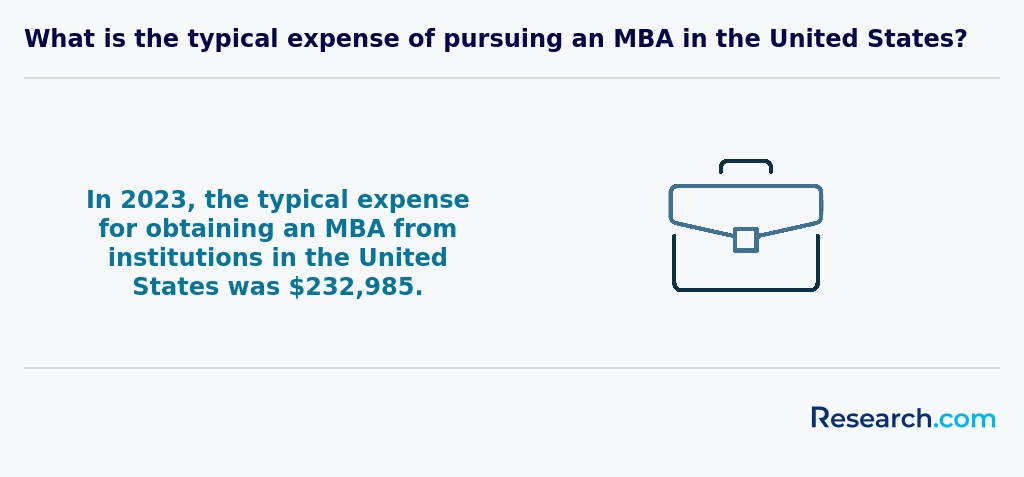
What is the average cost of online MBA degree in the Midwest?
In the Midwest, the average cost of pursuing an online MBA degree hovers around $22,680, making it an exciting gateway for ambitious learners aiming to balance quality with affordability. For many, the difference between in-state and out-of-state tuition plays a key role in managing expenses, with in-state students often paying near $17,048, while those from other states face approximately $21,060. Imagine a graduate from a well-known Midwestern university celebrating their achievement, knowing they invested wisely in a degree that unlocked new career paths without an overwhelming financial burden.
Several online MBA students in this region share how the manageable tuition fees allowed them to stay motivated and focused on learning, rather than worrying about massive debt. This is a refreshing departure from sky-high costs seen elsewhere, and the relatively modest price supports a fulfilling educational journey. With affordable online MBA degrees Midwest 2027 prospects are bright for those exploring programs at bustling business schools across Indiana, Ohio, and Michigan that emphasize flexibility and access.
Many graduates recall how scholarship opportunities and employer tuition reimbursements helped soften their investment, making the commitment feel like a rewarding adventure rather than a financial risk. This makes the total program cost something to embrace rather than fear, especially when paired with practical benefits like time savings and convenience.
For students weighing options, it's worthwhile to explore programs listed among the most affordable options and understand the value offered for each dollar spent. For those eager to delve into smart budgeting while chasing academic excellence, the journey can begin with exploring a cheap online masters degree that suits their professional dreams and wallet.
What financial aid is available to online MBA degree students in the Midwest?
Exploring financial aid for an online MBA in the Midwest opens up a realm of possibilities that students have eagerly embraced. Graduates from Indiana University often share how completing the FAFSA unlocked federal loans like Direct Unsubsidized and Grad PLUS Loans, easing their journey without overwhelming debt. These loans come with flexible repayment options, perfect for those balancing work and study.
At the University of Illinois at Urbana-Champaign, many students have celebrated receiving merit-based and diversity scholarships that truly made their MBA dreams affordable. These gifts of support feel like a personal victory, rewarding hard work and unique perspectives.
Imagine negotiating tuition assistance with your employer-several Midwest MBA students have turned this into a game changer, halving their out-of-pocket expenses. Conversations with HR departments or professional development teams often reveal hidden gems in employer benefits.
For the adventurous, private loans or income share agreements can be alternatives, but careful navigation is key. Midwest business associations sometimes offer scholarships targeting specific industries, turning passion into financial backing.
What are the prerequisites for enrolling in online MBA degree program in the Midwest?
bachelor's degree, whether it's in business or a totally different field-like a curious graduate from Indiana University who transitioned from engineering to business leadership.
Next up is real-world experience. Imagine building your story with at least two to three years of full-time work under your belt, just like a University of Wisconsin-Madison alum who brought hands-on management savvy to lively online discussions and team projects. This practical background lights up classrooms with fresh perspectives.
Standardized tests like the GMAT or GRE have become more flexible. Many Midwest programs now offer waivers if you showcase strong academics or solid work history. Letters of recommendation and personal essays then step in to reveal your leadership spark and career vision.

What courses are typically in online MBA degree programs in the Midwest?
Diving into an online MBA in the Midwest means embracing a curriculum that feels both practical and exciting. Imagine tackling accounting courses at a major Midwestern university, where graduates recall how understanding financial reporting helped them confidently manage real budgets at local companies. Finance classes often spark that "aha" moment as students explore corporate finance and investment strategies tailored to industries thriving right in the Heartland.
Marketing courses bring digital strategies to life, making it easier to connect with consumers through the powerful lens of regional brand stories. Operations management is especially dynamic in the Midwest-graduates frequently share how studying supply chain logistics and quality control opened doors to leadership roles in manufacturing hubs.
And then there's organizational behavior, where students discover the art of leading teams and navigating workplace culture, a skill vividly appreciated in fast-growing Midwestern startups and healthcare firms. Ethics and social responsibility weave throughout, reflecting the deep-rooted values that Midwest business communities cherish.
What types of specializations are available in online MBA degree programs in the Midwest?
Exploring online MBA specializations Midwest schools offer feels like embarking on a journey through the region's dynamic industries. Graduates from universities like the University of Illinois at Urbana-Champaign often rave about focusing on Finance, tapping into Chicago's vibrant financial scene to master corporate finance and investment strategies. Meanwhile, others find their calling in Healthcare Management, motivated by leadership roles in bustling hospital systems across Ohio and Michigan.
For those drawn to practical problem-solving, Operations and Supply Chain Management vivid scenarios of optimizing manufacturing and logistics networks deeply resonate-especially in states known for industry. Marketers excited by digital trends enjoy specializations emphasizing consumer behavior and brand management, reflecting the retail energy of the Midwest.
Students embracing innovation choose Entrepreneurship, inspired by startup culture in cities like Indianapolis, where their fresh ideas take flight. Data Analytics also captivates many, fueling data-driven decisions in business. Those eager to explore various paths can access diverse electives through highly regarded programs at Indiana University or Michigan State University, energized by rich business connections and real internships.
Curious learners should check out the list of nationally accredited colleges to uncover all possible routes for their Midwest online MBA degree concentrations.
How do you choose the best online MBA degree in the Midwest?
Choosing the best online MBA degree in the Midwest feels like embarking on a thrilling journey where every decision shapes your future. Graduates from the University of Michigan rave about the AACSB accreditation, which assures a rigorous academic experience that truly prepares you for leadership roles. Meanwhile, finding an affordable online MBA degree Midwest offers means weighing costs carefully-some public universities, like the University of Illinois Urbana-Champaign, keep tuition manageable without sacrificing quality.
Picture balancing classes around work and family life; many students at Indiana University appreciate the program flexibility that fits their busy schedules, making earning the degree feel achievable rather than overwhelming. Navigating curriculum choices can be exciting-specializations in areas like healthcare management or supply chain open new doors. Exploring student support services is essential too; alumni highlight career coaching and peer networking as game-changers in their journeys.
For those curious about outcomes, consider how top-ranked programs translate to strong salaries post-graduation. If you're eager to advance your career quickly, you might also explore online degrees for high paying jobs to complement your MBA adventure.
What career paths are available for online MBA degree students in the Midwest?
Graduates with an online MBA degree in the Midwest often find themselves stepping into dynamic roles across industries where the region thrives-be it manufacturing in Michigan, healthcare in Ohio, or finance in Illinois. Many alumni from renowned schools like the University of Chicago or Indiana University recount how their management consulting gigs let them dive into complex problems, crafting solutions that reshape organizations.
Others embrace financial management, drawn by vibrant corporate hubs in cities such as Minneapolis and Chicago. These positions tap into sharp analytical skills developed during the MBA journey, with salaries reflecting the demand for savvy business minds. Meanwhile, healthcare management roles offer a meaningful way to combine business acumen with improving community health systems, a chance deeply appreciated by graduates who studied in healthcare-focused settings.
For those craving adventure beyond corporate walls, entrepreneurship in supportive Midwestern startup scenes like Cleveland sparks growth and innovation. Logistics and supply chain careers also beckon, taking advantage of the region's strategic location. Such diverse paths make an online MBA career opportunities Midwest truly exciting for every motivated student looking to chart their own course, especially through accessible 1 year masters programs.
What is the job market for online MBA degree in the Midwest?
The online MBA job outlook Midwest is vibrant, fueled by a mix of thriving industries and affordable education options. Graduates from institutions like the University of Chicago Booth School of Business or Indiana University's Kelley School of Business often share stories of stepping into dynamic roles in areas such as marketing leadership or supply chain management. These experiences reflect the region's wide-ranging economy, which embraces manufacturing, healthcare, and technology sectors.
Many students find the blend of studying online while maintaining their current jobs particularly empowering, allowing them to apply real-world lessons immediately and advance their careers simultaneously. The cost-effective tuition of Midwestern public universities further enhances this journey, differentiating the experience from pricier programs elsewhere.
Opportunities abound in cities like Chicago and Minneapolis, where networking through strong alumni groups and professional associations regularly opens doors. If you're exploring career growth paths, it's worth considering what are the highest paying trades to expand your insight on lucrative options.
Midwest career opportunities for MBA graduates embrace competitive salaries and roles in financial planning, project management, and operations, making this region a compelling choice for ambitious professionals eager to launch or elevate their business careers.
Frequently Asked Questions About MBA
Online MBA students in the Midwest can maximize their learning by actively engaging with virtual classroom tools and networking opportunities. Many Midwest universities, such as the University of Illinois and Indiana University, offer platforms that facilitate group projects and live discussions. According to the National Center for Education Statistics, 35% of MBA students in the region report improved outcomes when participating regularly in online forums.
Balancing coursework with professional experience is key. Students should apply theoretical concepts directly to their jobs, enhancing real-world understanding. Additionally, utilizing regional alumni networks promotes mentorship and job opportunities. Scheduling consistent study times and leveraging professor office hours further supports success in these programs.
Emerging niches within the MBA field reflect a growing demand for specialized skills tailored to evolving industries. In the Midwest, online MBA programs increasingly feature concentrations in areas like healthcare management, supply chain analytics, and sustainability. According to the Graduate Management Admission Council (GMAC), healthcare management MBAs have seen enrollment growth of over 15% nationally in recent years, driven by the region's robust medical and biotech sectors.
Supply chain management is another key niche, with the Midwest's central location making logistics expertise highly valuable. Programs often incorporate data analytics and digital transformation, responding to industry needs for tech-savvy leaders. Sustainability-focused MBAs address rising corporate environmental responsibilities, preparing graduates for green business roles. These niches offer targeted career paths and reflect economic trends shaping the region's workforce.
After earning an online MBA degree in the Midwest, graduates should actively engage in job market preparation to maximize career opportunities. Networking plays a crucial role; connecting with alumni through platforms like LinkedIn or university career services can open doors to local businesses and industries prevalent in states such as Illinois, Ohio, and Michigan.
Additionally, leveraging career resources offered by Midwestern universities, including resume workshops and internship placements, enhances job prospects. According to the Graduate Management Admission Council, 85% of MBA grads report better networking access contributes significantly to job acquisition.
Developing skills in data analytics and digital marketing-fields growing rapidly in the Midwest-can increase employability. Staying informed about regional economic trends and tailoring applications to local markets is equally important for career success.
Employers in the Midwest highly value MBA graduates who demonstrate strong leadership and strategic thinking skills. A 2023 report by the Midwestern Business Education Council highlights that 78% of regional employers seek candidates proficient in data analysis and financial management. Communication skills rank equally important, with 72% emphasizing the ability to collaborate effectively across diverse teams.
Additionally, adaptability and technological proficiency are critical, as many Midwest industries integrate digital tools in daily operations. Practical experience with project management software and understanding market trends appear frequently in job postings targeting MBA holders.
These skills align with the holistic training offered by top online MBA programs in the Midwest, preparing graduates for leadership roles in varied sectors.
Finding internships in the Midwest relevant to an MBA degree involves targeted strategies reflecting the region's economic landscape. The Midwest hosts diverse industries like manufacturing, finance, healthcare, and agriculture, offering varied internship opportunities for MBA students. Utilizing university career centers is essential; many Midwestern schools have partnerships with local firms providing exclusive internships.
Online MBA students should also explore platforms such as Handshake and LinkedIn, where Midwest-based companies frequently post internship openings. According to the National Association of Colleges and Employers (NACE), internships in business fields have increased by 8% in the Midwest since 2021.
Networking events, both virtual and local, often facilitated by regional MBA programs, remain a valuable resource for securing internships. Engaging with Midwestern chapters of professional organizations like the Midwest Business Group can further expand connections.
In the Midwest, earning an online MBA degree significantly enhances career mobility by equipping graduates with essential business skills valued across industries. According to the Graduate Management Admission Council (GMAC) 2023 report, 76% of MBA graduates in this region reported salary increases within two years of completing their degree.
Employers in sectors like manufacturing, finance, and healthcare actively seek candidates with advanced leadership and management skills, often gained through MBA programs. This demand drives professional advancement opportunities for online MBA holders, including promotions and lateral moves to higher-paying roles.
Additionally, flexible scheduling allows working professionals to gain credentials without interrupting their careers, making online MBAs especially practical for Midwest residents balancing work and family obligations.
Studying for an online MBA degree in the Midwest offers strong preparation for interdisciplinary roles by emphasizing broad business knowledge and practical skills. Many Midwest programs integrate coursework from finance, marketing, management, and technology, mirroring complex workplace environments.
Midwestern institutions often collaborate with regional industries such as manufacturing, healthcare, and agriculture, providing students with relevant case studies and project experiences. According to the Graduate Management Admission Council (GMAC), 62% of MBA employers in the Midwest seek candidates with versatile business skills applicable across sectors.
This regional focus supports students in becoming effective collaborators and problem solvers capable of working in diverse organizational settings.
Choosing between a thesis and a non-thesis online MBA in the Midwest depends on your career goals and learning preferences. A thesis MBA often suits those aiming for research roles, doctoral studies, or academic careers because it requires original research and a formal paper. In contrast, a non-thesis MBA is more practice-oriented, focusing on coursework and real-world business skills, appealing to professionals seeking leadership or managerial positions.
Midwestern programs, such as those at the University of Illinois or Indiana University, offer both options with flexibility for working adults. According to the National Center for Education Statistics, about 60% of MBA students in the Midwest prefer non-thesis tracks for faster completion. Consider your time availability, professional aims, and personal interest in research when deciding.
Midwest students seeking to study for an MBA abroad have several pathways that combine international exposure with accredited online programs. Many US universities in the Midwest offer partnerships with global business schools, allowing students to complete portions of their degree overseas or engage in virtual international modules. According to the Graduate Management Admission Council (GMAC), nearly 25% of MBA candidates pursue programs with global curricula, enhancing cross-cultural leadership skills.
Online MBA options often include study-abroad residencies or exchange opportunities lasting from one to three weeks, typically available at schools in Europe or Asia. These hybrid formats provide practical experience while maintaining flexibility.
Accreditation remains vital; students should verify programs are recognized by bodies like AACSB or EQUIS to ensure global quality standards.
Part-time job opportunities in the Midwest that complement an online MBA education often focus on roles in management, finance, and consulting. Many MBA students find internships or part-time positions in regional banking institutions, which form a significant portion of the Midwest's economic landscape. According to the Federal Reserve Bank of Chicago, Midwest financial services employ over 1.5 million people, offering practical experience for MBA students. Additionally, supply chain and logistics companies, common in this region, provide roles in operations management, directly aligning with MBA coursework.
Administrative and project assistant roles in local startups and corporations also offer valuable exposure to strategic decision-making.
Online MBA students in the Midwest have access to diverse networking opportunities despite the remote format. Many universities partner with local business organizations and chambers of commerce to create virtual events, webinars, and regional meetups.
According to the Graduate Management Admission Council (GMAC), over 70% of online MBA programs incorporate live networking sessions and group projects that foster peer connections.
Midwestern institutions often tap into strong regional economies-such as Chicago, Minneapolis, and Indianapolis-offering alumni networks and mentorship programs designed to support career growth.
These connections help students build professional relationships that extend beyond the virtual classroom.
Alumni networks play a crucial role for online MBA students in the Midwest by offering valuable professional connections and career support. These networks often include thousands of graduates from regional universities such as the University of Chicago Booth School of Business and Indiana University Kelley School of Business. Access to this network helps students find job opportunities, mentorship, and industry insights tailored to the Midwest's job market.
According to a 2023 report from the Graduate Management Admission Council, 70% of MBA graduates credit alumni connections for landing their first post-degree job. This is particularly important for online learners who may miss out on in-person networking.
Strong alumni networks also host regional events and online forums, enabling continuous learning and collaboration among Midwest business professionals.
Many online MBA programs in the Midwest offer flexible curricula that allow students to tailor their studies to specific career goals. Typically, you can choose from various concentrations such as finance, healthcare management, or entrepreneurship. According to U.S. News & World Report, about 70% of Midwest online MBA programs allow students to select electives that align closely with their professional interests.
Some schools enable customization through capstone projects or internships focused on industries relevant to the Midwest economy, like manufacturing or agriculture. Additionally, mentorship programs and career services help students connect with local businesses to apply their skills in real-world settings. Understanding these options can maximize the value of your degree.
Online MBA students in the Midwest often face unique challenges compared to their counterparts in other regions. One major issue is balancing work, family, and studies simultaneously, as many students are mid-career professionals. According to the Midwest Business Education Association, over 60% of online MBA students work full-time while studying. This can lead to time management stress and difficulties meeting deadlines.
Another challenge is limited in-person networking opportunities. The Midwest's dispersed population means fewer local events or meetups, which can impact building professional connections vital for career advancement.
Technical issues and internet reliability, especially in rural areas, also affect students' ability to participate fully in live sessions and group work.
With an online MBA degree from a Midwest university, students can pursue numerous professional certifications that enhance career opportunities. Popular certifications include the Project Management Professional (PMP), Certified Management Accountant (CMA), and Certified Financial Planner (CFP). These certifications align well with core MBA skills such as leadership, financial analysis, and strategic planning.
According to the Graduate Management Admission Council, nearly 40% of MBA graduates in the Midwest seek certifications to boost employability. The flexibility of online programs allows professionals to prepare for exams while working full-time. Many Midwest business schools also offer exam-prep resources integrated into their MBA curriculum.
The online MBA thus serves as a versatile foundation for obtaining these industry-recognized credentials, setting graduates apart in competitive job markets.
Writing a winning application for an online MBA program in the Midwest requires clear presentation of your academic background, professional experience, and career goals. Many Midwest programs, such as those at the University of Illinois and Indiana University, emphasize leadership potential and practical experience. Use your personal statement to highlight how the MBA aligns with your career aspirations.
Strong GMAT or GRE scores remain important, with Midwest averages around 600-650 as reported by U.S. News. Letters of recommendation should come from supervisors who can attest to your management capabilities.
Finally, tailor each application to the specific program's values and curriculum, showing genuine interest and understanding of the school's offerings.
The global outlook on MBA careers recognizes the degree as a versatile and valuable credential, particularly in the competitive US job market. Graduates from Midwest online MBA programs often report strong career advancement opportunities both domestically and internationally. According to the Graduate Management Admission Council (GMAC), nearly 70% of MBA graduates seek work outside their immediate region, reflecting the degree's broad appeal.
Many employers worldwide value MBA holders for their strategic thinking, leadership, and management skills. In the Midwest specifically, online MBA graduates benefit from connections to industries such as manufacturing, finance, and healthcare, which have global reach. The region's economic diversity supports a variety of career paths.
Salary growth is another global incentive; the Economic Research Institute notes MBA graduates in the Midwest earn on average 20-30% more than their non-MBA peers, a trend consistent in international business hubs.
Gaining practical experience while pursuing an online MBA degree in the Midwest is essential to enhance your skills and employability. Many universities in this region offer experiential learning opportunities such as virtual internships, consulting projects, and case competitions that connect students with local companies. For example, the University of Illinois at Urbana-Champaign provides students with access to real-world business simulations and partnerships with Midwest enterprises.
Additionally, some programs encourage networking through regional business associations and alumni groups. This hands-on exposure complements online coursework and prepares students for leadership roles. The Graduate Management Admission Council reported that 65% of MBA programs in the Midwest emphasize applied projects alongside traditional studies.
Choosing the right concentration within an online MBA program in the Midwest depends on your career goals and industry demand. Popular options include finance, healthcare management, and supply chain, reflecting the region's strong industries. According to the U.S. Bureau of Labor Statistics, healthcare and logistics jobs in the Midwest are projected to grow faster than average through 2030. Many Midwest programs emphasize practical skills tailored to local economies, so aligning your concentration with regional job trends can improve employability.
Consider your prior experience and interests when selecting a focus. For example, if you work in manufacturing, a supply chain concentration might be ideal. Research program curricula carefully to ensure courses match your professional objectives and offer relevant networking opportunities.
Top Trending MBA Rankings
References
- Top Online MBAs for Salary Growth | FIND MBA Online https://findmbaonline.com/lists/top-10-online-mba-programs-for-salary-growth
- Follow These 10 Steps To Write Your MBA Application Essays - ApplicantLab https://www.applicantlab.com/blog/10-steps-to-write-your-mba-application-essay/
- What Do You Learn in an MBA? | University of Bridgeport https://www.bridgeport.edu/news/what-you-learn-in-an-mba/
- How to Choose the Best MBA Program for Your Career Goals https://www.clearadmit.com/2025/05/how-to-choose-the-best-mba-program-for-your-career-goals/
- Why MBA Graduates Embrace Global Perspectives for Career Growth https://www.thehighereducationreview.com/editors-guest/why-mba-graduates-embrace-global-perspectives-for-career-growth-nid-6271.html
- What Can You Do with an MBA in Today’s Market? | Elmhurst University Elmhurst University Blog https://www.elmhurst.edu/blog/what-can-you-do-with-an-mba-in-todays-market/
- MBA Internships: Find 5400 MBA Intern Jobs https://internshala.com/internships/mba-internship/
- What can you do with an online MBA? | edX https://www.edx.org/resources/what-can-you-do-with-an-online-mba
- Why Employers Prize a Global Perspective from MBA Graduates | WU Executive Academy https://executiveacademy.at/en/knowledge/career/why-employers-prize-a-global-perspective-from-mba-graduates
- MBA Career Outlook from a Global Perspective Margaret Buj https://interview-coach.co.uk/mba-career-outlook-from-a-global-perspective/


