
2027 Best Nursing Degree Programs Ranking in Puerto Rico

Co-Founder and Chief Data Scientist
Choosing the right nursing degree program is an important step toward a rewarding career in healthcare. This article presents the 2027 Best Nursing Degree Programs Ranking in Puerto Rico, carefully compiled by the Research.com team of data scientists.
Our goal is to help you confidently explore the top options available so you can find a program that fits your goals and lifestyle. Getting a nursing degree opens doors to meaningful work, job stability, and the chance to make a real difference in your community.
We invite you to discover which programs stand out and why pursuing nursing is a great choice for your future.
Key benefits of getting nursing degree in Puerto Rico
- Graduates with a nursing degree in Puerto Rico can expect competitive salaries, with Registered Nurses earning a mean annual wage of $94,480 and Operating Room Nurses reaching up to $128,490, offering strong financial stability.
- Career paths are diverse; a nursing graduate from the University of Puerto Rico can pursue roles such as Clinical Nurse Educator, Public Health Nurse, or Emergency Room Nurse, all with rewarding work environments and growth opportunities.
- Online nursing degrees provide flexible learning for busy students, as seen with graduates from Ana G. Méndez University, enabling them to balance work, family, and studies while still accessing quality education.
- Key benefits of getting nursing degree in Puerto Rico
- What can I expect from nursing degree in Puerto Rico?
- Where can I work with nursing degree in Puerto Rico?
- How much can I make with nursing degree in Puerto Rico?
- 2027 Best Nursing Degree Programs Ranking in Puerto Rico
- Key Findings
- How long does it take to complete nursing degree in Puerto Rico?
- Accreditation and NCLEX Pass Rates
- What's the difference between online and on-campus nursing degree?
- Licensure and Certification
- What is the average cost of nursing degree in Puerto Rico?
- NCLEX-RN Pass Rates & Licensing in Puerto Rico
- What financial aid is available to nursing degree students in Puerto Rico?
- What are the prerequisites for enrolling in nursing degree program in Puerto Rico?
- What courses are typically in nursing degree programs in Puerto Rico?
- What types of specializations are available in nursing degree programs in Puerto Rico?
- How do you choose the best nursing degree in Puerto Rico?
- What career paths are available for nursing degree students in Puerto Rico?
- What is the job market for nursing degree in Puerto Rico?
- Top Trending Nursing Rankings
- See What Experts Have To Say About Studying Nursing
What can I expect from nursing degree in Puerto Rico?
If you're thinking about getting a nursing degree in Puerto Rico, you're probably wondering about the costs. On average, tuition for nursing programs at well-known schools like the University of Puerto Rico or the Metro Campus runs between $4,000 and $7,000 per year for in-state students. Many graduates say this is a great value, especially considering the quality of education and the strong reputation these schools have for preparing students for the NCLEX-RN licensing exam.
Some students share that scholarships and financial aid opportunities helped ease the burden, making it easier to focus on learning anatomy, pharmacology, and those crucial clinical rotations in local hospitals. Plus, with many courses taught partly in English, students feel ready to step into various healthcare settings, both on the island and mainland U.S.
Compared to mainland programs, nursing degrees here can be a cost-effective way to kickstart a rewarding career without breaking the bank.
Where can I work with nursing degree in Puerto Rico?
If you're studying nursing at one of Puerto Rico's well-known schools like the University of Puerto Rico or the Interamerican University, you're stepping into a field full of diverse opportunities. Many grads find themselves working in hospitals, like the busy Puerto Rico Medical Center, where they get hands-on experience in critical care or assisting in surgeries. It's a fast-paced environment that really tests your skills but feels rewarding every day.
Others choose community health centers or clinics, especially in rural areas where nurses make a big impact by improving access to care. Imagine visiting patients, helping manage chronic illnesses, and building long-term relationships-that's pretty common for nursing grads here.
Some graduates enjoy working with seniors in assisted living homes, focusing on rehab and chronic disease care, which is super important with Puerto Rico's growing elderly population. And if you go for advanced studies, roles in public health or nursing education might be your path, leading vaccination drives or teaching the next generation.
Plus, lots of nurses end up at federal facilities like Veterans Affairs hospitals, which offer solid pay and benefits. Nursing here isn't just a job, it's a real chance to make a difference close to home.
How much can I make with nursing degree in Puerto Rico?
If you're wondering how much you can make with a nursing degree in Puerto Rico, the numbers might surprise you a bit. Graduates working as registered nurses usually see an average annual salary around $47,000, which is less than the U.S. national average of about $82,750. But keep in mind, the cost of living here is different, making it a stable and rewarding choice locally.
Many grads from well-known local schools like the University of Puerto Rico's nursing program share they start their careers earning close to $35,000 but quickly boost that with experience and certifications. Those with advanced degrees or specialized roles-like nurse practitioners-can pull in anywhere between $60,000 and $75,000 a year.
For those aiming even higher, roles such as operating room nurses have a national mean salary of about $128,490 annually. That's a great motivator for grads who want to specialize and push their careers toward top-tier clinical roles.
Working in urban hospitals in San Juan tends to pay better and offers more chances for overtime and bonuses, which really helps stretch your paycheck. So, pursuing a nursing degree here definitely opens doors to steady, fulfilling work-with decent earnings for the island's healthcare scene.
2027 Best Nursing Degree Programs Ranking in Puerto Rico
How do we rank schools?
Investing in your education is a significant decision that requires careful consideration, and the Research.com team is deeply aware of the importance of making well-informed choices. To support prospective students in Puerto Rico, we have thoughtfully developed the "2027 Best Nursing Degree Programs Ranking in Puerto Rico." Our dedication to ensuring quality, credibility, and accuracy is demonstrated through diligent research and analysis behind this ranking.
We utilized the following reputable data sources to guarantee a thorough assessment of nursing programs:
By exploring this ranking, readers will obtain valuable insights into the top nursing degree programs in Puerto Rico, empowering them to make confident and informed decisions about their educational future. For more information on how this ranking was created, please visit our Research.com methodology page.
# 1 position
Universidad Ana G. Mendez-Gurabo Campus
Master of Science in Nursing

# 3 position
Pontifical Catholic University of Puerto Rico-Ponce
Bachelor of Science in Nursing

# 5 position
Dewey University-Hato Rey
Master of Science in Nursing

# 6 position
Universidad Ana G. Mendez-Cupey Campus
Master of Science in Nursing


# 10 position
Caribbean University-Bayamon
Master of Science in Nursing

# 12 position
NUC University
Bachelor of Science in Nursing


# 20 position
Dewey University-Manati
Bachelor of Science in Nursing

Key Findings
- Nursing programs in Puerto Rico include associate, bachelor's, and advanced degrees aligned with the U.S. education system.
- The total cost for a bachelor's degree ranges from $10,000 to $20,000, while associate degrees usually cost less than $8,000.
- The average starting salary for registered nurses in Puerto Rico is about $45,000 annually, increasing to around $60,000 with experience.
- Graduates must pass the NCLEX-RN exam to become licensed and work as registered nurses in Puerto Rico and most U.S. states.
- Job opportunities are available in hospitals, clinics, long-term care, and outpatient services, with strong demand for nurses holding bachelor's degrees or certifications.
How long does it take to complete nursing degree in Puerto Rico?
If you're wondering how long it takes to finish a nursing degree in Puerto Rico, it really depends on the path you pick. For example, many students at big schools like the University of Puerto Rico's nursing programs find that an Associate Degree in Nursing (ADN) can be completed in about two to three years. This is great if you want to jump into the workforce quickly and start taking care of patients without waiting forever.
On the other hand, some graduates from places like the Pontifical Catholic University go for the full Bachelor of Science in Nursing (BSN), which usually takes around four years. It's a bit longer, but many say it's worth it because you get to learn leadership and research skills that really boost your chances for better jobs.
There's also the RN-to-BSN route, perfect for those already working with an ADN who want to upgrade their degree while juggling work. This part-time option usually takes about 1.5 to 2 years, so it fits well with busy schedules.
Accreditation and NCLEX Pass Rates
Accreditation ensures nursing programs meet rigorous quality standards and qualify graduates for licensure in Puerto Rico. Look for schools approved by both national and local bodies to maximize educational value and licensure success.
- Commission on Collegiate Nursing Education (CCNE) accreditation
- Accreditation Commission for Education in Nursing (ACEN) accreditation
- Approval by the Puerto Rico Board of Nursing
NCLEX-RN pass rates reflect how well programs prepare students for professional practice. Leading schools on the island report annual pass rates above 90%, compared to the Puerto Rico average of around 85%. Review each program’s most recent NCLEX data-often published on school websites-to gauge effectiveness and support informed decision-making.
For nurses planning to advance beyond a BSN, explore bsn to dnp programs.
What's the difference between online and on-campus nursing degree?
If you're thinking about a nursing degree in Puerto Rico, the main difference between online and on-campus programs comes down to where and how you learn. On-campus programs, like those at the University of Puerto Rico's Medical Sciences Campus, have you showing up for classes, labs, and clinical hours in real-life settings. Graduates often talk about how much they loved the face-to-face time with instructors and classmates-it feels more hands-on and personal, especially during those critical clinical rotations at local hospitals.
Online nursing degrees, on the other hand, offer way more flexibility. You can watch lectures and do assignments from home or anywhere, which really helps if you've got a busy schedule. But don't worry, you still get to do your clinical hours in person, often arranged near where you live. Many students find this hybrid setup perfect for balancing work, family, and school.
Students from both paths say that whether you're on campus or online, Puerto Rican programs keep quality high with solid clinical training and strong community ties that prepare you well for nursing careers.
Licensure and Certification
After earning your nursing degree in Puerto Rico, securing licensure is essential to practice. The process involves meeting educational, examination, and regulatory requirements:
- Graduate from a CCNE- or ACEN-accredited nursing program.
- Apply to the Puerto Rico Board of Nursing with official transcripts and proof of clinical hours.
- Register for the NCLEX-RN exam, pay the registration fee, and schedule your test date.
- Pass the NCLEX-RN (Puerto Rico’s pass rates typically mirror the U.S. average of around 85–90%).
- Receive your RN license from the Board, enabling you to practice statewide and apply for reciprocity on the mainland.
Maintaining your license requires renewal every two years, which includes completing continuing education credits. Many nurses further advance by enrolling in an rn to bsn online program, enhancing credentials and meeting renewal requirements.
What is the average cost of nursing degree in Puerto Rico?
If you're wondering about the average nursing degree cost in Puerto Rico, here's the scoop: most students end up paying around $7,050 if they're in-state, which is pretty friendly compared to many mainland options. For out-of-state students or those attending private schools, the cost can go up to about $17,450. This makes Puerto Rico a great place to study nursing without breaking the bank, especially when you consider the island's lower living costs.
Graduates from the University of Puerto Rico's well-known nursing programs often share how reasonable tuition helped them focus more on their studies and less on financial stress. Public colleges here generally charge less, around $3,000 to $5,000 per year, but when you consider the full program length, including fees and supplies, the total budget comes close to those figures. Private colleges may cost more, sometimes reaching up to $12,000 yearly, but it's still a more affordable path than many US mainland options.
For those balancing work and school, finding scholarships, grants, or even federal financial aid is key - many students tap into these to reduce expenses further. Plus, if you're looking for the best 6 month online programs that pay well, Puerto Rico offers flexible options that can fit your schedule and budget.
NCLEX-RN Pass Rates & Licensing in Puerto Rico
Graduates must meet Puerto Rico Board of Nursing standards and pass the NCLEX-RN to practice.
- Complete an ACEN or CCNE accredited nursing program.
- Submit your application, official transcripts, background check, and fee to the Puerto Rico Board of Nursing.
- Register with Pearson VUE and schedule the NCLEX-RN exam.
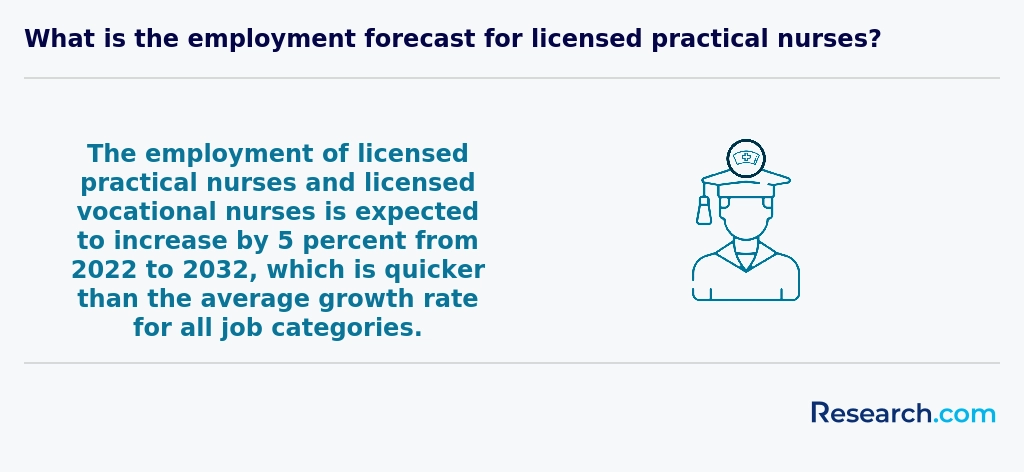
The average NCLEX-RN first-time pass rate in Puerto Rico is around 85% (2024 data). Top programs often achieve pass rates above 90%, reflecting comprehensive curricula and hands-on clinical training.
Effective NCLEX-RN preparation strategies:
- Enroll in review courses with practice exams and simulation labs.
- Use reputable question banks and case studies.
- Join study groups to reinforce critical thinking skills.
For seamless career progression, consider online rn to bsn programs without clinical requirements.
What financial aid is available to nursing degree students in Puerto Rico?
When you're getting a nursing degree in Puerto Rico, there's a solid mix of financial help out there to lighten the load. Many graduates from schools like the University of Puerto Rico's Medical Sciences Campus share how the Pell Grant has been a lifesaver, providing up to $7,395 for those who really need it. On top of that, programs like the Federal Supplemental Educational Opportunity Grant and direct federal loans can cover much of the rest.
Local scholarships are also a big deal here. The Puerto Rico Higher Education Assistance Foundation (FAES) offers grants that many nursing students at places like the Inter American University of Puerto Rico have used. These often hinge on your grades and need, making it super motivating to keep that GPA up!
Plus, a bunch of nursing schools throw in tuition discounts or merit scholarships. One grad described it as a "huge relief" knowing there's institutional aid available just for hitting certain milestones.
And don't forget about programs like the Nurse Corps Scholarship, where you get tuition help in exchange for working in underserved areas-perfect if you want to give back locally after you graduate.
Just remember to fill out FAFSA early since funds go fast. Plenty of students recommend checking with local nursing boards or student associations to catch every chance for aid out there.
What are the prerequisites for enrolling in nursing degree program in Puerto Rico?
If you're thinking about enrolling in a nursing degree program in Puerto Rico, the first thing you'll notice is that having a high school diploma or a GED is a must. Most students I've heard about from local universities like the University of Puerto Rico or Bayamón Central University say this is where it all starts-it shows you've got the basics down.
Next up, you'll want to make sure you've taken courses in biology, chemistry, and math. These subjects come up a lot, especially when you're learning about the body and how medicines work, so it really helps to have that background before you jump into nursing classes.
Many programs here also ask you to pass an entrance test-usually the TEAS. It's kind of like a checkpoint to make sure you're ready for the challenge. Graduates from nursing schools around Puerto Rico often mention how preparing for the TEAS boosted their confidence.
Finally, some colleges might ask for letters of recommendation or even proof of volunteer work in healthcare. This gives you a chance to show your passion for nursing beyond just grades, something many local students found really rewarding to share during their application process.
What courses are typically in nursing degree programs in Puerto Rico?
If you're thinking about nursing degrees in Puerto Rico, get ready for a mix of courses that really set you up for real-world nursing. At popular schools like the University of Puerto Rico, students dive deep into subjects like Human Anatomy and Physiology, which means understanding the body inside and out-imagine feeling confident knowing exactly how organs work when you're in the hospital.
Microbiology is another big one, where you learn all about germs and how they affect health. Then there's Pharmacology, where future nurses get the hang of medications-important for those moments when you have to give the right dose to a patient. Nutrition courses highlight how what people eat impacts their healing, something graduates say helped them connect with patients on a personal level.
Beyond that, students get trained in Adult and Pediatric Nursing, covering care for all ages, plus Maternity and Neonatal Nursing to support moms and newborns. Mental Health and Community Nursing courses really bring out the caring side, helping students address mental wellness and public health challenges in Puerto Rican communities. And of course, clinical practicums give you hands-on experience, turning theory into practice in real hospitals and clinics across the island.
What types of specializations are available in nursing degree programs in Puerto Rico?
If you're diving into nursing degrees in Puerto Rico, you'll find a bunch of specializations that really let you tailor your career. For instance, many students at the University of Puerto Rico enjoy focusing on Registered Nurse (RN) programs, which build solid clinical skills and get you ready for the licensing exam. Others go for advanced roles like APRN, becoming nurse practitioners or specialists with a more hands-on approach in complex care.
Some grads love working with specific groups, like pediatric nursing for little ones or geriatric nursing, which is super important given the island's aging population. There's also mental health nursing, perfect if you want to support folks through tough times, and community health nursing, which tackles public health challenges unique to Puerto Rico. These nursing specializations in Puerto Rico really reflect what's happening locally, making your training feel relevant and meaningful.
Plus, if you're looking for flexible options later on, check out programs like best degrees for older adults online that can fit your pace and lifestyle.
How do you choose the best nursing degree in Puerto Rico?
Picking the best nursing degree in Puerto Rico really comes down to what fits your lifestyle and goals. Graduates from popular colleges here often share how choosing between an Associate Degree in Nursing and a Bachelor of Science in Nursing made a big difference. For example, many found that while the ADN was faster and more affordable, the BSN opened more doors in local hospitals, which increasingly prefer BSN-prepared nurses.
Cost plays a huge role-public universities usually have lower tuition, so looking into affordable nursing degrees Puerto Rico offers can save you stress and money. Some grads suggest checking out programs with strong clinical rotations because hands-on experience in places like San Juan hospitals makes learning stick.
Also, don't overlook program flexibility. Balancing work and classes is tough, so several students recommend searching for hybrid or online options. If you want to explore faster, budget-friendly options, check out this affordable online associate's degree that many students found helpful.

What career paths are available for nursing degree students in Puerto Rico?
Graduates with a nursing degree in Puerto Rico find themselves stepping into a variety of rewarding career paths right on the island or elsewhere in the US. Many start as staff nurses in busy hospitals, taking care of patients in specialties like pediatrics or emergency care. Others move into teaching roles at well-known colleges or university programs, sharing their knowledge with the next group of nursing students. With a nursing degree from Puerto Rico, it's also common to see nurses working in community health centers or managing care plans as case managers. Some graduates have shared how the training they received at popular institutions helped them become advanced practice registered nurses, like nurse practitioners, opening doors to even more specialized jobs.
Nursing career opportunities in Puerto Rico are diverse and growing, especially as more nurses get certified in areas like oncology or gerontology. If you're curious about affordable options, public universities here often offer nursing programs with lower tuition than mainland schools. Many students check out top schools online to balance study with work or family, which is a huge plus when planning your nursing journey.
What is the job market for nursing degree in Puerto Rico?
The nursing job outlook in Puerto Rico is steady but comes with its own set of challenges. Graduates from popular nursing programs at universities or colleges often find a range of opportunities in hospitals, clinics, and long-term care facilities across the island. Many share that while the job market is competitive, the demand for nurses Puerto Rico 2027 is expected to grow, especially for those with advanced degrees. The salaries are generally lower than on the mainland, which sometimes pushes new nurses to consider jobs in the US, but the chance to impact local communities keeps many motivated.
For students looking to manage costs, nursing programs in Puerto Rico offer reasonably priced tuition, making it easier to start a nursing career without massive debt. If you're juggling work and study, exploring the best affordable online colleges for working adults can be a real lifesaver while preparing for a rewarding job.
Frequently Asked Questions About nursing
Nursing students in Puerto Rico can maximize their learning experience by engaging deeply with both theoretical and practical components of their programs. Puerto Rico has several accredited nursing schools, and it is crucial for students to participate actively in clinical rotations, which offer real-world experience essential for building skills. According to the Puerto Rico Board of Nursing, hands-on practice in local healthcare settings helps students understand the unique health challenges affecting their communities.
Additionally, students should take advantage of tutoring services and study groups to strengthen their knowledge of nursing fundamentals. With an ongoing nursing shortage on the island, students who excel in critical thinking and communication often find better clinical placements and job opportunities following graduation, as reported by the U.S. Bureau of Labor Statistics. Continuous learning and involvement in nursing associations can further enhance professional growth.
Emerging niches within the nursing field in Puerto Rico reflect broader trends in U.S. healthcare. One significant area is geriatric nursing, driven by the island's aging population. According to the Puerto Rico Institute of Statistics, nearly 20% of residents are over 65, increasing demand for specialized elder care.
Another growing specialty is telehealth nursing. The COVID-19 pandemic accelerated its adoption, offering remote patient monitoring and care coordination, which is vital for Puerto Rico's rural communities. This niche requires skills in digital communication and technology.
Finally, nurse practitioners with advanced certifications in mental health are increasingly needed. The U.S. Health Resources and Services Administration notes a shortage of mental health providers on the island, highlighting opportunities for nurses in psychiatric and behavioral care.
After earning a nursing degree in Puerto Rico, preparing for the job market involves several important steps. Graduates must pass the NCLEX-RN exam, required for licensure by the Puerto Rico Board of Nursing. According to the National Council of State Boards of Nursing, the 2023 pass rate for Puerto Rican candidates was around 65%, highlighting the exam's difficulty.
It is essential to gain practical experience through clinical rotations or internships, which many programs include. Networking with local healthcare providers and joining professional organizations such as the Puerto Rico Nurses Association can increase job opportunities. Also, staying informed about emerging healthcare trends in Puerto Rico can improve employability.
Employers in Puerto Rico highly value nursing graduates who possess strong clinical skills, effective communication, and cultural competence. According to the Puerto Rico Board of Nursing, graduates must be proficient in patient assessment, administering medication safely, and managing emergency situations.
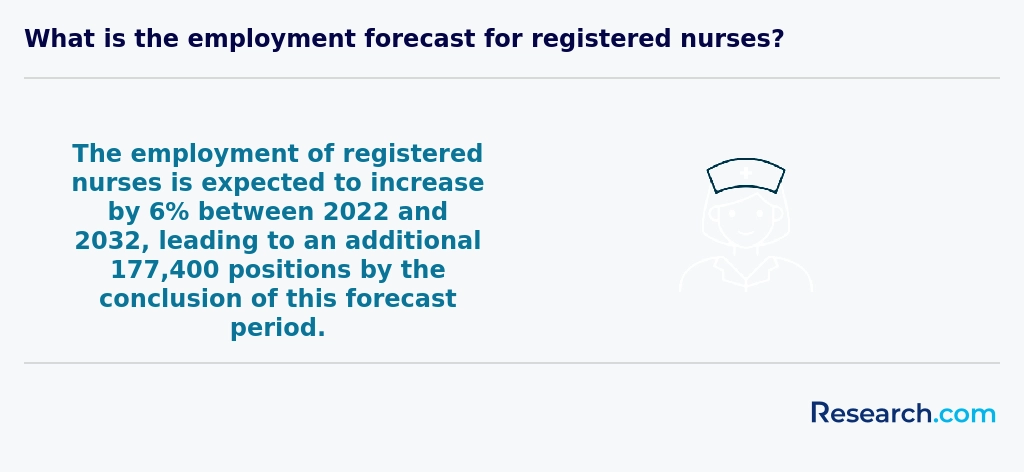
Additionally, teamwork and adaptability are critical due to the dynamic healthcare environment on the island. The U.S. Bureau of Labor Statistics reports a 15% projected growth in nursing jobs for Puerto Rico through 2031, emphasizing the need for flexibility and ongoing learning.
Finally, knowledge of electronic health records (EHR) systems and bilingual communication, especially in English and Spanish, greatly enhance employability in local hospitals and clinics.
Finding internships in Puerto Rico relevant to a nursing degree involves several practical steps. Many nursing programs in Puerto Rico have established partnerships with hospitals, clinics, and health centers across the island, including facilities like the Puerto Rico Medical Center in San Juan. Students should consult their program's clinical placement coordinator early to explore available internship opportunities.
The Puerto Rico Board of Nursing requires nursing students to complete supervised clinical hours, typically between 500 to 700 hours, depending on the degree level. This ensures hands-on experience in areas such as patient care and community health.
Additionally, organizations like the Puerto Rico Nurses Association often post internship openings and offer networking events. Online portals maintained by local health departments can also list internships suited for nursing students. Researching and applying early improves chances due to competition and limited slots.
In Puerto Rico, obtaining a nursing degree significantly enhances career mobility and advancement opportunities. The territory's healthcare system relies heavily on qualified nurses, with registered nurses (RNs) comprising a substantial portion of medical staff, as reported by the U.S. Bureau of Labor Statistics (BLS) and the Puerto Rico Department of Labor.
A nursing degree, especially at the bachelor's level or higher, opens doors to roles beyond entry-level nursing, such as nurse practitioners, educators, and administrators. Advanced degrees correlate with higher salaries and leadership positions, reflecting national trends.
Licensure through the National Council Licensure Examination (NCLEX-RN), essential in Puerto Rico, anchors professional credibility and flexibility across the U.S.
Studying for a nursing degree in Puerto Rico uniquely equips students for interdisciplinary roles within healthcare. Programs emphasize collaboration with professionals such as physicians, social workers, and therapists. This approach is rooted in U.S. nursing education standards, including guidelines from the American Association of Colleges of Nursing (AACN).
Puerto Rican nursing students engage in clinical rotations across diverse settings, often in hospitals where teamwork is essential. According to the Puerto Rico Nursing Education Consortium, over 60% of nursing programs incorporate interprofessional education to foster communication and problem-solving skills critical in patient care.
This interdisciplinary focus helps graduates adapt to complex healthcare environments by promoting holistic patient management and understanding of various health disciplines.
When choosing between a thesis and a non-thesis nursing degree program in Puerto Rico, consider your career goals and learning preferences. Thesis programs emphasize research, requiring students to design and complete a scholarly project. This path suits those aiming for advanced practice roles, teaching, or doctoral studies. Non-thesis programs focus more on coursework and practical skills, appealing to students seeking quicker entry into clinical or administrative nursing positions.
According to the Puerto Rico Board of Nursing, advanced degrees with research experience may enhance eligibility for leadership roles. However, thesis programs often take longer to complete, impacting time and cost.
Assess your interest in research, available time, and long-term ambitions before deciding.
Students in Puerto Rico interested in studying nursing abroad have several pathways within the U.S. higher education system. Many choose to enroll in mainland U.S. nursing programs, which offer a range of degree options from Associate to Doctorate levels. These programs often provide clinical experiences that align with U.S. healthcare standards, an essential factor for licensure. Puerto Rican students benefit from in-state tuition agreements in some states or scholarships aimed at U.S. territories, making education abroad more affordable.
According to the National Council of State Boards of Nursing, over 80% of nurses in Puerto Rico complete their licensure through U.S.-accredited programs, highlighting the value of recognized mainland degrees for career mobility.
Students pursuing nursing degrees in Puerto Rico can benefit from several part-time job opportunities that complement their education. Positions such as certified nursing assistants (CNAs) and medical assistants are commonly available, providing hands-on patient care experience. According to the Puerto Rico Department of Labor, healthcare support roles have seen a steady demand with average hourly wages ranging from $11 to $15.
Additionally, working as a pharmacy technician or home health aide offers valuable insights into medication management and patient interaction. These roles help students build practical skills while maintaining flexible hours. Volunteering in local clinics and hospitals also enhances clinical knowledge alongside formal studies.
Gaining work experience in Puerto Rico's healthcare settings prepares nursing students for licensure exams and future employment within the U.S. healthcare system.
Nursing students in Puerto Rico have several valuable networking opportunities that enhance their education and career prospects. Many universities, such as the University of Puerto Rico's Medical Sciences Campus, offer student chapters of nationally recognized organizations like the American Nurses Association (ANA) and the National Student Nurses' Association (NSNA). These groups provide access to conferences, workshops, and professional events.
Clinical placements in local hospitals and health centers also foster connections with practicing nurses and healthcare leaders. According to the Puerto Rico Board of Nursing, such hands-on experiences are crucial for building professional networks and improving job prospects after graduation. Additionally, nursing students often participate in community health initiatives, creating further collaborative opportunities.
Alumni networks offer significant support to nursing degree students in Puerto Rico by fostering professional connections that facilitate job placement and career growth. Many nursing graduates rely on these networks to access exclusive job listings in local hospitals and healthcare facilities, especially in competitive markets like San Juan.
According to the Puerto Rico Board of Nursing, nearly 75% of newly licensed nurses find employment within six months, often aided by referrals from their alumni associations. These networks also provide mentorship opportunities, where experienced nurses guide students through licensing exams and clinical challenges.
Additionally, alumni groups often organize continuing education events, helping students stay updated on evolving healthcare standards and technologies relevant to Puerto Rico's nursing industry.
Customizing a nursing degree program in Puerto Rico allows students to align their education with specific career goals. Many accredited institutions offer flexible curricula, including elective courses in specialties such as gerontology, pediatrics, or community health. Students can also choose between associate, bachelor's, or accelerated nursing programs based on their experience and objectives.
Puerto Rico has a growing demand for nurses in diverse settings, so selecting clinical placements that match your interests is crucial. According to the Puerto Rico Board of Nursing, over 25% of licensed nurses work in community health roles, highlighting potential career paths.
Additionally, some programs incorporate bilingual training to prepare graduates for the island's unique healthcare environment. Exploring continuing education and certification options within your program can further enhance your specialization and employability.
Nursing students in Puerto Rico face several challenges unique to the island's education and healthcare systems. One major issue is the limited availability of clinical placement sites, which affects hands-on training essential for nursing competence. According to data from the Puerto Rico Board of Nursing, clinical spots are often overcrowded due to a high number of students and resource constraints.
Another challenge involves financial barriers. Tuition costs and living expenses impose a burden on many students, especially given Puerto Rico's economic struggles. The high cost can delay or interrupt studies for some.
Language proficiency can also be a hurdle; while courses are mainly in Spanish, nurses must pass the NCLEX exam in English to practice in the U.S., requiring extra preparation.
With a nursing degree in Puerto Rico, graduates can pursue various professional certifications that enhance their career opportunities. The most common certification is the Registered Nurse (RN) license, granted after passing the NCLEX-RN exam, required in all U.S. states and territories including Puerto Rico.
Beyond the RN license, nurses may seek specialty certifications through organizations such as the American Nurses Credentialing Center (ANCC). Popular specialties include certification in critical care, pediatric nursing, and geriatrics, which help demonstrate advanced knowledge and skills.
According to the Puerto Rico Board of Nursing, as of 2023, over 20,000 nursing licenses were active, reflecting growing demand for certified nurses in hospitals and community health settings.
Additional certifications, like Nurse Practitioner (NP) or Clinical Nurse Specialist (CNS), require advanced degrees but expand clinical practice rights in Puerto Rico and across the U.S.
Applying for a nursing program in Puerto Rico requires careful preparation to stand out among many qualified candidates. Start by ensuring your academic records meet the prerequisites, such as having a minimum GPA often around 2.5 to 3.0, as reported by Puerto Rico's nursing schools. Highlight any healthcare experience, including volunteering or employment in medical settings, which strengthens your application. Many programs require the TEAS test, so prepare thoroughly to score well. Craft a clear and sincere personal statement explaining your motivation for nursing and connection to Puerto Rican healthcare needs, supported by relevant local statistics from the Puerto Rico Board of Nursing. Secure strong letters of recommendation from academic instructors or healthcare professionals familiar with your skills.
The global perspective on a nursing career emphasizes its essential role in healthcare systems worldwide. Nurses are among the most trusted professionals and their demand is projected to grow by 9% in the United States from 2020 to 2030, according to the Bureau of Labor Statistics. In Puerto Rico, nurses represent a significant portion of healthcare workers, providing critical services in hospitals and community settings.
Nursing offers diverse opportunities, including specialties like pediatrics, geriatrics, and public health. A nursing degree from Puerto Rico follows U.S. accreditation standards, allowing graduates to pursue careers across the mainland and internationally. This mobility reflects nursing's global importance and the increasing need for culturally competent care.
Gaining practical experience while studying for a nursing degree in Puerto Rico is essential and well-supported by local educational institutions. Most accredited nursing programs in Puerto Rico incorporate clinical rotations as a mandatory component. These placements typically occur in hospitals, community clinics, and long-term care facilities across the island. For example, the Puerto Rico Board of Nursing requires students to complete a minimum number of supervised clinical hours to qualify for licensure.
Additionally, partnerships between nursing schools and healthcare providers help students access hands-on learning environments. According to data from the Puerto Rico Department of Health, clinical training improves students' readiness for real-world nursing roles by enhancing critical skills such as patient communication and care delivery.
Many programs also encourage internships and externships, which offer extended practical experience outside the classroom. Securing these opportunities can significantly strengthen your resume and professional network in the Puerto Rican healthcare system.
Choosing the right concentration within a nursing degree program in Puerto Rico requires understanding both your career goals and the local healthcare environment. Popular nursing concentrations include family health, geriatrics, pediatrics, and psychiatric nursing. According to the Puerto Rico Board of Nursing, demand is growing in geriatrics due to the island's aging population, making it a strategic choice.
Consider your interests, clinical exposure, and job prospects in Puerto Rico. Research local hospitals and community health centers to identify which specialties face shortages. Also, ensure your program is accredited by the Accreditation Commission for Education in Nursing (ACEN) or the Commission on Collegiate Nursing Education (CCNE).
Finally, speak with advisors and practicing nurses to gain insight on daily responsibilities and career satisfaction within different concentrations.
Top Trending Nursing Rankings
See What Experts Have To Say About Studying Nursing
Read our interview with Nursing experts


References
- Top Skills Employers Want in Practical Nursing Graduates https://vervecollege.edu/what-employers-look-for-in-practical-nursing-graduates/
- How to Switch to Nursing as a Second Career | All Nursing Schools https://www.allnursingschools.com/articles/second-career-nursing/
- What Are the Best RN Certifications for Your Career? https://credenzahealth.com/career-advice/what-are-the-best-rn-certifications-for-your-career
- Nursing Program of the Universidad del Sagrado Corazón Heart https://www.sagrado.edu/en/enfermeria/
- School of Nursing Alumni Resources https://nursing.utmb.edu/About/Alumni
- How Do Nurses Navigate Career Advancement? | NursingEducation https://nursingeducation.org/insights/career-advancement/
- Essential Tips for Nursing Students to Advance Their Careers https://almanaltraining.com/essential-tips-for-nursing-students-to-advance-their-careers/
- Nurse Education, Practice, Quality, and Retention https://sanjuanbautista.edu/academics/office-of-academic-deanship/office-of-sponsored-programs/nurse-education
- How to Choose the Right Nursing Program for Your Career Goals - Maria College https://mariacollege.edu/blog/how-to-choose-the-right-nursing-program-for-your-career-goals
- The Nurses' Alumni Association https://giving.mainlinehealth.org/get-involved/auxiliaries-and-womens-boards/lankenau-medical-center-womens-board/the-nurses-alumni-association


