
2027 Easiest Online Bachelor's in Nursing Degree Programs Ranking in Connecticut

Co-Founder and Chief Data Scientist
Are you considering pursuing a nursing degree in Connecticut but unsure where to start? This article introduces the 2027 Easiest Online Bachelor's in Nursing Degree Programs Ranking in Connecticut, created by the Research.com team of data scientists. It's designed to help you make an informed choice about which programs truly stand out for ease and quality.
Reading this guide will empower you to find a program that fits your lifestyle and goals. Earning a nursing degree opens doors to a rewarding career where you can make a real difference in people's lives.
Key benefits of getting online nursing degree in Connecticut
- Graduates with a nursing degree in Connecticut can earn competitive salaries, such as $94,480 annually for Registered Nurses and $128,490 for Operating Room Nurses, providing strong financial stability.
- Nursing degree holders from schools like the University of Connecticut have diverse career paths available, from Public Health Nursing to Emergency Room Nursing, offering exciting opportunities to make a meaningful impact.
- Choosing an online nursing degree allows flexible scheduling and learning at your own pace, perfect for balancing work or family life, as seen with online graduates from Central Connecticut State University.
- Key benefits of getting online nursing degree in Connecticut
- What can I expect from online nursing degree in Connecticut?
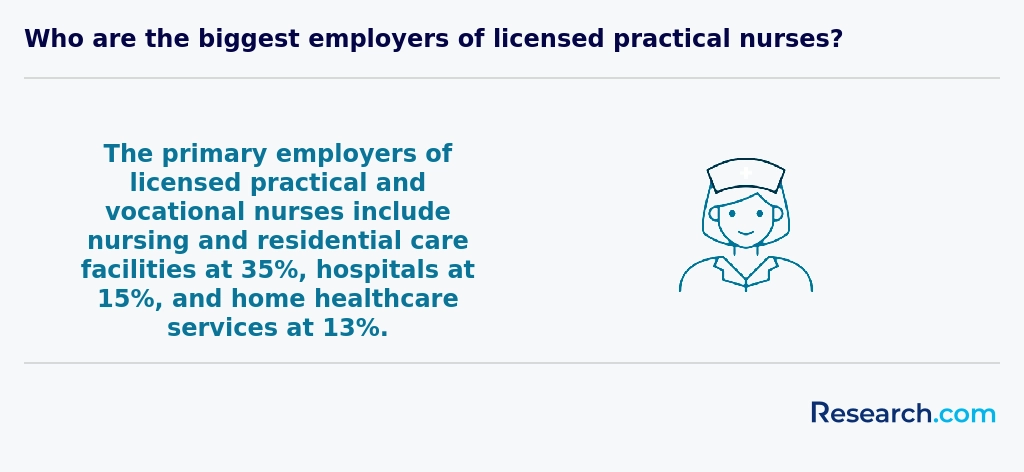
- Where can I work with online nursing degree in Connecticut?
- How much can I make with online nursing degree in Connecticut?
- 2027 Easiest Online Bachelor's in Nursing Degree Programs Ranking in Connecticut
- Key Findings
- How long does it take to complete online nursing degree in Connecticut?
- Licensure Readiness and NCLEX Pass Rates
- What's the difference between online and on-campus nursing degree?
- NCLEX Preparation and Licensure Success
- What is the average cost of online nursing degree in Connecticut?
- Accreditation and Licensing Requirements in Connecticut
- What financial aid is available to online nursing degree students in Connecticut?
- Licensure Requirements and NCLEX-RN Preparation
- What are the prerequisites for enrolling in online nursing degree program in Connecticut?
- Licensure and Certification Process
- What courses are typically in online nursing degree programs in Connecticut?
- What types of specializations are available in online nursing degree programs in Connecticut?
- How do you choose the best online nursing degree in Connecticut?
- What career paths are available for online nursing degree students in Connecticut?
- What is the job market for online nursing degree in Connecticut?
- Related Nursing Rankings for Nearby States
- Top Trending Nursing Rankings
- See What Experts Have To Say About Studying Nursing
What can I expect from online nursing degree in Connecticut?
The average cost of an online nursing degree in Connecticut varies, but students typically invest between $15,000 and $40,000 depending on the institution and program length. Graduates from popular schools such as the University of Connecticut or Southern Connecticut State University often share that while the tuition may seem steep, the practical value and career advancement make it worthwhile. Many find financial aid and scholarships tailored to nursing students helpful in alleviating the expense.
Students often highlight the flexibility of online coursework combined with local clinical placements as a major positive, allowing them to work while gaining essential hands-on experience. One graduate described balancing a job and family responsibilities by attending evening online lectures and weekend clinicals at nearby healthcare centers.
Investing in a Connecticut-accredited online nursing program not only prepares students for the NCLEX-RN but also positions them well within the state's growing workforce demand. The competitive salaries and job security often make the upfront cost feel like a smart and motivating career step.
Where can I work with online nursing degree in Connecticut?
Graduates from online nursing programs at institutions like the University of Connecticut or Southern Connecticut State University often find rewarding careers in hospitals, where BSN-prepared nurses are in high demand for their advanced skills. Many share how their education prepared them to confidently manage patient care in fast-paced hospital environments.
Others have secured positions in outpatient clinics, nursing homes, or long-term care facilities, especially important in Connecticut's communities with growing elderly populations. These roles allow nurses to build lasting relationships while supporting chronic disease management and rehabilitation.
Some graduates embrace community health roles with public health departments or local organizations, contributing to impactful health education and prevention programs. This path offers a fulfilling way to influence wellness at a broader level.
Non-traditional careers also attract BSN holders. For example, graduates have moved into healthcare administration or clinical research, leveraging leadership and evidence-based skills gained through their online studies.
Because these programs meet Connecticut's Board of Nursing standards, graduates feel confident sitting for the NCLEX exam, opening doors to driving positive change across virtual and in-person healthcare settings.
How much can I make with online nursing degree in Connecticut?
Graduates with an online nursing degree in Connecticut can typically expect salaries around $94,480 annually for roles such as Registered Nurse, Clinical Nurse Educator, Public Health Nurse, and Emergency Room Nurse. These figures reflect the strong demand for nursing professionals statewide and align closely with the competitive wages in cities like Hartford and New Haven, where many graduates begin their careers. For instance, a graduate from a well-known Connecticut college reported starting as a registered nurse earning the mean annual wage, feeling confident that the competitive salary justified the investment in their online degree.
Those aiming for specialized roles like Operating Room Nurse can anticipate significantly higher earnings, with mean annual wages near $128,490. This boost often comes after gaining experience or pursuing additional certifications, a path many online nursing degree holders from Connecticut universities follow to advance their careers.
Graduates find that leveraging local clinical partnerships through their Connecticut-based programs enhances job placement in hospitals offering generous salary packages. By focusing on these in-demand specialties and gaining hands-on experience, nursing degree holders maximize their income potential swiftly after completing their education.
2027 Easiest Online Bachelor's in Nursing Degree Programs Ranking in Connecticut
How do we rank schools?
Investing in your education is a significant decision that can shape your future, and the Research.com team understands the importance of making informed choices. To assist prospective students in Connecticut, we have meticulously crafted the "2027 Easiest Online Bachelor's in Nursing Degree Programs Ranking in Connecticut." Our commitment to quality, credibility, and accuracy is reflected in the extensive research and analysis conducted to compile this ranking.
We utilized the following reputable data sources to ensure a comprehensive evaluation of nursing programs:
By exploring this ranking, readers will gain valuable insights into the most accessible online nursing degree options in Connecticut, helping them make well-informed decisions about their educational paths. For more details on our methodology, please visit our Research.com methodology page.


# 3 position
Charter Oak State College
RN/ADN to BSN

Key Findings
- Online nursing degrees in Connecticut include associate, bachelor's, and advanced programs approved by the state board for NCLEX-RN eligibility.
- Bachelor's degree tuition for online nursing ranges from $10,000 to $25,000 in-state, with financial aid options commonly available.
- New nursing graduates in Connecticut earn an average starting salary of about $65,000 per year, while experienced nurses make around $85,000 annually.
- The nursing job market in Connecticut is projected to grow by 7% over the next decade, supporting strong employment opportunities.
- Clinical experience is required in all programs and must be completed locally at medical facilities near the student.
How long does it take to complete online nursing degree in Connecticut?
Completing an online nursing degree in Connecticut typically takes around two years for an Associate Degree in Nursing (ADN) and about four years for a Bachelor of Science in Nursing (BSN) if starting from scratch. Graduates from popular institutions like the University of Connecticut and Fairfield University report balancing coursework with local clinical placements, a necessary step due to state regulations requiring supervised hours onsite. This hybrid approach extends the timeline slightly but enhances practical skills and confidence.
For registered nurses seeking advancement, RN-to-BSN programs offered by several Connecticut colleges can be completed in 12 to 24 months. Many students working full time find this accelerated path rewarding, allowing them to enhance qualifications while maintaining their jobs. Prior credits and part-time study options can also shorten or lengthen completion time, depending on individual circumstances.
Graduates often appreciate the flexibility of online formats combined with in-person clinical experiences, which prepare them effectively while fitting nursing responsibilities and personal life. Strategic planning around clinical placements and course loads is key to finishing efficiently in Connecticut's nursing programs.
Licensure Readiness and NCLEX Pass Rates
Most online BSN programs in Connecticut are designed to guide you toward RN licensure by covering state requirements and offering dedicated NCLEX-RN review. Tracking program-specific pass rates helps ensure you choose a school that delivers results. Key factors to consider:
- NCLEX-RN pass rate: Look for programs with a 90%+ first-time pass rate, reflecting strong curriculum alignment with exam content.
- Integrated test prep: High-quality programs include live review sessions, practice questions, and customized study plans.
- State board approval: Confirm the program is approved by the Connecticut Board of Examiners for Nursing to meet licensure eligibility.
- Support services: Seek access to academic coaching and remediation workshops to boost exam confidence.
By prioritizing licensure outcomes, you cement your readiness to join Connecticut’s workforce. Aspiring advanced practice nurses can also explore our cheap online fnp programs to plan their next career step.
What's the difference between online and on-campus nursing degree?
Online nursing degrees in Connecticut offer flexibility unmatched by traditional on-campus programs. Many students balancing jobs or family find they can study coursework anytime from home or elsewhere, which suits busy schedules well. For example, graduates from the University of Connecticut appreciate being able to access lectures digitally while managing their personal commitments without missing critical content.
Conversely, on-campus students at institutions like Yale School of Nursing benefit from hands-on labs and face-to-face interactions with faculty and peers, which some find invaluable for building confidence and professional networks. These immersive experiences help reinforce practical skills, especially in clinical settings.
Both online and on-campus nursing students complete in-person clinical hours at Connecticut-approved healthcare facilities, ensuring real-world practice and meeting state licensing standards. Tuition per credit hour is similar in both formats, around $300 to $600, but online students often save on commuting and housing costs.
Choosing between formats depends on your lifestyle and learning preferences, but Connecticut's nursing programs ensure rigorous education and professional readiness either way.
NCLEX Preparation and Licensure Success
Graduates must pass the NCLEX-RN exam to become registered nurses. Quality online BSN programs in Connecticut include:
- Accredited curriculum aligned with Connecticut Board of Nursing requirements
- Dedicated NCLEX review courses and practice question banks
- Simulation labs and virtual patient scenarios to reinforce clinical judgment
- Partnerships with local hospitals for state-approved clinical hours
- Average program NCLEX pass rates above 90%, often published on school websites
To maximize licensure success:
- Verify program accreditation by ACEN or CCNE and state board approval.
- Utilize built-in review workshops and study groups.
- Track cohort pass-rate data to gauge program effectiveness.
While BSN programs focus on NCLEX preparation, students may also compare graduate paths like the cheapest phd nursing programs for advanced clinical leadership roles.
What is the average cost of online nursing degree in Connecticut?
The average cost online nursing degree Connecticut students pursue typically centers around a median total of about $69,000, reflecting both tuition and associated expenses for accredited online programs. Graduates from popular state universities appreciate that while this figure may seem substantial, it often covers comprehensive coursework including clinical supplies and licensing exam preparation. Those enrolled in RN-to-BSN programs find that these pathways can cost less, providing an affordable route to advance their careers without disrupting work schedules.
Students from colleges known for nursing in Connecticut frequently highlight the value of living in-state, which can make a meaningful difference in tuition fees despite many online options. Public institutions tend to offer more competitive pricing compared to private colleges, which helps reduce the overall financial burden. One nursing graduate found that planning carefully for credit requirements-typically around 120 to 130 credits for a BSN degree-and seeking out scholarships or employer tuition reimbursement significantly eased the cost impact.
For prospective students, considering programs offered at schools with transparent tuition policies is vital. Accessing financial aid and exploring options such as pediatric nursing online programs can also supplement educational investments while opening specialized career doors. Thoughtful budgeting and proactive support seeking make achieving an online nursing degree in Connecticut an empowering and attainable goal.

Accreditation and Licensing Requirements in Connecticut
Establishing the credibility of an online nursing program starts with verifying institutional and programmatic accreditation. In Connecticut, accredited nursing programs must be approved by the Connecticut Board of Examiners for Nursing and recognized by one of two national bodies: the Commission on Collegiate Nursing Education (CCNE) or the Accreditation Commission for Education in Nursing (ACEN). Programs with CCNE or ACEN accreditation ensure that coursework meets rigorous standards, qualifies you for federal financial aid, and prepares you to sit for the NCLEX-RN licensure exam. Key accreditation and licensure steps include: • State Approval – Confirm the program holds current approval from the Connecticut Office of Higher Education. – Verify any out-of-state institution offers clinical placements within Connecticut hospitals or partner facilities. • National Accreditation – CCNE accreditation emphasizes evidence-based practice, leadership and research competencies. – ACEN accreditation focuses on curriculum quality, student outcomes and continuous improvement processes. • NCLEX-RN Eligibility – Only graduates of board-approved, accredited programs are eligible to take the NCLEX-RN. – Review program NCLEX pass rates (ideally above the national average of 85%) before enrolling. • Endorsement for Out-of-State Nurses – For those transitioning from a different field, explore specialized pathways-our guide to online nursing degrees for non nurses outlines bridge options, prerequisite requirements and accelerated tracks. By choosing a fully accredited program approved by Connecticut regulators, you safeguard your eligibility for licensure, unlock financial aid opportunities, and position yourself for a seamless transition into professional practice. Always consult both the institution’s website and the Connecticut Board of Examiners for Nursing to confirm up-to-date accreditation status and licensure prerequisites before applying.
What financial aid is available to online nursing degree students in Connecticut?
Students pursuing an online nursing degree in Connecticut can access a variety of financial aid options that truly make advancing their careers feasible. Many graduates from popular programs at universities like the University of Connecticut or Quinnipiac University report how completing the FAFSA unlocked Pell Grants, covering up to $7,395 per year, easing tuition worries significantly. This federal aid, combined with low-interest federal student loans, forms a reliable foundation for funding.
Connecticut residents benefit from state-specific grants such as the Roberta B. Willis Scholarship and the Nursing Faculty Loan Program, which uniquely supports those wanting to teach nursing locally. Graduates often share how these targeted programs helped reduce their loan burdens while contributing positively to the nursing workforce in Hartford or New Haven.
Moreover, partnerships between online programs and local healthcare employers frequently enable tuition reimbursement or scholarships-especially in Connecticut's growing healthcare hubs-giving working nurses a financial and emotional boost as they advance their education.
National and state nursing scholarships add another layer of support, making the dream of completing a degree more tangible and encouraging students to persevere through challenges.
Licensure Requirements and NCLEX-RN Preparation
Graduates of online Bachelor’s in Nursing programs in Connecticut must satisfy state licensure requirements and pass the National Council Licensure Examination for Registered Nurses (NCLEX-RN) to practice professionally. The Connecticut Board of Examiners for Nursing mandates submission of official transcripts, a completed application packet, criminal background check, and proof of graduation from an accredited program. Accreditation by bodies such as the Commission on Collegiate Nursing Education (CCNE) or the Accreditation Commission for Education in Nursing (ACEN) ensures your eligibility to sit for the NCLEX-RN. To maximize your NCLEX-RN success rate, integrate evidence-based study strategies into your routine: • Begin early with a comprehensive review: Use reputable NCLEX prep resources-question banks, practice exams, and review courses-to identify knowledge gaps in pharmacology, adult health, and pediatrics. • Simulate exam conditions: Schedule timed practice tests in a distraction-free environment to build stamina and reduce anxiety on test day. • Leverage peer study groups and mentor guidance: Connect virtually with fellow online learners or local nursing mentors to discuss challenging topics and share tips. • Monitor state pass-rate data: The Connecticut average NCLEX-RN first-time pass rate hovers around 85%, but individual programs often report higher success. Investigate your chosen school’s track record and support services, such as live review workshops or one-on-one tutoring. For students comparing cost and outcomes, it can be informative to explore rankings beyond Connecticut-our Affordable Online Nursing Degree Programs Ranking in Arizona offers insights into budget-friendly, NCLEX-aligned curricula. By understanding licensure steps and dedicating ample preparation time, you’ll be well-positioned to earn your RN credential and embark on a rewarding nursing career.
What are the prerequisites for enrolling in online nursing degree program in Connecticut?
To enroll in an online nursing degree in Connecticut, you must first have a high school diploma or GED, which is a baseline requirement at popular institutions like the University of Connecticut or Southern Connecticut State University. Many graduates recall completing prerequisite courses in biology, chemistry, and anatomy, crucial for understanding nursing fundamentals before diving into advanced topics.
For those pursuing an RN to BSN bridge program, holding an active Registered Nurse license issued by the Connecticut Board of Examiners for Nursing is essential. Graduates often mention how balancing work with online study was manageable thanks to flexible scheduling tailored to licensed nurses.
Standardized test scores such as the SAT or ACT might be needed, but many nursing programs offer conditional acceptance based on your previous academic record. Maintaining a GPA around 2.5 to 3.0 in prior college credits can improve your chances of transferring.
Students should also prepare for background checks and provide up-to-date immunization records to secure local clinical placements. This hands-on experience, coordinated near home, complements the online coursework and builds confidence in real-world nursing practice.
Licensure and Certification Process
After earning your Online Nursing degree in Connecticut, the critical next step is obtaining state licensure and national certification to practice professionally. Graduates must pass the NCLEX-RN exam administered by the Connecticut Board of Examiners for Nursing. Here’s what you need to know: • Eligibility and Application: Before registering for the NCLEX-RN, verify that your program is approved by the Connecticut Board of Higher Education and the Connecticut Board of Examiners for Nursing. Submit your application online, pay the state fee, and request an official transcript from your institution. • NCLEX-RN Exam Structure: The exam uses a computer-adaptive format covering topics such as Safe and Effective Care, Physiological Integrity, and Health Promotion. Familiarize yourself with the test plan, and consider reputable prep courses or simulation tools offered by your online school. • Pass Rates and Program Reputation: High NCLEX pass rates indicate program quality. Many Connecticut online BSN programs report first-time pass rates above 90%, reflecting robust clinical partnerships and comprehensive review modules. Always compare program statistics before enrolling. • Certification and Advanced Credentials: Beyond RN licensure, specialized certifications (e.g., CCRN, ANCC) enhance job prospects. For nurses aiming at practice leadership or advanced practice roles, earning a Doctor of Nursing Practice (DNP) may be the next milestone-explore our list of cheapest online dnp programs to plan your long-term career path. • Renewal and Continuing Education: Connecticut requires RN license renewal every two years, including proof of continuing education credits. Many online programs integrate lifelong learning resources, ensuring you stay current with evolving standards of patient care. By understanding and preparing for the licensure and certification requirements, you’ll transition smoothly from graduation to a rewarding nursing career in Connecticut.
What courses are typically in online nursing degree programs in Connecticut?
Online nursing degrees in Connecticut typically include essential courses such as Human Anatomy and Physiology, Microbiology, and Pharmacology. These classes provide a solid foundation in understanding the human body, germs, and medications, preparing students for real-world patient care. For instance, graduates from popular programs at the University of Connecticut often mention how their coursework in Nursing Fundamentals and Health Assessment directly applied during clinical practicums, boosting their confidence in hospital settings.
Other crucial subjects like Pathophysiology and Mental Health Nursing help students grasp complex disease processes and psychological well-being, skills highly valued in Connecticut's diverse healthcare environment. Programs frequently incorporate Leadership and Management courses, equipping working professionals with tools to take on supervisory roles. Community and Public Health Nursing teaches strategies for caring in diverse settings, a must-have skill given Connecticut's variety of populations.
Many students appreciate how these programs balance theory with Clinical Practicum experiences, usually completed in local hospitals, bridging online learning with hands-on practice. This structure helps graduates feel prepared and connected to Connecticut's nursing workforce.
What types of specializations are available in online nursing degree programs in Connecticut?
Online nursing specializations Connecticut students often pursue include targeted paths such as the Registered Nurse to Bachelor of Science in Nursing (RN to BSN), which helps licensed nurses expand their career opportunities by focusing on leadership and evidence-based practice. Many graduates from renowned colleges report that this specialization allowed them to balance work with studies effectively while advancing professionally.
Other popular options include Nurse Practitioner (NP) Specialties like Family Nurse Practitioner and Psychiatric-Mental Health. These pathways prepare nurses for advanced clinical roles in community health settings, a real advantage for those looking to make immediate impacts in underserved areas of Connecticut. Healthcare Management and Leadership specializations equip students with administration and policy skills, opening doors to roles in hospital operations and healthcare teams.
Students also appreciate Public Health Nursing programs that emphasize disease prevention and vulnerable populations, and Pediatric Nursing tracks focusing on child health and family-centered care. Those exploring Connecticut nursing degree concentration options may find value in comparing these with options elsewhere, such as the nursing degrees oklahoma city scholarships known for affordability and support. Choosing the right specialization offers clear pathways toward jobs that match both practical experience and passion.
How do you choose the best online nursing degree in Connecticut?
Start by verifying that the program holds accreditation from recognized bodies like the CCNE or ACEN, ensuring it meets Connecticut's high standards and prepares you well for the NCLEX-RN exam. Graduates from popular nursing schools in Connecticut often highlight that choosing accredited online programs helped them feel confident and well-prepared during licensing.
Consider programs that match your current qualifications and learning speed. For busy professionals, accelerated BSN degrees available from local institutions offer a practical way to earn a credential in 12-18 months. Traditional four-year programs suit those seeking a more paced approach. Students frequently share how picking the right pace lifted their motivation and success.
Budget carefully by comparing tuition and extra fees, especially when seeking affordable online nursing degrees in Connecticut. Many graduates note that researching financial aid and scholarships ahead saved them stress and helped maintain focus on studies. Check if clinical hours can be completed in nearby hospitals to avoid long commutes.
Look for strong student support including advising and technical help, which students at Connecticut colleges consistently praise for making online learning manageable and rewarding. Also, review NCLEX pass rates to identify effective programs. For insight into program outcomes, explore resources like the online nursing degrees new york learning outcomes, as they share critical performance data that might be similar to Connecticut's offerings.
What career paths are available for online nursing degree students in Connecticut?
Graduates of an online nursing degree in Connecticut often find diverse career paths that match both their ambitions and the state's healthcare demands. Many begin as registered nurses, securing positions in renowned hospitals like Yale New Haven or Hartford HealthCare, where they gain hands-on experience and professional growth. Others transition into specialized roles such as public health nurses, serving community health needs and disease prevention, especially crucial in areas with aging populations.
Some degree holders pursue leadership as clinical nurse leaders, overseeing care teams to improve patient outcomes, a path favored by graduates from prominent Connecticut colleges due to strong clinical training. Case management roles appeal to nurses who enjoy coordinating complex care plans involving insurers and providers. Meanwhile, a growing number of graduates become nurse educators, inspired to teach future nurses and address statewide instructor shortages.
Those exploring interdisciplinary opportunities often combine their nursing careers with related fields, sometimes moving toward counseling psychology full-time careers to expand impact. For students seeking online nursing careers in Connecticut, these paths offer practical, fulfilling ways to utilize their degrees while meeting local healthcare needs.
What is the job market for online nursing degree in Connecticut?
The job market for online nursing degree graduates in Connecticut is highly favorable, especially for those completing Bachelor of Science in Nursing (BSN) programs. Graduates from well-known institutions, such as those in Hartford or New Haven, report quick job placements in hospitals, outpatient clinics, and home health care settings. Many find that Connecticut's healthcare employers actively seek nurses with online degrees due to their proven flexibility and up-to-date training, ensuring steady employment opportunities in a growing sector.
Those interested in online nursing jobs in Connecticut will benefit from the state's strong healthcare infrastructure and licensing support through the Connecticut Board of Nursing, which guarantees eligibility for the NCLEX-RN exam. Graduates often emphasize the value of pursuing advanced certifications, which many local providers encourage for career growth and stability. Financial aid and scholarships available locally help ease tuition burdens, making this path even more attractive. For those exploring advanced nursing education, consulting a list of cheapest online dnp programs can provide practical next steps.
Frequently Asked Questions About nursing
Online nursing degree students in Connecticut can maximize their learning experience by actively engaging with their coursework and clinical practice components. Given that Connecticut has a growing demand for registered nurses-projected to increase by 12% through 2030 according to the Connecticut Department of Labor-students should prioritize gaining hands-on skills through local clinical placements arranged by their programs.
Staying connected with faculty and peers via virtual study groups helps deepen understanding and encourages knowledge sharing. Utilizing state nursing resources such as the Connecticut Nurses Association allows students to stay informed about industry trends and licensure requirements. Effective time management and using simulation technologies offered by many accredited programs also enhance practical learning opportunities.
The nursing field is rapidly evolving, with several emerging niches gaining importance. In Connecticut, the rising demand for specialized care has led to growth in gerontological nursing, focused on elderly patient care. The state's aging population, according to the Connecticut Department of Public Health, anticipates a 20% increase in those aged 65 and older by 2030, driving this niche's expansion.
Another growing area is telehealth nursing, which uses digital technologies to provide remote care. This niche became crucial during the COVID-19 pandemic and continues to expand nationwide, including Connecticut.
Additionally, informatics nursing, merging nursing with data management, plays a key role in improving healthcare systems and patient outcomes. These trends offer promising career paths for online nursing degree students in Connecticut.
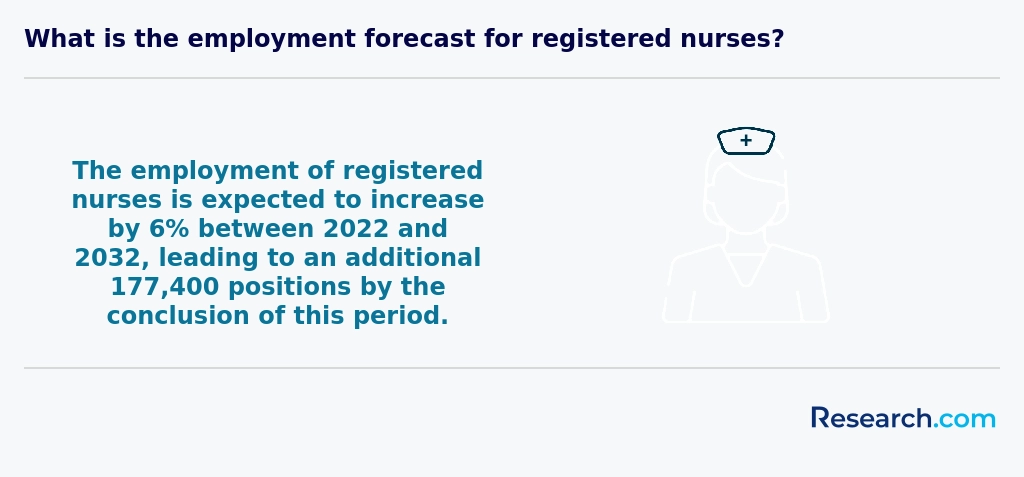
Preparing for the job market after completing an online nursing degree in Connecticut involves several key steps. First, graduates must obtain licensure by passing the NCLEX-RN exam, which is required statewide. Connecticut nursing jobs are projected to grow by 7% from 2020 to 2030, according to the U.S. Bureau of Labor Statistics, signaling a positive employment outlook.
Networking is essential; joining organizations like the Connecticut Nurses Association can provide valuable connections and employment resources. Additionally, gaining clinical experience through internships or volunteer work strengthens resumes. Continuing education and certifications in specialized areas may also enhance job prospects in this competitive market.
Employers in Connecticut value several key skills in nursing degree graduates, especially those completing online programs. Strong clinical competency remains essential, as nurses must deliver safe, evidence-based care.
Communication skills rank highly, enabling nurses to effectively interact with patients, families, and healthcare teams. According to the Connecticut Nurses Association, teamwork and interpersonal abilities are critical in the state's collaborative healthcare settings.
Critical thinking and problem-solving skills are also emphasized, helping nurses manage complex patient needs. Additionally, digital literacy is increasingly important as healthcare adopts electronic health records and telehealth platforms.
Lastly, cultural competence and adaptability are vital given Connecticut's diverse population, ensuring sensitive and personalized care.
Finding internships in Connecticut relevant to a nursing degree involves connecting with healthcare providers and educational institutions that support clinical training. Many online nursing programs in the state have partnerships with local hospitals, clinics, and long-term care facilities to facilitate internship placements. Students should also explore resources from the Connecticut Nurses Association and the Connecticut Board of Nursing, which often list approved clinical sites.
Additionally, networking through professional platforms like the American Nurses Association can help locate internship opportunities. According to the Connecticut Department of Labor, healthcare is a leading employment sector, increasing chances for available internships statewide.
Contacting your online program's clinical coordinator early can secure placements in compliance with state licensure requirements.
An online nursing degree in Connecticut can significantly enhance career mobility and advancement opportunities. As the state faces a growing demand for skilled nurses, the Connecticut Department of Labor projects a 15% growth in registered nurse jobs between 2020 and 2030. Completing an accredited online Bachelor of Science in Nursing (BSN) program equips graduates with advanced clinical and leadership skills highly valued by employers.
Nurses holding a BSN are often preferred for roles in management, specialized care, and community health settings across Connecticut. Additionally, many healthcare facilities now require a BSN for hiring and promotion, aligning with the Institute of Medicine's recommendation to increase BSN-prepared nurses to 80% by 2025.
Online nursing degrees provide the flexibility for working professionals to upskill without interrupting their careers, broadening access to higher education. Earning a BSN online in Connecticut also meets state licensure requirements and prepares graduates for national certifications, further supporting career growth.
Studying for a nursing degree in Connecticut offers robust preparation for interdisciplinary roles through curricula that emphasize collaboration across healthcare fields. Programs commonly integrate courses in communication, healthcare policy, and ethics, fostering skills needed to work effectively with physicians, social workers, and therapists.
Connecticut schools often partner with local hospitals and healthcare providers to offer clinical experiences in diverse team settings. According to the Connecticut Center for Nursing Workforce, 68% of nurses reported participating in interdisciplinary teams, highlighting the real-world relevance of such training.
Additionally, online nursing degrees in Connecticut include simulation labs and case studies that promote problem-solving alongside various healthcare professionals. This prepares graduates to navigate complex care environments and improve patient outcomes through teamwork.
When choosing between a thesis and a non-thesis nursing degree program in Connecticut, consider your career goals. Thesis programs focus on research and prepare students for roles in academia or advanced clinical research. Non-thesis options emphasize practical skills, ideal for those entering or advancing clinical practice.
The Connecticut Board of Nursing reports that over 60% of nurses in the state work in clinical settings, suggesting many students may benefit from a non-thesis approach. However, thesis programs can open doors to leadership and doctoral study.
Cost and program length also differ; thesis options often require more time and resources due to research components.
Students based in Connecticut who wish to study nursing abroad have a few pathways, though options specifically for online nursing degrees conducted outside the US are limited by accreditation and licensure requirements. Most US states, including Connecticut, require that nursing programs be accredited by organizations recognized by the Council for Higher Education Accreditation (CHEA) or the U.S. Department of Education to qualify graduates for licensure exams like the NCLEX-RN.
International nursing programs may not always meet these criteria, making direct enrollment in foreign online degrees less practical. However, some Connecticut students choose to participate in study abroad programs affiliated with accredited US institutions offering online nursing curricula.
Data from the Connecticut Board of Examiners for Nursing highlights that 75% of nursing license applicants graduated from domestic accredited programs, emphasizing the importance of recognized credentials. Thus, students often pursue hybrid options combining US-accredited online coursework with clinical experiences abroad.
Exploring partner universities and verified exchange programs can help ensure transferability of credits and eligibility for licensure within Connecticut.
In Connecticut, part-time jobs such as certified nursing assistant (CNA), medical scribe, or patient care technician roles provide valuable experience alongside online nursing degree programs. According to the Connecticut Department of Labor, CNAs earn an average hourly wage of about $16.50, making this role both educational and financially viable.
These positions offer hands-on patient care exposure, essential for understanding clinical environments. Working in outpatient clinics, long-term care facilities, or hospitals also allows students to develop communication and technical skills relevant to nursing.
Additionally, some students find part-time work as health educators or medical receptionists, which supports nursing coursework by enhancing organizational and interpersonal abilities.
Online nursing students in Connecticut have several networking opportunities despite the remote format. Many state nursing schools offer virtual events, webinars, and discussion groups where students can connect with peers and faculty. For example, the Connecticut Nurses Association hosts online forums and professional development sessions, allowing students to engage with experienced nurses and employers.
Clinical placements and internships in local hospitals and healthcare facilities are also common, providing in-person networking essential for career growth. Additionally, platforms like LinkedIn are valuable for joining Connecticut nursing groups and following healthcare organizations.
These connections can lead to job referrals and mentorships within the state's nursing community.
Alumni networks offer significant advantages to online nursing degree students in Connecticut. These networks provide access to experienced professionals who understand the state's healthcare environment. By connecting with alumni, students can find mentorship, job leads, and advice tailored to Connecticut's nursing demand, which the Connecticut Department of Labor projects to grow by 15% through 2030.
Furthermore, alumni groups often host events and virtual meetups, enabling students to expand their professional circles. This networking is especially valuable in Connecticut's competitive nursing market, where many hospitals and care facilities prioritize referrals.
Membership in an alumni network also helps with continuing education opportunities and supports career advancement by sharing updated information about certifications and industry changes relevant to Connecticut nurses.
Customizing an online nursing degree program in Connecticut allows students to align their education with specific career goals. Many Connecticut institutions offer flexible curricula, enabling learners to select electives concentrated in areas like pediatrics, gerontology, or emergency nursing. Students can also choose programs with clinical placements at local hospitals or community health organizations, gaining hands-on experience relevant to their interests.
Connecticut's nursing workforce demands specialization to address its aging population, with about 18% of residents aged 65 or older (U.S. Census Bureau, 2023). Tailoring your degree toward geriatric care, for example, can improve job prospects. Additionally, some programs offer accelerated tracks or RN-to-BSN bridges, supporting current nurses in career advancement.
Online nursing students in Connecticut often face several challenges that can impact their academic success. One primary difficulty is securing local clinical placements, as the state requires hands-on experience for licensure. Finding suitable sites can be competitive due to high demand and limited spots at hospitals and clinics.
Time management is another common issue, especially for students balancing coursework with jobs or family. Online programs require strong self-discipline to meet deadlines without in-person class structures.
Technical problems and limited access to reliable internet service can also affect learning, particularly in rural areas. Additionally, students may experience fewer opportunities for direct peer interaction and networking compared to traditional settings.
With an online nursing degree, graduates in Connecticut can pursue several professional certifications that enhance their career opportunities. Common certifications include the Registered Nurse (RN) license, requiring passing the NCLEX-RN exam, which is essential for clinical practice.
Beyond the RN license, nurses may seek specialized credentials such as the Certified Nurse Practitioner (CNP) or Certified Clinical Nurse Specialist (CNS). These certifications often require additional education and experience but can be pursued after earning a bachelor's degree.
Connecticut supports certifications through organizations like the Connecticut Nurses Association and national bodies such as the American Nurses Credentialing Center. These certifications improve job prospects and reflect expertise in areas like pediatrics, gerontology, and critical care.
Writing a winning application for an online nursing program in Connecticut requires clear focus and preparation. First, highlight your academic achievements, especially in science and health-related courses, as these form the foundation for nursing studies.
Include relevant healthcare experience, such as CNA or volunteer work, which demonstrates your commitment to nursing. Connecticut's nursing workforce is growing, with the Connecticut Department of Labor projecting a 12% increase in registered nurse jobs by 2030, so showing practical readiness is key.
Strong recommendation letters from healthcare professionals or instructors can enhance your application. Also, prepare a thoughtful personal statement explaining why you want to pursue nursing and how the online program fits your goals.
Lastly, ensure all application materials are complete and free of errors to reflect professionalism. Check each program's specific requirements carefully, as some may require standardized test scores or prerequisite courses.
The nursing profession is recognized worldwide as vital to healthcare systems, with strong demand in many countries including the United States. In Connecticut, the need for registered nurses is projected to grow by 12% from 2020 to 2030, faster than the national average, reflecting broader trends in an aging population and increased healthcare access.
Globally, nurses are valued not only for clinical skills but also for their roles in patient education and community health. The World Health Organization emphasizes nursing as key to achieving universal health coverage and improving health outcomes.
For Connecticut students pursuing online nursing degrees, understanding this global context can inspire careers with both local impact and international relevance. Nurses trained in the US often have opportunities to work abroad due to the high standards of American nursing education and licensing.
Students pursuing an online nursing degree in Connecticut must complete clinical practicum hours to gain essential hands-on experience. Most accredited programs partner with local hospitals, clinics, and healthcare facilities across the state to provide these placements. Clinical hours typically range from 500 to 700, depending on the degree level and institution guidelines, meeting Connecticut Board of Nursing requirements.
Additionally, students can seek internships or externships at healthcare providers in the Hartford or New Haven areas, where demand for nursing staff remains strong. These experiences allow learners to apply theoretical knowledge in real-world settings, crucial for licensure.
According to the Connecticut Center for Nursing Workforce, practical training improves employment rates, with about 90% of graduates finding jobs within a year of program completion.
Choosing the right concentration within an online nursing degree program in Connecticut depends on your career goals and the state's healthcare demands. Connecticut has a growing need for nurses in specialties like gerontology and psychiatric care, with the Department of Labor projecting a 15% increase in registered nurse jobs by 2030. Examining local healthcare trends can guide your choice.
Consider which patient populations you want to serve and whether you prefer hospitals, clinics, or community settings. Specializations such as family nurse practitioner or public health nursing offer distinct roles and certifications, influencing your career path. Reviewing course offerings and clinical placement support from Connecticut-based programs helps ensure alignment with your goals.
Research licensure requirements specific to Connecticut, as some concentrations may require additional exams or credentials. Resources like the Connecticut Board of Examiners for Nursing provide valuable guidelines. Balancing your personal interests with workforce data will help you make an informed decision.
Related Nursing Rankings for Nearby States
- 2027 Easiest Online Bachelor's in Nursing Degree Programs Ranking in New York
- 2027 Easiest Online Bachelor's in Nursing Degree Programs Ranking in Pennsylvania
- 2027 Easiest Online Bachelor's in Nursing Degree Programs Ranking in Virginia
- 2027 Easiest Online Bachelor's in Nursing Degree Programs Ranking in Ohio
- 2027 Easiest Online Bachelor's in Nursing Degree Programs Ranking in Kentucky
- 2027 Easiest Online Bachelor's in Nursing Degree Programs Ranking in North Carolina
- 2027 Easiest Online Bachelor's in Nursing Degree Programs Ranking in South Carolina
- 2027 Easiest Online Bachelor's in Nursing Degree Programs Ranking in Tennessee
- 2027 Easiest Online Bachelor's in Nursing Degree Programs Ranking in Indiana
- 2027 Easiest Online Bachelor's in Nursing Degree Programs Ranking in Michigan
Top Trending Nursing Rankings
See What Experts Have To Say About Studying Nursing
Read our interview with Nursing experts

Lisa Grubb
Nursing Expert
Assistant Professor
Johns Hopkins School of Nursing

References
- Study Nursing Abroad | Boomerang International Educational Services https://boomerangedu.com/study-nursing-abroad/
- Complete Guide to Mastering Connecticut Nursing Prerequisites https://www.prereqcourses.com/guide-connecticut-nursing-prerequisites/
- | NRR | Dove Medical Press https://www.dovepress.com/internship-challenges-encountered-by-nursing-students-a-qualitative-st-peer-reviewed-fulltext-article-NRR
- Online Nursing Prerequisites: Complete Guide & Cost Savings | StraighterLine https://www.straighterline.com/blog/which-online-nursing-prerequisites-should-you-take-online
- THE CONNECTICUT CENTER FOR NURSING WORKFORCE, INC. (CCNW) https://www.ctcenterfornursingworkforce.com/
- How Much Can I Earn With a BSN? https://www.allnursingschools.com/bsn/salary/
- Nursing Internship and Externship Programs https://jobs.mayoclinic.org/nursinginternexternprograms
- School of Nursing Alumni Resources https://nursing.utmb.edu/About/Alumni
- What Nursing Concentration Is Right for Me? | Maryville Nursing https://nursing.maryville.edu/blog/what-nursing-concentration-is-right-for-me
- 2025 Best Online Nursing Programs in Connecticut https://www.onlineu.com/degrees/nursing/connecticut


