
2027 Easiest Online Bachelor's in Nursing Degree Programs Ranking in the USA

Co-Founder and Chief Data Scientist
Choosing the right nursing degree program can feel overwhelming, especially with so many options available online. This article introduces the 2027 Easiest Online Bachelor's in Nursing Degree Programs Ranking in the USA, created by the Research.com team of data scientists to guide you in making an informed decision.
By exploring this ranking, you'll discover nursing programs that prioritize accessibility and support, helping you balance your studies with life's demands. Earning a nursing degree opens doors to a rewarding career where you can make a real difference while enjoying stable job prospects and personal growth.
Key benefits of getting online nursing degree in America
- Graduates with a nursing degree can expect competitive salaries, such as $94,480 annually for Registered Nurses and Public Health Nurses, while Operating Room Nurses earn even higher wages, averaging $128,490 per year.
- Career paths after earning a nursing degree are diverse, including roles like Clinical Nurse Educator, Emergency Room Nurse, and Public Health Nurse, offering rewarding opportunities for growth and specialization.
- Online nursing degrees provide flexible learning schedules and the ability to balance work and study, as seen by graduates from top programs like the University of Florida, making education more accessible and convenient.
- Key benefits of getting online nursing degree in America
- What can I expect from online nursing degree in America?
- Where can I work with online nursing degree in America?
- How much can I make with online nursing degree in America?
- 2027 Easiest Online Bachelor's in Nursing Degree Programs Ranking in the USA
- Key Findings
- How long does it take to complete online nursing degree in America?
- Accreditation and Licensure: Ensuring Your Online Nursing Degree is Recognized
- What's the difference between online and on-campus nursing degree?
- Admission Requirements and Processes
- What is the average cost of online nursing degree in America?
- Accreditation and Licensure Requirements
- What financial aid is available to online nursing degree students in America?
- Accreditation and State Approval
- What are the prerequisites for enrolling in online nursing degree program in America?
- Licensure and Certification: Preparing for the NCLEX-RN and Beyond
- What courses are typically in online nursing degree programs in America?
- What types of specializations are available in online nursing degree programs in America?
- How do you choose the best online nursing degree in America?
- What career paths are available for online nursing degree students in America?
- What is the job market for online nursing degree in America?
- Top Trending Nursing Rankings
- See What Experts Have To Say About Studying Nursing
What can I expect from online nursing degree in America?
When considering the average cost of an online nursing degree in America, expect tuition to range between $10,000 and $40,000 for the entire program. Graduates from reputable institutions like the University of Arizona or Ohio State University often remark on the balance between cost and quality, appreciating how public universities keep education affordable without sacrificing depth or clinical experience.
Unlike traditional degrees, the online format challenges students to manage both virtual coursework and hands-on clinical hours, often completed locally. This hybrid approach, common among many top programs, ensures practical skills and state licensure readiness without uprooting personal or professional life.
Many graduates share how financial aid and scholarships eased their journey, underscoring that with about 60% of nursing students receiving assistance, costs can become manageable. This reality invites prospective students to rethink the assumption that quality nursing education must come with prohibitive expenses.
By investing in accredited programs often validated by the CCNE or ACEN, students not only pay for education but step into a meaningful career supported by a strong healthcare job market forecasted for continued growth.
Where can I work with online nursing degree in America?
Graduates with an online nursing degree in America find themselves stepping into a world teeming with possibilities that often exceed their initial expectations. Many graduates from renowned programs at universities like the University of Pennsylvania or Ohio State report starting their careers in bustling hospital environments, where about 60% of registered nurses work. These hospitals, especially those accredited by Magnet Recognition, prioritize BSN-prepared nurses, offering them a competitive edge and a sense of accomplishment as they contribute to critical patient care.
Others discover the appeal of outpatient care centers or physician offices, enjoying more predictable schedules and a balanced lifestyle-something much appreciated by students juggling family or other commitments during their studies. Long-term care facilities, thriving with an aging population, provide emotionally rewarding roles centered around compassionate, continuous care.
Community health agencies open yet another path, where graduates actively engage in education and prevention, witnessing firsthand the ripple effects of their work in schools or public clinics. Specialized roles like nurse educators or clinical leaders often begin to take shape for those seeking growth beyond bedside nursing, reflecting the increasing demand highlighted by the American Association of Colleges of Nursing. The varied settings and roles available to online BSN holders challenge the narrow idea that nursing only means hospital bedside care-offering instead a fulfilling, flexible, and impactful career in America's complex healthcare landscape.
How much can I make with online nursing degree in America?
Graduates holding an online nursing degree in America find themselves entering a workforce where salaries comfortably reflect the value of their education. For instance, registered nurses commonly earn a mean annual wage of about $94,480, as reported by the U.S. Bureau of Labor Statistics. This aligns with graduates from respected programs such as those at the University of Pennsylvania or the University of North Carolina, where flexible online options have expanded access to earning potential.
Clinical nurse educators and public health nurses share similar salary expectations, often drawing in the same mean annual wage of $94,480. Meanwhile, those who specialize further-like operating room nurses-can expect to dramatically increase their earnings, with a mean annual wage reaching approximately $128,490. This leap reveals how advanced certifications and focused skills acquired post-degree can redefine financial prospects.
Imagine a graduate from a renowned online program balancing work and study, then stepping into a metropolitan hospital in Boston or Los Angeles. Their credentials paired with vibrant urban demand might push their salary well above $90,000, highlighting how location and specialization transform earnings. Online nursing degrees not only open doors for better pay but also fuel pride and enthusiasm for a career making tangible societal impact.
2027 Easiest Online Bachelor's in Nursing Degree Programs Ranking in the USA
How do we rank schools?
Investing in your education is a significant decision that can shape your future, and the Research.com team understands the importance of making informed choices. To assist prospective nursing students, we have meticulously crafted the "2027 Easiest Online Bachelor's in Nursing Degree Programs Ranking in the USA." Our commitment to quality, credibility, and accuracy is reflected in the extensive research and analysis conducted to compile this ranking.
We utilized the following reputable data sources to ensure a comprehensive evaluation of nursing programs:
By exploring this ranking, readers will gain valuable insights into the easiest online nursing programs, empowering them to make informed decisions about their educational journeys. For more details on our methodology, please visit our Research.com methodology page.


# 11 position
Bethel University, Minnesota
Nursing RN to BS


Key Findings
- Accredited online nursing programs must be approved by agencies like the CCNE or ACEN to ensure licensure eligibility and quality education.
- The total tuition for an online bachelor's nursing degree generally ranges from $20,000 to $40,000, not including textbooks and clinical fees.
- Entry-level registered nurses start with an average salary of about $65,000, with median wages for experienced nurses near $80,000 annually.
- The job market for registered nurses is projected to grow 9% from 2021 to 2031, faster than the average for all occupations.
- Clinical training hours are required and must be completed in healthcare settings, usually arranged locally by the nursing program.
How long does it take to complete online nursing degree in America?
Completing an online nursing degree in America often varies between four years for traditional Bachelor of Science in Nursing (BSN) students and as little as 12 to 18 months for those entering accelerated programs. Many graduates from well-known nursing schools like the University of Pennsylvania or the University of North Carolina emphasize how prior healthcare experience or an associate degree allowed them to fast-track their education. This flexibility transforms what might seem like a rigid timeline into a tailor-made journey.
Others balancing work and family responsibilities find part-time options incredibly helpful, even if that extends completion to five or six years. For example, students at Ohio State University highlight the relief of pacing their studies to fit life's demands without sacrificing their dream of becoming nurses. The blend of rigorous online coursework and locally arranged clinicals keeps these programs practical and achievable.
The evolving acceptance of online nursing education in America proves that speed isn't everything-choosing the path that fits your background and lifestyle is what truly matters.
Accreditation and Licensure: Ensuring Your Online Nursing Degree is Recognized
When choosing an online nursing program, accreditation from the Commission on Collegiate Nursing Education (CCNE) or the Accreditation Commission for Education in Nursing (ACEN) is non-negotiable. Accredited programs meet rigorous standards for curriculum quality, faculty credentials, and student outcomes-key factors that directly impact your eligibility to sit for the NCLEX-RN exam and obtain state licensure. Always verify that the program is approved by your State Board of Nursing; requirements for clinical hours, background checks, and supervised practice can vary significantly by state. Prospective students in Pennsylvania can explore top-value options in our Affordable Online Master's in Nursing Degree Programs Ranking in Pennsylvania to find programs with high NCLEX pass rates and state-wide recognition. Additionally, the National Council of State Boards of Nursing (NCSBN) provides a comprehensive database of licensing guidelines and reciprocity agreements, which is essential for planning your career mobility. By selecting an accredited and licensed online nursing program, you ensure seamless progression from academic completion to professional practice anywhere in the country.
What's the difference between online and on-campus nursing degree?
Choosing between an online and on-campus nursing degree in America often boils down to the kind of daily experience you want. Graduates from universities like the University of North Carolina or Ohio State describe on-campus programs as immersive environments where face-to-face interactions with professors and peers spark immediate feedback and valuable hands-on practice beyond clinical hours. The campus's labs and group activities create a strong sense of community that can feel deeply rewarding.
Online nursing students at institutions such as the University of Florida appreciate the flexibility to juggle coursework with jobs or family needs, studying asynchronously through video lectures and digital platforms. They often feel empowered managing their own schedules, even though clinical hours still happen in local healthcare settings. This format suits those who crave independence but still want that vital real-world experience required for licensure.
While tuition rates in the U.S. are similar for both formats, on-campus programs can add extra costs like commuting and housing, which many online students avoid. Such practical considerations often influence the emotional relief and satisfaction students share when describing their paths.
Admission Requirements and Processes
Admission requirements for online nursing degree programs in America typically include a high school diploma or equivalent, with a minimum GPA of 2.5 or higher, and completion of prerequisite courses such as anatomy, physiology, and biology. Many online nursing programs also require applicants to submit transcripts, letters of recommendation, and a personal statement. Some programs may also require standardized test scores, such as the TEAS or HESI. Additionally, some online nursing programs may require a background check and drug screening prior to admission. It's essential to check with the specific program and institution for their admission requirements and processes, as they may vary. For example, the University of Florida's online nursing program requires applicants to have a minimum GPA of 2.7 and completion of 60 college credits, including prerequisite courses. The University of Pennsylvania's online nursing program requires applicants to submit transcripts, letters of recommendation, and a personal statement, as well as complete a prerequisite course in statistics. By understanding the admission requirements and processes, prospective students can ensure they are prepared and eligible to apply to their desired online nursing program.
What is the average cost of online nursing degree in America?
The average cost of an online nursing degree in America typically centers around $41,422, revealing a significant financial commitment that students must carefully consider. This figure reflects median tuition, but individual experiences vary widely depending on residency status and the institution attended. For example, graduates from public universities commonly report paying about $32,450 if they are in-state residents, while out-of-state students might see costs averaging closer to $52,075. These numbers provide a clearer understanding of the true financial demands faced when pursuing an online nursing degree.
Many students at popular nursing colleges find that tuition is just one layer of the expense-additional fees for technology access, clinical practicum supplies, and certification exams can accumulate quickly. Despite this, the investment often feels meaningful as it opens the door to rewarding career opportunities. Students sharing their journeys often describe the satisfaction of aligning their passion for healthcare with a program that fits their lifestyle, especially when they discover that financial aid and scholarships can push back the sticker shock.
Reflecting on the average cost of online nursing degree USA highlights a crucial decision point: weighing short-term financial strain against long-term professional and personal rewards. The varied tuition packages from institutions nationwide mean that prospective learners should dive into specific program details and consider practicalities such as employer tuition reimbursement. For those wondering about program difficulty, knowing are online registered nurse to bachelor of science in nursing programs hard can help align expectations with commitment levels.

Accreditation and Licensure Requirements
When evaluating online Bachelor’s in Nursing programs, accreditation and state board approval are non-negotiable quality indicators. Accredited programs meet rigorous standards set by national bodies such as the Commission on Collegiate Nursing Education (CCNE) and the Accreditation Commission for Education in Nursing (ACEN), ensuring that your education is recognized by employers and state nursing boards. Before you apply, verify that the program is: • CCNE- or ACEN-accredited – this affects eligibility for federal aid, transfer credits, and graduate study • Approved by your state board of nursing – required for clinical placements and NCLEX-RN licensure • Reporting transparent NCLEX-RN pass rates – programs with pass rates above the national average (88–90%) demonstrate effective preparation For many RNs pursuing a Bachelor of Science in Nursing, questions arise about difficulty and credit transfer. If you’re wondering whether are online registered nurse to bachelor of science in nursing programs hard, rest assured that accredited RN-to-BSN tracks typically build on your clinical experience, offering flexible prerequisites and streamlined clinical placements at nearby healthcare facilities. Upon successful completion, graduates are fully eligible to sit for the NCLEX-RN exam and obtain state licensure, unlocking advanced practice and leadership roles in nursing. Remember to confirm any additional state requirements-such as background checks or health clearances-well before your first semester to ensure uninterrupted progression toward licensure.
What financial aid is available to online nursing degree students in America?
Financial aid for online nursing degrees in America often transforms daunting costs into achievable goals. Graduates from institutions like the University of Phoenix or Western Governors University recall how applying through the Free Application for Federal Student Aid (FAFSA) was a crucial step that unlocked federal grants, loans, and work-study options tailored to their needs. For many, the Pell Grant-which provided up to $7,395 annually-made part-time study financially feasible without the pressure of repayment.
Subsidized federal loans eased their burden further by suspending interest while they focused on coursework, a relief frequently mentioned by alumni balancing jobs and family. Some also benefited from the limited but targeted Federal Perkins Loan, designed specifically for health-focused students. State grants and scholarships in places like California and Texas added personalized layers of support, reflecting a wider commitment to cultivating nursing professionals.
Graduates often express gratitude for private scholarships from nursing foundations and the encouragement found in employer tuition reimbursement or loan forgiveness programs such as the Public Service Loan Forgiveness (PSLF). These combined supports don't just reduce costs; they create pathways for students who dare to invest in their future while serving communities in need.
Accreditation and State Approval
Accredited programs meet rigorous standards, ensuring you’re eligible for NCLEX licensure and seamless clinical placements.
- Commission on Collegiate Nursing Education (CCNE)
- Accreditation Commission for Education in Nursing (ACEN)
Always verify your state board of nursing approves the online program to avoid licensure roadblocks. Accreditation also affects transfer credits and future graduate study-explore the easiest online dnp programs to see how these standards apply at the doctoral level.
What are the prerequisites for enrolling in online nursing degree program in America?
Enrolling in an online nursing degree program in America demands more than just enthusiasm-it requires a solid academic foundation and a commitment to rigorous standards. Graduates from well-known institutions like the University of Florida and Ohio State University often recount how their successful admission hinged on having completed prerequisite science courses such as biology and chemistry, along with maintaining a minimum GPA of around 2.5 to 3.0. These aren't merely bureaucratic hurdles; they prepare students for the complex healthcare scenarios they will soon face.
Moreover, proof of current immunizations and clean background checks are non-negotiable, reflecting the real-world need for safety and trust in clinical environments. Students who have balanced these requirements speak of a confident readiness that sets them apart when beginning their clinical rotations, often at leading hospitals affiliated with their universities.
Holding an active RN license is essential for RN-to-BSN pathways, grounding online learners in both practical experience and academic advancement. Many describe the TEAS exam as a test of both nerve and knowledge, a rite of passage that sharpens focus before the journey truly begins.
Licensure and Certification: Preparing for the NCLEX-RN and Beyond
Graduates of an online nursing degree must navigate state board requirements and pass the NCLEX-RN exam to obtain licensure. To maximize your success, begin early by reviewing your state’s Board of Nursing website for application deadlines, required clinical hours, and fingerprinting or background check procedures. Many online programs offer NCLEX-style practice questions, live review sessions, and dedicated study modules-leverage these resources to build confidence in pharmacology, patient safety, and care planning. After passing the NCLEX-RN, ongoing certification and continuing education (CE) are essential to maintain your license and advance into specialty roles. Consider the following steps:
- Enroll in accredited CE courses on topics such as advanced cardiac life support (ACLS) or pediatric advanced life support (PALS).
- Track & renew state CE credits through a centralized portfolio (e.g., Nursys®) well before your license expiration date.
- Pursue national certification through bodies like the American Nurses Credentialing Center (ANCC) or American Association of Nurse Practitioners (AANP) to demonstrate expertise in areas such as gerontology or psychiatric-mental health. Specialty certifications often correlate with higher earnings and leadership opportunities. Many graduates pursue Nurse Practitioner credentials, where select tracks can command the highest paid nurse practitioner salary in competitive markets. By aligning your certification plan with career goals-whether in acute care, education, or administration-you’ll strengthen your professional profile and ensure compliance with evolving state and national standards.
What courses are typically in online nursing degree programs in America?
Online nursing degrees in America demand more than just rote memorization-they blend rigorous science courses with practical nursing skills to create confident healthcare professionals. Graduates from popular programs at universities like the University of Florida or Ohio State often recall mastering anatomy, microbiology, and chemistry early on, which grounded their understanding of the human body in tangible reality.
Yet, the journey doesn't stop there. Courses such as health assessment and pharmacology transform theory into real-world competence, equipping students to evaluate patients and understand medications intimately. Many describe how learning pathophysiology helped them connect symptoms to underlying disease processes, a breakthrough moment that deepened their empathy and clinical reasoning.
- Medical-surgical nursing challenging them to care for adults with complex conditions
- Mental health and pediatric nursing broadening their ability to address diverse patient needs
Later-stage students often embrace leadership and community health courses, realizing their future role as advocates and catalysts for change. Experiencing hands-on clinical practicums at familiar healthcare facilities ties these lessons to real lives, reinforcing their purpose and resilience every step of the way.
What types of specializations are available in online nursing degree programs in America?
Online nursing degrees in America offer a stunning variety of specializations, reflecting a dynamic shift in healthcare demands. Graduates from popular nursing programs at well-known universities often share how their journeys through specializations like Registered Nurse (RN) to Bachelor of Science in Nursing (BSN) have profoundly reshaped their understanding of patient care. These foundational tracks lay solid groundwork, but many push further into high-demand fields such as Family Nurse Practitioner (FNP) and Psychiatric-Mental Health Nurse Practitioner (PMHNP), where nurses confidently provide vital mental health services or comprehensive primary care.
The best nursing specializations in America also include areas like Gerontological Nursing and Informatics Nursing, where graduates describe embracing challenges tied to America's aging population or the integration of technology in clinical settings. For those curious about workforce realities, especially the financial incentives, there's insight into the highest paid nurse practitioner salary, helping students make choices that reflect passion and pragmatic career planning. Exploring online nursing degree specializations USA reveals a landscape inviting deep reflection on where one's unique skills can truly thrive.
How do you choose the best online nursing degree in America?
Choosing the best online nursing degree in America goes beyond checking accreditation and tuition costs; it demands a reality check grounded in everyday student experiences. Graduates from top-tier universities in the U.S. often highlight how asynchronous course formats gave them the freedom to balance family and work without sacrificing academic rigor. Yet, many caution that clinical hours are where theory meets the real world-schools with local hospital partnerships in states like California or Texas made their clinical placements feasible and meaningful.
Consider the true meaning of value when searching for affordable online nursing degrees in America. It's not just about the sticker price, but about examining NCLEX-RN pass rates and faculty support-graduates frequently credit experienced mentors at their colleges for the confidence they gained passing licensure exams. Also, be mindful of state authorization; a program that doesn't align with your residency can cost more time and money in the long run.
For those focused on mastering nursing, resources like the Affordable Online Master's in Nursing Degree Programs Ranking in Pennsylvania reveal how different programs tailor their specializations and student support, empowering you to select wisely among the best online nursing degree programs USA.

What career paths are available for online nursing degree students in America?
Graduates with an online nursing degree in America often confront the misconception that career options are limited to hospital bedside roles. However, the reality unfolds broader horizons. Many find themselves thriving as Registered Nurses (RNs), providing vital care and mastering the NCLEX-RN exam with confidence after studying through well-known programs at universities like the University of Florida or Ohio State University. Others venture into specialized roles such as Nurse Practitioners (NPs), where advancing from a BSN to a master's degree becomes a stepping stone into higher autonomy and leadership in healthcare.
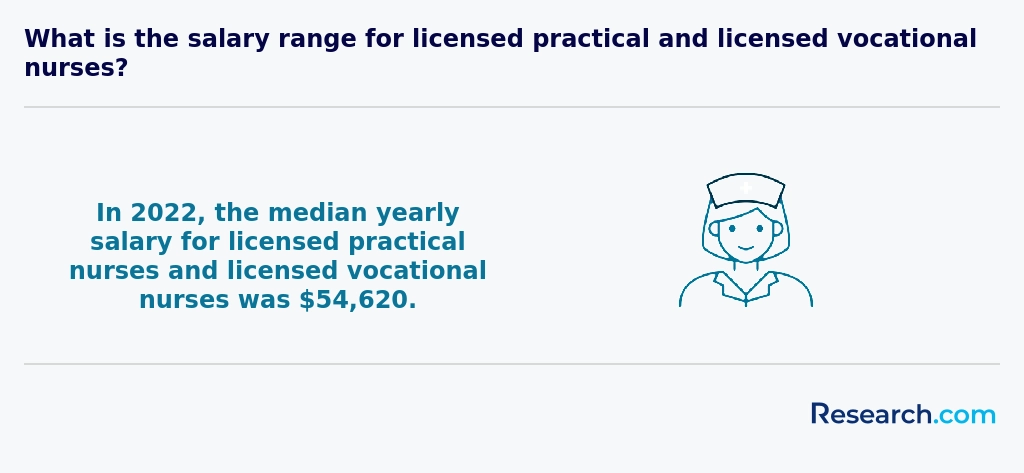
Exploring nursing degree job options in America reveals paths like Licensed Practical Nurse or Vocational Nurse for those eager to begin quickly, or Public Health Nurse roles that drive community wellness and policy impact. Graduates from top programs often share inspiring stories of transitioning from online courses to meaningful clinical or research positions, creating a sense of achievement and purpose. For those interested, a list of top online schools offers guidance toward these opportunities.
What is the job market for online nursing degree in America?
The job market for graduates with an online nursing degree in America defies the outdated stereotype that online education yields fewer opportunities. Graduates from respected programs at universities like the University of Phoenix or Western Governors University often find themselves swiftly employed, drawn by a chronic nationwide nurse shortage that makes their skills highly sought after. Many report moving quickly from study to hands-on roles in hospitals, outpatient centers, or community clinics, highlighting the practical value of flexible online study for those balancing work or family.
The vibrant landscape of nursing career opportunities in America reveals a diversity of options, from pediatric care in urban hospitals to community health roles in rural clinics, all accessible to online program graduates. The median wage, already competitive at about $77,600 annually, can be surpassed for those pursuing advanced certifications or specialized roles, reflecting the real-world impact of investing in an accredited online degree.
Those weighing their options should also consider financial accessibility, as many choose inexpensive online schools that accept fafsa, lowering costs without sacrificing quality. These choices help graduates enter the evolving healthcare workforce equipped to meet the rising demand and embrace rewarding careers.
Frequently Asked Questions About nursing
Online nursing degree students in America can maximize their learning by actively engaging with interactive course materials and participating in virtual discussions. According to the American Association of Colleges of Nursing (AACN), programs that include hands-on clinical experiences paired with online theory offer the best outcomes for skill development.
Scheduling regular study times and creating a dedicated learning space helps maintain focus and discipline. Utilizing resources such as simulation software and digital libraries enhances understanding of complex nursing concepts.
Networking with peers and instructors through online forums or virtual study groups encourages knowledge sharing. Additionally, staying informed about the latest guidelines from the National Council of State Boards of Nursing (NCSBN) prepares students for the NCLEX-RN licensing exam.
The nursing field in America is rapidly evolving, with several emerging niches gaining importance. One key area is telehealth nursing, which supports remote patient care through digital technology. This growth reflects broader healthcare trends, especially following the COVID-19 pandemic.
Another significant niche is gerontological nursing, driven by the aging U.S. population. The U.S. Census Bureau projects that by 2030, all baby boomers will be age 65 or older, increasing demand for specialized elderly care.
Additionally, nurse informaticists, who integrate nursing science with information technology, are becoming vital. According to the Bureau of Labor Statistics, this role is expected to grow by 17% through 2030, faster than average for all occupations.
Online nursing programs increasingly offer pathways focused on these niches, preparing students to meet these evolving healthcare needs.
After completing an online nursing degree in America, preparing for the job market requires strategic steps. First, graduates must pass the NCLEX-RN exam, which is mandatory for licensure as a registered nurse. According to the National Council of State Boards of Nursing, the national pass rate for first-time test takers was 82.5% in 2023. It's crucial to review state-specific licensing requirements, as they can vary. Building a strong clinical resume with internships or practical experience gained during the program helps demonstrate hands-on skills to employers. Networking through professional organizations like the American Nurses Association can improve job prospects.
Continued education, including certifications in specialties such as geriatrics or critical care, often increases marketability and potential earnings. The U.S. Bureau of Labor Statistics projects a 6% growth in nursing jobs through 2033, indicating steady demand. Online graduates should also prepare for interviews by practicing communication and situational questions commonly posed by healthcare employers. Overall, a combination of licensing, experience, credentials, and networking forms the foundation for successful entry into the nursing workforce after online study.
Employers in the U.S. healthcare sector prioritize several key skills when hiring nursing graduates. Clinical competence is essential; nurses must demonstrate strong patient care abilities, including medication administration and emergency response. Communication skills are also critical-both for collaborating with healthcare teams and for providing clear, compassionate patient interactions.
According to the National Council of State Boards of Nursing (NCSBN), critical thinking and decision-making skills rank high, as nurses must assess patient conditions rapidly and accurately. Additionally, proficiency with healthcare technology is increasingly important, given the rise in electronic health records and telehealth.
Time management and adaptability are frequently highlighted by hospitals, reflecting the fast-paced and unpredictable nature of nursing work. Cultural competence is another crucial skill, enabling nurses to serve America's diverse population effectively.
Finding internships relevant to a nursing degree in America typically involves a blend of academic resources and external research. Many online nursing programs partner with hospitals, clinics, and healthcare facilities to offer internship placements. It is vital to check with your program's career services or clinical coordinator early in your studies.
Additionally, organizations such as the American Nurses Association and state nursing boards provide listings of approved clinical sites. According to the National Council of State Boards of Nursing, over 80% of nursing students complete clinical rotations through affiliated institutions.
Networking through healthcare job fairs, online platforms like Indeed, and local hospital volunteer programs can also increase internship opportunities. Early proactive engagement helps secure meaningful experiences essential for licensure and employment.
Online nursing degrees in America significantly enhance career mobility and advancement opportunities. According to the American Association of Colleges of Nursing (AACN), nurses with a Bachelor of Science in Nursing (BSN) earn about 26% more on average than those with an associate degree. Employers increasingly prefer BSN-prepared nurses, especially in hospitals seeking Magnet status, which supports career growth.
Flexible online programs allow working nurses to continue employment while advancing education. This flexibility reduces barriers for those aiming for leadership roles or specialization.
The U.S. Bureau of Labor Statistics projects a 6% growth in registered nursing jobs through 2032, especially in advanced practice and administration, roles often requiring BSN or higher degrees.
Studying for a nursing degree in America equips students with skills essential for interdisciplinary roles in healthcare settings. Programs emphasize collaboration with professionals such as physicians, pharmacists, and social workers to provide comprehensive patient care. The American Association of Colleges of Nursing (AACN) highlights that 85% of nursing curricula include teamwork and communication training with other health disciplines.
Online nursing programs often integrate case studies and simulations reflecting real-world interdisciplinary challenges. Graduates learn to coordinate care plans and navigate healthcare systems effectively. This preparation aligns with the increasing demand for nurses to contribute beyond traditional bedside roles, enhancing patient outcomes through collaborative practice.
Choosing between a thesis and a non-thesis nursing degree program in America depends on your career goals and learning preferences. Thesis programs focus on research, requiring students to complete an original study, which is ideal for those interested in advanced nursing roles or pursuing graduate education. Non-thesis programs emphasize practical skills and often involve additional clinical work or projects.
According to the American Association of Colleges of Nursing, around 30% of online nursing programs offer a thesis option, mostly in research-intensive institutions. Many working nurses prefer non-thesis formats to balance study with employment.
Students in America interested in studying nursing abroad through online degree programs have limited direct options due to licensure and accreditation requirements. Most U.S. nursing programs, including online ones, are accredited by the Commission on Collegiate Nursing Education (CCNE) or the Accreditation Commission for Education in Nursing (ACEN), which maintain U.S.-specific standards. For studying nursing abroad, American students often enroll in international partner programs or institutions that offer online coursework aligned with U.S. licensure prerequisites.
According to the American Association of Colleges of Nursing (AACN), nearly 700,000 nurses hold bachelor's degrees in the U.S., and earning a degree recognized by state boards of nursing is crucial for licensure. Online programs abroad must ensure clinical practice components meet U.S. state requirements, often making full degree completion abroad more complex.
Programs in countries with established agreements or specialized pathways for U.S. students are rare but occasionally available. Therefore, American students typically pursue accredited U.S.-based online nursing degrees, some with global clinical partnerships to fulfill practical training.
Part-time job opportunities that complement nursing degree education in America are varied and beneficial. Many students work as Certified Nursing Assistants (CNAs) or Home Health Aides, roles that provide practical patient care experience and deepen clinical skills. According to the U.S. Bureau of Labor Statistics (2023), CNAs earn a median hourly wage of about $15.50, offering financial support alongside education.
Other options include Medical Scribe positions or Patient Care Technicians, which help students understand medical documentation and patient interactions. Jobs in pharmacies or clinics also expose learners to healthcare environments, enhancing their knowledge.
Online nursing students in America have various networking opportunities despite the distance learning format. Many programs offer virtual events such as webinars, discussion boards, and group projects that connect students with peers and faculty. These platforms often foster collaboration and professional relationship building.
Additionally, students can join national nursing organizations like the American Nurses Association (ANA), which provides access to conferences, local chapters, and mentorship programs. According to the ANA, membership can enhance career development and networking possibilities.
Clinical placements also offer in-person networking through healthcare facilities affiliated with online programs, giving students real-world connections critical in nursing careers.
Alumni networks play a crucial role in supporting online nursing degree students in America. They create opportunities for mentorship, allowing students to connect with experienced nurses who can offer guidance on career development and licensure processes. According to the American Association of Colleges of Nursing, networking significantly improves job placement rates for graduates by linking them to employers nationwide.
These communities also facilitate access to exclusive job boards and continuing education resources. For example, alumni often share openings in hospitals and clinics across states, which is vital in a profession where demand is high- the U.S. Bureau of Labor Statistics projects a 9% growth in nursing jobs through 2032.
Moreover, alumni networks foster professional support and collaboration, which can improve clinical skills and increase confidence in practice. This social capital is especially important for online students who might lack on-campus interaction.
Online nursing degree programs in America offer various ways to tailor your education to match your career goals. Many programs provide specialized concentration options such as pediatric nursing, gerontology, or nurse leadership. According to the American Association of Colleges of Nursing (AACN), nearly 70% of BSN programs include clinical electives that can align with your interests.
Some universities allow students to choose flexible clinical placements in local healthcare settings, enabling practical experience relevant to their desired field. Additionally, online formats often provide accelerated paths or part-time schedules, supporting working professionals who want to advance their careers without interrupting employment.
Carefully reviewing program curricula and accreditation status ensures your customized degree meets state licensing requirements and industry standards.
Online nursing students in America often face several key challenges during their studies. One major issue is balancing clinical practice requirements with remote coursework. Although theory can be completed online, clinical hours must be performed in person, which can be difficult to arrange for those with work or family commitments.
Another challenge is maintaining self-motivation and time management. According to the American Association of Colleges of Nursing (AACN), attrition rates for online nursing programs can be higher due to students struggling with the independence required.
Technical difficulties and access to reliable internet also impact learning, especially in rural areas. Additionally, some students encounter limited interaction with instructors and peers, which can affect understanding and support.
With an online nursing degree in America, graduates can pursue several professional certifications to advance their careers. The most common certification is the RN (Registered Nurse) license, which requires passing the NCLEX-RN exam. Beyond this, many nurses become Certified Nurse Practitioners (CNPs), Certified Clinical Nurse Specialists (CNS), or Certified Nurse Educators (CNE).
The American Nurses Credentialing Center (ANCC) offers over 20 specialty certifications, including certifications in pediatrics, geriatrics, and critical care. According to the Bureau of Labor Statistics, nearly 50% of nursing roles require some specialty certification.
These credentials validate clinical expertise and can lead to higher salaries and more job opportunities in the healthcare sector.
Crafting a winning application for an online nursing program in America requires careful preparation. Start by ensuring you meet all program prerequisites, such as a minimum GPA-often around 3.0-and completion of required science courses like anatomy and physiology. Highlight your experience in healthcare settings, as 60% of nursing programs prefer applicants with relevant clinical exposure (according to the American Association of Colleges of Nursing).
Clear, concise personal statements explaining your motivation for nursing and commitment to online learning are vital. Include specific examples demonstrating your communication and time management skills. Strong letters of recommendation from supervisors or instructors strengthen your profile.
Lastly, submit all documents before deadlines and verify technical requirements for online coursework to avoid disqualification.
The nursing profession is highly valued worldwide, with a growing demand for skilled nurses in many countries. In the United States, registered nursing is one of the fastest-growing careers, expected to grow 6% from 2021 to 2031 according to the U.S. Bureau of Labor Statistics. This growth mirrors global trends driven by aging populations and increased focus on healthcare accessibility.
Nurses trained in the U.S. often find their skills respected internationally, but licensing and education requirements vary widely by country. American online nursing degrees offer flexibility and meet rigorous standards, making graduates competitive both at home and abroad.
Global health organizations like the WHO emphasize nursing's critical role, further highlighting the profession's importance worldwide.
Gaining practical experience while studying for an online nursing degree in America is essential for meeting licensure requirements and enhancing clinical skills. Most accredited programs incorporate in-person clinical placements or simulation labs in healthcare settings. Students typically arrange these hours at local hospitals, clinics, or nursing homes, allowing flexibility based on their location.
The American Association of Colleges of Nursing (AACN) states that accredited Bachelor of Science in Nursing (BSN) programs require at least 500 clinical hours. These hands-on experiences enable students to apply theoretical knowledge in real-world environments under supervision.
Additionally, some schools partner with healthcare providers nationwide to facilitate clinical placements, making it easier for distant learners to find suitable sites. Students should verify with their program advisors to ensure clinical hours meet state Board of Nursing standards for licensure.
Choosing the right concentration within an online nursing degree program in America depends on your career goals and interests. Popular nursing concentrations include Family Nurse Practitioner, Psychiatric-Mental Health, and Pediatric Nursing. According to the Bureau of Labor Statistics, employment for nurse practitioners is projected to grow 40% from 2021 to 2031, highlighting demand in certain specialties.
Consider your preferred patient population and settings, such as hospitals, community clinics, or schools. Accreditation of the program by the Commission on Collegiate Nursing Education (CCNE) or the Accreditation Commission for Education in Nursing (ACEN) is essential for licensure and certification.
Also review curriculum details and clinical placement opportunities to ensure they align with your concentration choice and state licensure requirements.
Top Trending Nursing Rankings
See What Experts Have To Say About Studying Nursing
Read our interview with Nursing experts


References
- What Are the Best RN Certifications for Your Career? https://credenzahealth.com/career-advice/what-are-the-best-rn-certifications-for-your-career
- 10 Nursing Fields That Are Growing in Demand https://promedcert.com/blog/10-nursing-fields-that-are-growing-in-demand
- Determine Your Career Goals for Nursing https://www.achievetestprep.com/blog/what-are-career-goals-for-nursing
- How Long Is Nursing School in The USA? | Shiftmed Blog https://www.shiftmed.com/professionals/blog/how-long-is-nursing-school-in-the-usa/
- Career Advancement Pathways for Nurses : Expert RN shares 10+ Professional growth opportunities - MuminMed https://blog.muminmed.com/career-advancement-pathways-for-nurses/
- How Do Nurses Prepare to Work in a Multidisciplinary Team? | NursingEducation https://nursingeducation.org/insights/multidisciplinary-team/
- Do I Have to Write a Thesis to Complete a Master’s Degree in Nursing? https://www.bestmasterofscienceinnursing.com/faq/write-thesis-complete-masters-degree-nursing/
- Scholarships & Financial Aid https://www.aacnnursing.org/students/scholarships-financial-aid
- Find Online Nursing Programs with Financial Aid https://www.edumed.org/online-schools/nursing-rn-programs/financial-aid/
- Getting RN Experience After Graduation | All Nursing Schools https://www.allnursingschools.com/articles/getting-rn-experience/


