
2027 Easiest Online Doctorate in Nursing Degree Programs Ranking in South Carolina

Co-Founder and Chief Data Scientist
Choosing the right nursing program can feel overwhelming, especially with so many options available. This article offers a carefully researched 2027 Easiest Online Doctorate in Nursing Degree Programs Ranking in South Carolina, created by the Research.com team of data scientists. It's designed to help you find programs that fit your goals and lifestyle.
Exploring these rankings will give you clarity and confidence in making your decision. Pursuing a nursing degree opens doors to rewarding career opportunities and personal growth. You're taking an important step toward a meaningful future in healthcare.
Key benefits of getting online nursing degree in South Carolina
- The mean annual wage for nursing degree graduates in South Carolina, including roles like Family Nurse Practitioner and Psychiatric Nurse Practitioner, is approximately $128,490, offering strong financial rewards.
- Nursing graduates from institutions such as the University of South Carolina often pursue diverse career paths, including acute care, adult nursing, and psychiatric specialties, providing flexibility and growth.
- Completing a nursing degree online at schools like Clemson University enables students to balance work and study, saving time and offering convenient access to quality education without relocating.
- Key benefits of getting online nursing degree in South Carolina
- What can I expect from online nursing degree in South Carolina?
- Where can I work with online nursing degree in South Carolina?
- How much can I make with online nursing degree in South Carolina?
- 2027 Easiest Online Doctorate in Nursing Degree Programs Ranking in South Carolina
- Key Findings
- How long does it take to complete online nursing degree in South Carolina?
- Accreditation and Licensing Requirements
- What's the difference between online and on-campus nursing degree?
- Doctoral Program Requirements and Research Components
- What is the average cost of online nursing degree in South Carolina?
- Accelerated Pathways and Credit Options
- What financial aid is available to online nursing degree students in South Carolina?
- Accreditation and Licensure Preparation
- What are the prerequisites for enrolling in online nursing degree program in South Carolina?
- Admission Requirements and Application Process
- What courses are typically in online nursing degree programs in South Carolina?
- What types of specializations are available in online nursing degree programs in South Carolina?
- How do you choose the best online nursing degree in South Carolina?
- What career paths are available for online nursing degree students in South Carolina?
- What is the job market for online nursing degree in South Carolina?
- Related Nursing Rankings for Nearby States
- Top Trending Nursing Rankings
- See What Experts Have To Say About Studying Nursing
What can I expect from online nursing degree in South Carolina?
The average cost of an online nursing degree in South Carolina varies but often ranges between $15,000 and $35,000 for a Bachelor of Science in Nursing (BSN), depending on the institution and program length. Graduates from the University of South Carolina and Clemson University frequently mention how this investment felt worthwhile given the flexibility these programs offered. They appreciated balancing coursework from home while gaining essential clinical experience at nearby healthcare facilities, which helped solidify their skills and confidence.
Many students recall managing tuition alongside work and family commitments, finding that the value extended beyond cost savings-especially with accredited programs ensuring eligibility for state licensure. The blend of virtual lessons and in-person clinicals made the financial commitment feel tangible and connected to real-world outcomes. Those pursuing advanced degrees, like a Master of Science in Nursing (MSN), often budgeted a bit more but found the potential for higher wages and expanded roles motivating.
Choosing South Carolina's online nursing programs means embracing a flexible, quality education that respects both your budget and personal responsibilities, offering a path forward that feels both manageable and inspiring.
Where can I work with online nursing degree in South Carolina?
Graduates with an online nursing degree from respected South Carolina institutions often find themselves welcomed in a range of rewarding healthcare environments. Imagine a recent graduate from the University of South Carolina stepping confidently into a busy Charleston hospital's emergency department, where their skills in critical care are valued daily. These hospitals in cities like Columbia and Greenville offer dynamic settings where licensed nurses shape patient outcomes through intense, hands-on care.
Others have embraced roles in outpatient centers or physician offices, especially as these settings grow due to advances in preventive care. Nursing graduates from Clemson University, for example, might coordinate patient treatments or provide vital education that empowers healthier communities across the state.
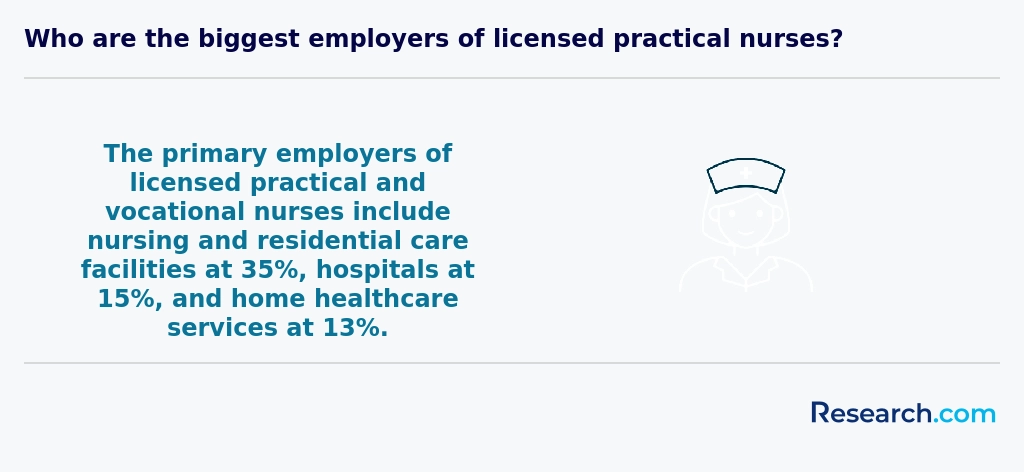
Long-term care and home healthcare also present fulfilling avenues. Many graduates speak warmly about the deep personal connections they form while supporting aging South Carolinians in nursing homes or through home visits. For those pursuing advanced degrees, opportunities to lead as educators or public health professionals highlight the breadth of nursing careers South Carolina offers, always within the framework of Board of Nursing licensure requirements.
How much can I make with online nursing degree in South Carolina?
Graduates from online nursing programs in South Carolina often find their efforts financially rewarding. For example, those stepping into advanced practice registered nurse roles can expect a mean annual salary of about $128,490, a figure consistent across specialties like family, psychiatric, adult, and acute care nurse practitioners according to national data. This robust salary reflects the advanced skills gained through rigorous online degrees, such as those offered by well-regarded institutions like the University of South Carolina or Charleston Southern University.
Many graduates from these programs share how earning this income brings a real sense of achievement and stability, especially living in cities like Charleston or Columbia where demand is high. For some, this salary translates into the ability to support families comfortably or invest further in their careers through certifications and leadership training.
Starting as a registered nurse with a BSN degree in South Carolina, graduates see a meaningful salary boost-around 15% more than those with an associate degree-demonstrating the value employers place on online education paired with clinical competence. These figures empower nurses to envision not just jobs, but fulfilling careers that grow with them.
2027 Easiest Online Doctorate in Nursing Degree Programs Ranking in South Carolina
How do we rank schools?
Investing in your education is a significant decision that can shape your future, and the Research.com team understands the importance of making informed choices. To assist prospective students in South Carolina, we have meticulously created the "2027 Easiest Online Doctorate in Nursing Degree Programs Ranking in South Carolina." Our commitment to quality, credibility, and accuracy is reflected in the thorough research and analysis undertaken to compile this ranking.
We utilized the following reputable data sources to ensure a comprehensive evaluation of nursing programs:
By exploring this ranking, readers will gain valuable insights into the easiest online Doctorate in Nursing degree programs in South Carolina, empowering them to make well-informed decisions about their educational journeys. For more details on how this ranking was created, please visit our Research.com methodology page.


Key Findings
- South Carolina offers online nursing programs including ADN, BSN, and advanced degrees like DNP with clinical hours arranged locally.
- Tuition for online RN to BSN programs usually ranges from $15,000 to $30,000, while ADN programs cost about $10,000 to $15,000 for in-state students.
- The state's RN job market is growing at 15-20% through 2030 with over 30,000 nurses employed across healthcare settings.
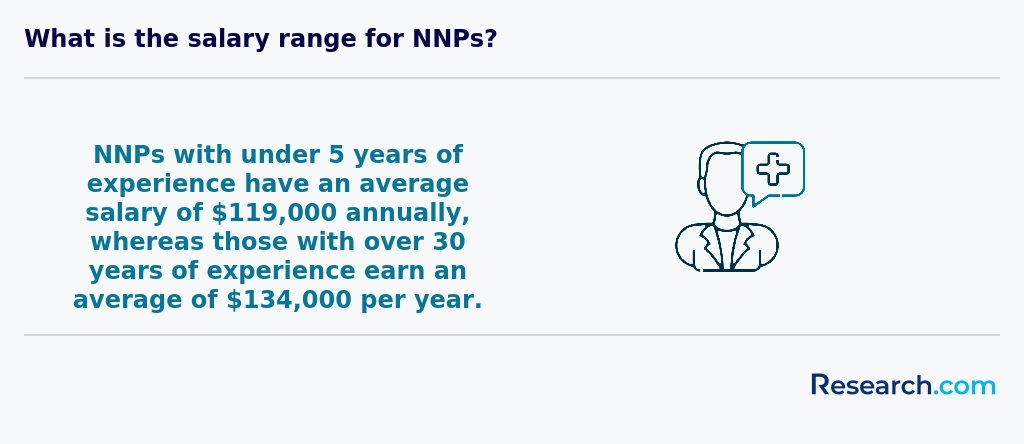
- Starting salaries for new nurses average $55,000 annually, with experienced RNs earning around $70,000 and nurse practitioners $90,000 or more.
- Licensure requires graduation from accredited programs approved by the South Carolina Board of Nursing, including meeting clinical hour requirements.
How long does it take to complete online nursing degree in South Carolina?
Completing an online nursing degree in South Carolina typically depends on the level of study and personal circumstances. Graduates from popular institutions like Clemson University and the University of South Carolina often share how an Associate Degree in Nursing (ADN) can be finished in about 2 to 3 years full-time, providing a solid foundation for becoming a registered nurse. This flexible timeline, especially through community colleges offering hybrid formats, allows working students to balance family and jobs effectively.
For those aiming higher, a Bachelor of Science in Nursing (BSN) usually requires around 4 years, although licensed RNs often accelerate their journey with bridge programs offered by schools such as College of Charleston, completing in 12 to 18 months. Many graduates express pride in advancing their careers without sacrificing their personal lives.
Online Master of Science in Nursing (MSN) programs in South Carolina take roughly 1.5 to 3 years, and doctoral programs like the DNP usually extend to 3-4 years, reflecting the depth of expertise gained. Students often emphasize how these timeframes, shaped by flexible course loads and transfer credits, support their professional growth while managing real-world commitments.
Accreditation and Licensing Requirements
Choosing an online doctorate in nursing program that is accredited by recognized bodies such as the Commission on Collegiate Nursing Education (CCNE) or the Accreditation Commission for Education in Nursing (ACEN) is essential to ensure your degree meets national standards and qualifies you for licensure. In South Carolina, all programs must also be approved by the South Carolina Board of Nursing, which verifies that curriculum, faculty credentials, and clinical practicum experiences adhere to state regulations. After graduating from an accredited program, you’ll need to pass the National Council Licensure Examination (NCLEX-RN) if you’re obtaining an RN license, or the appropriate Advanced Practice Registered Nurse (APRN) certification exam for nurse practitioners, clinical nurse specialists, or nurse educators. The South Carolina Board of Nursing requires proof of clinical hours, background checks, and up-to-date Basic Life Support (BLS) certification before granting state licensure. Be prepared to submit transcripts, verification of clinical practicum completion, and any additional documentation the board requests. If you plan to practice in another state, you can leverage the Nurse Licensure Compact (NLC) for multistate licensure, or research equivalent requirements through resources like nursing school online california. Understanding both accreditation and licensing pathways upfront will streamline your transition from graduate to practicing professional and safeguard the value of your online doctorate in nursing.
What's the difference between online and on-campus nursing degree?
Choosing between online and on-campus nursing degrees in South Carolina often comes down to how you balance life's demands while pursuing your education. Graduates from prominent institutions like the University of South Carolina frequently mention that online programs offered them the freedom to complete coursework after work or family time, which made earning their degree feel achievable without uprooting their lives. Yet, they also emphasize the necessity of completing clinical hours locally, which grounds their learning in practical, real-world skills essential for licensure by the South Carolina Board of Nursing.
On the other hand, those who chose traditional on-campus routes at colleges such as Clemson University recall the invaluable hands-on experience gained through direct interaction with instructors in simulation labs and immediate support from peers. This close-knit environment often sparks confidence and builds a strong professional network early on.
Both paths demand dedication, but online programs require heightened self-discipline and reliable technology, while on-campus programs immerse students in a structured, interactive learning setting.
Doctoral Program Requirements and Research Components
Online nursing doctorate programs-whether DNP (Doctor of Nursing Practice) or PhD in Nursing-typically require 30–45 credit hours beyond the master’s level, combining advanced coursework with intensive research and clinical immersion. Core courses often include Advanced Research Methods, Epidemiology, Healthcare Policy, and Leadership in Nursing. PhD tracks emphasize original dissertation research, guiding students through proposal development, Institutional Review Board (IRB) approval, data analysis, and defense of the final dissertation. DNP tracks, by contrast, focus on evidence‐based capstone projects that demonstrate the translation of research into improved patient outcomes or healthcare systems. Doctoral candidates collaborate closely with faculty mentors to refine research questions, select appropriate methodologies (qualitative, quantitative, or mixed methods), and uphold ethical standards throughout the study. Many programs incorporate research seminars and journal clubs, fostering interdisciplinary dialogue and critical appraisal skills. These scholarly communities help students stay current with emerging trends in nursing science and policy, ensuring their work addresses real‐world challenges. Clinical practicum requirements for DNP students range from 500 to 1,000 hours, depending on state board regulations and specialization. Practicums can be completed at approved partner sites, enabling specialization in areas such as psychiatric mental health, nurse anesthesia, or gerontology. For those exploring aging‐focused practice, it’s useful to benchmark potential earnings-refer to our gerontology jobs salary guide for detailed insights on compensation trends and growth opportunities in gerontological nursing. By understanding these doctoral program requirements and research components, prospective students can better plan their academic journey, estimate time to completion, and secure necessary resources-such as grant funding or research assistantships-to support their success in an online nursing doctorate program.
What is the average cost of online nursing degree in South Carolina?
The average cost of an online nursing degree in South Carolina reflects a balance of affordability and quality education. Graduate students from well-known universities such as the University of South Carolina and Clemson University often share how their total in-state tuition typically hovers around $56,998, while out-of-state learners may face higher expenses around $106,412. These figures underscore a significant investment but one that many find worthwhile for the flexibility and reputable training offered.
Many students pursuing an affordable online nursing doctorate programs SC emphasize how tuition is only part of the picture. Fees for technology, clinical placement, and textbooks add up but are often offset by scholarships or employer tuition assistance. Graduates recall navigating these costs with a mix of determination and strategic planning, grateful for online programs that let them balance work and study.
Those exploring the path to a nursing degree in South Carolina find value in personal stories of success from peers at respected institutions like the Medical University of South Carolina. In fact, prospective students often compare total costs and program structures, ultimately choosing offerings that fit their financial and professional goals. For those curious about starting their journey, resources about nursing school online california provide useful comparisons, helping South Carolina students understand national trends while focusing on local options.
Accelerated Pathways and Credit Options
Many online nursing doctorate programs in South Carolina offer streamlined tracks to help you finish faster without sacrificing quality:
- BSN-to-DNP: Combines master’s and doctoral coursework into a single 30–36-month program.
- MSN-to-DNP: Applies up to 12 graduate credits toward your doctorate, shortening your pathway.
- Credit for prior learning: Awards up to 6 credits for verified clinical experience or certifications.
Leverage flexible clinical residency formats and explore accelerated dnp programs for the shortest, most efficient route to your doctorate.
What financial aid is available to online nursing degree students in South Carolina?
Nursing students enrolled online at universities like the Medical University of South Carolina or Clemson University often find federal financial aid indispensable. Completing the FAFSA opens doors to Pell Grants-offering up to $7,395 annually in 2024-which many graduates recall as a crucial factor in easing their tuition burden during challenging times.
State scholarships, such as the Nursing Incentive Scholarship provided by the South Carolina Commission on Higher Education, stand out for students committed to serving locally after graduation. Graduates frequently share how these awards made the difference between stressing over finances or focusing on their studies.
Hospitals and healthcare organizations in South Carolina often provide tuition reimbursement programs. For example, students working with these institutions during or after their studies benefit greatly, combining valuable work experience with reduced educational debt.
Military-affiliated students appreciate the active use of the GI Bill and state tuition assistance, which open pathways for veterans and their families to pursue nursing degrees with less financial strain.
Private scholarships, such as those from the South Carolina Nurses Foundation, round out financial options, often rewarding dedication and merit in nursing specialties, encouraging students to keep their goals in sight.
By exploring and layering these resources, many graduates find their path smoother and more fulfilling, proving that thoughtful financial planning is as vital as academic commitment.
Accreditation and Licensure Preparation
Choosing an online nursing program that holds proper accreditation and state board approval is crucial for ensuring your degree is recognized, your licensure eligibility is protected, and you’re prepared for the NCLEX-RN or advanced practice certification exams. Most reputable programs in South Carolina carry regional accreditation from bodies like the Southern Association of Colleges and Schools Commission on Colleges (SACSCOC) and programmatic accreditation from the Commission on Collegiate Nursing Education (CCNE) or the Accreditation Commission for Education in Nursing (ACEN). This dual accreditation guarantees that curricula meet rigorous standards for faculty qualifications, curriculum quality, clinical experiences, and student outcomes. By graduating from a CCNE- or ACEN-accredited program, you not only satisfy South Carolina Board of Nursing requirements but also position yourself for licensure in other states through endorsement. Accredited programs also often include dedicated NCLEX-RN review courses and integrated exam preparation tools-such as practice question banks, virtual simulations, and structured study plans-that boost first-time pass rates. Moreover, many programs maintain formal agreements with clinical partners statewide, ensuring you can complete hands-on practicum hours without leaving your community. As you evaluate your options, consider schools that:
- Maintain current approvals from the South Carolina Board of Nursing for both pre-licensure and advanced practice tracks.
- Offer clear guidance on state-specific licensure steps, including application timelines and required documentation.
- Provide embedded exam readiness modules aligned with the latest NCLEX-RN or APRN blueprint.
- Feature robust career services and transition-to-practice residencies or mentorship programs. For those also exploring cost-effective pathways or bridging from an associate degree, see our full list of Affordable Online Nursing Degree Programs Ranking in Mequon, WI, which highlights accredited options designed to support your licensure journey.
What are the prerequisites for enrolling in online nursing degree program in South Carolina?
Enrolling in an online nursing degree program in South Carolina begins with meeting foundational prerequisites that ensure success both academically and clinically. For example, graduates from the University of South Carolina often emphasize how their solid high school background in biology and chemistry smoothed their transition into college-level nursing courses. A high school diploma or GED is essential, but having taken math and science classes is equally important to build confidence before starting.
Many students who transfer into RN-to-BSN programs at institutions like Clemson University share how maintaining an active RN license issued by the South Carolina Board of Nursing became a key requirement. This keeps the practical side of nursing front and center even in online settings. Completing prerequisite college courses such as anatomy, physiology, and microbiology with a minimum grade of C also plays a significant role in ensuring readiness for the rigorous nursing curriculum.
Applicants should also expect to undergo background checks and drug screenings, which local graduates recall as necessary steps that helped them prepare mentally and professionally for clinical experiences.
Standardized tests like the TEAS or HESI often serve as early indicators of one's preparedness, something many successful alumni highlight as a motivating checkpoint in their journey. Navigating these prerequisites with determination makes the challenge deeply rewarding in South Carolina's supportive educational environment.
Admission Requirements and Application Process
To enroll in an online nursing program in South Carolina, prospective students typically need to meet specific prerequisites, which may vary depending on the institution and the degree level. For instance, to pursue an Associate Degree in Nursing (ADN) or a Bachelor of Science in Nursing (BSN) at the University of South Carolina or Clemson University, applicants usually need to have a high school diploma or equivalent, with a minimum GPA of 2.5 or higher. Additionally, they must have completed prerequisite courses such as anatomy, physiology, and biology, with a minimum grade of C or higher. Some programs may also require standardized test scores, such as the TEAS or HESI, with average scores ranging from 60 to 80%. The application process typically involves submitting official transcripts, letters of recommendation, and a personal statement, as well as completing any required assessments or interviews. It's essential to check the specific admission requirements and application process for each online nursing program in South Carolina, as they may differ. Many online nursing programs in South Carolina also offer rolling admissions or multiple start dates, allowing students to begin their program at various times throughout the year. By understanding the admission requirements and application process, prospective students can ensure they are well-prepared to apply to online nursing programs in South Carolina and take the first step towards a rewarding career in nursing.
What courses are typically in online nursing degree programs in South Carolina?
Online nursing degree programs in South Carolina commonly include foundational courses such as anatomy, physiology, microbiology, and nutrition. Graduates from well-known institutions like the University of South Carolina often recall how these classes solidified their basic understanding of the human body, which proved essential during clinical practice. For those balancing studies with personal responsibilities, these courses provide an achievable starting point that builds confidence.
Courses in pathophysiology and pharmacology typically follow, enabling students to connect how diseases develop and how medications interact, a crucial step for safe patient care. Many graduates describe moments when this knowledge helped them during local clinical practicums, often held at familiar hospitals in Charleston or Greenville, where the theories truly come alive.
Nursing-specific classes-health assessment, nursing fundamentals, and clinical decision-making-teach students practical skills through realistic scenarios. Institutions like Clemson University often frame these lessons around diverse patient cases, fostering empathy and critical thinking. Advanced topics such as nursing leadership and healthcare ethics help students prepare for leadership roles within South Carolina's healthcare system, inspiring them to contribute thoughtfully and responsibly.
What types of specializations are available in online nursing degree programs in South Carolina?
Online nursing degree specializations South Carolina commonly include tracks like Family Nurse Practitioner (FNP), where graduates gain confidence in providing comprehensive primary care across all age groups. Many who studied these programs at well-known South Carolina universities appreciated the balance of rigorous coursework with flexible schedules. Psychiatric-Mental Health Nursing is another path that resonates deeply with students passionate about supporting mental wellness, a growing priority statewide.
Nursing specialization options in South Carolina also feature the Clinical Nurse Specialist (CNS) track, which prepares graduates to enhance healthcare systems through advanced clinical expertise. Graduates often share how this specialization sharpened their problem-solving skills in hospital and community settings. Other opportunities include Adult-Gerontology Acute Care and Pediatric Nursing, which many find personally rewarding due to the direct impact on vulnerable patient populations. Those interested in leadership often pursue Healthcare Leadership and Administration, enabling them to lead teams effectively in dynamic clinical environments.
For students drawn to the aging population, exploring gerontology jobs salary and related careers reveals promising prospects, complementing the available specializations beautifully.
How do you choose the best online nursing degree in South Carolina?
Choosing the best online nursing degree in South Carolina means focusing on accreditation and practical connections. Graduates from well-known South Carolina institutions often highlight how programs accredited by bodies like CCNE not only meet rigorous standards but also ease the path toward licensure. They recall how local clinical partnerships within the state made securing hands-on placements feel achievable and less stressful, blending virtual learning with valuable in-person experience.
Cost considerations also shape decisions. Many students appreciate a program's transparency about tuition and extra expenses, helping them weigh affordability carefully. For those seeking flexible pacing, programs that offer part-time enrollment or accelerated bridge options proved to be life-savers for balancing family and work.
Prospective learners searching for affordable online nursing degrees South Carolina will find that comparing graduation and NCLEX pass rates provides reassurance about success. Reflecting on their journey, some graduates recommend checking rankings like the Affordable Online Nursing Degree Programs Ranking in Mequon, WI to discover cost-effective alternatives beyond state borders while ensuring quality education.
What career paths are available for online nursing degree students in South Carolina?
Graduates of online nursing degree programs in South Carolina often find themselves entering a diverse range of fulfilling career paths tailored to the state's healthcare landscape. Many choose to become Registered Nurses (RN), working in busy hospitals or community health centers, where they gain hands-on experience and build essential skills. Those studying through popular South Carolina universities appreciate how the flexibility of their programs allows them to balance work and study, leading to rewarding roles across urban and rural settings.
Some graduates pursue advanced roles like Nurse Practitioners, Clinical Nurse Specialists, or Nurse Anesthetists, which offer both increased responsibility and higher salaries. South Carolina nurse practitioner job opportunities are particularly promising, reflecting the demand for specialized care in the region. Others find meaningful work in public health or healthcare education, contributing to important efforts in nurse training and community wellness. Many also explore options through programs like the fast track undergraduate degree, accelerating their journey into healthcare leadership or research.
What is the job market for online nursing degree in South Carolina?
The job market for online nursing degree graduates in South Carolina remains strong, fueled by steady demand in healthcare and expanding opportunities across the state. Graduates from well-known programs at universities like the University of South Carolina or College of Charleston find themselves sought after in settings ranging from hospitals to home healthcare. Many of these graduates share experiences of landing roles soon after passing their licensure exams, energized by flexible online studies that balanced well with personal commitments. For those exploring online nursing jobs South Carolina offers a landscape where the practical focus of programs meets growing industry needs.
Employment outlooks indicate about 12% growth in nursing positions through 2030, closely mirroring national trends and reinforced by South Carolina's increasing healthcare needs. Salaries for registered nurses average around $67,000 annually, with advanced roles offering more lucrative pay that attracts ambitious nurses ready to advance their careers. Graduates often highlight how online programs maintain high accreditation standards, ensuring eligibility for these competitive roles.
Choosing an online nursing degree here can also be cost-effective compared to national averages, making it a smart choice for those balancing budget and ambition. For those considering further education, it's useful to explore what is the shortest masters degree options available, allowing quicker career advancement.
Frequently Asked Questions About nursing
Online nursing degree students in South Carolina can maximize their learning by actively engaging with their course materials and professors. Participating in virtual discussions and study groups helps deepen understanding and builds professional networks. Utilizing resources like the South Carolina Board of Nursing website ensures students stay informed about state licensing requirements and clinical hours.
Additionally, students should seek local clinical placements early, as these hands-on experiences are essential for developing practical skills. South Carolina has numerous healthcare facilities partnering with nursing programs, making it easier to find suitable internships.
Time management and setting a consistent study schedule also improve success rates in rigorous nursing curricula. According to the National League for Nursing, students who maintain steady pacing tend to have higher NCLEX pass rates, a critical step for South Carolina nurses.
The nursing profession is evolving rapidly, with several emerging niches gaining significance, especially in South Carolina. One growing area is telehealth nursing, driven by increased demand for remote patient care. The South Carolina Department of Health and Human Services notes a 30% rise in telehealth services use since 2020.
Geriatric nursing is also expanding as the state's aging population grows; the U.S. Census Bureau projects a 22% increase in residents over 65 by 2030. This creates a critical need for nurses specialized in elder care.
Another niche is psychiatric nursing, addressing mental health challenges exacerbated by the pandemic. South Carolina's Department of Mental Health reports a steady rise in service utilization, highlighting opportunities for advanced practice nurses in this field.
After completing an online nursing degree in South Carolina, preparing for the job market involves several key steps. First, graduates must obtain licensure through the South Carolina Board of Nursing by passing the NCLEX-RN exam, a requirement for most nursing positions. According to the South Carolina Department of Labor, registered nurses in the state enjoy a favorable job outlook, with healthcare employment expected to grow by 14% through 2030. Networking with local healthcare providers and joining professional organizations like the South Carolina Nurses Association can increase job prospects. Additionally, gaining clinical experience through internships or volunteer work enhances practical skills. Staying updated on nursing trends and continuing education is essential for career growth.
Employers in South Carolina highly value nursing graduates who demonstrate strong clinical skills combined with effective communication. According to the South Carolina Board of Nursing, practical knowledge in patient care and the ability to use healthcare technology are essential. Employers also prioritize critical thinking and decision-making abilities, which help nurses adapt to diverse medical situations quickly.
Interpersonal skills remain crucial, as nurses often collaborate with patients, families, and other healthcare professionals. The American Nurses Association highlights that cultural competence and empathy improve patient outcomes significantly in South Carolina's diverse communities.
Additionally, strong time management and organizational skills help graduates manage demanding workloads efficiently.
To find internships in South Carolina relevant to a nursing degree, start by exploring partnerships between your online program and local healthcare facilities. Many nursing schools in the state collaborate with hospitals, clinics, and long-term care centers to provide clinical placements.
The South Carolina Board of Nursing recommends students seek internships at accredited healthcare settings to meet licensure requirements. Additionally, use resources like the South Carolina Nurses Association, which often lists internship and job opportunities.
Networking with local hospitals such as Prisma Health and Medical University of South Carolina (MUSC) can open doors to internships. These institutions frequently offer structured programs for nursing students to gain hands-on experience in diverse clinical environments.
Finally, contacting your school's career services can help locate approved sites that align with South Carolina's clinical hour requirements for nursing licensure.
Online nursing degrees in South Carolina can significantly enhance career mobility and advancement for registered nurses. Many programs are designed to meet South Carolina Board of Nursing requirements, allowing graduates to pursue higher roles such as nurse practitioner or nurse educator. According to the South Carolina Center for Nursing Workforce, advanced practice registered nurses (APRNs) earn 25% more on average than RNs, highlighting the economic benefits of degree advancement.
Online education offers flexibility, enabling working nurses to study without interrupting their careers. This accessibility helps professionals gain specialized skills required for leadership and clinical positions. Additionally, online degrees from accredited schools facilitate eligibility for national certifications and licensing, crucial for upward movement in the state's healthcare system.
Studying for a nursing degree in South Carolina equips students with skills essential for interdisciplinary healthcare teams. Many online nursing programs in the state emphasize collaboration between nurses, physicians, social workers, and other professionals. According to the South Carolina Nurses Association, this teamwork approach improves patient outcomes and prepares graduates to adapt in complex clinical environments.
Curriculums often include courses on communication, leadership, and ethics, which foster the ability to work across disciplines. The state's healthcare system increasingly relies on nurses who can coordinate care effectively, especially in rural areas where resource sharing is critical.
Data from the South Carolina Department of Health and Environmental Control shows that nurses with interdisciplinary training contribute significantly to reducing hospital readmissions and improving chronic care management.
Choosing between a thesis and a non-thesis nursing degree program in South Carolina depends on your career goals and learning preferences. A thesis program involves original research, requiring strong analytical skills and interest in contributing to nursing science. This path suits those aiming for academic, research, or advanced clinical roles.
Non-thesis programs typically focus on coursework and practical skills, with a capstone or project instead of a formal thesis. These programs are often shorter and may better serve nurses pursuing leadership or advanced practice roles.
According to the South Carolina Board of Nursing, the demand for nurse educators and researchers is expected to grow, highlighting the value of thesis programs for some students.
Students based in South Carolina who wish to study nursing abroad typically encounter some challenges due to accreditation and licensure variations. While many universities offer online nursing degrees, those interested in international study must ensure their program meets standards recognized by the South Carolina Board of Nursing (SC BON).
One common route is enrolling in fully online nursing programs accredited by bodies such as the Commission on Collegiate Nursing Education (CCNE) or Accreditation Commission for Education in Nursing (ACEN), which may include international partnerships. These programs allow South Carolina students to study abroad virtually without relocating.
According to the SC BON, to practice nursing in South Carolina, graduates from foreign programs must meet specific credential evaluation and licensing requirements, which can complicate direct study overseas. Therefore, many students combine online coursework offered by U.S. institutions with limited international clinical experiences abroad.
The Nursing Department at South Carolina's Technical College System reports a steady increase in students seeking flexible online options, but notes that clinical placements abroad remain rare due to legal and regulatory hurdles.
Part-time jobs that complement nursing degree education in South Carolina often involve healthcare settings where practical experience is valued. Positions such as certified nursing assistant (CNA), medical assistant, or home health aide provide hands-on patient care experiences. These roles allow students to apply theoretical knowledge while improving communication and clinical skills.
South Carolina's Department of Labor reports that CNAs earn an average hourly wage of about $13.50, making it a viable option for students needing flexible income.
Hospitals, clinics, and long-term care facilities in urban centers like Charleston and Greenville frequently offer part-time openings suited for nursing students balancing classes with work.
Online nursing students in South Carolina have various networking opportunities despite their remote learning format. Many online programs partner with local hospitals and healthcare organizations across the state, allowing students to participate in clinical rotations and meet nursing professionals in person. Additionally, students can join the South Carolina Nurses Association (SCNA), which offers virtual events, workshops, and forums to connect with peers and industry leaders.
National nursing organizations, like the American Nurses Association (ANA), also provide accessible online communities valuable for networking. According to the SC Board of Nursing, South Carolina employs over 60,000 registered nurses, creating a broad professional network for graduates. These platforms help online students build relationships important for job placement and career advancement.
Alumni networks provide valuable support for online nursing degree students in South Carolina by connecting them with experienced professionals. These networks foster mentorship opportunities, which are crucial for career development in the competitive nursing industry.
In South Carolina, the nursing workforce is projected to grow by over 15% by 2030, according to the South Carolina Center for Nursing Workforce. Alumni connections help students navigate this expanding job market more effectively.
Graduates benefit from job leads, continuing education resources, and peer advice through active alumni groups. This support can improve employment rates post-graduation and enhance professional growth.
Customizing your online nursing degree program in South Carolina begins with choosing specializations that align with your career goals. Many institutions offer options such as nurse practitioner tracks, nurse education, or healthcare administration. Tailoring your coursework allows you to focus on skills demanded by South Carolina's healthcare market, which is growing rapidly with an expected 15% increase in nursing jobs by 2030, according to the South Carolina Department of Employment and Workforce.
Additionally, selecting flexible clinical placements in local healthcare settings can help you gain practical experience relevant to your intended role. Online programs often provide options to complete these hours near your residence.
Evaluate programs accredited by the Commission on Collegiate Nursing Education (CCNE) or the Accreditation Commission for Education in Nursing (ACEN) to ensure quality and eligibility for licensure in South Carolina.
Online nursing students in South Carolina face several common challenges. One major difficulty is finding clinical placements nearby. Since hands-on experience is required by state licensing boards, students often must coordinate with healthcare facilities across different regions, which can cause delays or limited availability.
Another challenge is balancing coursework with personal and professional responsibilities. Many students are working nurses or have family obligations, making time management critical. According to the South Carolina Nurses Association, about 60% of nursing students report stress related to juggling these demands.
Additionally, some students experience limited access to high-speed internet in rural areas, impacting their ability to attend live lectures or submit assignments promptly.
With an online nursing degree in South Carolina, graduates can pursue a range of professional certifications to advance their careers. Becoming a Certified Registered Nurse Anesthetist (CRNA), Certified Nurse Midwife (CNM), or Clinical Nurse Specialist (CNS) are common paths for those holding advanced degrees.
Registered nurses may also seek the Certified Nurse Educator (CNE) credential to teach future nurses. For those focused on patient care, certifications such as the Oncology Certified Nurse (OCN) or Pediatric Nursing Certification Board (PNCB) offer specialization opportunities.
South Carolina's workforce data highlights a growing need for certified nurses, with the South Carolina Board of Nursing supporting these credentials to improve healthcare outcomes statewide.
Writing a winning application for an online nursing program in South Carolina requires clear focus and preparation. Begin by thoroughly researching accredited programs recognized by the South Carolina Board of Nursing. Highlight your academic achievements, including GPA and any relevant certifications, such as CNA or LPN licenses.
Strong letters of recommendation from healthcare professionals familiar with your skills can strengthen your application. Emphasize your commitment to nursing by detailing relevant work or volunteer experience, especially in South Carolina's healthcare settings.
Craft a concise personal statement explaining your goals and how the program aligns with South Carolina's growing demand for skilled nurses, supported by data from the South Carolina Department of Labor.
Nursing is a highly respected profession worldwide, offering diverse opportunities in healthcare. Globally, nurses play critical roles in patient care, education, and research. The demand for qualified nurses grows as populations age and healthcare needs increase.
In the United States, South Carolina reflects this trend with a nursing job growth projected at 15% through 2030, according to the U.S. Bureau of Labor Statistics. This rate is higher than the national average, highlighting strong local demand.
Online nursing degrees in South Carolina provide flexible paths for students and professionals to enter or advance in this global workforce. These programs meet rigorous accreditation standards, ensuring graduates are competitive internationally.
Such degrees also promote cultural competence, a critical skill for nurses working in diverse communities both at home and abroad.
Students pursuing an online nursing degree in South Carolina gain practical experience primarily through clinical rotations required by the South Carolina Board of Nursing. These hands-on experiences must be completed at approved healthcare facilities, often near the student's home. Many programs collaborate with local hospitals, clinics, and long-term care facilities across the state to provide quality clinical placements.
In South Carolina, nursing students typically complete between 500 and 700 clinical hours, depending on the program level. These hours are essential for applying theoretical knowledge in real-world settings. Additionally, simulation labs are sometimes used to supplement clinical hours, offering controlled environments for skill development.
South Carolina's nursing programs emphasize partnerships with health systems such as Prisma Health and the Medical University of South Carolina to ensure clinical sites are diverse and meet accreditation standards. Students should verify that their chosen online program supports local clinical placement to meet state licensure requirements.
When choosing a concentration within an online nursing degree program in South Carolina, start by considering your career goals and local healthcare needs. South Carolina's Department of Health and Environmental Control highlights a growing demand for nurse practitioners and nurse educators, influencing job availability and salaries.
Examine the curriculum offered by programs to ensure alignment with state licensure requirements and certifications. Popular concentrations include family nurse practitioner, psychiatric mental health, and nurse education. According to the South Carolina Center for Nursing Workforce, these areas show strong employment growth through 2030.
Additionally, consider clinical placement support, as in-state partnerships can ease the practicum process. Comparing programs' accreditation status is also crucial for eligibility in South Carolina's licensing exams.
Related Nursing Rankings for Nearby States
- 2027 Easiest Online Doctorate in Nursing Degree Programs Ranking in Georgia
- 2027 Easiest Online Doctorate in Nursing Degree Programs Ranking in Florida
- 2027 Easiest Online Doctorate in Nursing Degree Programs Ranking in Tennessee
- 2027 Easiest Online Doctorate in Nursing Degree Programs Ranking in Virginia
- 2027 Easiest Online Doctorate in Nursing Degree Programs Ranking in Kentucky
- 2027 Easiest Online Doctorate in Nursing Degree Programs Ranking in Louisiana
- 2027 Easiest Online Doctorate in Nursing Degree Programs Ranking in Missouri
- 2027 Easiest Online Doctorate in Nursing Degree Programs Ranking in Ohio
- 2027 Easiest Online Doctorate in Nursing Degree Programs Ranking in Indiana
- 2027 Easiest Online Doctorate in Nursing Degree Programs Ranking in Pennsylvania
Top Trending Nursing Rankings
See What Experts Have To Say About Studying Nursing
Read our interview with Nursing experts

Lisa Grubb
Nursing Expert
Assistant Professor
Johns Hopkins School of Nursing

References
- Nursing Study Abroad Programs | Go Overseas https://www.gooverseas.com/study-abroad/nursing
- How Do Nurses Navigate Career Advancement? | NursingEducation https://nursingeducation.org/insights/career-advancement/
- Faith Jefferson Hohloch Nursing Scholarship - Coastal Community Foundation of South Carolina https://coastalcommunityfoundation.org/scholarships/faith-jefferson-hohloch-nursing-scholarship/
- What Are the Best Jobs to Work While in Nursing School? https://www.dewv.edu/what-are-the-best-jobs-to-work-while-in-nursing-school/
- Your Questions About Online Nursing School, Answered https://www.allnursingschools.com/how-to-get-into-nursing-school/online-programs/
- Essential Tips for Nursing Students to Advance Their Careers https://almanaltraining.com/essential-tips-for-nursing-students-to-advance-their-careers/
- What Are the Best RN Certifications for Your Career? https://credenzahealth.com/career-advice/what-are-the-best-rn-certifications-for-your-career
- What Nursing Concentration Is Right for Me? | Maryville Nursing https://nursing.maryville.edu/blog/what-nursing-concentration-is-right-for-me
- Online versus Face-to-Face Nursing Degrees: A Study of Recruiters’ Perceptions - OJDLA https://ojdla.com/articles/online-versus-face-to-face-nursing-degrees-a-study-of-recruiters-perceptions
- Client Challenge https://www.springerpflege.de/nursing-graduates-perceived-future-career-pathway-and-career-shi/50653658


