
2027 Easiest Online Doctorate in Nursing Degree Programs Ranking in St. Louis, MO

Co-Founder and Chief Data Scientist
Are you exploring the best online nursing doctorate programs in St. Louis, MO? This article presents the 2027 Easiest Online Doctorate in Nursing Degree Programs Ranking in St. Louis, MO, carefully curated by the Research.com team of data scientists.
It's designed to help you make an informed decision about which programs fit your goals and lifestyle. Pursuing a nursing degree opens doors to rewarding careers and personal growth.
Discover flexible options that match your needs and take a confident step toward advancing your future in healthcare.
Key benefits of getting online nursing degree in St. Louis
- The mean annual wage for nursing roles like Advanced Practice Registered Nurse and Family Nurse Practitioner in St. Louis is about $128,490, offering strong financial stability upon graduation.
- Nursing graduates from popular St. Louis universities often access diverse career paths such as Adult Nurse Practitioner or Psychiatric Nurse Practitioner, allowing them to specialize according to their passion.
- Completing a nursing degree online in St. Louis provides flexibility for working students and faster entry into the workforce, making it easier to balance life and education.
- Key benefits of getting online nursing degree in St. Louis
- What can I expect from online nursing degree in St. Louis?
- Where can I work with online nursing degree in St. Louis?
- How much can I make with online nursing degree in St. Louis?
- 2027 Easiest Online Doctorate in Nursing Degree Programs Ranking in St. Louis, MO
- Key Findings
- How long does it take to complete online nursing degree in St. Louis?
- What's the difference between online and on-campus nursing degree?
- What is the average cost of online nursing degree in St. Louis?
- What financial aid is available to online nursing degree students in St. Louis?
- DNP Program Requirements
- What are the prerequisites for enrolling in online nursing degree program in St. Louis?
- Doctoral Capstone and Clinical Requirements
- What courses are typically in online nursing degree programs in St. Louis?
- What types of specializations are available in online nursing degree programs in St. Louis?
- How do you choose the best online nursing degree in St. Louis?
- What career paths are available for online nursing degree students in St. Louis?
- What is the job market for online nursing degree in St. Louis?
- Top Trending Nursing Rankings
- See What Experts Have To Say About Studying Nursing
What can I expect from online nursing degree in St. Louis?
The average cost of an online nursing degree in St. Louis typically ranges from $15,000 to $40,000, depending on the institution and the level of the program. Graduates from well-regarded schools like the University of Missouri-St. Louis often share how their investment felt manageable, especially with flexible payment plans and financial aid options designed to support working adults balancing studies and careers.
Many students appreciate that local schools provide transparent tuition structures and dedicate resources to scholarship access, making the journey less stressful. Some graduates describe enrolling in programs where interactive simulations and virtual clinical placements-including partnerships with Barnes-Jewish Hospital-offered invaluable hands-on experiences without excessive travel costs.
Looking ahead, emerging trends suggest that St. Louis nursing programs may offer even more personalized financial solutions and tech-driven learning tools, potentially lowering overall costs while enhancing educational value. This promising evolution resonates with students aiming to advance their careers affordably yet effectively within the vibrant, growing healthcare community here.
Where can I work with online nursing degree in St. Louis?
Graduates with an online nursing degree in St. Louis often find themselves stepping into dynamic roles across well-established hospitals like Barnes-Jewish Hospital or community health settings linked to institutions such as Saint Louis University. Many share how their education prepared them to confidently work in diverse environments, from busy hospital wards to outreach programs in local public health departments. The expanding home healthcare sector also offers rewarding opportunities, particularly for those passionate about providing personalized patient care in familiar neighborhood settings.
With St. Louis facing a growing demand for advanced practice nurses, graduates pursuing further certifications frequently move into nurse practitioner or clinical nurse specialist roles. These positions, often supported by healthcare systems like BJC HealthCare, allow professionals to lead chronic disease management and preventive care initiatives that deeply impact urban communities.
Online programs tailored to Missouri's licensure requirements enable students to seamlessly prepare for the NCLEX-RN, opening doors to careers that adapt as the city's healthcare landscape evolves. Graduates often express excitement about the future, imagining new possibilities in telehealth and community-focused nursing that align well with St. Louis' healthcare growth.
How much can I make with online nursing degree in St. Louis?
Graduates with an online nursing degree in St. Louis can realistically anticipate strong earning potential, especially when pursuing advanced roles. For example, those stepping into positions like Family Nurse Practitioner, Psychiatric Nurse Practitioner, or Acute Care Nurse Practitioner can expect mean annual wages around $128,490, reflecting data from the U.S. Bureau of Labor Statistics.
Many graduates from respected institutions such as the University of Missouri-St. Louis have shared how their online programs allowed them to upskill while working, leading directly to roles with salaries in this range. These advanced positions highlight financial growth aligned with expanding healthcare demands in the St. Louis area.
Looking ahead, these graduates often find themselves advancing into leadership or specialty clinical roles with competitive pay. The flexibility of online study is a common theme among successful nurses balancing family life and career growth, particularly from colleges focused on cutting-edge healthcare education.
As St. Louis continues to invest in healthcare infrastructure, nurses with online degrees may see even greater opportunities emerging, supplemented by employer tuition assistance programs that reduce financial burdens while enhancing long-term income prospects.
2027 Easiest Online Doctorate in Nursing Degree Programs Ranking in St. Louis, MO
How do we rank schools?
Investing in your education is a significant decision that can shape your future, and the Research.com team fully understands the importance of making well-informed choices. To support prospective students in St. Louis, MO, we have carefully developed the "2027 Easiest Online Doctorate in Nursing Degree Programs Ranking." Our dedication to quality, credibility, and accuracy is demonstrated through thorough research and analysis.
We utilized the following reputable data sources to ensure a comprehensive evaluation of online doctoral nursing programs:
By reviewing this ranking, readers will gain valuable insights into accessible and reputable online nursing doctorate programs in St. Louis, helping them confidently navigate their educational opportunities. For further information on how this ranking was created, please visit our Research.com methodology page.
# 1 position
Maryville University of Saint Louis
Doctor of Adult-Gerontology Primary Care Nurse Practitioner

# 2 position
Chamberlain University - St. Louis
Doctor of Nursing Practice

Key Findings
- St. Louis offers accredited online nursing programs including practical nursing certificates, RN-to-BSN, and MSN degrees with remote study and local clinical placements.
- Tuition for online RN-to-BSN programs ranges from $7,000 to $15,000, while MSN programs typically cost between $15,000 and $30,000.
- Average starting salaries for registered nurses in St. Louis are around $58,000 annually, increasing to $85,000 or more with experience and advanced credentials.
- The healthcare sector in St. Louis is growing, with a projected 12% increase in registered nursing jobs through the late 2020s.
- Online nursing programs must prepare students to meet Missouri's Board of Nursing licensure requirements, including completing clinical hours in approved local settings.
How long does it take to complete online nursing degree in St. Louis?
Graduates from well-known St. Louis institutions often share that completing an online Associate Degree in Nursing (ADN) can feel both manageable and rewarding within 18 months to 3 years. Many appreciate the flexibility to balance work and study, especially when juggling family commitments. At colleges like Maryville University or Webster University, students highlight how online ADN programs adapt to their pace, allowing for accelerated study if personal circumstances allow.
Bachelor of Science in Nursing (BSN) seekers frequently mention the empowerment of finishing their degree in 3 to 4 years, or even faster through RN-to-BSN or accelerated pathways offered at several St. Louis universities. One graduate described how taking advantage of an accelerated program helped transform their nursing career swiftly while maintaining full-time employment.
Graduate students pursuing MSN or DNP degrees experience 2 to 4 years of online coursework, with most noting how specialized tracks and competency-based learning options provide a sense of mastery and confidence. The thriving healthcare demand in St. Louis inspires many to pursue these flexible online pathways, imagining futures where they can make a significant impact sooner than expected.
What's the difference between online and on-campus nursing degree?
Online nursing degrees in St. Louis offer unmatched flexibility, allowing students to balance coursework with busy lives, whether juggling shifts or family time. Graduates from well-known universities like Saint Louis University share how asynchronous lectures let them learn at their own pace, making the experience less stressful and more empowering. Yet, they still attend clinical placements locally, blending real-world practice with remote study.
On-campus students at institutions such as Washington University benefit from immediate, face-to-face mentorship and spontaneous peer support, creating a tight-knit community that fuels motivation. They experience hands-on training within affiliated healthcare facilities, enhancing confidence through direct patient interaction.
Looking ahead, the line between online and on-campus may blur further, with hybrid models evolving to combine flexibility with immersive clinical experiences. This fusion could redefine nursing education in St. Louis, ensuring accessibility without sacrificing essential practical skills, so each student can tailor their path to success.
What is the average cost of online nursing degree in St. Louis?
The average cost of an online nursing degree in St. Louis typically centers around $54,900 in total tuition, a figure many graduates find reflective of both local educational quality and regional economic factors. Students pursuing an online nursing degree at well-known institutions like the University of Missouri-St. Louis often share how the balance of cost and program flexibility makes a real difference in managing their studies alongside work or family commitments. With tuition estimated around $300 to $700 per credit hour depending on whether a student attends public or private universities in the area, financial planning becomes crucial.
Many online nursing programs in St. Louis also require additional expenses such as technology fees, textbooks, and clinical placement costs, which students mention as manageable when institutions provide clear guidance. This comprehensive view helps prospective nursing students understand the full investment needed beyond just tuition. Those keeping an eye on their budget might also explore opportunities highlighted in top paying 6 month certificate programs that can complement or accelerate their nursing career without significantly increasing costs.
Graduates often emphasize that understanding average cost online nursing degree St. Louis MO trends is vital for making informed decisions, especially as online doctorate tuition fees may fluctuate with evolving program technologies and increased demand. Students advise future applicants to engage with admissions and financial aid advisors early, ensuring they maximize scholarships and aid to soften overall expenses while pursuing their nursing goals.
What financial aid is available to online nursing degree students in St. Louis?
Students pursuing an online nursing degree in St. Louis often find federal aid essential in making their education affordable. Graduates from Saint Louis University describe how completing the FAFSA unlocked access to Pell Grants, covering up to $7,395 annually, which transformed their financial outlook and eased stress. Many also benefit from Direct Subsidized Loans, allowing them to focus on studies without worrying about interest accumulating while in school.
Looking forward, the Access Missouri Financial Assistance Program appears set to expand, potentially offering more targeted need-based grants tailored to local nursing students. Graduates from Missouri State University have shared relief at receiving scholarships funded by healthcare donors in St. Louis, relieving them from hefty tuition fees and motivating sustained academic excellence.
Many envision greater employer partnerships soon, where St. Louis hospitals and clinics could increase tuition reimbursement and loan forgiveness programs, especially for nurses serving underserved communities. This could foster a rewarding career path with financial peace of mind. Local nursing organizations might further amplify grant opportunities, encouraging community leadership while supporting future nurses' journeys.
DNP Program Requirements
Doctor of Nursing Practice (DNP) tracks in St. Louis blend advanced coursework with hands-on clinical practice to prepare leaders in healthcare.
- Credit hours: 36–45 post-master’s credits covering leadership, policy and evidence-based practice
- Clinical hours: minimum of 1,000 supervised practice hours, often fulfilled through partnerships with local hospitals
- Capstone project: a practice-focused initiative demonstrating implementation of research into real-world nursing settings
- Timeline: typically 2–4 years full-time, with part-time options available for working professionals
- Format: primarily asynchronous online classes plus occasional on-campus residencies or live virtual seminars
For research-oriented candidates, exploring an online phd nursing pathway can provide a traditional dissertation route and academic focus.
What are the prerequisites for enrolling in online nursing degree program in St. Louis?
Enrolling in an online nursing degree program in St. Louis usually means meeting a set of clear prerequisites designed to prepare you for success. For many students at popular institutions like Webster University or Saint Louis University, having a high school diploma or GED is just the starting point. Graduates often share how completing prerequisite courses in biology and chemistry at local community colleges helped them build confidence before diving into rigorous nursing coursework.
Many students aiming for BSN or MSN tracks mention the importance of holding an active Missouri RN license. This step not only validates your readiness but also opens doors to advanced programs. Experiences from online learners reveal that maintaining a GPA around 2.5 to 3.0 is common, but higher scores can smooth the path into competitive nursing cohorts.
Applicants frequently recall submitting TEAS or HESI scores, though some programs waive these for licensed nurses, reducing stress. Clinical experience and clear background checks, aligned with Missouri regulations, further ensure safety and readiness. The affordability of Missouri's tuition partly explains why students feel motivated and optimistic about pursuing their dreams through these flexible, accredited online programs.

Doctoral Capstone and Clinical Requirements
Doctor of Nursing Practice (DNP) programs in St. Louis culminate in a capstone or scholarly project that demonstrates clinical expertise and leadership. Key elements include:
- Defining a nursing practice problem and applying evidence-based solutions
- Completing a specified number of clinical hours (often 1,000 total) through local healthcare partnerships
- Working closely with faculty mentors and site preceptors to ensure quality and compliance
- Delivering a written dissertation or project report followed by an oral defense
Many students build their research and leadership skills by first strengthening clinical foundations-consider exploring the cheapest online rn to bsn programs-then advance to courses in health policy, systems leadership, and epidemiology to support capstone success. Timely planning of clinical placements and securing preceptors is essential for meeting accreditation standards and graduating on schedule.
What courses are typically in online nursing degree programs in St. Louis?
Online nursing degree programs in St. Louis typically include core courses like anatomy and physiology, microbiology, and pharmacology, giving students a solid foundation in how the human body functions and responds to treatments. Graduates from local universities often share how these classes helped them confidently understand patient conditions during clinical rotations, even when completing practical hours close to home.
Many programs also emphasize nursing theory and evidence-based practice, which students find empowering when applying classroom lessons to complex real-world situations in St. Louis hospitals. Advanced courses in nursing leadership and health assessment prepare learners to navigate changing healthcare environments, a skill graduates often cite as key when stepping into managerial roles or community health settings.
Emerging trends in online curricula include integrating healthcare policy and mental health nursing, addressing the specific needs of Missouri's diverse population. Students appreciate how simulations and remote labs, combined with local supervised clinical components, create a flexible yet immersive learning experience that fits the schedules of working nurses aiming to upskill without pausing their careers.
What types of specializations are available in online nursing degree programs in St. Louis?
Online nursing specializations in St. Louis continue to evolve, offering focused tracks such as Family Nurse Practitioner, Psychiatric Mental Health Nurse Practitioner, and Adult-Gerontology Acute Care. Graduates from well-known institutions in the area often share how these paths prepare them to tackle local healthcare challenges while supporting their communities. For example, students specializing in Family Nurse Practitioner roles report rewarding experiences managing diverse patient needs in St. Louis's primary care clinics, reflecting strong regional demand.
St. Louis nursing degree specialization options increasingly emphasize flexibility, allowing students to balance work, family, and study. Public Health Nursing and Nursing Education tracks are gaining attention as graduates find meaningful ways to contribute to population health initiatives and address the statewide shortage of nursing educators. Many grads praise their programs for connecting theory with practical clinical opportunities at local hospitals.
For those exploring how to start, some students consider easy online associate degrees as a stepping stone to advanced nursing specializations. This approach can help accelerate entry into specialized roles while benefiting from tailored online curricula designed for the St. Louis healthcare landscape.
How do you choose the best online nursing degree in St. Louis?
Choosing the best online nursing degree in St. Louis means looking beyond traditional criteria to consider how programs integrate with the city's healthcare environment. Graduates from popular schools often share how local clinical placements made learning tangible, emphasizing partnerships with nearby hospitals. This real-world connection fuels confidence and career readiness, especially as advanced nursing roles evolve.
Affordability is key for many students in the region, so exploring affordable online nursing degrees St. Louis MO offers can ease financial stress and boost motivation. Some students find success in programs balancing cost with strong NCLEX pass rates, preferring schools that value flexibility to accommodate work and family demands while still providing meaningful clinical experiences.
Emerging trends suggest that online programs incorporating innovative technologies and specialty tracks might better prepare nurses for future challenges. If you're aiming for accelerated progress, consider exploring accelerated online bachelor degree programs that align closely with your career goals and the evolving healthcare needs of St. Louis.
What career paths are available for online nursing degree students in St. Louis?
Graduates pursuing online nursing careers in St. Louis MO find themselves equipped for an array of roles that combine clinical expertise with leadership and innovation. Many who studied at popular local institutions describe beginning as Registered Nurses delivering patient care across St. Louis hospitals, before advancing into specialized positions such as Nurse Practitioners or Clinical Nurse Specialists. These roles provide autonomy and a chance to deeply impact patient outcomes, especially in St. Louis's diverse healthcare settings.
Others have shared how online programs from well-known colleges enabled them to step into administrative roles or become Nurse Educators, shaping future nurses in classrooms and clinical environments. Opportunities continue to grow in emerging fields like telehealth and nursing informatics, where technology enhances patient care delivery within both urban and rural Missouri communities. Exploring online options through top universities with national accredited status ensures access to flexible degree paths aligned with these evolving job opportunities.
Indeed, nursing degree job opportunities St. Louis are evolving alongside healthcare advances, offering graduates fulfilling careers shaped by both passion and progress.
What is the job market for online nursing degree in St. Louis?
The job market for online nursing degrees in St. Louis is evolving positively, reflecting a growing demand for skilled nurses in hospitals and community health settings. Graduates from popular nursing programs at local universities often share experiences of securing roles swiftly, especially in large health systems such as BJC HealthCare and SSM Health. Many find that earning an online nursing degree here balances well with their work and family life, making career advancement more accessible while still living in the region. This is encouraging for those exploring online nursing job opportunities in St. Louis, where flexibility and professional growth align closely.
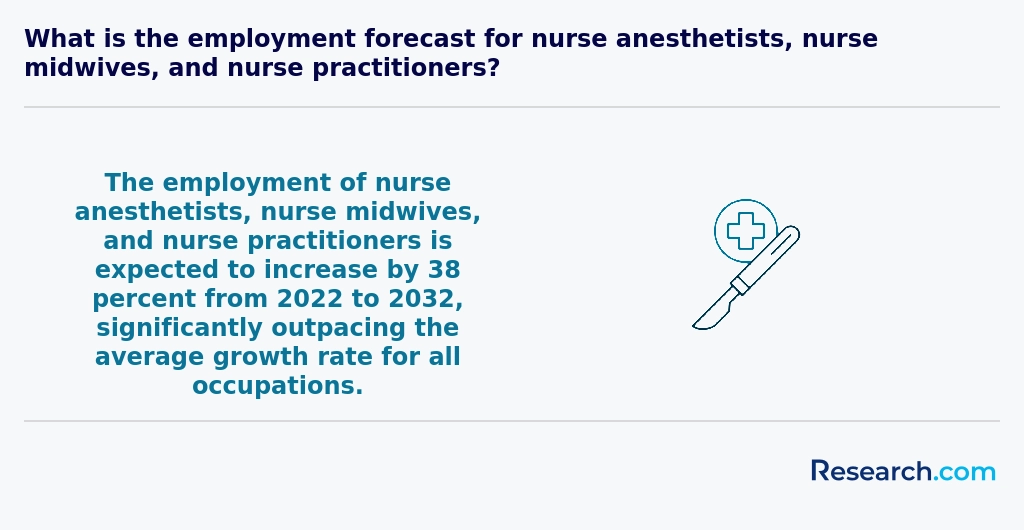
St. Louis's nursing workforce benefits from a projected growth rate higher than many other professions. Graduates specializing as nurse practitioners notice particularly strong prospects, reflecting the St. Louis nurse practitioner job outlook. Many have leveraged their degrees to move into advanced practice roles within outpatient clinics or community health organizations. This trend suggests continued expansion of opportunities, especially for those pursuing accredited online programs.
Students often appreciate programs that recognize local licensure requirements, like those at area institutions, enhancing their ability to practice immediately after graduation. For those seeking to enroll, reviewing options through resources such as online college enrollment can help identify programs that maximize both affordability and career readiness.
Frequently Asked Questions About nursing
Students pursuing online nursing degrees in St. Louis can enhance their learning by actively engaging with local healthcare facilities. St. Louis hosts several hospitals and clinics, such as Barnes-Jewish Hospital, offering clinical placements and hands-on experience. This practical exposure is vital for meeting licensure requirements governed by the Missouri State Board of Nursing.
Utilizing support services from both their online school and nearby institutions can improve outcomes. Many programs provide virtual tutoring, while St. Louis area libraries and study centers offer quiet environments for focused study.
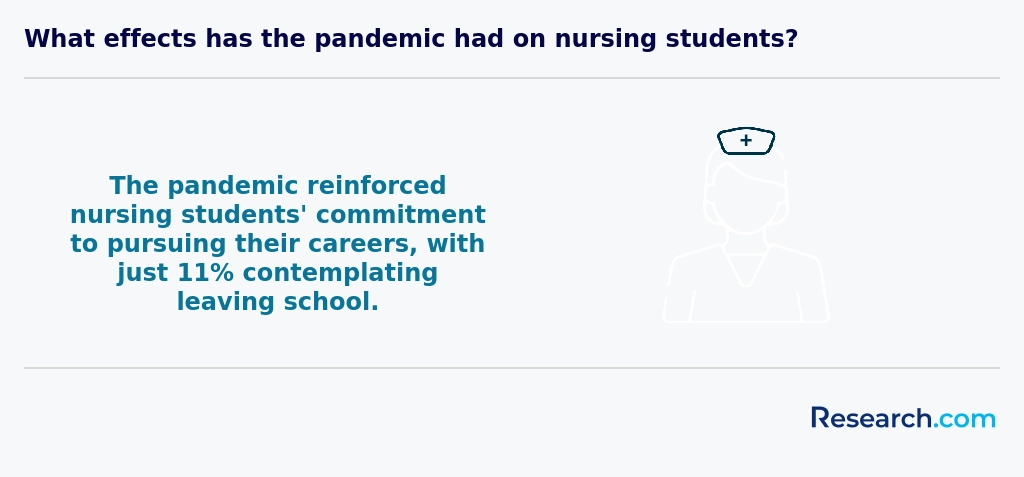
Networking with local nursing professionals through organizations like the Missouri Nurses Association can provide mentorship opportunities and insight into St. Louis's healthcare landscape. According to the Missouri Economic Research and Information Center, the nursing job market in the region is projected to grow by 12% through 2030, underscoring the importance of building strong community connections early.
The nursing field is rapidly evolving, with several emerging niches gaining prominence. In St. Louis, areas such as gerontological nursing are expanding due to the aging population, aligning with national trends predicted by the U.S. Bureau of Labor Statistics. Community health nursing also shows growth as public health initiatives increase in urban settings. Additionally, telehealth nursing is becoming essential; the Missouri Hospital Association highlights a rise in remote patient monitoring and virtual care services locally. Nurse informaticists, who blend nursing with data management, are increasingly valuable for optimizing healthcare technologies. These niches offer promising pathways for online nursing degree students in St. Louis.
After completing an online nursing degree in St. Louis, graduates should focus on obtaining licensure through the NCLEX-RN exam, required for all registered nurses in Missouri. Preparing for this exam early can improve job prospects significantly. Networking with local healthcare providers, such as Barnes-Jewish Hospital and St. Louis Children's Hospital, can open doors to employment opportunities. According to the Missouri Economic Research and Information Center, nursing jobs in St. Louis are projected to grow by 12% through 2030, indicating a strong job market.
Continuing education and specialty certifications can further enhance a nurse's qualifications. Joining professional organizations like the Missouri State Nurses Association offers valuable resources and job listings.
Employers in St. Louis value nursing graduates who demonstrate strong clinical skills combined with critical thinking. According to the Missouri Center for Nursing, proficiency in patient care and the ability to adapt to fast-paced healthcare settings are highly sought after.
Communication skills stand out as essential, especially when coordinating with multidisciplinary teams. St. Louis hospitals also emphasize cultural competence, reflecting the city's diverse population.
Additionally, knowledge of evidence-based practice and healthcare technology is increasingly important. The Missouri Department of Higher Education notes that nurses capable of using electronic health records effectively have better job prospects locally.
Overall, graduates who blend technical expertise with interpersonal skills meet employers' expectations in the St. Louis nursing market.
Finding nursing internships in St. Louis involves connecting with local healthcare facilities and academic programs. Many hospitals, such as Barnes-Jewish Hospital and St. Louis University Hospital, offer clinical placements for nursing students. Online nursing programs often provide resources or partnerships to help secure internships.
Students should also explore opportunities through the Missouri Center for Patient Safety or the Missouri Nurses Association, which may list internships or job shadowing experiences. Networking at local healthcare events and using St. Louis's Career Centers can improve chances. According to the Missouri Economic Research and Information Center, healthcare jobs are growing steadily, so competitive internships are widely available.
Obtaining an online nursing degree in St. Louis can significantly enhance career mobility and advancement opportunities. Nurses with higher education credentials are often eligible for leadership roles in hospitals and clinics, where St. Louis hosts a robust healthcare network. According to the Missouri Economic Research and Information Center, healthcare jobs in St. Louis are projected to grow by 10% through 2030, emphasizing strong demand for qualified nurses.
Online degrees allow working nurses to continue employment while studying, a key factor supporting career progression. Advanced degrees often lead to higher salaries; for example, nurse practitioners in Missouri earn a median annual wage around $110,000, according to the Bureau of Labor Statistics.
This flexibility combined with credential recognition locally makes online nursing programs a strategic choice for professionals seeking advancement within the St. Louis healthcare market.
Studying for a nursing degree in St. Louis offers strong preparation for interdisciplinary roles in healthcare. Local programs emphasize collaboration between nursing, medicine, social work, and public health, reflecting the integrated nature of patient care. According to the Missouri Economic Research and Information Center, the St. Louis region prioritizes healthcare teamwork to improve outcomes.
Online degrees in this area incorporate training in communication and leadership skills essential for working within diverse healthcare teams. Students also engage with community health initiatives common in St. Louis, gaining practical experience with social determinants of health and population care management.
Such education equips nurses to confidently navigate complex care environments alongside other professionals.
When choosing between a thesis and a non-thesis nursing degree program in St. Louis, consider your career goals and learning preferences. Thesis programs require original research and are ideal if you plan to pursue a PhD or a research-focused career. Non-thesis options emphasize practical skills and coursework, suited for professionals aiming to work directly in clinical or leadership roles.
In St. Louis, where healthcare organizations like BJC HealthCare demand evidence-based practice, research skills can be beneficial. According to the Missouri Department of Higher Education, nearly 60% of nursing graduates prefer coursework-based paths for faster completion and job readiness.
Evaluate program flexibility, faculty expertise, and whether your employer supports research training when making your decision.
Students in St. Louis seeking online nursing degrees with international components have limited direct options for studying nursing abroad due to licensing and accreditation requirements. Most U.S. nursing programs, including those online, focus on preparing students for the NCLEX exam and state licensure specific to Missouri. However, some universities partner with international institutions to offer study abroad opportunities or clinical experiences overseas, typically as short-term programs rather than full degrees.
Graduates interested in global nursing careers often pursue additional certifications or international volunteer placements separately. The Missouri Center for Nursing reports that St. Louis has a growing demand for nurses with global health knowledge, suggesting emerging interest in cross-border education experiences.
Advisors recommend investigating accredited online programs with global health curricula or affiliations for those aiming to combine U.S. licensure requirements with international exposure.
Part-time job opportunities that complement nursing degree education in St. Louis include positions such as certified nursing assistant (CNA), medical receptionist, and health aide. CNAs earn an average of $13 to $17 per hour locally and gain hands-on patient care experience crucial for nursing students. Health aides support patients with daily activities, offering practical skills that apply directly to nursing practice. Medical receptionist roles help develop administrative and communication skills within healthcare settings.
St. Louis has a strong healthcare sector, including major employers like BJC HealthCare, providing abundant part-time openings aligned with nursing studies. According to the Missouri Economic Research and Information Center, healthcare jobs in St. Louis grew by 5% from 2018 to 2023, indicating stable opportunities for nursing students balancing work and education.
Online nursing students in St. Louis can access various networking opportunities despite their remote status. Many local nursing schools offer virtual events, discussion forums, and online study groups tailored to online learners. These platforms enable students to connect with peers and faculty across the St. Louis healthcare community.
Additionally, St. Louis boasts several professional organizations, such as the Missouri Nurses Association, which host online and hybrid networking events. These provide valuable chances to engage with experienced nurses, potential employers, and mentors.
Local hospitals and healthcare systems, like BJC HealthCare, often offer virtual internships and workshops. These foster practical connections in the region's robust nursing job market, which the Bureau of Labor Statistics reports as growing steadily.
Alumni networks provide significant benefits to online nursing degree students in St. Louis by fostering professional connections in the local healthcare community. Graduates can access mentorship opportunities that help navigate the competitive job market, especially in Missouri's growing healthcare sector.
These networks often share job openings and continuing education resources tailored to St. Louis hospitals and clinics, boosting employment prospects. According to the Missouri Economic Research and Information Center, healthcare occupations in the region are expected to grow 16% by 2030, highlighting the importance of strong professional ties.
Furthermore, alumni groups promote collaboration and lifelong learning, essential for nurses maintaining licensure and certifications in Missouri.
Customizing an online nursing degree program in St. Louis begins with choosing a specialization that aligns with your career goals. Many Missouri institutions offer tracks such as family nurse practitioner, nurse educator, or clinical nurse leader. Selecting relevant electives and clinical practicum placements allows you to gain experience in your desired field.
Flexible scheduling and part-time options enable working professionals in St. Louis to balance education and career. According to the Missouri Center for Nursing, demand for advanced practice nurses is growing locally, emphasizing the value of tailored education.
Certification preparation and leadership opportunities can be incorporated into your plan of study to enhance employability. Faculty advisors typically assist in aligning courses with licensure and job market requirements in Missouri's healthcare sector.
Online nursing students in St. Louis encounter several distinct challenges related to balancing coursework with clinical practice requirements. Many programs require in-person clinical hours at local healthcare facilities, which can be difficult to schedule alongside jobs and family duties. Technical issues also complicate learning, as students need reliable internet and familiarity with digital platforms. According to the Missouri Department of Higher Education & Workforce Development, about 35% of nursing students in the state report difficulties accessing high-quality clinical placements. Additionally, students sometimes face limited faculty interaction compared to traditional programs, impacting timely feedback and mentorship essential for success in rigorous doctoral nursing curricula.
With an online nursing degree, graduates in St. Louis can pursue several professional certifications that enhance their career opportunities. Common certifications include the Registered Nurse (RN) licensure, required for clinical practice nationally. For advanced practice, certifications such as Certified Nurse Practitioner (CNP) or Clinical Nurse Specialist (CNS) are attainable with further graduate education.
Specialty certifications offered by the American Nurses Credentialing Center (ANCC) or the American Association of Critical-Care Nurses (AACN) are popular. These include certifications in areas like pediatrics, gerontology, or acute care. According to the Missouri State Board of Nursing, nurses in St. Louis often seek certification to meet state licensure requirements and improve job prospects.
Writing a winning application for an online nursing program in St. Louis requires clear preparation and attention to detail. Start by thoroughly researching programs accredited by bodies like the Commission on Collegiate Nursing Education (CCNE), ensuring quality education recognized nationwide.
Highlight your academic achievements, clinical experiences, and any certifications such as CNA or LPN in your personal statement. St. Louis healthcare employers highly value candidates with practical skills and local volunteer experience.
Strong letters of recommendation-preferably from healthcare professionals familiar with your abilities-can enhance your application.
Lastly, demonstrate your commitment to nursing by explaining how this program aligns with St. Louis's growing healthcare demands, as reported by the Missouri Economic Research and Information Center.
The nursing profession is highly valued worldwide for its vital role in healthcare delivery. Globally, the demand for skilled nurses is rising, driven by aging populations and increased chronic health conditions. In the United States, nursing is one of the fastest-growing careers, with the Bureau of Labor Statistics projecting a 9% growth rate from 2020 to 2030.
For students in St. Louis considering online nursing degrees, this trend reflects strong job security and diverse opportunities. According to the Missouri Economic Research and Information Center, health care occupations, including nursing, are a significant part of the state's employment growth.
International perspectives emphasize adaptability and cultural competence within nursing education, which is essential for working in diverse communities like St. Louis. Online nursing programs often incorporate these global standards, preparing students for a competitive, evolving healthcare environment.
To gain practical experience while studying for an online nursing degree in St. Louis, students typically participate in clinical placements arranged by their programs. These hands-on rotations occur in local hospitals, clinics, or healthcare facilities, allowing students to apply theoretical knowledge. St. Louis boasts several prominent healthcare providers, such as Barnes-Jewish Hospital and St. Louis Children's Hospital, which often collaborate with nursing schools.
In addition, some programs offer simulation labs or virtual clinical experiences to supplement in-person training. The Missouri Board of Nursing requires a minimum number of clinical hours for licensure, ensuring practical skills are developed alongside academics.
Choosing the right concentration within an online nursing degree program in St. Louis depends on your career goals and the local healthcare landscape. Consider specialties in high demand, such as geriatric nursing and psychiatric-mental health, which align with Missouri's growing elderly population and mental health initiatives. According to the Missouri Economic Research and Information Center, healthcare occupations in St. Louis are expected to grow by over 12% by 2030, emphasizing the need for advanced nursing roles.
Reflect on your interests and strengths, then review each program's curriculum. Verify if clinical placements are available locally to gain practical experience. Accreditation and faculty expertise should also guide your choice, ensuring quality education that meets licensing requirements in Missouri.
Related Nursing Rankings for Nearby Cities
- 2027 Easiest Online Nursing Degree Programs Ranking in Lebanon, IL
- 2027 Easiest Online Bachelor's in Nursing Degree Programs Ranking in Columbia, MO
- 2027 Easiest Online Nursing Degree Programs Ranking in Peoria, IL
- 2027 Easiest Online Nursing Degree Programs Ranking in Murray, KY
- 2027 Easiest Online Nursing Degree Programs Ranking in Joliet, IL
- 2027 Easiest Online Nursing Degree Programs Ranking in Romeoville, IL
- 2027 Easiest Online Nursing Degree Programs Ranking in Hammond, IN
- 2027 Easiest Online Nursing Degree Programs Ranking in Nashville, TN
- 2027 Easiest Online Nursing Degree Programs Ranking in Pittsburg, KS
- 2027 Easiest Online Nursing Degree Programs Ranking in Chicago, IL
Top Trending Nursing Rankings
See What Experts Have To Say About Studying Nursing
Read our interview with Nursing experts

Lisa Grubb
Nursing Expert
Assistant Professor
Johns Hopkins School of Nursing

References
- Nursing https://slchc.edu/nursing/
- How to Set and Achieve Your Nursing Career Goals | HealthTrust https://engage.healthtrustjobs.com/how-to-set-achieve-nursing-career-goals
- Exploring Diverse Nursing Career Horizons - N2S Healthcare Blog https://n2shealthcare.com/blog/exploring-diverse-nursing-career-horizons-n2s-healthcare-blog
- What Are the Best Jobs to Work While in Nursing School? https://www.dewv.edu/what-are-the-best-jobs-to-work-while-in-nursing-school/
- | NRR | Dove Medical Press https://www.dovepress.com/internship-challenges-encountered-by-nursing-students-a-qualitative-st-peer-reviewed-fulltext-article-NRR
- Online Nursing Programs | Degrees and Postgrad Courses | Maryville University https://nursing.maryville.edu/
- 7 Things to Consider When Getting a Nursing Degree Online https://onlinedegrees.elmhurst.edu/blog/seven-things-consider-when-picking-online-nursing-program
- Guide to Making a Career Change to Nursing https://teach.com/online-ed/healthcare-degrees/online-msn-programs/career-change-to-nursing/
- Online Nursing Prerequisites: Helpful Guide to BSN and ABSN Requirements [2025] - Prereqcourses https://www.prereqcourses.com/online-nursing-prerequisites/
- Online Nursing Prerequisites | Sophia Nursing Pathway https://www.sophia.org/online-courses/course-pathways/nursing-pathway/


