
2027 Easiest Online Doctorate in Nursing Degree Programs Ranking in the USA

Co-Founder and Chief Data Scientist
Choosing the right nursing doctorate program can feel overwhelming, especially with so many online options available. This article presents the 2027 Easiest Online Doctorate in Nursing Degree Programs Ranking in the USA, created by the Research.com team of data scientists to guide you in making an informed decision.
Discover programs that balance quality education with flexibility, helping you advance your nursing career without unnecessary hurdles. Whether you're starting or continuing your journey, this ranking will highlight valuable opportunities designed to fit your busy life and goals.
Key benefits of getting online nursing degree in America
- The mean annual wage for nursing degree graduates such as Advanced Practice Registered Nurses and Family Nurse Practitioners is $128,490, reflecting strong earning potential in this rewarding field.
- Graduates from respected universities like the University of Michigan often pursue diverse career paths, from psychiatric to acute care nurse practitioner roles, showcasing the broad opportunities available with a nursing degree.
- Online nursing degrees, like those offered by Johns Hopkins University, provide flexible schedules and the chance to balance work and study, making education more accessible without compromising quality.
- Key benefits of getting online nursing degree in America
- What can I expect from online nursing degree in America?
- Where can I work with online nursing degree in America?
- How much can I make with online nursing degree in America?
- 2027 Easiest Online Doctorate in Nursing Degree Programs Ranking in the USA
- Key Findings
- How long does it take to complete online nursing degree in America?
- Key Features of the Easiest Online Nursing Doctorate Programs
- What's the difference between online and on-campus nursing degree?
- What is the average cost of online nursing degree in America?
- What financial aid is available to online nursing degree students in America?
- Clinical Practicum and Capstone Expectations
- What are the prerequisites for enrolling in online nursing degree program in America?
- Key Features of the Easiest Online DNP Programs
- What courses are typically in online nursing degree programs in America?
- What types of specializations are available in online nursing degree programs in America?
- How do you choose the best online nursing degree in America?
- What career paths are available for online nursing degree students in America?
- What is the job market for online nursing degree in America?
- Top Trending Nursing Rankings
- See What Experts Have To Say About Studying Nursing
What can I expect from online nursing degree in America?
The average cost of an online nursing degree in America varies widely, but many students report tuition ranging between $10,000 and $40,000 annually, depending on the school and program level. Graduates from popular programs at universities like the University of Florida or Arizona State University often share how they balanced these costs with financial aid and scholarships to ease the burden. For example, a registered nurse returning to school for a Bachelor of Science in Nursing (BSN) online might find tuition closer to $15,000 per year, while a Doctor of Nursing Practice (DNP) program can exceed $30,000 annually.
Many students appreciate how flexible online formats save them relocation and commuting costs, allowing them to continue working while studying. This practical approach, common at institutions like Ohio State University, makes the investment feel manageable and worthwhile. Considering nursing's strong job outlook and median salary near $77,600, students often feel confident that the tuition expense is a smart, long-term career investment.
Where can I work with online nursing degree in America?
Graduates with an online nursing degree from well-known institutions like the University of Pennsylvania or Ohio State University often secure jobs in hospitals, outpatient clinics, or nursing homes-settings where nearly 60% of all Registered Nurses work nationally. Many find themselves quickly adapting to roles such as staff nurse or case manager, thanks to practical clinical experiences incorporated into these programs.
Others use advanced online degrees, like Nurse Practitioner or Doctor of Nursing Practice obtained from schools such as Rush University or Johns Hopkins, to step into specialty clinics or primary care. These graduates often describe the satisfaction of providing direct patient care and the boost from salaries surpassing $120,000, reflecting strong job growth expectations.
Additionally, online nursing degrees open doors to telehealth roles, enabling graduates to deliver patient education and assessments remotely-especially valuable in underserved rural areas. Schools like the University of Arizona emphasize training for these digital healthcare services.
Obtaining licensure through the Nurse Licensure Compact, recognized by over 30 states, allows many graduates to work across state lines with greater ease, broadening their career options.
Public health agencies, community organizations, and research institutions also seek graduates who want to influence healthcare delivery beyond bedside care, fulfilling a variety of fulfilling career paths.
How much can I make with online nursing degree in America?
Graduates from online nursing programs in America typically start with registered nurse positions earning around $77,600 annually, aligning with U.S. Bureau of Labor Statistics data. Those who continue their education to become nurse practitioners (NPs), such as through programs offered by top schools like the University of Florida or Ohio State University, often see their salaries climb significantly.
For example, advanced practice roles including Family Nurse Practitioner, Psychiatric Nurse Practitioner, and Adult Nurse Practitioner hold mean annual wages near $128,490 according to 2023 BLS data. This salary boost reflects the advanced skills, autonomy, and responsibilities these graduates take on in clinical settings.
Graduates frequently share how completing their MSN online from reputable institutions provided flexibility without sacrificing career prospects. Many appreciate how their credentials translate into competitive salaries especially in states with strong healthcare demand.
Real-life stories from online nursing alumni highlight satisfaction not just with pay but with opportunities to impact patient care, further fueling motivation for those balancing studies with work or family obligations.
2027 Easiest Online Doctorate in Nursing Degree Programs Ranking in the USA
How do we rank schools?
Investing in your education is a significant decision that can profoundly impact your career and personal growth. The Research.com team is committed to helping prospective students navigate these important choices by providing a trustworthy resource. The "2027 Easiest Online Doctorate in Nursing Degree Programs Ranking in the USA" has been carefully developed with an emphasis on quality, credibility, and accuracy to support your decision-making process.
We utilized the following reputable data sources to create this comprehensive ranking:
By exploring this ranking, readers will gain valuable insights into accessible and high-quality online nursing doctorate programs, helping them find education paths tailored to their needs. For more information on how this ranking was developed, please visit our Research.com methodology page.


# 7 position
Maryville University of Saint Louis
Doctor of Adult-Gerontology Primary Care Nurse Practitioner


Key Findings
- Online nursing degrees cover nursing theory, anatomy, physiology, and include local clinical practice for hands-on experience.
- Tuition costs range from $10,000 to $80,000 depending on degree level, with BSN programs typically costing $40,000 to $80,000.
- Registered nurses have a median annual wage of about $77,600, with new graduates earning between $55,000 and $70,000.
- Nursing jobs are projected to grow 6% through 2031, adding around 194,500 new positions due to aging populations and healthcare demand.
- Accreditation from CCNE or ACEN is important for licensure eligibility and program quality.
How long does it take to complete online nursing degree in America?
Completing an online nursing degree in America varies widely depending on your starting point and goals. For example, graduates from community colleges offering ADN programs often finish in about 2 to 3 years, a practical option for students entering nursing quickly. If you aim for a BSN at popular institutions like the University of Texas or Ohio State University, expect roughly 4 years if you're starting fresh. Many students with a bachelor's in another field choose accelerated BSN programs at universities such as Johns Hopkins, finishing in as little as 12 to 18 months. This faster pace demands high motivation but can be deeply rewarding.
Licensed nurses often return to school through RN-to-BSN programs at schools like Arizona State University, which typically take 1 to 2 years online. This route offers flexibility, allowing students to balance work and study efficiently. Graduate-level programs, including MSN or DNP degrees at institutions like Vanderbilt, range from 18 months to 6 years, depending on full- or part-time study.
The key is choosing a program that fits your life rhythm while keeping your eye on your professional goals.
Key Features of the Easiest Online Nursing Doctorate Programs
When evaluating the most accessible online nursing doctorate options, look for programs that balance flexibility, support and academic rigour:
- Accredited by CCNE or ACEN to ensure quality and licensure eligibility
- Fully asynchronous coursework allowing you to study on your own schedule
- Minimal or short-duration on-campus residencies for hands-on training
- Generous transfer-credit policies that recognize prior graduate work
- Dedicated student support services, including academic advising and tech help
- Competitive tuition rates; consider affordable pathways like our online phd in nursing
What's the difference between online and on-campus nursing degree?
Online nursing degrees in America offer flexibility that fits busy lifestyles, letting you study on your own schedule. Graduates from schools like the University of Florida often mention how asynchronous coursework allowed them to juggle full-time jobs and family commitments. You can access lectures anytime without the need to commute, which is a huge relief for many.
However, hands-on clinical experience is non-negotiable. Whether you're enrolled online or on-campus at universities like Gonzaga or the University of North Carolina, you'll spend required hours at approved healthcare facilities gaining practical skills under supervision.
On-campus programs provide direct access to libraries, labs, and real-time discussions, making face-to-face networking more natural. Graduates from traditional programs often recall study groups and instant help from professors.
Online students rely on virtual classrooms and forums, so staying proactive in communication is key to building connections. Many online programs now include virtual simulation labs to mimic clinical situations, helping bridge the gap between theory and practice.
What is the average cost of online nursing degree in America?
The average cost of an online nursing degree in America typically centers around $32,325 in total tuition and fees. Graduates from well-known public universities report paying closer to $27,495 if they qualify for in-state tuition, while out-of-state students often face costs near $35,245. These figures reflect real-life spending patterns and help students realistically budget for their education.
Many students appreciate the flexibility of online programs from reputable colleges in states like California or Texas, where public schools provide more affordable options. One graduate from a popular public university shared how controlling costs by staying in-state allowed them to focus on coursework and clinical experiences without financial stress. The total tuition aligns with typical expenses found in other programs, giving a clear expectation of costs when planning your path.
It is essential to remember that the average cost of online nursing degree USA includes more than just tuition. Fees for technology, textbooks, and clinical placements can add up. Students often benefit from researching scholarships and employer tuition reimbursement, which many find crucial to offset these costs. For those aiming to accelerate their studies, exploring accelerated bachelors degrees online can sometimes reduce overall time and expenses.
Understanding the typical total tuition and fees for nursing degree 2027 helps prospective students set achievable financial goals, reducing surprises on their educational journey.
What financial aid is available to online nursing degree students in America?
When pursuing an online nursing degree in America, financial aid often starts with federal support. Many students from schools like the University of Florida or Ohio State use the Free Application for Federal Student Aid (FAFSA) to unlock grants and loans. For instance, the Federal Pell Grant can cover significant costs without requiring repayment, which brought relief to a graduate juggling work and studies. Graduate students frequently rely on Federal Direct Unsubsidized Loans, offering manageable interest rates that make continuing education viable.
State-level scholarships and grants also play a key role. Nursing students at institutions such as the University of Texas often tap into programs like the Nursing Scholarship Program funded by the Health Resources and Services Administration (HRSA), designed to support those who commit to working in underserved areas.
Many graduates share how employer tuition reimbursement, especially at hospitals actively addressing staff shortages, eased their financial strain while working and studying simultaneously. Private scholarships from organizations like the American Association of Colleges of Nursing (AACN) further supplement funding, making dreams of a nursing career feel reachable.
Tax credits like the Lifetime Learning Credit provide an additional financial cushion, reducing the overall cost of education. Combining these aid options, students in programs at popular colleges across America find studying nursing online financially achievable and emotionally empowering.
Clinical Practicum and Capstone Expectations
Online DNP programs blend flexible coursework with hands-on practice through clinical residencies and a culminating capstone project.
- Clinical Hours: Most DNP tracks require 1,000 post-BSN or 500 post-MSN supervised practice hours, scheduled part-time alongside online classes.
- Local Preceptors: Programs assist in matching you with approved clinical preceptors at hospitals, clinics or community sites near your location.
- Capstone Project: Under faculty guidance, you’ll design and implement a practice-focused project-such as quality-improvement initiatives or leadership models-that demonstrates advanced competencies.
These structured experiences ensure you graduate ready for advanced practice or leadership roles. For streamlined on-site requirements and additional flexibility, explore our ranking of dnp programs online.
What are the prerequisites for enrolling in online nursing degree program in America?
To enroll in an online nursing degree in America, you must first have a high school diploma or GED, a step every successful nursing student has completed before applying. For instance, many graduates from top colleges like the University of Phoenix found that meeting this baseline made the admission process straightforward. If you aim for a Bachelor of Science in Nursing (BSN), expect to complete prerequisite courses such as anatomy, physiology, microbiology, chemistry, and statistics. These classes build essential knowledge, just as past students from Ohio State University discovered when preparing for their BSN online programs.
For nurses upgrading their credentials through RN-to-BSN programs, holding a current RN license and often one to two years of clinical experience is mandatory. This practical background helps working nurses balance study with real-world practice, as many alumni from Arizona State University have noted. Graduate degrees like MSN and DNP typically require a BSN from an accredited school, a GPA of around 3.0, plus letters of recommendation and personal statements, reflecting the competitive and professional standards maintained by institutions such as Johns Hopkins University.

Key Features of the Easiest Online DNP Programs
Look for these elements in top-ranked doctorates to ensure flexibility and a streamlined path:
- Flexible pacing and part-time study options to balance work and life
- Minimal or virtual residency requirements, reducing travel and scheduling conflicts
- Generous transfer credit policies for prior MSN or RN-BSN coursework
- Asynchronous, mobile-friendly coursework accessible 24/7
- Dedicated clinical placement support across states to simplify practicum arrangements
- Competitive tuition rates-compare the cheapest dnp program online to reduce costs
What courses are typically in online nursing degree programs in America?
Online nursing degree programs in America typically include a blend of foundational science and nursing-specific courses designed to prepare you for the real demands of healthcare. Expect to take anatomy, physiology, microbiology, and chemistry courses that build your understanding of the human body, just like many students at well-known programs such as those in the University of Florida or Ohio State University.
Nursing-specific courses focus on practical skills and patient care. Graduates often mention how classes on health assessment, nursing fundamentals, and pediatric to adult nursing gave them confidence. These courses teach you how to evaluate patients, communicate effectively, and provide ethical care-crucial when working in hospitals or clinics.
Certain courses cover specialized topics like mental health nursing and community health, reflecting the variety of environments nurses work in. Leadership and management modules also prepare you for supervisory roles, a benefit many online students appreciate because it supports career advancement without pausing work.
Hands-on clinical practicum is usually completed locally, allowing you to apply your skills firsthand with real patients. This balance of theory and practice, common in schools across America, creates a curriculum that's both demanding and rewarding.
What types of specializations are available in online nursing degree programs in America?
The most common specializations in an online nursing degree in America focus on meeting critical healthcare demands while fitting into busy schedules. Graduates from well-known programs at universities such as the University of Arizona and Duke often choose Family Nurse Practitioner (FNP) because it allows care for patients of all ages-a practical route that reflects the largest sector of nurse practitioners nationwide. For those moved by mental health advocacy, the Psychiatric-Mental Health Nurse Practitioner (PMHNP) specialization offers tools for therapy and medication management, aligning with the projected 18% job growth in this field.
Other popular online nursing degree specializations in America include Adult-Gerontology Nurse Practitioner (AGNP), Neonatal Nurse Practitioner (NNP), Nursing Education, and Healthcare Administration. Many graduates appreciate how these programs prepare them to meet both clinical and leadership roles, crucial in today's healthcare environment. When researching options, students often discover how well these degrees align with licensing standards, providing clear paths to certification.
For a pragmatic planner, it's also worth exploring programs offering fast college courses to accelerate progress and reduce costs while gaining valuable credentials in the best nursing specialties for online degrees in America.
How do you choose the best online nursing degree in America?
Start by verifying that the program is accredited by recognized bodies like the CCNE or ACEN-this ensures your online degree will meet licensing requirements across America. Graduates from well-known universities often share how accreditation gave them confidence during job interviews and smooth state board approvals. Next, identify your nursing career focus. For example, a graduate from a top public university tailored their studies to become a family nurse practitioner through specific online tracks, which helped align learning with career goals.
Cost plays a big role too. Many students appreciate that public schools offering affordable online nursing programs America wide often provide in-state tuition rates, saving thousands. Don't forget to check how the program supports clinical placements. One nursing grad found her school's local partnerships invaluable for securing quality placements nearby while studying.
Look at program flexibility, graduation rates, and pass rates. If you need to work, consider accelerated options; several have thrived completing accelerated online undergraduate degrees for working adults. These practical factors combined will help you choose the best online nursing degrees USA institutions offer.
What career paths are available for online nursing degree students in America?
Graduates with an online nursing degree in America typically begin their careers as Registered Nurses (RNs), providing direct patient care in hospitals or clinics. Many find this role rewarding, as it offers hands-on experience and a median salary near $77,600 annually. Schools like the University of Pennsylvania and Arizona State University have graduates who mention feeling immediately valued in their healthcare teams.
Advancing your career often involves earning a BSN or MSN online, opening pathways to specialized roles. Positions such as Nurse Practitioner, Clinical Nurse Specialist, or Nurse Educator come with higher responsibilities and salaries, often exceeding $120,000. These opportunities grow as healthcare demands evolve, as highlighted by nursing graduates from Johns Hopkins University who have leveraged flexible online programs to balance work and study.
Many online nursing degree jobs in the USA also allow certification in focused areas like pediatric or psychiatric nursing, enhancing job prospects. Some graduates leverage their credentials to pursue leadership or public health roles. Those interested in speeding their education may explore accelerated online degree programs, which can further boost career momentum.
What is the job market for online nursing degree in America?
The job market for online nursing degree graduates in America remains robust, driven by steady growth in healthcare demand. Registered nurses with online credentials find opportunities in hospitals, outpatient clinics, and long-term care facilities where staffing shortages persist. Graduates from well-known institutions like the University of Arizona and Ohio State University share how their flexible online programs allowed them to balance work and study while still qualifying for competitive nursing roles.
With many employers recognizing online degrees, nursing career opportunities in America often include telehealth positions and advanced practice nursing roles that require further education. For instance, some graduates have successfully transitioned from registered nurse roles to nurse practitioners, boosting their earning potential and job security. Investing in programs such as the cheapest dnp program online supports this career advancement without excessive debt.
Prospective nurses should consider that metropolitan areas often offer higher salaries, reflecting demand and cost of living. The key is selecting an accredited online nursing program that offers both flexibility and strong employer recognition to maximize job prospects in today's promising online nursing degree job outlook USA.
Frequently Asked Questions About nursing
Online nursing degree students in America can maximize their learning by actively engaging with their course materials and instructors. Studies show that students who participate in discussion boards and virtual simulations improve practical knowledge retention. Utilizing resources like the National Council of State Boards of Nursing (NCSBN) practice exams can also help students prepare for the NCLEX-RN, essential for licensure.
Time management is critical; setting aside regular study sessions prevents falling behind. It's advisable to connect with peers through virtual study groups to discuss challenging topics and share experiences.
Finally, choosing accredited programs ensures quality education recognized by employers and licensing bodies, a necessity highlighted by the American Association of Colleges of Nursing (AACN).
The nursing field in America is evolving rapidly, creating new niche areas that online nursing degree programs are beginning to address. One of the fastest-growing specialties is gerontology, driven by the aging Baby Boomer population, which the U.S. Census Bureau estimates will reach 80 million by 2040. Nurses specializing in gerontology provide care tailored to older adults' complex health needs.
Another emerging niche is informatics nursing, combining healthcare with information technology. According to the Healthcare Information and Management Systems Society (HIMSS), the demand for nurse informaticists is expected to grow by 30% over the next decade.
Additionally, psychiatric-mental health nursing is expanding, especially after the 2020 National Institute of Mental Health report highlighted increased mental health issues due to the pandemic. These growing specialties reflect the dynamic nature of nursing careers in the U.S.
After completing an online nursing degree in America, preparing for the job market involves several key steps. First, graduates should obtain their nursing license by passing the NCLEX-RN exam, which is required in all states. According to the National Council of State Boards of Nursing, about 88% of first-time test takers pass this exam.
Next, gaining clinical experience through internships or entry-level positions helps build practical skills and confidence. Networking with professionals via nursing associations like the American Nurses Association can provide job leads and mentorship opportunities.
Additionally, tailoring resumes and practicing interview skills are essential for standing out. The U.S. Bureau of Labor Statistics projects a 9% growth rate for registered nurses through 2032, reflecting a strong job market but also competition.
Employers in the U.S. nursing field prioritize a combination of technical and interpersonal skills in graduates of nursing degree programs. Clinical competence, including proficiency in patient care, medication administration, and use of electronic health records, is essential. According to the American Association of Colleges of Nursing (AACN), critical thinking and decision-making skills rank highly, as nurses often face complex situations requiring quick, accurate judgments.
Communication skills are equally important, enabling nurses to interact effectively with patients, families, and healthcare teams. The U.S. Bureau of Labor Statistics reports that empathy and adaptability also enhance job performance and patient satisfaction.
Finding internships relevant to a nursing degree in America involves a strategic approach combining academic resources and professional networks. Many nursing programs require clinical placements, which serve as built-in internships, arranged through partnerships with local hospitals and healthcare facilities. The American Association of Colleges of Nursing (AACN) reports that over 80% of nursing schools collaborate directly with employers to place students in internships.
Students can also search for internships via platforms like the National Students Nurses' Association or hospital career pages. Volunteering at healthcare centers or joining state nursing boards can offer additional opportunities. Early communication with academic advisors is crucial for guidance and securing placements aligned with licensure requirements.
In America, earning an online nursing degree can significantly enhance career mobility and advancement. According to the American Association of Colleges of Nursing (AACN), nurses with bachelor's or higher degrees tend to access leadership roles and specialized positions more quickly. Online programs offer flexibility, allowing working nurses to further their education without interrupting their careers. This is critical in a field where experience and education both impact promotion opportunities.
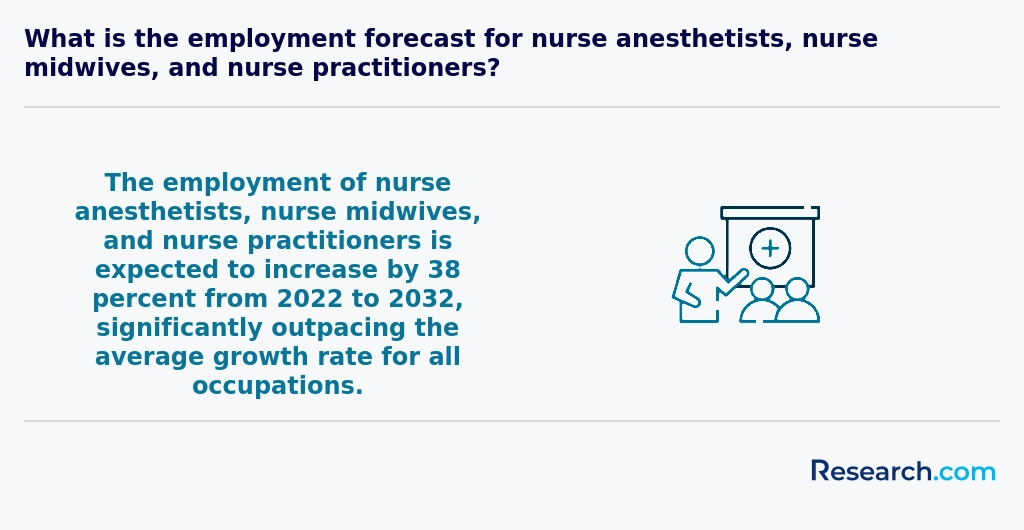
Data from the U.S. Bureau of Labor Statistics shows that roles for advanced practice registered nurses (APRNs) are projected to grow 40% from 2021 to 2031, much faster than average jobs. Many of these roles require at least a master's or doctoral degree, which can be earned via online study. With increasing healthcare complexity, employers prioritize candidates with advanced academic credentials and digital literacy skills gained through online programs.
Studying for a nursing degree in America equips students with skills essential for interdisciplinary roles in healthcare settings. The curriculum integrates clinical knowledge with teamwork, communication, and leadership training, preparing nurses to collaborate with physicians, pharmacists, social workers, and other professionals. According to the American Association of Colleges of Nursing (AACN), over 80% of nursing programs include courses that emphasize interprofessional education.
Online nursing programs also incorporate case studies and simulations, helping students understand complex patient care scenarios requiring input from multiple disciplines. This collaborative approach improves patient outcomes and prepares graduates for the evolving healthcare landscape shaped by teamwork and shared decision-making.
Choosing between a thesis and a non-thesis nursing degree program in America depends on your career goals and learning preferences. Thesis programs focus on original research, ideal for students aiming to pursue doctoral studies, academic roles, or research positions. According to the American Association of Colleges of Nursing, about 40% of nursing doctoral graduates engage in research-focused careers.
Non-thesis programs emphasize clinical practice and coursework, suiting those who want to advance professionally without conducting research. These programs typically require fewer credit hours, allowing faster completion.
Consider your time availability, interest in research, and long-term plans. Both formats are recognized by US nursing boards and accreditors.
American students interested in studying nursing abroad through online programs have limited but growing options. Most U.S. nursing degrees are regionally accredited, so students should carefully check whether foreign online nursing programs meet U.S. accreditation standards for licensure and employment.
Popular destinations for foreign online nursing degrees include Canada and the United Kingdom, where many universities offer flexible online or hybrid programs tailored to international students. However, students must verify their eligibility for the U.S. National Council Licensure Examination (NCLEX) after graduation. According to the National Council of State Boards of Nursing (NCSBN), graduating from an accredited program recognized in the U.S. is essential to qualify for the NCLEX.
Some international institutions partner with U.S. universities to provide dual degrees, easing the pathway for American students. Nonetheless, students need to research credit transfer policies carefully. The American Association of Colleges of Nursing (AACN) reports that about 70% of U.S. nurses hold a bachelor's degree, emphasizing the importance of accreditation and licensure compatibility.
Part-time job opportunities that complement nursing degree education in America often include roles such as certified nursing assistants (CNAs), medical scribes, and pharmacy technicians. These positions provide hands-on clinical experience and promote an understanding of healthcare environments. According to the U.S. Bureau of Labor Statistics, CNAs earned a median wage of $15.70 per hour in 2023, which makes this a practical option for students seeking flexible schedules.
Another valuable role is that of a medical scribe, assisting physicians with documentation. This job enhances medical terminology knowledge and improves clinical decision-making skills. Additionally, pharmacy technician positions offer exposure to medication management, an essential nursing component.
These jobs typically allow for part-time hours, making them suitable for nursing students balancing education with work commitments.
Online nursing students in America have growing opportunities to network despite physical distance. Many programs offer virtual events, webinars, and discussion forums where students connect with peers and faculty. Professional organizations such as the American Nurses Association (ANA) and the National League for Nursing (NLN) provide memberships that include access to conferences, local chapters, and online communities.
Clinical placements also help students meet practicing nurses and healthcare leaders in their regions. According to the Bureau of Labor Statistics, over 4 million registered nurses work in the U.S., creating a broad network for mentorship and career advancement. These resources help online nursing students build valuable professional relationships nationwide.
Alumni networks offer significant advantages to students pursuing online nursing degrees in America. These networks create valuable opportunities for mentorship, allowing students to connect with experienced nursing professionals who provide guidance on career development and clinical expertise.
Access to job leads is another key benefit. According to the American Association of Colleges of Nursing (2023), 65% of nursing graduates find their first position through professional connections, including alumni networks. This makes networking an essential tool for entering the competitive healthcare job market.
Furthermore, alumni groups often host webinars and workshops, keeping students informed about emerging nursing practices and continuing education requirements mandated by state nursing boards. These resources help graduates stay current and compliant throughout their careers.
Customizing an online nursing degree program in America allows students to align their education with specific career goals. Many programs offer various specializations such as nurse practitioner, nurse educator, or healthcare administration. According to the American Association of Colleges of Nursing (AACN), selecting relevant electives and clinical practicum sites can tailor experience toward a preferred field.
Students can also choose part-time or accelerated tracks based on their schedules. Some schools provide options for dual degrees or certificates, enhancing qualifications. The flexibility of online formats supports working nurses, with approximately 59% of nurses holding a bachelor's degree as of 2022, signaling ongoing professional advancement.
Online nursing students in America face several notable challenges during their studies. A primary issue is balancing rigorous coursework with work and family responsibilities, as many students are already employed in healthcare roles. According to the American Association of Colleges of Nursing, 70% of online nursing students work full- or part-time while studying. Technical difficulties and lack of reliable internet access can also hinder learning, especially in rural areas where connectivity is limited.
Another significant challenge is gaining sufficient clinical experience. While theory can be completed online, finding quality in-person clinical placements remains critical and sometimes difficult to coordinate. Additionally, students may experience feelings of isolation without the direct support and social interaction found on-campus.
With an online nursing degree in the United States, graduates can pursue various professional certifications that enhance career opportunities. Common certifications include the Certified Nursing Assistant (CNA), Registered Nurse (RN), and Licensed Practical Nurse (LPN) credentials, depending on the study level. Advanced certifications, such as the Advanced Practice Registered Nurse (APRN), encompass roles like Nurse Practitioner (NP), Clinical Nurse Specialist (CNS), and Certified Nurse Midwife (CNM).
The American Nurses Credentialing Center (ANCC) and the National Council of State Boards of Nursing (NCSBN) are primary certifying bodies. According to the Bureau of Labor Statistics, nearly 3 million registered nurses work in the US, many holding specialty certifications to improve job prospects and salary potential.
Obtaining certification generally requires passing a national exam and, in some cases, fulfilling clinical practice hours. Online degrees often prepare students to meet these requirements efficiently, combining theoretical knowledge and practical skills essential for certification success.
Writing a winning application for an online nursing program in America requires clear demonstration of your academic readiness and passion for nursing. Most programs ask for a minimum 3.0 GPA and proof of prerequisite coursework, especially in biology and anatomy. According to the American Association of Colleges of Nursing (AACN), highlighting relevant clinical experience significantly strengthens your application.
Strong letters of recommendation from healthcare professionals can set you apart, emphasizing your skills and work ethic. A well-crafted personal statement explaining your goals in nursing and how the online program fits your career path is essential. Finally, ensure all documents are error-free and submitted before deadlines to improve your chances.
Nursing is recognized worldwide as a vital and respected profession. Globally, there is a growing demand for skilled nurses due to aging populations and increasing healthcare needs. In the United States, the Bureau of Labor Statistics projects a 9% growth in nursing jobs from 2022 to 2032, reflecting strong domestic demand.
American nursing education is often seen as a benchmark internationally. U.S. online nursing degree programs make it easier for students to join a global workforce by offering accredited, flexible learning options. The World Health Organization highlights the need to educate more nurses to meet global health goals, which aligns with U.S. trends supporting advanced nursing degrees.
Many countries look to U.S.-trained nurses for expertise, as American nursing focuses on evidence-based care and leadership skills. This global perspective encourages students to consider nursing not only as a national career but also as an opportunity to contribute internationally.
Gaining practical experience while pursuing an online nursing degree in America is essential for meeting licensing requirements and developing clinical skills. Most accredited online nursing programs coordinate local clinical placements in hospitals, clinics, or community health centers near the student's residence. These clinical rotations provide hands-on experience under supervision, often totaling hundreds of hours as required by state Boards of Nursing.
Some programs also offer simulated clinical training using advanced virtual reality or lab environments to supplement real-world experience. According to the National Council of State Boards of Nursing, clinical practice hours commonly range from 400 to 700 hours for registered nurse preparation.
Students should verify that their program's clinical components meet their state's licensing criteria and consider programs with established partnerships with healthcare facilities to ensure quality practical training.
Choosing the right concentration within an online nursing degree program in America depends largely on your career goals and interests. Popular concentrations include family nurse practitioner, nurse educator, and nurse anesthetist, each with distinct responsibilities and salary ranges. According to the U.S. Bureau of Labor Statistics, nurse anesthetists have a median annual wage of over $195,000, while nurse educators earn around $81,000. Consider job market demand and future growth; the healthcare sector is expected to grow 9% from 2022 to 2032, faster than average for all occupations. Accreditation and program flexibility are also key factors when selecting a specialization.
Top Trending Nursing Rankings
See What Experts Have To Say About Studying Nursing
Read our interview with Nursing experts


References
- 7 Things to Consider When Getting a Nursing Degree Online https://onlinedegrees.elmhurst.edu/blog/seven-things-consider-when-picking-online-nursing-program
- How to Choose the Right Nursing School for Your Career Goals | Archer Review https://www.archerreview.com/blog/how-to-choose-the-right-nursing-school-for-your-career-goals
- Client Challenge https://www.springerpflege.de/nursing-graduates-perceived-future-career-pathway-and-career-shi/50653658
- Getting RN Experience After Graduation | All Nursing Schools https://www.allnursingschools.com/articles/getting-rn-experience/
- Know more about thesis vs non- thesis: what is the difference? https://studyfans.com/en/blogs/816
- From our readers…Strengthening nursing networks https://www.myamericannurse.com/from-our-readersstrengthening-nursing-networks/
- | NRR | Dove Medical Press https://www.dovepress.com/internship-challenges-encountered-by-nursing-students-a-qualitative-st-peer-reviewed-fulltext-article-NRR
- School of Nursing Alumni Resources https://nursing.utmb.edu/About/Alumni
- Online Nursing Degrees & More https://www.chamberlain.edu/academics/online-education
- Career Advancement Pathways for Nurses : Expert RN shares 10+ Professional growth opportunities - MuminMed https://blog.muminmed.com/career-advancement-pathways-for-nurses/


