
2027 Easiest Online Master's in Nursing Degree Programs Ranking in the South

Co-Founder and Chief Data Scientist
Choosing the right nursing program can be both exciting and overwhelming, especially for students in the South seeking flexibility and quality. This article introduces the 2027 Easiest Online Master's in Nursing Degree Programs Ranking in the South, developed by the Research.com team of data scientists to guide you through top programs designed for your success.
By exploring this ranking, you'll discover programs that balance ease with comprehensive learning, helping you advance your career confidently. Earning a nursing degree opens doors to fulfilling opportunities in healthcare while accommodating your busy lifestyle.
Key benefits of getting online nursing degree in the South
- Nursing degree graduates in the South can expect strong salaries, with roles like Nurse Practitioner and Critical Care Nurse earning around $128,490 annually and $61.78 hourly.
- Career paths for nursing graduates from Southern universities often include advanced practice, administration, education, or critical care, offering diverse and rewarding opportunities.
- Online nursing degrees provide flexible schedules and allow graduates to balance work and family, often completing their studies faster than traditional programs, as many Southern online graduates share.
- Key benefits of getting online nursing degree in the South
- What can I expect from online nursing degree in the South?
- Where can I work with online nursing degree in the South?
- How much can I make with online nursing degree in the South?
- 2027 Easiest Online Master's in Nursing Degree Programs Ranking in the South
- Key Findings
- How long does it take to complete online nursing degree in the South?
- Accreditation and Licensing Requirements
- What's the difference between online and on-campus nursing degree?
- Admission Requirements and Process
- What is the average cost of online nursing degree in the South?
- Accreditation and State Licensure Requirements
- What financial aid is available to online nursing degree students in the South?
- Clinical Practicum and Hands-On Training
- What are the prerequisites for enrolling in online nursing degree program in the South?
- Program Accreditation and Licensure
- What courses are typically in online nursing degree programs in the South?
- What types of specializations are available in online nursing degree programs in the South?
- How do you choose the best online nursing degree in the South?
- What career paths are available for online nursing degree students in the South?
- What is the job market for online nursing degree in the South?
- Top Trending Nursing Rankings
- See What Experts Have To Say About Studying Nursing
What can I expect from online nursing degree in the South?
The average cost of an online nursing degree in the South varies but is generally more affordable than traditional on-campus programs. For example, graduates from state universities in Texas, Georgia, and Florida often benefit from in-state tuition rates, which significantly reduce expenses. One graduate shared how enrolling at a public university in Georgia saved them thousands compared to private colleges out of state.
Financial aid and scholarships are common options that help ease the financial burden. Many employers also offer tuition reimbursement programs, which several graduates took advantage of while working full-time. This dual approach allowed them to manage costs without disrupting their income flow.
Considering the Southern region's nursing shortage, universities have expanded their online offerings, keeping tuition competitive to attract students. This means you can expect a mix of affordable pricing paired with quality education accredited by organizations like CCNE or ACEN. Such programs balance cost and value effectively, making advancement in nursing both accessible and realistic.
Where can I work with online nursing degree in the South?
Graduates with an online nursing degree from respected Southern schools like the University of Florida or Texas A&M find strong job prospects starting in hospitals throughout the region. Many report successfully landing RN or APRN positions in large medical centers in Miami, Houston, and Atlanta, thanks to the flexibility and accreditation of their programs. These roles often serve as foundational steps toward advanced specialties.
Beyond hospital walls, alumni share how outpatient clinics and physician offices provide daily opportunities to build hands-on experience while enjoying work-life balance. For those seeking to make an impact in underserved areas, states such as Mississippi and Alabama offer openings as nurse practitioners and clinical nurse specialists, supported by Health Professional Shortage Area incentives.
Another common pathway involves home health nursing. Graduates frequently describe the fulfillment of managing patient care at home, especially for elderly populations, a sector growing rapidly across the South.
Finally, those completing online master's programs from schools like the University of North Carolina find leadership roles in education and healthcare administration accessible, leveraging their advanced training to shape future nursing standards and policy.
How much can I make with online nursing degree in the South?
Graduates holding an online nursing degree in the South can realistically expect competitive salaries, especially when factoring in the specific roles aligned with their education level. For instance, nurse practitioners and critical care nurses earn a mean annual wage of around $128,490, which reflects strong demand and rewarding pay in states like Texas and Florida where healthcare markets thrive.
Those pursuing roles such as clinical nurse specialists, nurse administrators, or nurse educators, commonly available through programs at regional institutions like the University of Florida or Texas Woman's University, can anticipate mean wages near $94,480 annually.
Graduates often share how completing degrees online allowed them to work while studying, making the immediate jump to well-paying regional healthcare jobs smoother. The combination of flexible education and solid salary prospects, such as earning above $60 hourly for advanced roles, makes these programs pragmatic choices for Southern students balancing career growth and life commitments.
Online degrees also unlock pathways toward specialization, which many graduates find rewarding emotionally and financially as they step into higher-paying careers throughout the diverse Southern healthcare landscape.
2027 Easiest Online Master's in Nursing Degree Programs Ranking in the South
How do we rank schools?
Investing in your education is a significant decision that can profoundly impact your career, and the Research.com team recognizes the importance of providing reliable information to support this choice. To help prospective students navigate their options in the Southern region, we have carefully developed the "2027 Easiest Online Master's in Nursing Degree Programs Ranking in the South." Our dedication to quality, credibility, and accuracy is demonstrated through thorough research and detailed analysis.
We utilized the following reputable data sources to create this ranking:
By reviewing this ranking, readers will gain valuable insights into accessible and accredited online nursing master's programs in the South, empowering them to make informed decisions tailored to their career goals. For more information about how this ranking was developed, please visit our Research.com methodology page.


# 4 position
University of North Georgia
Master of Science with a major in Nursing - Nursing Education track


Key Findings
- Tuition for online nursing degrees in the South ranges from $10,000 to $30,000, with public universities offering lower rates for in-state residents.
- Entry-level nursing salaries in the region average between $55,000 and $65,000 per year, increasing to $75,000-$95,000 with experience.
- Registered nurse jobs in the South are expected to grow around 15% from 2021 to 2031, reflecting strong demand driven by an aging population.
- Most programs require in-person clinical practice near the student's home and must be accredited by CCNE or ACEN.
- Graduates must pass the NCLEX-RN exam, and some states participate in the Nurse Licensure Compact allowing multi-state practice with one license.
How long does it take to complete online nursing degree in the South?
Completing an online nursing degree in the South typically takes between two and four years, depending on your chosen path and pace. For example, graduates from well-regarded universities in the region often share that RN-to-BSN programs can be completed in about 18 to 24 months if attended full-time, balancing clinical hours alongside coursework. This accelerated progression fits well for registered nurses eager to advance their careers without pausing work.
Master's degrees, like the MSN offered online at many Southern colleges, commonly require two to three years. Some students manage to finish faster, in 18 to 24 months, by enrolling in accelerated tracks designed for those coming from non-nursing backgrounds or different bachelor's degrees. However, part-time options are widespread, letting you juggle work and family life, which can stretch completion beyond three years.
Keep in mind that Southern schools usually require 500 to 1,000 clinical hours locally, which can slightly extend your timeline but provides valuable hands-on experience under approved supervision. Many students appreciate the flexibility this blended approach offers, allowing them to earn tuition savings while gaining crucial practical skills close to home.
Accreditation and Licensing Requirements
Ensuring your online Master’s in Nursing is accredited and approved for licensure is essential for both academic credibility and career mobility. Accredited programs meet rigorous standards set by recognized bodies such as the Commission on Collegiate Nursing Education (CCNE) or the Accreditation Commission for Education in Nursing (ACEN), and state board approval ensures graduates are eligible to take licensure exams in their home state. Key factors to verify before applying:
- National Accreditation: Look for CCNE or ACEN logos on program pages and confirm status via each agency’s directory.
- State Board Approval: Check the Nursing Board website in your state for a list of approved online programs; requirements vary by region.
- Clinical Practicum Arrangements: Accredited programs must provide hands-on clinical hours-confirm partner sites are located near you or offer flexible placements.
- Post-Graduate Certification Paths: Graduates often pursue certifications (e.g., nurse educator or clinical specialist). Many schools even collaborate with institutions offering an affordable nurse education graduate certificate to support continuing education and meet state teaching requirements.
- Ongoing Monitoring: Accreditation reviews occur on a regular cycle-review the program’s next evaluation date to ensure continuous compliance. Tips for success: 1. Contact admissions to request official accreditation documentation and state approval letters. 2. Speak with alumni about how easily they secured licensure after graduation. 3. Review state licensure FAQs to understand any additional requirements, such as background checks or residency hours. By confirming both national accreditation and state licensing approval, you safeguard your investment and streamline the path to becoming a fully licensed advanced practice nurse.
What's the difference between online and on-campus nursing degree?
Choosing between online and on-campus nursing degrees in the South hinges largely on your lifestyle and learning preferences. Online programs, like those offered by universities across the region, deliver coursework digitally, perfect for students balancing jobs or family. Graduates often appreciate the flexibility, completing classes from home or work while still fulfilling required clinical hours through local placements arranged by their schools.
On-campus programs, such as those at the University of Florida or the University of North Carolina, demand regular attendance for lectures, labs, and hands-on clinical practice. Many students find this structure motivating and value face-to-face interaction with instructors and peers, which helps with mastering complex concepts and building a professional network.
Cost also differs: online learners save on commuting and housing, while on-campus students incur campus fees but gain access to rich resources like simulation labs. Both paths require clinical experience, but online students often coordinate local hospital placements to meet accreditation rules. Understanding these trade-offs helps you decide which suits your goals and daily routine best.
Admission Requirements and Process
Admission to online nursing programs in the South typically involves a multi-step process, with specific requirements that may vary depending on the institution and the degree level. Generally, applicants are required to submit official transcripts from all previous academic institutions, along with their diploma or degree certificate. Many programs also require standardized test scores, such as the TEAS or HESI exam, to assess the applicant's academic preparedness for nursing studies. Some institutions may also require letters of recommendation, a personal statement or essay, and a resume or CV. Additionally, applicants may need to complete prerequisite courses, such as anatomy, physiology, and microbiology, before being accepted into the program. For instance, the University of Florida's online Bachelor of Science in Nursing program requires applicants to have a minimum GPA of 2.5, complete prerequisite courses, and submit TEAS exam scores. The University of Alabama's online Master of Science in Nursing program, on the other hand, requires applicants to have a non-nursing bachelor's degree, a minimum GPA of 3.0, and submit GRE scores. It's essential for applicants to carefully review the admission requirements for their desired program and ensure they meet all the necessary criteria before submitting their application. Some programs may also offer admission advisement or counseling services to help applicants navigate the process and increase their chances of being accepted. The admission process typically involves several stages, including application submission, transcript evaluation, test score review, and interview or assessment. Once the application is complete, it's reviewed by the program's admission committee, which assesses the applicant's overall qualifications and potential for success in the program. After being accepted into the program, students typically participate in an orientation or onboarding process, which introduces them to the program's faculty, staff, and resources. This is also an opportunity for students to ask questions, clarify expectations, and get familiar with the program's curriculum and requirements. Throughout the admission process, applicants should be prepared to provide additional documentation or information as requested by the institution. This may include immunization records, background checks, or proof of liability insurance. Ultimately, the admission requirements and process for online nursing programs in the South are designed to ensure that students are well-prepared to succeed in their studies and ultimately become competent and compassionate nursing professionals.
What is the average cost of online nursing degree in the South?
Students pursuing an online nursing degree in the South can expect to pay an average total cost of about $22,618, with in-state tuition generally around $16,533. This cost reflects a balance between affordability and quality, especially considering that Southern public universities often offer competitive in-state programs. Graduates from schools like the University of North Carolina or Texas A&M report feeling satisfied with their educational investment, as it enabled them to complete their degrees without taking on overwhelming debt.
Many nursing students in the region appreciate how accessible these programs are, especially compared to national averages. For instance, those studying for a Bachelor of Science in Nursing often find tuition at Southern public universities falls comfortably within their budget, typically between $7,000 and $12,000 per year. Flexible part-time options at several institutions also help spread costs over time, easing financial pressure during studies.
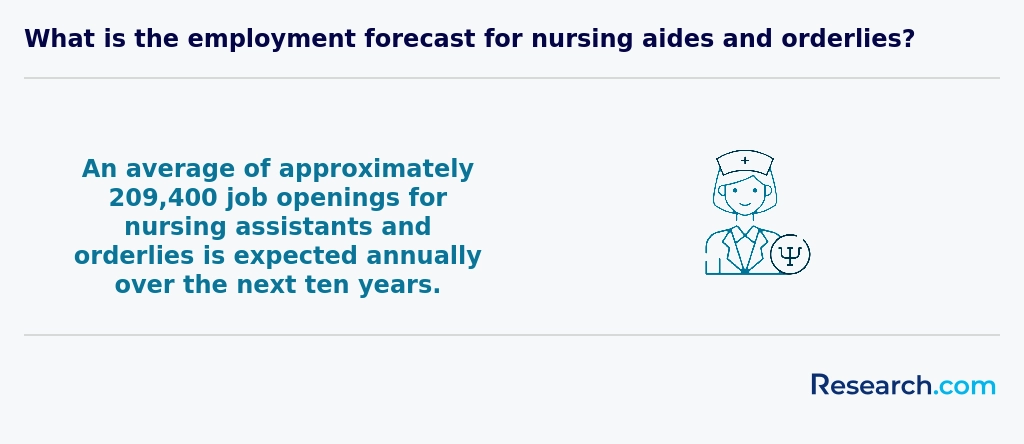
Considering affordable online nursing programs Southern US offers, it's practical to evaluate fees beyond tuition, such as technology and clinical placement expenses, which can add a few hundred to a couple thousand dollars. Scholarships and federal aid are valuable resources many students use to reduce costs further. Also, for those exploring licensed practical nurse pathways before advancing, there are excellent lpn programs in mn worth researching.
Accreditation and State Licensure Requirements
Ensuring your online Master’s in Nursing program is properly accredited is critical for eligibility to sit for the NCLEX, obtain state licensure, and pursue advanced certifications. In the South, most reputable programs hold accreditation from the Commission on Collegiate Nursing Education (CCNE) or the Accreditation Commission for Education in Nursing (ACEN). Accreditation guarantees that curricula meet rigorous academic and clinical standards, and it influences your ability to transfer credits or enroll in doctoral pathways. Each Southern state board of nursing has specific requirements for clinical hours, background checks, and application deadlines. For example, Alabama participates in the Nurse Licensure Compact (NLC), allowing multistate practice privileges, whereas Mississippi requires a separate endorsement application for out-of-state graduates. Before enrolling, verify that your program not only meets CCNE/ACEN standards but also aligns with your resident state’s Board of Nursing rules. Clinical practicum placements must be approved by both your institution and the state board. Many online programs coordinate regional partnerships with hospitals and clinics to facilitate hands-on training. Keep a checklist of preceptor qualifications, liability insurance mandates, and immunization records to streamline your licensure packet. Even students exploring entry-level pathways should prioritize accredited credentials. If you’re considering alternative entry points or bridge options, such as LPN-to-RN routes, it’s wise to compare accredited offerings-some may recommend reviewing top lpn programs in mn to understand how rigor and state approval impact career mobility. Always consult both your program’s admissions office and your state board of nursing early in the application process to confirm that coursework, clinicals, and accreditation fully satisfy licensure and certification prerequisites.
What financial aid is available to online nursing degree students in the South?
Completing the FAFSA is the first practical step for Southern students pursuing online nursing degrees, unlocking access to essential federal aid like Pell Grants and Direct Subsidized Loans. For example, graduates from the University of Florida recall how a Pell Grant covering up to $7,395 annually eased their tuition worries early on. Additionally, state-specific scholarships play a crucial role; nursing students in Texas often benefit from grants funded by the Texas Workforce Commission designed to address local healthcare needs.
Many graduates from nursing programs at institutions like Georgia State University have relied on scholarships from professional organizations such as the Southern Nursing Research Society, which awards aid ranging between $1,000 and $5,000. Working nurses often tap into employer tuition reimbursement programs, providing financial help with the understanding they will serve the facility for a set time.
Finally, institutional aid like merit-based scholarships and flexible payment plans offered by prominent Southern schools supports part-time online learners balancing work and study. Thorough research and direct contact with schools help uncover these valuable resources.
Clinical Practicum and Hands-On Training
A hallmark of any quality online nursing master’s program is its structured approach to clinical practicums and hands-on training, ensuring students develop real-world skills despite a predominantly virtual curriculum. In Southern online MSN programs, clinical hours are typically arranged through partnerships with local healthcare facilities, where students complete supervised rotations under experienced preceptors. Before beginning clinical placements, students must submit immunization records, criminal background checks, and proof of liability insurance-requirements outlined by both state boards of nursing and accrediting bodies. Many institutions supplement traditional clinical rotations with high-fidelity simulation labs. These virtual or on-site labs use advanced manikins and virtual reality scenarios to replicate critical care situations, allowing students to practice assessment, decision-making, and team communication in a controlled environment. Research shows that simulation hours can count toward a portion of required clinical hours, subject to state regulations and program policies. To secure a placement, online nursing students should start early by contacting their program’s clinical coordinator, who provides a list of approved sites and preceptors. Some universities offer an online portal where students can track hours, submit evaluations, and schedule simulation sessions. It’s also advisable to network with alumni in your region-former graduates often serve as preceptors and can recommend supportive clinical sites. For those seeking additional cost-effective options or specialized practicum opportunities beyond the South, students may review our Midwest affordability ranking. For more details on budget-friendly programs that balance rigorous clinical training with lower tuition, explore the Cheapest Online Master’s in Nursing Degree Programs Ranking in the Midwest.
What are the prerequisites for enrolling in online nursing degree program in the South?
To enroll in an online nursing degree program in the South, start by securing a high school diploma or equivalent, which is mandatory across all regional institutions like the University of Alabama or University of South Carolina. Graduates from these programs often emphasize how meeting this basic requirement made their nursing journey straightforward and stress-free.
If you aim for a BSN, prepare to complete prerequisite courses in biology, chemistry, anatomy, and physiology, often requiring at least a "C" grade. Many students found enrolling early in these classes at local community colleges to be an effective way to stay on track before starting their online program.
For MSN hopefuls, hold an active RN license and a bachelor's degree with a minimum 3.0 GPA. Graduates frequently share how submitting proof of clinical experience boosted their confidence when applying to respected Southern online programs like those at Emory or Vanderbilt.
Additionally, ensure you have technology reliable enough to support virtual learning - a solid laptop and fast internet are non-negotiable, especially for interactive simulations and remote labs. Planning for these essentials upfront turned out to be a game changer for many successful students.
Program Accreditation and Licensure
Choosing an accredited online nursing program ensures your degree meets state board standards, qualifies for federal financial aid, and is recognized by employers. Look for accreditation from:
- Commission on Collegiate Nursing Education (CCNE)
- Accreditation Commission for Education in Nursing (ACEN)
Before you apply:
- Verify accreditation status on the university’s official site
- Confirm your state board of nursing accepts the program’s clinical hour requirements
- Check credit-transfer policies if you have prior coursework
For advanced practice degrees, compare accredited cheap np programs to balance quality and affordability.
What courses are typically in online nursing degree programs in the South?
Online nursing degree programs in the South typically include a mix of foundational and specialized courses designed to prepare you for real-world healthcare settings. Graduates from popular Southern universities often highlight courses such as Pathophysiology and Pharmacology, which taught them to understand diseases and manage medications effectively, critical skills for patient care. Another vital course is Health Assessment, where students learn hands-on techniques for evaluating patient health-imagine confidently performing physical exams during clinical rotations.
Many programs also emphasize Clinical Nursing Concepts and Healthcare Ethics and Law, ensuring you're ready to make evidence-based decisions while navigating legal responsibilities. Southern schools often incorporate Community and Public Health Nursing, reflecting the growing focus on population health and preventive care in the region. Others include leadership training through Healthcare Policy and Leadership courses, which recently helped graduates transition smoothly into management roles.
Lastly, expect Research Methods in Nursing and specialty areas like pediatrics or mental health, tailored to local healthcare demands. This comprehensive approach equips you with versatile skills that Southern hospitals and clinics actively seek.
What types of specializations are available in online nursing degree programs in the South?
Online nursing programs in the South typically offer a range of practical specializations designed to meet local healthcare demands. Graduates from popular institutions like the University of Alabama or Texas Tech often choose the Family Nurse Practitioner (FNP) track to serve diverse communities, especially addressing rural healthcare shortages. The Southern region nursing degree concentrations also include Psychiatric-Mental Health Nurse Practitioner (PMHNP), which is increasingly relevant as mental health integration grows in primary care settings.
Another common focus is Adult-Gerontology Acute Care Nurse Practitioner (AGACNP), ideal for nurses aiming to support aging populations with complex conditions, a frequent need in Southern states. Leadership roles attract students looking into Nursing Administration, gaining skills in healthcare policy and team management through online MSN programs at schools like the University of South Carolina. Lastly, Nursing Education prepares nurses to fill faculty gaps, and many professionals use online options while working clinically. For an affordable route into nursing education, consider an affordable nurse education graduate certificate.
How do you choose the best online nursing degree in the South?
Start by verifying the program's accreditation through agencies like CCNE or ACEN to ensure your degree will be recognized for licensure and employment across Southern states. Graduates from well-known Southern universities often praise how proper accreditation smoothed their transition into nursing practice.
Cost matters, especially when balancing family and work commitments common in the South. Look for public universities with in-state tuition under $15,000; many students appreciate the financial relief along with scholarships and payment plans offered. For a deeper comparison on affordability, some turn to resources like the Cheapest Online Master's in Nursing Degree Programs Ranking in the Midwest to gauge pricing trends.
Flexibility is key when working nurses juggle shifts and study. Alumni from Southern colleges often mention asynchronous classes and regional clinical placements meaning less travel and more time with loved ones. Also examine if programs offer specializations like family nurse practitioner or mental health nursing, which directly meet regional healthcare demands-essential for crafting a meaningful career path aligned with Southern community needs.
Finally, investigate graduation rates and NCLEX success. Real-life stories from graduates highlight how strong program reputations open doors in competitive Southern job markets. Thinking pragmatically about these factors helps identify the best affordable online nursing programs in the South that fit your life and goals.

What career paths are available for online nursing degree students in the South?
Graduates with an online nursing degree in the South have several practical career paths to consider. Most start as Registered Nurses (RNs), ready to pass the NCLEX-RN exam and gain employment in busy urban hospitals in Atlanta or sprawling rural clinics in Texas. Southern public universities are popular among students looking to balance affordability and quality, offering programs around $12,500 per year, which helps many stay motivated through their studies.
Beyond initial RN roles, many graduates pursue specialized positions by earning additional certifications or advanced degrees online, leading to careers as Family Nurse Practitioners, Neonatal Nurses, or Critical Care Nurses. These roles are not only fulfilling but are supported by favorable state laws in places like Florida and Georgia, allowing nurses to work independently or in primary care. Some also follow paths in nursing education or administration, helping address workforce shortages.
For those weighing options, exploring short certificate programs that pay well online can be a smart step to quickly boost skills and earnings while maintaining work-life balance. This flexibility makes online nursing career options in the South appealing for those planning long-term growth in healthcare.
What is the job market for online nursing degree in the South?
The online nursing job outlook in the South remains promising, driven by steady demand in states like Texas, Florida, and Georgia. Graduates from well-regarded programs at universities such as the University of Florida and Texas A&M often find opportunities in expanding healthcare facilities. For example, many graduates secure positions in community health centers that are actively increasing staffing to serve their populations better.
Practical experience gained through these online programs equips students to meet staffing needs in long-term care facilities and telehealth services. Alumni commonly describe the flexibility of online learning as a key factor enabling them to balance work and study, making career advancement feel attainable and rewarding. Nursing students should explore programs that offer strong regional hospital connections for clinical placements.
For those concerned about career fit, researching the introvert best jobs may highlight nursing roles suited to personal strengths. Overall, healthcare employment opportunities Southern states provide are broadening, creating diverse pathways for graduates.
Frequently Asked Questions About nursing
Online nursing degree students in the South can maximize their learning experience by actively engaging with virtual learning tools and participating in local clinical opportunities. Many Southern states offer diverse healthcare settings, making it easier for students to find clinical placements close to home. For instance, Texas and Florida have numerous hospitals partnering with online programs, providing hands-on experience crucial for licensure. Additionally, students should take advantage of academic support services offered online, including tutoring and study groups.
Time management is essential; setting a regular study schedule helps balance coursework with clinical hours. According to the Southern Regional Education Board, online enrollment in nursing programs increased by 15% from 2020 to 2023, highlighting the importance of self-discipline in remote learning environments.
Networking with faculty and peers via discussion boards and virtual meetings strengthens comprehension and professional connections. Using state nursing board resources can also guide students on licensure requirements in the South, ensuring smooth progression from study to practice.
Emerging niches within the nursing field reflect the evolving healthcare needs in the South. One rapidly growing area is geriatric nursing, driven by the region's increasing population of older adults. According to the U.S. Census Bureau, states like Florida and Texas have among the highest percentages of residents over 65, creating a demand for specialized elder care.
Another niche is telehealth nursing, which has expanded significantly due to recent investments in digital health. This field allows nurses to provide care remotely, improving access in rural Southern areas where healthcare resources are limited.
Additionally, nurse informatics is becoming vital as hospitals in the South adopt advanced electronic health record systems. This specialty blends nursing knowledge with data management to enhance patient outcomes.
After earning an online nursing degree in the South, preparing for the job market involves several key steps. First, obtaining licensure through the National Council Licensure Examination (NCLEX-RN) is essential for registered nurses. Passing this exam allows graduates to practice professionally within their state.
Networking with local healthcare employers and joining regional nursing associations, such as the Southern Nurses Association, can open doors to job opportunities. The Southern states are expected to see a 15% growth in registered nursing roles by 2030, according to the U.S. Bureau of Labor Statistics.
Additionally, gaining clinical experience through internships or volunteer work enhances a graduate's resume and practical skills.
Employers in the South prioritize strong clinical skills when hiring nursing graduates, emphasizing hands-on experience gained through accredited online programs. According to the Southern Regional Education Board, effective patient assessment and medication administration rank highly among desired competencies.
Communication skills are essential, as nurses regularly interact with diverse patient populations. The U.S. Bureau of Labor Statistics highlights that Southern healthcare facilities increasingly value teamwork and cultural sensitivity.
Adaptability and critical thinking are also key, especially in fast-paced hospital environments common in the region. Additionally, knowledge of state-specific healthcare regulations is important for compliance and patient safety. These practical skills align with national nursing standards but reflect regional healthcare priorities.
Finding internships in the South related to nursing degrees requires a strategic approach. Start by exploring partnerships between online nursing programs and local hospitals or clinics, as many Southern universities collaborate with healthcare providers for clinical placements.
The Southern Regional Education Board reports that states like Texas, Florida, and Georgia have numerous healthcare facilities offering internship opportunities to nursing students.
Check with your program's clinical coordinator or career services, as they often maintain updated lists of approved sites. Additionally, professional organizations such as the Tennessee Nurses Association provide resources and networking events that can lead to internships.
Leveraging local healthcare job boards and university career platforms is vital for accessing internships compliant with state licensure requirements.
Online nursing degrees in the South offer flexible pathways for career mobility and advancement. Many Southern states, experiencing a growing demand for healthcare professionals, recognize accredited online programs that meet state licensing requirements. According to the U.S. Bureau of Labor Statistics, registered nursing jobs in Southern states like Texas and Florida are expected to grow by over 15% through 2030.
Graduates of online nursing programs can qualify for advanced practice roles such as nurse practitioners or clinical nurse specialists, which often come with higher salaries and leadership opportunities. Southern healthcare employers increasingly value the convenience and rigor of online education combined with clinical experience.
Additionally, online degrees enable nurses to pursue specialized certifications without relocating, supporting ongoing professional development. Institutions accredited by the Commission on Collegiate Nursing Education (CCNE) especially enhance graduates' prospects in the Southern job market.
Studying for a nursing degree in the South equips students with valuable skills for interdisciplinary roles by emphasizing collaboration across healthcare fields. Southern nursing programs often incorporate courses on healthcare communication, leadership, and team-based care, fostering effective cooperation with professionals like physicians, social workers, and pharmacists.
According to the Southern Regional Education Board, many online nursing programs in the region align their curricula with national competencies, ensuring graduates meet diverse healthcare needs. Additionally, clinical practicum experiences frequently take place in settings where interdisciplinary teamwork is routine, such as community hospitals and long-term care facilities.
This practical exposure helps students understand various roles within healthcare teams and strengthens their ability to coordinate patient-centered care, a critical component of modern nursing practice.
When choosing between a thesis and a non-thesis nursing degree program in the South, students should consider their career goals. Thesis programs require original research and are suited for those aiming for leadership or doctoral study. Non-thesis options focus on practical skills and coursework, often preferred by professionals seeking advanced clinical roles.
In Southern states, nursing programs accredited by the Commission on Collegiate Nursing Education (CCNE) or Accreditation Commission for Education in Nursing (ACEN) commonly offer both paths. According to the Southern Regional Education Board, about 60% of online nursing master's students in the South opt for non-thesis tracks due to flexibility and workload.
Financial aid and time commitment also influence the choice, as thesis projects typically extend program length. Prospective students should consult program advisors to align choices with long-term professional objectives.
Students in the South interested in studying nursing abroad while pursuing online degrees have limited but growing options. Most universities based in the South offer partnerships with international institutions for clinical placements or study-abroad opportunities, often integrated into hybrid programs. Due to licensing requirements, students should consider programs accredited by bodies like CCNE or ACEN, which ensure that credits earned abroad transfer smoothly.
Notably, the Southern Regional Education Board supports initiatives to expand global nursing experiences, aiding students in finding approved foreign clinical sites. According to the National League for Nursing, about 15% of Southern nursing students engage in study-abroad activities, focusing mainly on countries with similar healthcare systems.
Online nursing degrees offer flexibility, but students must verify state licensure acceptance if clinical hours are completed abroad to ensure eligibility for the NCLEX-RN exam.
Part-time job opportunities in the South can provide valuable experience for students pursuing online nursing degrees. Common roles include certified nursing assistant (CNA) positions, medical assistant jobs, and home health aides. According to the Bureau of Labor Statistics, the South has a growing demand for CNAs, with states like Texas and Florida reporting employment growth rates above the national average. These roles offer hands-on clinical practice and help develop patient care skills essential for nursing careers.
Additionally, some hospitals and clinics offer flexible part-time shifts that accommodate class schedules, enabling students to earn income while gaining relevant experience. Volunteering in community health programs can also complement academic learning by enhancing communication and organizational skills.
Online nursing students in the South benefit from a variety of networking opportunities designed to support their professional growth. Many Southern universities hosting online programs encourage students to join local chapters of national nursing organizations such as the American Nurses Association (ANA) and the Southern Nursing Research Society. These groups often host virtual and in-person events, workshops, and conferences throughout the region.
Additionally, clinical placements and residency programs frequently connect online students with healthcare facilities in their area, enabling valuable local networking. Universities also promote online forums and alumni networks specifically for Southern students, fostering collaboration and job leads in a growing regional nursing market.
Alumni networks play a crucial role in supporting online nursing degree students in the South. These networks connect current students with graduates who have navigated local healthcare systems, offering practical career advice and mentorship. According to the Southern Regional Education Board, strong alumni ties increase job placement rates by up to 20% for nursing students in southern states.
Many southern nursing programs maintain active online communities, making it easier for remote students to engage and grow professionally. These networks also provide access to regional job openings, continuing education opportunities, and clinical partnerships tailored to local healthcare needs.
For students pursuing online degrees, these connections help bridge the gap between virtual classrooms and real-world practice, enhancing career readiness and professional growth.
Customizing an online nursing degree program in the South starts with selecting specializations aligned with your career goals. Many Southern universities offer tracks such as Family Nurse Practitioner, Nurse Educator, or Healthcare Administration within their MSN programs. These options allow students to focus on areas with strong regional demand. For example, the Southern Regional Education Board reports a growing need for nurse practitioners in rural areas.
Additionally, flexible clinical placement options enable students to gain experience in local healthcare settings, fitting personal schedules and geographic constraints. Elective courses and certificate add-ons can further tailor the degree to specific interests, such as gerontology or telehealth. Accreditation by recognized bodies like CCNE ensures quality and regional acceptance of your customized program.
Online nursing students in the South often face unique challenges related to geographic and technological factors. Many rural areas in Southern states experience limited broadband access, which can hinder smooth participation in online courses. According to the Federal Communications Commission (FCC), nearly 25% of rural Southern households lack reliable high-speed internet.
Additionally, clinical placement opportunities can be scarce or highly competitive in the region, making it difficult for students to fulfill practical requirements near home. Licensing requirements also vary significantly among Southern states, potentially complicating the transition from education to practice.
Time management is another common barrier, as many students balance work, family, and study commitments without in-person support networks.
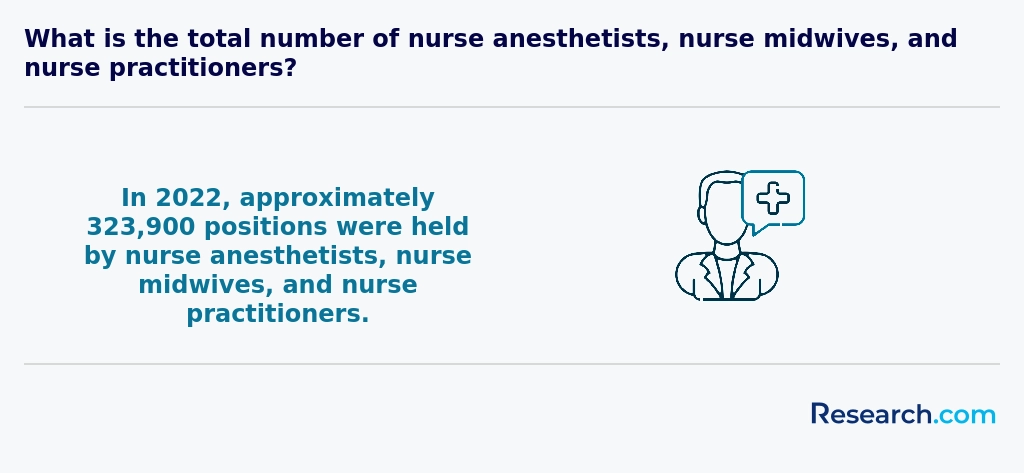
With an online nursing degree, students in the South can pursue various professional certifications to advance their careers. Common certifications include the Certified Nurse Practitioner (CNP), which allows nurses to provide primary and specialty care. The Certified Nurse Educator (CNE) credential supports roles in academic teaching. Additionally, certifications like the Certified Nurse Midwife (CNM) and the Certified Registered Nurse Anesthetist (CRNA) are highly respected and typically require advanced degrees.
In Southern states, organizations such as the Southern Nursing Research Society provide resources that highlight over 35,000 registered nurses seeking specialty certifications, reflecting growing demand. Professional certification often improves employability and salary prospects, aligning with trends reported by the American Association of Colleges of Nursing (AACN).
Writing a winning application for an online nursing program in the South begins with thorough research. Focus on programs accredited by the Commission on Collegiate Nursing Education (CCNE) or the Accreditation Commission for Education in Nursing (ACEN), as many Southern employers prefer graduates from accredited schools.
Highlight your clinical experience clearly. The Southern Nursing Research Society reports growing demand for nurses with diverse hands-on skills due to regional healthcare needs.
Showcase strong academic records, especially in science and healthcare courses. Include letters of recommendation from healthcare professionals familiar with your skills and commitment.
Finally, tailor your personal statement to reflect your motivation and understanding of nursing trends in Southern states, citing relevant statistics or community health challenges.
The nursing profession holds significant global value, reflecting a growing demand for skilled nurses worldwide. In the United States, particularly in the South, nursing careers are viewed as stable and rewarding, with employment projected to grow 15% from 2021 to 2031, faster than average for all occupations, according to the U.S. Bureau of Labor Statistics.
Internationally, nurses are essential to healthcare systems, especially in regions with aging populations. This global need encourages many students in the South to consider nursing as a career that offers both local and global opportunities.
Online nursing degrees provide access to education for those balancing work and family, making it attractive for aspiring nurses seeking flexible options in the Southern U.S.
When pursuing an online nursing degree in the South, gaining practical experience is essential for licensure and career readiness. Most programs require clinical hours to be completed in person at approved healthcare facilities. Students typically arrange clinical placements locally, often with hospitals, clinics, or long-term care centers. The Southern Regional Education Board notes that partnerships between schools and healthcare providers in states like Texas and Florida facilitate these opportunities.
Many programs provide guidance to help students find supervised clinical sites within a commutable distance. Additionally, some schools offer simulation labs nearby to enhance hands-on skills. Balancing online coursework with local clinical practice is common and supported by program advisors.
Choosing the right concentration within an online nursing degree program in the South requires careful consideration of your career goals and local healthcare needs. Nursing specialties such as nurse practitioner, nurse educator, and nurse anesthetist are popular and growing fields. According to the Bureau of Labor Statistics, the Southern states have a rising demand for family nurse practitioners due to expanding healthcare access.
Research local job markets and consult state boards of nursing to ensure your chosen concentration aligns with licensure requirements. Many Southern universities offer programs tailored to regional demands, emphasizing geriatrics, pediatrics, or rural health care. Evaluating clinical placement opportunities and faculty expertise can also impact your educational experience.
Top Trending Nursing Rankings
See What Experts Have To Say About Studying Nursing
Read our interview with Nursing experts


References
- Online Bachelor of Science in Nursing https://an.edu/programs/bachelors-degrees/online-bachelor-of-science-in-nursing/
- How to Choose a Nursing Program | All Nursing Schools https://www.allnursingschools.com/how-to-get-into-nursing-school/choose-the-right-school/
- Nursing Study Abroad Programs | Go Overseas https://www.gooverseas.com/study-abroad/nursing
- Nurse Salary https://nursinglicensemap.com/resources/nurse-salary/
- Online Nursing Schools in South Carolina: Choosing a Program https://www.edumed.org/online-schools/nursing-rn-programs/south-carolina/
- Apply to the Nurse Corps Scholarship Program https://bhw.hrsa.gov/programs/nurse-corps/scholarship/apply
- Online Nursing Programs and Degrees | South University https://www.southuniversity.edu/online/degrees-programs/nursing
- Essential Tips for Nursing Students to Advance Their Careers https://almanaltraining.com/essential-tips-for-nursing-students-to-advance-their-careers/
- Best Online Nursing Programs https://www.affordablecollegesonline.org/degrees/nursing-programs/
- How Do Nurses Prepare to Work in a Multidisciplinary Team? | NursingEducation https://nursingeducation.org/insights/multidisciplinary-team/


