
2027 Easiest Online Master's in Nursing Degree Programs Ranking in the USA

Co-Founder and Chief Data Scientist
Choosing the right nursing degree program can feel overwhelming, especially with so many options available online. This article introduces the 2027 Easiest Online Master's in Nursing Degree Programs Ranking in the USA, created by the Research.com team of data scientists to support you in making a confident and informed decision.
By exploring this ranking, you'll discover programs that balance quality and accessibility, helping you advance your career with less stress. Earning your nursing degree is a rewarding step toward personal growth and professional success, and this guide is here to make that journey a little easier.
Key benefits of getting online nursing degree in America
- Nursing degree graduates often achieve strong salaries, such as Nurse Practitioners and Critical Care Nurses earning a mean annual wage of $128,490, while Clinical Nurse Specialists, Nurse Administrators, and Nurse Educators earn around $94,480.
- Graduates from popular universities like the University of Pennsylvania can explore diverse career paths, from advanced practice roles to leadership and education within healthcare systems, offering rewarding professional growth.
- Obtaining a nursing degree online, as experienced by students at institutions like Ohio State University, provides flexible scheduling and the ability to balance work and study, making education more accessible and convenient.
- Key benefits of getting online nursing degree in America
- What can I expect from online nursing degree in America?
- Where can I work with online nursing degree in America?
- How much can I make with online nursing degree in America?
- 2027 Easiest Online Master's in Nursing Degree Programs Ranking in the USA
- Key Findings
- How long does it take to complete online nursing degree in America?
- Accreditation and Certification
- What's the difference between online and on-campus nursing degree?
- Accreditation and State Licensure Pathways
- What is the average cost of online nursing degree in America?
- Admission Requirements and Process
- What financial aid is available to online nursing degree students in America?
- Accreditation and Licensure Preparation
- What are the prerequisites for enrolling in online nursing degree program in America?
- Accreditation and Program Quality
- What courses are typically in online nursing degree programs in America?
- What types of specializations are available in online nursing degree programs in America?
- How do you choose the best online nursing degree in America?
- What career paths are available for online nursing degree students in America?
- What is the job market for online nursing degree in America?
- Top Trending Nursing Rankings
- See What Experts Have To Say About Studying Nursing
What can I expect from online nursing degree in America?
The average cost of pursuing an online nursing degree in America varies widely but generally falls between $25,000 and $60,000 for a master's program, according to recent data. Graduates from well-known institutions such as the University of Florida and Ohio State University often remark on balancing these costs with savings gained from reduced commuting and housing expenses. For example, a student who attended a top public university shared how studying remotely allowed them to remain employed part-time, easing financial pressure despite a higher tuition bracket.
Cost differences also depend on program length and accreditation status, which can affect eligibility for licensure exams like the NCLEX-RN. While private universities may present higher price tags, many public colleges offer competitive rates without compromising educational quality. Some graduates appreciate how their programs integrate clinical placements locally, reducing additional travel costs and enhancing practical learning.
Ultimately, the financial burden is tempered by the flexibility and support systems offered, such as tutoring and academic advising, which are common in reputable American nursing programs. This mix enables students to pursue advanced nursing roles while managing personal and financial commitments effectively.
Where can I work with online nursing degree in America?
Graduates with an online nursing degree in America often find themselves well-prepared to enter diverse healthcare environments. Many hold degrees from respected institutions known for their online nursing programs, such as those affiliated with public universities or well-established colleges. These graduates commonly secure roles in hospitals, which employ the highest percentage of registered nurses-around 61% according to the U.S. Bureau of Labor Statistics. For example, a graduate from a major state university shared enthusiasm about joining a large metropolitan hospital where specialized nursing and leadership opportunities arise frequently.
Others pursue work in outpatient care centers like clinics or ambulatory surgical centers, reflecting the healthcare trend toward less invasive, cost-effective treatments. Graduates often appreciate the fast-paced yet community-focused environment in such settings. Nursing alumni from prominent public universities report a rewarding balance of patient interaction and professional growth in these centers.
Some choose long-term care facilities or nursing homes, driven by a passion for elder care and rehabilitation. These roles require consistent, empathetic patient support, which graduates say creates meaningful daily connections. Additionally, higher degrees such as the MSN open doors to public health, education, and administration roles, fields where graduates from top online nursing programs find fulfillment guiding future nurses or shaping healthcare policy.
How much can I make with online nursing degree in America?
Graduates from online nursing programs in America can expect a range of salaries influenced by their degree level and chosen role. For instance, nurse practitioners often earn a mean annual wage of about $128,490 according to U.S. Bureau of Labor Statistics data. This is a substantial boost from general registered nurse positions and reflects the advanced clinical skills gained through Master of Science in Nursing programs offered by many universities like the University of Pennsylvania or Ohio State University.
Similarly, graduates working as clinical nurse specialists, nurse administrators, or nurse educators typically see annual wages near $94,480, demonstrating that leadership and education roles remain well-compensated though slightly less than direct patient care advanced roles. These figures align with experiences shared by online nursing graduates from institutions such as Emory University, who emphasize the value of flexible, quality education translating clearly into competitive pay.
Some nurses in critical care roles also reach salaries close to $128,490, reflecting the high demand and expertise required. While geographical and employer differences affect earnings, many graduates find their online degrees open doors to rewarding, financially stable careers in diverse healthcare settings across the U.S.
2027 Easiest Online Master's in Nursing Degree Programs Ranking in the USA
How do we rank schools?
Investing in your education is a significant decision that can shape your future, and the Research.com team understands the importance of making informed choices. To assist prospective students, we have meticulously crafted the "2027 Easiest Online Master's in Nursing Degree Programs Ranking in the USA." Our commitment to quality, credibility, and accuracy is reflected in the extensive research and analysis conducted to compile this ranking.
We utilized the following reputable data sources to ensure a comprehensive evaluation of nursing programs:
By exploring this ranking, readers will gain valuable insights into accessible online nursing master's programs that fit their needs and goals, empowering them to make informed decisions about their educational paths. For more details on our methodology, please visit our Research.com methodology page.


Key Findings
- Online nursing degrees follow the same curriculum standards as on-campus programs, ensuring graduates meet clinical and educational requirements for licensure.
- Tuition for online BSN programs ranges from $40,000 to $80,000, while MSN programs typically cost between $30,000 and $90,000, not including fees and supplies.
- The median annual wage for registered nurses is about $77,600, with entry-level nurses earning $60,000 to $65,000 and advanced nurses making over $110,000.
- The job market for nurses is expected to grow by 6% through 2032, driven by an aging population and ongoing healthcare demand.
- Online programs often include local clinical practice hours, and accreditation by CCNE or ACEN is important for quality and licensure eligibility.
How long does it take to complete online nursing degree in America?
Completing an online nursing degree in America varies widely, often depending on prior education and program type. For example, graduates from the University of Florida's online BSN program report that starting without any college credit usually means dedicating about four years. This reflects the traditional pace needed to cover foundational nursing coursework deeply.
On the other hand, graduates of accelerated BSN programs at schools like Ohio State University describe finishing in just 12 to 18 months, feeling motivated by the intensity but grateful for the streamlined path that respects their existing bachelor's degrees.
For registered nurses upgrading with an RN-to-BSN online degree, such as those at Arizona State University, the journey typically lasts 12 to 24 months. They appreciate the flexibility that acknowledges their clinical experience while balancing family and work life.
Master's degrees in nursing, popular at institutions including Johns Hopkins University, usually require 18 to 36 months online. Students often find this timeframe reasonable but note that clinical requirements can extend their studies.
Accreditation and Certification
Accreditation and certification are connected but not the same. Accreditation evaluates the school or nursing program. Certification verifies that an individual nurse has met professional standards for a specific role or specialty. For online Master’s in Nursing students, both matter.
Prospective students should confirm institutional accreditation, typically from a recognized regional accreditor such as the Higher Learning Commission (HLC) or the Southern Association of Colleges and Schools Commission on Colleges (SACSCOC). They should also confirm programmatic nursing accreditation through the Commission on Collegiate Nursing Education (CCNE) or the Accreditation Commission for Education in Nursing (ACEN).
Programmatic accreditation matters because it signals that the nursing curriculum has been reviewed for areas such as clinical practice, leadership, research, evidence-based care, and faculty preparation. Graduates of CCNE- or ACEN-accredited programs are generally better positioned to pursue national certification exams and state licensure without avoidable complications.
Certification requirements vary by nursing role. Nurse practitioner, clinical nurse specialist, nurse educator, and leadership-focused pathways may each have different expectations. Before choosing a specialization, compare the program curriculum with the certification body’s eligibility rules.
Accreditation can also affect affordability. Federal Pell Grants, Stafford Loans, and many state aid programs require enrollment in an accredited institution. Students comparing lower-cost pathways can review accredited options in resources such as the Cheapest Online Bachelor’s in Nursing Degree Programs Ranking in Virginia.
Before committing to an online nursing master’s program, verify:
- Regional institutional accreditation, such as HLC or SACSCOC
- Programmatic nursing accreditation by CCNE or ACEN
- State board of nursing alignment for clinical and licensure requirements
- Certification exam eligibility for the role you plan to pursue
These checks protect your investment and reduce the risk of earning credits that do not support your professional goals.
What's the difference between online and on-campus nursing degree?
The main difference between online and on-campus nursing degrees in America lies in how the coursework and clinical experiences are delivered. Graduates from schools like the University of Phoenix, known for online programs, often praise the ability to study around their work and family commitments through digital platforms. In contrast, alumni from traditional campuses like the University of Pennsylvania describe the advantage of immediate access to labs, libraries, and face-to-face mentorship, which cultivates a strong support network during their study.
Both formats require students to complete clinical hours, but online learners typically must arrange local healthcare placements themselves. This can be seen as empowering but demands initiative and organization, unlike on-campus students whose clinicals are prearranged. Tuition costs at public universities might be around $7,000 annually for in-state students regardless of delivery method, but online programs can reduce additional expenses by removing commuting or housing needs.
Personal stories reveal that online nursing students embrace flexibility but emphasize the need for self-discipline, while on-campus students value structured schedules and real-time interaction. Both paths remain valid routes toward becoming a registered nurse in the United States.
Accreditation and State Licensure Pathways
An online Master’s in Nursing program should be evaluated not only by its curriculum but also by whether it supports licensure in the state where you plan to practice. Nursing licensure is regulated at the state level, so a program that works well for one student may not satisfy another student’s state requirements.
Start by confirming that the program has recognized nursing accreditation through CCNE or ACEN and that the institution itself is properly accredited. Then check the state board of nursing where you intend to work. Each board may set rules for clinical hour documentation, background checks, supervised practice, transcript submission, and exam eligibility.
Questions to ask before enrollment
- Is the program approved or accepted by the state board of nursing where I plan to seek licensure?
- Will the school provide documentation of clinical hours in the format my state requires?
- Are clinical placements available in my state?
- Are there proctored exams, campus visits, or residency requirements?
- Will the curriculum prepare me for the NCLEX-RN or advanced practice certification exams, depending on the program level?
Programs that prepare students for initial RN licensure should include appropriate preparation for the National Council Licensure Examination (NCLEX-RN). Graduate programs leading to advanced practice roles should align coursework and clinical experiences with national certification expectations. After graduation, students generally submit an application to the state board, provide transcripts, complete required checks or jurisprudence exams if applicable, and schedule the relevant licensing or certification exam.
Students pursuing nurse practitioner roles should be especially careful. If your goal is one of the highest paying NP specialties, make sure the program’s track, clinical hours, and patient population focus match certification standards. A strong online MSN program should make the pathway from admission to licensure clear before you enroll.
What is the average cost of online nursing degree in America?
The average cost of an online nursing degree in America varies significantly depending on residency status and program level. For many students, the total tuition for an online nursing degree hovers around a median of $26,853, with in-state tuition averaging about $19,512 and out-of-state tuition closer to $32,880. These figures reflect a broad landscape where graduates from reputable public universities often benefit from more affordable rates compared to private institutions. Such cost differences can be a decisive factor for prospective students evaluating the total tuition fees for online nursing masters in the USA.
Consider a graduate from a widely respected public university in Texas who managed to complete an MSN online at a fraction of what peers paid in out-of-state or private programs. Their story highlights the tangible value of choosing an accredited school with a strong support system, which also offered a flexible payment plan easing financial stress. However, tuition is not the only consideration; technology fees, textbooks, clinical placements, and other expenses can increase the overall cost.
Many online nursing students explore options such as employer tuition reimbursement or scholarships. For example, graduates from institutions known for nursing excellence often share how they successfully maximized financial aid to reduce their debt burden. When comparing programs, it is useful to read student experiences and carefully review each school's offerings and requirements, including clinical hours and certification fees.
For those interested in advancing their education without the commitment of a full bachelor's degree first, a common pathway involves rn to bsn online programs, which can offer an efficient transition at varied costs. Studying these options helps prospective students realistically assess the financial commitment involved in securing their desired nursing credentials in America.

Admission Requirements and Process
Admission to an online nursing program in America depends on the degree level, the applicant’s prior education, and whether the program is designed for new nursing students, registered nurses, or advanced practice candidates. Before applying, confirm whether the program leads to initial nursing licensure, supports RN-to-BSN completion, or prepares students for graduate-level practice.
For an online Bachelor of Science in Nursing (BSN) program at a university like the University of Phoenix or Walden University, applicants usually need a high school diploma or equivalent and may need a minimum GPA of 2.5 or higher. Many programs also require prerequisite science courses such as anatomy, physiology, and biology, often with a minimum grade of C or higher.
Some online nursing programs, including options like the one offered at Chamberlain University, may require at least 60 college credits before admission. These credits may include English, math, social sciences, and science coursework. Students applying to graduate nursing programs typically need additional credentials, such as a completed nursing degree, an active RN license, and relevant professional experience.
Common application materials
- Completed online application
- Official transcripts from prior schools
- Proof of high school completion, college credits, or prior nursing degree, depending on the program level
- Minimum GPA documentation, when required
- Prerequisite course completion records
- TEAS or HESI exam scores, if required
- Background check authorization
- Immunization and health records
- Letters of recommendation, personal statement, or interview, when requested
The strongest applicants do not wait until the final deadline to verify requirements. Nursing programs often have separate standards for general university admission, nursing school admission, and clinical placement eligibility. A student can be academically admitted but still delayed if immunizations, background checks, or prerequisite records are incomplete.
How to make the process smoother
- Compare prerequisite lists before choosing where to apply.
- Ask whether clinical placements are arranged by the school or by the student.
- Confirm whether test scores such as TEAS or HESI are optional, recommended, or required.
- Check whether transfer credits expire for science courses.
- Verify that your state allows enrollment in the online program before submitting an application fee.
What financial aid is available to online nursing degree students in America?
Students pursuing online nursing degrees in America commonly rely on a mix of federal aid, state grants, scholarships, and employer assistance to manage expenses. At institutions like the University of North Carolina or Ohio State University, graduates often share how completing the FAFSA unlocked access to Pell Grants, which can provide up to $7,395 annually without repayment, easing financial stress significantly.
Beyond federal aid, many applicants benefit from state programs such as New York's Nursing Incentive Program, which offers forgivable loans when working in high-need communities. This targeted support aligns with workforce demands but requires a commitment that may not suit everyone's plans, highlighting the necessity of weighing long-term obligations.
Private scholarships from organizations like the American Association of Colleges of Nursing frequently supplement budgets, with several students appreciating how these awards acknowledge academic dedication and reduce debt pressure. Likewise, employer tuition reimbursement enables working nurses to advance their education affordably, blending income generation with career growth.
Institutions known for their online nursing programs often provide dedicated financial aid counseling, helping applicants navigate convoluted aid sources and payment plans specifically designed for distance students. Many graduates attest that early, proactive research into these options transformed uncertainty into optimism about financing their education.
Accreditation and Licensure Preparation
Accreditation and licensure preparation should be checked before you apply, not after you are admitted. Nursing is regulated, and an online program must align with the requirements tied to your intended state and role.
Look for programs that hold appropriate institutional accreditation and nursing-specific accreditation. Then confirm state board approval or acceptance for the location where you plan to practice. This is especially important for students completing clinical hours across state lines or enrolling in an out-of-state online program.
- CCNE or ACEN status for national nursing curriculum standards
- Regional accrediting bodies such as HLC or WASC for degree recognition and financial aid eligibility
- State Board of Nursing approval to support clinical hour acceptance and NCLEX-RN eligibility
For advanced practice roles, confirm that coursework and clinical expectations align with ANCC or AANP certification requirements. Students considering a doctoral-level path can explore online DNP programs without dissertation to identify accredited options that support long-term licensure and career goals.
The safest approach is to request written confirmation from the school about accreditation, state authorization, clinical placement responsibilities, and exam eligibility. That documentation can help prevent delays when you apply for licensure or certification.
What are the prerequisites for enrolling in online nursing degree program in America?
Enrolling in an online nursing degree program in America typically requires a combination of academic preparation and practical credentials. For example, graduates from popular universities like the University of Florida often recall the importance of holding at least a high school diploma or GED for BSN programs, alongside a minimum GPA around 2.5 to 3.0. These academic thresholds ensure students can manage the demanding science and math coursework foundational to nursing.
Those pursuing master's degrees online, such as from Johns Hopkins University, emphasize the necessity of having a BSN and an active RN license before admission. This prerequisite reflects the value of real-world nursing experience as a critical base for graduate studies. Many students find the TEAS test a pivotal yet manageable hurdle for undergraduate entry, while some encounter the GRE more rarely at the master's level, illustrating evolving standards.
Completing prerequisite courses like anatomy or microbiology, often through community colleges, alongside submitting letters of recommendation and personal statements, are common expectations. These components not only assess readiness but also offer applicants a chance to express dedication, encouraging better alignment between personal goals and program demands.
Graduates recall feeling both challenged and excited by these prerequisites, appreciating how such requirements prepared them for success in highly respected programs nationwide.
Accreditation and Program Quality
Accreditation is one of the most important quality checks for any online Master’s in Nursing program. It affects whether your degree is recognized by employers, whether you can qualify for federal financial aid, and whether your education supports licensure or certification requirements.
The two primary nursing program accreditors in the U.S. are the Commission on Collegiate Nursing Education (CCNE) and the Accreditation Commission for Education in Nursing (ACEN). A program accredited by one of these organizations has been reviewed for curriculum quality, faculty qualifications, clinical expectations, student outcomes, and continuous improvement practices.
Students should verify two separate forms of accreditation before enrolling:
- Institutional accreditation: Confirms that the university or college meets broader academic and administrative standards.
- Programmatic nursing accreditation: Confirms that the nursing program meets professional standards set by CCNE or ACEN.
Program quality also depends on clinical coordination, faculty accessibility, online learning support, and transparent outcomes. For example, a program may advertise online flexibility but still require in-person clinical hours, campus intensives, proctored exams, or scheduled synchronous sessions. These requirements can be appropriate, but students need to understand them before committing.
If you are considering a bridge pathway, confirm how credits transfer and whether clinical expectations align with your state’s rules. For more context on the structure and rigor of transition pathways, review our guide to RN-to-BSN online programs.
When comparing programs, ask for graduation rates, NCLEX-RN pass rates when relevant, certification pass rates for advanced practice tracks, and post-graduation employment information. Accreditation is the baseline; outcomes help you judge whether the program delivers on its promises.
What courses are typically in online nursing degree programs in America?
Online nursing degree programs in America typically include core courses designed to build both theoretical knowledge and practical skills. Graduates from well-known universities often describe courses like Advanced Pathophysiology as eye-opening, providing deep insight into how diseases affect the body-a foundation that brings clinical experiences into sharper focus. Similarly, Pharmacology courses teach medication management, which many find crucial for patient safety during real-world rotations.
Health Assessment classes emphasize hands-on evaluation techniques, something students appreciate as preparing them for varied clinical settings. Courses on Healthcare Policy and Ethics encourage critical thinking about the regulatory frameworks they will navigate as professionals, fostering a sense of responsibility and confidence. Nursing students at top institutions also highlight the value of Research Methods in Nursing, which strengthens their ability to interpret scientific studies and apply evidence-based practices effectively.
Leadership and Management in Nursing rounds out the curriculum, with students noting how these skills prepare them for teamwork and administrative roles. While programs vary across schools and degree levels, such as those at state universities or private colleges, this blend of coursework consistently creates a capable and adaptable nursing workforce.
What types of specializations are available in online nursing degree programs in America?
Online nursing degree programs in America commonly offer specializations that cater to diverse career goals and healthcare demands. Some graduates from popular colleges find that focusing on Family Nurse Practitioner (FNP) roles allows them to provide primary care across all ages, a path viewed as both rewarding and versatile. Others opt for Psychiatric-Mental Health Nurse Practitioner (PMHNP) specialization, responding to the growing need for mental health professionals. These choices reflect the practical realities nursing students face and the personalized paths available in American online nursing specializations in the USA.
Likewise, Adult-Gerontology Acute Care Nurse Practitioner programs attract those eager to deliver acute care for adult and elderly patients in hospital settings, offering intense, hands-on experience even in an online format. Additionally, some graduates appreciate tracks in Healthcare Leadership and Administration, which prepare them for roles focusing on policy, budgeting, and team management, highlighting that nursing degrees can extend beyond bedside care. Others pursue Nursing Education to influence future cohorts of nurses.
Students often express enthusiasm for the flexibility these American online nursing degree options provide, which help balance study with professional and personal demands. However, it is important to weigh costs carefully; tuition averages between $30,000 and $60,000, yet the reduced need for on-campus commuting offers financial relief. For those exploring advancement, examining the highest paying np specialties can guide smart specialization choices aligned with career ambitions.
How do you choose the best online nursing degree in America?
Choosing the best online nursing degree in America requires careful evaluation beyond surface impressions. Accreditation is often the first step; graduates from universities with CCNE or ACEN accreditation report feeling confident that their education meets professional standards. However, accreditation alone doesn't guarantee program quality or fit. Students at popular colleges known for nursing often emphasize how program flexibility impacted their success, especially when balancing work and family. For example, asynchronous courses combined with local clinical placements helped many manage rigorous schedules without compromising learning.
Cost considerations also play a vital role. Many prospective students seek the best affordable online nursing degrees USA offers while weighing total expenses like textbooks and clinical fees. Graduates from well-known state universities appreciated transparency about hidden costs, which helped them avoid surprises. For those interested, reviewing rankings such as the Cheapest Online Bachelor's in Nursing Degree Programs Ranking in Virginia can provide insight into budget-friendly yet reputable options.
Ultimately, aligning degree level choices-whether RN-to-BSN or MSN-with personal career plans and state licensure requirements reflects a practical approach. Top accredited online nursing programs in America often boast high NCLEX pass rates, which graduates say foster a positive sense of readiness. Balancing these factors thoughtfully enables nurses to pursue fulfilling careers backed by meaningful credentials.
What career paths are available for online nursing degree students in America?
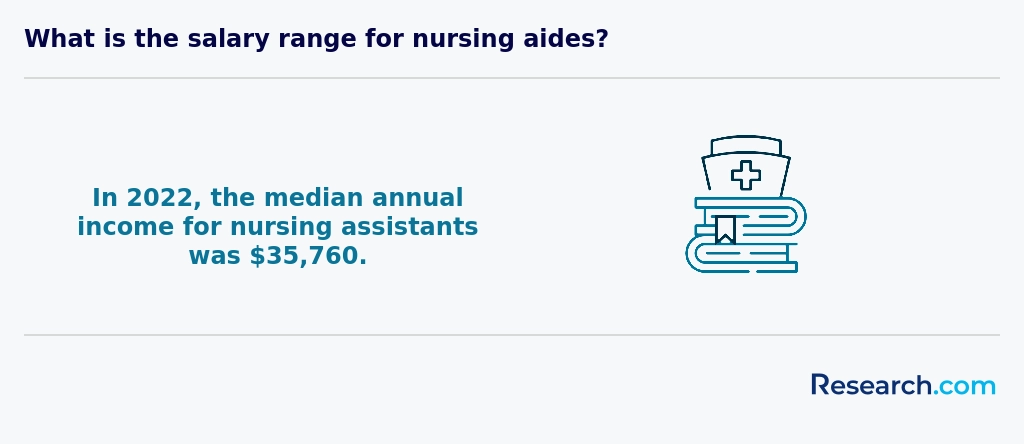
Graduates of online nursing degrees in America often find themselves exploring diverse career paths. Many pursue roles as registered nurses (RNs), a common entry-level position with a median salary around $77,600, according to 2022 data. Some graduates from well-known institutions like the University of Pennsylvania or Johns Hopkins report feeling confident stepping into clinical settings, appreciating the flexibility their online education provided as they balanced work and study.
For those aiming higher, advanced programs such as online Master of Science in Nursing (MSN) open doors to careers as Nurse Practitioners or Clinical Nurse Specialists. These paths often involve responsibility for direct patient care or healthcare innovation, with salaries frequently exceeding six figures in some states. Positive testimonials from graduates of programs at Arizona State University suggest these roles offer both significant professional satisfaction and financial reward, highlighting the importance of specialization in nursing degree job outlook in America.
Others leverage their degrees toward healthcare administration or education, addressing workforce shortages in both hospital management and nursing schools. An increasing number of nurses engage with innovative roles in health informatics, where technical skills complement clinical knowledge. Students interested in flexible pathways might also explore easiest online degree programs tailored to their needs, broadening opportunities while managing life demands.
What is the job market for online nursing degree in America?
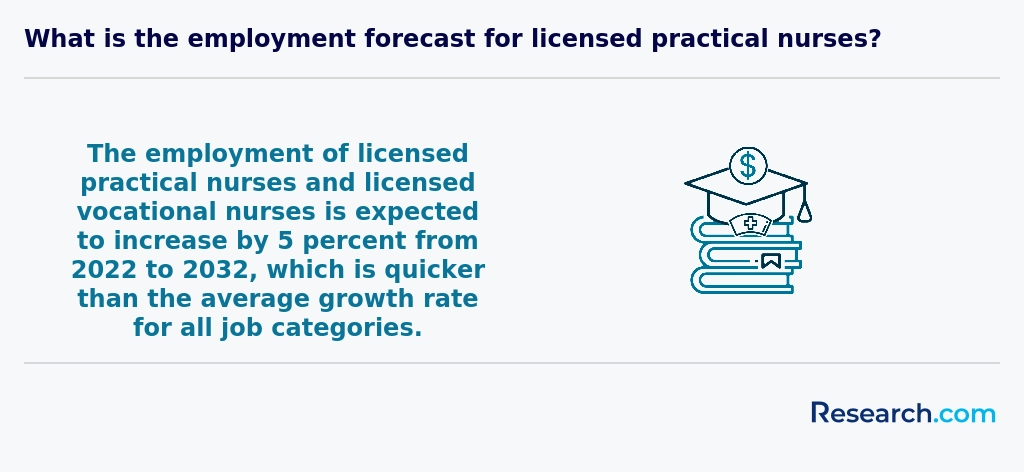
The job market for online nursing degrees in America shows encouraging growth, with strong demand driven by an aging population and expanding healthcare services. Graduates from popular programs at well-known institutions report that their credentials open doors to diverse roles such as Registered Nurse (RN) or Nurse Practitioner (NP). These roles are not only widely recognized but also offer competitive wages, especially in states where healthcare facilities embrace telehealth, expanding nursing positions in virtual settings. This favorable job outlook for online nursing degrees USA is underscored by graduates who find opportunities in rural and underserved areas, where nurse shortages make their skills particularly valuable.
Many graduates from established nursing schools appreciate how online degrees offer the flexibility to advance careers without sacrificing family or work commitments. Though licensing requirements vary by state, accredited online programs maintain parity with traditional degrees, reassuring many employers of graduates' qualifications. For those seeking an accelerated path, exploring options such as the quickest cheapest masters degree can be a practical next step.
Frequently Asked Questions About nursing
Online nursing degree students in America can maximize their learning experience by actively engaging with course materials and faculty. Studies show that consistent interaction with instructors improves knowledge retention and clinical skills development. Utilizing virtual simulation labs is crucial, as the American Association of Colleges of Nursing highlights their value in practicing real-world scenarios safely.
Time management also plays a vital role; setting a dedicated study schedule enhances focus and reduces stress. Joining online study groups or professional nursing forums fosters peer support and knowledge exchange, which research links to higher academic success rates.
Finally, students should seek accredited programs recognized by bodies like the Commission on Collegiate Nursing Education to ensure quality education and eligibility for licensure.
Emerging niches within the nursing field reflect evolving healthcare needs and technology advancements. One growing area is nurse informatics, combining nursing science with information technology to improve patient care. The U.S. Bureau of Labor Statistics (BLS) projects this specialty to grow 9% from 2022 to 2032.
Another expanding field is gerontological nursing, focused on caring for America's aging population. With over 16% of the U.S. population aged 65 or older in 2023, demand for nurses specialized in elderly care is rising sharply.
Additionally, nurse practitioners in psychiatric mental health are in high demand due to increased awareness of mental health. The American Association of Nurse Practitioners reports a 30% growth in this role between 2020 and 2030.
These niches provide dynamic opportunities for online nursing degree students aiming to specialize in future-ready fields.
After earning an online nursing degree in America, preparing for the job market involves several important steps. First, obtain your nurse licensing by passing the NCLEX-RN exam, which is mandatory in all states. According to the National Council of State Boards of Nursing, the NCLEX pass rate for 2022 was approximately 87% for first-time test takers, highlighting its importance.
Next, build practical experience through internships, clinical placements, or volunteer work during your studies. Networking with healthcare professionals and joining nursing associations such as the American Nurses Association (ANA) can open career opportunities.
Additionally, tailoring your resume to highlight clinical skills and certifications enhances your employability. Staying informed about healthcare trends and continuing education is vital, as the U.S. Bureau of Labor Statistics projects a 9% growth in nursing jobs through 2032.
Employers in America prioritize a set of critical skills when hiring nursing degree graduates. Clinical competence is essential, encompassing proficiency in patient care, medication administration, and use of medical technologies. According to the American Association of Colleges of Nursing (AACN), strong communication skills rank highly, as nurses must effectively interact with patients, families, and healthcare teams.
Critical thinking and problem-solving abilities are also vital. Nurses often face complex, rapidly changing situations that require swift, sound decisions to ensure patient safety. Additionally, adaptability is important, given the evolving healthcare landscape and technologies.
Leadership and teamwork capabilities are increasingly valued, especially for nurses pursuing advanced roles. Finally, cultural competence and empathy are necessary in diverse US patient populations to provide respectful and effective care.
Finding internships relevant to a nursing degree in America requires a strategic approach. Many online nursing programs partner with healthcare facilities to offer clinical placements, which are often mandatory for degree completion. Students should inquire directly with their program advisors about these opportunities.
Additionally, the National Student Nurses' Association (NSNA) and state nursing boards provide listings and resources for internship placements tailored to nursing students. According to the Bureau of Labor Statistics, healthcare settings are the largest employers of nurses, making hospitals, clinics, and long-term care facilities ideal places to seek internships.
Networking through professional nursing organizations and using platforms like Handshake or Symplicity can also help locate internships. Early preparation, clear communication, and flexibility increase the chance of securing a position relevant to one's nursing career goals.
Obtaining an online nursing degree in America significantly enhances career mobility and advancement opportunities. According to the U.S. Bureau of Labor Statistics (BLS), registered nurses with advanced degrees, such as a Master of Science in Nursing (MSN), often earn higher salaries and have greater eligibility for leadership roles.
Online programs allow working nurses to pursue education without interrupting their careers, making it easier to qualify for specialized positions such as nurse practitioners or clinical nurse specialists. As of 2023, about 25% of all nursing degrees in the U.S. are earned online, reflecting growing acceptance by employers.
Furthermore, many states require advanced degrees for specific nursing licenses, which improves job prospects across different healthcare settings, from hospitals to community clinics. This flexibility supports nurses aiming for managerial or educational roles, contributing to long-term career growth.
Studying for a nursing degree in America equips students with skills essential for interdisciplinary healthcare teams. The curriculum often integrates courses in leadership, communication, and healthcare policy, preparing graduates to collaborate effectively with doctors, therapists, and social workers. According to the American Association of Colleges of Nursing (AACN), over 80% of nursing programs include interprofessional education components that simulate real-world clinical settings.
These programs emphasize critical thinking and patient-centered care, which are vital when working across specialties. Additionally, online nursing degrees typically provide flexibility for students to engage with diverse healthcare environments, enhancing adaptability. This training supports roles in case management, health informatics, and collaborative practice, all growing fields in the U.S. healthcare system.
Choosing between a thesis and a non-thesis nursing degree in America depends on your career goals and time commitment. A thesis program involves original research and is ideal if you plan to pursue a PhD or work in academia. It typically requires more time, often extending your degree by several months.
Non-thesis programs focus on practical skills and coursework, preparing students for advanced clinical roles or leadership positions. According to the American Association of Colleges of Nursing (AACN), most online nursing programs lean toward non-thesis options for flexibility and faster completion.
Consider your professional goals and the demands of each path when deciding. A thesis can enhance research skills, while non-thesis supports immediate clinical advancement.
Students based in America interested in studying nursing abroad have several online options, though the choices are limited compared to domestic programs. Many U.S. accredited institutions offer online degrees with international clinical placements or partnerships, allowing students to gain experience abroad while earning a recognized American degree.
Alternatively, some foreign universities provide online nursing degrees that accept U.S. applicants; however, students should verify accreditation and eligibility for U.S. licensure. According to the National Council of State Boards of Nursing (NCSBN), graduates must meet specific requirements to sit for the NCLEX exam, essential for nursing practice in the U.S.
Programs vary in structure, but students often need to complete hands-on clinical training locally or at approved international sites. The American Association of Colleges of Nursing highlights that online nursing education enrollment increased by 5.9% in 2022, showing growth in flexible study options, including those with international components.
Part-time job opportunities that complement nursing degree education in America often include roles such as medical assistants, home health aides, and patient care technicians. These positions provide valuable hands-on experience and help build clinical skills while students continue their studies. According to the U.S. Bureau of Labor Statistics, home health aide employment is expected to grow 11% from 2022 to 2032, indicating strong job availability.
Other flexible roles include medical transcriptionist and pharmacy technician jobs, which enhance understanding of healthcare documentation and medication management. Many students find work in community health centers or outpatient clinics, balancing work schedules with online coursework effectively.
Online nursing students in America have access to a variety of networking opportunities designed to support their professional growth. Many programs include virtual discussion boards and group projects that encourage interaction among peers from diverse backgrounds. According to the American Association of Colleges of Nursing (AACN), 70% of online students report meaningful connections through these platforms.
Additionally, students can participate in nursing organizations such as the American Nurses Association (ANA) and state-level groups, which often offer online events and webinars. These memberships provide access to mentors, job boards, and professional development resources tailored to nursing.
Many universities also host virtual career fairs and alumni networking sessions, facilitating direct contact with healthcare employers nationwide.
Alumni networks play a significant role in supporting online nursing degree students in America. They offer valuable professional connections that can lead to job opportunities, mentorship, and career advancement. According to the American Association of Colleges of Nursing (AACN), 70% of nursing professionals find their first job through networking. Alumni groups also provide access to workshops, webinars, and industry updates, helping students stay current with evolving healthcare practices.
These networks foster a sense of community, reducing the isolation often felt in online learning environments. Many universities facilitate local or virtual alumni chapters, making ongoing engagement easier and more meaningful.
Customizing an online nursing degree program in America allows students to align their education with specific career aspirations. Many programs offer various specializations such as family nursing, nurse anesthesia, or healthcare administration, enabling targeted skill development. According to the American Association of Colleges of Nursing, over 75% of online MSN programs include elective courses tailored to student goals.
Students can often choose clinical placement sites that complement their interests and geographic location. Part-time and accelerated schedules provide flexibility, accommodating working professionals. Additionally, some programs incorporate leadership or research project opportunities, helping students build experience relevant to roles in management or academia.
Understanding your career goals early helps optimize course selection and clinical experiences for maximum impact.
Online nursing students in America often face several challenges that can affect their academic success. One major hurdle is balancing clinical practice requirements with remote coursework. The American Association of Colleges of Nursing (AACN) notes that most programs require in-person clinical hours, which can clash with students' personal and professional obligations.
Technical issues also pose difficulties; students need reliable internet and a suitable workspace to complete assignments and attend virtual classes. According to a 2023 National Center for Education Statistics report, nearly 15% of online nursing students encounter connectivity problems.
Finally, limited opportunities for peer interaction and mentorship can impact motivation and learning quality.
With an online nursing degree in the United States, graduates can pursue a variety of professional certifications that enhance career opportunities. Common certifications include the Certified Nurse Practitioner (CNP), Certified Nurse Educator (CNE), and Certified Nurse Midwife (CNM), each requiring advanced education and clinical experience. Registered Nurses (RNs) often seek the Certified Registered Nurse Anesthetist (CRNA) credential.
Specialty certifications are also popular, such as the Oncology Certified Nurse (OCN) or the Pediatric Nurse Certification (CPN). According to the American Nurses Credentialing Center, over 70,000 nurses hold such certifications nationwide, reflecting the growing demand for specialized skills.
These professional credentials validate expertise and can lead to higher salaries and leadership roles within healthcare settings.
Writing a winning application for an online nursing program in America requires clear demonstration of your commitment to the nursing profession. Start by carefully reviewing each program's prerequisites and ensuring you meet academic and clinical experience requirements.
Strong letters of recommendation, ideally from healthcare professionals or nursing faculty, greatly enhance your application. According to the American Association of Colleges of Nursing (AACN), programs value evidence of leadership, critical thinking, and patient care skills.
Your personal statement should clearly explain your motivation for pursuing nursing, goals, and how the online format fits your career plans. Highlight relevant work or volunteer experience, especially in clinical settings.
Finally, maintain a competitive GPA; AACN data shows successful applicants typically have GPAs above 3.0. Proofreading and adherence to application guidelines can make a significant difference.
Nursing is widely recognized as a vital profession globally, with growing demand due to aging populations and healthcare challenges. In the United States, the Bureau of Labor Statistics projects a 9% growth in registered nursing employment from 2022 to 2032, faster than average for all occupations. This reflects global trends where skilled nursing professionals are crucial to improving patient outcomes.
Many countries emphasize advanced education and specialization, echoing the American focus on Master's and Doctorate degrees for career advancement. International collaboration in nursing education also fosters a broader understanding of healthcare delivery and cultural competence. For US students, pursuing an online nursing degree aligns with global priorities of flexible, high-quality training that meets current healthcare needs.
Gaining practical experience while studying for an online nursing degree in America is essential and commonly achieved through clinical placements. Many accredited programs partner with local healthcare facilities to arrange supervised clinical hours required for licensure.
Students typically complete between 500 to 900 clinical hours, depending on program requirements and state regulations, in settings such as hospitals, clinics, or long-term care facilities. These hands-on experiences help develop critical nursing skills in real-world environments.
Additionally, some programs offer simulation labs or virtual simulations to supplement clinical hours, providing safe and controlled practice opportunities. The American Association of Colleges of Nursing (AACN) notes that a hybrid model combining online coursework with local clinical rotations is widely accepted and effective for online nursing students.
Choosing the right concentration within an online nursing degree program in America involves assessing your career goals and the current demand in the nursing workforce. Popular concentrations include nurse practitioner, nurse educator, and nurse administrator. According to the U.S. Bureau of Labor Statistics, employment for nurse practitioners is expected to grow 40% from 2021 to 2031, signaling strong job prospects in this area.
Consider your interests and strengths alongside job market trends. Research accreditation of programs through organizations like the Commission on Collegiate Nursing Education (CCNE) to ensure quality education.
Review state licensing requirements if you plan to work in a specific state, as these can influence which concentrations are most practical. Finally, examine faculty expertise and available clinical placement support within the online program to match your educational needs.
Top Trending Nursing Rankings
See What Experts Have To Say About Studying Nursing
Read our interview with Nursing experts


References
- From our readers…Strengthening nursing networks https://www.myamericannurse.com/from-our-readersstrengthening-nursing-networks/
- Apply to the Nurse Corps Scholarship Program https://bhw.hrsa.gov/programs/nurse-corps/scholarship/apply
- Top Nursing Scholarships 2026: Free Money to Pay for Nursing School https://www.fastweb.com/college-scholarships/articles/nursing-scholarships
- Nursing School - Online Nursing Degrees | Aspen University https://www.aspen.edu/nursing/
- Top Skills Employers Want in Practical Nursing Graduates https://vervecollege.edu/what-employers-look-for-in-practical-nursing-graduates/
- Tips for Creating a Perfect Nursing School Application https://www.allnursingschools.com/articles/how-to-create-the-perfect-nursing-school-application/
- Search Nursing Jobs - ANA Career Center https://jobs.ana.org/
- Nursing Internships: Benefits, Opportunities & Tips | Maryville Nursing https://nursing.maryville.edu/blog/nursing-internships-benefits-tips
- How to Choose a Nursing Program: A Comprehensive Guide - Madonna ABSN https://absn.madonna.edu/blog/how-to-choose-a-nursing-program/
- Online Nursing Prerequisites: Complete Guide & Cost Savings | StraighterLine https://www.straighterline.com/blog/which-online-nursing-prerequisites-should-you-take-online


