
2027 Easiest Online Nursing Degree Programs Ranking in Ohio

Co-Founder and Chief Data Scientist
Are you considering pursuing a nursing degree online in Ohio? This article introduces the 2027 Easiest Online Nursing Degree Programs Ranking in Ohio, created by the Research.com team of data scientists to guide you in finding the best programs that match your needs.
Choosing the right nursing program can feel overwhelming, but this ranking simplifies the process by highlighting accessible and reputable options. Earning a nursing degree opens doors to a rewarding career where you can make a real difference in people's lives. Dive in to discover programs that fit your goals and lifestyle.
Key benefits of getting online nursing degree in Ohio
- Graduates with a nursing degree in Ohio can expect competitive salaries, such as a Registered Nurse earning a mean annual wage of $94,480 and an Operating Room Nurse making around $128,490.
- Certain career paths include becoming a Clinical Nurse Educator, Public Health Nurse, or Emergency Room Nurse, offering diverse opportunities to grow and specialize after graduation.
- Completing a nursing degree online from Ohio universities offers flexibility to balance life and studies, often allowing faster completion compared to traditional programs, making it ideal for busy adults.
- Key benefits of getting online nursing degree in Ohio
- What can I expect from online nursing degree in Ohio?
- Where can I work with online nursing degree in Ohio?
- How much can I make with online nursing degree in Ohio?
- 2027 Easiest Online Nursing Degree Programs Ranking in Ohio
- Key Findings
- How long does it take to complete online nursing degree in Ohio?
- Continuing Education and Advanced Nursing Degrees
- What's the difference between online and on-campus nursing degree?
- Accreditation and NCLEX Pass Rates
- What is the average cost of online nursing degree in Ohio?
- Accreditation and Licensure Requirements
- What financial aid is available to online nursing degree students in Ohio?
- Most Affordable Online Nursing Degree Programs in Ohio
- What are the prerequisites for enrolling in online nursing degree program in Ohio?
- Accreditation and NCLEX Success Rates
- What courses are typically in online nursing degree programs in Ohio?
- What types of specializations are available in online nursing degree programs in Ohio?
- How do you choose the best online nursing degree in Ohio?
- What career paths are available for online nursing degree students in Ohio?
- What is the job market for online nursing degree in Ohio?
- Related Nursing Rankings for Nearby States
- Top Trending Nursing Rankings
- See What Experts Have To Say About Studying Nursing
What can I expect from online nursing degree in Ohio?
The average cost of an online nursing degree in Ohio typically ranges from $10,000 to $40,000 depending on the level and institution. Graduates from well-known schools like Ohio State University or Kent State often recall balancing their budgets carefully while appreciating the flexible payment options offered. Many find that financial aid, scholarships, and employer tuition reimbursements significantly ease the financial burden, making the investment feel more achievable and worthwhile.
One graduate described the mix of excitement and cautious optimism they felt starting their Bachelor of Science in Nursing online program at Cleveland State University, knowing the cost was a challenge but that the convenience allowed them to work simultaneously. Another noted how the relatively moderate tuition compared to on-campus programs gave them peace of mind, allowing focus on the demanding coursework rather than financial stress.
Looking ahead, emerging trends suggest that Ohio's online nursing programs may grow more affordable due to increased competition and state funding incentives, benefiting future students eager for accessible education without compromising quality.
Where can I work with online nursing degree in Ohio?
Graduates from online nursing programs at popular Ohio institutions often discover diverse career opportunities across the state's healthcare landscape. Many find rewarding roles in hospitals or outpatient clinics, where their skills directly impact patient care. Some reflect on starting their careers in long-term care facilities, providing compassionate support to elderly patients in familiar Ohio communities.
Others embrace the flexibility offered by telehealth nursing, especially after experiencing the rapid growth in remote care during the pandemic. Working from home while connecting with patients across both urban Columbus and rural Appalachian counties creates a fulfilling balance of technology and compassion.
Many online nursing graduates also advance into specialized areas such as home health care, meeting the increasing demand to serve Ohio's aging population in their own homes. Others pursue further certifications from colleges like Ohio State or University of Cincinnati to become nurse practitioners or clinical nurse specialists, opening doors to leadership roles.
Furthermore, some graduates find joy in non-clinical paths, like nursing education or healthcare administration, contributing to the profession by shaping future nurses or improving healthcare systems statewide.
How much can I make with online nursing degree in Ohio?
Graduates with an online nursing degree in Ohio can anticipate strong earning prospects, especially when considering data from the U.S. Bureau of Labor Statistics. Registered Nurses (RNs) typically earn a mean annual wage of around $94,480. For many graduates from schools like Ohio State University or the University of Cincinnati, this translates into a rewarding starting salary that grows with experience.
Those who specialize as Clinical Nurse Educators, Public Health Nurses, or Emergency Room Nurses in Ohio benefit from similar salary levels, all averaging $94,480 yearly. This reinforces the value of advanced skills and the growing demand for nursing expertise in various healthcare environments across metropolitan hubs like Columbus and Cleveland.
Emerging career paths such as Operating Room Nurses stand out with notably higher pay, earning an average of $128,490 annually. Online students envisioning this trajectory often feel enthusiastic about their ability to make an impact while securing financial stability.
Many graduates share stories of how flexible online programs enabled them to balance family or work while advancing into these lucrative roles, affirming the positive emotions tied to pursuing nursing in Ohio's evolving healthcare landscape.
2027 Easiest Online Nursing Degree Programs Ranking in Ohio
How do we rank schools?
Investing in your education is a significant decision that can deeply impact your professional and personal future, and the Research.com team recognizes the importance of providing accurate and trustworthy information. To support prospective nursing students in Ohio, we have carefully developed the "2027 Easiest Online Nursing Degree Programs Ranking." Our dedication to quality, credibility, and precision is evident in the thorough research and analysis that underpin this ranking.
We utilized the following reputable data sources to ensure a comprehensive evaluation of nursing programs:
By exploring this ranking, readers gain valuable insights into accessible online nursing degree programs in Ohio, empowering them to make well-informed decisions that align with their goals. For further information on how this ranking was created, please visit our Research.com methodology page.





# 19 position
Shawnee State University
Nursing - RN to BSN


Key Findings
- Ohio offers online nursing programs from LPN certificates to BSN and MSN degrees, many approved by the Ohio Board of Nursing.
- Tuition for online BSN programs at public universities ranges from $8,000 to $12,000 per year, while private schools can charge over $20,000 annually.
- LPN programs in Ohio usually cost under $7,000, providing a more affordable entry into nursing education.
- The median RN salary in Ohio is about $65,000, with entry-level nurses earning $50,000 to $55,000 and experienced nurses making over $80,000.
- Ohio nursing employment is projected to grow 12% through 2030, faster than the national average.
- Online students must complete clinical hours at local approved healthcare sites, as hands-on experience cannot be done entirely online.
How long does it take to complete online nursing degree in Ohio?
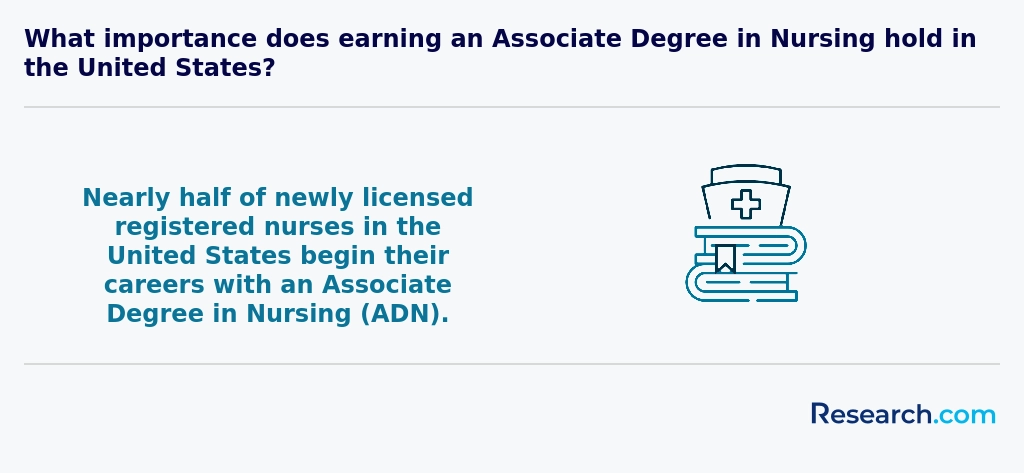
Completing an online nursing degree in Ohio typically varies from two to four years, depending on the program and prior education. Graduates from Ohio State University often describe balancing online coursework with onsite clinical hours, which can extend their timeline but enrich practical skills essential for real-world nursing. For many, an Associate Degree in Nursing (ADN) takes two to three years, blending flexibility with required hands-on experience that Ohio's nursing board mandates.
Students pursuing a Bachelor of Science in Nursing (BSN) from institutions like Wright State University might complete their studies in three to four years. Accelerated options, available to those with non-nursing bachelor's degrees, have made it possible to graduate in as little as 12 to 18 months, helping busy adults advance quickly and confidently in their careers.
Ohio nurses advancing via RN to BSN programs celebrate the 12 to 24-month journey, appreciating the recognition of their professional experience and the seamless mix of virtual and clinical training. The evolving landscape promises even greater flexibility and speed without sacrificing quality, inspiring optimism among Ohio's nursing students.
Continuing Education and Advanced Nursing Degrees
Ohio-educated nurses seeking career advancement can benefit greatly from structured continuing education and advanced degrees. Building on a Bachelor of Science in Nursing (BSN), pursuing a Master of Science in Nursing (MSN) or Doctor of Nursing Practice (DNP) opens doors to leadership, specialized practice, and higher earning potential. Many employers in Ohio now prefer-or require-advanced credentials for roles such as nurse practitioner, clinical nurse specialist, and nurse educator, making postgraduate study a strategic investment in long-term career growth. For RNs ready to elevate their practice, accredited online programs offer flexibility without sacrificing quality. Research indicates that MSN graduates in Ohio see an average salary increase of 20% over BSN-prepared peers, especially in high-demand specialties like family practice, psychiatric mental health, and nurse anesthesia. To explore top-ranked pathways and specializations, consider our curated list of online msn programs, where you can compare curriculum structure, accreditation status, and clinical placement support. Beyond the MSN, Ohio’s Board of Nursing recognizes the DNP as the terminal degree for clinical practice, with concentrations in leadership, informatics, and population health. Postgraduate certificate programs-such as nurse educator or nurse executive tracks-also enable targeted skill development in 12 to 18 months. Maintaining licensure requires completing 24 contact hours of continuing education every two years; topics range from evidence-based practice to opioid stewardship, ensuring that Ohio nurses stay current with evolving standards of care. By integrating advanced degree planning into your professional journey, you can leverage the flexibility of online formats and Ohio’s robust continuing education offerings to achieve specialized roles, higher compensation, and greater influence within healthcare teams.
What's the difference between online and on-campus nursing degree?
In Ohio, the difference between online and on-campus nursing degrees centers on flexibility and experience. Graduates from Ohio University often describe online programs as a lifeline, allowing them to juggle family or jobs while attending asynchronous classes at their own pace. This flexibility contrasts with traditional students at Kent State University, who value the routine of in-person lectures and immediate access to campus labs.
Both paths require clinical hours at local healthcare facilities, ensuring hands-on skills remain central regardless of study mode. One graduate fondly recalls arranging clinical rotations close to home while completing theory online, which made balancing responsibilities manageable.
Cost-wise, online students appreciate savings on commuting and housing, though Ohio's tuition rates remain similar. Still, the ease of accessing coursework digitally and connecting virtually with peers creates a sense of community that many find encouraging.
As technology evolves, future Ohio nursing students may benefit from blended approaches that combine the best of both worlds, enhancing practical training while keeping schedules flexible and affordable.
Accreditation and NCLEX Pass Rates
Accreditation is the cornerstone of any reputable online nursing program in Ohio, ensuring that your degree meets state and national standards for quality, rigor, and clinical preparation. All programs featured in our 2025 ranking hold accreditation from the Commission on Collegiate Nursing Education (CCNE) or the Accreditation Commission for Education in Nursing (ACEN), both recognized by the U.S. Department of Education. Accreditation confirms that curricula align with evidence-based practice, nursing ethics, and evolving healthcare technologies-key factors in preparing graduates for the NCLEX-RN licensure exam. Most Ohio online BSN programs report first-time NCLEX pass rates above 90%, with top performers like Ohio State University and Kent State University exceeding 95%. ADN programs at community colleges, such as Columbus State Community College, maintain pass rates between 85% and 90%, reflecting strong foundational training. When evaluating a program, verify:
- CCNE or ACEN accreditation status confirmed on the program’s website
- State Board of Nursing approval for Ohio licensure eligibility
- Published NCLEX-RN first-time pass rates over the past three years
- Access to virtual simulation labs and local clinical partnerships
What is the average cost of online nursing degree in Ohio?
The average cost of an online nursing degree in Ohio generally centers around $29,000, reflecting median tuition figures that balance affordability with quality education. Graduates from well-known Ohio universities often share how this investment felt manageable when weighed against the flexibility and career opportunities their online programs offered. For instance, students pursuing a Bachelor of Science in Nursing online at institutions like Kent State or Ohio University frequently emphasize the value found in in-state tuition rates coupled with solid clinical training components.
Ohio online nursing program tuition fees can vary, but many students appreciate that studying in-state helps keep costs significantly lower, compared to out-of-state options. This accessibility encourages diverse learners to advance their careers without overwhelming financial burdens. Some RN to BSN students recall how applying transfer credits reduced their credit requirements, allowing them to finish faster and save thousands, reflecting a positive trend toward more affordable, flexible nursing education.
In fact, for those seeking an affordable nursing school in ohio, the evolving landscape of online programs often includes additional support such as scholarships, employer tuition reimbursement, and financial aid, making the overall investment less daunting. Planning ahead for typical expenses like technology fees and exam costs also helps students budget effectively, ensuring a smoother path to licensure and long-term career success.
Accreditation and Licensure Requirements
Ensuring that an online nursing degree program holds proper accreditation and aligns with Ohio Board of Nursing licensure standards is essential for both academic quality and career readiness. Accredited programs demonstrate adherence to rigorous curricula, qualified faculty, and robust clinical partnerships-factors that not only prepare graduates for the NCLEX-RN exam but also bolster employability across hospitals, clinics, and community health settings. Most reputable Ohio institutions are accredited by the Commission on Collegiate Nursing Education (CCNE) or the Accreditation Commission for Education in Nursing (ACEN). Prospective students should verify program status on the CCNE or ACEN directories and confirm state approval via the Ohio Board of Nursing. For instance, a CCNE-accredited Bachelor of Science in Nursing (BSN) program generally guarantees that course content, clinical hours, and faculty credentials meet national benchmarks. Licensure prerequisites vary by credential level. ADN and BSN graduates must pass the NCLEX-RN, while diploma-level and practical nursing programs prepare students for the NCLEX-PN. Those considering a transition from LPN to RN should explore a well-structured LPN-to-RN bridge that ensures clinical competencies, such as the best rated online lpn program offerings, which align with licensure exam requirements and seamless credit transfer. Before enrolling, confirm the following: • Program’s accreditation body (CCNE or ACEN) • Ohio Board of Nursing approval and reported NCLEX pass rates • Clinical placement support and affiliated healthcare sites • Transfer policies for prior credits or LPN licensure By prioritizing accredited programs with clear licensure pathways, students can confidently invest in an education that meets state and national standards-ultimately securing a nursing career with recognized credentials and wide-ranging employment options.
What financial aid is available to online nursing degree students in Ohio?
Ohio nursing students pursuing their degrees online frequently rely on a combination of financial aid options to ease their educational expenses. Graduates from institutions like Ohio State University and Kent State University often recount how completing the FAFSA unlocked Pell Grants, which cover significant tuition portions without requiring repayment. These grants can provide up to $7,395 annually, directly lowering the financial stress of nursing school.
Beyond federal aid, the Ohio College Opportunity Grant offers targeted support for residents enrolled in state-affiliated online nursing programs, sometimes covering thousands of dollars based on financial need. Many nursing students share stories of how this state grant made pursuing advanced degrees possible without overwhelming debt.
Additional scholarships from organizations such as the Ohio Nurses Foundation frequently reward commitment to healthcare careers, especially in rural regions where demand is highest. Nurses working in Ohio hospitals also often benefit from employer tuition reimbursement programs, further fueling their motivation and financial feasibility to advance.
Looking forward, ongoing innovations in loan forgiveness programs and employer partnerships may expand even more accessible financial aid pathways for future Ohio nursing students, empowering a new generation of caregivers.
Most Affordable Online Nursing Degree Programs in Ohio
When considering an online nursing degree in Ohio, one of the most critical factors to consider is affordability. With the rising cost of higher education, it's essential to find a program that fits your budget and provides value for your investment. Fortunately, there are many affordable online nursing degree programs in Ohio that can help you achieve your career goals without breaking the bank. For instance, if you're looking for an affordable nursing school in ohio, you can explore options like Ohio State University's online nursing program, which offers a range of specializations and a competitive tuition rate. By researching and comparing different programs, you can find an affordable online nursing degree that meets your needs and helps you succeed in your career.
What are the prerequisites for enrolling in online nursing degree program in Ohio?
To enroll in an online nursing degree in Ohio, students typically need a high school diploma or GED as the foundational step. Graduates from programs at popular schools like Ohio State University and University of Cincinnati often recall how completing prerequisite courses in biology, chemistry, microbiology, and mathematics helped build their confidence before starting nursing classes. These courses set the stage for success and are usually required by most Ohio nursing programs.
For those beginning with an RN-to-BSN bridge program, holding an active, unrestricted Ohio RN license is crucial. Many students shared how this credential combined with clinical experience eased their transition to higher degrees while juggling work and life commitments.
Increasingly, schools in Ohio are adopting test-optional admission policies, focusing more on prerequisite grades and practical readiness rather than standardized tests like the ACT or SAT. This shift makes entry more accessible and helps applicants feel recognized for their real-world potential.
Furthermore, background checks and drug screenings remain mandatory due to clinical placement requirements mandated by the Ohio Board of Nursing, ensuring readiness for hands-on learning environments even within online formats.

Accreditation and NCLEX Success Rates
Accreditation ensures your online nursing degree meets industry standards and prepares you for Ohio licensure and clinical practice.
- Look for CCNE or ACEN accreditation, a mark of curriculum quality and student support.
- Verify Ohio Board of Nursing approval to qualify for the NCLEX-RN exam.
- Compare NCLEX-RN pass rates-leading Ohio programs report between 85% and 98%.
- Access detailed pass-rate data on school websites or the Ohio Board’s annual reports.
- Consider programs like nursing programs with high acceptance rates that balance accessibility with strong licensure outcomes.
What courses are typically in online nursing degree programs in Ohio?
Ohio's online nursing degrees typically include courses that blend foundational sciences with practical nursing expertise, reflecting standards from the Ohio Board of Nursing and accrediting bodies like the CCNE. Graduates from popular institutions such as Ohio State University and Kent State often share how early courses in anatomy, physiology, and microbiology laid a vital groundwork, helping them visualize patient care beyond textbooks. These foundational studies feel especially relevant when they encounter clinical simulations.
The majority of the curriculum revolves around essential nursing subjects, including pharmacology, health assessment, and specialized care areas like pediatric and mental health nursing. Many find that courses on community health and leadership build confidence to manage real healthcare environments. For example, online learners at the University of Cincinnati describe virtual labs combined with in-person clinical rotations as empowering bridges between theory and hands-on practice.
Ohio students also engage in thorough NCLEX-RN preparatory content, often via interactive platforms. This balanced mix supports a smooth transition to licensure while accommodating the busy schedules of working adults pursuing their degrees.
What types of specializations are available in online nursing degree programs in Ohio?
Online nursing specializations in Ohio typically include pathways that align closely with the state's healthcare demands, such as Family Nurse Practitioner and Adult-Gerontology Acute Care Nurse Practitioner. Graduates from well-known Ohio universities often share how focusing on these areas online enabled them to balance work and study while responding to urgent rural primary care needs or acute patient care in local hospitals. They describe feeling empowered by gaining skills directly relevant to Ohio's population, especially with the rise of mental health initiatives, making Psychiatric-Mental Health Nurse Practitioner tracks increasingly sought-after.
Ohio nursing degree specialization options also often offer Nurse Educator and Leadership programs, helping nurses transition into teaching or administrative roles crucial for the state's expanding healthcare system. For students appreciating flexibility without sacrificing quality, many credit online programs for allowing them to customize their careers with relevant focus areas. Those exploring foundational nursing routes might start with an RN to BSN program, leveraging opportunities in Ohio's public health sectors.
Prospective students curious about broader options can find guidance through resources highlighting the best rated online lpn program and other pathways that fit their evolving professional goals.
How do you choose the best online nursing degree in Ohio?
When choosing the best online nursing degree in Ohio, graduates often emphasize the importance of selecting programs with strong statewide clinical partnerships that allow flexible, hands-on experiences. Many find that schools like those affiliated with major Ohio universities provide diverse clinical placements crucial for real-world skill development. The best accredited online nursing programs Ohio also maintain high NCLEX pass rates, reflecting a curriculum that truly prepares students for nursing practice. Cost is another key factor; some graduates share how affordable online nursing degrees Ohio helped them balance quality education without overwhelming debt, especially when supported by scholarships or financial aid.
Looking ahead, prospective students might explore evolving program models that integrate advanced technology and personalized learning paths. For those aiming to advance further, considering online msn programs can open doors to leadership roles in nursing. Graduates often describe the satisfaction of balancing demanding schedules while benefiting from strong faculty support and intuitive online platforms, making education manageable and rewarding.

What career paths are available for online nursing degree students in Ohio?
Graduates of online nursing degrees in Ohio step into a range of rewarding career paths shaped by state-specific needs and evolving healthcare trends. Many become Registered Nurses, experiencing the fulfillment of providing direct care in urban hospitals or rural clinics, often balancing work and family thanks to the flexibility of Ohio's well-regarded programs. Others pursue roles as Licensed Practical Nurses, finding satisfaction in closely supporting both patients and healthcare teams. Advanced options like Nurse Practitioner or Clinical Nurse Specialist attract graduates passionate about autonomy and specialized care, especially within Ohio's aging population.
Students from top institutions such as Ohio State University and University of Cincinnati often share how their education prepared them for diverse environments, from emergency rooms to public health initiatives. The burgeoning demand in Ohio for specialties like geriatrics and pediatrics means these roles are especially promising for those embracing online nursing careers in Ohio. For those curious about affordable options statewide, explore the Cheapest Nursing Degree Programs Ranking in San Francisco, CA to compare accessible pathways.
What is the job market for online nursing degree in Ohio?
The job market for graduates with an online nursing degree in Ohio shows great promise, with graduates from popular institutions such as Ohio State University and University of Cincinnati sharing stories of steady employment shortly after completing their programs. These students often express optimism, noting that Ohio's healthcare sector continues to expand, especially in hospitals and long-term care facilities, creating a variety of opportunities aligned with online nursing jobs in Ohio.
Many graduates highlight the flexibility of online programs that allowed them to gain work experience simultaneously, helping them transition smoothly into roles like registered nurse or nurse practitioner. Several have found their credentials highly regarded by employers, particularly when combined with meeting Ohio Board of Nursing licensing standards.
Those considering further advancement often explore options aligned with what phd does not require a dissertation, appreciating the ability to deepen expertise without sacrificing time or income. As Ohio nursing degree employment outlook remains positive, pursuing affordable, accredited programs in the state can be a rewarding step toward a sustainable and fulfilling nursing career.
Frequently Asked Questions About nursing
Online nursing degree students in Ohio can maximize their learning experience by actively engaging with coursework and clinical components. Utilizing Ohio Board of Nursing resources helps ensure they meet state licensure requirements. Participating in virtual study groups and discussion forums can enhance understanding and foster professional connections. Ohio's demand for nurses is growing, with the Ohio Department of Job and Family Services projecting a 15% increase in nursing jobs through 2030, highlighting the importance of practical skills. Students should seek programs accredited by the Commission on Collegiate Nursing Education (CCNE) or Accreditation Commission for Education in Nursing (ACEN) to guarantee quality education and eligibility for licensure exams.
Emerging niches within the nursing field in Ohio are responding to specialized healthcare needs and advances in technology. One rapidly growing area is telehealth nursing, which supports remote patient care and has expanded significantly due to the COVID-19 pandemic. According to the Ohio Board of Nursing, telehealth roles are expected to grow by over 20% through 2027.
Another promising niche is gerontological nursing, driven by Ohio's aging population. The U.S. Census Bureau indicates that by 2030, nearly 20% of Ohio's residents will be 65 or older, increasing demand for nurses skilled in elder care.
Additionally, forensic nursing is gaining recognition, combining healthcare with criminal justice. This specialization addresses Ohio's need for professionals trained in evidence collection and victim support after trauma. Online nursing degrees in Ohio are increasingly incorporating such emerging specialties, offering flexible pathways for students to enter these fields.
After completing an online nursing degree in Ohio, preparing for the job market involves multiple key steps. First, graduates must pass the NCLEX-RN exam to obtain licensure, a requirement overseen by the Ohio Board of Nursing. According to the Ohio Department of Higher Education, about 85% of nursing graduates pass this exam on their first attempt.
Next, building a professional network through Ohio-based nursing associations can improve job prospects. The Ohio Nurses Association offers resources and local connections.
Gaining experience via clinical rotations or internships is valuable, even post-graduation. Additionally, developing strong communication and technical skills aligns with the state's growing demand for telehealth nursing roles.
Employers in Ohio prioritize both technical and interpersonal skills when hiring nursing graduates, especially those completing online programs. Strong clinical competence is essential, including proficiency in patient care, medication administration, and knowledge of state-specific healthcare regulations. According to the Ohio Board of Nursing, graduates must also demonstrate critical thinking skills and the ability to adapt quickly in fast-paced environments.
Communication skills rank highly, as nurses frequently liaise between patients, families, and healthcare teams. Empathy and cultural sensitivity are especially important due to Ohio's diverse population.
Additionally, familiarity with electronic health records (EHR) systems is increasingly required, reflecting the shift toward digital healthcare management in Ohio hospitals and clinics.
Finding nursing internships in Ohio requires a strategic approach combined with knowledge of the state's healthcare system. Start by exploring partnerships between online nursing programs and local hospitals or clinics, as many Ohio schools offer clinical placement assistance.
The Ohio Board of Nursing highlights that over 50 hospitals across the state participate in internship collaborations, offering hands-on experience critical for licensure and skill development.
Additionally, state resources like the Ohio Hospital Association and local health departments often post internship opportunities online. Networking with faculty advisors and joining professional nursing organizations such as the Ohio Nurses Association can also provide leads on available internships.
Lastly, early application is crucial since nursing internships in Ohio are competitive due to the state's large healthcare industry.
Obtaining an online nursing degree in Ohio significantly enhances career mobility and advancement opportunities. Ohio's healthcare sector is growing, with the Ohio Department of Job and Family Services projecting a 12% increase in registered nurse employment from 2020 to 2030. An accredited online degree, such as a BSN or MSN, meets Ohio Board of Nursing requirements, enabling graduates to pursue licensure and specialized certifications.
Online programs also offer flexibility, allowing working nurses to gain advanced qualifications without relocating or leaving their jobs. This flexibility supports transitions into leadership, nurse educator, or advanced practice roles, all associated with higher salaries and responsibilities. According to the Ohio Nurses Association, nurses with higher degrees report greater job satisfaction and promotion rates.
Studying for a nursing degree in Ohio equips students with skills to work effectively in interdisciplinary healthcare teams. Ohio's nursing programs often emphasize collaboration across professions, reflecting national standards set by the American Association of Colleges of Nursing. This focus helps prepare nurses to communicate with doctors, social workers, and therapists.
Many Ohio online nursing degrees include coursework on healthcare systems, ethics, and patient-centered care, supporting roles that extend beyond bedside nursing. According to the Ohio Board of Nursing, nurses with such training are better positioned for leadership and coordination roles.
These programs also integrate clinical experiences that encourage interaction with multiple healthcare disciplines, essential in Ohio's diverse medical environments.
When choosing between a thesis and a non-thesis nursing degree program in Ohio, consider your career goals and learning preferences. Thesis programs focus on research, requiring you to complete an original study and a written thesis. This path suits those aiming for doctoral studies or research roles in healthcare settings.
Non-thesis programs emphasize coursework and practical skills, often appealing to nurses seeking leadership, administration, or clinical advancement without research commitments. According to the Ohio Board of Nursing, employment growth for nurse practitioners and clinical nurse specialists is strong, making non-thesis options practical for many professionals.
Review curriculum details and speak with advisors to align your choice with your future plans.
Students based in Ohio interested in studying nursing abroad have several pathways, though options are limited for fully online international programs due to licensing and accreditation requirements. Ohio's nursing education is regulated by the Ohio Board of Nursing, which requires any foreign nursing degree to meet U.S. standards for licensure.
Many students in Ohio choose to enroll in online nursing programs offered by U.S. institutions with global partnerships, allowing some clinical experiences abroad combined with coursework completed online. Programs must be accredited by bodies recognized by the U.S. Department of Education to ensure eligibility for the NCLEX-RN exam.
According to the National Council of State Boards of Nursing, foreign-educated nurses must pass the Commission on Graduates of Foreign Nursing Schools (CGFNS) certification in addition to state licensure requirements. This process can impact students seeking purely foreign credentials.
Ultimately, Ohio students seeking international study in nursing typically blend online coursework with select study abroad opportunities, focusing on accredited U.S. programs with global components.
Part-time job opportunities in Ohio that complement nursing degree education include roles such as certified nursing assistant (CNA), medical scribe, and pharmacy technician. These positions provide practical experience in healthcare settings, enhancing clinical skills and patient interaction. Ohio's demand for CNAs is strong, with the Ohio Department of Job and Family Services projecting a 7% growth through 2030.
Medical scribes support physicians by documenting patient visits, which helps nursing students understand clinical workflows. Pharmacy technician roles also offer insight into medication management, an essential nursing skill.
Working in these positions part-time can strengthen a nursing student's resume and improve job prospects after graduation, aligning education with real-world healthcare practice.
Online nursing students in Ohio have access to a variety of networking opportunities that support their professional growth. Many Ohio universities offer virtual nursing groups, discussion boards, and webinars where students can connect with peers and faculty. These platforms foster collaboration and offer mentorship possibilities, which are crucial for career advancement.
The Ohio Nurses Association (ONA) provides statewide networking events, both in-person and online, that are open to students. ONA has over 35,000 members, helping students tap into a large professional community.
Hospitals and healthcare systems in Ohio also offer clinical placements and internships, enabling students to build local professional contacts during their education.
Alumni networks provide critical support for online nursing degree students in Ohio by connecting them with experienced professionals and peers. These networks offer opportunities for mentorship, which can enhance clinical skills and career advice, especially in a competitive healthcare market. According to the Ohio Board of Nursing, maintaining professional connections is vital as the state faces a projected 13% growth in nursing jobs by 2030.
Access to alumni events and online forums helps students stay informed about job openings and continuing education. Networking through alumni groups also fosters collaborations that can lead to internships and job placements, especially important for those studying remotely.
Online nursing degree programs in Ohio offer flexible pathways that you can tailor to match your career goals. Many institutions provide options to choose concentrations such as family health, pediatrics, or gerontology, allowing you to specialize according to your interests.
Additionally, Ohio schools often allow you to select elective courses or clinical placements in settings that align with your desired nursing field. This customization helps build relevant skills and experience for roles in hospitals, community health, or long-term care.
Accredited programs follow Ohio Board of Nursing guidelines, ensuring your degree meets state licensing requirements. According to the Ohio Board of Nursing, staying updated on local workforce needs can guide you in selecting career-focused coursework that improves job prospects.
Online nursing students in Ohio commonly face challenges related to clinical placements. Despite online coursework flexibility, the state requires hands-on clinical experience, which can be difficult to coordinate locally. According to the Ohio Board of Nursing, securing approved clinical sites is often a bottleneck for students.
Another challenge is balancing rigorous coursework with personal and professional responsibilities. Many students juggle jobs or family care, which impacts their ability to engage fully with demanding nursing curricula online.
Technical issues also arise, such as internet connectivity problems or unfamiliarity with digital platforms, complicating participation in virtual labs or lectures.
Finally, maintaining motivation and effective time management without in-person support requires strong self-discipline, which some students find challenging.
With an online nursing degree in Ohio, graduates can pursue several professional certifications to advance their careers. One common certification is the Registered Nurse (RN) license, obtained after passing the NCLEX-RN exam, which is required for practicing as a nurse in Ohio.
After earning RN licensure, nurses often seek specialty certifications, such as the Certified Nurse Practitioner (CNP) or Certified Clinical Nurse Specialist (CNS), through organizations like the American Nurses Credentialing Center (ANCC). Ohio has a growing demand for advanced practice nurses, with approximately 35% of nurses pursuing such credentials.
Other options include certifications in areas like critical care, pediatrics, or geriatrics, which can improve job prospects and salary. Certification requirements vary but typically include clinical experience and passing specialty exams.
Applying for an online nursing program in Ohio requires clear and focused preparation. Start by researching programs accredited by the Commission on Collegiate Nursing Education (CCNE) or the Accreditation Commission for Education in Nursing (ACEN), as Ohio employers highly value these credentials.
Highlight your academic achievements, clinical experience, and any healthcare certifications such as CNA or LPN licenses. Ohio's Board of Nursing expects applicants to demonstrate both theoretical knowledge and practical skills, so emphasize hands-on experience.
Include a strong personal statement explaining your motivation and career goals, tailored to Ohio's healthcare needs. According to the Ohio Department of Higher Education, nursing demand in Ohio is growing by 15% through 2030, making clear your commitment to this workforce important.
Lastly, ensure all recommendation letters come from credible professionals familiar with your nursing aptitude. Meeting all deadlines and submitting organized documents reflects professionalism, which online nursing programs in Ohio regard highly.
Nursing is recognized worldwide as a vital profession, with growing demand due to aging populations and increasing healthcare needs. In the United States, including Ohio, nursing offers strong career stability and competitive salaries. According to the Ohio Board of Nursing, registered nurses in the state enjoy a median annual wage of about $68,000, reflecting high local demand.
Globally, nursing roles vary but share core values like patient care and health promotion. The World Health Organization highlights nursing as essential to achieving universal health coverage and improving public health outcomes.
For Ohio students, earning an online nursing degree opens doors to not only local but also international opportunities, as nursing qualifications from accredited US programs are widely respected.
Gaining practical experience while pursuing an online nursing degree in Ohio is essential for meeting licensure requirements and developing critical clinical skills. Most accredited online nursing programs in Ohio incorporate clinical rotations or lab simulations held at approved healthcare facilities near the student's location.
Students typically arrange these hands-on experiences through partnerships that universities have with hospitals, clinics, or community health centers. The Ohio Board of Nursing mandates a minimum number of clinical hours, often ranging from 500 to 700 hours depending on the program level.
Many programs also encourage volunteering or working as a certified nursing assistant (CNA) to supplement clinical training. According to the Ohio Nursing Association, these practical components significantly improve employment prospects post-graduation.
Choosing the right concentration within an online nursing degree program in Ohio depends on your career goals and the state's healthcare demands. Ohio has a growing need for nurse practitioners, particularly in family and geriatric care, reflecting its aging population, according to the Ohio Board of Nursing. Selecting a focus like pediatrics, mental health, or medical-surgical nursing aligns with job opportunities and state licensure requirements.
Consider the curriculum's flexibility, clinical placement support, and how the program prepares you for Ohio's NCLEX-RN exam. Research from the National Center for Education Statistics shows a rising trend in specialized nursing roles, making focused training valuable. Prioritize concentrations that offer strong local employer connections.
Related Nursing Rankings for Nearby States
- 2027 Easiest Online Nursing Degree Programs Ranking in Indiana
- 2027 Easiest Online Nursing Degree Programs Ranking in West Virginia
- 2027 Easiest Online Nursing Degree Programs Ranking in Pennsylvania
- 2027 Easiest Online Nursing Degree Programs Ranking in Michigan
- 2027 Easiest Online Nursing Degree Programs Ranking in Illinois
- 2027 Easiest Online Nursing Degree Programs Ranking in Virginia
- 2027 Easiest Online Nursing Degree Programs Ranking in Tennessee
- 2027 Easiest Online Nursing Degree Programs Ranking in Missouri
- 2027 Easiest Online Nursing Degree Programs Ranking in South Carolina
- 2027 Easiest Online Nursing Degree Programs Ranking in Georgia
Top Trending Nursing Rankings
See What Experts Have To Say About Studying Nursing
Read our interview with Nursing experts


References
- Enhancement of Learning Abilities of Student Nurses: Teaching and Learning Strategies | IntechOpen https://www.intechopen.com/chapters/86566
- Guide to Making a Career Change to Nursing https://teach.com/online-ed/healthcare-degrees/online-msn-programs/career-change-to-nursing/
- Getting RN Experience After Graduation | All Nursing Schools https://www.allnursingschools.com/articles/getting-rn-experience/
- Nursing https://www.starkstate.edu/academics/explore-all-programs/nursing/
- From our readers…Strengthening nursing networks https://www.myamericannurse.com/from-our-readersstrengthening-nursing-networks/
- How Do Nurses Navigate Career Advancement? | NursingEducation https://nursingeducation.org/insights/career-advancement/
- Online versus Face-to-Face Nursing Degrees: A Study of Recruiters’ Perceptions - OJDLA https://ojdla.com/articles/online-versus-face-to-face-nursing-degrees-a-study-of-recruiters-perceptions
- 2025 Best Online Nursing Programs in Ohio https://www.onlineu.com/degrees/nursing/ohio
- How to Set and Achieve Your Nursing Career Goals | HealthTrust https://engage.healthtrustjobs.com/how-to-set-achieve-nursing-career-goals
- Client Challenge https://www.springerpflege.de/nursing-graduates-perceived-future-career-pathway-and-career-shi/50653658


